Autism Masking: What It Is, Why It Happens, and the Hidden Cost
Autism masking is not lying. It is the nervous system's most sophisticated survival strategy: a continuous, often automatic performance of neurotypicality that many autistic people run without ever naming it. This guide covers what masking involves, why it causes burnout, how it contributes to late diagnosis, and what beginning to unmask actually looks like.
For our full guide to autism including lived experience accounts, the neuroscience, and interactive empathy simulations, visit our comprehensive autism page.
When you performed neurotypicality so well, nobody noticed the effort
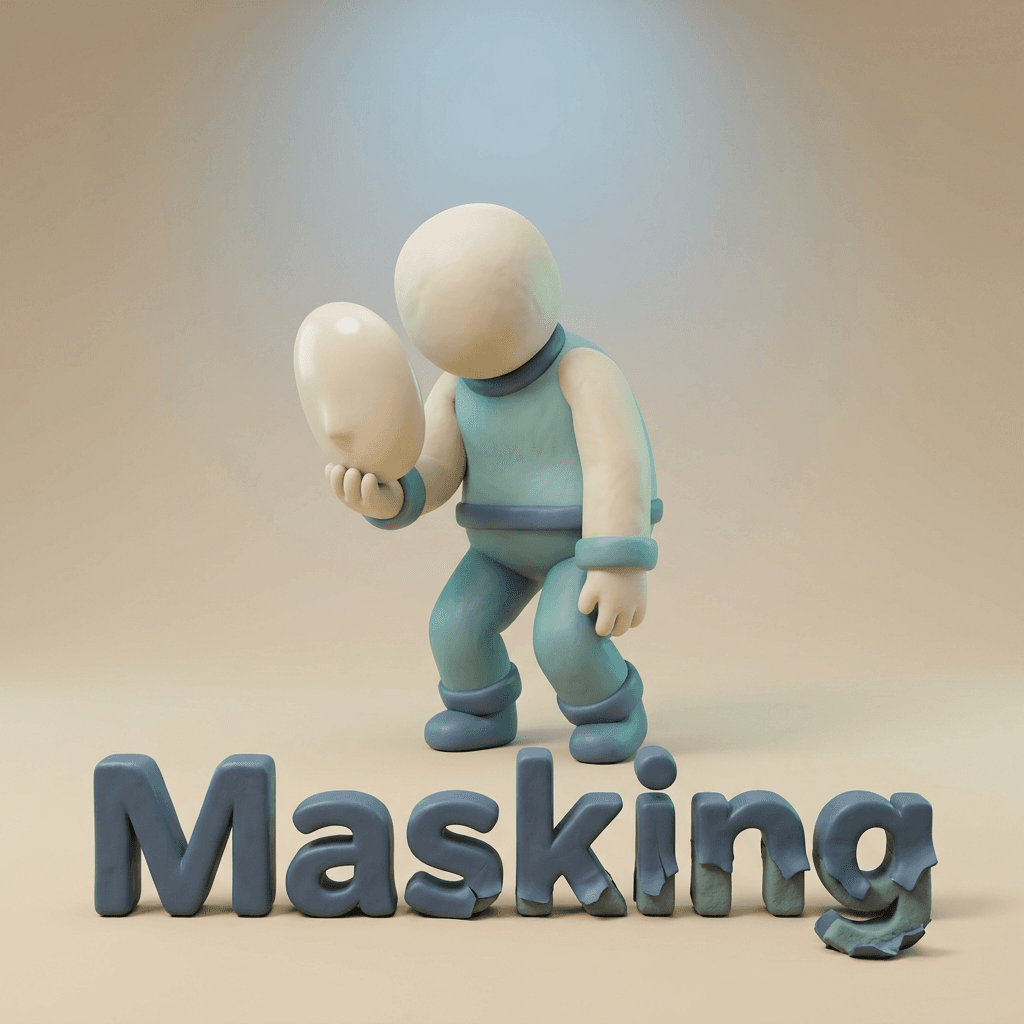
You leave the gathering and spend the drive home replaying every exchange. You feel a specific kind of tired that sleep does not fix. You performed at work, performed at the dinner, performed through the afternoon, and now the lights are too bright and the body wants to stop. Everyone else seemed to find it easy.
This exhaustion has a name. Autism masking, also called camouflaging, is the process of suppressing, modifying, or concealing autistic traits in order to appear neurotypical. It involves monitoring every word before it leaves your mouth, choosing which version of yourself is safe to show, and recalibrating constantly based on signals the room sends back. The effort is invisible to everyone except the person carrying it.
Masking is not lying. It is not manipulation. It is what happens when a brain learns, very early, that its natural way of being generates friction, and begins to smooth that friction proactively. The learning is often so thorough, and so early, that the person doing it does not know it is happening. They simply believe they are bad at socialising, or strange, or trying too hard, or not trying hard enough.
The nervous system is doing something extraordinary. Recognising that is the first step. The cost of that strategy, sustained across a lifetime, is what this page is about.
What masking actually involves, beyond just eye contact
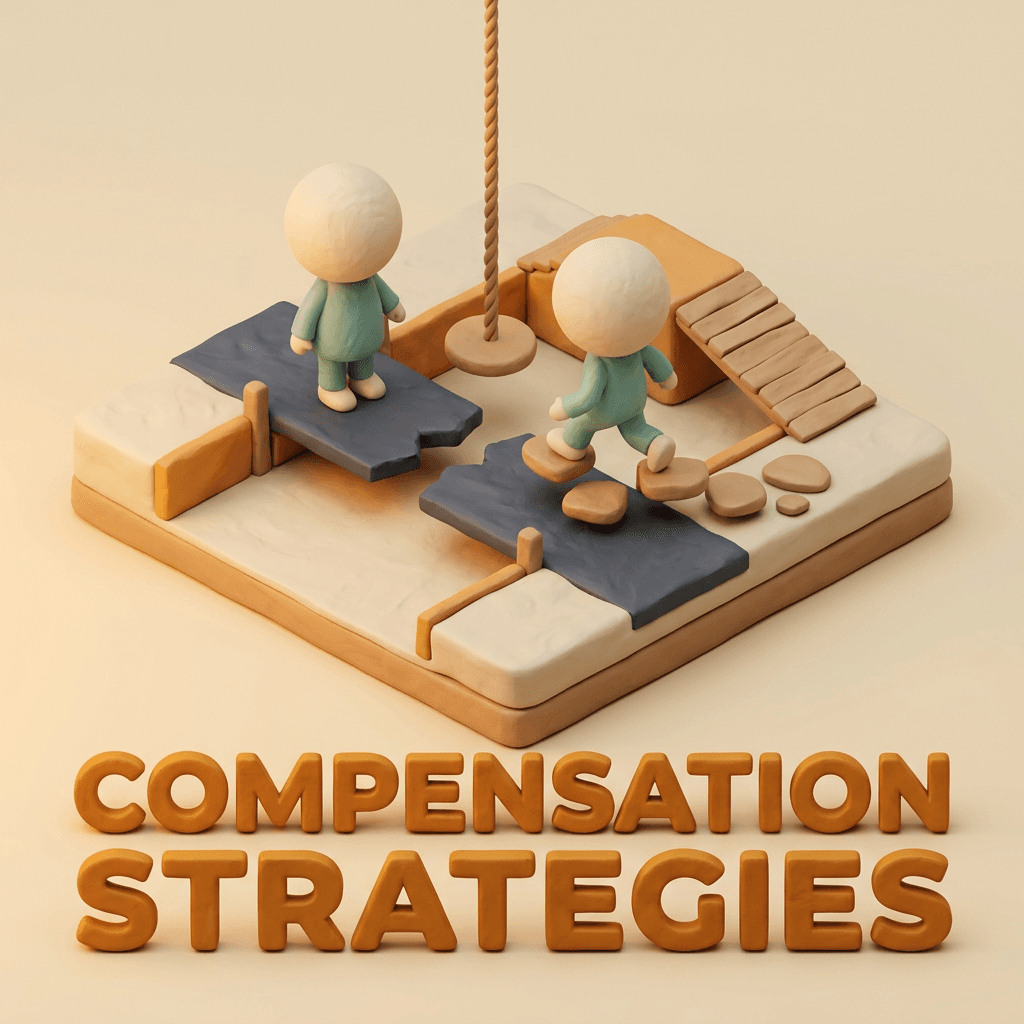
The Camouflaging Autistic Traits Questionnaire (CAT-Q), developed by Hull et al. in 2017, identifies three distinct components of masking. Understanding them separately is useful because different people mask differently, and recognising your own pattern helps in conversation with clinicians.
Modifying interests and behaviours to match those of the people around you. Suppressing or hiding special interests because they seem too intense or niche. Mirroring the speech patterns, gestures, and opinions of peers. Performing enthusiasm for topics you find neutral, and neutrality toward topics that genuinely absorb you.
Developing deliberate strategies to navigate social interaction: scripting conversations in advance, learning rules for when to laugh, practising facial expressions, memorising how long to hold eye contact before looking away. These strategies work. That is partly why they are so expensive: they require conscious execution, continuously, in real time.
Actively hiding stims, holding the body still when it wants to move, containing emotional responses that feel too large for the situation, keeping the volume of your voice calibrated to what the room expects. This is the most physically costly component. The body is overriding its own regulatory processes on command.
The CAT-Q was developed specifically because existing autism assessment scales were calibrated on unmasked presentations, typically boys showing more externally visible autistic behaviour. High CAT-Q scorers often score lower on traditional autism scales. The tool exists because the field recognised it had been measuring the wrong thing.
Why so many autistic people never knew they were masking
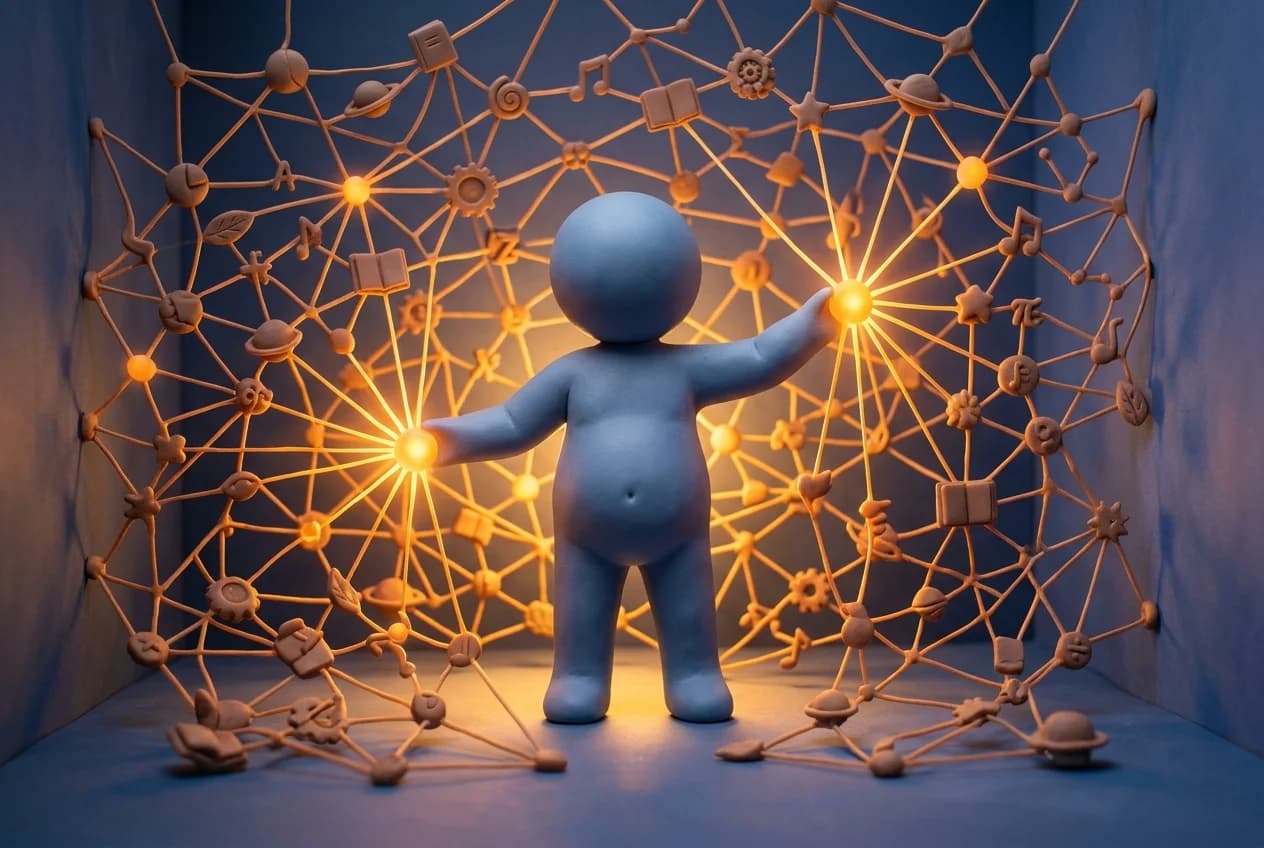
When masking begins in early childhood, before language for it exists, there is no comparison point. The child does not know that other children are not doing this. They do not know that the careful observation of faces, the mental cataloguing of acceptable reactions, the pre-planning of responses, is not something everyone does. It feels like personality.
The exhaustion, too, feels like personality. If you have always come home from school depleted, you do not assume this is unusual. If social events have always required recovery days, you assume you are an introvert with low stamina, not someone running a high-overhead neurological process in parallel with every conversation.
School environments accelerate masking in autistic children. Systems that reward compliance, sitting still, looking at the speaker, following the conversation rather than pursuing your own thread, train autistic children to suppress their natural behaviours before they have the vocabulary to question whether they should. The child who learns to perform attentiveness is praised. The learning is reinforced. The mask becomes automatic.
For many people, the first time they hear the word "masking" is after an autism diagnosis in adulthood. The second thing that happens is a recalibration: looking back across a lifetime of exhaustion and recognising it for what it was. That recognition is often both a relief and a grief.
Masking and late diagnosis: the evidence
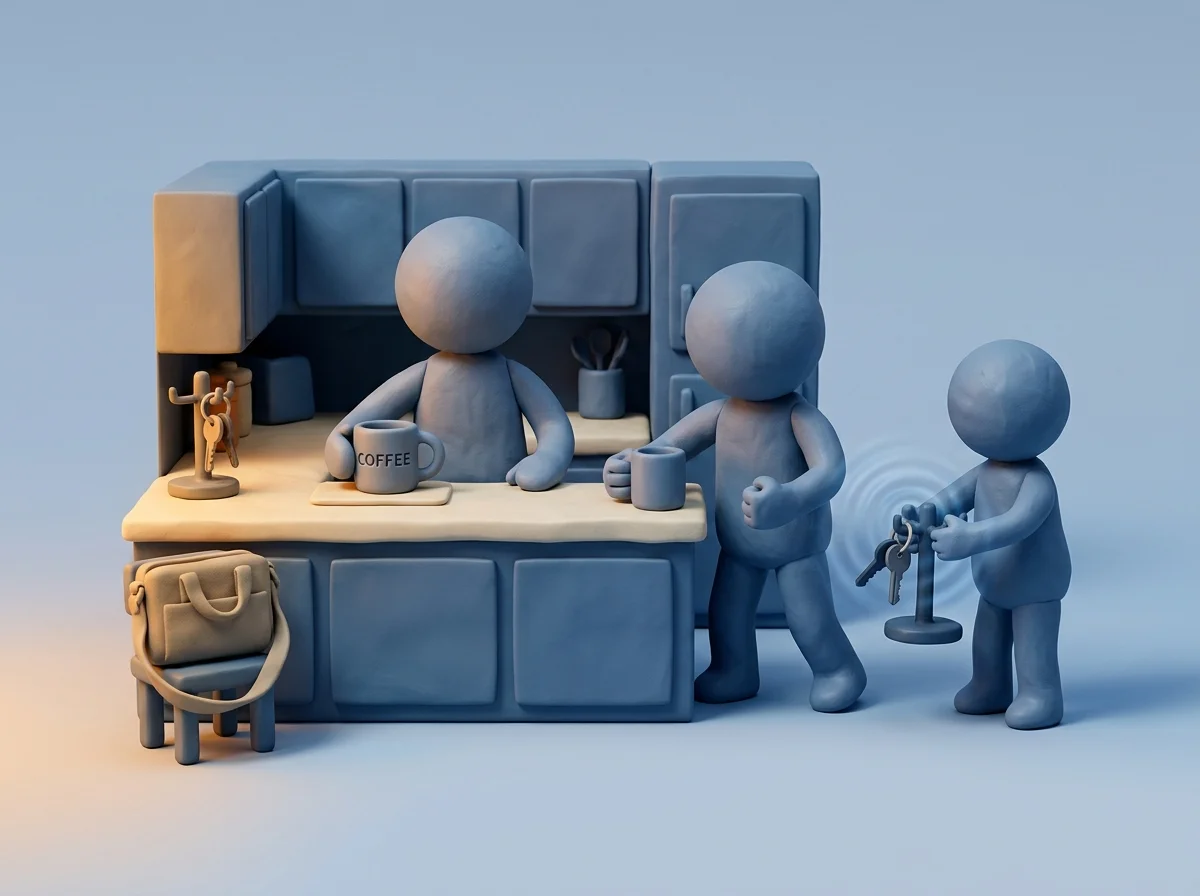
Masking does not prevent autism. It prevents autism from being visible. For clinicians using assessment tools built around unmasked presentations, a high-masking autistic person can appear to not meet diagnostic criteria, because the criteria were never designed to measure them.
Autistic women, AFAB individuals, and high-intelligence people in general tend to mask more completely and more automatically. Lai et al. (2017) documented the relationship between camouflaging and diagnostic delay, finding that women who masked extensively often received mental health diagnoses (anxiety, depression, borderline personality disorder) years or decades before anyone considered autism. The masking was not a symptom of those conditions. It was the cause, or a major contributor.
This is one reason why autism assessments that explicitly screen for masking produce better outcomes for women and late-diagnosed adults. An assessment that asks only "do you struggle with eye contact?" will miss the person who has spent thirty years learning exactly how long to hold it. An assessment that asks "do you have a strategy for eye contact?" gets closer to the truth.
For a deeper read on how this plays out specifically for women, see our guide to autism in women and AFAB people.
The real cost: burnout, identity loss, and the grief of late diagnosis
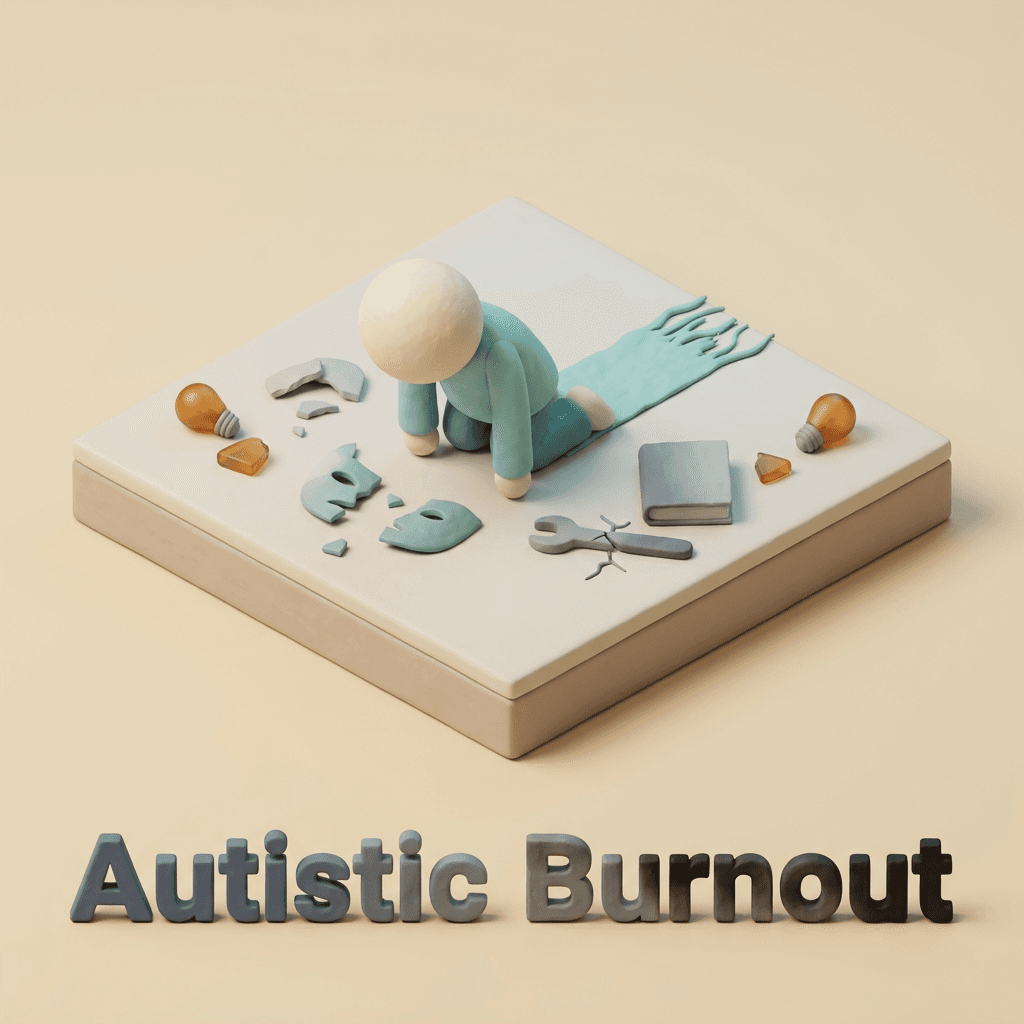
Autistic burnout is not ordinary burnout. Raymaker et al. (2020) defined it as a state of "pervasive, long-term exhaustion, loss of function, and reduced tolerance to stimulus." Their research identifies sustained masking as one of the primary drivers. The mechanism is not difficult to understand: every day spent running a performance of neurotypicality depletes cognitive, emotional, and sensory resources. Those resources do not regenerate as fast as they are spent. Over months and years, the deficit compounds.
Burnout presents differently from depression, though the two are often confused and frequently co-occur. Burnout in autistic people often involves a specific loss of previously maintained abilities: executive function collapses, speech becomes harder, sensory tolerance drops, social performance becomes impossible. Skills the person had relied on for years simply stop working. This is often frightening and disorienting before it is understood.
Beyond burnout, there is the identity cost. After decades of performing someone else, many late-diagnosed autistic adults genuinely do not know what their preferences are. They have modelled their stated interests on their social group's interests for so long that they cannot reliably distinguish their own from the performance. They have suppressed their natural responses to enough stimuli that they are uncertain how they actually feel. This is not a metaphor. It is a documented experience, and it requires time and deliberate attention to reverse.
The grief of late diagnosis is real: grief for the years spent without understanding, for the supports that were never offered, for the version of yourself that never got to exist. That grief is valid. It is also the beginning of something.
Ready to explore further?
Take a free screening, chat with Sheldon, or explore 30+ neurotypes in depth.
What unmasking actually looks like, and how to start safely
Unmasking is not a switch you flip. It is a gradual, contextual, and usually slow process of reintroducing authentic behaviour in the environments where it is safe to do so. Starting in unsafe environments before trust is established can be actively harmful. The goal is not to drop every strategy immediately. It is to identify where the cost is highest and the return is lowest, and begin there.
Not all masking is equally expensive. Social performance at work for eight hours costs more than making polite conversation with a neighbour for two minutes. Locate the highest-cost contexts and consider whether any authentic behaviour is possible there, even a small one.
Stimming when alone. Breaking eye contact when it becomes uncomfortable, with a trusted person who knows about your autism. Expressing a genuine preference instead of deflecting to whatever others want. These are not dramatic acts. They are small re-introductions of the self. Start where the stakes are low.
Seeing other autistic people unmask, and being in spaces where autistic behaviour is the norm rather than the exception, is one of the fastest routes to understanding what unmasking can look like for you specifically. Online communities and autistic-led peer support groups offer this in a low-stakes format.
Many autistic people describe a disorienting period during early unmasking: sensory experiences feel sharper, emotions feel larger, the world feels louder. This is not regression. It is what happens when the suppression system is taken offline, even temporarily. The nervous system is recalibrating. It takes time.
You did not learn to mask because you were weak. You learned because you were smart enough to read the room, and nobody made the room safe. Unmasking is not about undoing all of that work. It is about choosing, for the first time, when and where to put it down.
Frequently Asked Questions
Is masking always conscious?+
No. Some masking is deliberate (modifying speech, suppressing stims), but much of it is automatic, learned over years of social feedback. Many autistic people only become aware of their masking after diagnosis, looking back and recognising the performance they had always run without naming it.
Can you mask so well that clinicians miss the autism?+
Yes. The Camouflaging Autistic Traits Questionnaire (CAT-Q, Hull et al 2017) documents how extensive masking can obscure autism during assessment. This is one reason autism is missed in so many women, high-intelligence individuals, and adults who were high-performing in structured environments. A good assessment accounts for masking explicitly.
Does masking cause autistic burnout?+
Research by Raymaker et al (2020) identifies sustained masking as one of the primary drivers of autistic burnout. The cognitive load of continuously monitoring and suppressing natural behaviour leaves fewer resources for everything else. Over time, the deficit compounds.
How do I know if I am masking?+
Common signs: you feel exhausted after social interactions that others find energising; you need significant recovery time after work or school; you perform differently in familiar vs unfamiliar settings; you have described your authentic self as strange, too much, or weird; you feel like a different person in different contexts; you often cannot tell what your genuine preferences are.
Can unmasking make things harder at first?+
Yes. Unmasking, the deliberate process of dropping compensatory strategies in safe contexts, can initially feel disorienting. You may notice sensory and emotional experiences more acutely. Many autistic people describe a period of re-learning who they are. This is not pathological, it is adjustment.
Is masking the same as people-pleasing?+
They overlap but are different. People-pleasing is a psychological pattern driven by fear of rejection, common in many people and treatable with CBT. Masking is neurological, a full-body performance of neurotypicality that includes suppressing physical sensory responses, controlling eye contact, modulating speech, and monitoring every interaction in real time.
Should I tell people I am unmasking?+
Only in contexts you trust. You do not owe anyone an explanation for your neurology. Some autistic people find it useful to name it with close friends or partners; others prefer the unmasking to simply be visible without commentary.
Ready to explore further?
Take a free screening, chat with Sheldon, or explore 30+ neurotypes in depth.
Built by neurodivergent minds. 30+ conditions explored. Always free.
Sources
- Hull, L., et al. (2017). Development and validation of the Camouflaging Autistic Traits Questionnaire (CAT-Q). Journal of Autism and Developmental Disorders, 49(3), 819-833.
- Lai, M.-C., et al. (2017). Prevalence of co-occurring mental health diagnoses in the autism population: a systematic review and meta-analysis. Lancet Psychiatry, 6(10), 819-829.
- Raymaker, D. M., et al. (2020). Having all of your internal resources exhausted beyond measure and being left with no clean-up crew: defining autistic burnout. Autism in Adulthood, 2(2), 132-143.