Am I Autistic? Understanding the Signs in Adults
Many adults discover they are autistic later in life, often after years of feeling different without knowing why. Around 1 in 100 people in the UK are autistic (NHS Digital), yet the majority of autistic adults remain undiagnosed. Key signs include differences in social communication, heightened sensory sensitivities, deep and focused interests, and a strong preference for routine. Take a free screening to explore whether your experiences align with autism.

This page provides educational information, not a diagnosis. Always consult a qualified healthcare professional for clinical evaluation.
For our full guide to autism — including lived experiences, the neuroscience, and interactive empathy simulations — visit our comprehensive autism page.
Common Signs of Autism in Adults

Autism presents differently in every person, but certain patterns tend to recur. If several of the following resonate with your experience, it may be worth exploring further.
- Social masking. Consciously studying and copying how other people behave in social situations, often feeling exhausted afterwards.
- Sensory sensitivity. Strong reactions to sounds, lights, textures, smells, or tastes that others seem to tolerate easily. This can also include sensory seeking behaviour.
- Intense and focused interests. Deep engagement with specific topics or activities, often to an expert level, with a drive to learn everything about them.
- Preference for routine. Finding comfort in predictability and experiencing significant distress when plans change unexpectedly.
- Social exhaustion. Needing substantial recovery time after social interaction, even when the interaction went well.
- Literal communication style. Taking things at face value, missing implied meanings or sarcasm, and preferring direct and precise language.
- Executive function challenges. Difficulty with planning, organising, transitioning between tasks, or managing time, particularly when tasks lack clear structure.
- Difficulty with unexpected change. A cancelled plan or a change in environment can feel disproportionately unsettling, sometimes triggering anxiety or shutdown.
- Stimming. Repetitive movements or behaviours such as hand-flapping, rocking, fidgeting, or repeating words and phrases, used for self-regulation or expression.
Ready to explore further?
Take a free screening, chat with Sheldon, or explore 30+ neurotypes in depth.
Why Do Many Adults Get Diagnosed Late?
Research into autism historically focused on white boys with high support needs, which created a diagnostic framework that missed a large portion of the autistic population. Studies suggest that women are diagnosed on average 4 to 5 years later than men, and the current diagnostic ratio of 3:1 male to female is believed to significantly undercount autistic women and non-binary people.
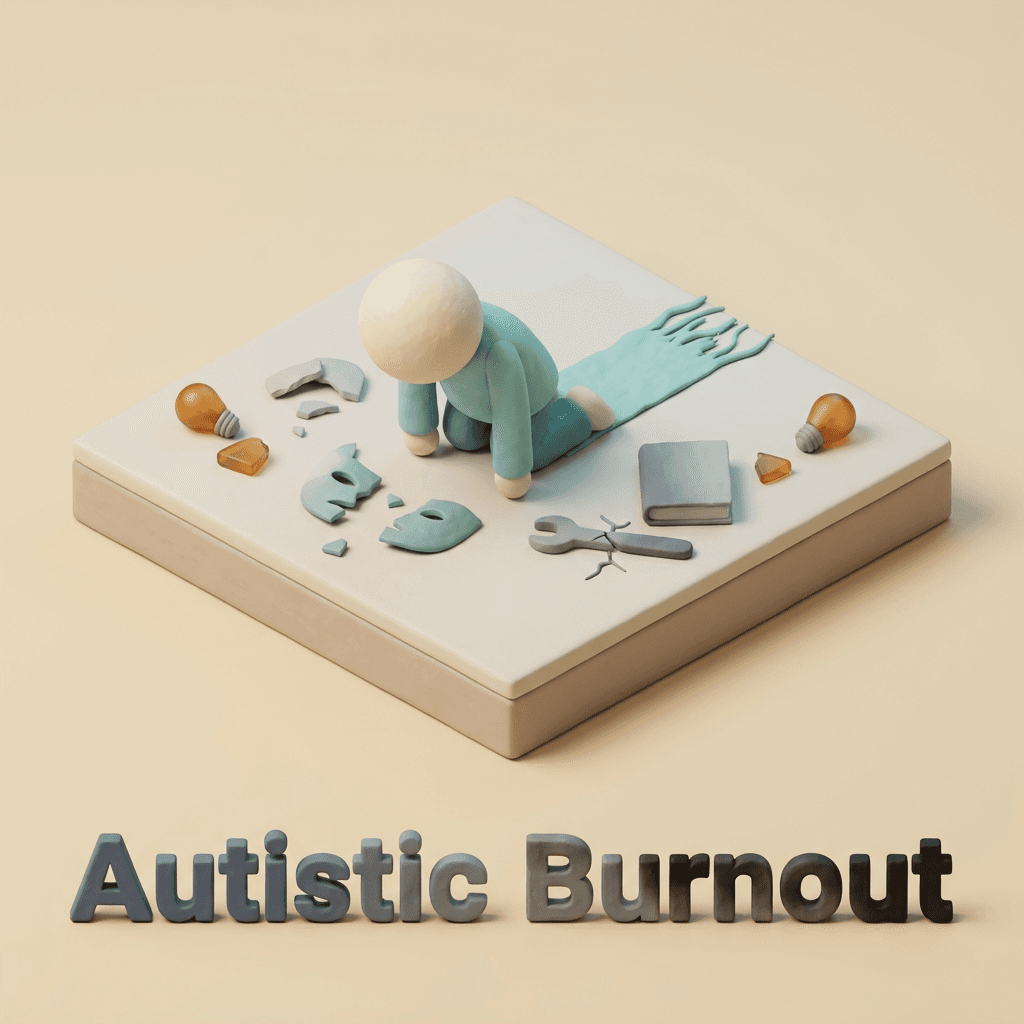
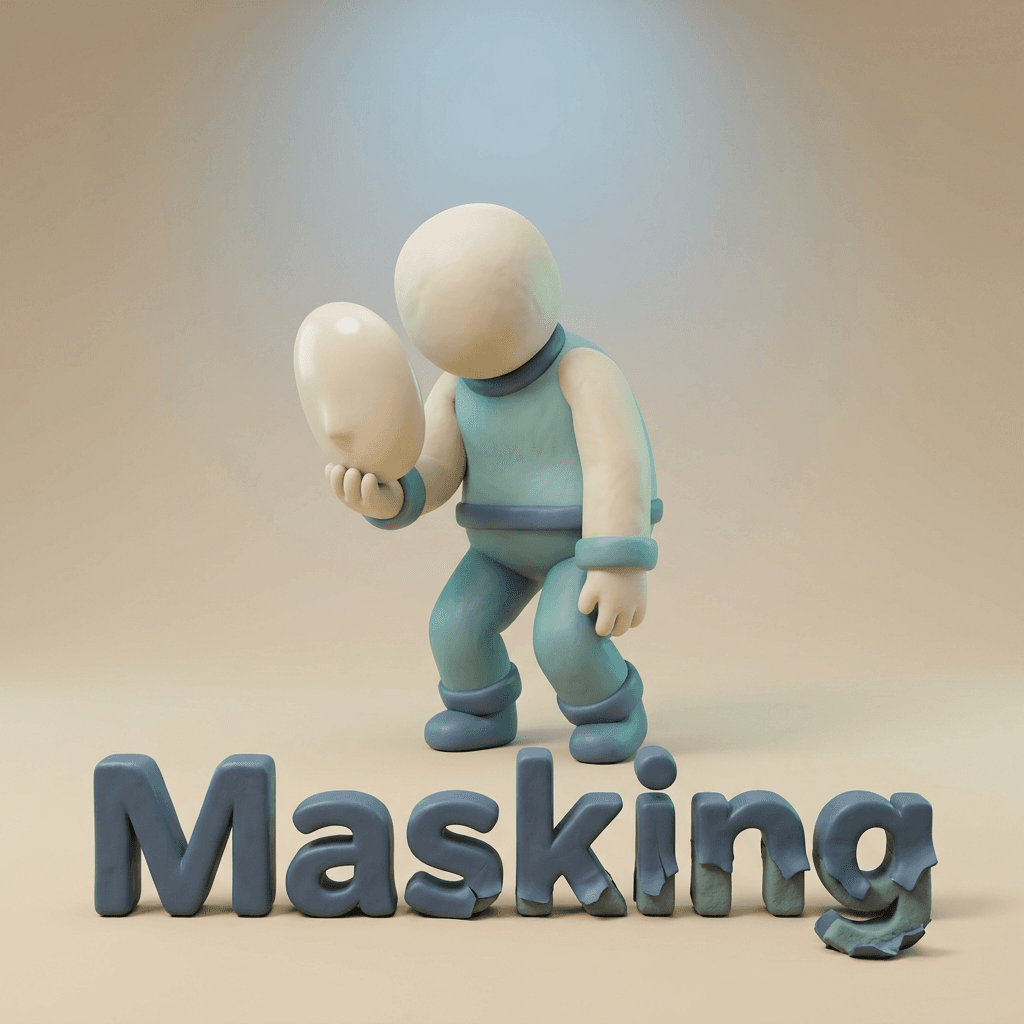
Masking is one of the primary reasons. Autistic people, particularly women and those socialised as female, often learn from a young age to suppress visible autistic traits and imitate neurotypical behaviour. This can be so effective that the person themselves may not realise they are doing it until burnout forces the mask to slip.
Gender bias in diagnostic criteria has also played a significant role. Autism in women and non-binary people tends to present differently from the male-centric criteria that many clinicians were trained on. Social reciprocity, for example, may appear intact on the surface while requiring enormous internal effort. Additionally, many people struggle to recognise empathy in autistic people — if you want to understand why, read our guide on autism and empathy.
Co-occurring conditions such as anxiety, depression, ADHD, or eating disorders can also obscure autism. Research shows that 50 to 70% of autistic people also meet criteria for ADHD. Many adults receive other diagnoses first and only discover the underlying autism years later, often through autistic burnout. For more on whether autism affects intelligence, see our guide on autism and intelligence.
How to Get Assessed for Autism in the UK

There are several routes to an adult autism assessment in the UK, each with different timescales and costs.
NHS Referral
Ask your GP for a referral to an adult autism assessment service. Waiting times vary enormously by area, from around 12 months to over 5 years. You do not need a GP's agreement to be referred; you can self-refer in some areas.
Right to Choose
Under NHS England's Right to Choose policy, you can ask your GP to refer you to any qualified provider, including those with shorter waiting lists. This is NHS-funded and does not cost you anything. Your GP cannot legally refuse a Right to Choose referral.
Private Assessment
Private autism assessments typically cost between £800 and £2,500 and can usually be arranged within 2-8 weeks. Make sure any private assessor is registered with a professional body and uses recognised diagnostic tools.
For a detailed guide on the UK diagnostic process, including how to prepare and what to expect, see our page on adult autism diagnosis in the UK. If you're already on an NHS list, our autism waiting list guide covers what to do while you wait.
What You Can Do Right Now
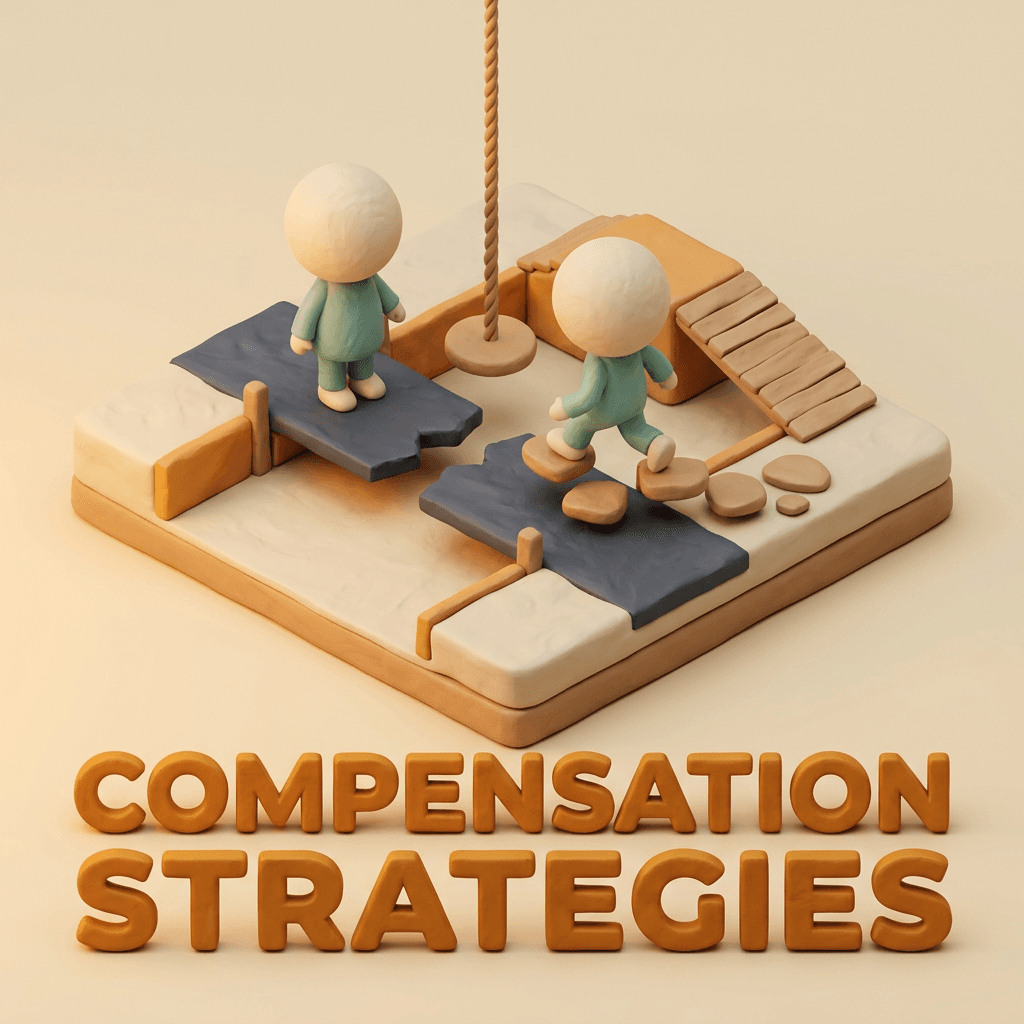
Whether or not you pursue a formal assessment, there are practical steps you can take today to better understand yourself and get support.
- Talk to your GP. If autism resonates with your experience, book an appointment and ask for a referral to an autism assessment service. Bring specific examples of how traits affect your daily life.
- Journal your experiences. Start writing down situations where you notice sensory sensitivity, social exhaustion, masking, or need for routine. This record will be invaluable whether you pursue assessment or simply want to understand yourself better.
- Connect with autistic communities. Organisations like the National Autistic Society and online peer groups offer spaces to share experiences and learn from people who understand.
- Try a free screening tool. AskSheldon offers an evidence-based autism screening that analyses your responses using a multi-disciplinary AI team and produces a structured evidence summary you can share with a clinician.
- Learn about autism in depth. Our autism page covers traits, lived experience, clinical science, and the strengths that come with an autistic brain.
Frequently Asked Questions
How do I know if I'm autistic?
Common indicators include finding social situations draining, experiencing strong sensory reactions to light, sound, or textures, having deep and focused interests, preferring predictable routines, and feeling like you communicate differently from those around you. Many autistic adults also report a lifelong sense of being "different" without understanding why. A formal assessment with a qualified clinician is the only way to receive a diagnosis.
Can you be autistic and not know it?
Yes, this is very common. Many autistic people, particularly women and those socialised as female, develop sophisticated masking strategies from childhood. They learn to mimic neurotypical social behaviour so effectively that neither they nor the people around them recognise their autism. Late identification often follows a period of burnout, a life transition, or learning about autism through someone else's diagnosis.
What is the difference between autism and ADHD?
Autism and ADHD are distinct neurodevelopmental conditions that frequently co-occur. Autism primarily involves differences in social communication, sensory processing, and a preference for routine and predictability. ADHD is characterised by difficulties with attention regulation, impulsivity, and executive function. Around 50-70% of autistic people also meet criteria for ADHD, and the overlap in traits such as sensory sensitivity and social difficulties can make it hard to distinguish one from the other without professional assessment.
Is there a free autism test I can take online?
AskSheldon offers a free, evidence-based autism screening tool that analyses your responses using a multi-disciplinary AI team modelled on clinical practice. While no online tool can provide a formal diagnosis, our screening can help you understand whether your experiences align with autistic traits and produce a structured evidence summary you can share with a clinician.
How long does an autism diagnosis take in the UK?
NHS waiting times for adult autism assessment vary widely across the UK, ranging from 12 months to over 5 years depending on your local area. You have the legal Right to Choose your assessment provider, which can significantly reduce waiting times. Private assessments typically take 2-8 weeks to arrange and cost between £800 and £2,500. Preparing evidence of your traits in advance, such as through AskSheldon's assessment tools, can help make the diagnostic process smoother regardless of which route you take.
Last updated: March 2026
Ready to explore further?
Take a free screening, chat with Sheldon, or explore 30+ neurotypes in depth.
Built by neurodivergent minds. 30+ conditions explored. Always free.