Free Autism Self-Assessment for Adults
AskSheldon offers a free online autism screening for adults based on validated clinical instruments. The assessment explores social communication, sensory processing, executive function, and behavioural patterns. It is not a diagnosis but helps you understand your traits and prepare for clinical evaluation.

For our full guide to autism — including lived experiences, the neuroscience, and interactive empathy simulations — visit our comprehensive autism page.
Start Your Free Screening

Answer evidence-based questions across key autism trait domains. The screening takes 10 to 15 minutes and gives you a clear summary of where your responses sit relative to clinical thresholds.
Start Autism Screening →No account required to begin. Results are private.
Ready to explore further?
Take a free screening, chat with Sheldon, or explore 30+ neurotypes in depth.
What Does This Screening Cover?
Social communication
How you interpret social cues, manage conversations, and navigate unspoken rules in social settings.
Sensory processing
Your sensitivity to sounds, textures, light, taste, and other sensory input — including both over- and under-sensitivity.
Executive function
Planning, organising, task-switching, and managing time — areas where many autistic adults experience friction.
Repetitive behaviours and routines
Patterns such as stimming, need for sameness, intense focus on specific interests, and discomfort with unexpected change.
Emotional regulation
How you process and manage emotions, including shutdowns, meltdowns, alexithymia, and emotional intensity.
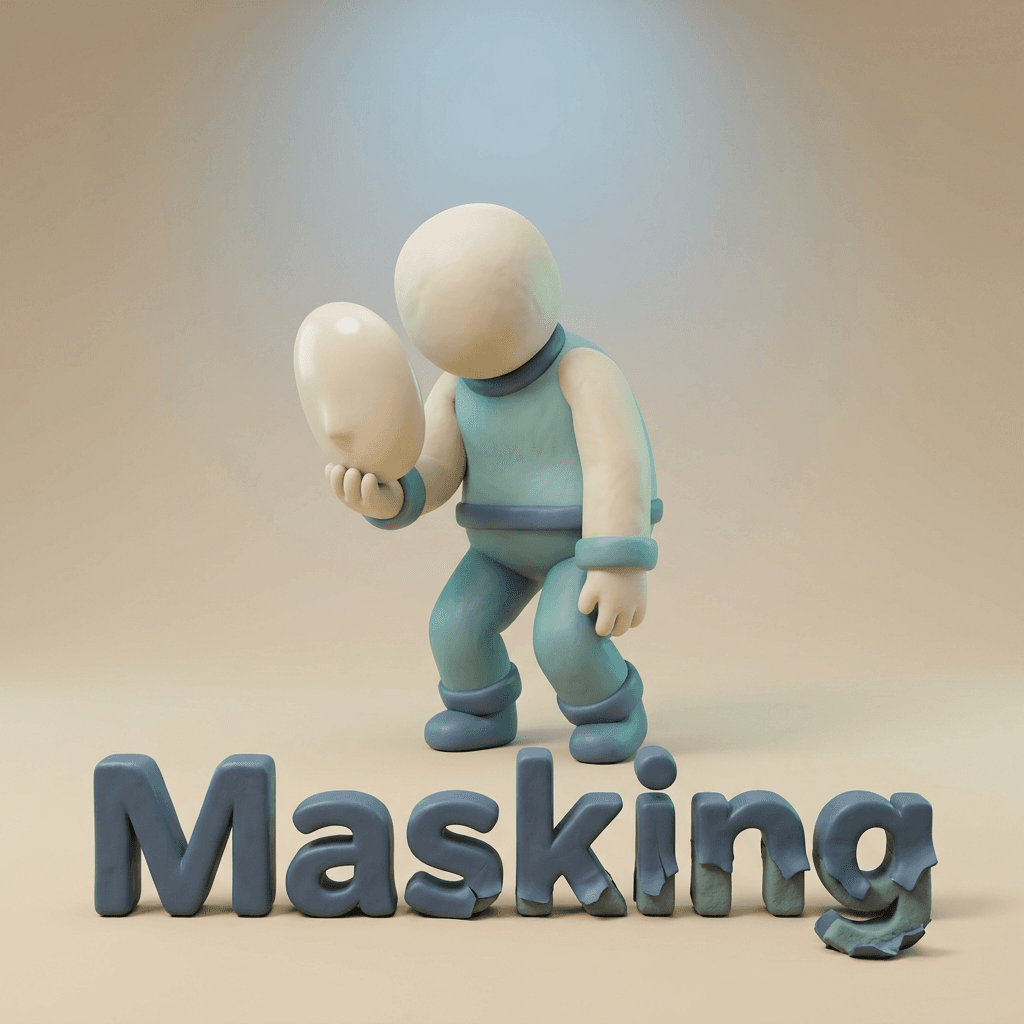
Masking and camouflaging
The conscious or unconscious effort to suppress autistic behaviours in social situations — particularly common in women and late-diagnosed adults.
How This Screening Differs from Traditional Tests
Traditional tools — the AQ-10, AQ-50, and RAADS-R — use fixed statements rated on a scale. They were developed primarily with male participants and can miss presentation patterns common in women, non-binary people, and late-diagnosed adults. The AQ-10 in particular was designed as a quick clinical triage tool, not a nuanced self-assessment, and its binary framing struggles to capture the complexity of autistic experience across different social contexts.
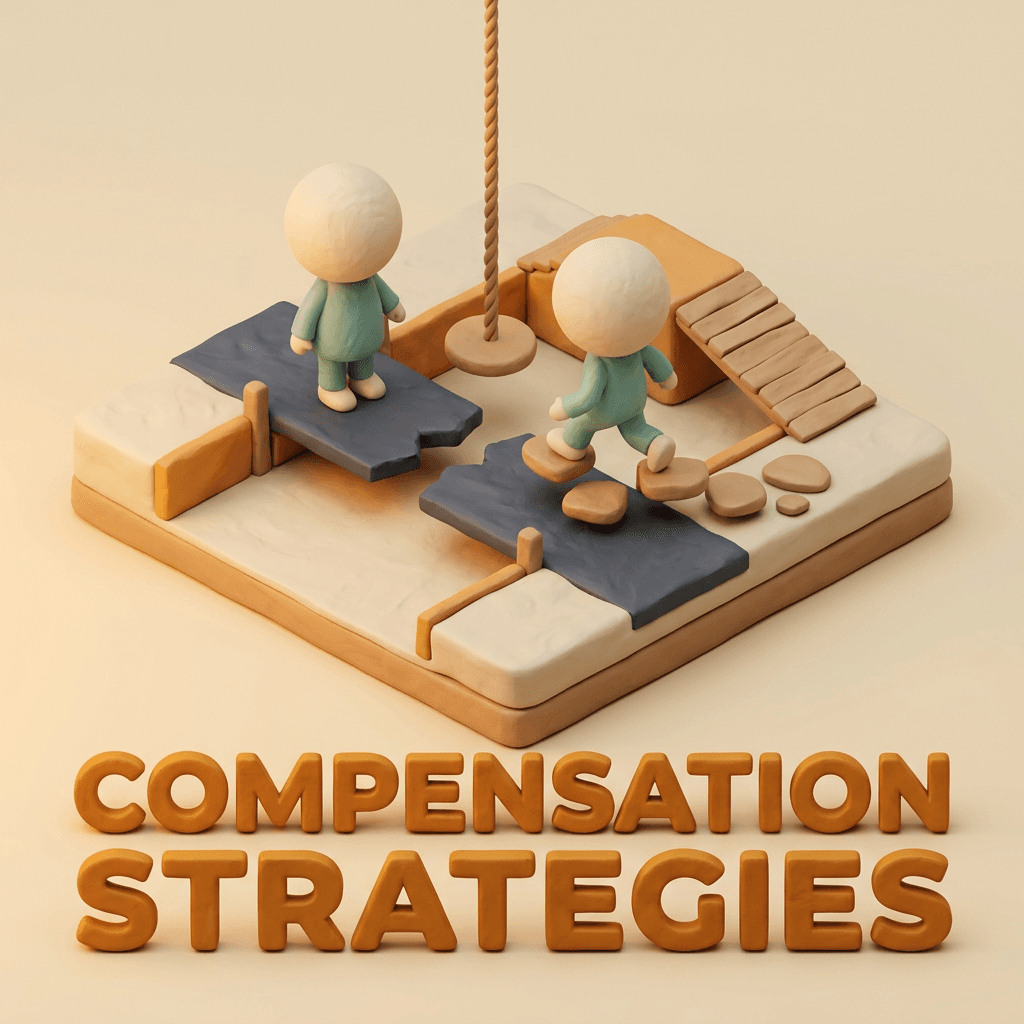
This screening specifically accounts for masking — the camouflaging of autistic traits — which tools like the CAT-Q measure separately. Many people score “not autistic” on the AQ-10 precisely because they mask so well. The questions don't distinguish between “I don't struggle with this” and “I've learned to hide that I struggle with this.” For women and adults who received no early support, decades of compensatory strategies can make traditional questionnaires almost meaningless as a screening instrument.
AskSheldon's screening uses adaptive questioning that explores multiple domains and captures nuance through AI analysis, rather than a fixed questionnaire with a binary cutoff score. The questions probe not just whether you do something, but whether it is effortful, draining, or requires conscious scripting — distinctions that matter enormously for late-diagnosed adults.
How Is This Different from a Clinical Diagnosis?

A screening identifies traits and patterns consistent with autism. It tells you whether your experiences align with those commonly reported by autistic adults. A formal diagnosis, by contrast, requires a qualified clinician to conduct structured interviews, review developmental history, and apply standardised diagnostic criteria such as DSM-5 or ICD-11.
Screening is a useful first step. It helps you gather your thoughts, articulate your experiences, and arrive at a clinical appointment with structured evidence rather than a vague sense that something feels different. If you are in the UK, read our guide on getting an adult autism diagnosis in the UK.
What Happens After the Screening?
After completing the screening, you receive a detailed summary of your trait profile across each domain. This includes where your responses sit relative to clinical thresholds and what those patterns might mean in everyday life.
If your results suggest further exploration is worthwhile, you have several options. You can ask your GP for an NHS referral, use the Right to Choose pathway to access a provider of your choice, or pursue a private assessment. Our guide on adult autism diagnosis in the UK walks through each route in detail.
You can also continue with AskSheldon's full diagnostic-style assessment, which collects more detailed evidence, invites informants to contribute their observations, and produces a clinical-grade report you can share with your clinician.
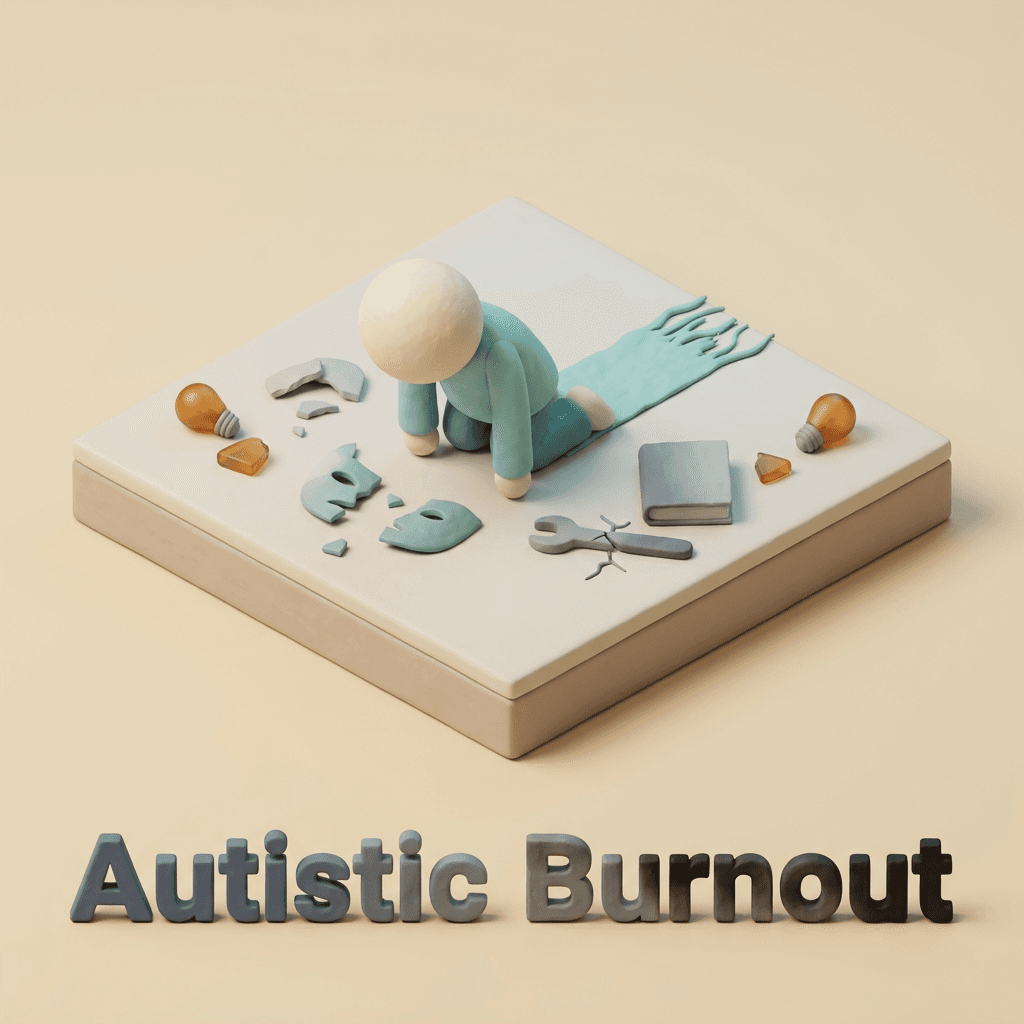
If your results suggest autistic traits, you may want to learn about recognising autistic burnout — a common experience for undiagnosed adults. Our sensory overload toolkit also has immediate support tools you can use while processing your results.
What You Can Do Right Now

Whether or not you decide to take a screening, here are practical steps you can take today:
- Talk to your GP. If you suspect you may be autistic, book an appointment and ask for a referral to an autism assessment service. Bring specific examples of how traits affect your daily life.
- Start journaling your experiences. Write down situations where you notice sensory sensitivity, social exhaustion, or need for routine. This personal evidence is useful for both self-understanding and clinical assessment.
- Connect with autistic communities. The National Autistic Society and online peer groups offer spaces to share experiences and learn from people who understand.
AskSheldon goes beyond a simple questionnaire. When you complete a full screening, your responses are organised by an Agentic Multi-Disciplinary Team (Agentic MDT) of five independent AI agents. Each agent applies a different clinical framework before cross-checking each other's work and producing a structured summary for clinician review. The platform also supports multi-informant evidence gathering. Learn more on our How It Works page.
Frequently Asked Questions

Is this autism test clinically validated?
Our screening draws on validated clinical instruments such as the AQ-10 and CAT-Q. It is designed to identify autistic traits, not to replace a formal clinical assessment. The questions cover the same domains used in NHS and private diagnostic pathways.
How long does the autism screening take?
The initial screening takes approximately 10 to 15 minutes. If you choose to continue with a full diagnostic-style assessment, that takes longer and includes follow-up questions and optional informant input.
Do I need to create an account?
No. You can begin the screening without creating an account. If you want to save your results, access detailed reports, or invite an informant to contribute observations, you can create a free account at any point.
Can this test diagnose autism?
No. This is a screening tool, not a diagnostic instrument. It identifies traits consistent with autism and helps you understand whether a formal assessment might be worthwhile. Only a qualified clinician can make a diagnosis.
Is my data private and secure?
Yes. AskSheldon stores data encrypted at rest on Google Cloud and in transit over TLS. We do not sell or share your information with third parties. You can delete your data at any time. We use cookie-free analytics and do not track you across the web.
Last updated: March 2026
Ready to explore further?
Take a free screening, chat with Sheldon, or explore 30+ neurotypes in depth.
Built by neurodivergent minds. 30+ conditions explored. Always free.
Related guides
- Autism diagnosis in the UKNHS, Right to Choose and private routes
- Autism test for childrenHow children are screened
- When to get testedKnowing if assessment is worth it
- Right to ChooseThe NHS referral pathway
- Autism waiting listsWhat to do while you wait
- A parent's guide to diagnosisNavigating your child’s assessment