Autism in Women — Signs Often Missed
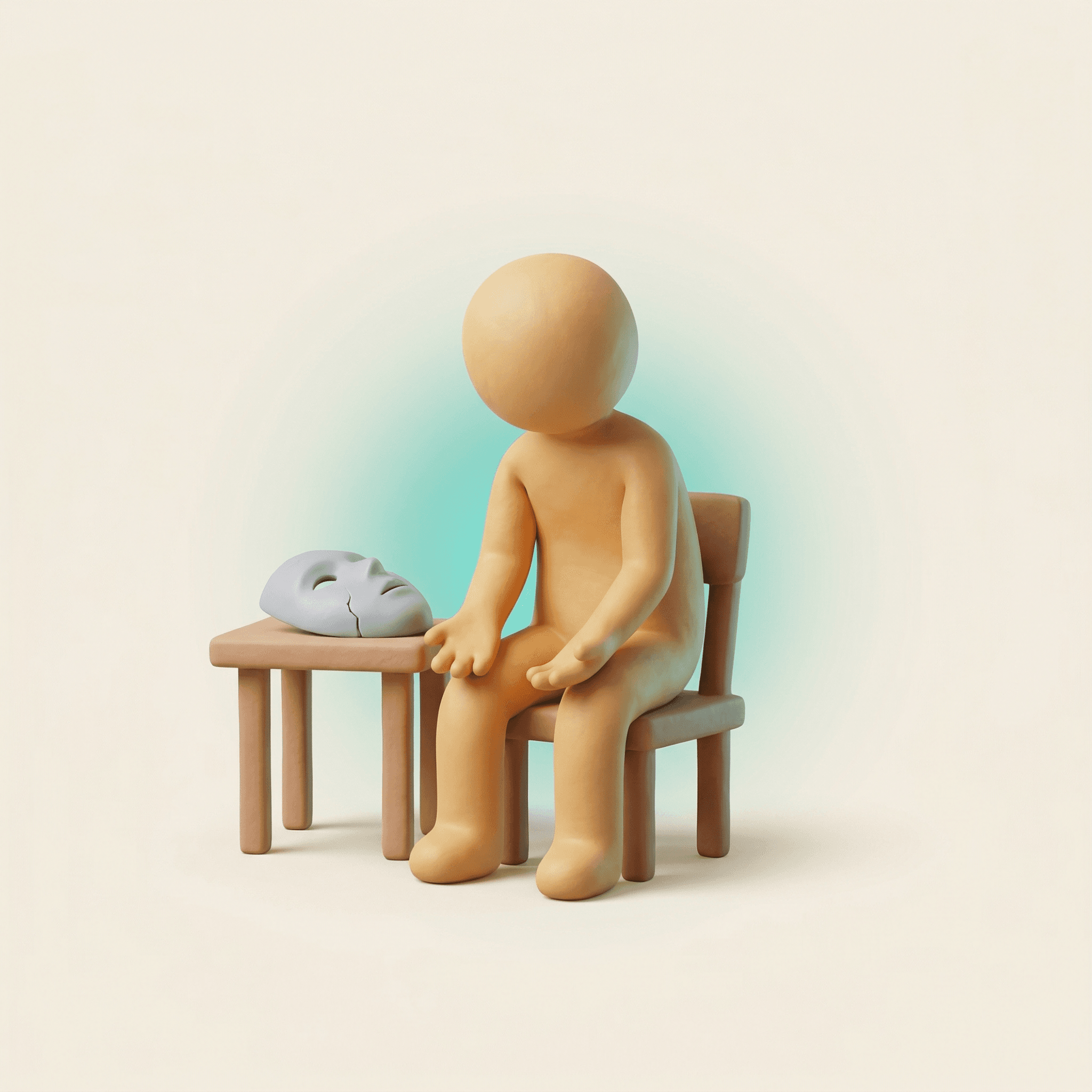
Autism in women frequently goes unrecognised because diagnostic criteria were built around male presentations. The current diagnostic ratio of 3:1 male to female is widely considered to undercount autistic women, with researchers estimating the true ratio at closer to 2:1 or lower. Women are more likely to mask their autistic traits, leading to late diagnosis, misdiagnosis with anxiety or depression, and years of feeling different without understanding why.
For our full guide to autism — including lived experiences, the neuroscience, and interactive empathy simulations — visit our comprehensive autism page.
How Autism Presents Differently in Women
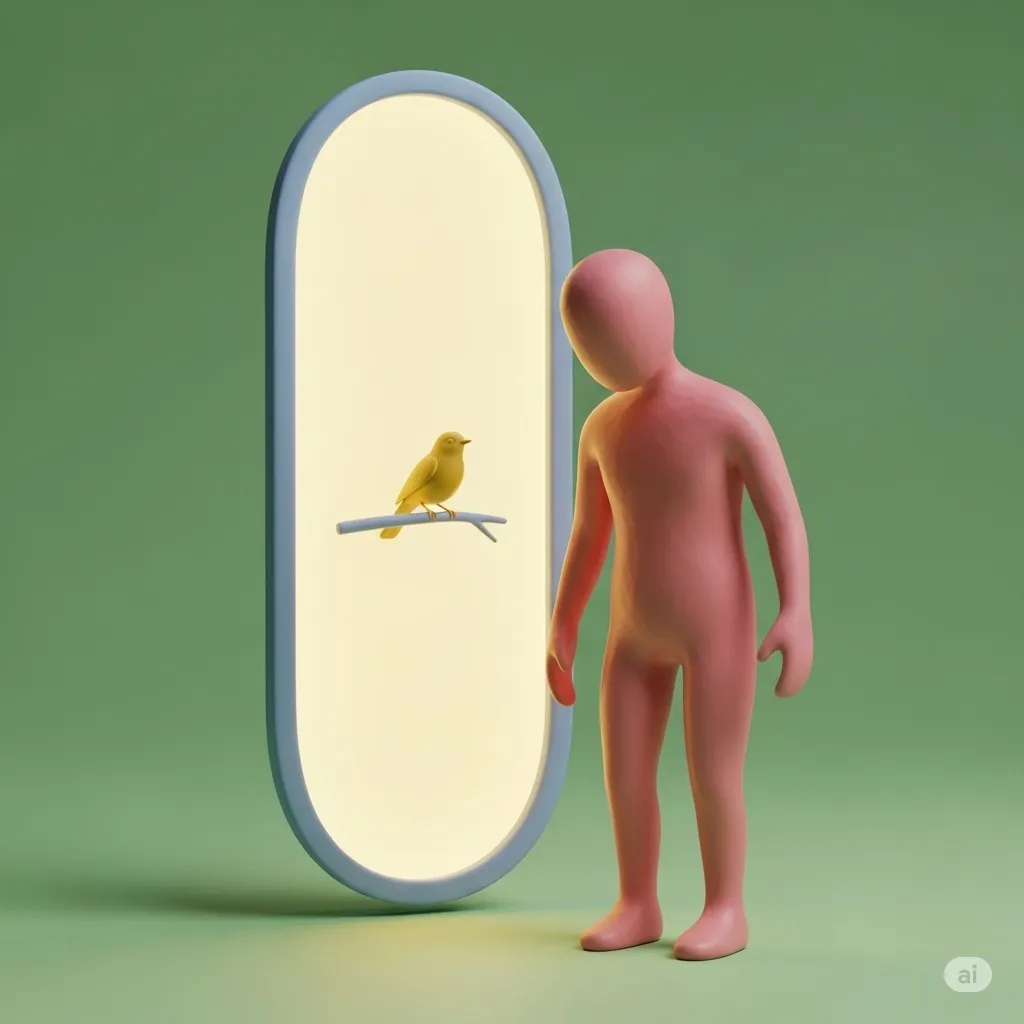
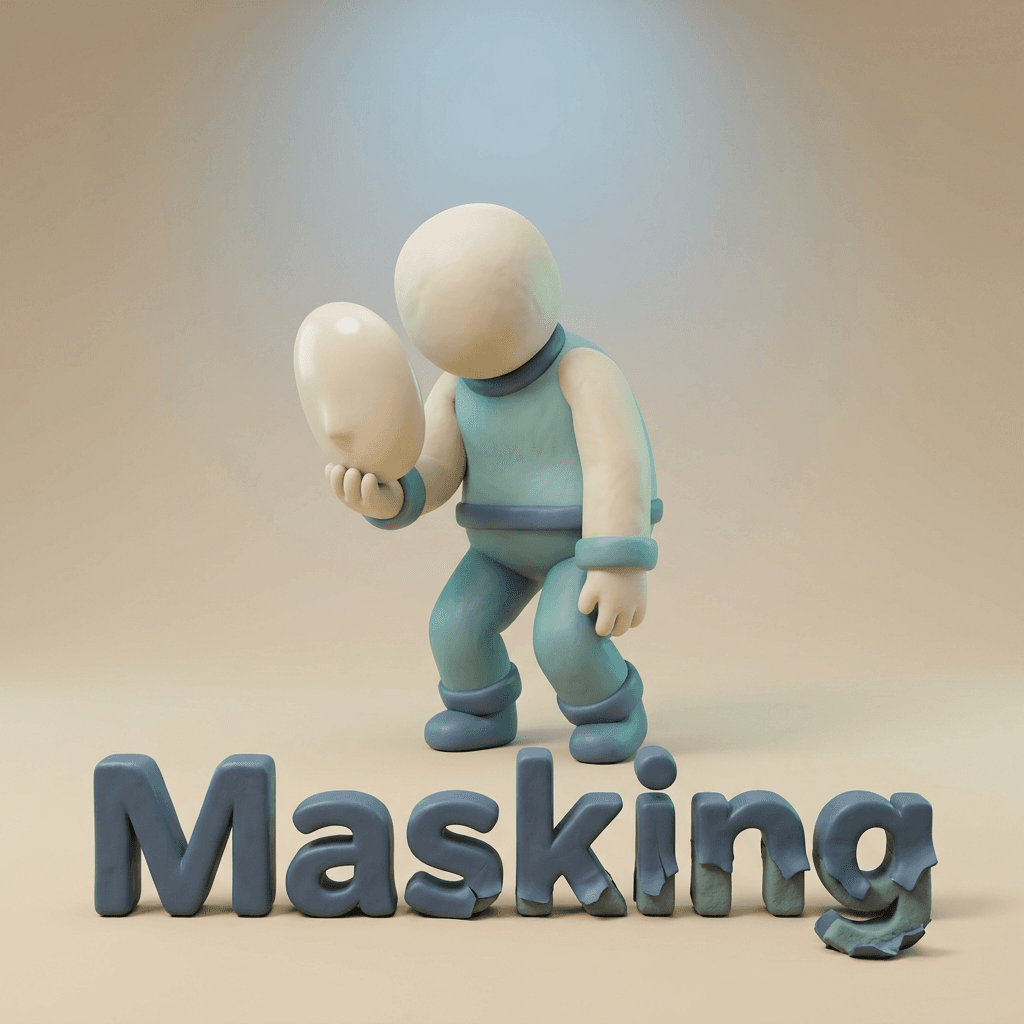
Autistic women often develop sophisticated social camouflaging strategies from childhood. They may learn social rules by observation, mimic neurotypical peers, and suppress stimming behaviours in public. This masking comes at a significant cost: chronic exhaustion, autistic burnout, anxiety, and a fragmented sense of identity.
Research by Lai et al. (2017) and Hull et al. (2020) has shown that camouflaging is more prevalent in autistic women and is associated with higher rates of depression, anxiety, and suicidal ideation.
One area where autistic women are frequently misunderstood is around empathy. Many people assume autistic women lack empathy because of difficulties reading social cues. In fact, research shows autistic women often experience intense emotional empathy, sometimes to the point of overwhelm.
Start your journey with AskSheldon
Free tools to explore, screen, and understand your neurodivergent mind.
Signs of Autism in Women and Girls
Consciously copying social behaviours, rehearsing conversations, and suppressing natural responses to fit in.
Deep, focused interests that may appear "socially acceptable" (animals, psychology, fiction, crafts) and so go unrecognised as autistic traits.
Strong reactions to textures (clothing tags, certain fabrics), sounds, lights, or smells that feel overwhelming but are often dismissed as "being fussy".
Needing significant recovery time after social interaction. Wanting friendships but finding them draining to maintain.
Anxiety, depression, eating disorders, or self-harm that may actually stem from undiagnosed autism and the stress of masking.
Struggles with organisation, time management, and task-switching that may be misattributed to ADHD or dismissed entirely.
Why Women Are Underdiagnosed
The original diagnostic criteria for autism (DSM-III, 1980) were based almost entirely on research with boys. Leo Kanner and Hans Asperger both studied predominantly male patients. These male-centric criteria remain embedded in current diagnostic tools like ADOS-2, which can miss women who present differently.
Girls tend to develop compensatory social strategies earlier than boys. A girl who quietly observes and copies her peers may not raise concerns in the way a boy with more visible behavioural differences might. Teachers and parents often describe autistic girls as "shy", "anxious", or "a perfectionist" rather than considering autism. A meta-analysis by Loomes, Hull, and Mandy (2017) in the Journal of the American Academy of Child & Adolescent Psychiatry estimated the true male-to-female ratio at approximately 3:1 for diagnosed cases but closer to 2:1 when accounting for undiagnosed women.
Common misdiagnoses for autistic women include generalised anxiety disorder, social anxiety, borderline personality disorder (BPD), bipolar disorder, eating disorders, and chronic fatigue syndrome. If this resonates with your experience, our guide to recognising autism in adults may help you explore further.
What You Can Do Right Now

If this page resonates with you, here are practical next steps:
- Talk to your GP. Ask for a referral to an autism assessment service and specifically mention that autism in women is often missed. Reference NICE guideline CG142.
- Journal your masking patterns. Write down specific situations where you consciously adapt your behaviour to fit in — this evidence is valuable for assessors.
- Connect with autistic women's communities. Groups like the National Autistic Society's women's network and online forums for late-diagnosed women offer peer support from people who understand.
AskSheldon also provides free autism screening tools that account for the female autism phenotype. Our AI-powered assessment gathers evidence across multiple domains, including masking behaviours and internalised traits that standard screening tools often miss. You can chat with Sheldon to explore your experiences in a safe, judgment-free space, or learn more about the autism diagnosis process in the UK.
Hormonal Impacts on Autistic Women
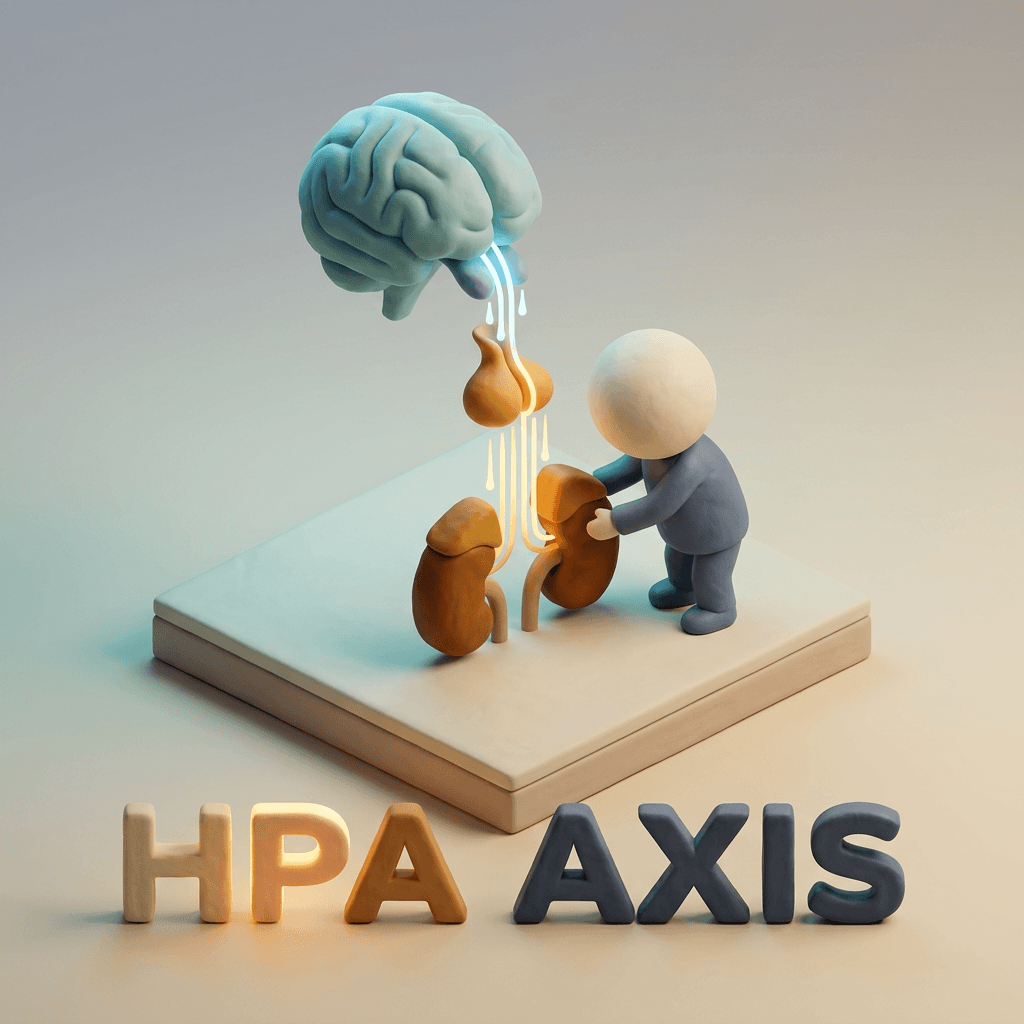
Hormonal fluctuations can significantly affect autistic traits, yet this intersection remains poorly understood and rarely discussed in clinical settings.
Many autistic women report significantly worsened sensory sensitivity, executive function, and emotional regulation in the luteal phase (premenstrual). This can be misdiagnosed as PMDD (premenstrual dysphoric disorder) when autism is the underlying factor amplifying these experiences.
Disrupted routines, sensory overwhelm from a newborn, and loss of alone time can trigger autistic burnout. Standard postpartum depression screening does not capture autistic-specific distress, meaning new mothers may receive support that does not address their actual needs.
Hormonal fluctuations during perimenopause can unmask autism in women who have masked successfully for decades. As cognitive resources decline with age, masking becomes harder to sustain. Many women are first identified as autistic in their 40s and 50s during perimenopause.
The Intersection of Autism and Eating Disorders
Research by Brede et al. (2020) found that autistic women are significantly overrepresented in eating disorder populations. Understanding this overlap is critical for accurate diagnosis and effective treatment.
Restrictive eating in autism is often sensory-driven — texture aversions, smell sensitivities, and intolerance of certain food consistencies — rather than body-image-driven. This distinction is frequently missed by clinicians trained to look for body dysmorphia as the primary motivator.
Avoidant/Restrictive Food Intake Disorder (ARFID) is common in autistic people but often overlooked in favour of anorexia or bulimia diagnoses. ARFID involves significant food restriction without the weight or shape concerns typical of other eating disorders.
Standard eating disorder treatment approaches — group therapy, exposure to feared foods, communal meals — can be harmful for autistic patients if sensory needs are not accommodated. Effective treatment requires understanding the autistic roots of the eating difficulties.
Frequently Asked Questions
Why is autism underdiagnosed in women?+
Autism diagnostic criteria were developed primarily from studies of boys. Women and girls tend to mask their autistic traits more effectively, leading clinicians to miss the signs. Social camouflaging, internalising difficulties, and having surface-level social skills can all delay or prevent diagnosis.
What does autism look like in women?+
Autistic women often experience intense social exhaustion from masking, deep special interests (sometimes in socially acceptable topics like psychology or animals), sensory sensitivities, difficulty maintaining friendships despite wanting them, and a strong need for routine and predictability.
Can you develop autism later in life?+
Autism is a neurodevelopmental condition present from birth. However, many women only recognise their autism in adulthood because their traits were masked, misdiagnosed, or attributed to other conditions like anxiety, depression, or borderline personality disorder.
How do I get assessed for autism as a woman in the UK?+
Request a referral from your GP to a specialist autism assessment service. You can also use the Right to Choose pathway to access a private provider at NHS cost. Look for assessors experienced with autism in women, as some clinicians still rely on male-biased criteria.
Is autism more common in men than women?+
Current diagnostic ratios suggest roughly 3:1 male to female, but researchers believe the true ratio is closer to 2:1 or even 1.5:1. The gap is largely due to diagnostic bias, not actual prevalence. Many autistic women remain undiagnosed or are misdiagnosed with other conditions.
Last updated: March 2026
Start your journey with AskSheldon
Free tools to explore, screen, and understand your neurodivergent mind.
Built by neurodivergent minds. 30+ conditions explored. Always free.