Autism and Intelligence: What the Science Actually Shows
Autism does not mean low intelligence. IQ in autistic people follows the same bell-curve pattern as in any population — some score below average, most in the middle, some above. About 60% of autistic people have average or above-average intelligence (CDC, 2025). The stereotype linking autism to low IQ comes from decades when only those with the most visible challenges were diagnosed. Autism and intelligence are independent variables — one does not predict the other.
This page presents peer-reviewed evidence and is not medical advice. Every autistic person's experience is unique and valid regardless of their IQ score.
For our full guide to autism — including lived experiences, the neuroscience, and interactive empathy simulations — visit our comprehensive autism page.
Where the Stereotype Comes From

Before 2013, the diagnostic system split autism into separate categories. “Autistic disorder” was the label used for people with the most obvious difficulties — many of whom also had an intellectual disability. People with autistic traits but average or high intelligence received different diagnoses: Asperger's Syndrome or PDD-NOS (Pervasive Developmental Disorder – Not Otherwise Specified).
This created a statistical illusion. If you only counted people labelled “autistic” (not Asperger's, not PDD-NOS), the IQ average looked low — because the diagnostic criteria selected for people with greater challenges. It was a sampling bias, not a fact about autism.
In 2013, the DSM-5 merged all of these into one diagnosis: Autism Spectrum Disorder. Suddenly, the data reflected the full picture. The proportion of autistic people with average or above-average IQ jumped from roughly 30% to over 60% — not because autistic people got smarter, but because the diagnostic net finally caught everyone.
In behavioural science, this is called selection bias— when the method of choosing who to study distorts what you find. For decades, the “sample” of autistic people was skewed toward those with the highest support needs. The bias became the belief.
Start your journey with AskSheldon
Free tools to explore, screen, and understand your neurodivergent mind.
What the Research Shows

A 2022 study published in Frontiers in Psychiatry analysed IQ data across multiple autism research samples and found a striking pattern: the IQ distribution in autistic people is not skewed low. It is actually bimodal — with clusters at both ends and a dip in the middle. This means autistic people are more likely to be at the extremes (very high or very low IQ) than neurotypical people, but the average is similar.
Below average (IQ under 70)
~37–40%Some autistic people have an intellectual disability. This means they may need more support with daily tasks, communication, and learning. Their autism is no more or less valid than anyone else's.
Average (IQ 70–115)
~20–25%Many autistic people fall in the middle range of intelligence — just like most people in any population. They may excel in some areas and struggle in others.
Above average (IQ over 115)
~35–40%A significant proportion of autistic people have above-average intelligence. Many were previously diagnosed with Asperger's Syndrome before DSM-5 unified the spectrum in 2013.
The key insight: If you drew two bell curves — one for autistic people, one for neurotypical people — they would overlap almost completely. The curves are not in different places. Autism does not shift intelligence in any direction. It changes how a person thinks, not how well they think.
Sources: Magiati et al. (2022), Frontiers in Psychiatry; CDC ADDM Network (2025); Charman et al. (2011), JADD.
Why IQ Scores Can Be Misleading in Autism
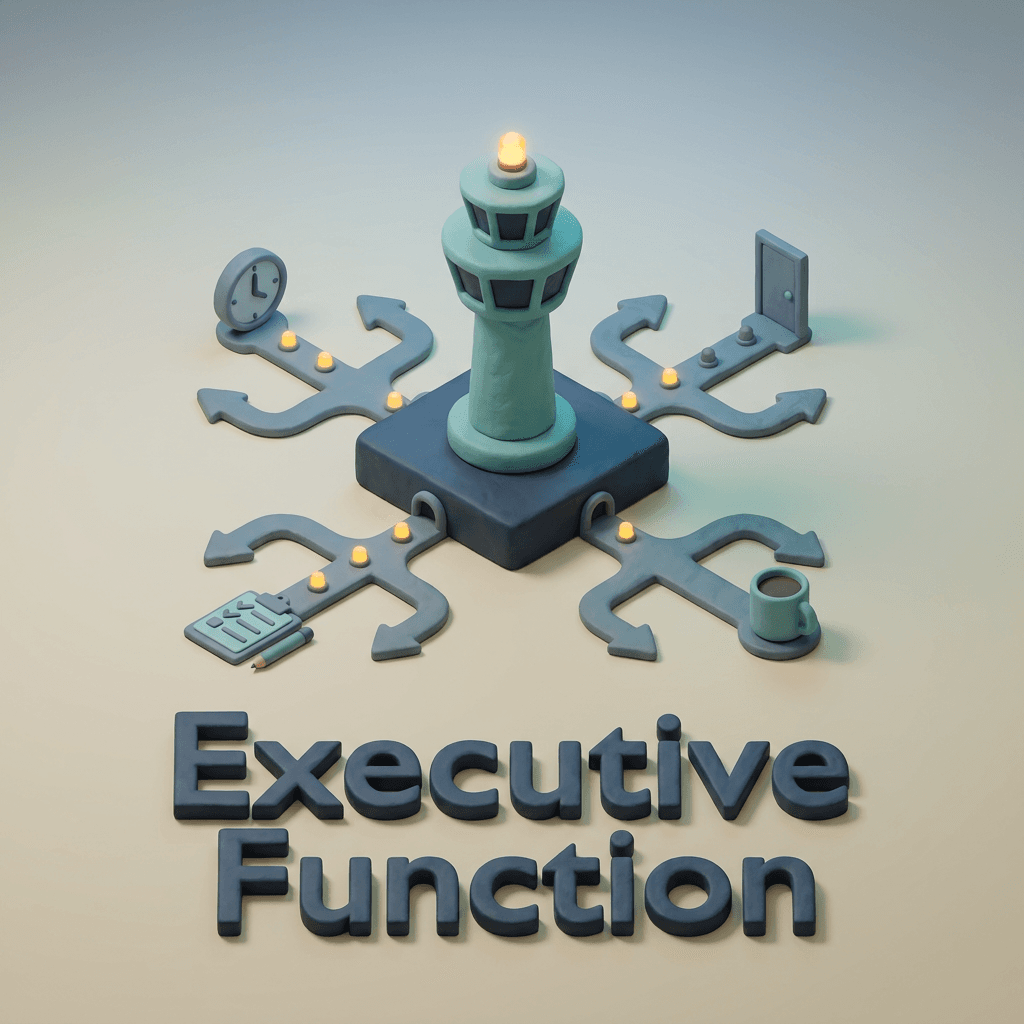
Standard IQ tests measure a set of specific cognitive abilities: verbal reasoning, working memory, processing speed, and visual-spatial skills. Most people score similarly across all four. Autistic people often do not. Their scores may vary wildly between subtests — a pattern researchers call a “spiky profile.”
For example, an autistic person might score in the 99th percentile for pattern recognition and the 15th percentile for processing speed. Their “overall IQ” — the average of these scores — might land at 105 (perfectly average), but that number hides enormous internal variation. It is like saying a city with temperatures of –20°C in winter and +40°C in summer has an “average temperature” of 10°C. Technically true. Practically meaningless.
This spiky profile explains a common autistic experience: being simultaneously brilliant at some things and genuinely struggling with others. It is not laziness or lack of effort. It is neurology. The brain allocates its resources differently.
Research using Raven's Progressive Matrices — a non-verbal intelligence test that relies heavily on pattern recognition — consistently finds that autistic people score higher than on traditional IQ tests like the Wechsler scales. This suggests that standard IQ tests may systematically underestimate autistic intelligence by measuring it through tasks that disadvantage autistic cognitive styles.
The “Different Operating System” Analogy

Asking “are autistic people intelligent?” is a bit like asking “are Mac users productive?” The question confuses the hardware with the software. Autism isn't about having more or less processing power — it's about running a different operating system. A Mac and a Windows PC can both run spreadsheets, write documents, and browse the web, but they do it differently. Neither is inherently better — but try running a Windows program on a Mac without translation, and you'll get errors. That's what happens when autistic people are forced to operate in systems designed for neurotypical brains. The friction isn't a sign of lower ability — it's a compatibility issue.
IQ tests, like most tools, were designed for the neurotypical operating system. They measure specific types of processing speed, verbal reasoning, and working memory in formats that may not capture how an autistic brain actually works. An autistic person might solve a problem brilliantly using a different cognitive route — visual thinking, pattern recognition, systematic analysis — that a timed verbal test simply doesn't capture.
Want to explore where you sit? Take our free adult autism screening — it measures traits across multiple domains, not just intelligence.
Common Myths — and What the Evidence Says

"Autistic people have low intelligence"
IQ in autistic people follows a similar spread to the general population. About 60% of autistic people have average or above-average intelligence. The misconception comes from decades when only those with the most visible challenges were diagnosed.
"If you can speak well, you can't be autistic"
Verbal ability and intelligence are not the same thing. Many autistic people are highly articulate but still experience significant challenges with sensory processing, social energy, and executive function. Equally, some autistic people who are non-speaking have high intelligence — speech is a motor skill, not an IQ test.
"Autism is an intellectual disability"
Autism and intellectual disability are separate conditions. They can co-occur — about 37–40% of autistic people also have an intellectual disability — but one does not cause the other. Many people have one without the other.
"All autistic people are geniuses"
The "autistic genius" stereotype is just as inaccurate as the low-IQ myth. It comes from media portrayals and is harmful because it creates unrealistic expectations and erases the experiences of autistic people who need significant daily support.
"You don't look autistic — you seem too smart"
This is one of the most common things late-diagnosed autistic adults hear. Intelligence has nothing to do with whether someone is autistic. Many autistic people with high IQs spent years masking their difficulties precisely because people assumed competence in one area meant competence in all areas.
Intelligence and Support Needs Are Different Things
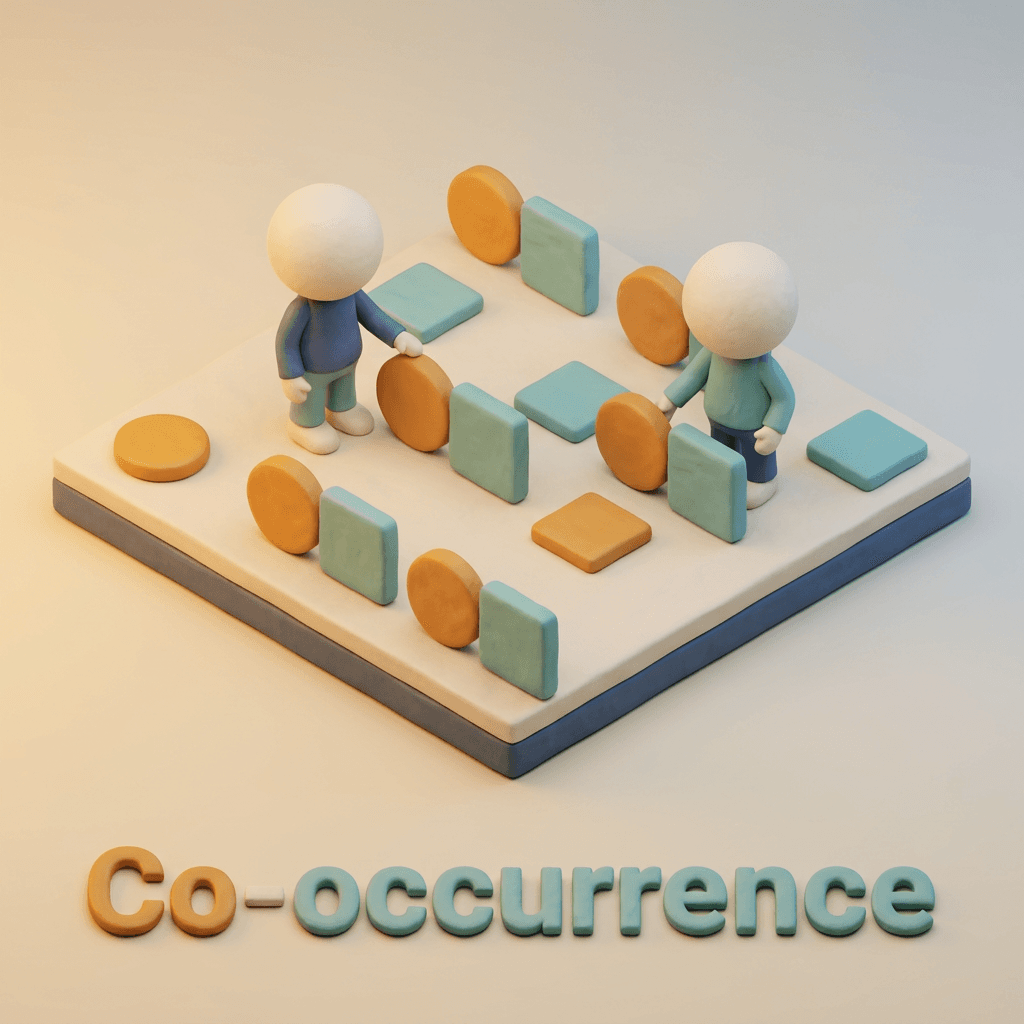
This is the part that matters most. When we say “autism does not mean low intelligence,” we are not saying autistic people with intellectual disabilities do not exist or do not matter. They do. About 37–40% of autistic people have a co-occurring intellectual disability, and their needs are real, significant, and too often underfunded.
The point is this: IQ does not determine someone's value, their identity as an autistic person, or their right to support. An autistic person with an IQ of 65 is no less autistic than one with an IQ of 135. They are both autistic. They both deserve understanding, accommodation, and respect.
In psychology, this principle is called unconditional positive regard— the idea that a person's worth is not conditional on their abilities, productivity, or intelligence. It was developed by Carl Rogers and is a foundation of modern humanistic psychology. It applies here: every autistic person has inherent worth that no test score can measure.
What we are countering is a specific, harmful stereotype: the idea that autism itself is an intellectual deficit. It is not. Autism is a neurological difference that affects how a person processes information, experiences the world, and communicates. Some autistic people also have an intellectual disability. Many do not. The two conditions are independent variables — knowing someone is autistic tells you nothing about their IQ, and knowing their IQ tells you nothing about whether they are autistic.
Why This Matters in India

In India, the association between autism and intellectual disability is particularly strong — and particularly harmful. Many families hear “your child is autistic” and understand it as “your child will never learn” or “your child cannot go to school.” This is not true, and this belief leads to children being denied education, therapy, and opportunity.
Under the RPWD Act 2016, every autistic child has the legal right to education regardless of their IQ or support needs. The diagnostic process in India is improving, but awareness of the true range of autistic experience is still limited in many communities.
If someone has told you that your child — or you — cannot achieve because of autism, that is a stereotype, not a prognosis. The science is clear: autism does not set a ceiling on what a person can do. The right support, the right environment, and the right understanding make all the difference. Read our guide to confronting autism stigma in India for practical strategies.
What You Can Do Right Now

Whether you are autistic, a parent of an autistic child, or someone who wants to understand autism better — here are steps you can take today.
- Challenge the stereotype when you hear it. When someone says “autistic people can't learn” or “autism means low IQ,” you now have the data: 60% of autistic people have average or above-average intelligence, and IQ does not define anyone's potential.
- Ask about cognitive profile, not just IQ. If your child has been assessed, ask the psychologist about their subtest scores — the spiky profile is often more useful than the overall number. It shows where strengths lie and where support is needed.
- Advocate for your child's education. In India, the RPWD Act and Right to Education Act guarantee schooling for every child. No school can legally refuse admission based on a disability.
AskSheldon also offers free tools that may help:
Talk to Sheldon
Our neurodiversity navigator can answer your questions about autism, help you understand assessment results, and talk through what you are experiencing.
Free Autism Screening
An evidence-based screening tool that analyses your responses and produces a structured summary you can share with a clinician.
Frequently Asked Questions
Does autism mean low intelligence?
No. Autism and intelligence are independent of each other. IQ scores in autistic people spread across the full range, just like in the general population. About 60% of autistic people have average or above-average intelligence. The outdated association between autism and low IQ comes from a time when only those with the most visible difficulties were diagnosed.
What percentage of autistic people have an intellectual disability?
According to the CDC's ADDM Network (2025), approximately 37–40% of autistic children have a co-occurring intellectual disability (IQ below 70). This means the majority — about 60% — do not. Before DSM-5 unified the autism spectrum in 2013, the proportion diagnosed with intellectual disability was much higher because milder presentations were classified separately as Asperger's Syndrome or PDD-NOS.
Are autistic people smarter than neurotypical people?
Not as a group, no. Autistic people show the same range of intelligence as any population. Some are above average, most are in the middle, and some are below average. What differs is the cognitive profile — many autistic people show "spiky" abilities, with significant strengths in certain areas like pattern recognition or memory alongside challenges in others like processing speed or working memory.
Why do people think autism means low IQ?
Before 2013, the diagnosis of "autistic disorder" was largely reserved for people with obvious difficulties, many of whom also had intellectual disabilities. Those with average or high intelligence but autistic traits were given different labels — Asperger's Syndrome or PDD-NOS (Pervasive Developmental Disorder – Not Otherwise Specified). When DSM-5 merged everything into one spectrum, the true IQ distribution became visible. Decades of media portrayal and clinical bias reinforced the earlier, narrower picture.
Can someone have a high IQ and still need a lot of support?
Absolutely. IQ measures a narrow set of cognitive abilities. It does not measure sensory tolerance, social energy, executive function, or emotional regulation — all areas where autistic people commonly experience significant challenges. An autistic person with an IQ of 130 may still be unable to make a phone call, tolerate a supermarket, or manage daily routines without support. Intelligence and support needs are separate dimensions.
This page is for informational purposes only and does not constitute medical advice. The information presented is based on peer-reviewed research and publicly available data from the CDC, DSM-5, and published studies in Frontiers in Psychiatry and the Journal of Autism and Developmental Disorders. Always consult a qualified healthcare professional for clinical evaluation.
Last updated March 2026
Start your journey with AskSheldon
Free tools to explore, screen, and understand your neurodivergent mind.
Built by neurodivergent minds. 30+ conditions explored. Always free.