Autism Burnout — Signs, Causes, and Recovery
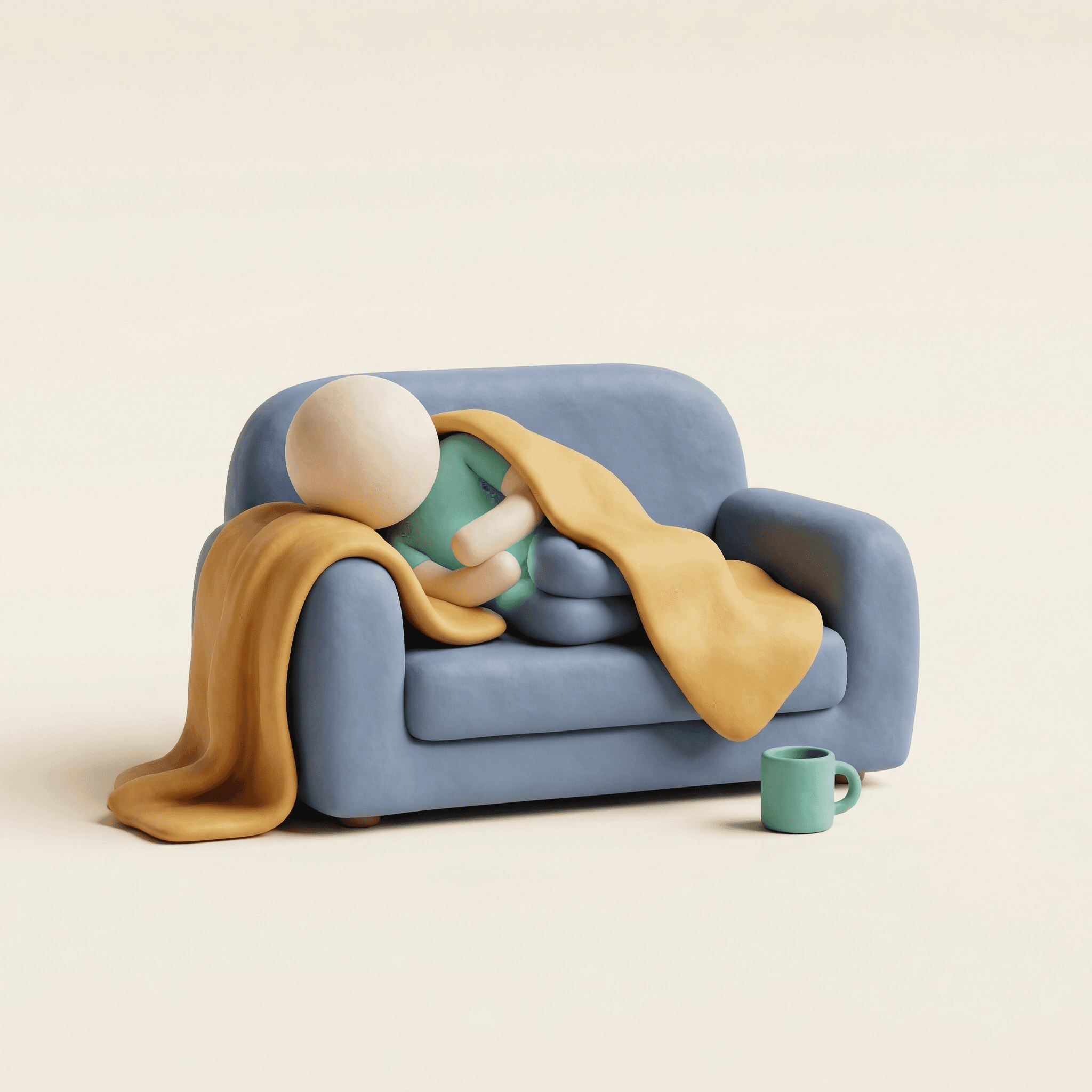
Autistic burnout is a state of physical, mental, and emotional exhaustion caused by the cumulative effect of masking autistic traits and navigating a neurotypical world. Unlike typical burnout, it often includes a loss of previously acquired skills, increased sensory sensitivity, and difficulty with basic daily tasks. It is one of the most common triggers for late autism diagnosis in adults.
For our full guide to autism — including lived experiences, the neuroscience, and interactive empathy simulations — visit our comprehensive autism page.
What Is Autistic Burnout?
Autistic burnout is a condition experienced by autistic people — often described as a pervasive, long-term exhaustion, loss of function, and reduced tolerance to stimulus. It is distinct from clinical depression and from the general occupational burnout described in workplace psychology, though it can be misdiagnosed as either.
The term gained formal research attention through the work of Raymaker et al. (2020), whose qualitative study with 141 autistic adults identified three core characteristics: chronic exhaustion, loss of skills, and reduced tolerance to stimulus. Participants described burnout as the result of “life demands consistently exceeding available resources,” with masking identified as the primary driver.
Crucially, autistic burnout is not a character flaw or a lack of resilience. It is a predictable consequence of living in environments that were not designed for autistic neurology — environments that demand constant adaptation without providing adequate support or accommodation.
Reference: Raymaker, D.M. et al. (2020). “Having All of Your Internal Resources Exhausted Beyond Measure and Being Left with No Clean-Up Crew”: Defining Autistic Burnout. Autism in Adulthood, 2(2), 132–143.
Start your journey with AskSheldon
Free tools to explore, screen, and understand your neurodivergent mind.
Signs of Autistic Burnout
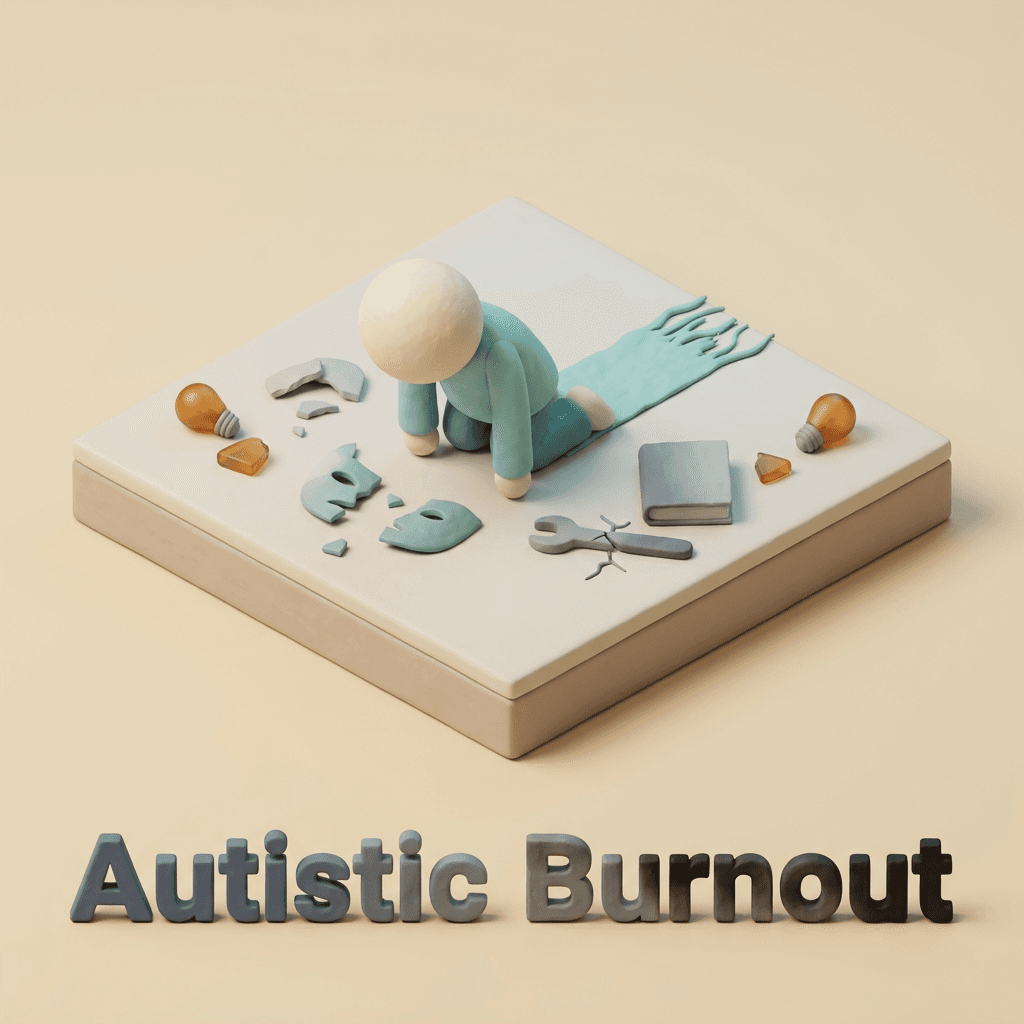
Autistic burnout looks different for every person, but these are the most commonly reported signs. You do not need to experience all of them for burnout to be a valid explanation for what you are going through.
Loss of executive function
Tasks that were once manageable — planning meals, replying to emails, organising a day — become overwhelmingly difficult or impossible.
Increased sensory sensitivity
Sounds, lights, textures, and smells that were previously tolerable become unbearable. Sensory overload happens faster and recovers slower.
Reduced speech and communication
Finding words takes more effort. Some people experience intermittent or situational mutism, or shift to written communication as speech becomes too taxing.
Loss of masking ability
The social scripts and camouflaging strategies that once felt automatic start to break down. Eye contact, small talk, and tone management become effortful or impossible.
Social withdrawal
A deep need to retreat from all social contact, including close relationships. Even supportive interactions can feel draining beyond capacity.
Increased meltdowns and shutdowns
Emotional regulation deteriorates. Meltdowns (outward overwhelm) or shutdowns (inward withdrawal) become more frequent and harder to recover from.
Physical exhaustion
Bone-deep fatigue that sleep does not resolve. The body feels heavy, slow, and uncooperative, often accompanied by chronic pain or illness.
Loss of skills (regression)
Previously acquired abilities — driving, cooking, managing finances, personal hygiene routines — may temporarily disappear. This is one of the most distressing and distinctive features of autistic burnout.
Difficulty with self-care
Basic activities like showering, eating regularly, brushing teeth, or getting dressed feel like enormous tasks requiring more energy than is available.
Common Causes

Autistic burnout rarely has a single trigger. It is almost always the result of sustained, cumulative strain — the slow depletion of adaptive energy over weeks, months, or years.
Prolonged masking
Years of suppressing autistic traits to appear neurotypical is the single most cited cause. Masking is cognitively expensive, and the cost compounds over time.
Life transitions
Starting university, a new job, moving house, becoming a parent, or losing a relationship. Any major change disrupts routines and demands additional adaptive energy.
Workplace demands
Open-plan offices, unwritten social rules, networking expectations, fluorescent lighting, and performance reviews create a relentless sensory and social load.
Social overload
Extended periods of socialising — holiday gatherings, team-building events, weddings — without adequate recovery time between engagements.
Lack of accommodations
Environments that do not allow for sensory breaks, flexible working, or alternative communication styles force autistic people to spend more energy adapting.
Suppressing stimming
Stimming is a vital self-regulation tool. When it is discouraged or punished — at school, at work, or in relationships — a key coping mechanism is removed.
Understanding the Energy Drain: The Phone Battery Analogy

Think of an autistic person's daily energy like a phone battery. A neurotypical phone starts at 100% and drains gradually through the day. An autistic phone starts at 100% but has extra background processes running — sensory filtering, social translation, masking, executive function compensation — that drain the battery much faster. By mid-afternoon, it might be at 15% while a neurotypical phone is still at 60%.
Autistic burnout happens when someone has been running at 5% battery for weeks, months, or years — and the phone doesn't charge back to full overnight anymore. Sleep helps, but not enough. Weekends help, but not enough. The background processes have consumed so much energy for so long that the battery's capacity has actually decreased.
This is why autistic burnout is categorically different from being tired, stressed, or even clinically depressed. The problem is not a broken battery — it is a fundamental mismatch between the device's operating demands and its available power. Recovery means reducing those background processes, not simply plugging in and hoping for the best.
Burnout vs Depression vs General Burnout
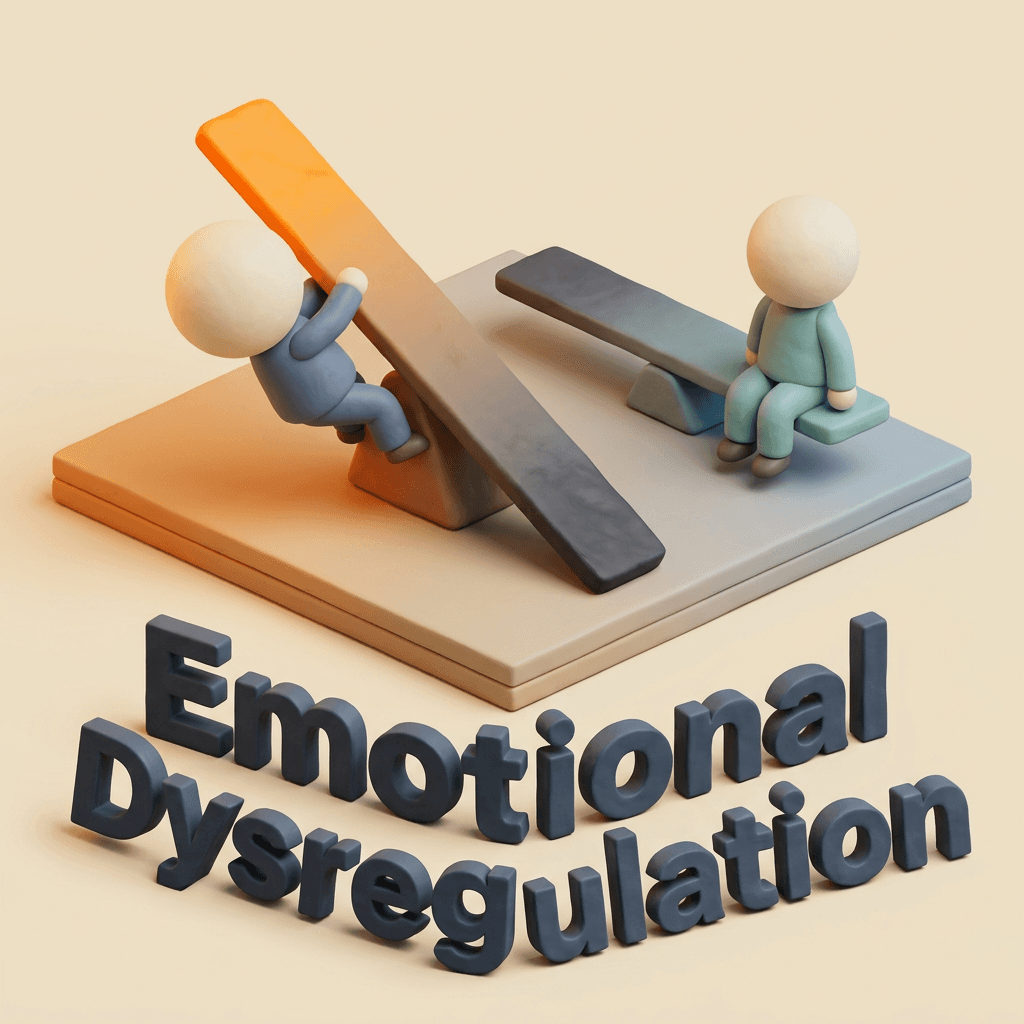
These three conditions are frequently confused — including by healthcare professionals. The table below shows the key differences that matter for understanding what you are experiencing and what kind of support will actually help.
| Feature | Autistic Burnout | Clinical Depression | General Burnout |
|---|---|---|---|
| Primary cause | Prolonged masking and sensory overload | Neurochemical imbalance, often without clear trigger | Work-related chronic stress |
| Skill loss | Yes — previously mastered skills disappear | Reduced motivation but skills intact | Reduced performance but skills intact |
| Masking collapse | Core feature — social camouflage breaks down | May withdraw socially but masking ability preserved | Social energy depleted but social skills intact |
| Sensory changes | Dramatically increased sensitivity | May have some sensory changes | Minimal sensory impact |
| Recovery path | Reduce demands, unmask, accommodate sensory needs | Therapy + often medication | Change or reduce work demands |
| Duration | Weeks to years | Episodes of weeks to months | Weeks to months |
| Key differentiator | “I can't do things I used to be able to do” | “I don't want to do anything” | “I can't face work anymore” |
Recovery and Support
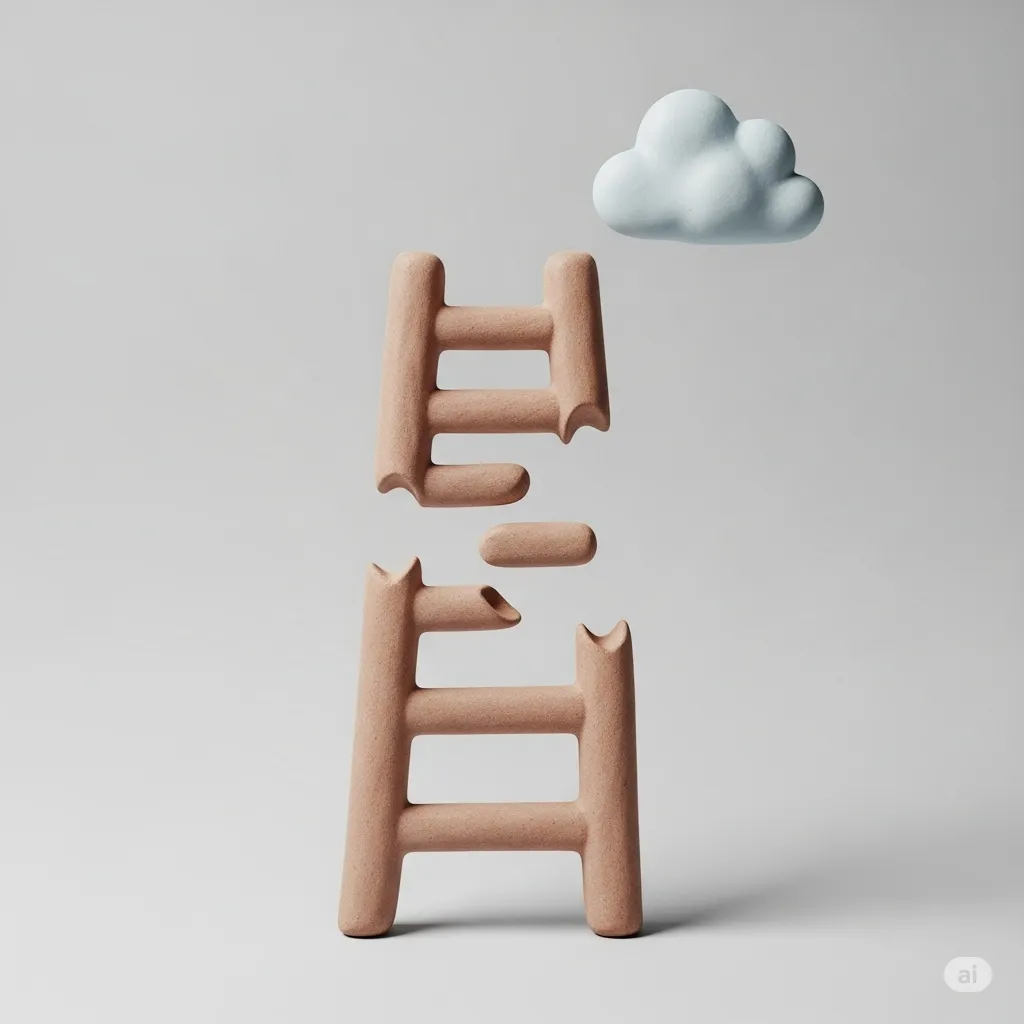
Recovery from autistic burnout is possible, but it requires genuine change — not just rest. The goal is not to rebuild the capacity to mask; it is to restructure life so that masking is no longer the default survival strategy. If you haven't been formally assessed, our free adult autism screening can help you understand whether further evaluation is worthwhile. If you're waiting for a diagnosis while managing burnout, read our guide on what to do while on the waiting list.
Reduce demands
Strip back commitments to the essentials. Cancel what can be cancelled. Delegate what can be delegated. This is not laziness — it is survival-level triage.
Unmask in safe spaces
Identify environments and relationships where you can drop the performance. Let yourself stim, go nonverbal, or avoid eye contact without judgement.
Create a sensory retreat
Designate a low-stimulation space — dim lights, soft textures, noise-cancelling headphones, familiar smells. Make it easy to access without having to ask permission.
Reclaim stimming
Actively re-engage with stims that feel good: rocking, hand-flapping, chewing, spinning, humming. These are legitimate neurological regulation tools, not habits to suppress.
Simplify routines
Reduce decisions wherever possible. Meal prep, capsule wardrobes, automated bill payments — anything that removes a choice point conserves executive function.
Seek autism-informed support
If professional help is needed, look for therapists who understand autistic burnout specifically — not all mental health professionals do. Avoid practitioners who frame recovery as "building resilience to mask better".
What You Can Do Right Now
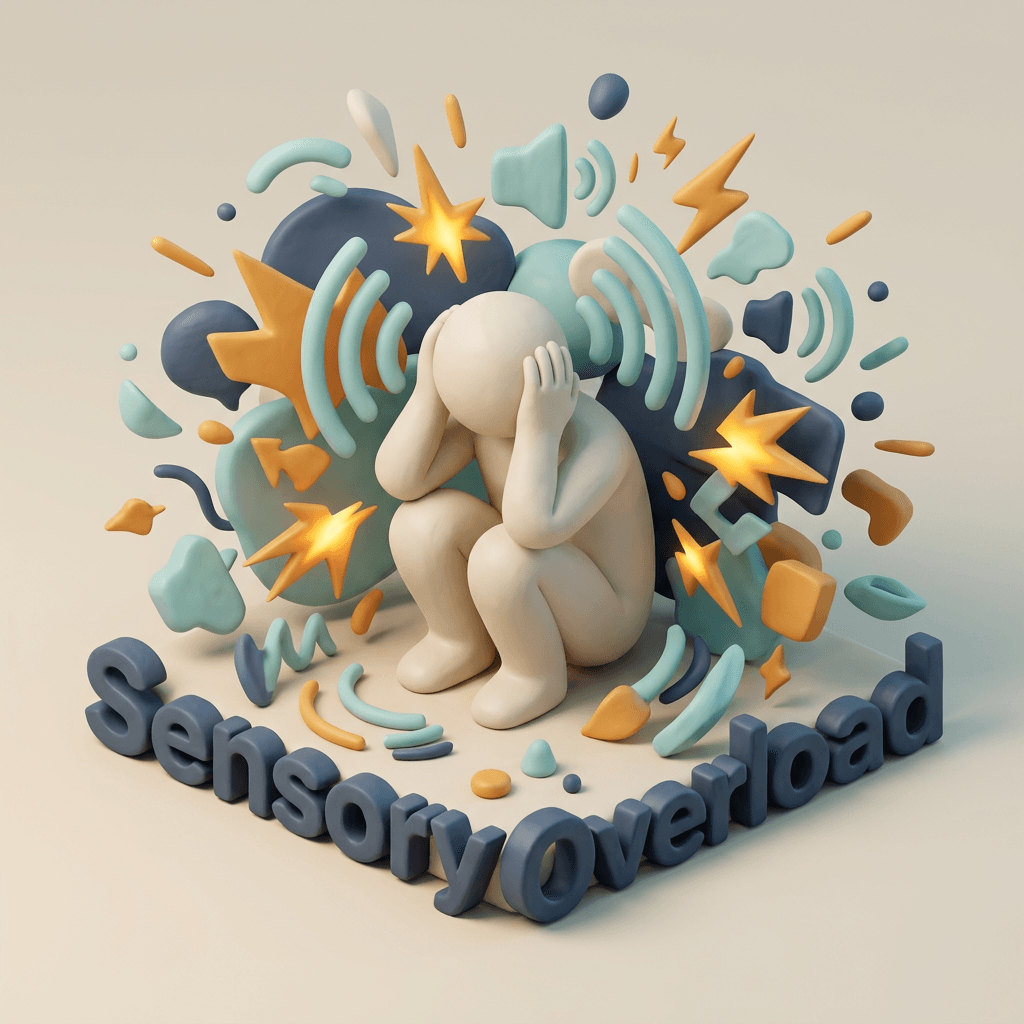
If you are experiencing autistic burnout — or wondering whether autism might explain patterns you have noticed throughout your life — here are practical steps you can take today.
- Reduce demands wherever possible. Strip back commitments, cancel what you can, and give yourself permission to prioritise recovery over productivity.
- Speak to your GP. Ask for support with burnout and, if you suspect autism, request a referral for assessment. Mention specific ways burnout is affecting your daily functioning.
- Connect with autistic peer support. The National Autistic Society and online communities offer spaces where you can talk to people who understand burnout from the inside.
AskSheldon also offers free tools that may help:
Frequently Asked Questions
How long does autistic burnout last?+
Autistic burnout can last weeks, months, or even years depending on the severity, the person's support system, and whether the underlying causes are addressed. Recovery is rarely linear — people often experience cycles of improvement and regression before stabilising.
Is autistic burnout the same as depression?+
No. While autistic burnout and depression share symptoms like fatigue, withdrawal, and difficulty functioning, they have different causes and require different support. Autistic burnout is driven by the cumulative cost of masking and sensory overload, not by the neurochemical patterns typical of clinical depression. That said, the two can co-occur, and prolonged burnout may trigger depression.
Can autistic burnout happen to people who don't know they are autistic?+
Yes, and it frequently does. Many late-diagnosed autistic adults report experiencing repeated burnout episodes throughout their lives without understanding why. The absence of a diagnosis does not reduce the cost of masking — it often increases it, because the person has no framework for understanding their own needs.
How is autistic burnout different from regular burnout?+
General occupational burnout typically resolves with rest, a holiday, or a job change. Autistic burnout is more pervasive — it affects all areas of life, includes skill regression and increased sensory sensitivity, and is caused by the fundamental mismatch between autistic neurology and neurotypical environmental expectations, not just overwork.
What should I do if I think I am experiencing autistic burnout?+
Start by reducing demands wherever possible and giving yourself permission to unmask. Prioritise sensory comfort and basic needs over productivity. If you can, speak to an autism-informed therapist or your GP. AskSheldon's free screening tools can help you explore whether autism may be part of your experience, and our Sheldon chatbot is available around the clock to talk things through.
This page is for informational purposes only and does not constitute medical advice. If you are in crisis or need immediate support, please contact your GP, call the Samaritans on 116 123 (UK), or text SHOUT to 85258.
Last updated: March 2026
Start your journey with AskSheldon
Free tools to explore, screen, and understand your neurodivergent mind.
Built by neurodivergent minds. 30+ conditions explored. Always free.