Late Autism Diagnosis: What Adults Need to Know
A growing number of adults are discovering they are autistic in their 20s, 30s, 40s, and beyond. Around 1 in 100 people in the UK are autistic (NHS Digital), yet the average age of autism diagnosis for women is estimated at 36, compared with 27 for men. Late diagnosis typically happens because earlier signs were masked, misunderstood, or attributed to other conditions. For many, receiving a diagnosis transforms their self-understanding and opens the door to support they have needed for years.
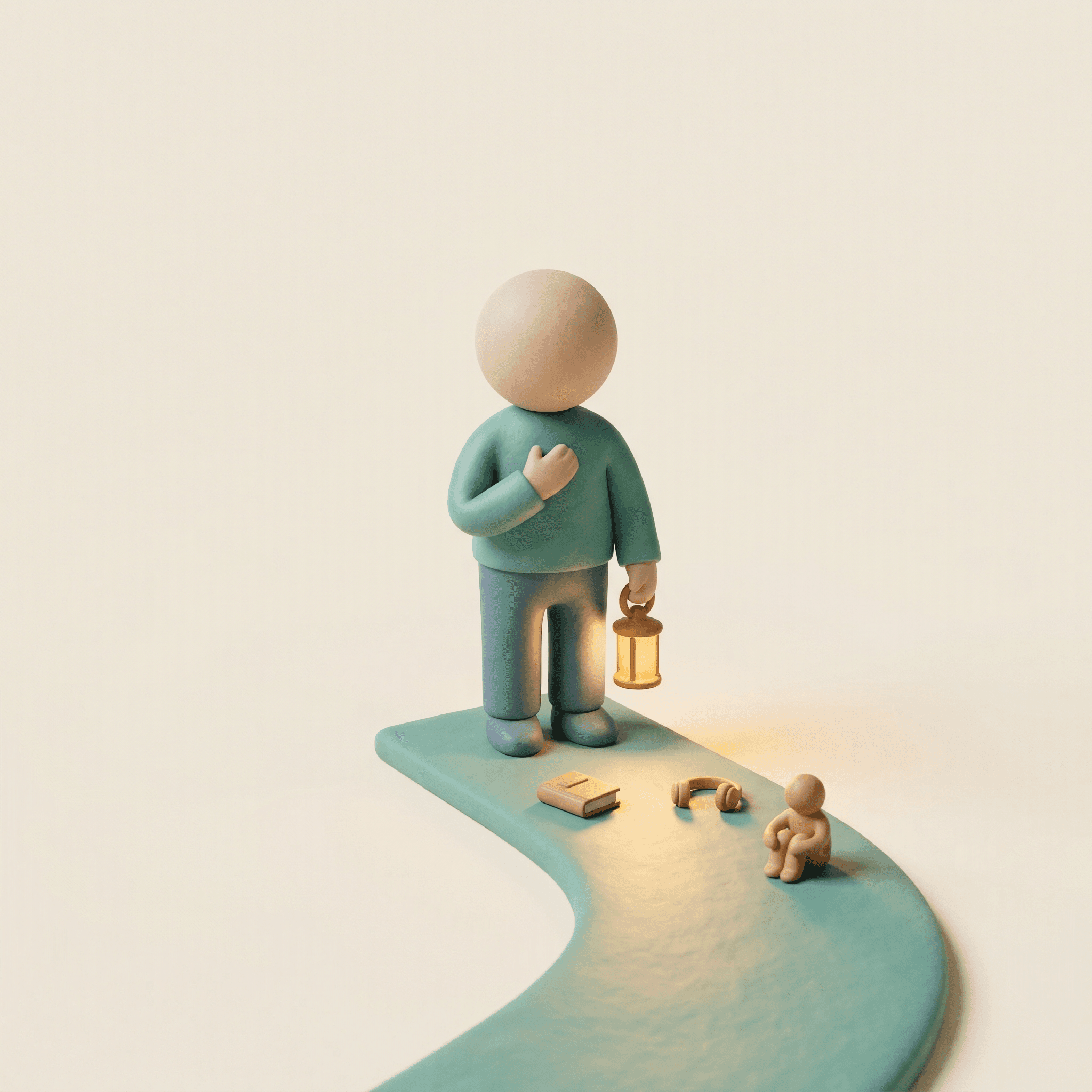
For our full guide to autism — including lived experiences, the neuroscience, and interactive empathy simulations — visit our comprehensive autism page.
Why So Many Adults Are Diagnosed Late

Until relatively recently, autism was viewed primarily as a childhood condition affecting boys with obvious social and communication difficulties. This narrow understanding meant that anyone who could hold a conversation, maintain friendships (even with great effort), or perform well academically was unlikely to be referred for assessment.
Women, people of colour, and those with high verbal ability were disproportionately missed. Many developed sophisticated masking strategies that hid their autistic traits from teachers, parents, and clinicians. The cost of this masking often manifested as anxiety, depression, burnout, or relationship difficulties, which were treated as standalone conditions rather than symptoms of an unidentified neurodevelopmental difference.
Start your journey with AskSheldon
Free tools to explore, screen, and understand your neurodivergent mind.
Common Triggers for Seeking a Diagnosis
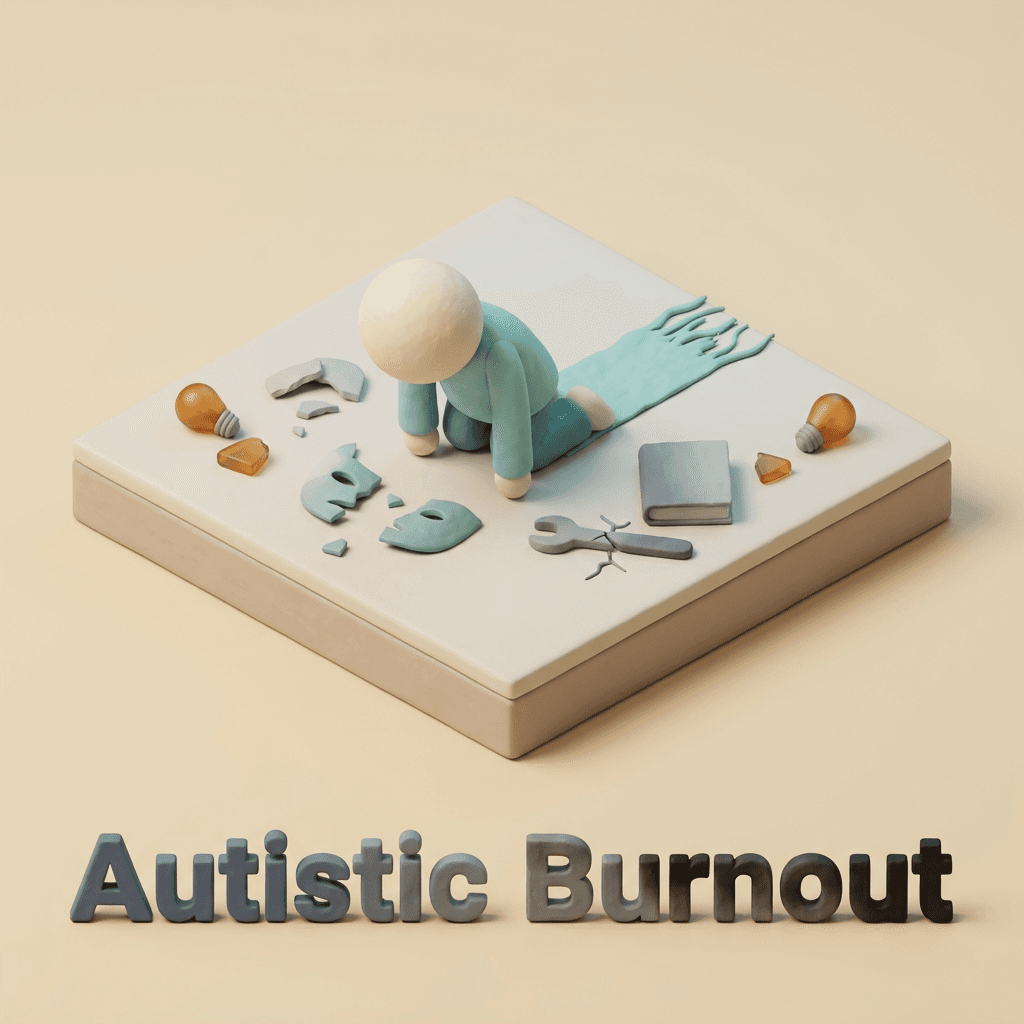
Years of masking and overcompensating lead to a collapse in functioning that feels different from depression. Energy, executive function, and social capacity dramatically decrease.
Many parents recognise their own traits when learning about their child's autism. The genetic component means autism frequently runs in families.
Reading about autism (particularly autistic experiences shared by adults on social media) and feeling a deep resonance with the descriptions.
Starting university, a new job, becoming a parent, or entering a relationship can overwhelm coping strategies that previously held.
Anxiety, depression, or eating disorders that do not respond to standard treatment, because the root cause is autistic distress rather than the diagnosed condition.
The Assessment Process for Adults

An adult autism assessment typically involves a detailed developmental history, a structured interview exploring social communication, sensory processing, and behavioural patterns, and where possible, input from someone who knew you as a child (a parent, sibling, or family member).
In the UK, you can access an assessment through the NHS, Right to Choose, or private providers. NHS waiting times vary by area but currently average 2 to 5 years. The Right to Choose pathway can reduce this significantly.
Life After a Late Diagnosis
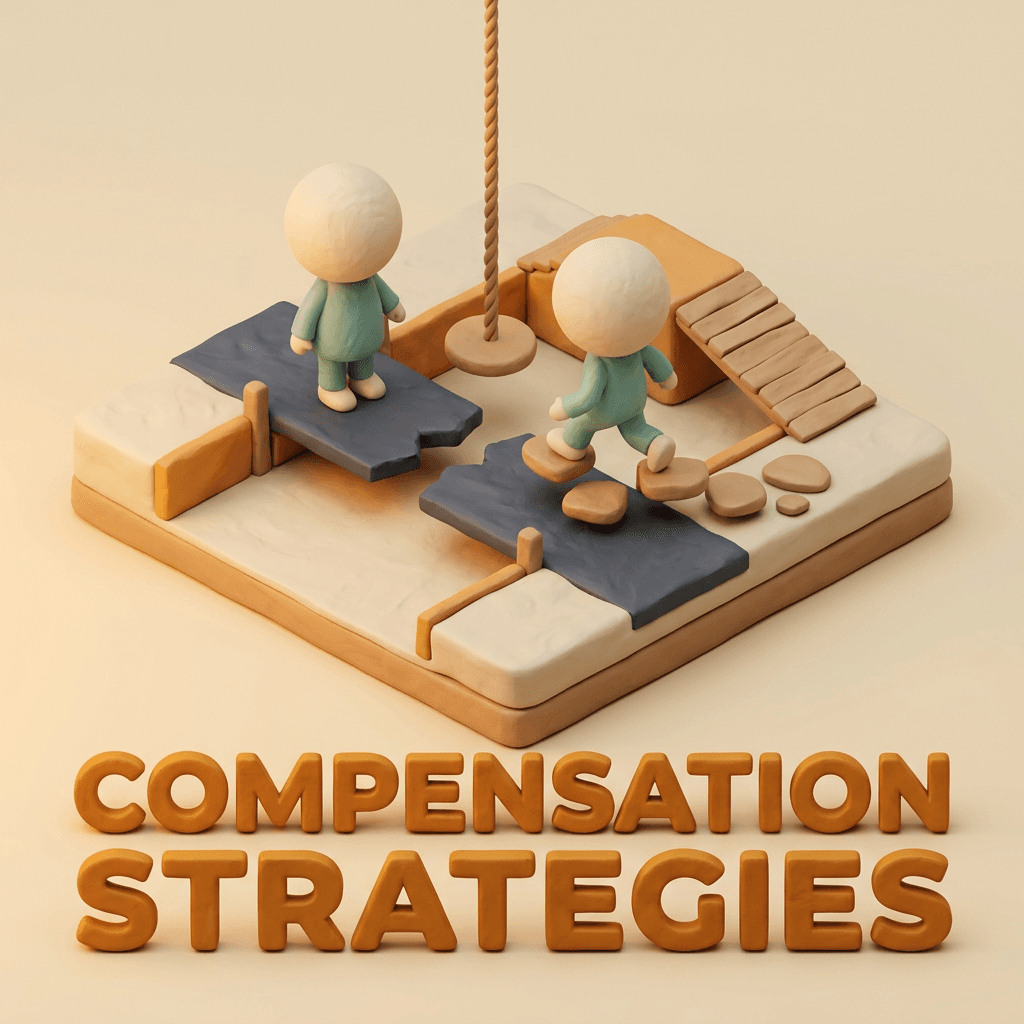
Receiving an autism diagnosis as an adult brings a complex mix of emotions. Relief and validation are common ("I'm not broken; my brain works differently"), alongside grief for the support you could have received earlier. Many people go through a period of reprocessing past experiences through an autistic lens.
Practically, a formal diagnosis in the UK can provide access to workplace adjustments under the Equality Act 2010, Access to Work funding for equipment or support, and neurodiversity-informed therapy. It can also help relationships, as partners and family members gain a framework for understanding differences in communication and sensory needs.
What You Can Do Right Now

If you are exploring whether you might be autistic, here are practical steps you can take today:
- Talk to your GP. Ask for a referral to an autism assessment service. Bring specific examples of how autistic traits have affected your life, both now and in childhood.
- Journal your experiences. Write down specific memories, patterns, and situations that resonate with what you have read about autism. This personal evidence is valuable for both self-understanding and clinical assessment.
- Connect with late-diagnosed communities. Online and local groups for adults exploring or who have received a late autism diagnosis offer peer support from people who understand exactly what you are going through.
AskSheldon also provides free screening tools and a neurodiversity navigator you can talk to openly about your experiences. Our autism information pages cover the condition from both clinical and lived-experience perspectives, including autism in women and the unique challenges of the NHS waiting list.
Frequently Asked Questions

Is it common to be diagnosed with autism as an adult?+
Yes. A growing number of adults are receiving autism diagnoses, particularly women, people of colour, and those who were previously misdiagnosed with anxiety, depression, or personality disorders. The average age of diagnosis for autistic adults in the UK is rising as awareness of the broader autism spectrum improves.
What triggers a late autism diagnosis?+
Common triggers include burnout from years of masking, a child being diagnosed (prompting the parent to recognise similar traits), reading about autism online and relating strongly, relationship difficulties, or repeated mental health crises that traditional treatment has not resolved.
Can you be autistic and have a successful career?+
Absolutely. Many autistic adults have built successful careers, particularly in fields that align with their strengths and interests. Autism brings genuine cognitive advantages in pattern recognition, systematic thinking, attention to detail, and deep focus. The challenges tend to centre on social navigation, sensory environments, and executive function.
What happens after an autism diagnosis?+
A diagnosis can open doors to workplace adjustments under the Equality Act 2010, Access to Work funding, appropriate mental health support, and a deeper understanding of your needs. Many late-diagnosed adults describe it as transformative, finally explaining a lifetime of experiences.
Is a late autism diagnosis worth pursuing?+
For most people, yes. Even without needing formal support, understanding that you are autistic can fundamentally change how you relate to yourself. It provides a framework for self-compassion, helps explain past difficulties, and allows you to build a life that genuinely fits your neurology rather than forcing yourself into neurotypical expectations.
Last updated: March 2026
Start your journey with AskSheldon
Free tools to explore, screen, and understand your neurodivergent mind.
Built by neurodivergent minds. 30+ conditions explored. Always free.