Neurotransmitters
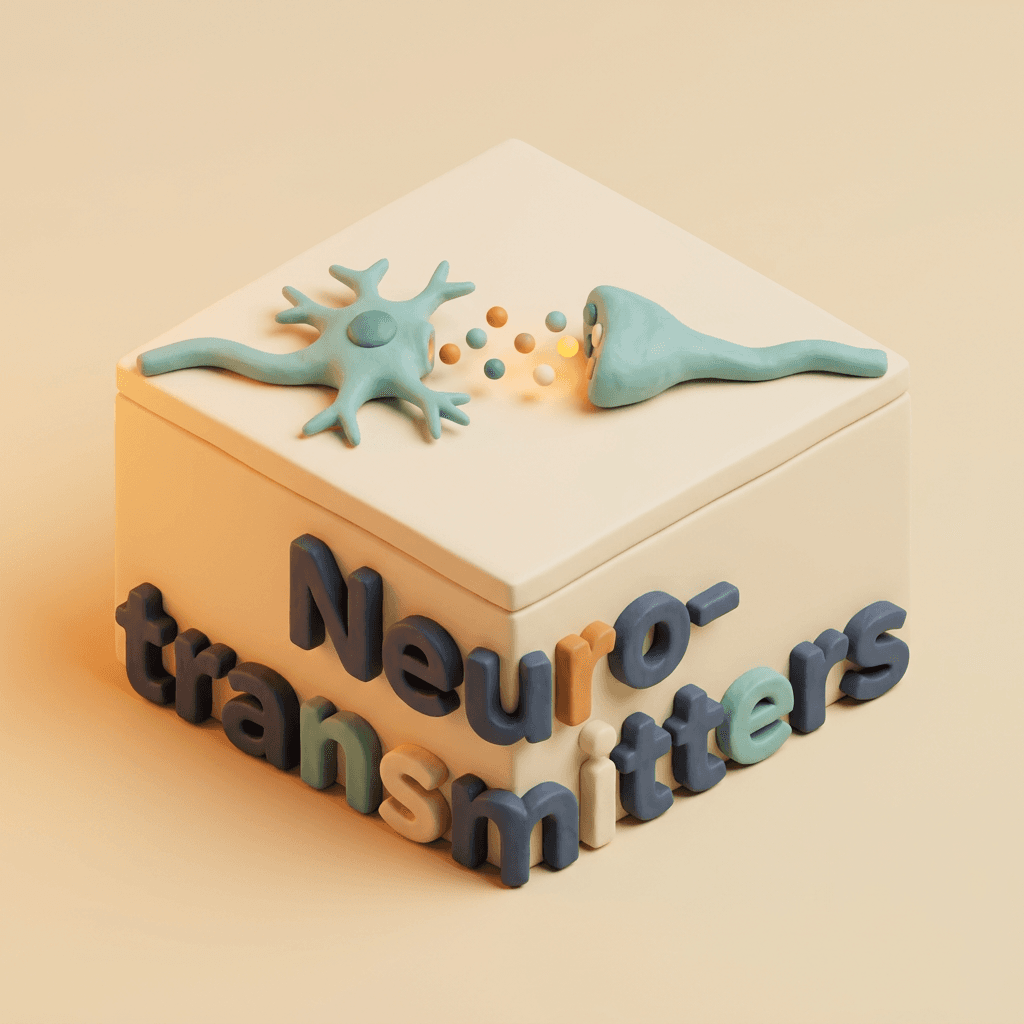
The chemical messengers that carry signals between your brain cells — each one tuning a different aspect of how you think and feel.
Chemical messengers that carry signals between brain cells (neurons) across tiny gaps called synapses. The most well-known include dopamine (reward, motivation), serotonin (mood, sleep), GABA (calming), and norepinephrine (alertness). Most psychiatric medications work by adjusting how neurotransmitters are produced, released, or recycled.
How it works
Your brain cells communicate by releasing chemicals across tiny gaps called synapses. Different neurotransmitters affect different functions: dopamine (motivation), serotonin (mood), GABA (calming), norepinephrine (alertness). The balance and sensitivity of these systems varies across neurotypes.
Think of it like
It's like a postal system inside your brain — different messengers carry different types of mail, and the whole system depends on each one arriving on time.
What it feels like
You can't see your neurotransmitters, but you feel their effects in your mood, energy, focus, and sleep. When the balance shifts, your whole experience shifts too.