Dopamine
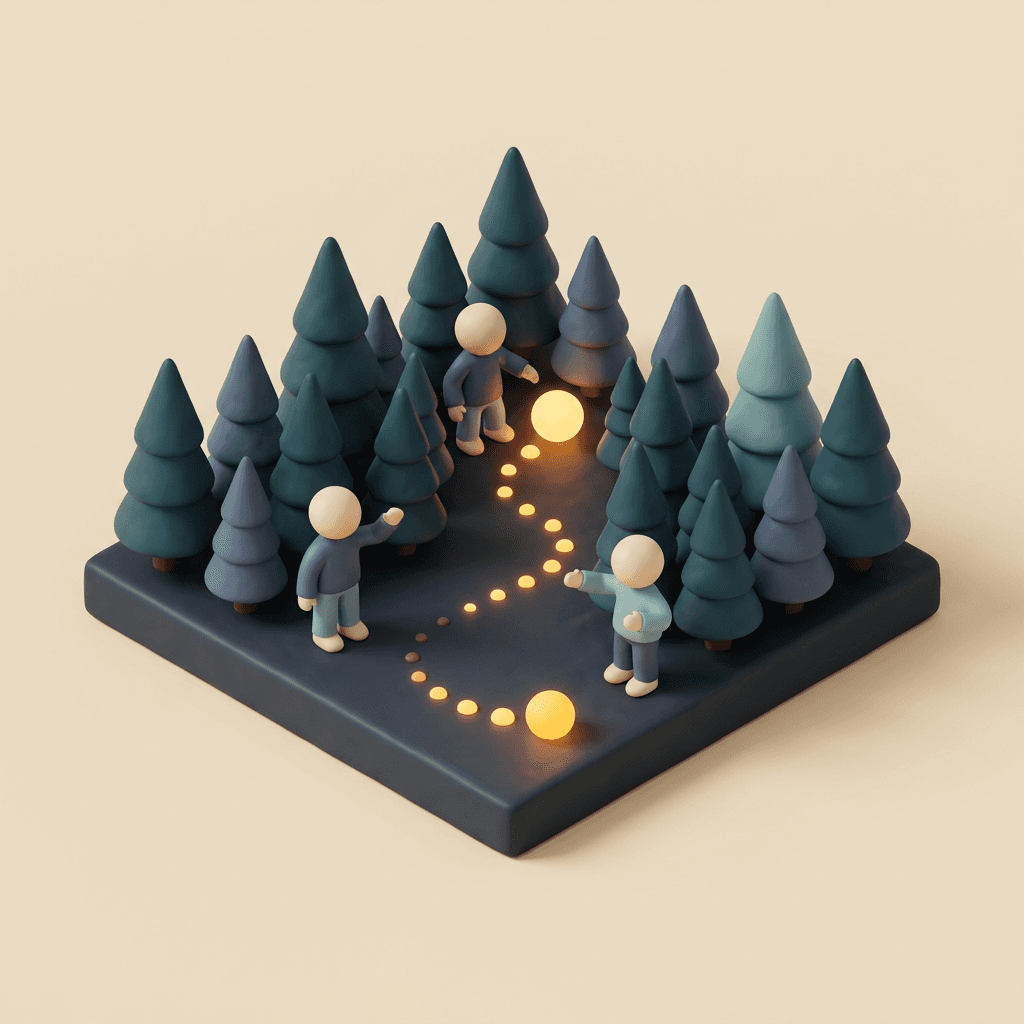
The tiny brain chemical that decides which tasks feel magnetic and which ones feel like pushing a fridge uphill.
A neurotransmitter (brain chemical) most famous for its role in reward, pleasure, and motivation. When you achieve something, eat something tasty, or receive praise, dopamine is released — signaling "that was good, do it again." In ADHD, the dopamine system works differently, which is why tasks without immediate reward or novelty are particularly hard to engage with.
How it works
Dopamine helps your brain prioritise, saying 'this matters right now,' which fuels focus and follow-through. When something is novel, urgent, or emotionally intense, your dopamine system kicks in more easily, making action feel almost automatic. When a task is low-interest with no clear reward, your brain may know it's important but still struggle to generate the 'go' signal.
Think of it like
It's like the volume knob on your internal 'care' radio — some stations come in loud and clear, others are just static unless you boost the signal.
What it feels like
You're not flaky — your interest wiring is just tuned so some things light up like fireworks and others barely register at all. You wish you could choose what your brain finds interesting, but that dial isn't under your control.