Tourette Syndrome | AskSheldon
Tourette Syndrome

What is Tourette Syndrome?

Tourette Syndrome is a neurodevelopmental condition where heightened activity in the basal ganglia and frontal cortex produces sudden, involuntary movements and sounds called tics, often preceded by a physical 'premonitory urge' that only the tic can relieve. Affecting about 1 in 160 children with 60-77% genetic heritability, symptoms typically peak in early adolescence and improve for 85% by adulthood.

1 in 160people affected
0.6%prevalence
Normal IQ range

How does Tourette Syndrome present?

  • Sudden eye blinking, head jerks, or shoulder shrugs
  • Throat clearing, humming, or repeating sounds involuntarily
  • Tics intensifying during stress, excitement, or fatigue
  • Muscle soreness and physical exhaustion from repetitive movements
  • Heightened sensitivity to sensory triggers like sounds or textures

Types of Tourette Syndrome

  • Simple Motor Tics(~90%)
  • Complex Motor Tics(~50%)
  • Simple Vocal Tics(~80%)
  • Complex Vocal Tics(~30%)

Common questions about Tourette Syndrome

Why get diagnosed if there's no cure?

Diagnosis provides access to accommodations under disability laws and targeted therapies. Early CBIT intervention can reduce tic severity by 50%.

Can tics be painful?

15% of people report painful tics like neck jerking or teeth grinding. Physical therapy and muscle relaxants help manage these cases.

Content reviewed against DSM-5 criteria and current clinical literature. This page is for educational purposes and does not constitute medical advice. Consult a qualified healthcare professional for diagnosis or treatment.

Tourette Syndrome

Tourette Syndrome

Could this be me?

Tourette SyndromeAudio Coming Soon

We're crafting an audio guide for this condition. Get notified when it drops.

What actually is it?

Tourette Syndrome is a neurodevelopmental condition where heightened activity in the basal ganglia and frontal cortex produces sudden, involuntary movements and sounds called tics, often preceded by a physical 'premonitory urge' that only the tic can relieve. Affecting about 1 in 160 children with 60-77% genetic heritability, symptoms typically peak in early adolescence and improve for 85% by adulthood. Far from limiting potential, many with TS develop unique strengths in rapid pattern recognition and creative problem-solving.

It's a difference in how the brain is wired, not a character flaw.

Quick Guess

How many people out of 100 do you think have this?

Each icon represents ~2 people

Tap the icons to make your estimate.

Only 10-15% of people with Tourette Syndrome experience coprolalia (involuntary swearing). The vast majority have motor tics like blinking, head jerks, or throat clearing that are rarely noticed.

Robertson et al., Nature Reviews Disease Primers (2017)
Tap to Start Myth Busting

How it looks vs. How it feels

The lived experience behind the observed behavior

Sudden eye blinking, head jerks, or shoulder shrugs — The Premonitory Surge

Tap to see inside

What others see

Sudden eye blinking, head jerks, or shoulder shrugs

The Premonitory Surge
Tap to flip back

On the inside

The Premonitory Surge

An itch, pressure, or 'wrongness' builds until the tic releases it. Imagine needing to sneeze but for your whole body. The urge accumulates like static electricity with no ground wire.
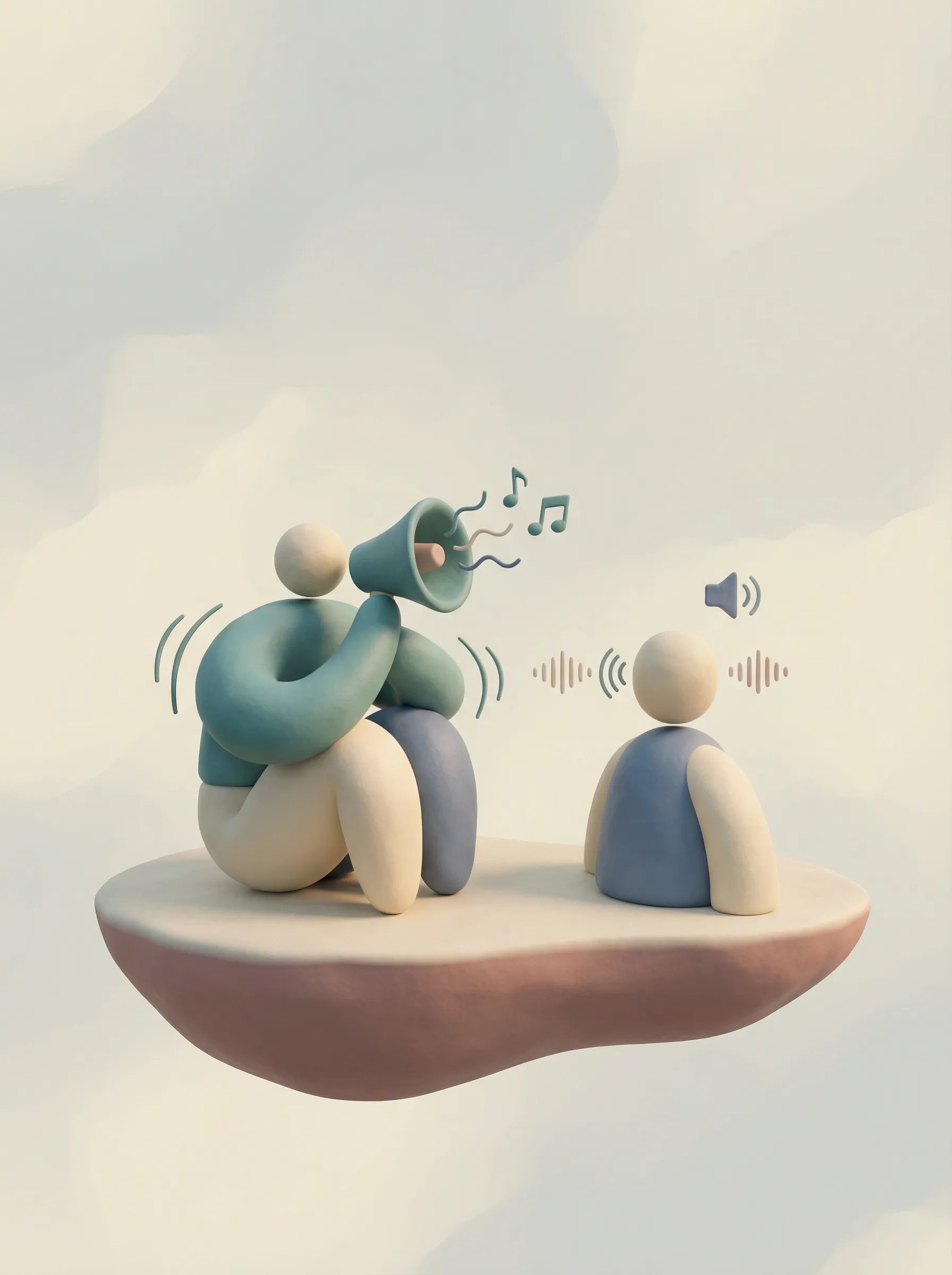
Throat clearing, humming, or repeating sounds involuntarily — The Involuntary Voice

Tap to see inside

What others see

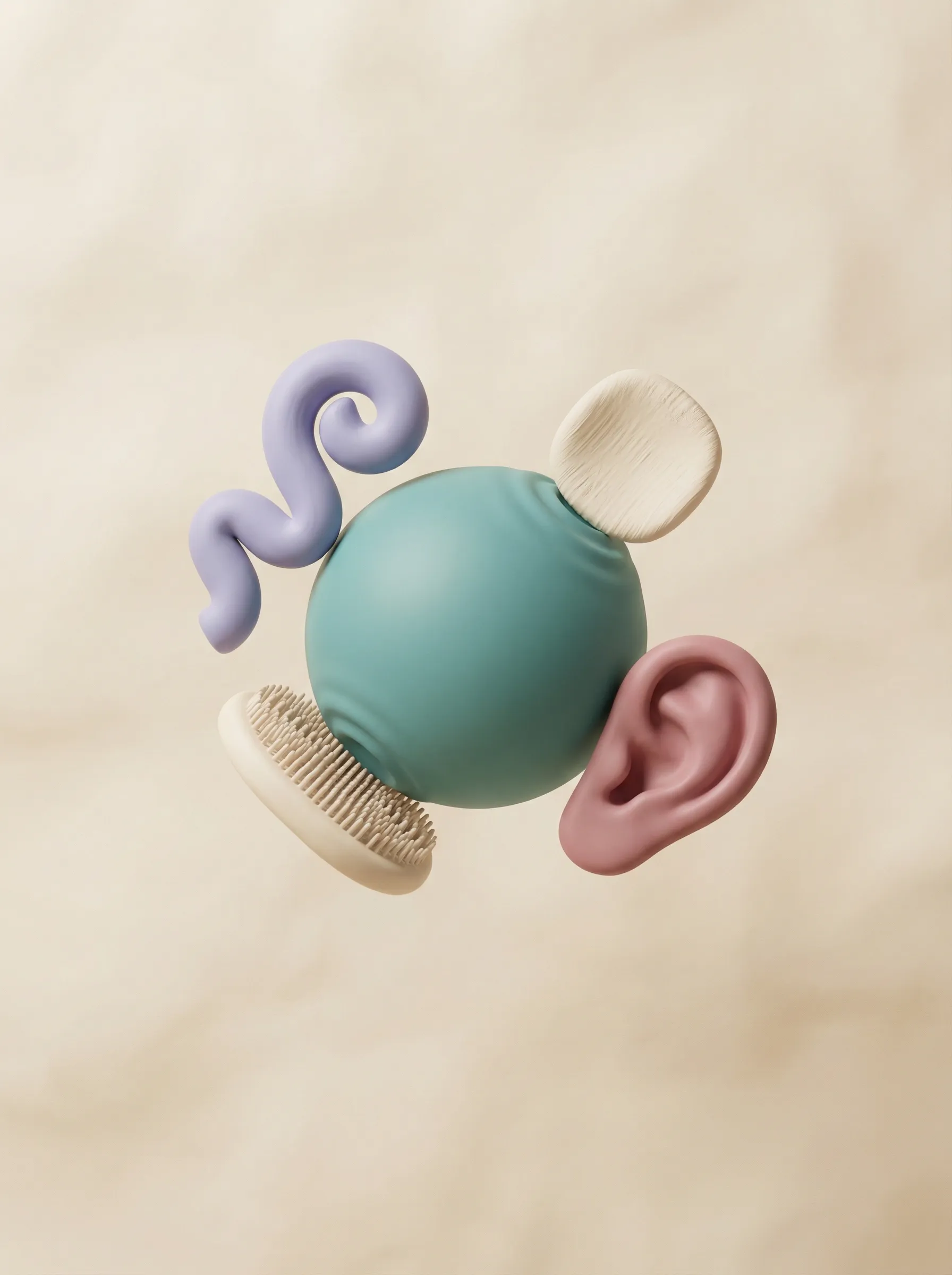
Throat clearing, humming, or repeating sounds involuntarily

The Involuntary Voice
Tap to flip back

On the inside

The Involuntary Voice

That sound just came out of me - again. I didn't choose it. My brain sent the signal before I could intercept it. The motor pathway fires 0.3 seconds before my awareness even registers it.
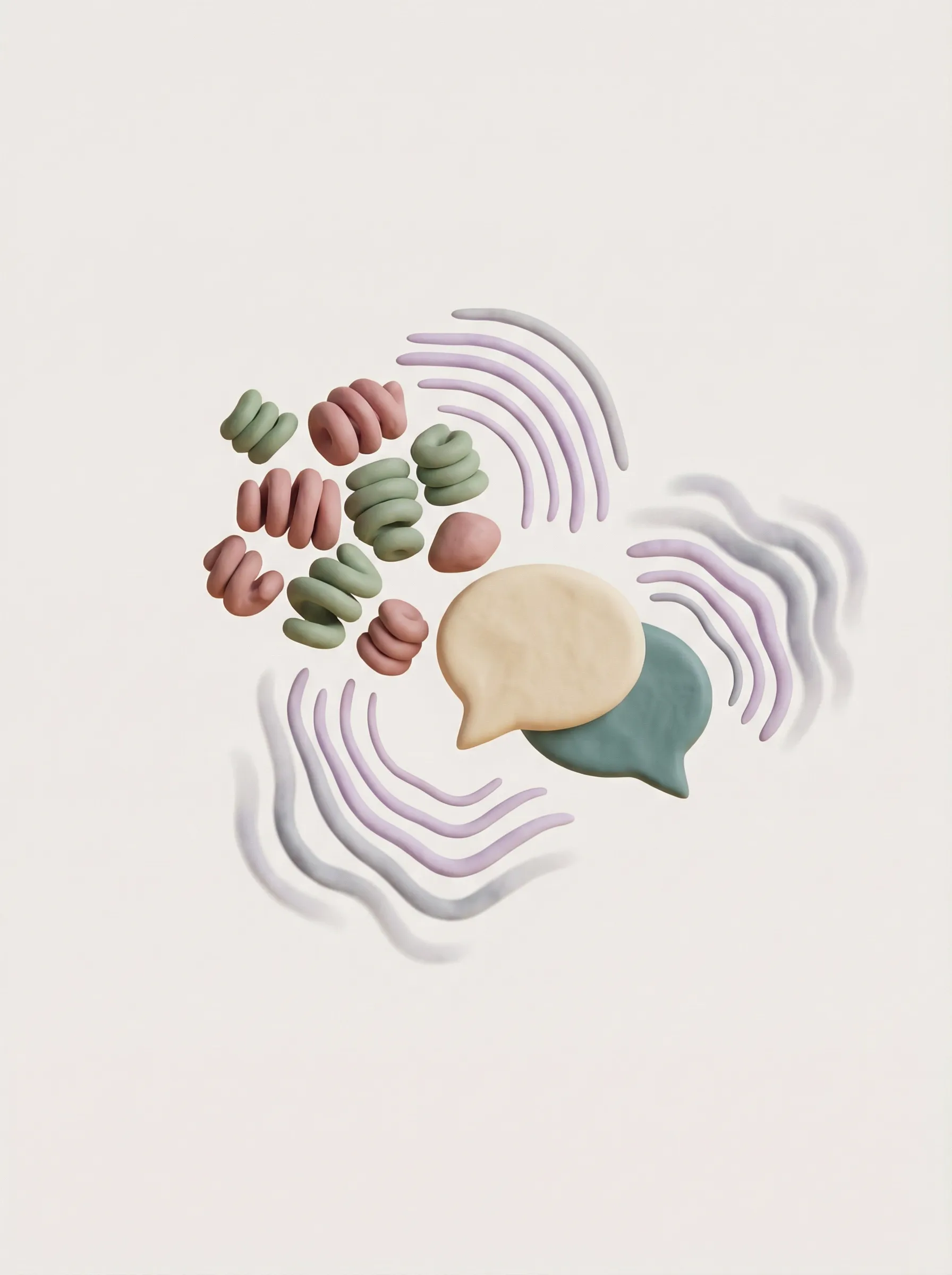
Tics intensifying during stress, excitement, or fatigue — The Amplifier
Tap to see inside

What others see

Tics intensifying during stress, excitement, or fatigue

The Amplifier
Tap to flip back

On the inside

The Amplifier

Stress turns up the tic volume. When I'm excited or anxious, the urges multiply and my body becomes a louder version of itself. Dopamine surges feed directly into the basal ganglia's hyperactive circuits.
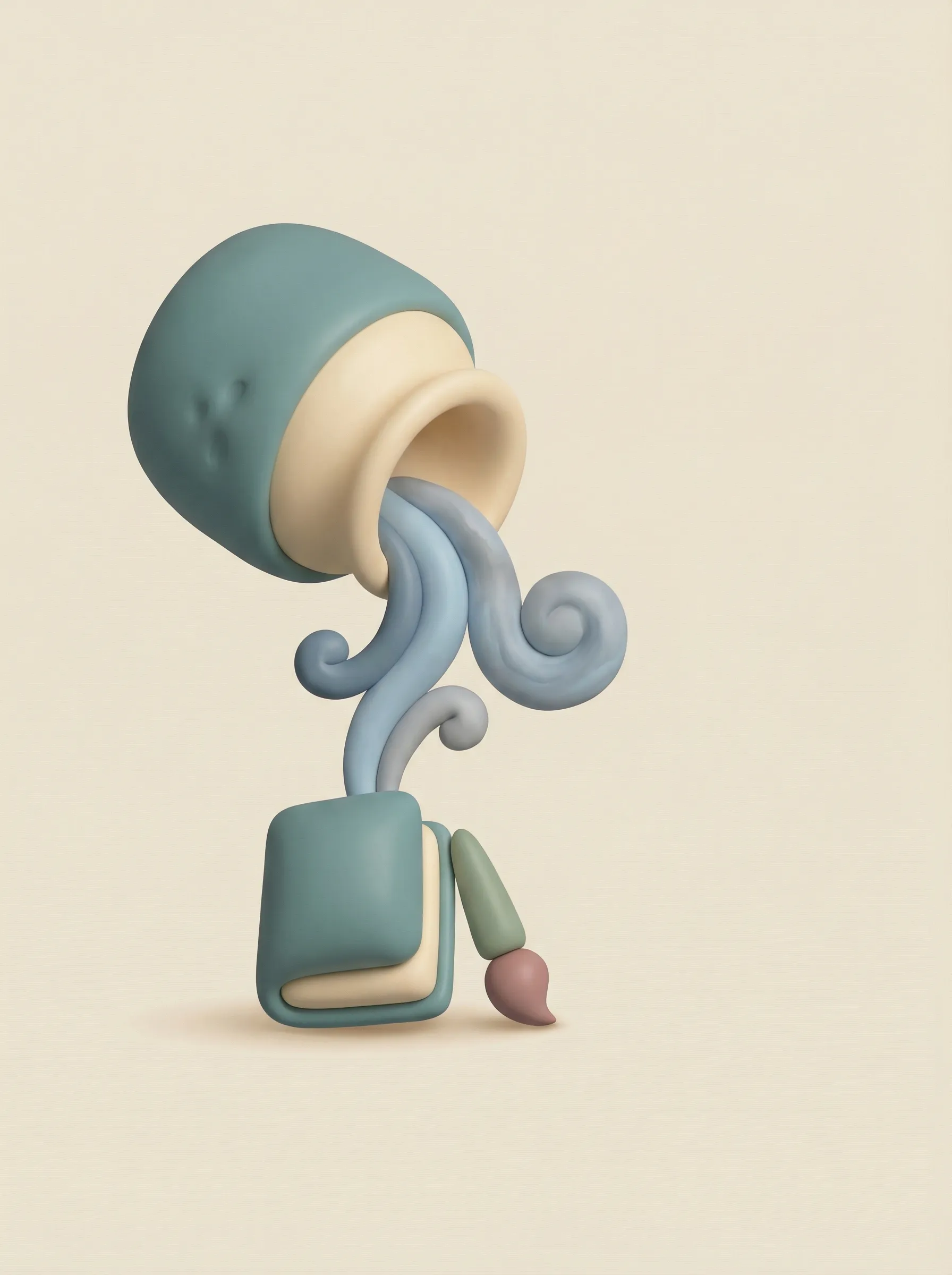
Muscle soreness and physical exhaustion from repetitive movements — The Aftermath

Tap to see inside

What others see

Muscle soreness and physical exhaustion from repetitive movements

The Aftermath
Tap to flip back

On the inside

The Aftermath

My muscles ache from movements I never chose to make. It's like running a marathon my body signed up for without asking me. The physical toll is invisible to others but constant for me.

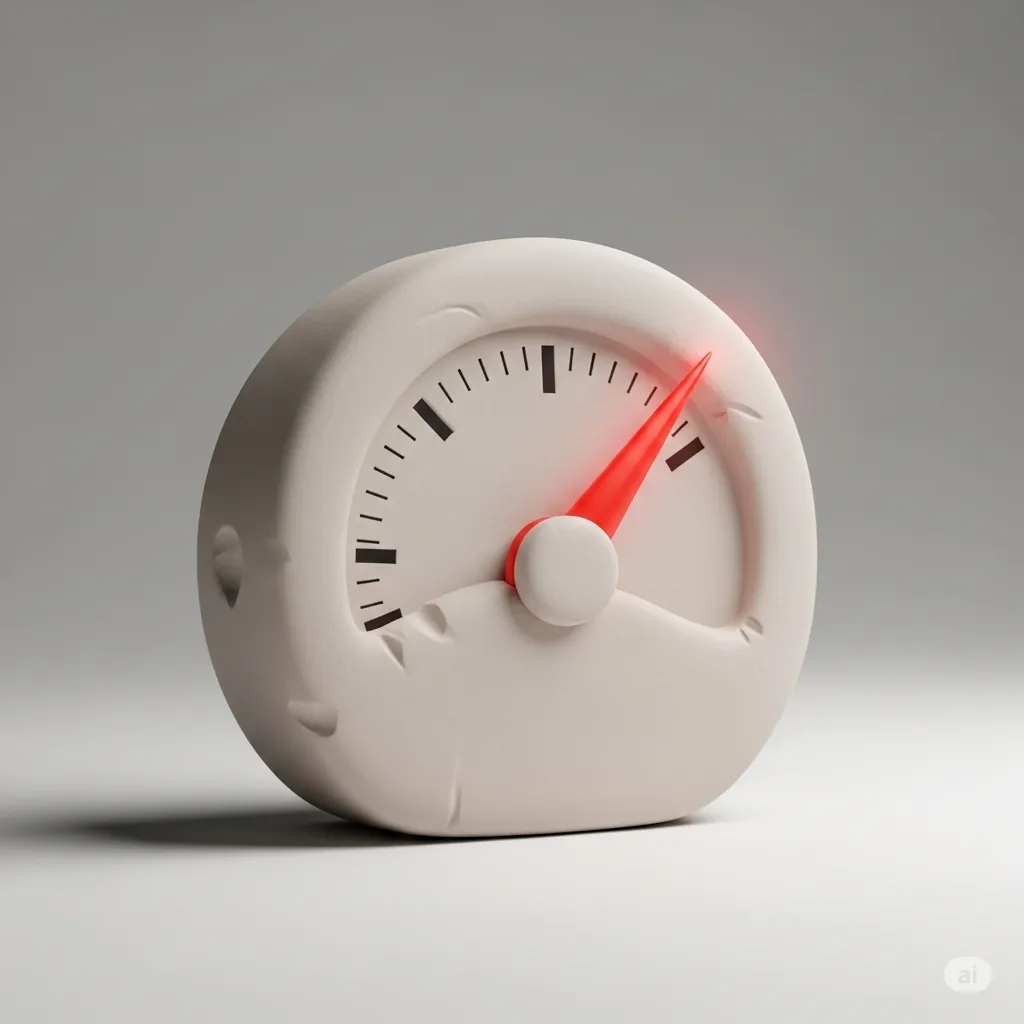
Heightened sensitivity to sensory triggers like sounds or textures — The Sensory Dial

Tap to see inside

What others see

Heightened sensitivity to sensory triggers like sounds or textures

The Sensory Dial
Tap to flip back

On the inside

The Sensory Dial

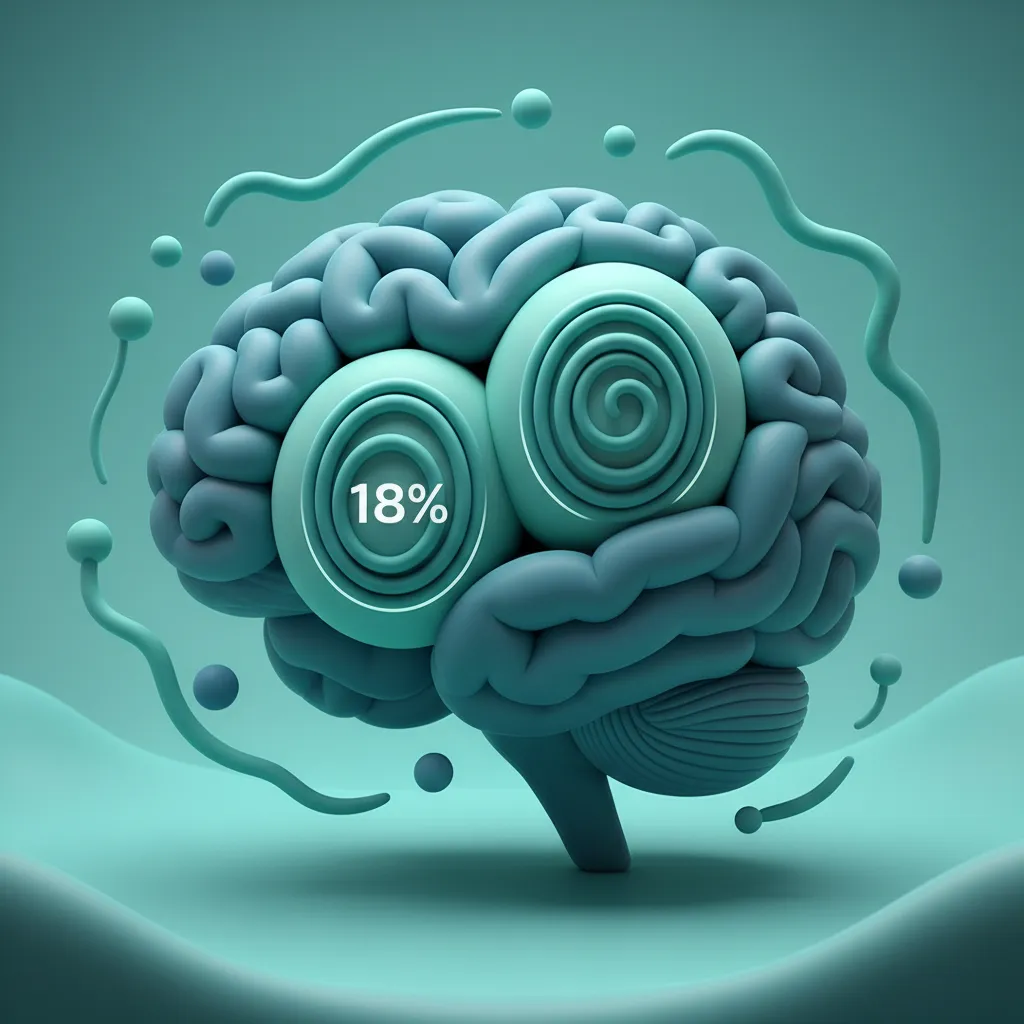
Sounds, textures, and lights hit me differently. My threshold for sensory input is set lower, and that feeds back into the tics. The thalamus - my sensory hub - is 18% larger, processing more input than average.

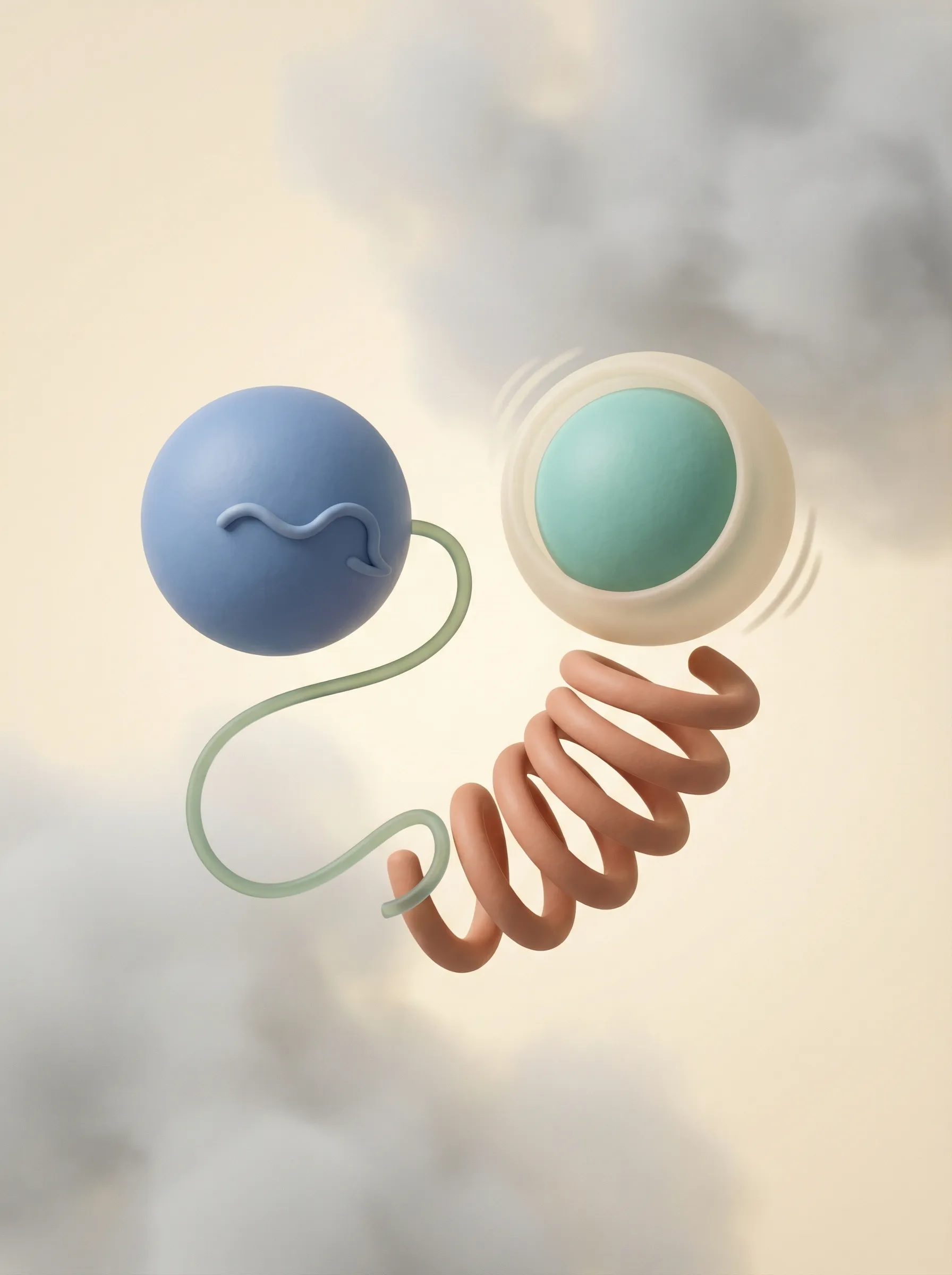
Developing creative workarounds that mask or redirect tics — The Adaptation Skill
Tap to see inside

What others see

Developing creative workarounds that mask or redirect tics

The Adaptation Skill
Tap to flip back

On the inside

The Adaptation Skill

I've built workarounds others never need - subtle redirections, timing strategies, competing responses. That resourcefulness is real intelligence. My prefrontal cortex developed 22% more inhibitory synapses to manage this.

fMRI research shows tic suppression increases prefrontal cortex cognitive load by 300%, causing mental exhaustion and leading to rebound tic exacerbation -- making 'just stop' advice actively counterproductive.

Piacentini et al., JAMA (2010)

Tap to Start Myth Busting

Types of Tourette Syndrome

Tourette Syndrome manifests through four primary tic categories, often occurring in combination.

Simple Motor Tics: Brief movements involving single muscle groups (eye blinking, nose twitching) linked to basal ganglia hyperactivity. These are the most common first presentation of TS.
Type 1~90%

Simple Motor Tics

Brief movements involving single muscle groups (eye blinking, nose twitching) linked to basal ganglia hyperactivity. These are the most common first presentation of TS.

Eye Blinking
Head Jerks
Shoulder Shrugs
Facial Grimacing
Complex Motor Tics: Coordinated actions (jumping, touching objects) involving cortical motor planning regions. These appear purposeful but are involuntary sequences the brain executes automatically.
Type 2~50%

Complex Motor Tics

Coordinated actions (jumping, touching objects) involving cortical motor planning regions. These appear purposeful but are involuntary sequences the brain executes automatically.

Object Touching
Jumping
Gesture Sequences
Copropraxia
Simple Vocal Tics: Sudden sounds (sniffing, grunting) from laryngeal/respiratory muscle activation. Often the most socially noticeable tics despite being among the least intentional.
Type 3~80%

Simple Vocal Tics

Sudden sounds (sniffing, grunting) from laryngeal/respiratory muscle activation. Often the most socially noticeable tics despite being among the least intentional.

Throat Clearing
Sniffing
Grunting
Humming
Complex Vocal Tics: Meaningful utterances (phrase repetition, echolalia) involving language networks. Includes coprolalia (involuntary swearing) in only 10-15% of cases.
Type 4~30%

Complex Vocal Tics

Meaningful utterances (phrase repetition, echolalia) involving language networks. Includes coprolalia (involuntary swearing) in only 10-15% of cases.

Echolalia
Palilalia
Coprolalia
Word Repetition

Longitudinal research shows 85% of adults with Tourette Syndrome achieve educational and vocational outcomes comparable to their peers, with many excelling in fields requiring rapid pattern recognition and creative thinking.

Cavanna & Seri, BMJ (2013)
Tap to Start Myth Busting

The Science of TOURETTE

The Motor Threshold

Understanding the neurobiology of Tourette Syndrome

Basal Ganglia Hyperactivity: The basal ganglia - the brain's movement gatekeeper - has a lower threshold for releasing motor commands in TS. Normally, this region filters impulses so only intended movements pass through. In Tourette's, the gate is partially open, allowing motor signals to escape before conscious inhibition can intervene.
Motor Circuits

Basal Ganglia Hyperactivity

The basal ganglia - the brain's movement gatekeeper - has a lower threshold for releasing motor commands in TS. Normally, this region filters impulses so only intended movements pass through. In Tourette's, the gate is partially open, allowing motor signals to escape before conscious inhibition can intervene.

Dopamine Receptor Hypersensitivity: Dopamine receptors in the basal ganglia are hypersensitive in TS, meaning normal dopamine levels produce amplified motor responses. This explains why stress and excitement (which increase dopamine) intensify tics, and why dopamine-blocking medications can reduce them.
Neurochemistry

Dopamine Receptor Hypersensitivity

Dopamine receptors in the basal ganglia are hypersensitive in TS, meaning normal dopamine levels produce amplified motor responses. This explains why stress and excitement (which increase dopamine) intensify tics, and why dopamine-blocking medications can reduce them.

Compensatory Neural Growth: Tourette's brains develop 22% more inhibitory synapses to manage tics - like building bigger brakes for a powerful engine. This compensatory growth explains why 85% of people see tic improvement by adulthood and why TS individuals often develop enhanced cognitive control in other domains.
Neuroplasticity

Compensatory Neural Growth

Tourette's brains develop 22% more inhibitory synapses to manage tics - like building bigger brakes for a powerful engine. This compensatory growth explains why 85% of people see tic improvement by adulthood and why TS individuals often develop enhanced cognitive control in other domains.

The Pressure Valve: Imagine a pressure cooker with a valve that opens at a lower threshold than designed. Steam (motor impulses) escapes in bursts before the full cooking pressure is reached. The premonitory urge is the pressure building; the tic is the valve releasing. Suppressing tics is like holding the valve shut - the pressure doesn't disappear, it intensifies until released. Treatment aims to raise the valve's threshold, not weld it shut.
The Mechanics

The Pressure Valve

Imagine a pressure cooker with a valve that opens at a lower threshold than designed. Steam (motor impulses) escapes in bursts before the full cooking pressure is reached. The premonitory urge is the pressure building; the tic is the valve releasing. Suppressing tics is like holding the valve shut - the pressure doesn't disappear, it intensifies until released. Treatment aims to raise the valve's threshold, not weld it shut.

Tourette Syndrome is a threshold calibration difference in the brain's motor control system. The hardware is powerful - often more so than average - but the release settings are different. Understanding this biology replaces stigma with respect.

fMRI studies demonstrate tics activate motor pathways 0.3 seconds before conscious awareness -- faster than voluntary action -- proving they bypass the brain's intentional movement system entirely.

Leckman, The Lancet (2002)
Tap to Start Myth Busting
Restricted Access

Scientific Deep Dive

Explore Myths to Unlock

Earn 5 Insight Points

Illustration for Deep Dive fact 1
1 / 5

Does Tourette's give me super-senses?

In a way, yes. fMRI shows 18% larger thalamic volumes - the brain's sensory hub. This boosts pattern recognition and sensory processing, turning a 'leaky' filter into a high-bandwidth input channel.

Unlock Answer
Two Sides of the Coin

Two Sides of the Coin

Every neurological difference comes with trade-offs. The same trait that causes struggle in one context creates brilliance in another.

Social Energy Cost

Explaining tics repeatedly and managing others' reactions drains social energy reserves.

Physical Strain

Repetitive involuntary movements cause muscle fatigue, soreness, and long-term strain.

Suppression Tax

Holding tics back increases cognitive load by 300%, leaving less bandwidth for other tasks.

Twin studies establish 77% heritability for Tourette Syndrome, with 17 identified genetic variants (including SLITRK1) affecting basal ganglia development -- confirming a strong neurogenetic origin unrelated to parenting.

Singer, Lancet Neurology (2005)
Tap to Start Myth Busting

Community Voices

Real experiences

My tics are like a sneeze I can't quite get out. The 'premonitory urge' is the hardest part to explain.

Orla N.
22

I'm not 'making noises'. My brain is sending 'fire' signals to my muscles without my permission.

Xander E.
39

My Tourette's makes me quick-witted and creative. It's a high-energy brain that just needs a lot of outlets.

Zoe L.
16

Think you might have Tourette Syndrome?

Take our clinical-grade screening assessment. It takes less than 5 minutes and gives you instant insights.

Rewiring for Success

Stop trying to fix yourself. Start building a support system that works with your brain, not against it.

Therapy

  • CBIT
    Comprehensive Behavioral Intervention for Tics teaches tic awareness and competing responses. Reduces tic severity by 30-50%.
  • ERP Therapy
    Exposure and Response Prevention gradually increases tolerance to premonitory urges.
  • Occupational Therapy
    Sensory integration strategies and adaptive tools to manage tic triggers in daily activities.

Medication

  • Alpha-2 Agonists
    Clonidine reduces tic frequency by 25-35% via norepinephrine regulation.
  • Antipsychotics
    Aripiprazole blocks dopamine receptors, effective for severe tics.
  • VMAT2 Inhibitors
    Deutetrabenazine regulates dopamine storage, showing 20-30% tic reduction.

Lifestyle

  • Rhythmic Movement
    Swimming or drumming provides structured motor outlet, reducing residual tic energy.
  • Scheduled Tic Time
    Designated 15-minute periods for free tic expression to reduce suppression fatigue.
  • Sleep Hygiene
    Consistent sleep schedule reduces tic intensity by 40% in studies.

Environment

  • Sensory Zones
    Designated spaces with dim lighting and textured objects for tic release.
  • Tic-Friendly Seating
    Swivel chairs or standing desks accommodate movement needs.
  • White Noise
    Masks trigger sounds with nature recordings or pink noise.

Tools for your brain

Built for this neurotype — not generic wellness

See all
FAQ

Frequently Asked Questions

Glossary of Terms

Co-occurring Conditions

Neurodivergent conditions often travel together. Understanding co-occurrence helps build a complete picture.

Click any condition to learn more. Co-occurrence percentages are from peer-reviewed research.

Scientific References

  1. Robertson, M.M., et al. (2017). Gilles de la Tourette syndrome. Nature Reviews Disease Primers.
  2. Leckman, J.F. (2002). Tourette's syndrome. The Lancet.
  3. Piacentini, J., et al. (2010). Behavior therapy for children with Tourette disorder: CBIT randomized trial. JAMA.
  4. Singer, H.S. (2005). Tourette's syndrome: from behaviour to biology. Lancet Neurology.
  5. Cavanna, A.E. & Seri, S. (2013). Tourette's syndrome. BMJ.

Your energy flows freely. It needs expression, not suppression.