OCD | AskSheldon
OCD

What is OCD?

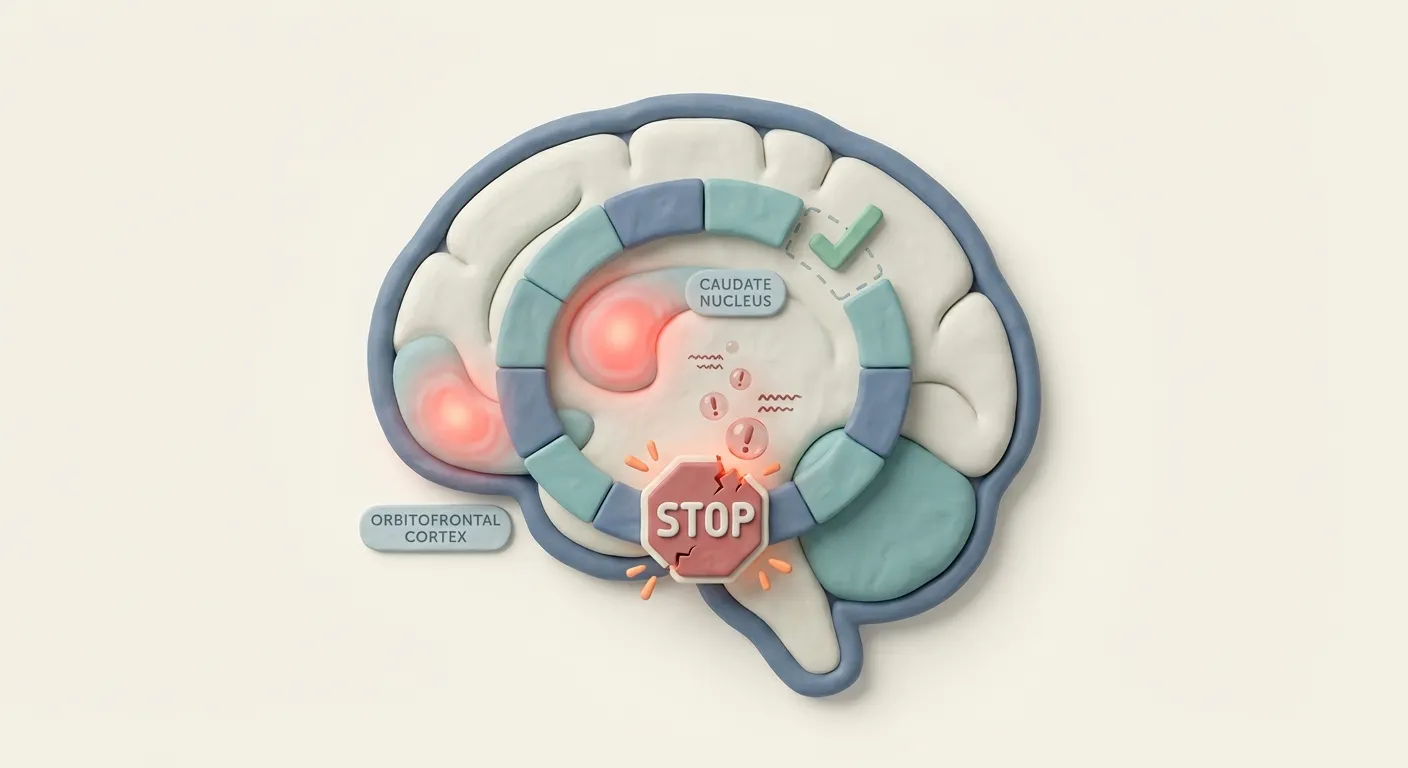
OCD is a neurobiological condition where the brain's error-detection circuits get stuck in a loop -- intrusive thoughts (obsessions) trigger repetitive behaviors (compulsions) driven by dysregulation in the cortico-striatal-thalamo-cortical pathway. Affecting 2-3% of people worldwide, the WHO ranks it among the top 10 most disabling conditions.

1 in 40people affected
2.5%prevalence
Normal IQ range

How does OCD present?

  • Looking horrified or freezing up randomly
  • Returning to check the door/stove multiple times
  • Over-apologizing or confessing 'bad' thoughts
  • Refusing to touch specific objects or go to specific places
  • Staring blankly or counting under breath

Types of OCD

  • Contamination(~45%)
  • Harm OCD(~25%)
  • Just Right / Symmetry(~20%)

Common questions about OCD

Did I cause this?

No. It's genetic and neurobiological. You didn't think your way into it.

Am I going crazy?

No. The fact that you know the thoughts are irrational (insight) means you are not psychotic.

Content reviewed against DSM-5 criteria and current clinical literature. This page is for educational purposes and does not constitute medical advice. Consult a qualified healthcare professional for diagnosis or treatment.

OCD

OCD

Could this be me?

OCDAudio Coming Soon

We're crafting an audio guide for this condition. Get notified when it drops.

What actually is it?

OCD is a neurobiological condition where the brain's error-detection circuits get stuck in a loop -- intrusive thoughts (obsessions) trigger repetitive behaviors (compulsions) driven by dysregulation in the cortico-striatal-thalamo-cortical pathway. Affecting 2-3% of people worldwide, the WHO ranks it among the top 10 most disabling conditions. It has nothing to do with being neat or tidy -- it's a glitch in the brain's 'something is wrong' signal that refuses to turn off.

It's a difference in how the brain is wired, not a character flaw.

Quick Guess

How many people out of 40 do you think have this?

Tap the icons to make your estimate.

OCD involves disruptions in specific brain circuits, particularly the cortico-striatal-thalamo-cortical pathway.

American Journal of Psychiatry
Tap to Start Myth Busting

How it looks vs. How it feels

The lived experience behind the observed behavior

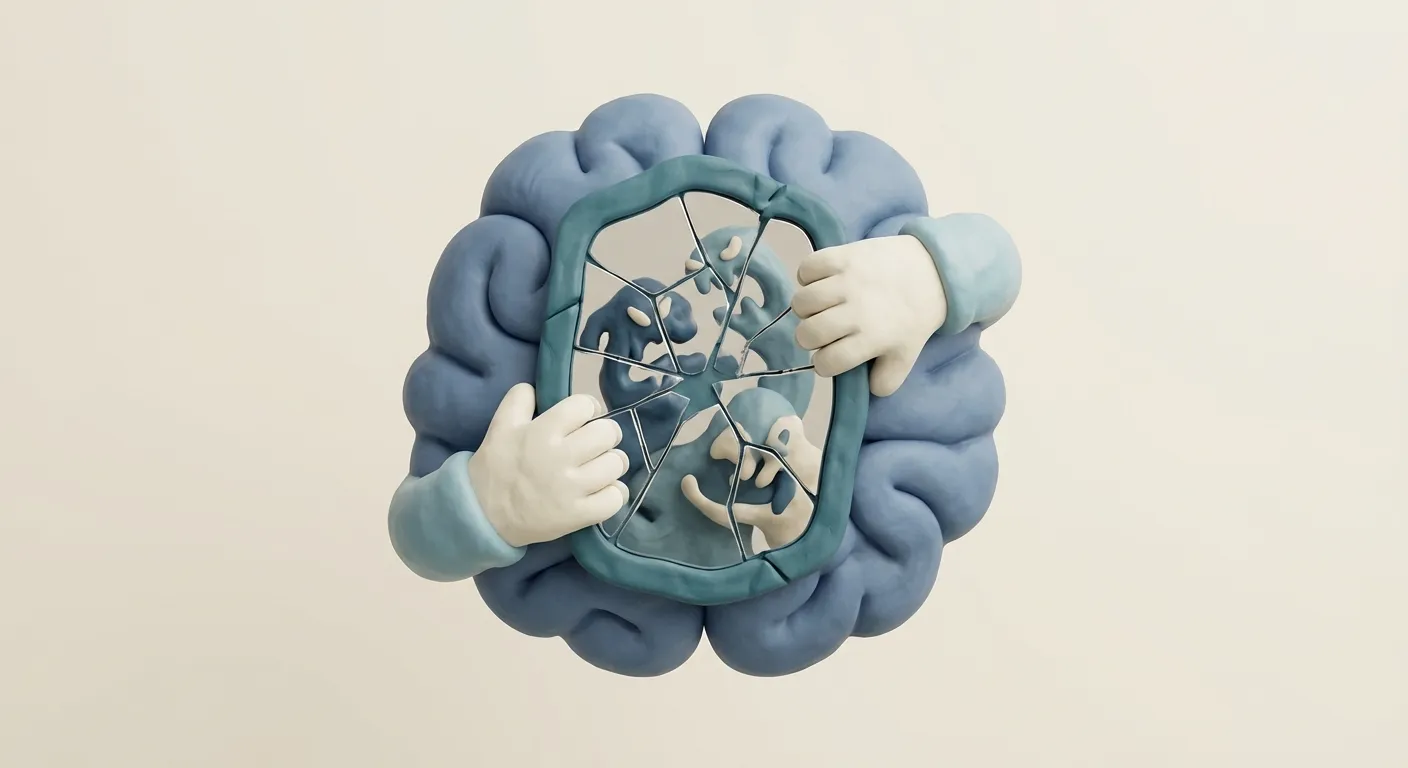
Looking horrified or freezing up randomly — The Monster in the Mirror
Tap to see inside

What others see

Looking horrified or freezing up randomly

The Monster in the Mirror
Tap to flip back

On the inside

The Monster in the Mirror

My brain randomly screams 'Jump off this bridge' or 'You just hurt that person.' It feels 100% real. I freeze because I'm terrified I might actually do it.
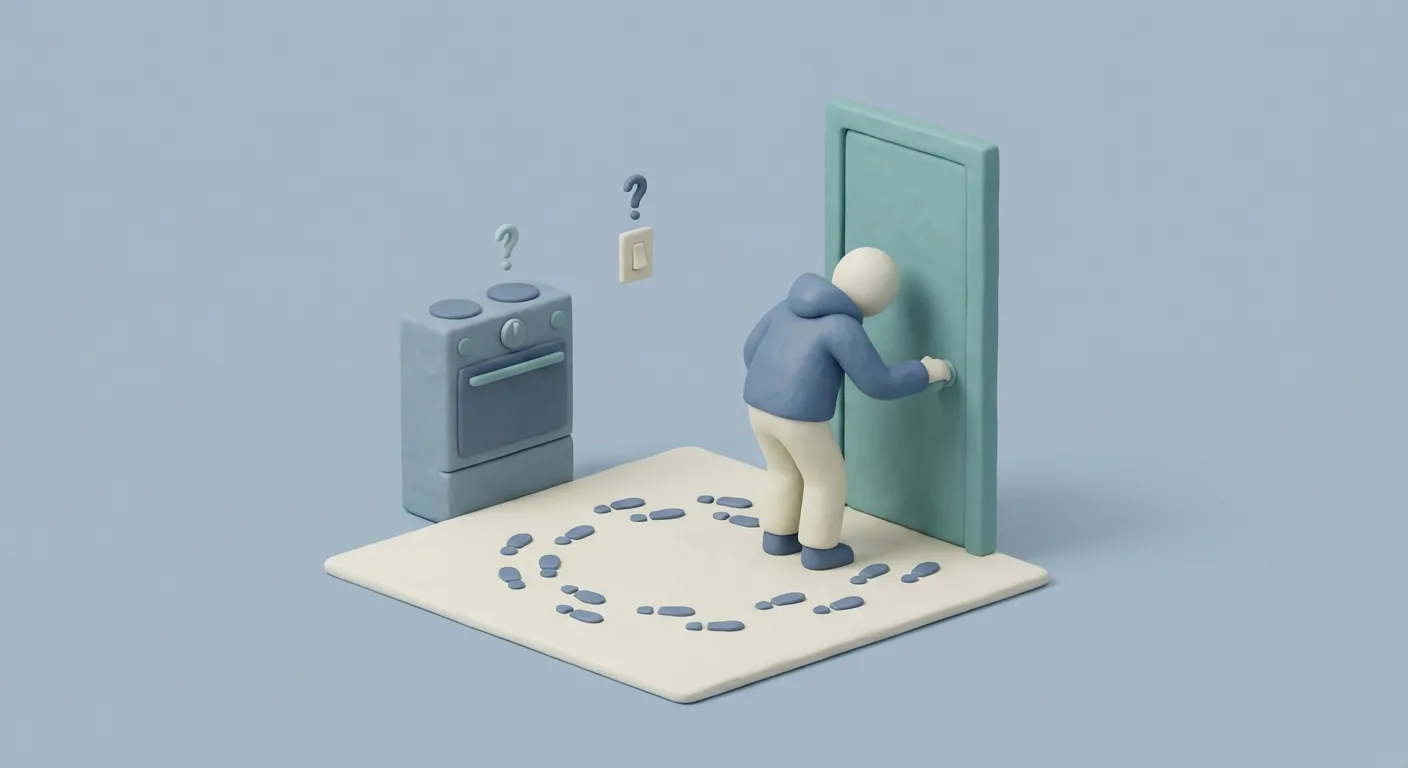
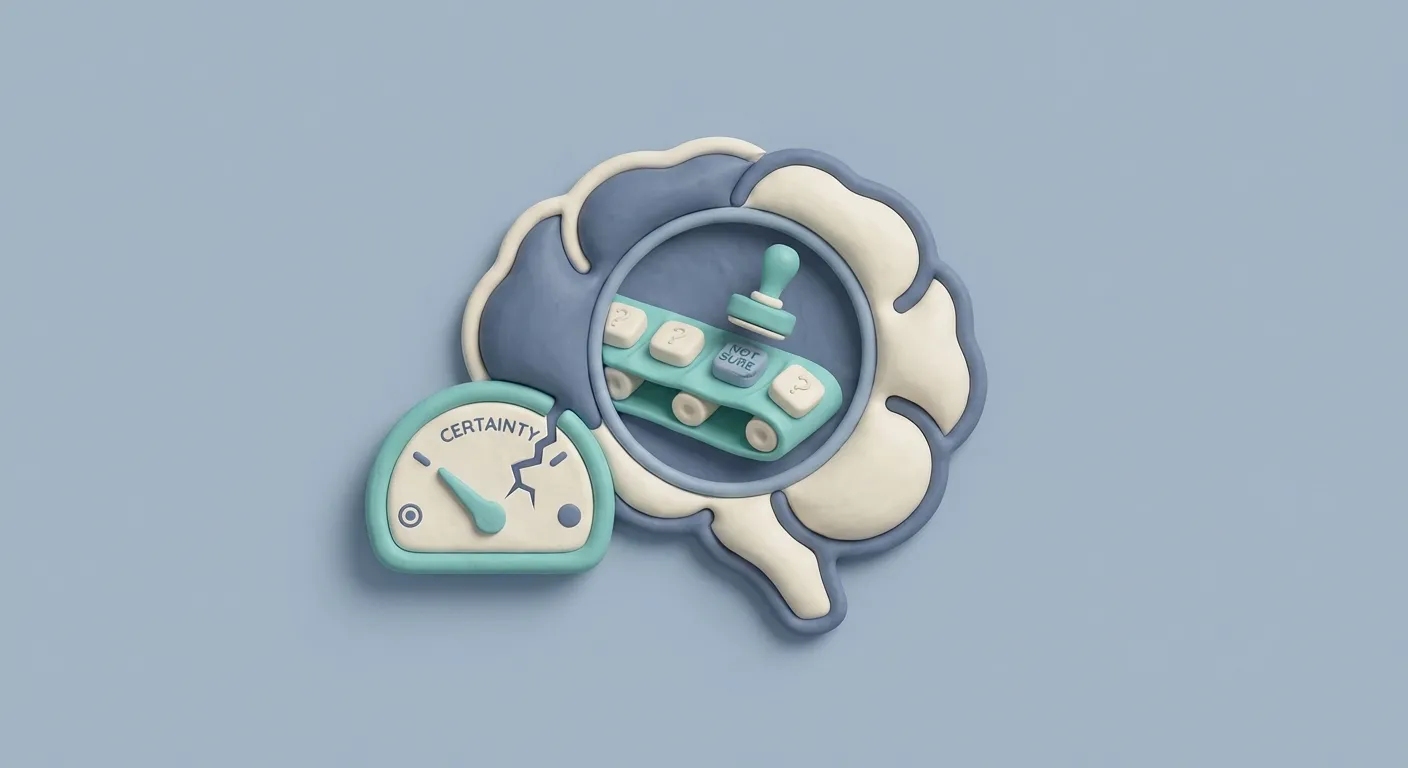
Returning to check the door/stove multiple times — The Doubt Factory
Tap to see inside

What others see

Returning to check the door/stove multiple times

The Doubt Factory
Tap to flip back

On the inside

The Doubt Factory

I see that the stove is off. But 5 seconds later, my brain says, 'Are you sure? What if you looked wrong?' The doubt is physically painful until I check again.

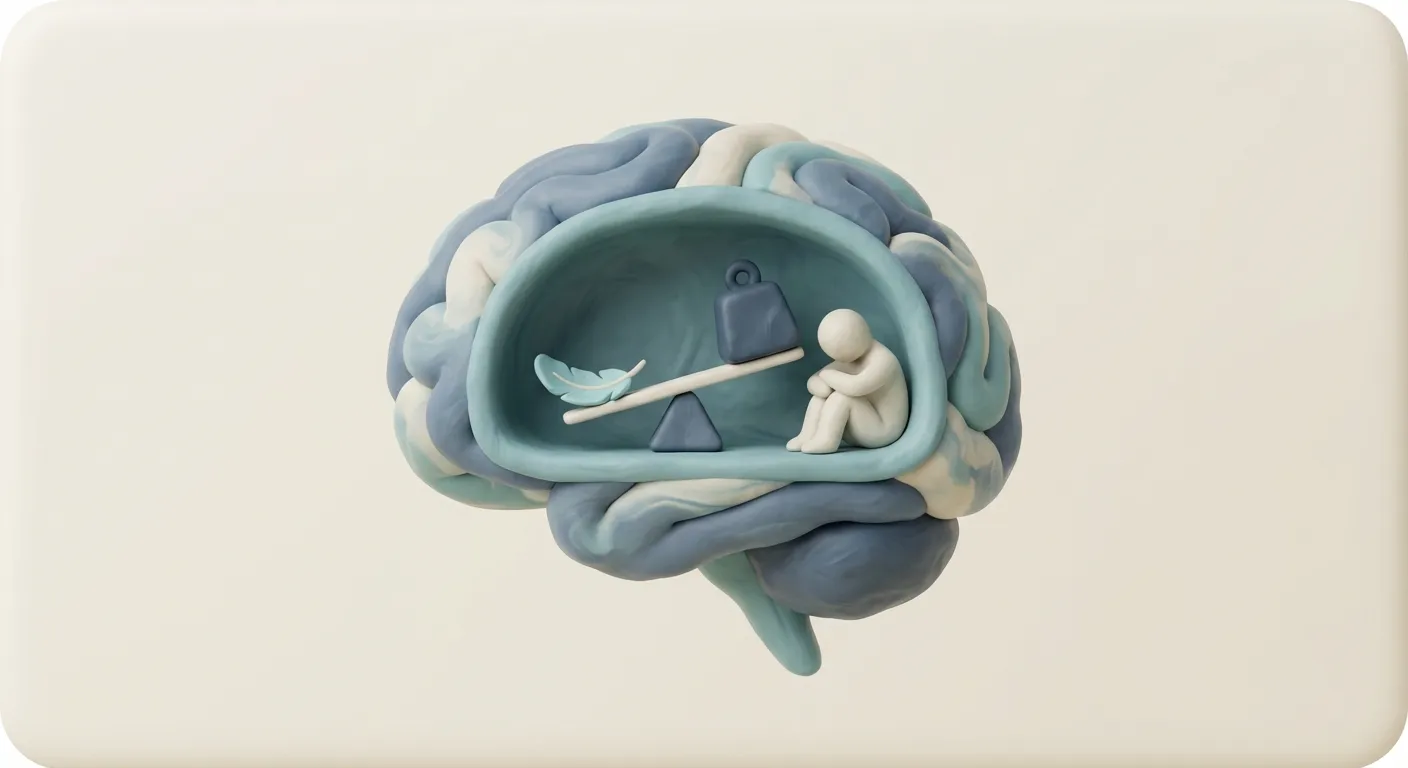
Over-apologizing or confessing 'bad' thoughts — Moral Perfectionism
Tap to see inside

What others see

Over-apologizing or confessing 'bad' thoughts

Moral Perfectionism
Tap to flip back

On the inside

Moral Perfectionism

I feel like I'm keeping a dark secret. If I don't tell you the slightly mean thought I had about your shoes, I'm a liar and a terrible person.

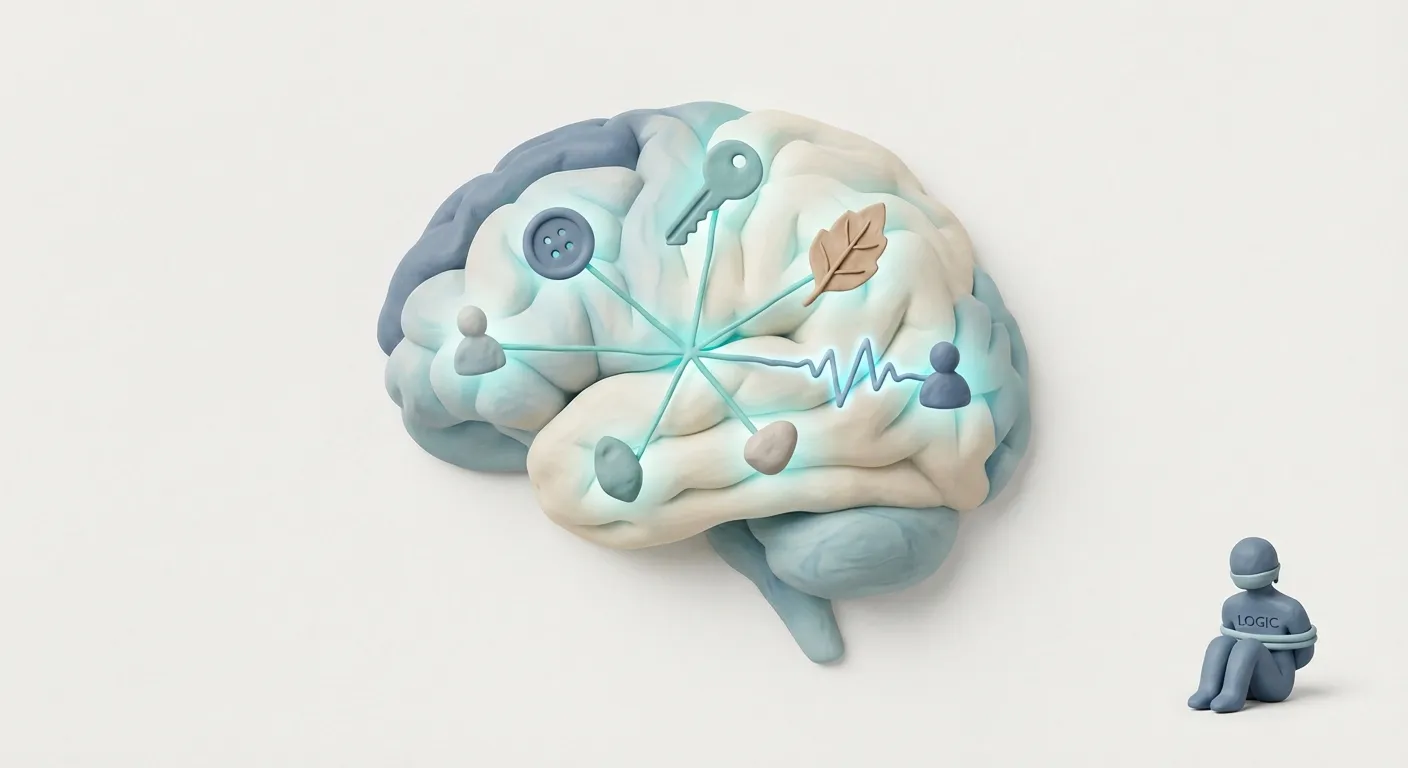
Refusing to touch specific objects or go to specific places — Magical Thinking
Tap to see inside

What others see

Refusing to touch specific objects or go to specific places

Magical Thinking
Tap to flip back

On the inside

Magical Thinking

Logic says the red shirt is just a shirt. My OCD says if I wear it, my mom will get sick. I know it makes no sense, but I can't take the risk.

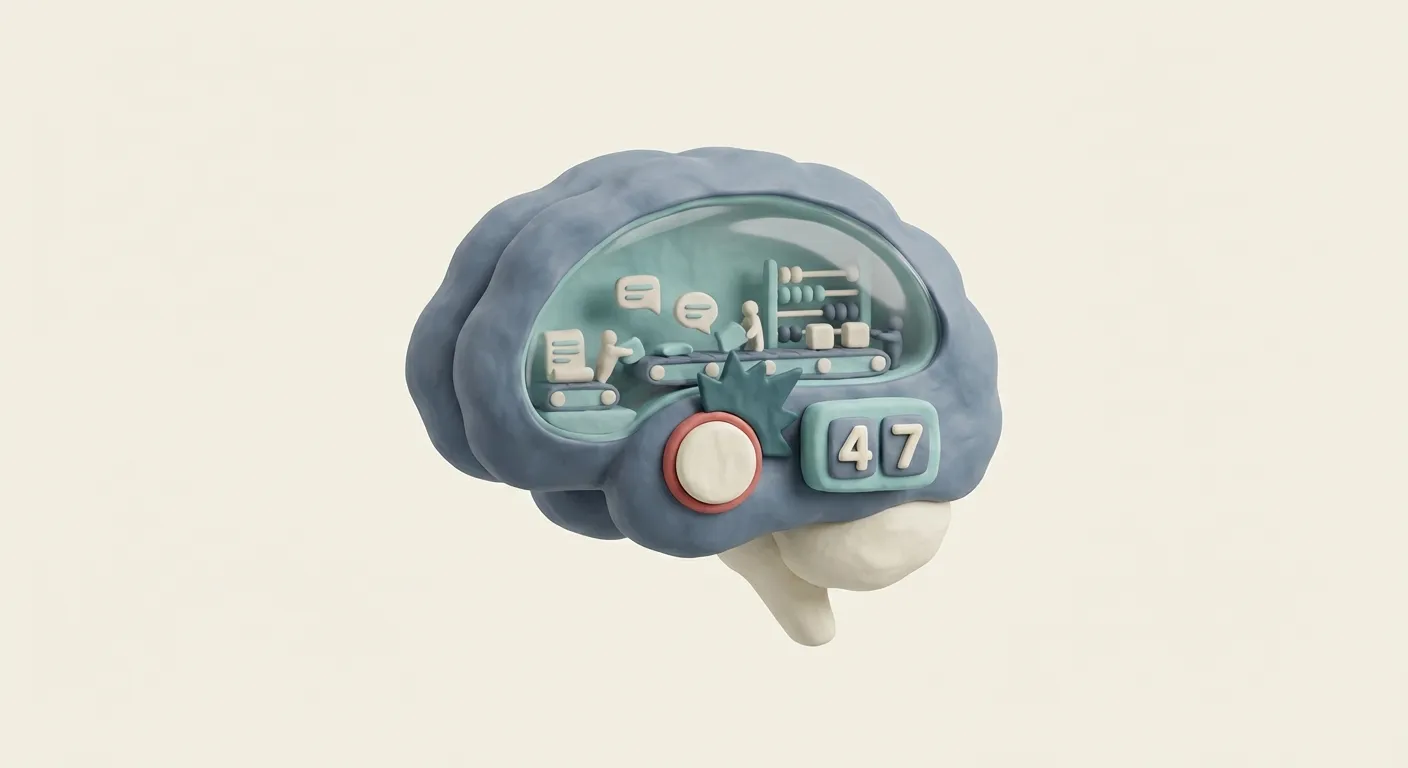
Staring blankly or counting under breath — Invisible Battles
Tap to see inside

What others see

Staring blankly or counting under breath

Invisible Battles
Tap to flip back

On the inside

Invisible Battles

I'm not zoning out. I'm frantically repeating a 'safe' phrase in my head to neutralize a 'bad' thought. If I mess up, I have to start over.

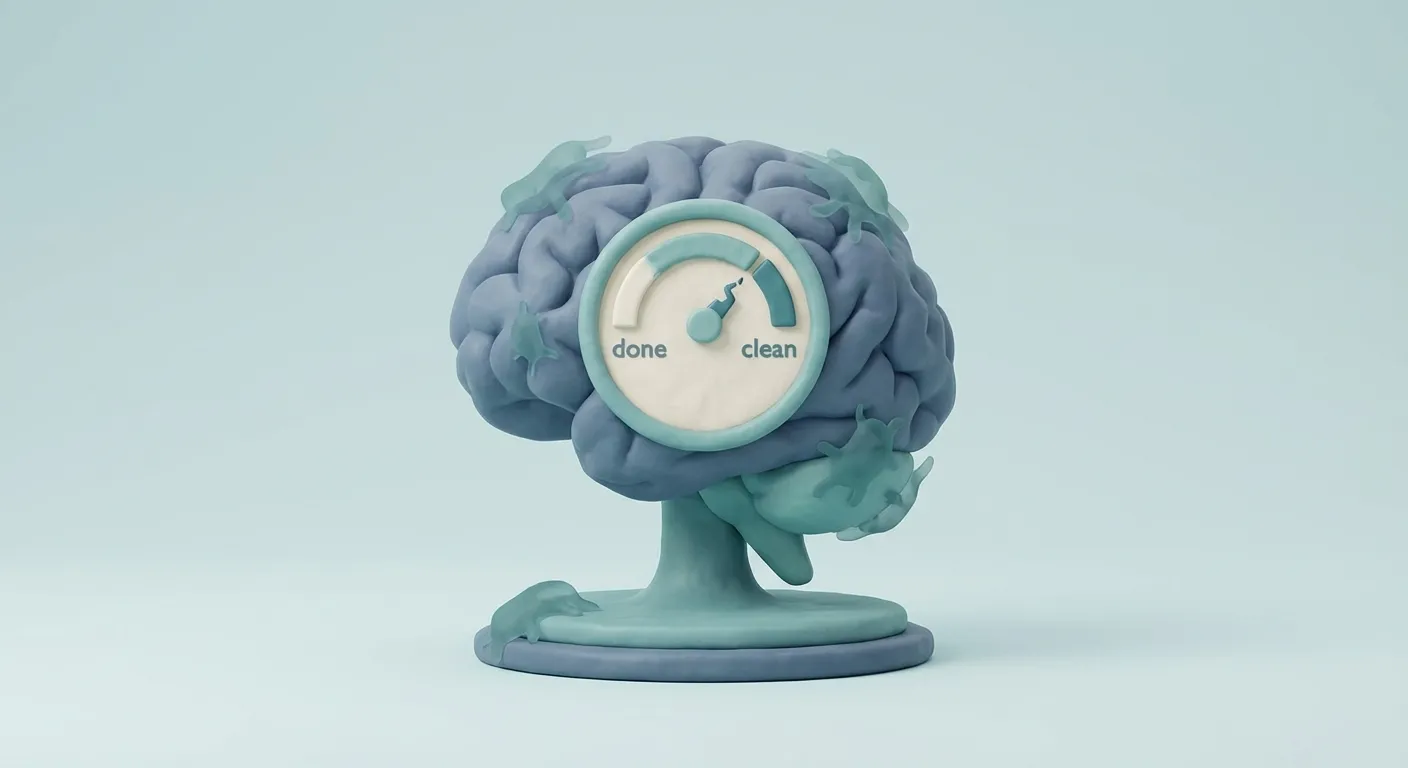
Washing hands repeatedly until they're raw and cracked — The Contamination Spiral
Tap to see inside

What others see

Washing hands repeatedly until they're raw and cracked

The Contamination Spiral
Tap to flip back

On the inside

The Contamination Spiral

I washed them. I know I washed them. But the feeling of 'not clean enough' won't release its grip. My hands are bleeding and my brain still says 'once more.' The basal ganglia's 'done' signal never arrives.

Neuroimaging shows people with OCD have difficulty disengaging from threat-related stimuli due to disrupted inhibitory control.

Biological Psychiatry
Tap to Start Myth Busting

Types of OCD

Contamination: Intense fear of germs, dirt, or toxins. Compulsions involve excessive washing or avoidance.
Type 1~45%

Contamination

Intense fear of germs, dirt, or toxins. Compulsions involve excessive washing or avoidance.

Washing hands until raw
Avoiding touching handles
Changing clothes constantly
Fear of chemicals/poisons
Harm OCD: Terrifying intrusive thoughts about hurting oneself or others. Compulsions are mental checks to prove you aren't 'bad'.
Type 2~25%

Harm OCD

Terrifying intrusive thoughts about hurting oneself or others. Compulsions are mental checks to prove you aren't 'bad'.

Hiding knives/sharp objects
Mentally reviewing past actions
Asking for reassurance
Fear of losing control
Just Right / Symmetry: A physical need for things to be aligned or balanced. Not for aesthetics, but to relieve a physical sense of tension.
Type 3~20%

Just Right / Symmetry

A physical need for things to be aligned or balanced. Not for aesthetics, but to relieve a physical sense of tension.

Rearranging objects endlessly
Touching things with both hands
Walking through doors 'correctly'
Repeating actions until it 'feels right'

The World Health Organization ranks OCD among the top 10 most disabling conditions by lost income and decreased quality of life.

WHO
Tap to Start Myth Busting

The Science of OCD

The Why Behind The What

Understanding the 'Sticky Gear' in the brain

The Broken Stop Signal: The Cortico-Striatal-Thalamo-Cortical (CSTC) loop is responsible for filtering thoughts and habits. In OCD, this loop gets stuck. The brain generates a 'something is wrong' signal but fails to generate the 'it's handled' signal.
Inhibitory Control

The Broken Stop Signal

The Cortico-Striatal-Thalamo-Cortical (CSTC) loop is responsible for filtering thoughts and habits. In OCD, this loop gets stuck. The brain generates a 'something is wrong' signal but fails to generate the 'it's handled' signal.

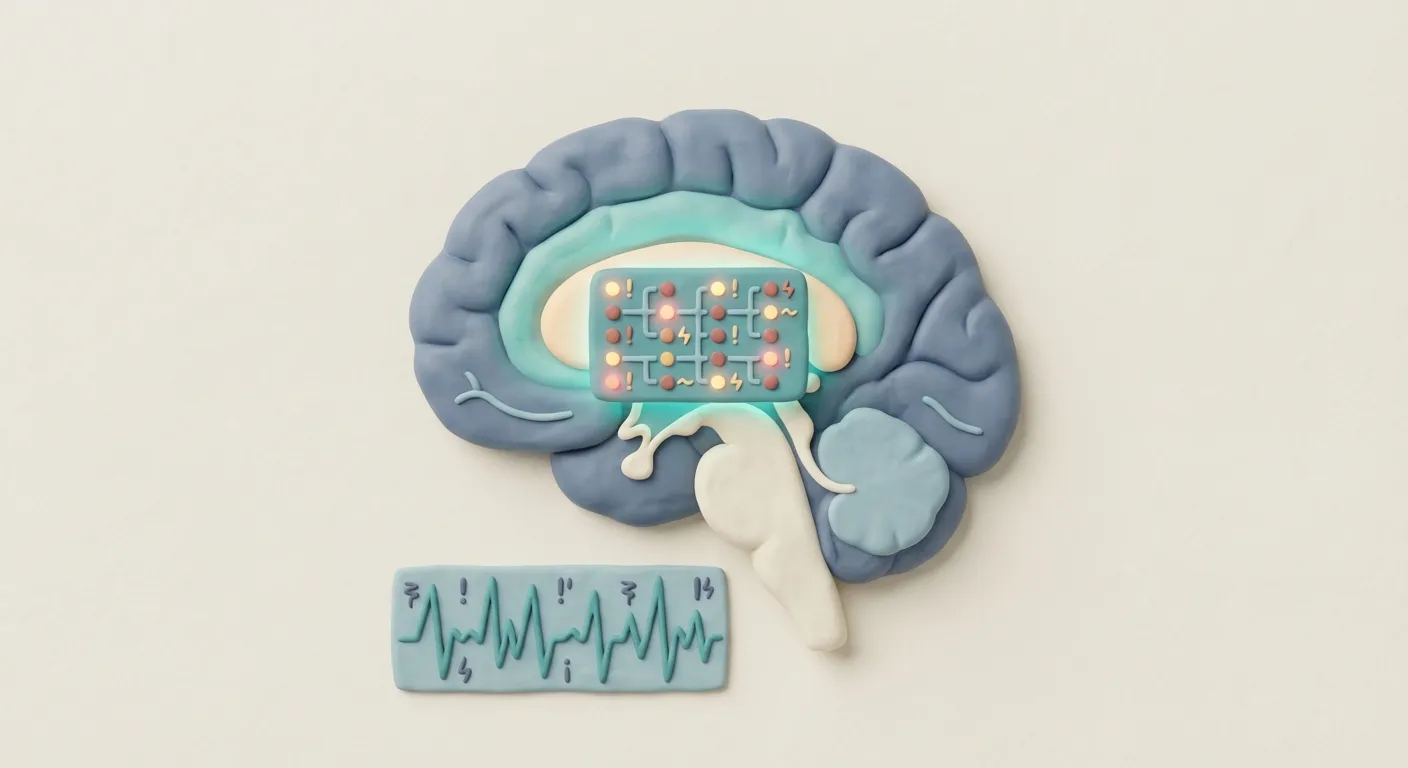
The Glitchy Mistake Detector: The Anterior Cingulate Cortex (ACC) is the brain's mistake detector. In OCD, it fires constantly, creating a nagging sensation that something isn't right, even when everything is fine.
Error Processing

The Glitchy Mistake Detector

The Anterior Cingulate Cortex (ACC) is the brain's mistake detector. In OCD, it fires constantly, creating a nagging sensation that something isn't right, even when everything is fine.

The Compulsion Cycle: Rituals form because the basal ganglia—the brain's habit center—locks compulsions into automatic loops. Each completed ritual temporarily soothes the error signal, but strengthens the neural pathway that demands the next one.
Basal Ganglia

The Compulsion Cycle

Rituals form because the basal ganglia—the brain's habit center—locks compulsions into automatic loops. Each completed ritual temporarily soothes the error signal, but strengthens the neural pathway that demands the next one.

The Sticky Gear Metaphor: Imagine a car where the gear shift gets stuck. You want to shift from 'Worry' to 'Move On,' but the gear grinds and won't shift. The engine revs louder (anxiety increases) until you perform a ritual to manually force the gear to shift.
The Mechanics

The Sticky Gear Metaphor

Imagine a car where the gear shift gets stuck. You want to shift from 'Worry' to 'Move On,' but the gear grinds and won't shift. The engine revs louder (anxiety increases) until you perform a ritual to manually force the gear to shift.

You are not your intrusive thoughts. They are 'junk mail' from a noisy brain circuit. The content of the thought is irrelevant; the glitched signal is the problem.

Sticky gears — an OCD metaphor

The Sticky Thought Experiment

Intrusive thoughts are like a sticky gear — the harder you try to force them away, the louder the engine revs.

You'll face 4 intrusive thoughts, then one of your own. Try pushing them away — then try acknowledging them instead.

Exposure & Response Prevention (ERP) Principle Demo

OCD affects 1 in 40 adults and 1 in 100 children, with 70-80% of patients responding to proper treatment.

IOCDF
Tap to Start Myth Busting
Restricted Access

Scientific Deep Dive

Explore Myths to Unlock

Earn 5 Insight Points

Illustration for Deep Dive fact 1
1 / 4

Is it serious?

OCD is ranked by the WHO as one of the top 10 most disabling illnesses globally. It's a heavyweight neurological condition, not a personality quirk.

Unlock Answer
Two Sides of the Coin

Two Sides of the Coin

Every neurological difference comes with trade-offs. The same trait that causes struggle in one context creates brilliance in another.

Doubt

The crippling inability to trust your own senses or memory.

Time Loss

Hours lost to rituals, checking, or mental arguments.

Guilt

Feeling like a criminal for thoughts you never acted on.

Indecision

Fear of making the 'wrong' choice leads to paralysis.

Exhaustion

Fighting your own brain 24/7 drains all mental energy.

Brain imaging shows structural and functional differences in people with OCD that drive compulsive behaviors.

Nature Reviews Neuroscience
Tap to Start Myth Busting

Community Voices

Real experiences

I was having intrusive thoughts and anxiety. I felt like I was losing my mind. I didn't know what was happening to me.

Jasper K.
22

With help, my anxiety and OCD reduced by 80% in just two months. I feel much happier.

Naomi T.
39

It's not about being neat. It's about the intrusive thoughts that won't stop unless I do the ritual. It's exhausting.

River M.
16

Medication made the thoughts quieter. They are still there, but I don't have to listen to them anymore.

Celeste W.
33

Watching my child perform rituals broke my heart. Understanding it was OCD—not defiance—changed everything.

Aiden B., Parent of Child with OCD
50

I regained confidence and resumed daily activities. I'm back in school. OCD doesn't run my life anymore.

Lydia S.
27

Think you might have OCD?

Take our clinical-grade screening assessment. It takes less than 5 minutes and gives you instant insights.

Rewiring for Success

Stop trying to fix yourself. Start building a support system that works with your brain, not against it.

Therapy

  • ERP
    Exposure & Response Prevention. The gold standard. Facing the fear without doing the ritual.
  • ACT
    Acceptance & Commitment Therapy. Learning to live with the doubt rather than solving it.
  • I-CBT
    Inference-Based CBT. Targeting the 'story' that doubts reality.

Mindset

  • Agree with the Thoughts
    Paradoxical but powerful. 'Maybe I ARE a monster. Maybe the house WILL burn down.' Removes the resistance.
  • Labeling
    Say 'It's not me, it's my OCD.' Externalize the glitch.

Lifestyle

  • Sleep Priority
    Tired prefrontal cortexes can't ignore sticky thoughts. Sleep is non-negotiable.
  • Moderate Cardio
    Burns off the adrenaline accumulated from chronic anxiety.

Environment

  • Stop Seeking Reassurance
    Asking 'Is this okay?' feeds the OCD beast. Embrace the uncertainty.
  • Delay Tactics
    Wait 5 minutes before doing a compulsion. Build that resistance muscle.

Medication

  • High-Dose SSRIs
    Often requires higher doses than depression to penetrate the sticky circuits (Zoloft, Luvox).
  • NAC
    N-acetylcysteine supplement shows promise in reducing compulsive urges.

Supplements

  • Inositol
    Sometimes helpful for obsessive thoughts (consult doctor for high doses).

Tools for your brain

Built for this neurotype — not generic wellness

See all
FAQ

Frequently Asked Questions

Glossary of Terms

Co-occurring Conditions

Neurodivergent conditions often travel together. Understanding co-occurrence helps build a complete picture.

Click any condition to learn more. Co-occurrence percentages are from peer-reviewed research.

Scientific References

  1. International OCD Foundation (IOCDF).
  2. Freedom from Obsessive Compulsive Disorder - Jonathan Grayson.
  3. Brain Lock - Jeffrey Schwartz.

Your need for order was a search for safety. Now you can find certainty within.

You've survived this far. Imagine what you can do when you stop fighting your own brain.