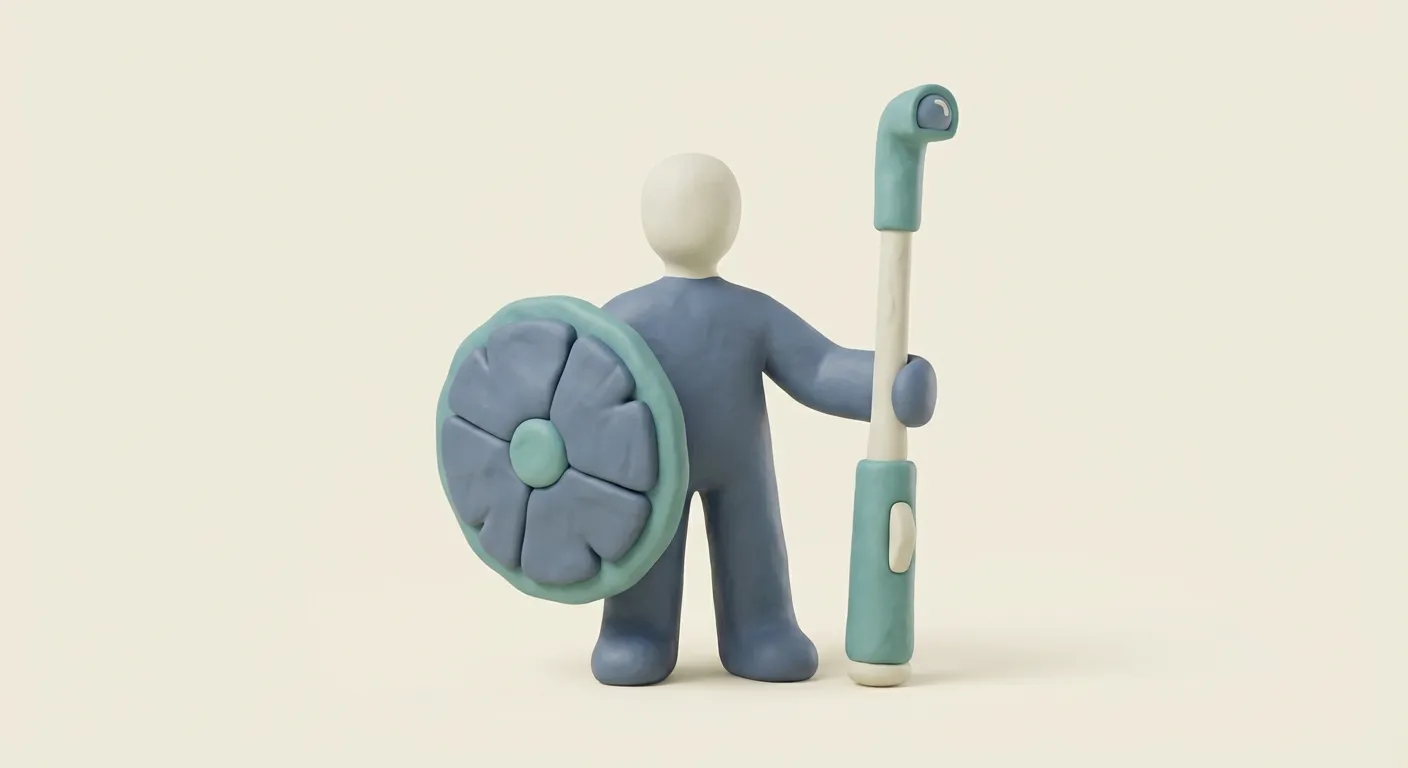
Anxiety
Not 'worrying too much,' but a mind that keeps scanning for what could go wrong. Anxiety often begins as prediction trying to become protection.
What actually is it?
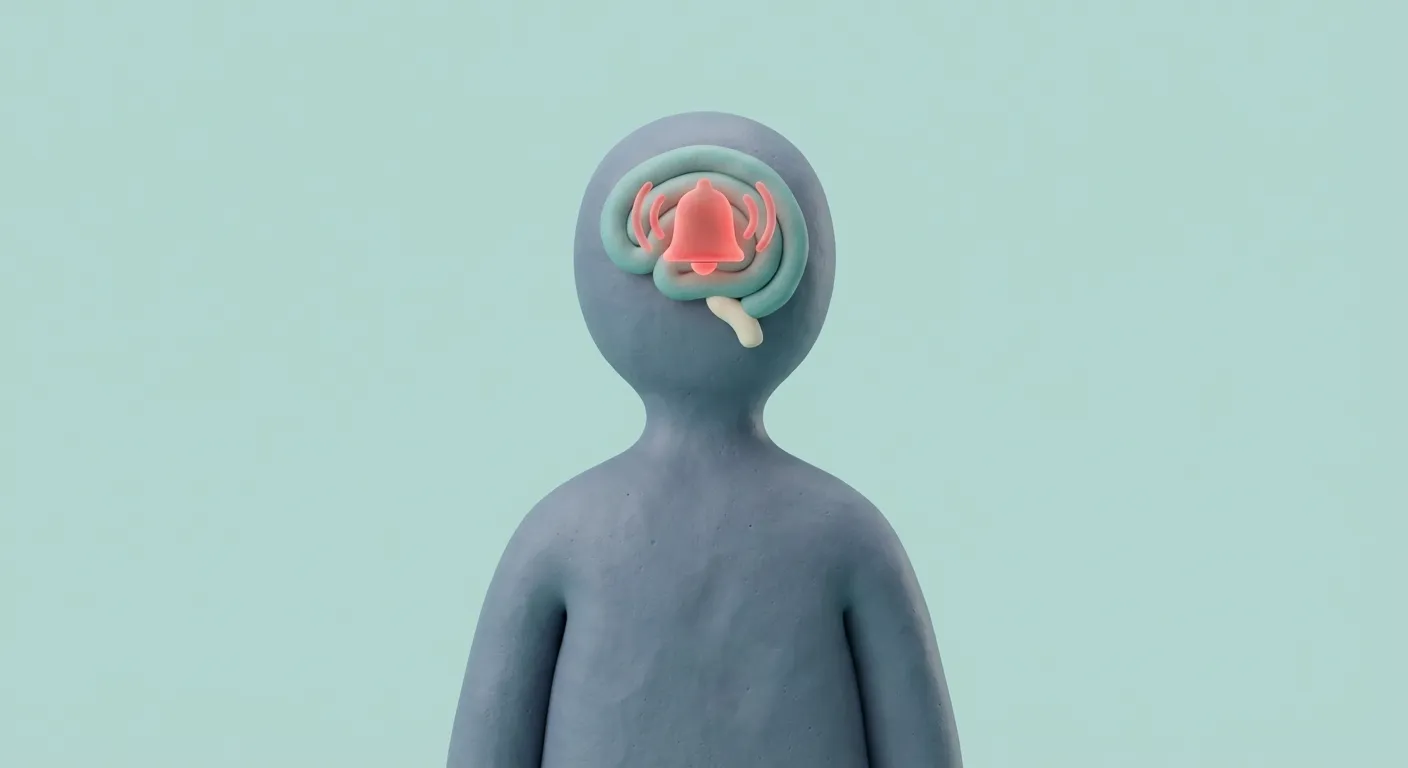
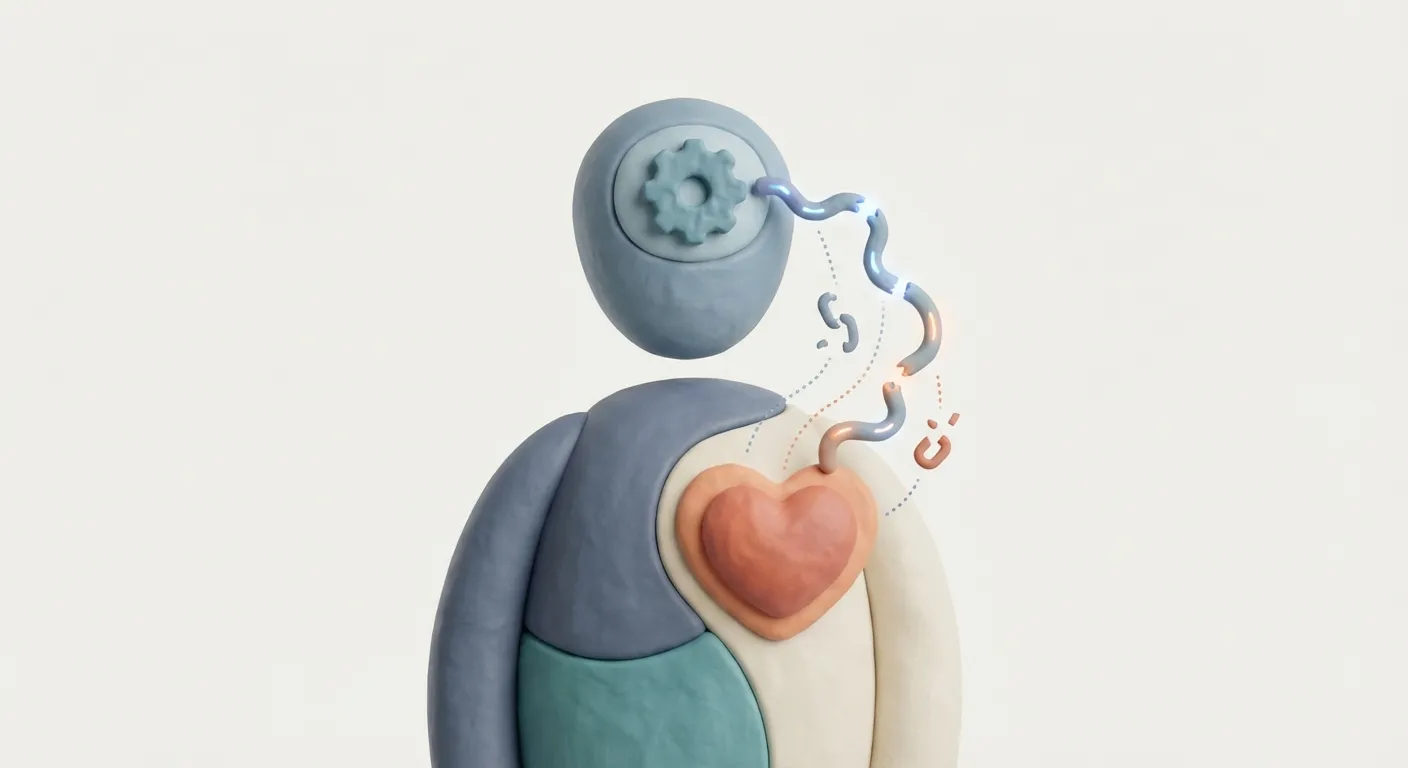
Generalized Anxiety Disorder is a condition where the amygdala -- the brain's threat detector -- is hypersensitive and the prefrontal cortex struggles to send the 'all clear' signal, creating a state of chronic worry and physical tension that is biologically real, not a character flaw.
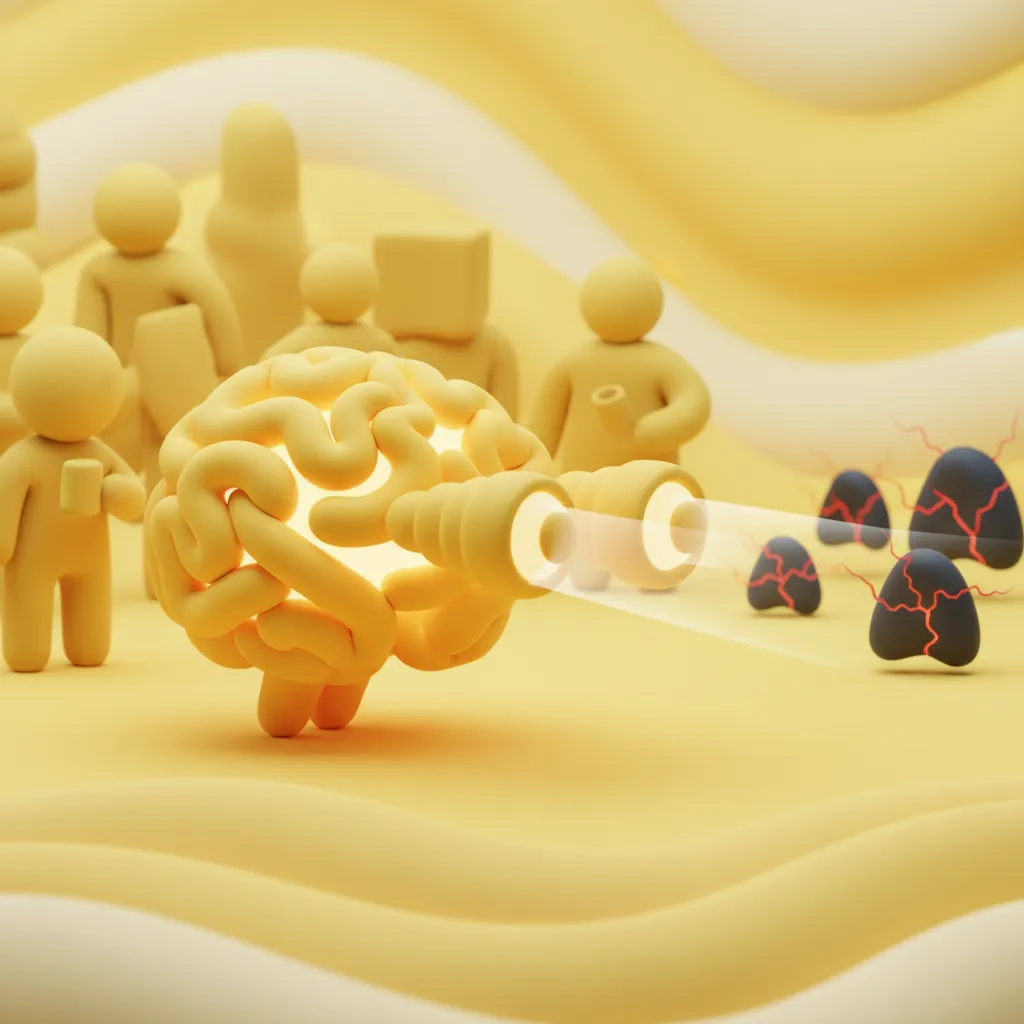
Affecting roughly 1 in 5 adults with 40% heritability, GAD involves sustained alertness driven by serotonin, GABA, and cortisol imbalances. While exhausting in modern life, this same wiring once kept entire communities safe from predators and storms.
You may meet about 80,000 people in your life.
You may know about ... of them.
Of the people around you, how many might have generalized anxiety disorder?
Pick the closest guess.
It's a difference in how the brain is wired, not a character flaw.
Generalized Anxiety Disorder involves measurable differences in brain chemistry and structure, particularly in the amygdala's threat detection.
— NIMHHow it looks vs. How it feels
The lived experience behind the observed behavior

What others see
Asking 'what if' constantly or seeking reassurance
On the inside
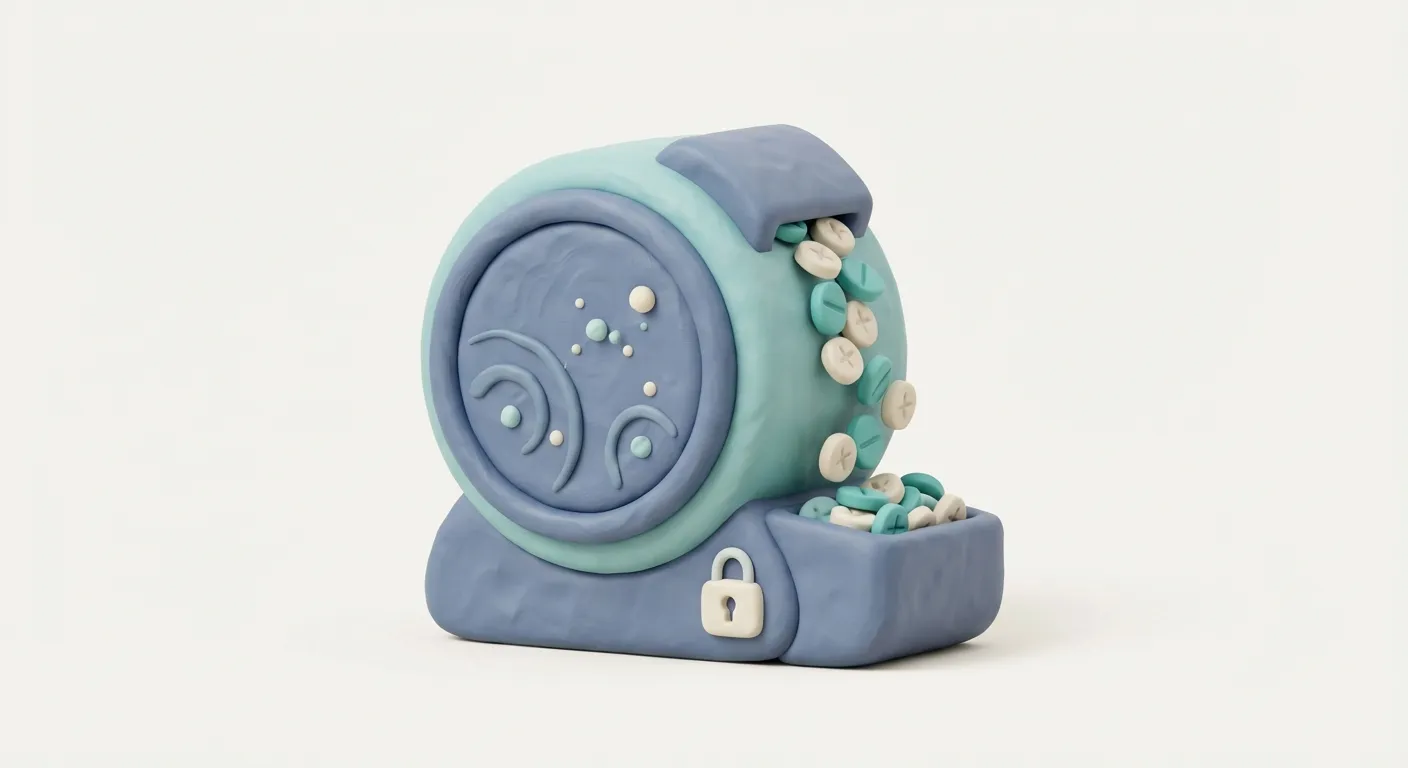
The Simulation Machine
My brain runs thousands of catastrophe simulations per minute to keep me safe. It feels irresponsible to NOT worry, like I'll miss the one threat that actually happens.

What others see
Muscle stiffness, jaw clenching, or headaches
On the inside
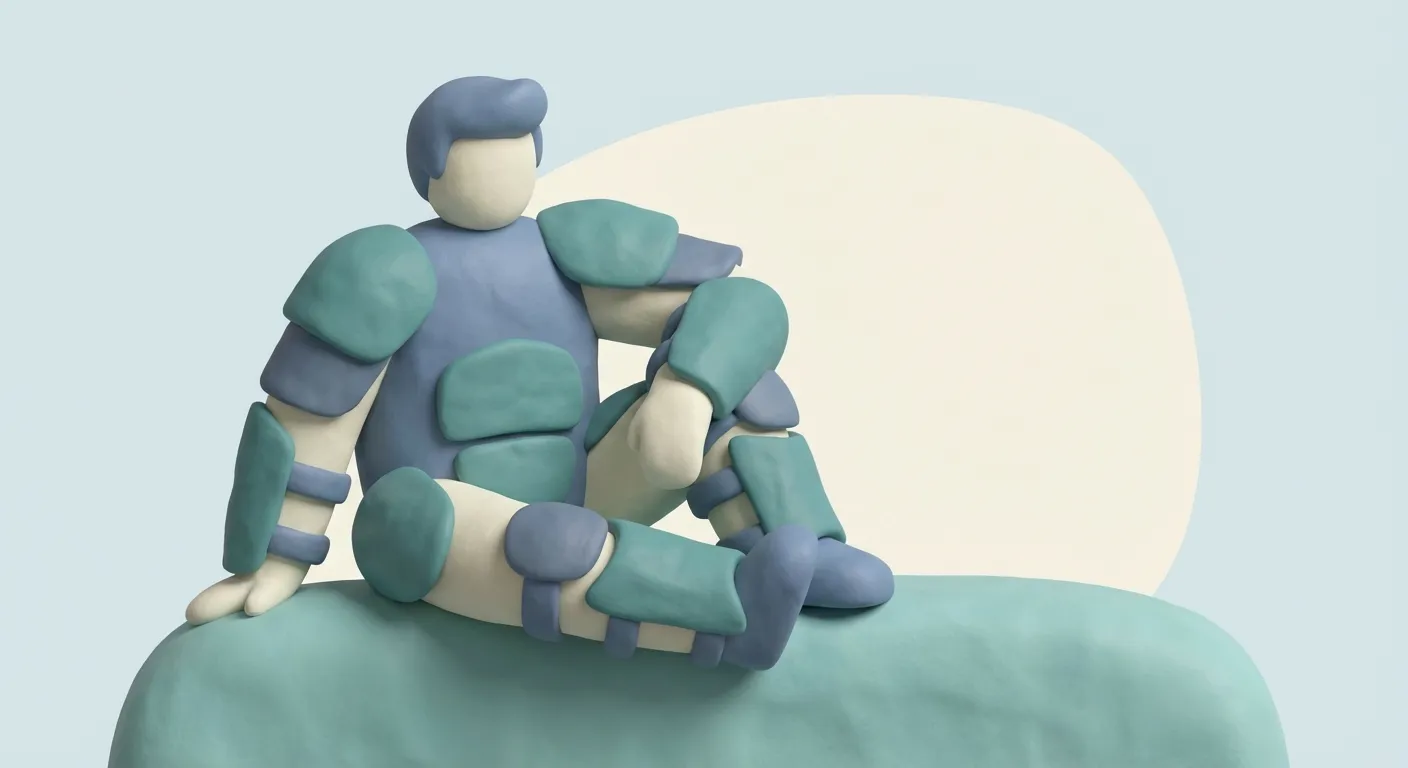
Armor On, Always
I don't realize I'm clenching my jaw until it hurts. My body is constantly braced for impact, even when I'm sitting on the couch watching TV.

What others see
Canceling plans or avoiding new situations
On the inside
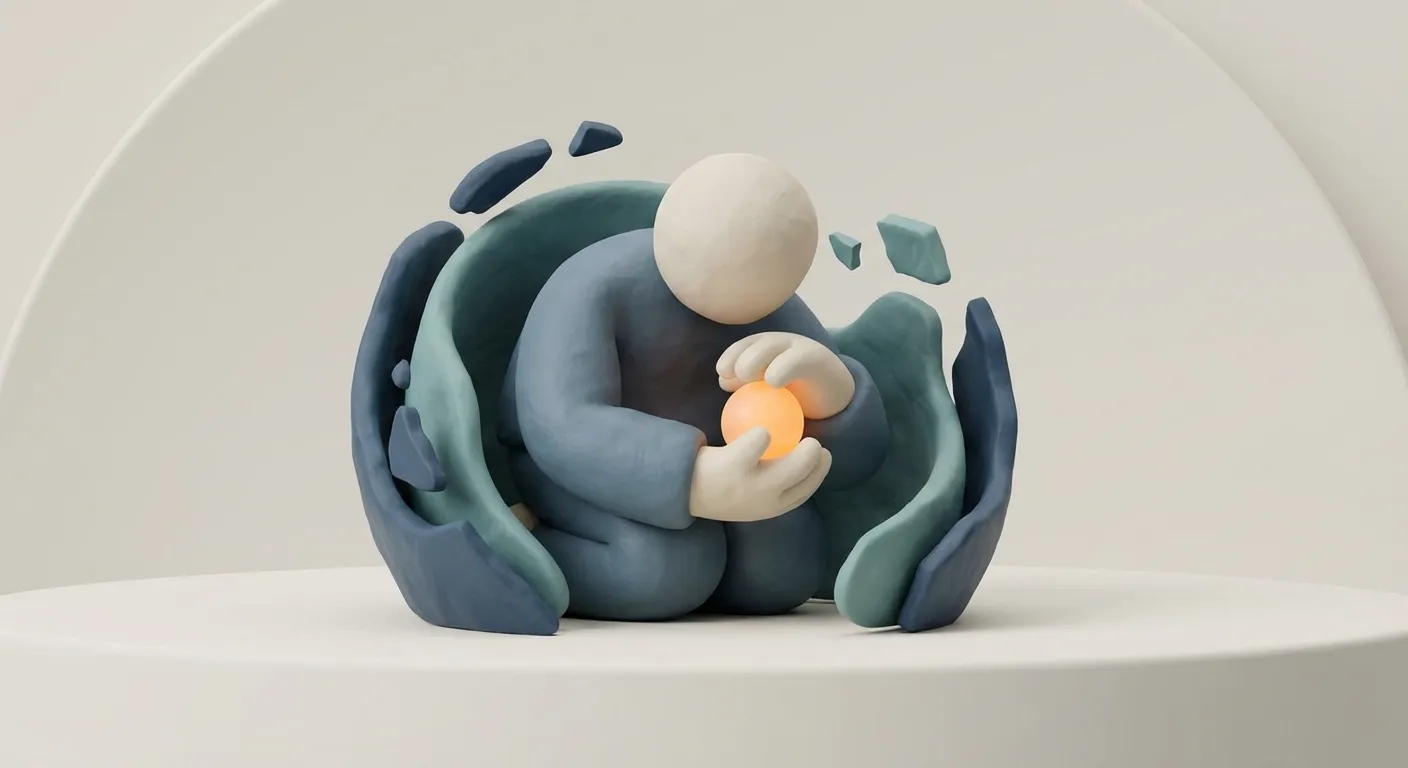
Safety First
It's not that I don't want to go. It's that the energy required to manage the potential threats—social, physical, emotional—is more than I have available right now.
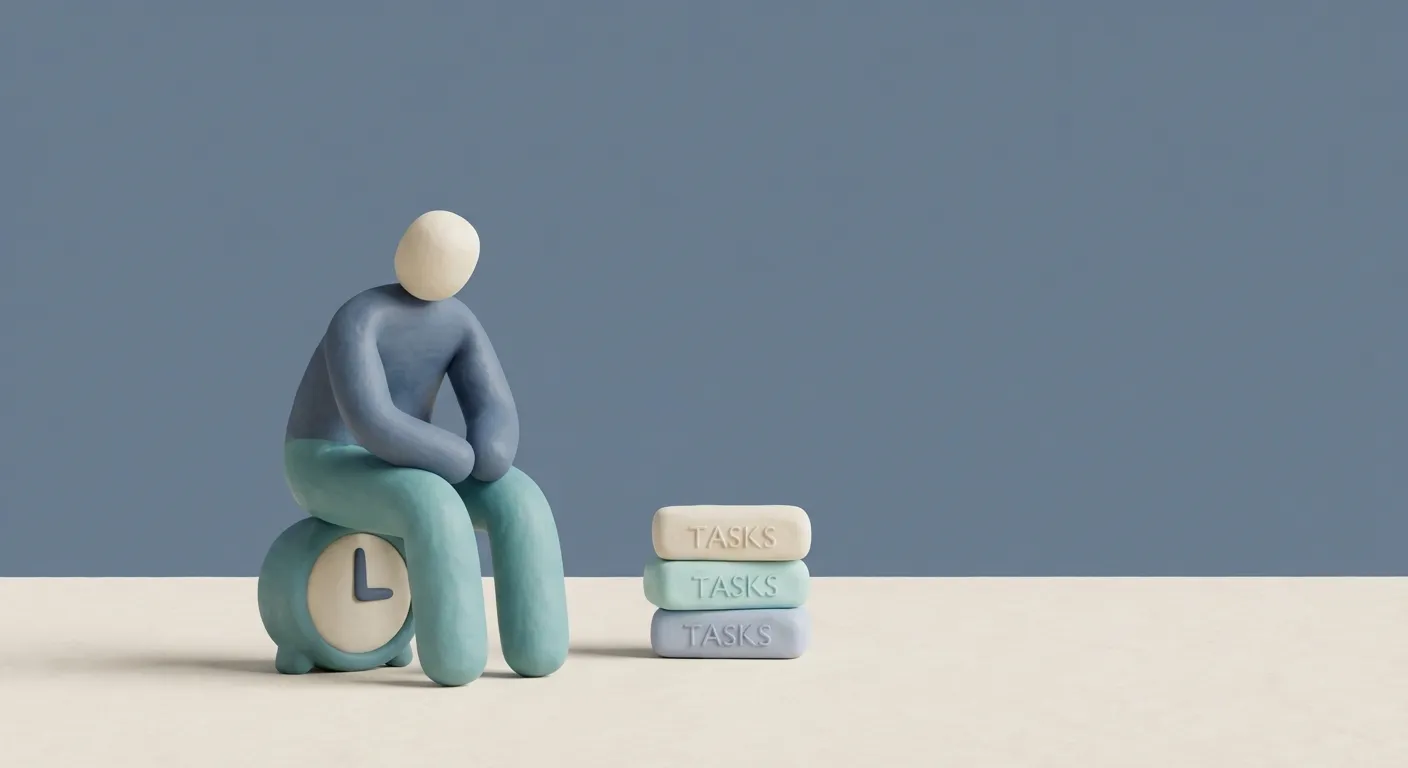
What others see
Putting off tasks until the last minute

On the inside
Analysis Paralysis
I'm not lazy. I'm terrified of doing it wrong. I need the adrenaline of the deadline to override the fear of imperfection.

What others see
Sudden exhaustion or irritability

On the inside
High-Functioning Crash
I hold it together perfectly all day, masking the turmoil. The moment I'm safe at home, the wall comes down and I collapse. It's expensive to be this alert.
What others see
Asking 'what if' constantly or seeking reassurance
On the inside
The Simulation Machine
My brain runs thousands of catastrophe simulations per minute to keep me safe. It feels irresponsible to NOT worry, like I'll miss the one threat that actually happens.
What others see
Muscle stiffness, jaw clenching, or headaches
On the inside
Armor On, Always
I don't realize I'm clenching my jaw until it hurts. My body is constantly braced for impact, even when I'm sitting on the couch watching TV.
What others see
Canceling plans or avoiding new situations
On the inside
Safety First
It's not that I don't want to go. It's that the energy required to manage the potential threats—social, physical, emotional—is more than I have available right now.
What others see
Putting off tasks until the last minute
On the inside
Analysis Paralysis
I'm not lazy. I'm terrified of doing it wrong. I need the adrenaline of the deadline to override the fear of imperfection.
What others see
Sudden exhaustion or irritability
On the inside
High-Functioning Crash
I hold it together perfectly all day, masking the turmoil. The moment I'm safe at home, the wall comes down and I collapse. It's expensive to be this alert.
Anxiety disorders have a 30-40% heritability rate. Without intervention, 80% of childhood anxiety persists into adulthood — children don't simply outgrow it.
— Twin Studies Meta-Analysis