Depression
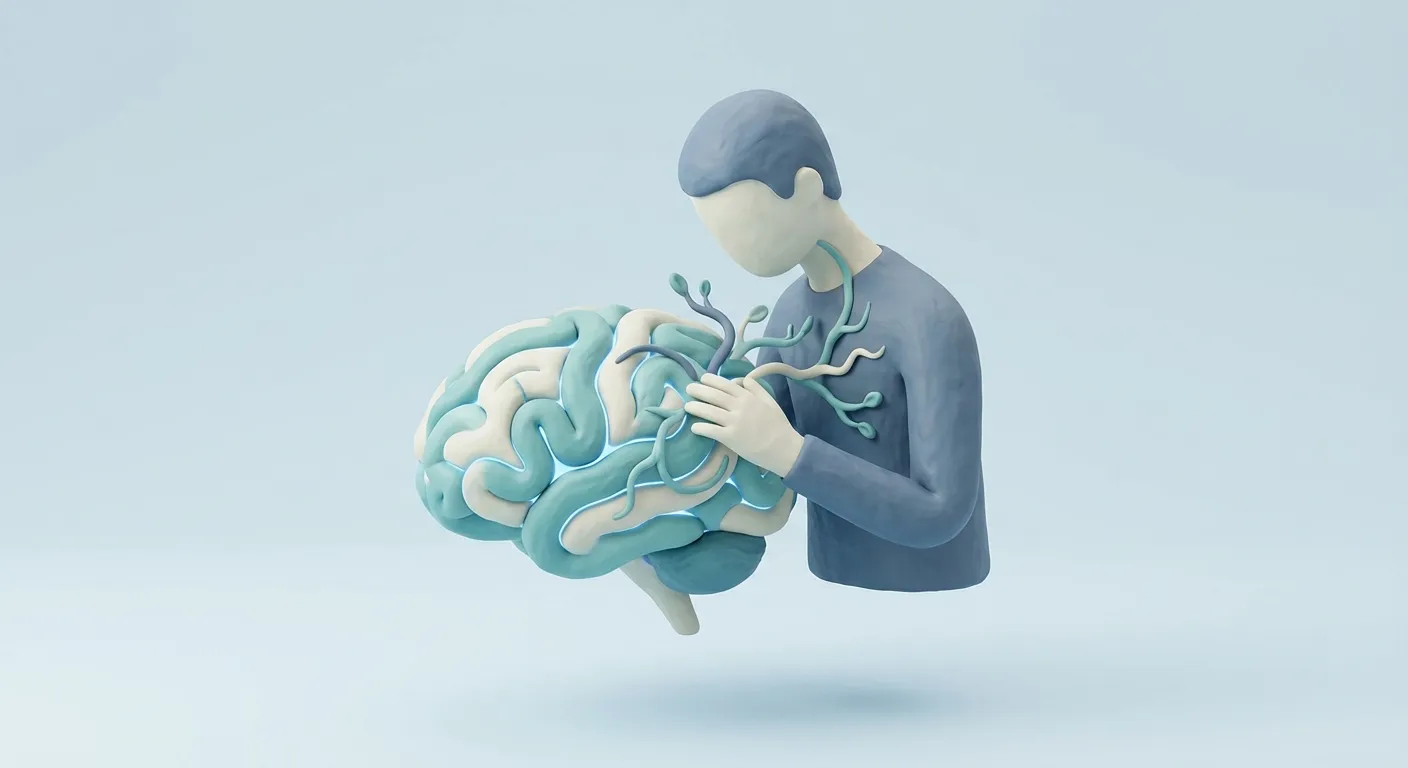
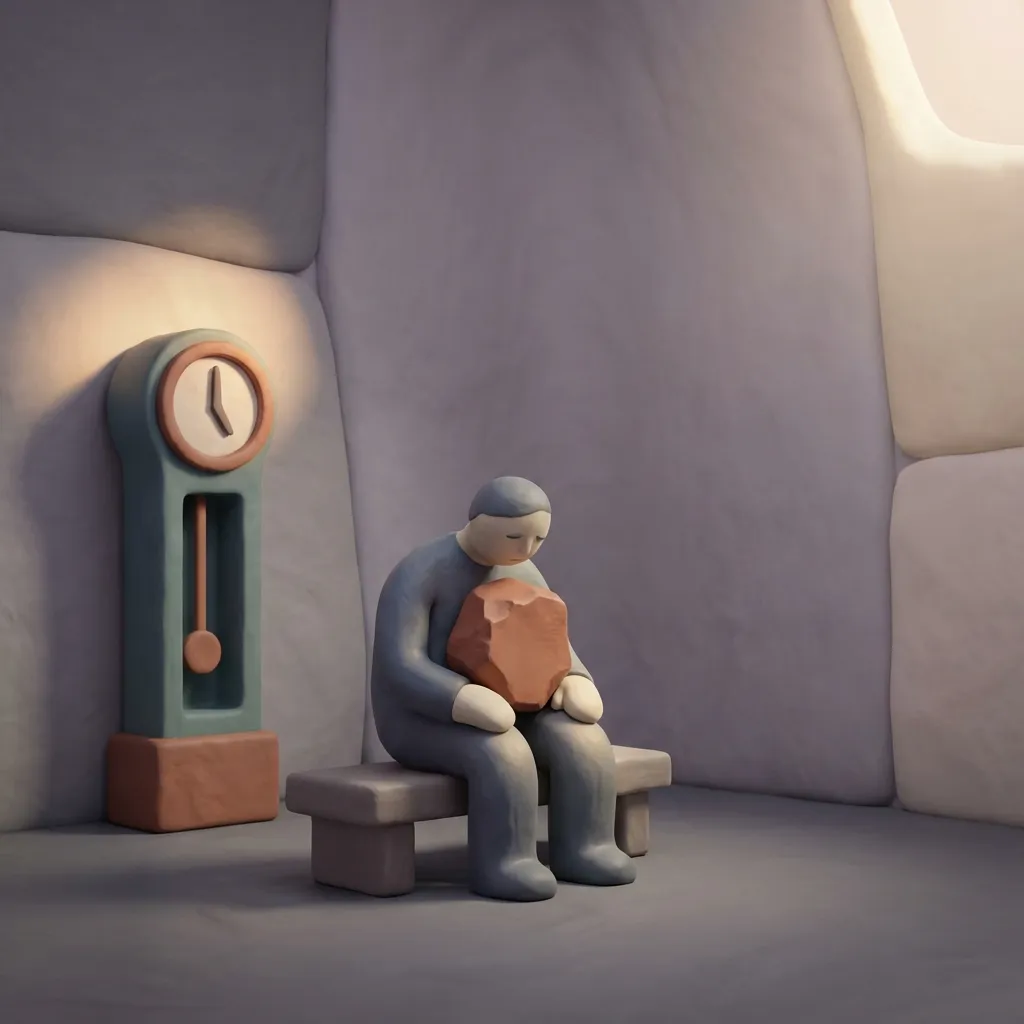
Not sadness you can shake off, but a brain stuck in low gear. Neural circuits become rigid, making even simple tasks feel like wading through concrete.
Depression — Audio Coming Soon
We're crafting an audio guide for this condition. Get notified when it drops.
What actually is it?
Depression is a neurobiological condition where altered activity in the prefrontal cortex and hippocampus disrupts mood regulation, motivation, and stress response. It involves neurotransmitter imbalances, chronic inflammation, and reduced neuroplasticity — not a character flaw. Affecting ~5% of the global population with 40-50% heritability, it is a medical condition as real as any physical illness.
It's a difference in how the brain is wired, not a character flaw.
How many people out of 20 do you think have this?
Tap the icons to make your estimate.
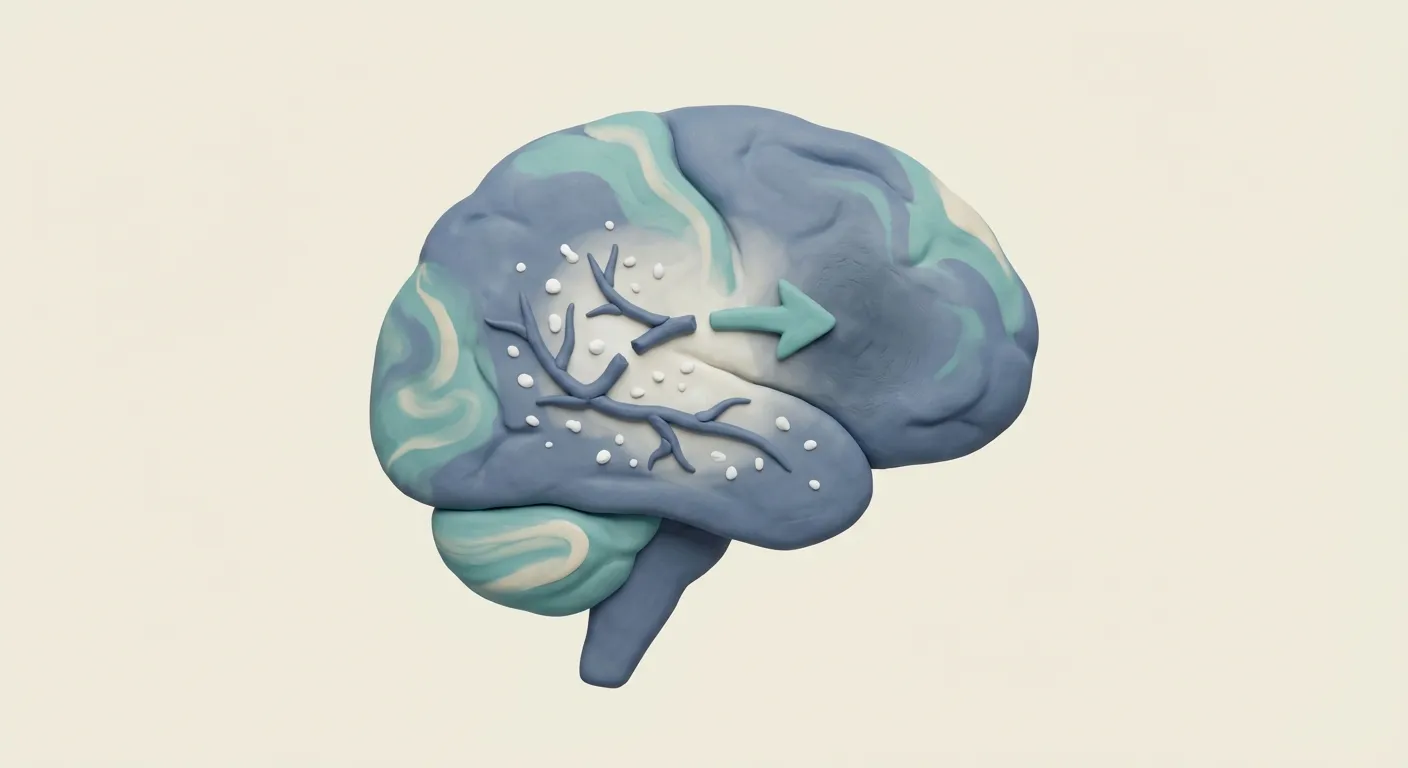
MRI studies show the hippocampus shrinks up to 20% in untreated depression, while the amygdala becomes hyperactive. Depression involves measurable structural brain changes, not just feeling sad.
— The LancetHow it looks vs. How it feels
The lived experience behind the observed behavior
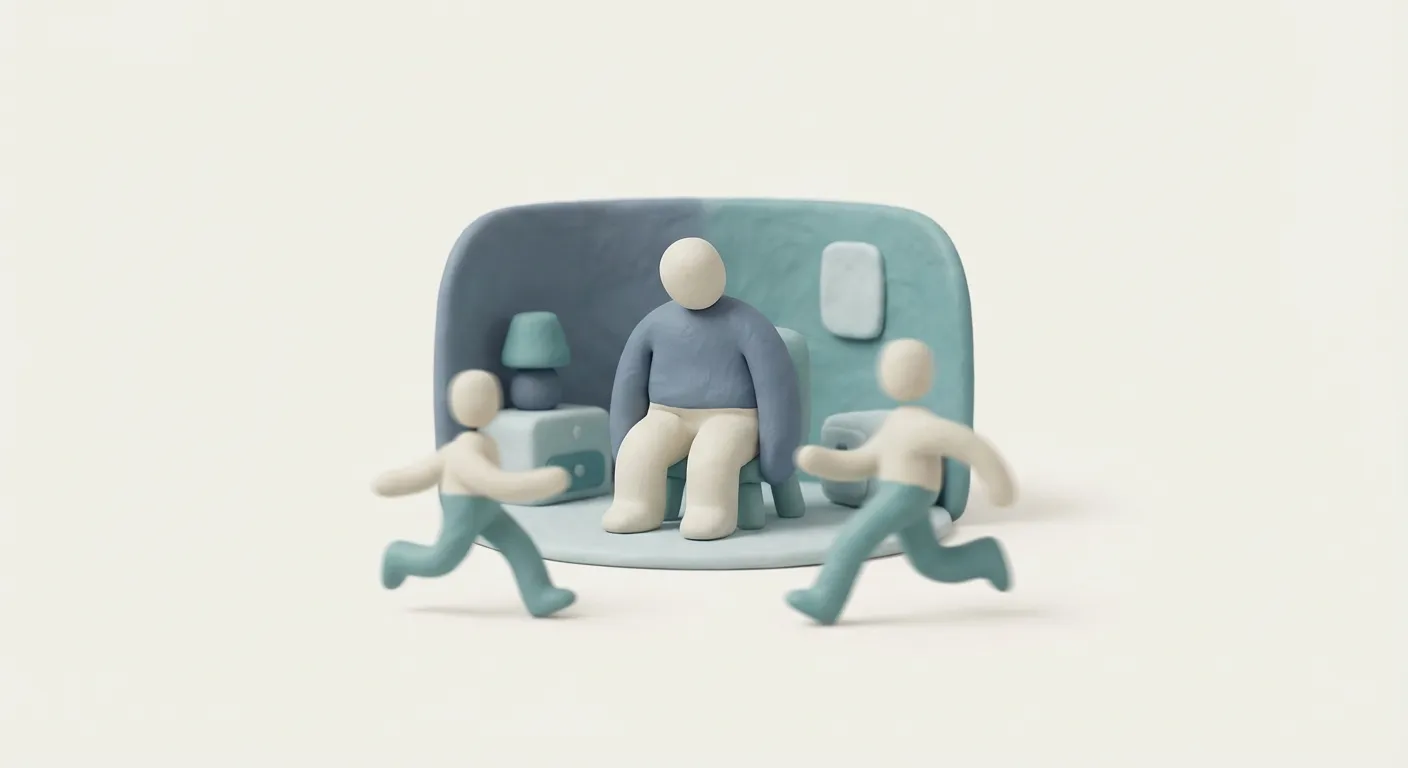
What others see
Slowed movements and flat expression
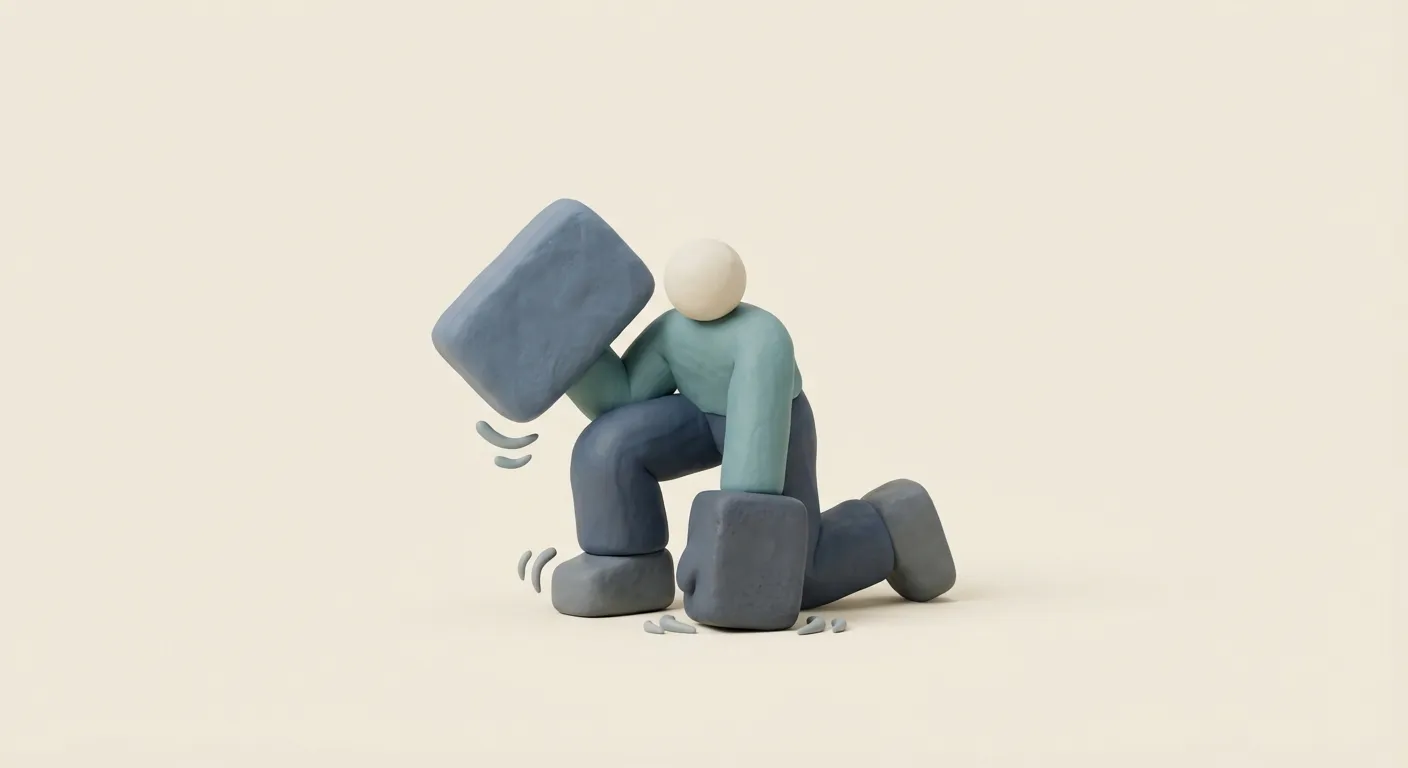
On the inside
The Concrete Body

What others see
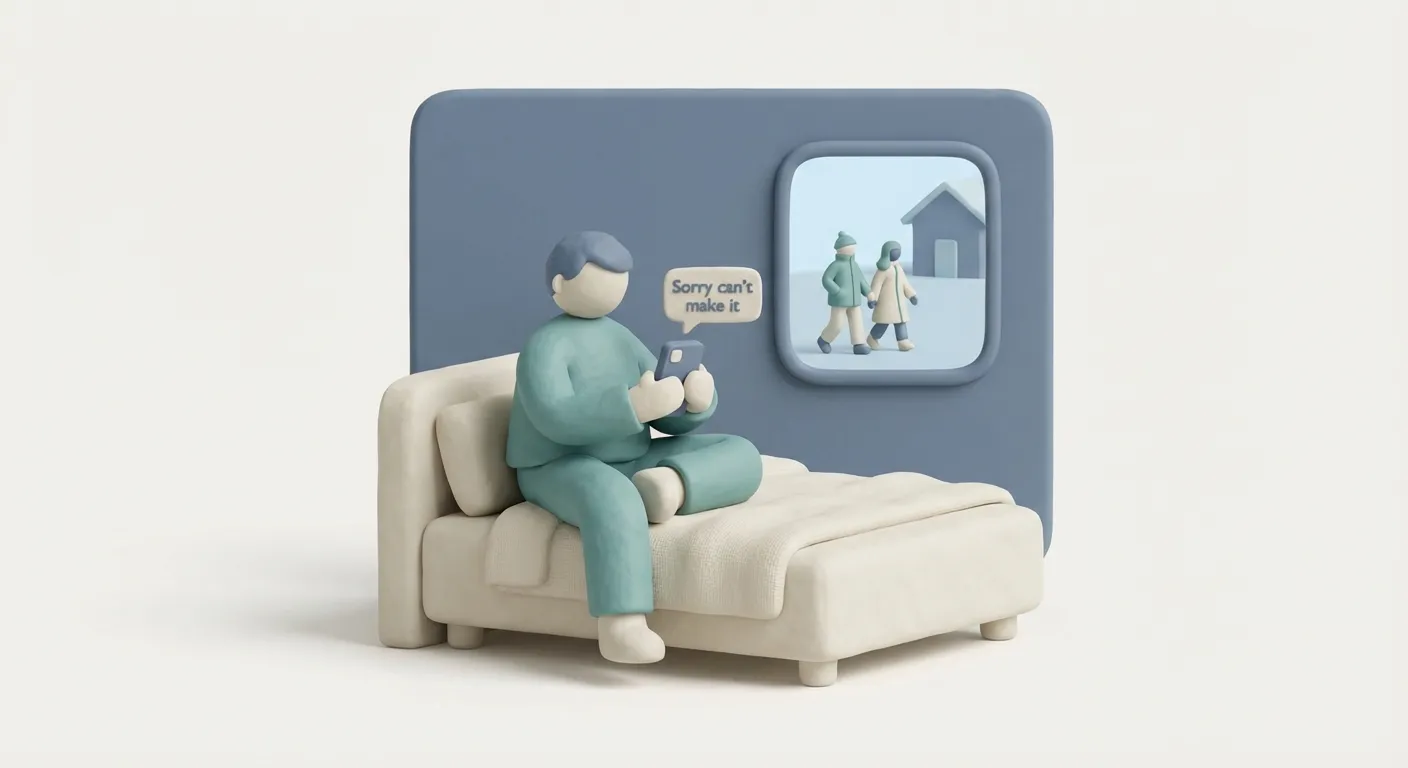
Canceling plans you actually wanted to keep
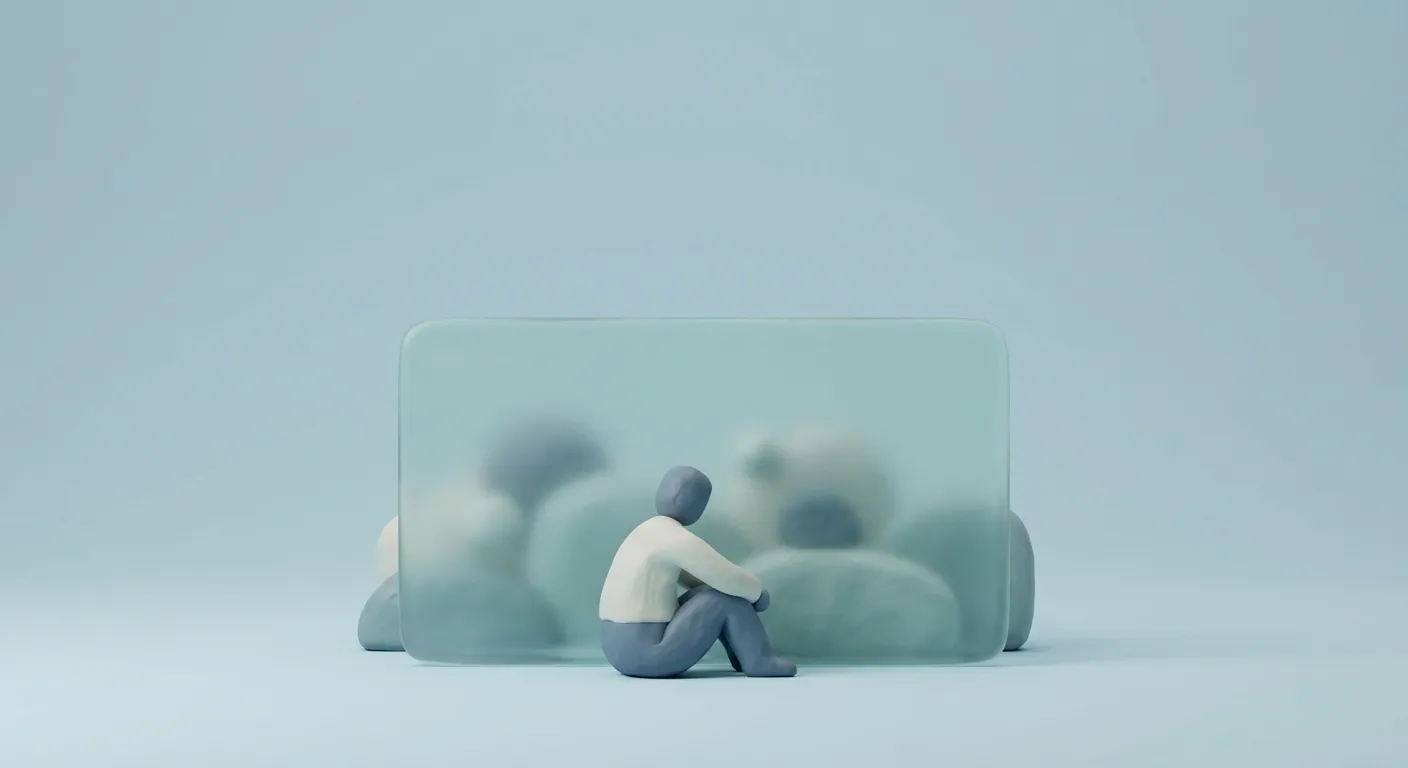
On the inside
The Gray Film

What others see
Staring at tasks without starting them

On the inside
The Executive Freeze

What others see
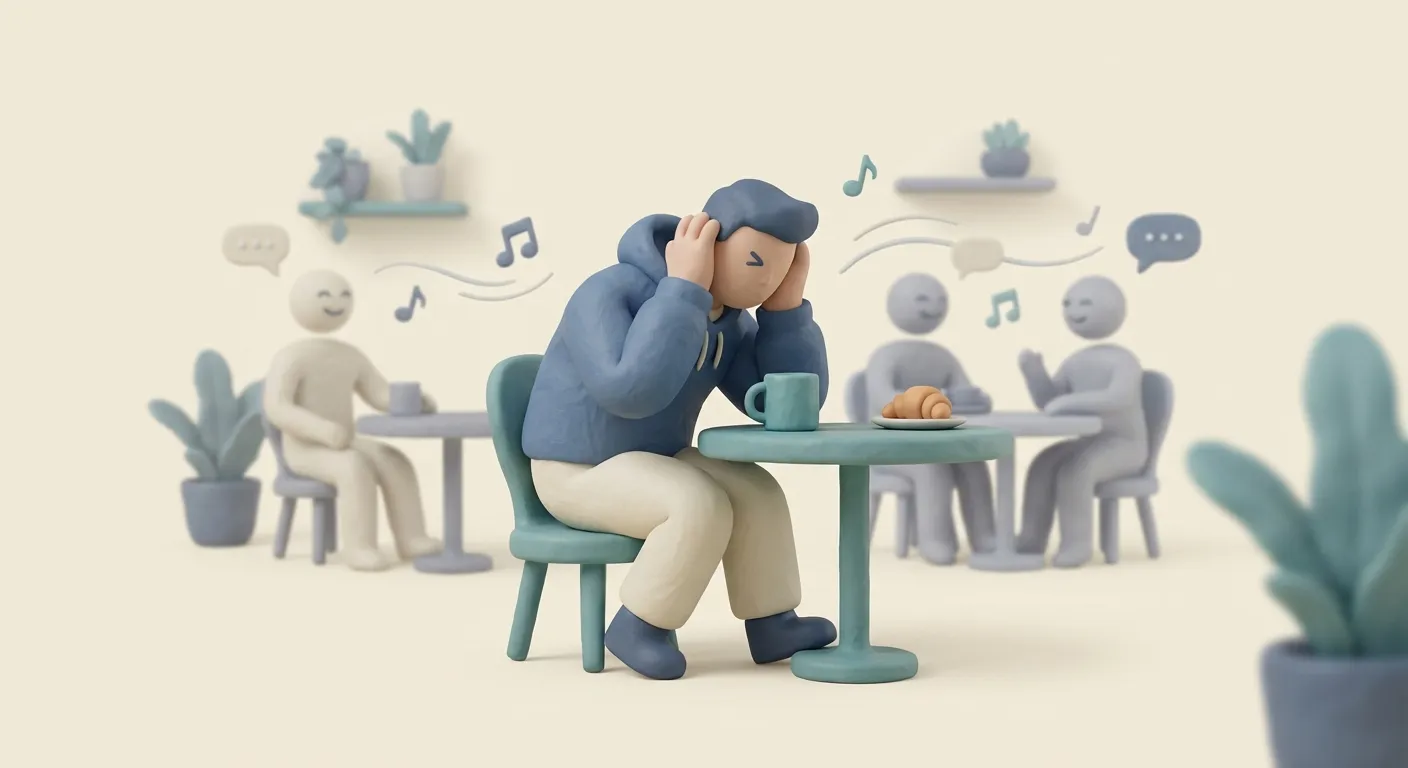
Wincing at sounds others barely notice
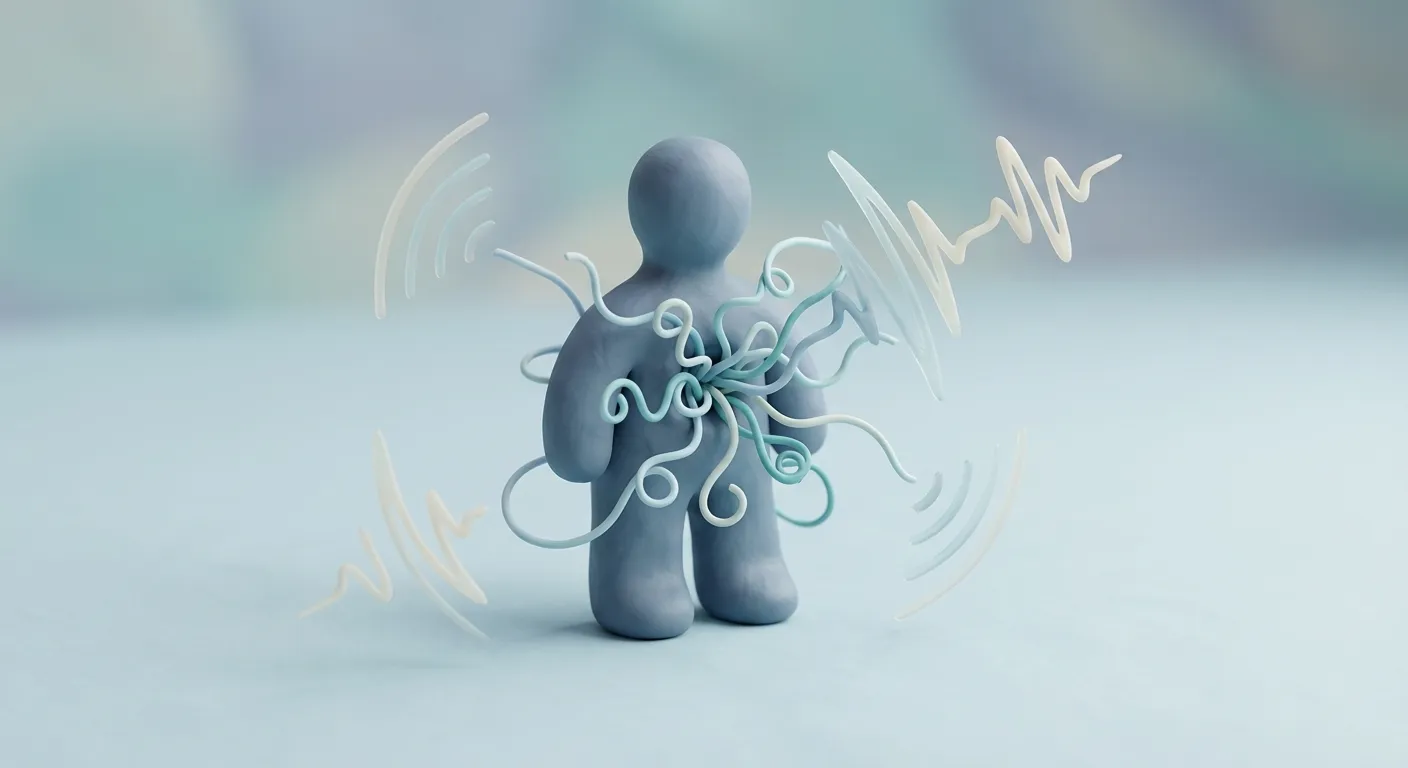
On the inside
The Raw Nerves

What others see
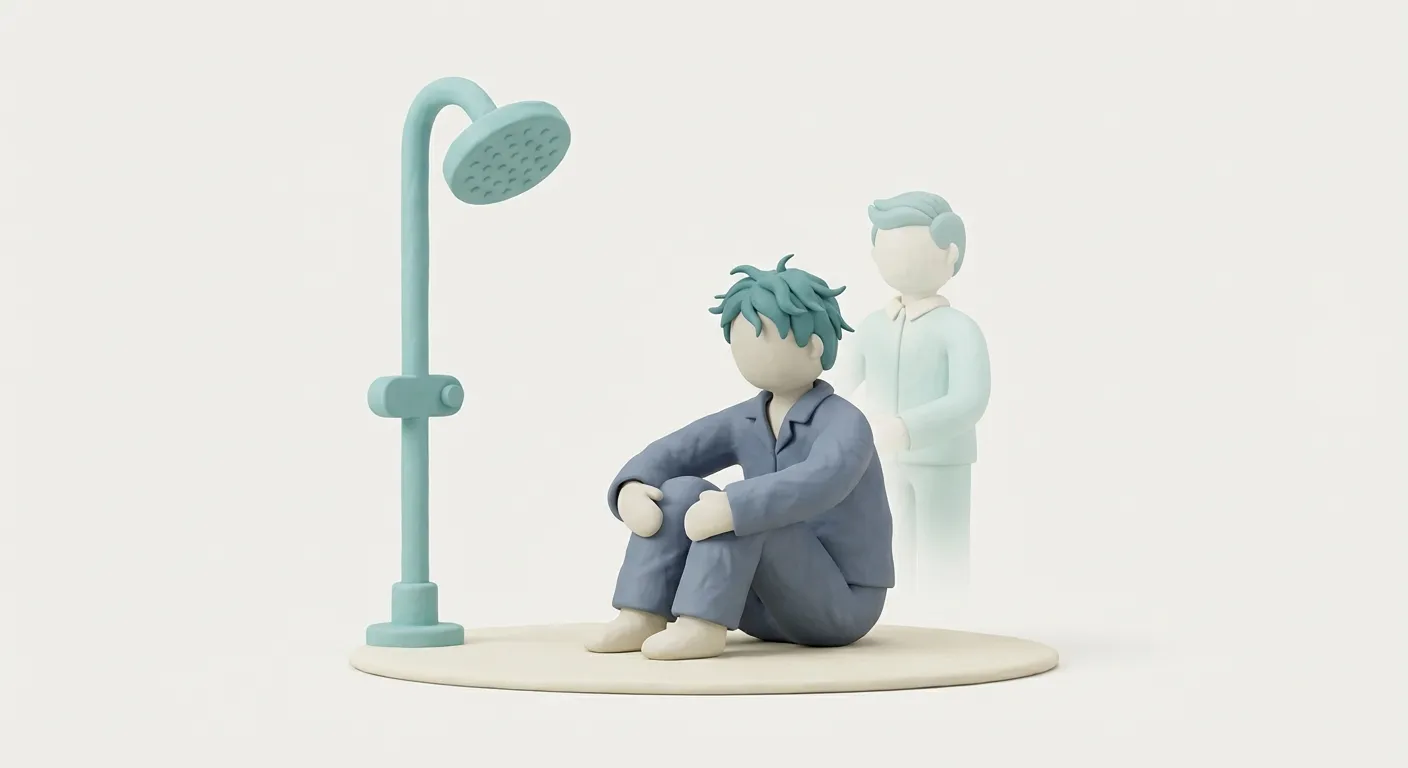
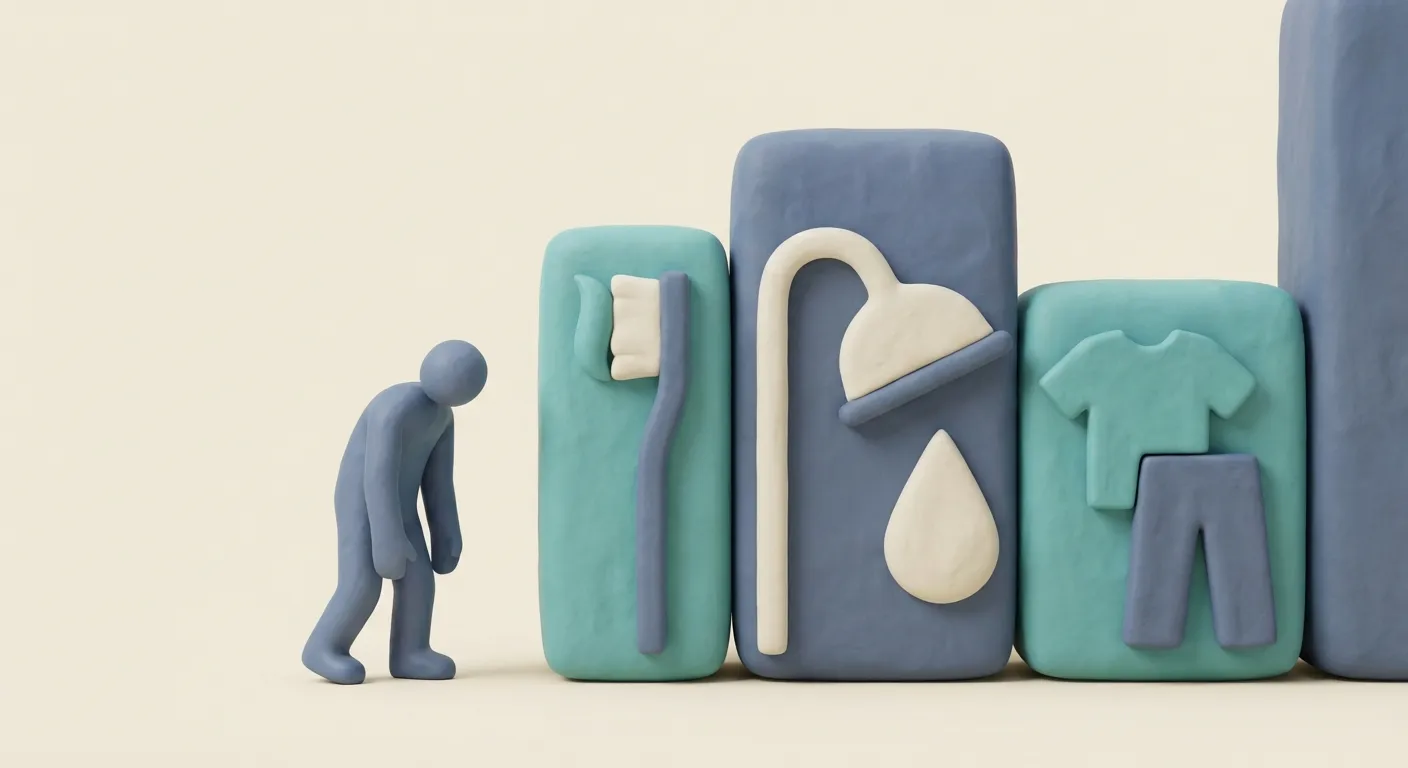
Letting hygiene routines slip
On the inside
The Impossible Basics

What others see
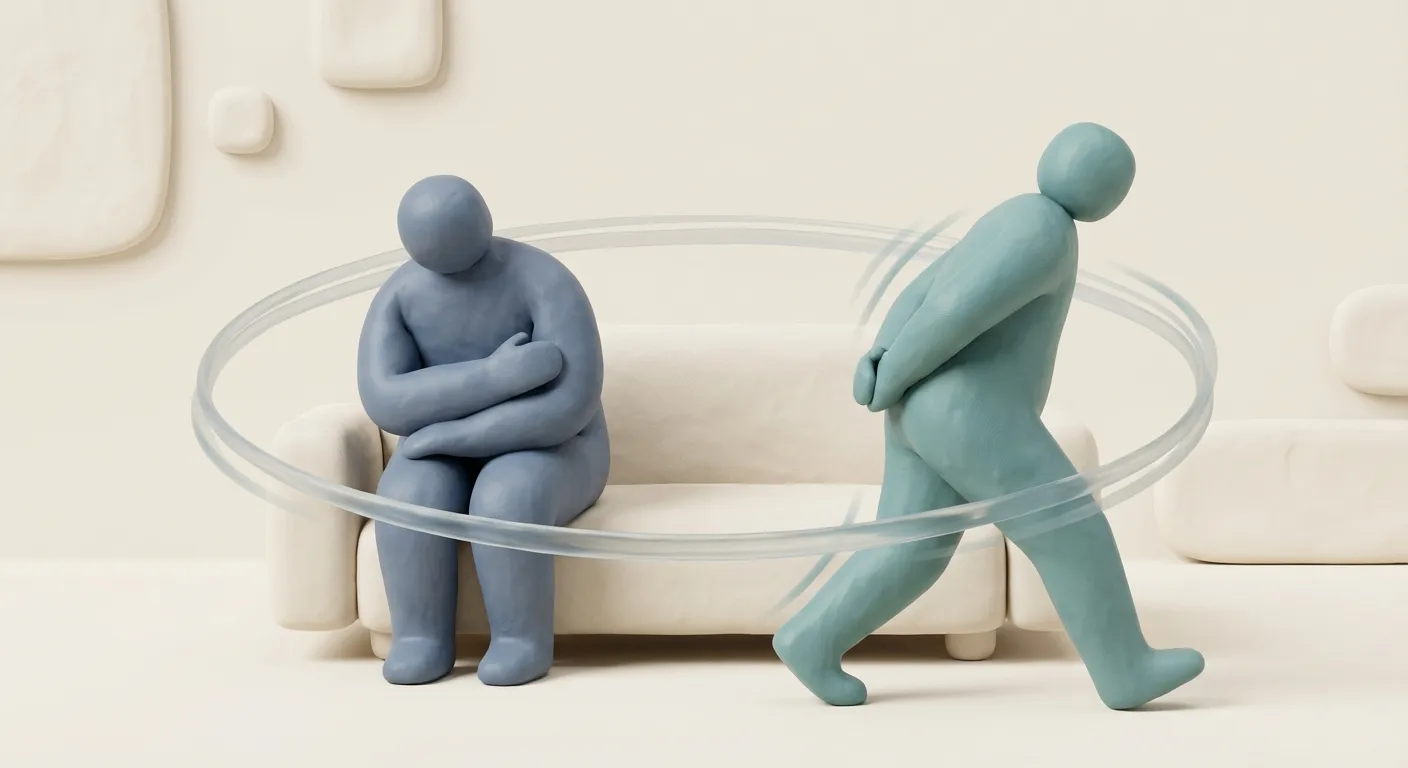
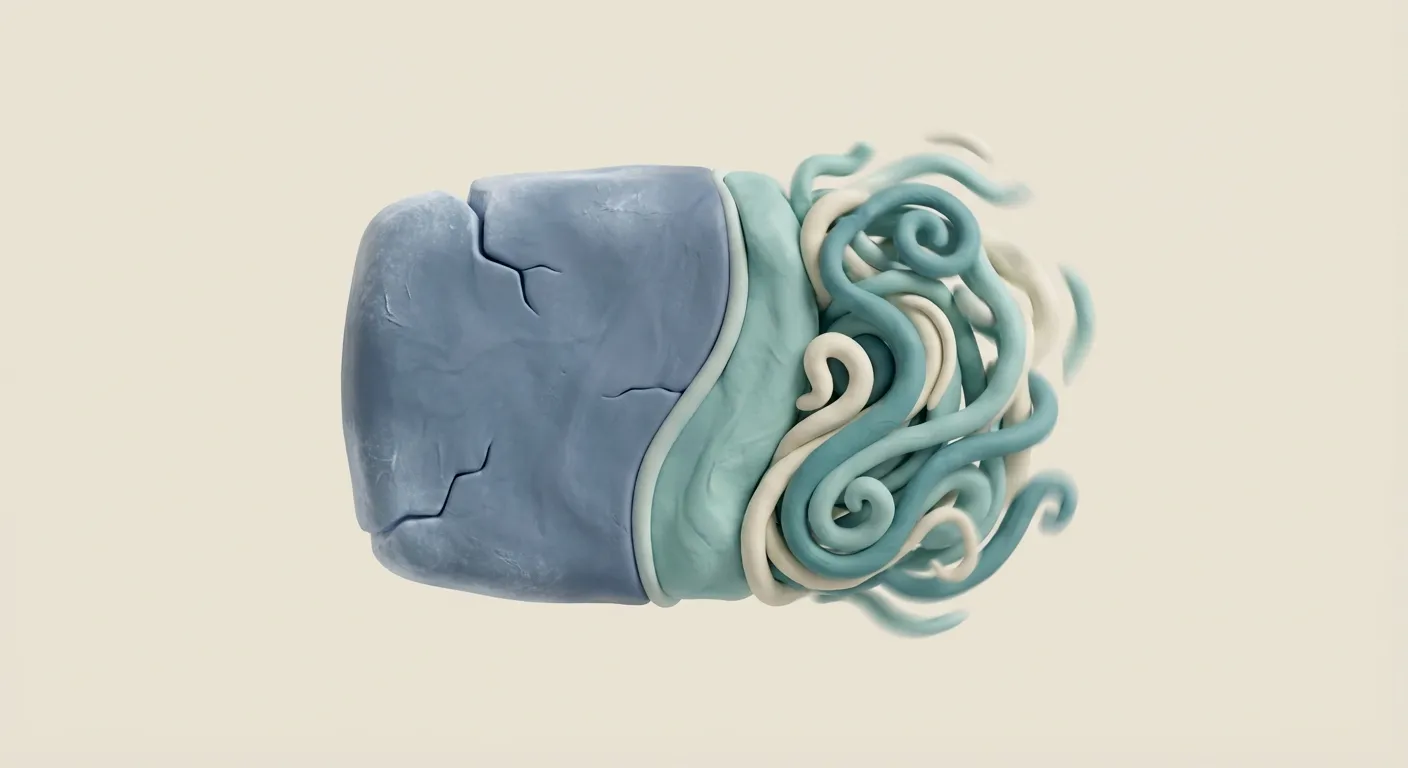
Either frozen still or restlessly pacing
On the inside
The Wanting Without Wanting
Depression reduces prefrontal cortex activity by 20-30%, directly impairing executive function, task initiation, and motivation. This is a measurable neural deficit, not laziness.
— JAMA PsychiatryTypes of Depression
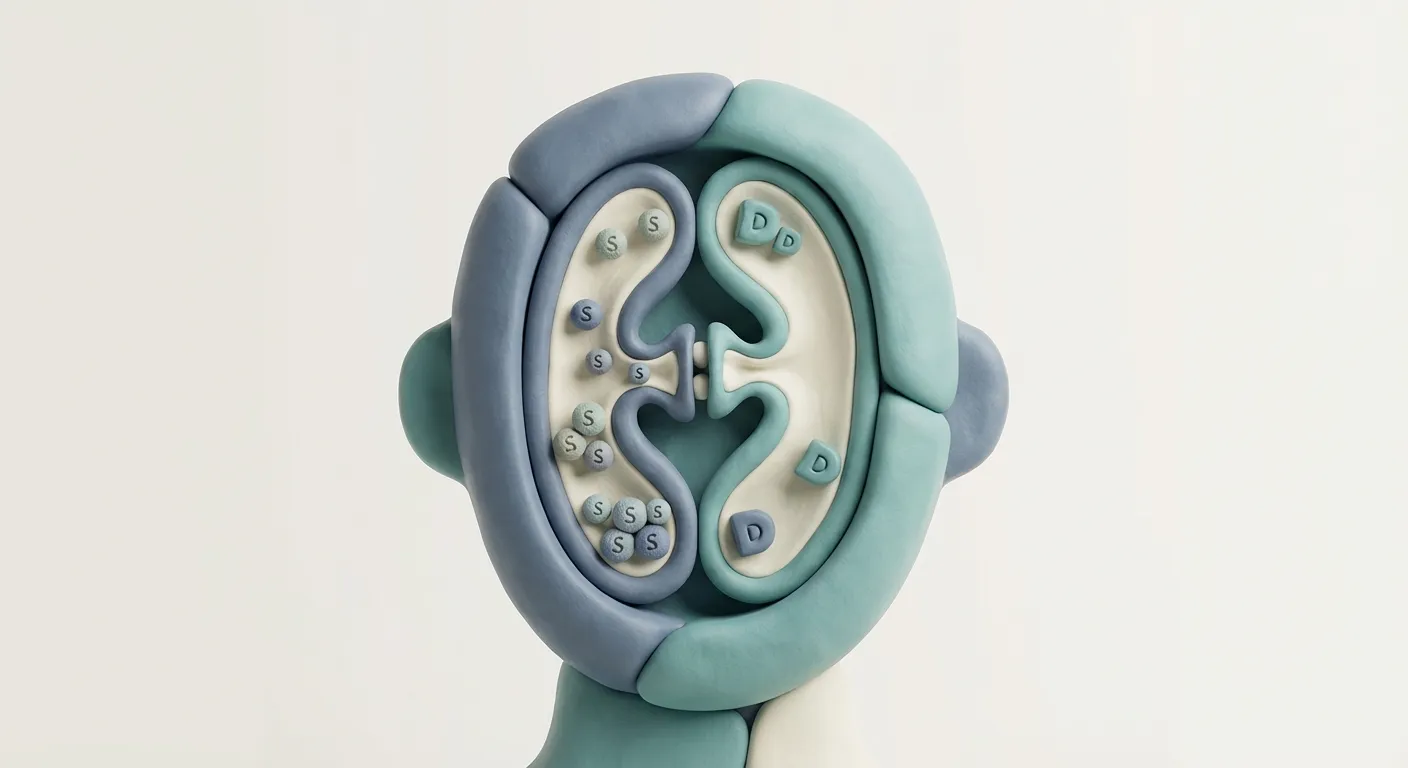
Melancholic Depression
Characterized by severe anhedonia and psychomotor changes, associated with pronounced HPA axis hyperactivity.

Atypical Depression
Features mood reactivity, increased appetite, and leaden paralysis, linked to hypothalamic dysfunction.

Seasonal Affective Disorder
Circadian rhythm disruption with melatonin overproduction and serotonin deficiency.

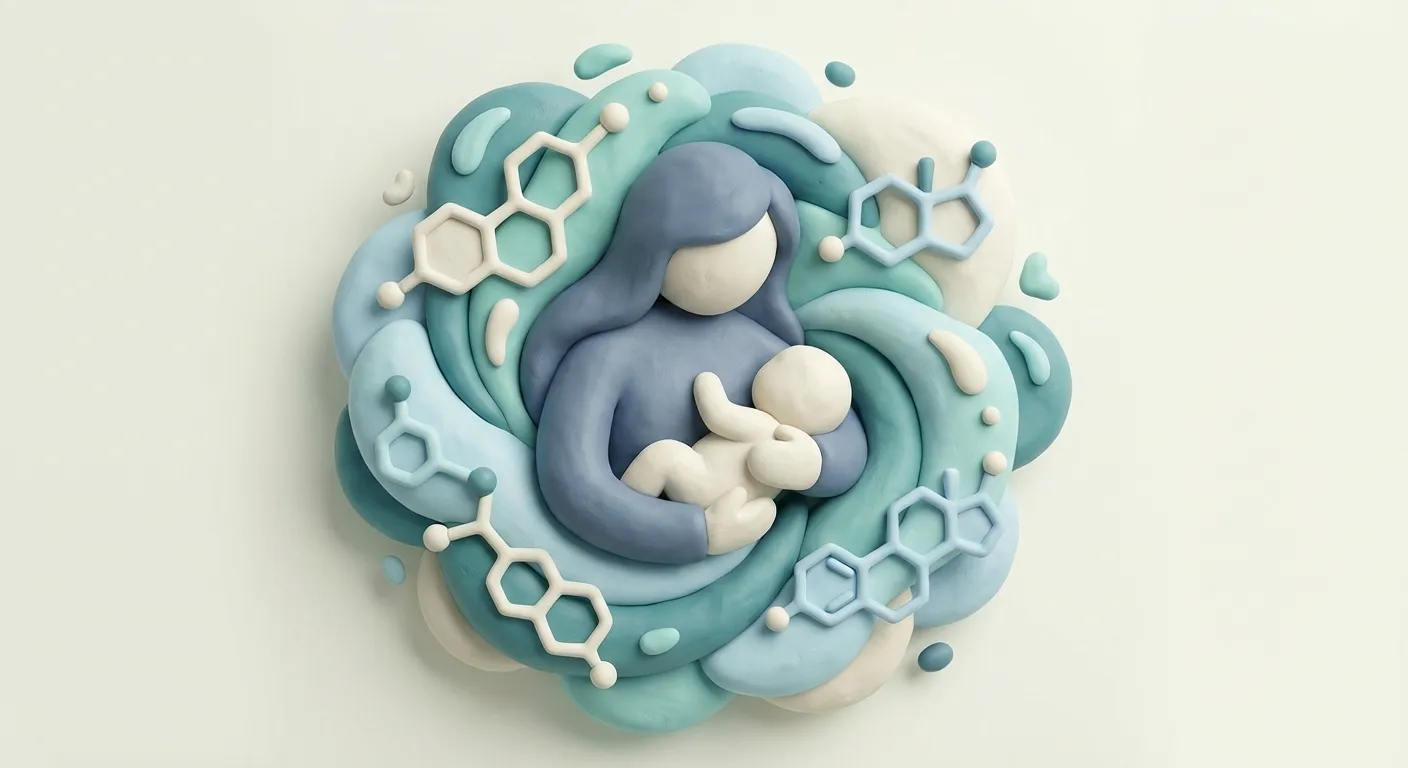
Peripartum Depression
Hormone-sensitive subtype involving rapid estrogen/progesterone withdrawal effects.

Vascular Depression
Late-onset form associated with white matter hyperintensities and executive dysfunction.
Antidepressants work by promoting neuroplasticity and BDNF production over 4-8 weeks — they restore the brain's ability to form new connections, not create artificial euphoria.
— Molecular PsychiatryThe Science of DEPRESSION
The Why Behind The What
Understanding how depression reshapes brain circuits

The Shrinking Memory Center
The hippocampus can shrink by up to 20% in untreated depression. This physical change explains the brain fog, memory issues, and difficulty forming new memories that accompany depressive episodes.

The Shrinking Memory Center
The hippocampus can shrink by up to 20% in untreated depression. This physical change explains the brain fog, memory issues, and difficulty forming new memories that accompany depressive episodes.

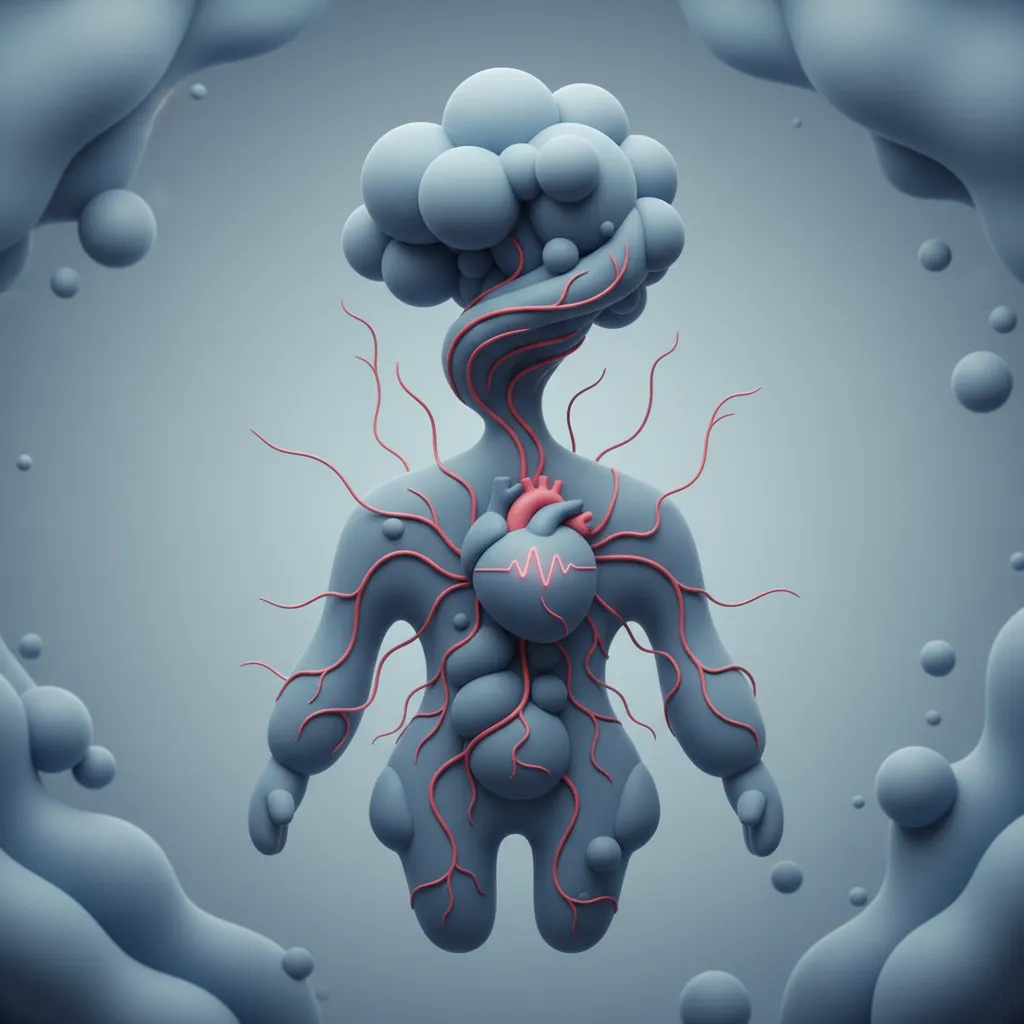
The Inflammation Link
Depression involves systemic inflammation — cytokines cross the blood-brain barrier and disrupt neurotransmitter production. This 'sickness behavior' model explains why depression feels so physical: the fatigue, the aching, the heaviness.

The Inflammation Link
Depression involves systemic inflammation — cytokines cross the blood-brain barrier and disrupt neurotransmitter production. This 'sickness behavior' model explains why depression feels so physical: the fatigue, the aching, the heaviness.

The Stuck Browser Tab
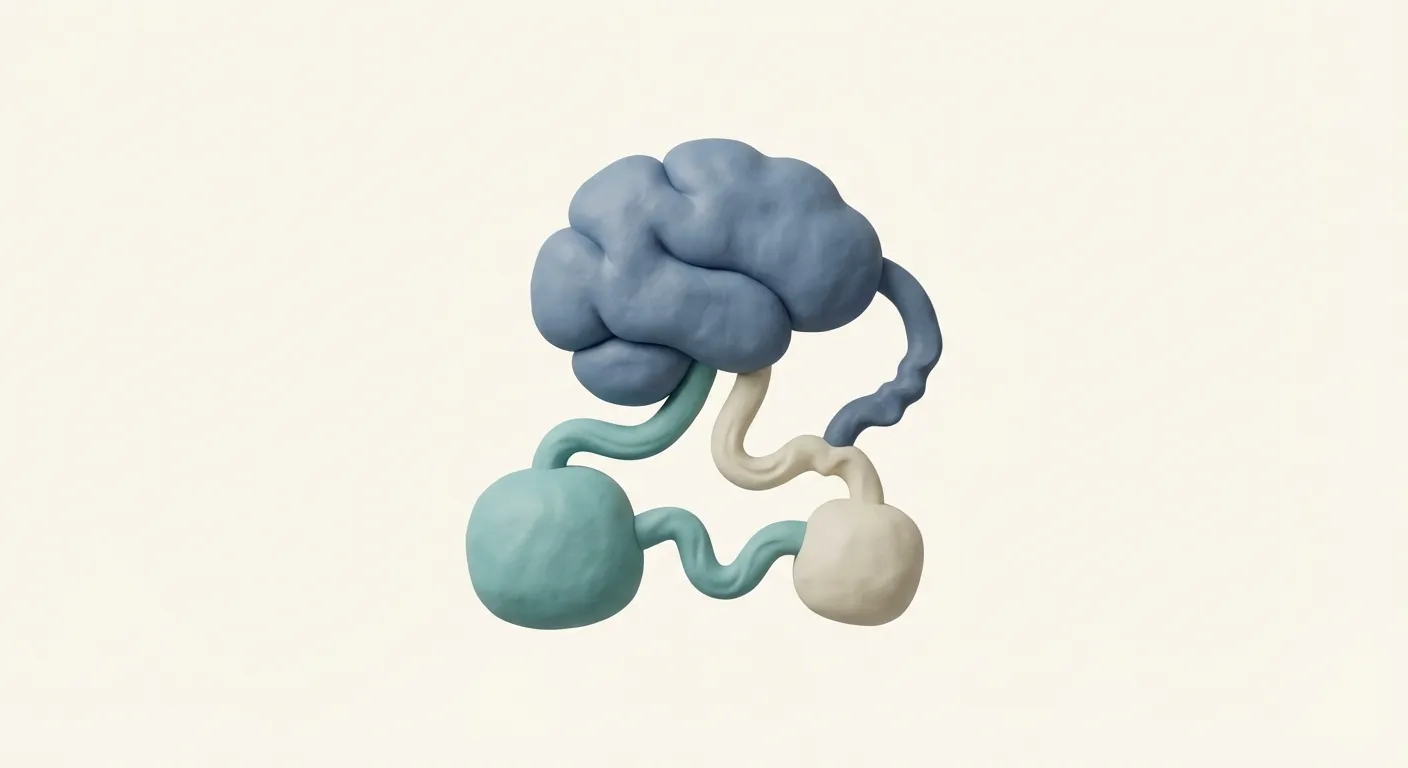
Depression involves a 'glitch' in the Default Mode Network — the brain's resting state circuitry gets stuck on negative rumination. Like a browser tab you can't close, thoughts loop endlessly on self-criticism and worst-case scenarios.

The Stuck Browser Tab
Depression involves a 'glitch' in the Default Mode Network — the brain's resting state circuitry gets stuck on negative rumination. Like a browser tab you can't close, thoughts loop endlessly on self-criticism and worst-case scenarios.

The Gravity Pool
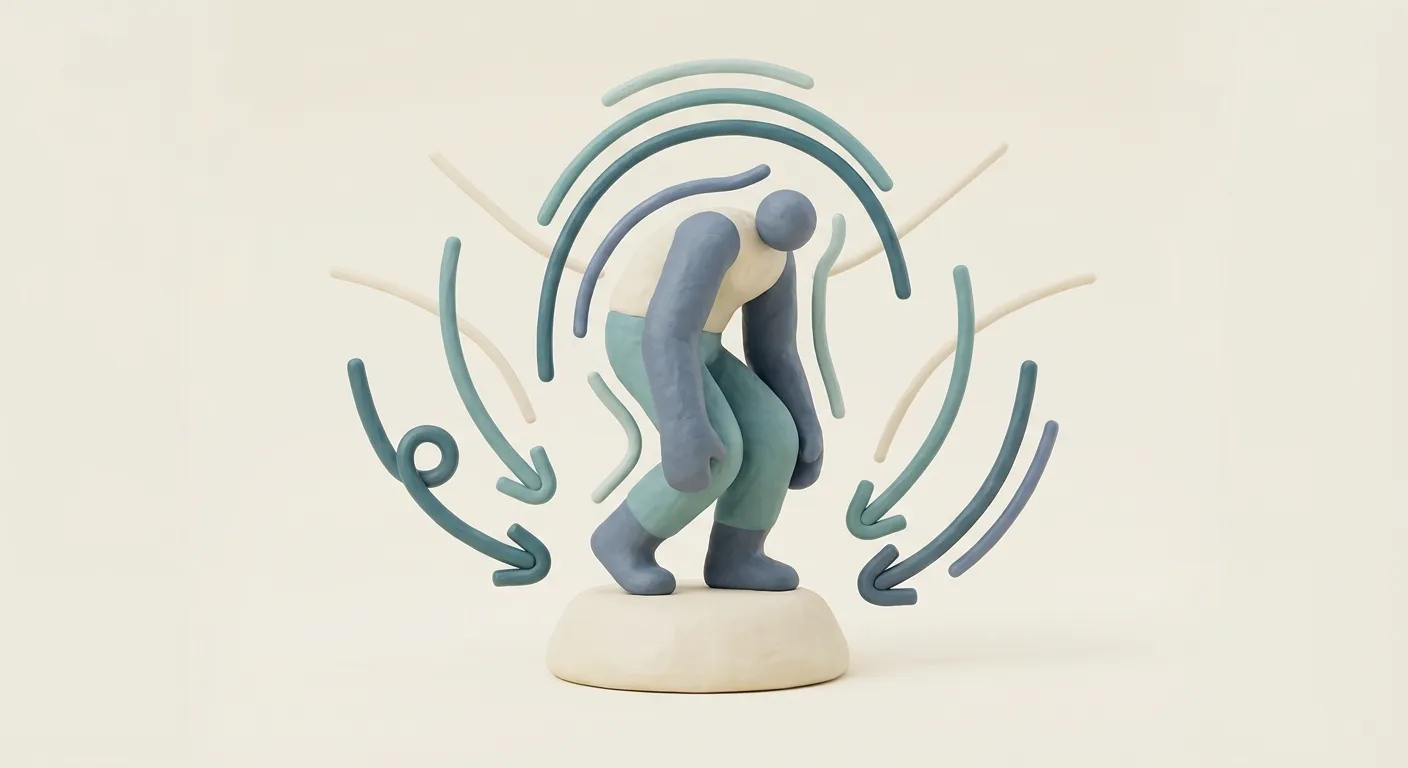
Imagine gravity is 3x stronger for you. Every movement, thought, and decision costs triple the energy. That's not laziness — it's a brain running on reduced neurotransmitter fuel.
These differences are neurological, not motivational. Brain imaging consistently shows altered structure, connectivity, and neurotransmitter activity in depression.
Daily Energy Reserve
Depression has 40-50% heritability in twin studies, and genome-wide association studies have identified over 100 genetic loci. It is a medical condition with biological roots, not a character flaw.
— Nature GeneticsScientific Deep Dive
Explore Myths to Unlock
Earn 5 Insight Points

Is it just sadness?
fMRI scans show the hippocampus (memory center) can shrink by up to 20% in untreated depression. This physical change explains brain fog and memory issues, proving it's a structural condition, not a mood swing.

Two Sides of the Coin
Every neurological difference comes with trade-offs. The same trait that causes struggle in one context creates brilliance in another.
Executive dysfunction
Impairing task initiation/completion
Memory lapses
From hippocampal volume reduction
Social anxiety
Exacerbated by negative self-perception
Chronic fatigue
Unrelieved by sleep (neurotransmitter-mediated)
Emotional regulation difficulties
From prefrontal cortex underactivity
Physical pain sensitivity
Linked to shared serotonin pathways
The Kryptonite
The Superpowers
Executive dysfunction
Impairing task initiation/completion
Enhanced empathy
From personal experience with emotional pain
Memory lapses
From hippocampal volume reduction
Critical thinking skills
Honed through constant self-reflection
Social anxiety
Exacerbated by negative self-perception
Resilience
Developed through managing recurring episodes
Chronic fatigue
Unrelieved by sleep (neurotransmitter-mediated)
Creative problem-solving
From alternative cognitive perspectives
Emotional regulation difficulties
From prefrontal cortex underactivity
Heightened awareness
Of emotional subtleties in others
Physical pain sensitivity
Linked to shared serotonin pathways
Deep philosophical understanding
Of human vulnerability
Only 50% of depression cases involve identifiable childhood adversity. Inflammation, hormonal shifts, circadian disruption, and genetic vulnerability can each independently trigger depression without any trauma history.
— American Journal of PsychiatryCommunity Voices
Real experiences
I always thought I was just lazy. Understanding it's a neurobiological 'freeze' state changed everything. I stopped fighting myself and started working with my energy.
The 'Loud Critic' describes my brain perfectly. Recognizing it as a symptom rather than the truth helped me separate my worth from my chemistry.
Finding out that memory issues are part of depression was a relief. I thought I was losing my mind, but it was just my hippocampus needing a break.
Think you might have Depression?
Take our clinical-grade screening assessment. It takes less than 5 minutes and gives you instant insights.
Rewiring for Success
Stop trying to fix yourself. Start building a support system that works with your brain, not against it.
Tools for your brain
Built for this neurotype — not generic wellness
Frequently Asked Questions
Glossary of Terms
Co-occurring Conditions
Neurodivergent conditions often travel together. Understanding co-occurrence helps build a complete picture.
Click any condition to learn more. Co-occurrence percentages are from peer-reviewed research.
Scientific References
- American Psychiatric Association. (2013). Diagnostic and Statistical Manual of Mental Disorders (5th ed.)
- World Health Organization. (2021). Depression. WHO Fact Sheet.
- Harvard Health Publishing. (2022). What causes depression?
- National Institute of Mental Health. (2023). Depression.
- Beck, A.T. & Alford, B.A. (2009). Depression: Causes and Treatment (2nd ed.). University of Pennsylvania Press.
- Malhi, G.S. & Mann, J.J. (2018). Depression. The Lancet, 392(10161), 2299-2312.
- Kendler, K.S., et al. (2006). A Swedish national twin study of lifetime major depression. The American Journal of Psychiatry, 163(1), 109-114.
- Jorm, A.F. & Reavley, N.J. (2013). Public belief that mentally ill people are violent: Is the USA exporting stigma to the rest of the world? Australian & New Zealand Journal of Psychiatry, 48(3), 213-215.