Substance Use Disorders
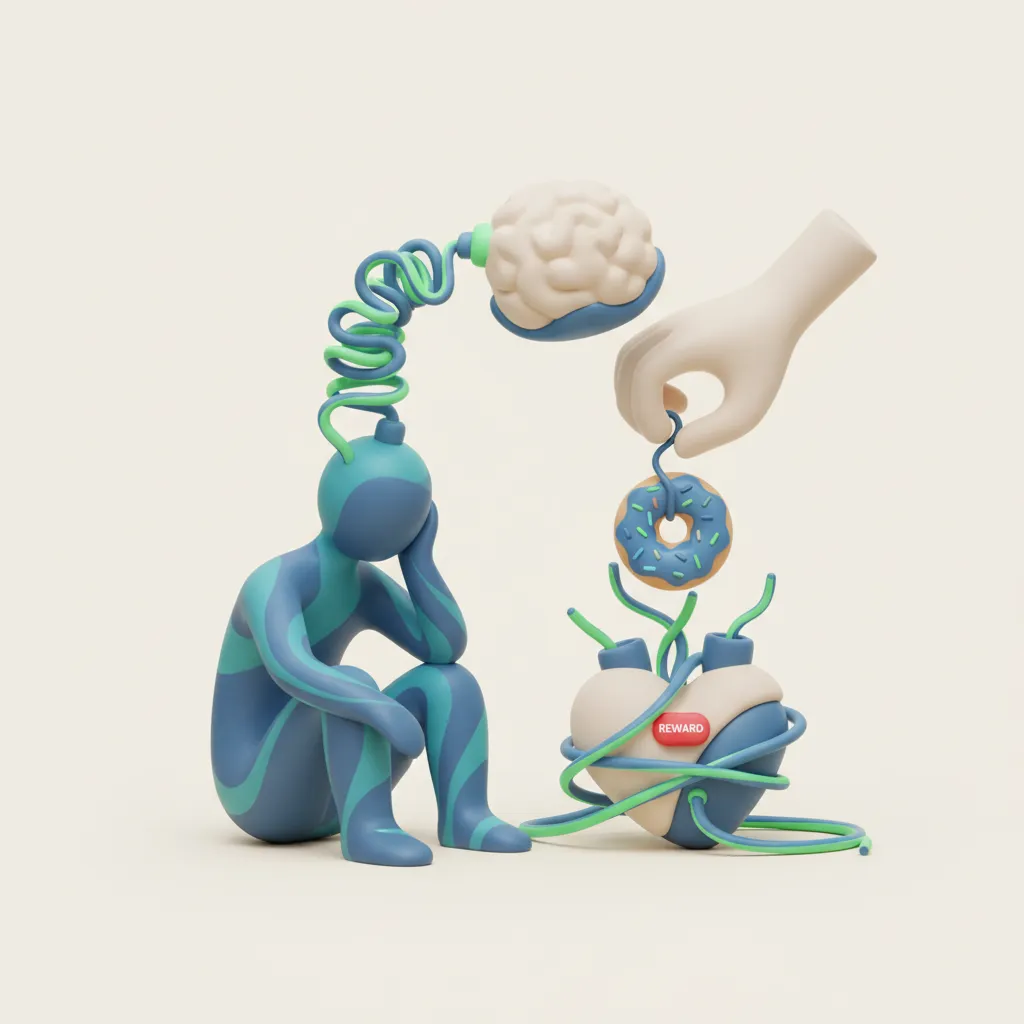
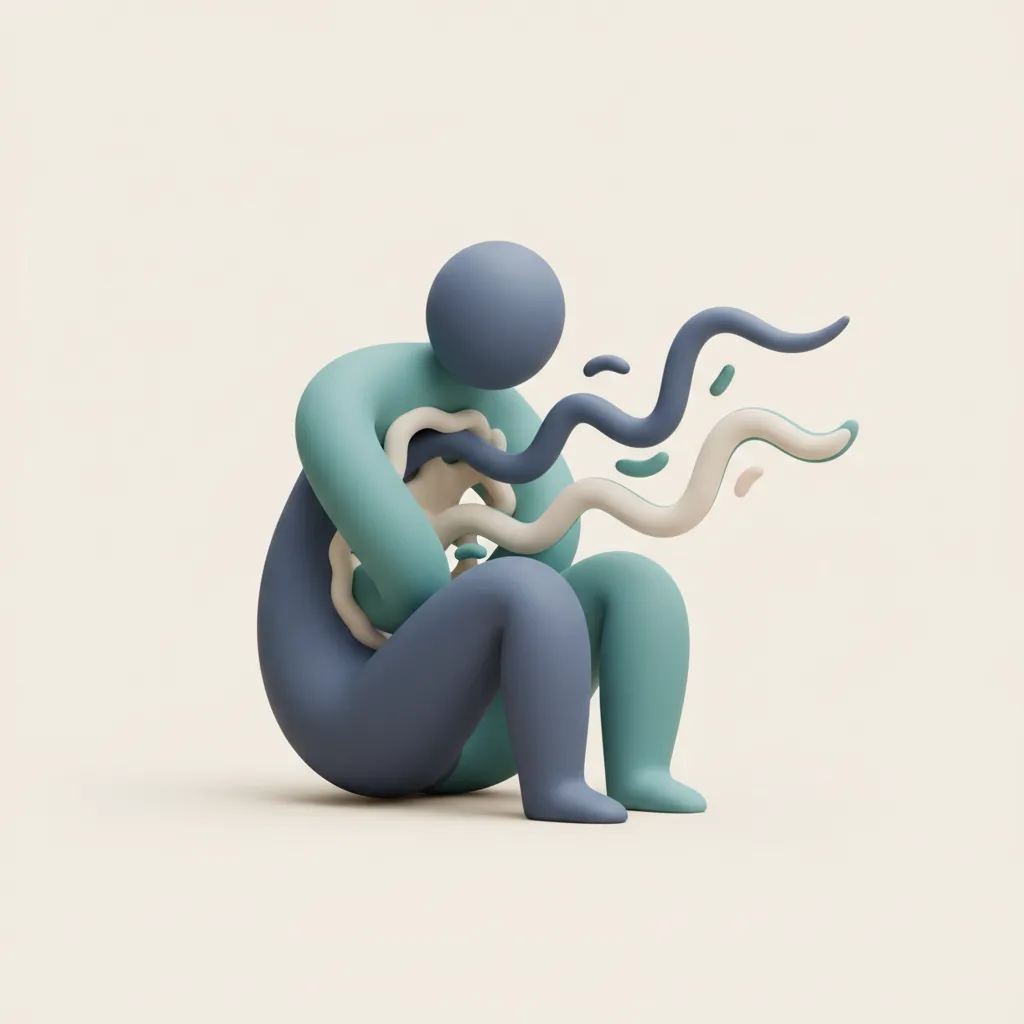
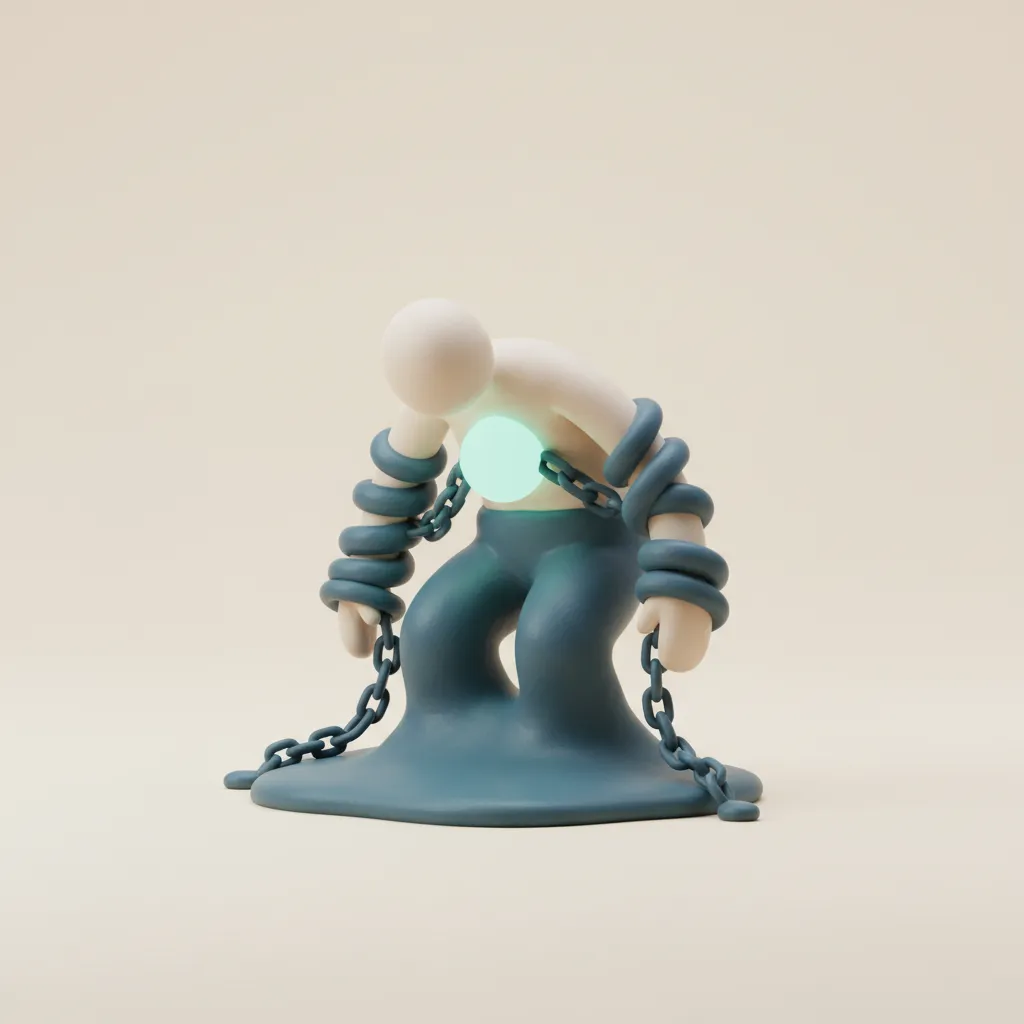
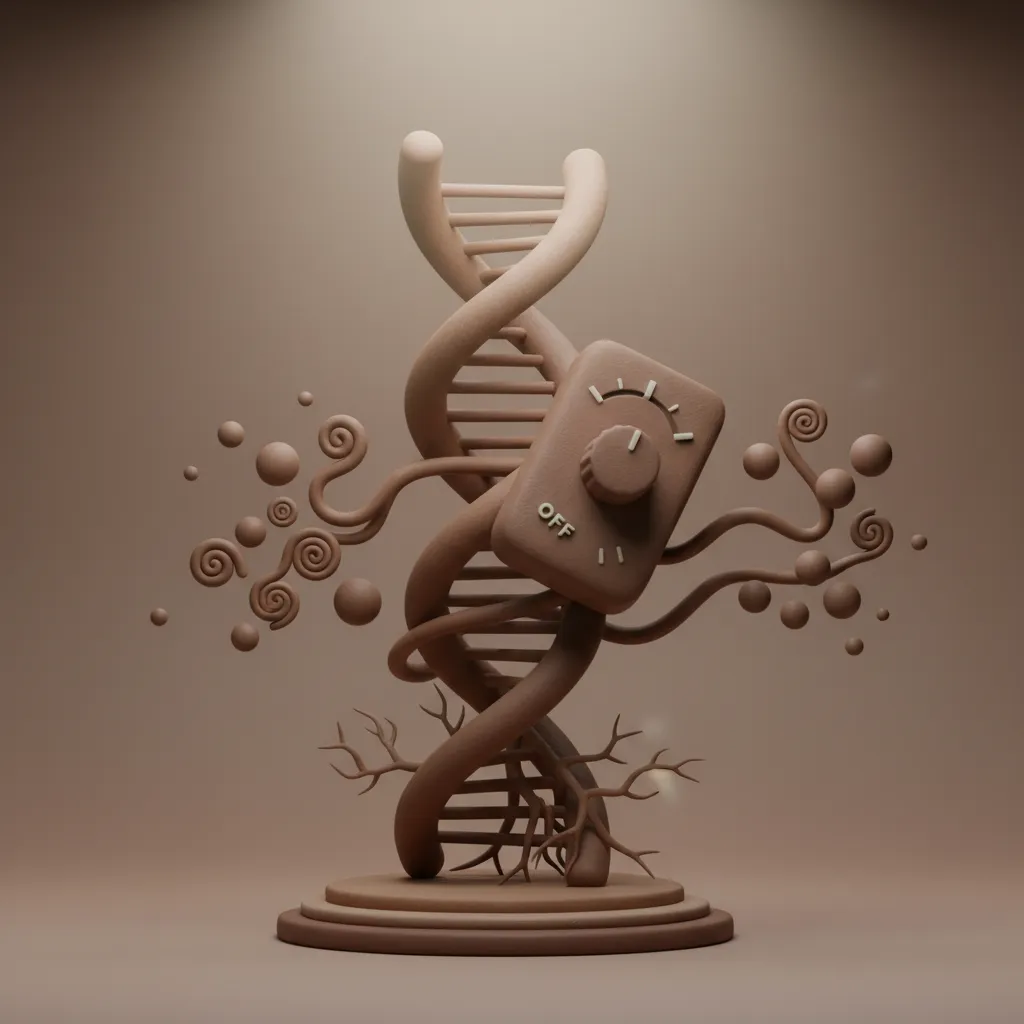
Not a moral failure, but reward, relief, and habit systems learning around pain. Shame is loud; mechanism explains more.
What actually is it?
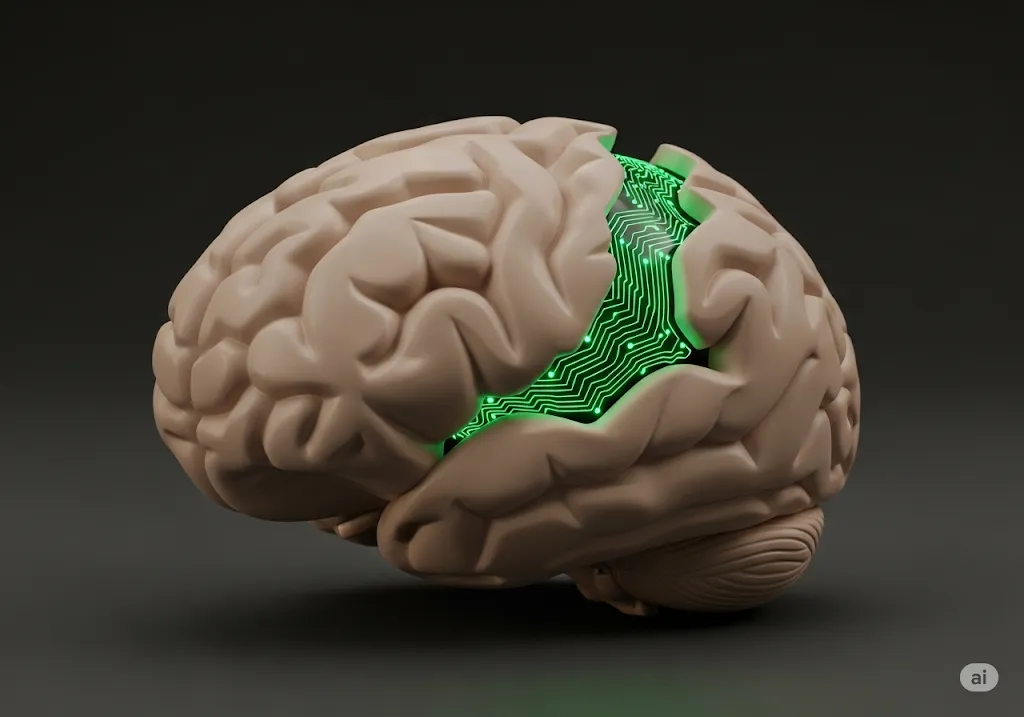
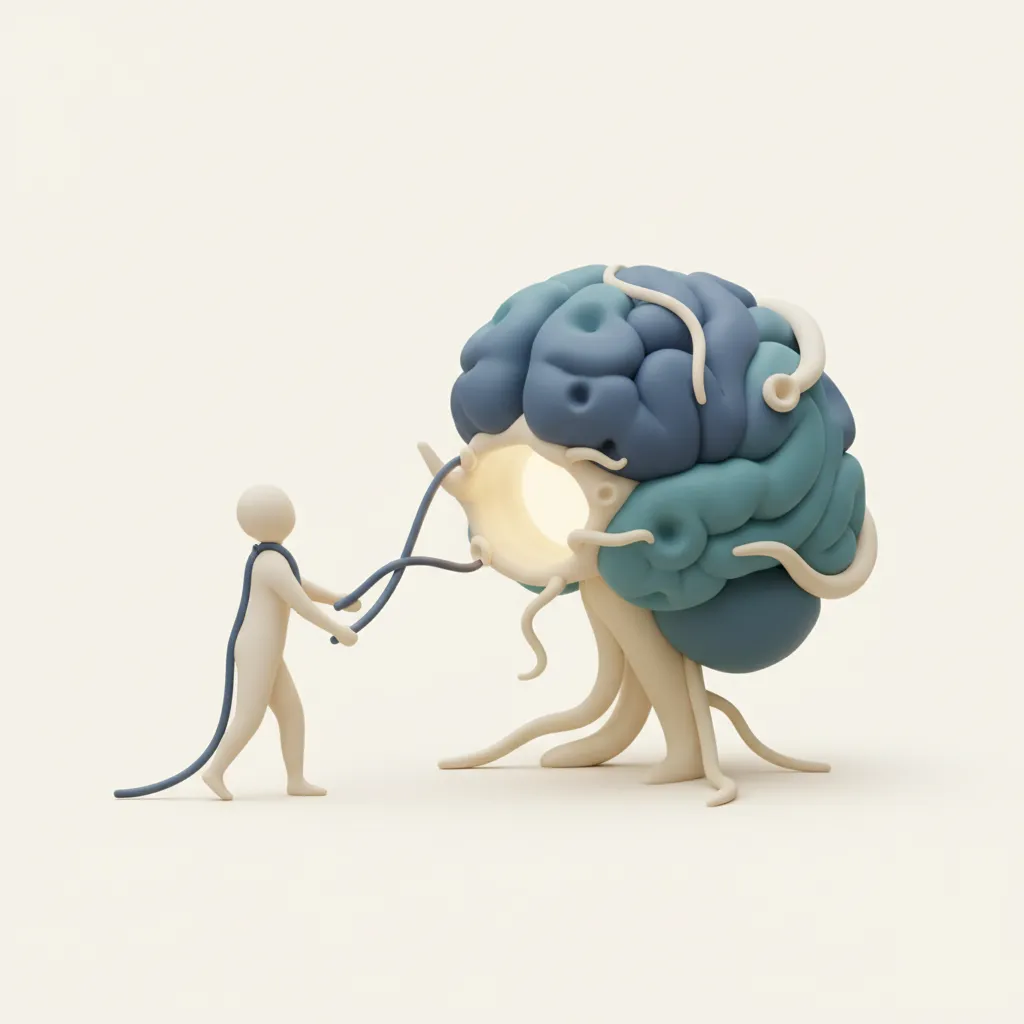
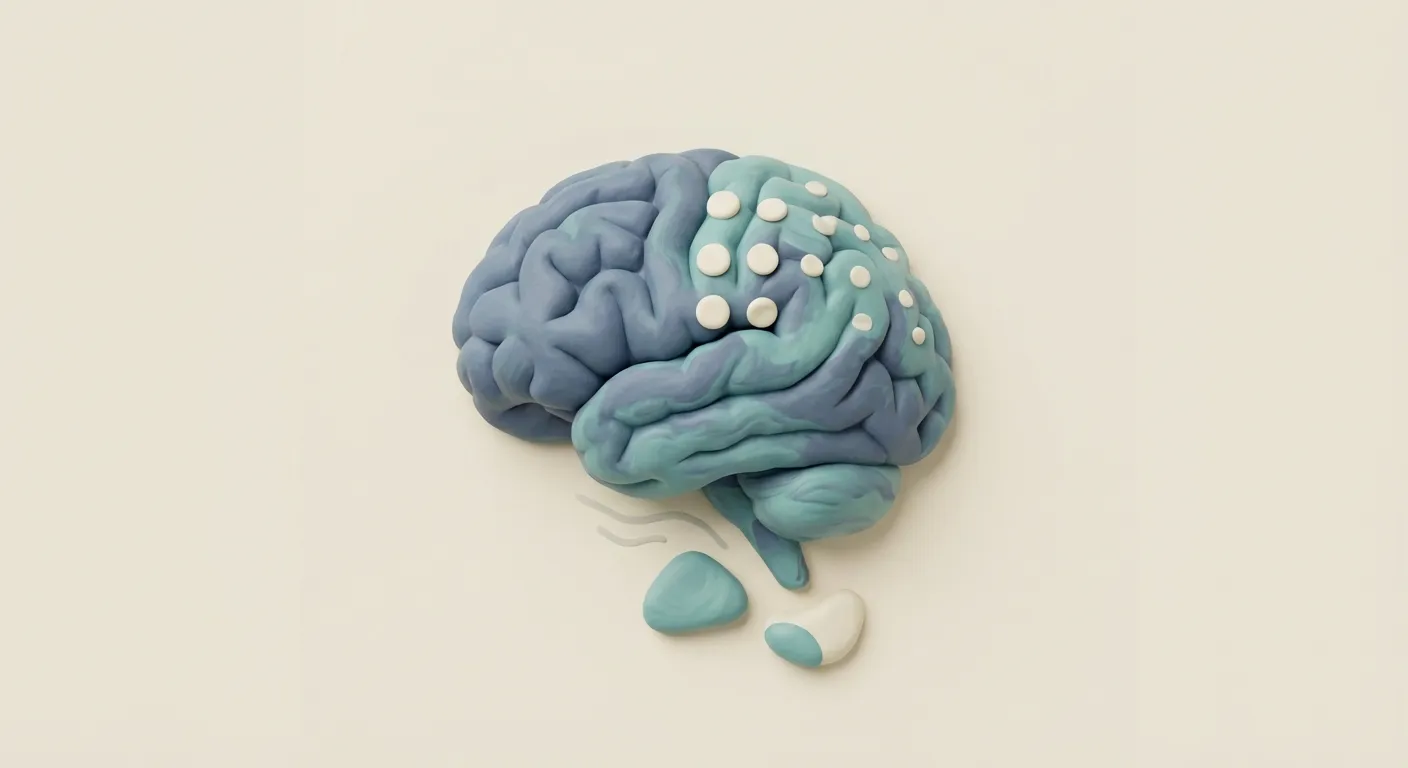
Substance Use Disorders are medical conditions where repeated substance use physically rewires three key brain systems: the reward pathway (basal ganglia), the stress system (extended amygdala), and the control center (prefrontal cortex), making willpower alone rarely sufficient for recovery. Approximately 10% of the population is affected, with sharply higher rates among neurodivergent individuals -- 25% of Autistic adults and 40% of ADHDers develop SUDs, often because substances temporarily ease sensory overload or focus challenges.
Recovery is real and neurologically measurable: dopamine receptors regenerate 20-30% within six months of sustained sobriety.
You may meet about 80,000 people in your life.
You may know about ... of them.
Of the people around you, how many might have substance use disorders?
Pick the closest guess.
It's a difference in how the brain is wired, not a character flaw.
PET imaging reveals 15-20% reduction in D2 dopamine receptors after chronic substance use, with 40% reduced ventral striatum activation to natural rewards -- measurable brain changes, not moral failures.
— Volkow et al., NEJM (2016)How it looks vs. How it feels
The lived experience behind the observed behavior
What others see
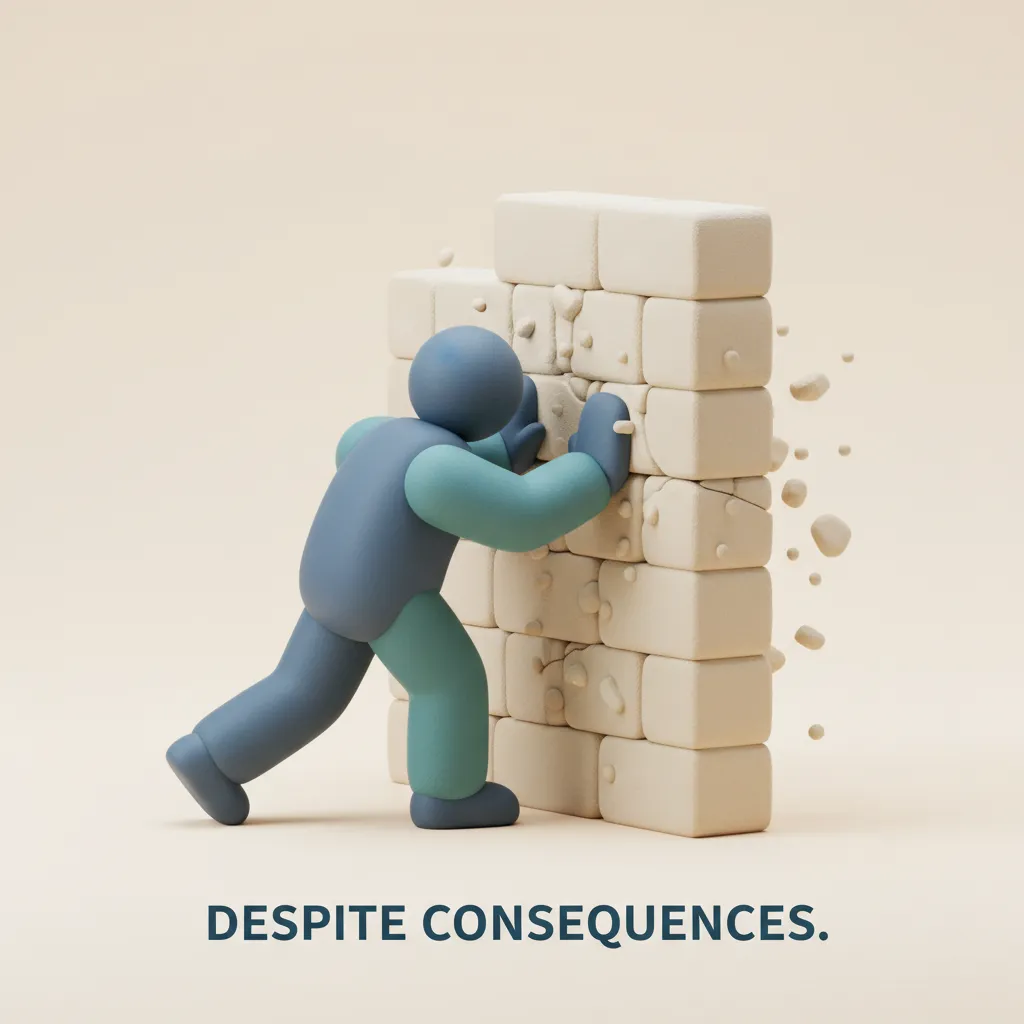
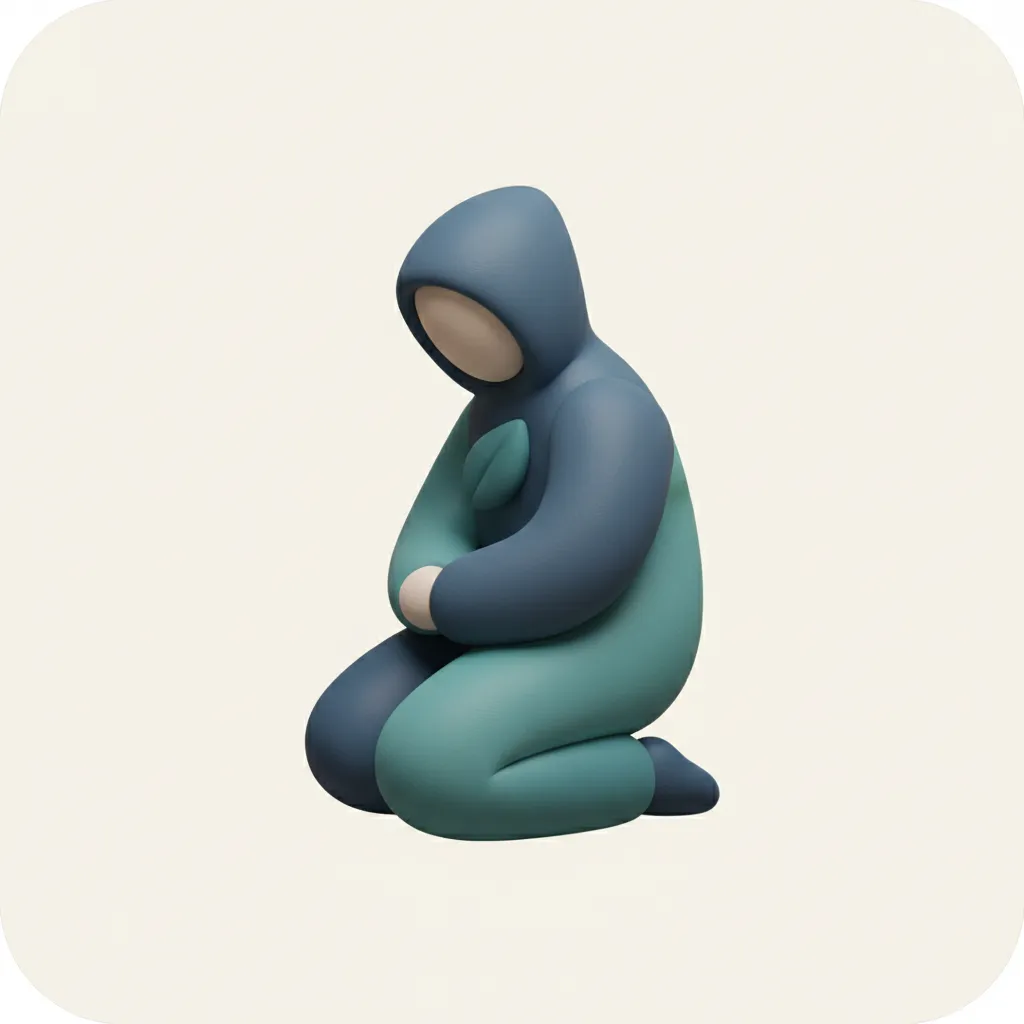
Continuing use despite losing jobs or relationships
On the inside
The Unstoppable Cost
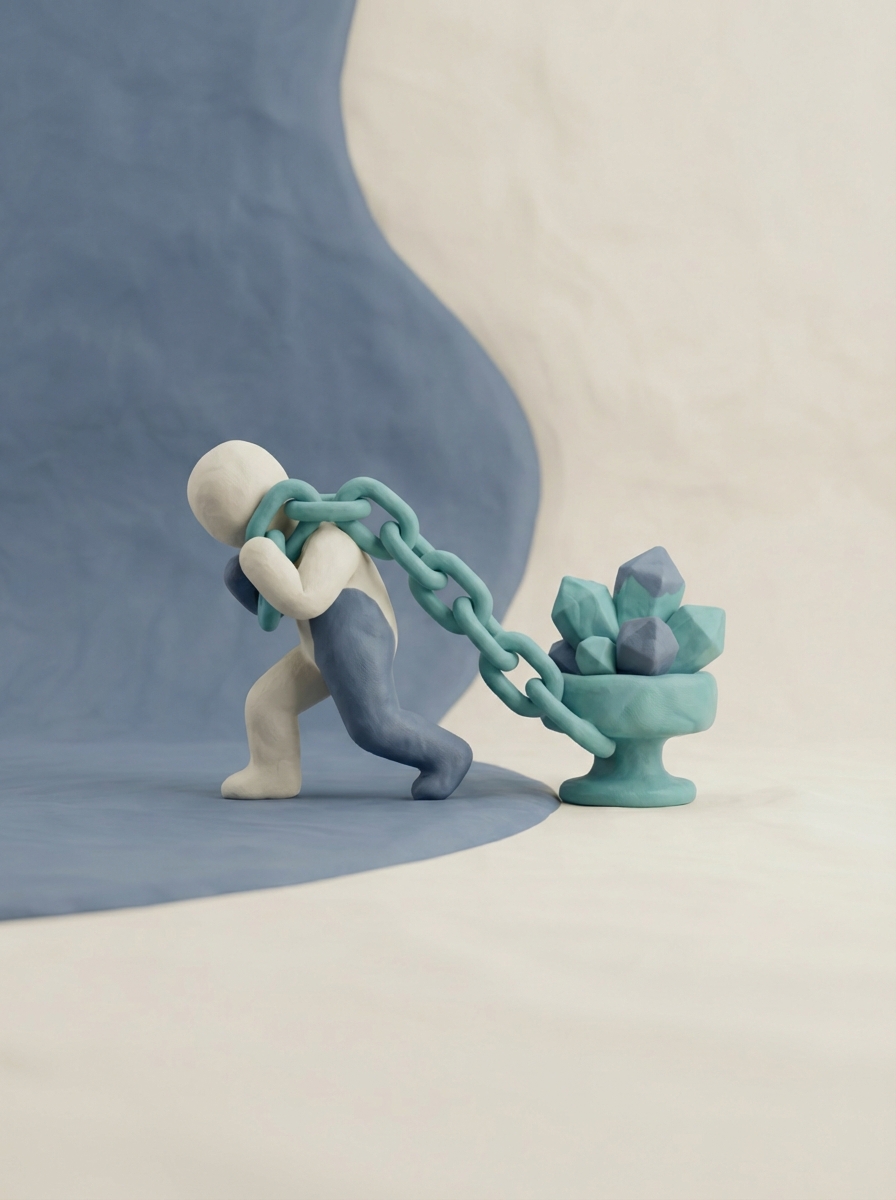
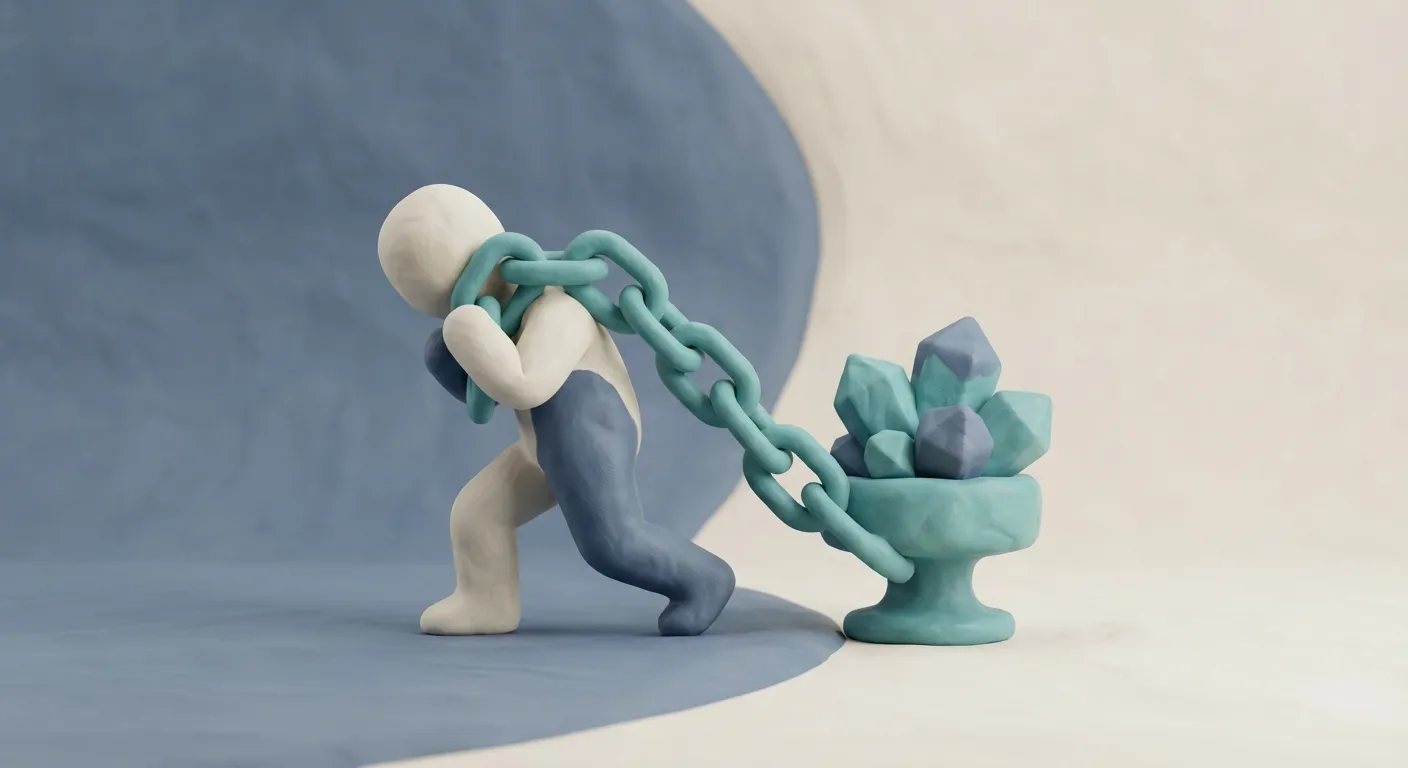
I can see everything I'm losing - job, family, health - but my brain treats the substance as more essential than any of it. The prefrontal cortex is offline and the basal ganglia runs on autopilot toward the only reward it recognizes.
What others see
Needing larger amounts to feel the same effect
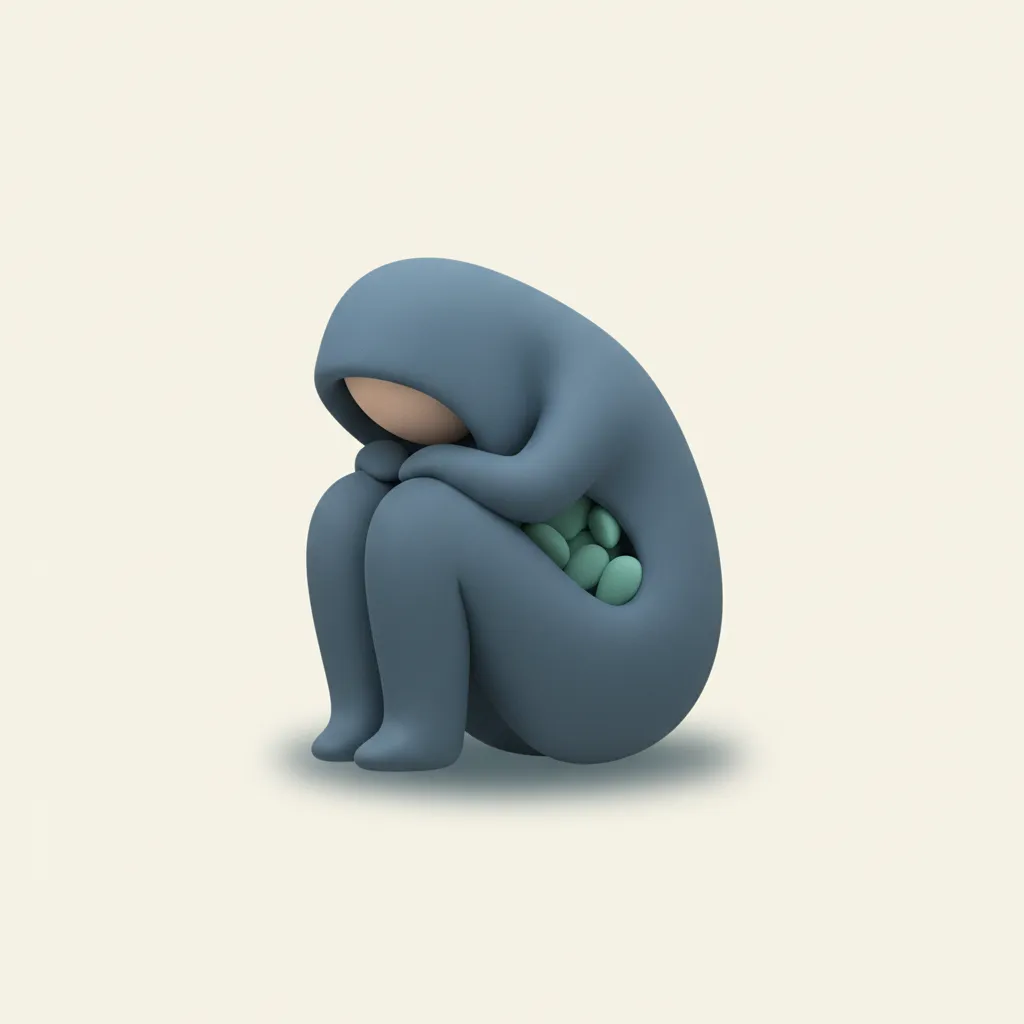
On the inside
The Moving Baseline
What used to get me high now just gets me to normal. My reward system recalibrated and I'm chasing a feeling that keeps retreating. Dopamine receptors have downregulated - my brain needs more input to reach the same signal strength.
What others see
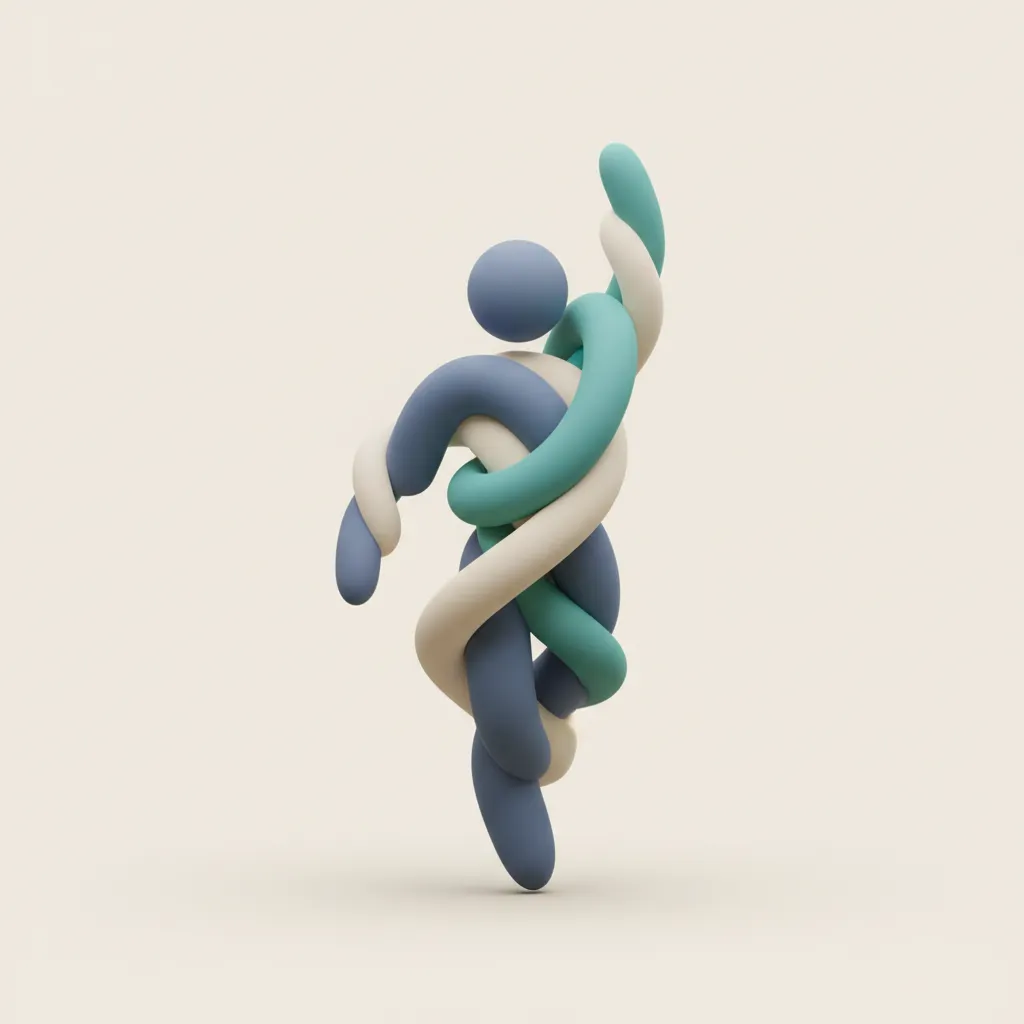
Spending hours daily obtaining, using, or recovering from substances
On the inside
The Narrowed World
My entire day revolves around one thing. Getting it, using it, recovering from it. Everything else faded to background noise. The nucleus accumbens has reorganized my priorities so thoroughly that 'normal' life feels like static.
What others see
Multiple unsuccessful attempts to quit despite genuine desire
On the inside
The Guilt Loop
I hate what I'm doing while I'm doing it. I try to stop, I fail, the shame drives more use. Each attempt proves what my brain already believes. The extended amygdala makes sobriety feel physically unbearable, driving a cycle logic alone can't break.
What others see
Visible physical changes: weight loss, skin issues, tremors
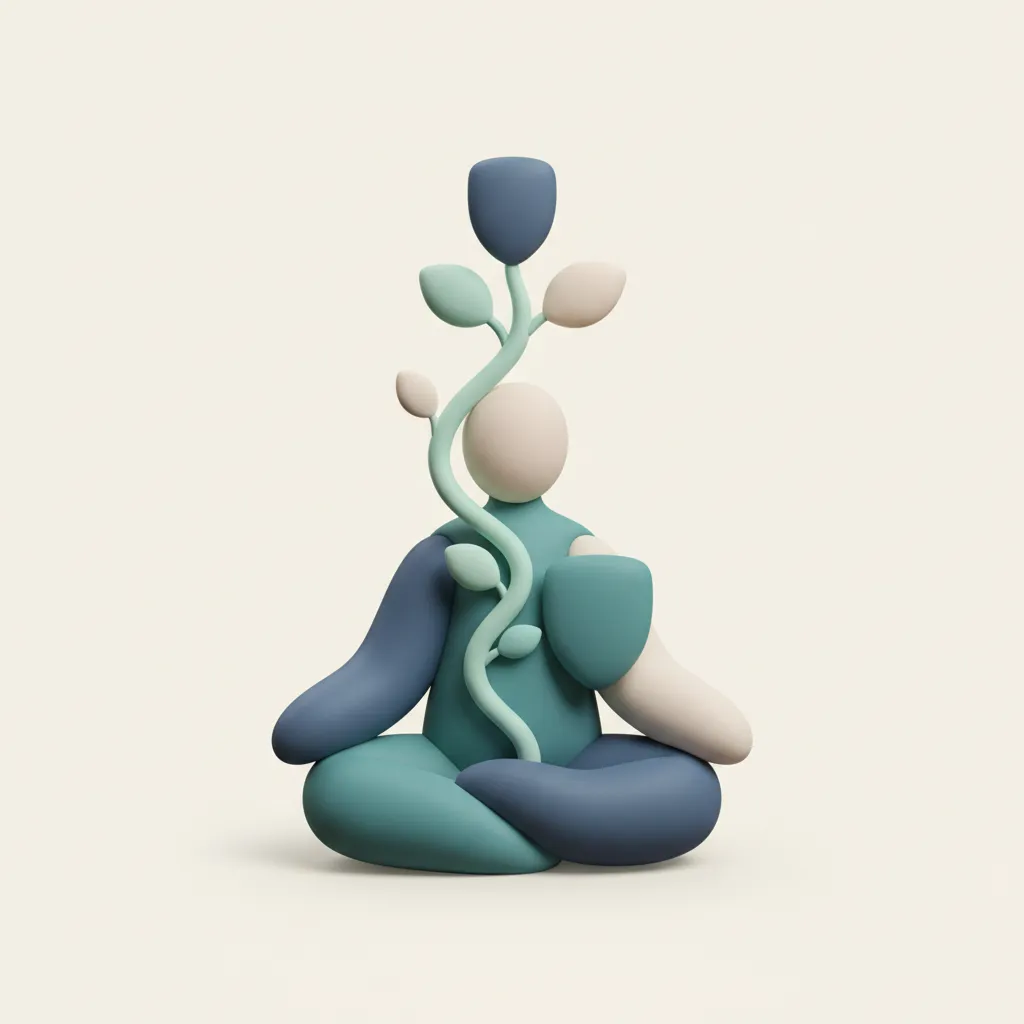
On the inside
The Visible Decline
I can see the damage in the mirror. My body is keeping score of what my brain refuses to stop doing. The neuroadaptations that drive compulsive use are invisible, but their consequences write themselves across my face and body.
What others see
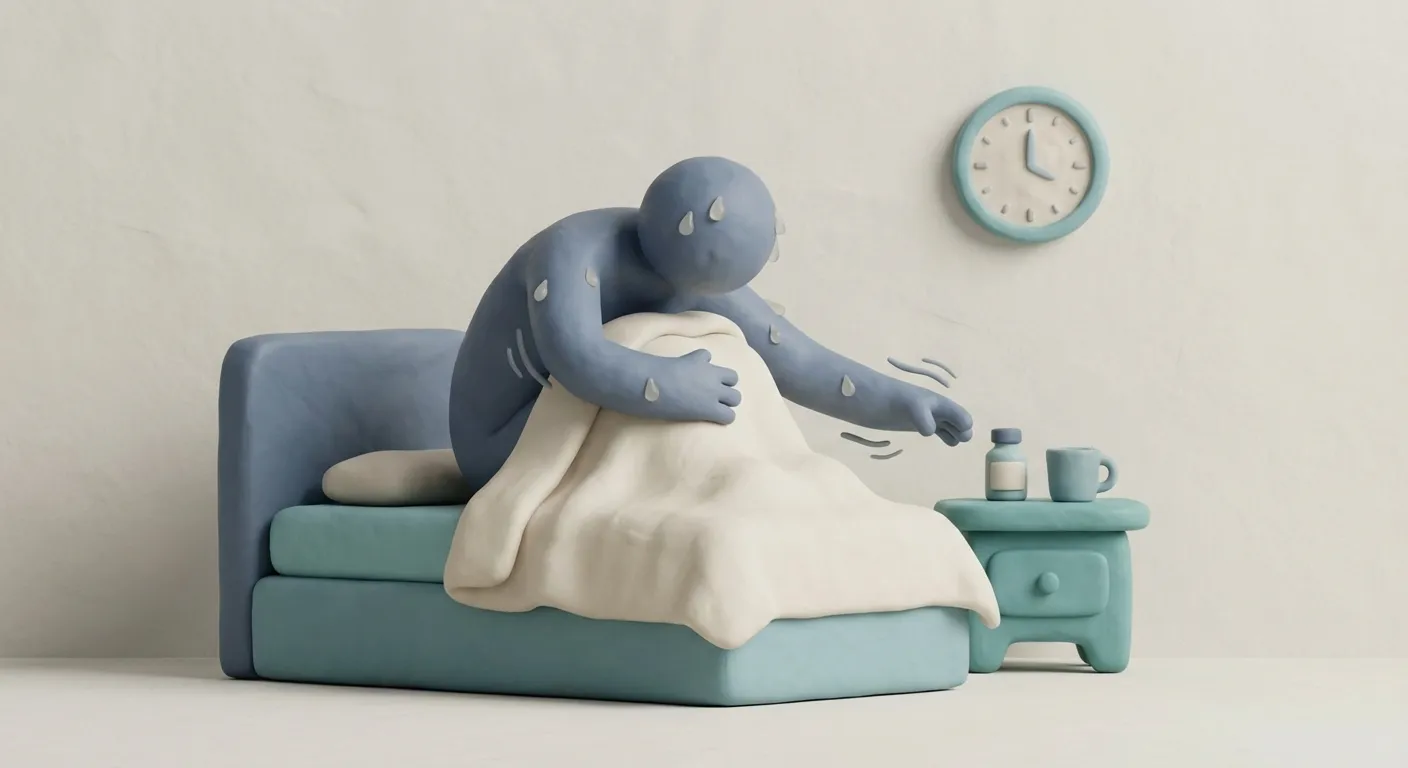
Waking up sick and needing to use before starting the day
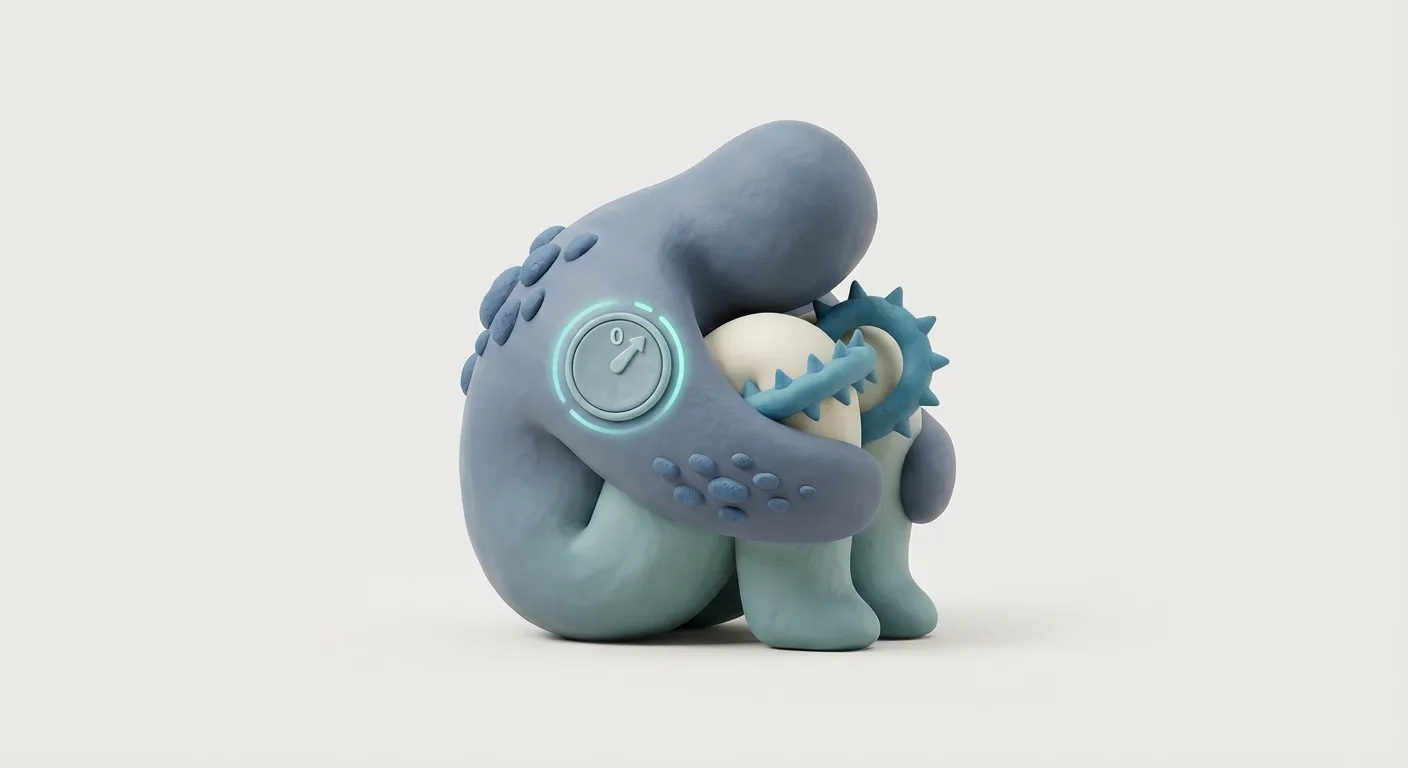
On the inside
The Withdrawal Clock
My body keeps a countdown I can't ignore. When the clock runs out, every cell screams for input. Sweating, shaking, nausea—the extended amygdala has made sobriety feel like physical danger. I'm not choosing to use first thing; I'm choosing to stop the pain.
What others see
Continuing use despite losing jobs or relationships
On the inside
The Unstoppable Cost
I can see everything I'm losing - job, family, health - but my brain treats the substance as more essential than any of it. The prefrontal cortex is offline and the basal ganglia runs on autopilot toward the only reward it recognizes.
What others see
Needing larger amounts to feel the same effect
On the inside
The Moving Baseline
What used to get me high now just gets me to normal. My reward system recalibrated and I'm chasing a feeling that keeps retreating. Dopamine receptors have downregulated - my brain needs more input to reach the same signal strength.
What others see
Spending hours daily obtaining, using, or recovering from substances
On the inside
The Narrowed World
My entire day revolves around one thing. Getting it, using it, recovering from it. Everything else faded to background noise. The nucleus accumbens has reorganized my priorities so thoroughly that 'normal' life feels like static.
What others see
Multiple unsuccessful attempts to quit despite genuine desire
On the inside
The Guilt Loop
I hate what I'm doing while I'm doing it. I try to stop, I fail, the shame drives more use. Each attempt proves what my brain already believes. The extended amygdala makes sobriety feel physically unbearable, driving a cycle logic alone can't break.
What others see
Visible physical changes: weight loss, skin issues, tremors
On the inside
The Visible Decline
I can see the damage in the mirror. My body is keeping score of what my brain refuses to stop doing. The neuroadaptations that drive compulsive use are invisible, but their consequences write themselves across my face and body.
What others see
Waking up sick and needing to use before starting the day
On the inside
The Withdrawal Clock
My body keeps a countdown I can't ignore. When the clock runs out, every cell screams for input. Sweating, shaking, nausea—the extended amygdala has made sobriety feel like physical danger. I'm not choosing to use first thing; I'm choosing to stop the pain.
Buprenorphine and methadone reduce all-cause mortality by 50% and opioid overdose deaths by 70%, while stabilizing -- not replacing -- opioid receptor function to allow neural repair.
— Sordo et al., BMJ (2017)