Panic Disorder
Not overreacting, but a threat-detection system tuned too high for the moment. What looks irrational from outside often makes sense inside the nervous system.
What actually is it?
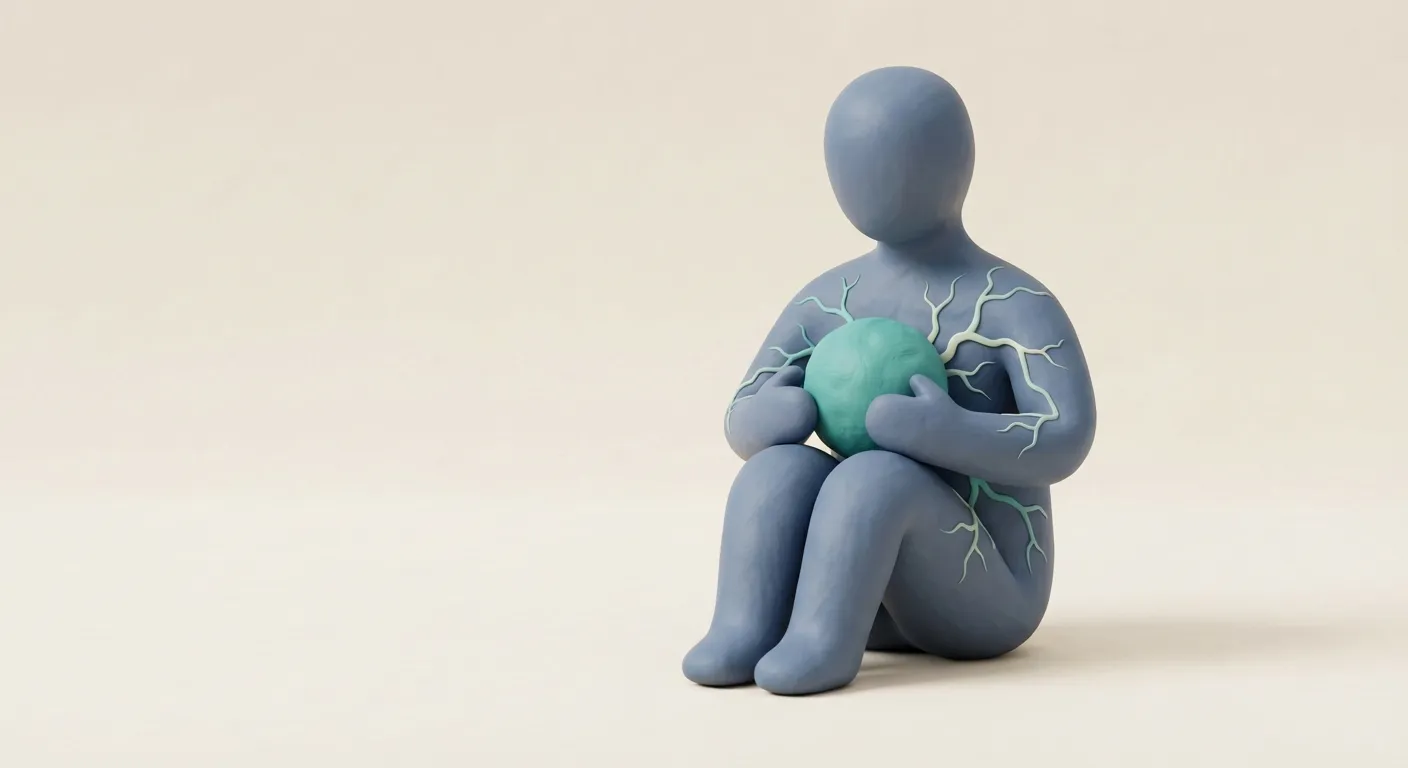
Panic Disorder is characterized by unexpected surges of intense fear where the amygdala fires a full 'fight-or-flight' cascade -- racing heart, sweating, dizziness, a conviction you are dying -- without any actual danger present. Affecting approximately 2.7% of the population annually and twice as common in women, it often begins in late adolescence when heightened interoception (body-sensing) and a hypersensitive suffocation alarm system combine with catastrophic thinking.
The attacks are terrifying but physically safe, and highly responsive to treatments that recalibrate the brain's threat detection threshold.
You may meet about 80,000 people in your life.
You may know about ... of them.
Of the people around you, how many might have panic disorder?
Pick the closest guess.
It's a difference in how the brain is wired, not a character flaw.
fMRI studies show panic attacks involve distinct amygdala hyperreactivity and 40% reduced prefrontal cortex activation -- a measurable neurobiological cascade releasing 200+ stress chemicals, not a voluntary overreaction.
— Biological PsychiatryHow it looks vs. How it feels
The lived experience behind the observed behavior

What others see
Sudden visible distress: shaking, rapid breathing, clutching chest

On the inside
The False Death Signal
My body screams 'you're dying' while nothing is actually wrong. The conviction is total, even if my logic knows better. My amygdala has hijacked the controls and every nerve ending is on fire with a threat that doesn't exist.

What others see
Leaving situations abruptly mid-activity without explanation

On the inside
The Emergency Override
I have to leave NOW. The panic doesn't negotiate - it demands escape, and the relief of leaving reinforces tomorrow's avoidance. My prefrontal cortex goes offline and the amygdala takes the wheel.

What others see
Frequent doctor visits despite normal test results

On the inside
The Proof Hunt
Something must be wrong with my body to explain these attacks. Every test comes back normal, but the symptoms are so physical I can't believe nothing's there. My interoception is screaming and the data says silence.

What others see
Carrying water bottles, medications, or comfort items everywhere

On the inside
The Safety Kit
These items aren't props - they're tethers. Knowing my water and medication are within reach keeps the baseline anxiety from escalating. It's a portable nervous system anchor in a world full of potential triggers.

What others see
Appearing calm but checking exits and planning escape routes

On the inside
The Vigilance Mask
I look fine. Inside, I'm scanning my heartbeat, my breathing, my surroundings - calculating escape routes while smiling at you. My interoceptive monitoring runs 24/7, and the mask costs more energy than the panic itself.
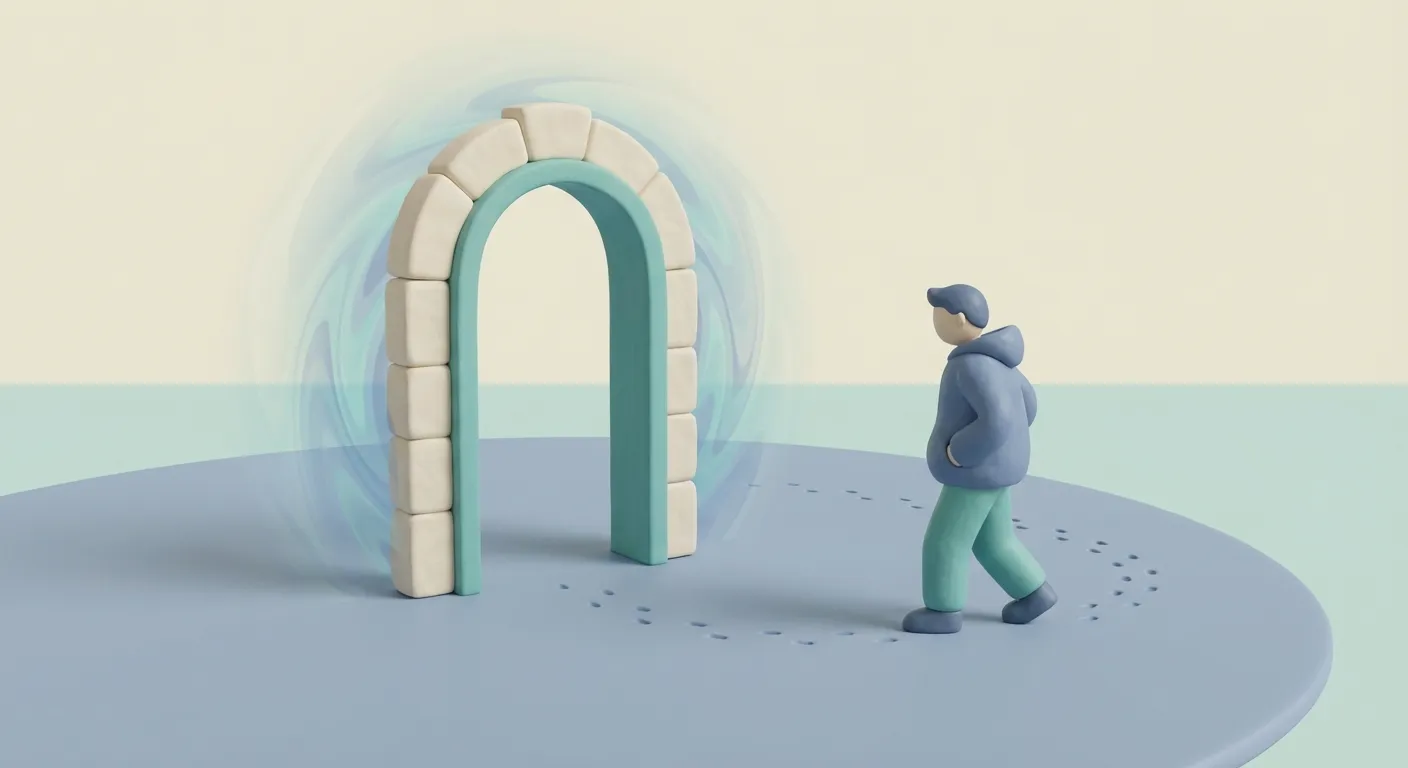
What others see
Avoiding places where a previous panic attack occurred

On the inside
The Anticipation Prison
The attack lasted 10 minutes. The fear of the next one lasts all day. My hippocampus tagged that location, that situation, that feeling as 'danger' and now every similar context triggers the anticipatory dread. I'm not afraid of the place—I'm afraid of what my body did there.
What others see
Sudden visible distress: shaking, rapid breathing, clutching chest
On the inside
The False Death Signal
My body screams 'you're dying' while nothing is actually wrong. The conviction is total, even if my logic knows better. My amygdala has hijacked the controls and every nerve ending is on fire with a threat that doesn't exist.
What others see
Leaving situations abruptly mid-activity without explanation
On the inside
The Emergency Override
I have to leave NOW. The panic doesn't negotiate - it demands escape, and the relief of leaving reinforces tomorrow's avoidance. My prefrontal cortex goes offline and the amygdala takes the wheel.
What others see
Frequent doctor visits despite normal test results
On the inside
The Proof Hunt
Something must be wrong with my body to explain these attacks. Every test comes back normal, but the symptoms are so physical I can't believe nothing's there. My interoception is screaming and the data says silence.
What others see
Carrying water bottles, medications, or comfort items everywhere
On the inside
The Safety Kit
These items aren't props - they're tethers. Knowing my water and medication are within reach keeps the baseline anxiety from escalating. It's a portable nervous system anchor in a world full of potential triggers.
What others see
Appearing calm but checking exits and planning escape routes
On the inside
The Vigilance Mask
I look fine. Inside, I'm scanning my heartbeat, my breathing, my surroundings - calculating escape routes while smiling at you. My interoceptive monitoring runs 24/7, and the mask costs more energy than the panic itself.
What others see
Avoiding places where a previous panic attack occurred
On the inside
The Anticipation Prison
The attack lasted 10 minutes. The fear of the next one lasts all day. My hippocampus tagged that location, that situation, that feeling as 'danger' and now every similar context triggers the anticipatory dread. I'm not afraid of the place—I'm afraid of what my body did there.
A 10-year longitudinal study found no increased cardiac risk from panic attacks. The stress response is acute and time-limited; organs are not damaged by individual episodes despite the extreme subjective distress.
— Journal of Psychosomatic Research