Sensory Processing | AskSheldon
Sensory Processing

What is Sensory Processing Disorder?

Sensory Processing Disorder occurs when the brain's thalamus and sensory cortex interpret stimuli atypically -- some inputs arrive amplified to painful levels while others barely register, creating a fragmented sensory experience that is neurological, not behavioral. Approximately 5% of the population is clinically affected, with rates far higher among autistic individuals (up to 90%) and those with ADHD (40%).

1 in 20people affected
5%prevalence
Normal IQ range

How does Sensory Processing Disorder present?

  • Covering ears at sounds others ignore
  • Tripping or bumping into objects frequently
  • Constant rocking, spinning, or fidgeting
  • Extreme food texture preferences or refusals
  • Freezing or shutting down in busy environments

Types of Sensory Processing Disorder

  • Sensory Modulation Differences(~45%)
  • Sensory-Motor Coordination(~30%)
  • Sensory Discrimination Differences(~25%)

Common questions about Sensory Processing Disorder

Can adults develop SPD or is it only childhood?

While SPD originates in neural development, adults can experience acquired sensory processing changes from TBI, PTSD, or neurodegenerative conditions. 72% of adult SPD cases trace symptoms to childhood, often undiagnosed.

How does SPD differ from autism sensory traits?

Autism-related sensory features typically involve social sensory integration. Pure SPD focuses on physiological processing without social communication differences. However, 30% of SPD cases meet autism criteria.

Content reviewed against DSM-5 criteria and current clinical literature. This page is for educational purposes and does not constitute medical advice. Consult a qualified healthcare professional for diagnosis or treatment.

Sensory Processing

Sensory Processing

Could this be me?

Sensory ProcessingAudio Coming Soon

We're crafting an audio guide for this condition. Get notified when it drops.

What actually is it?

Sensory Processing Disorder occurs when the brain's thalamus and sensory cortex interpret stimuli atypically -- some inputs arrive amplified to painful levels while others barely register, creating a fragmented sensory experience that is neurological, not behavioral. Approximately 5% of the population is clinically affected, with rates far higher among autistic individuals (up to 90%) and those with ADHD (40%). Living with SPD means navigating a world designed for a different nervous system, and the adaptations built along the way often produce remarkable perceptual abilities.

It's a difference in how the brain is wired, not a character flaw.

Quick Guess

How many people out of 20 do you think have this?

Tap the icons to make your estimate.

fMRI studies reveal 18% greater somatosensory cortex activation in tactile over-responsivity, and DTI imaging shows measurable white matter differences in sensory integration tracts -- confirming SPD is neurological, not behavioral.

NeuroImage: Clinical
Tap to Start Myth Busting

How it looks vs. How it feels

The lived experience behind the observed behavior

Covering ears at sounds others ignore — The Sensory Flood
Tap to see inside

What others see

Covering ears at sounds others ignore

The Sensory Flood
Tap to flip back

On the inside

The Sensory Flood

Too many inputs at once and I can't filter any out. Everything arrives at equal volume - sirens, tags, lights, all screaming. My thalamic gating system is wide open and every stimulus demands attention simultaneously.

Tripping or bumping into objects frequently — The Body Map Blur

Tap to see inside

What others see

Tripping or bumping into objects frequently

The Body Map Blur
Tap to flip back

On the inside

The Body Map Blur

I lose track of where my body ends and space begins. My proprioception is unreliable, so I collide with things that should be obvious. The cerebellum's map of my body in space has gaps.
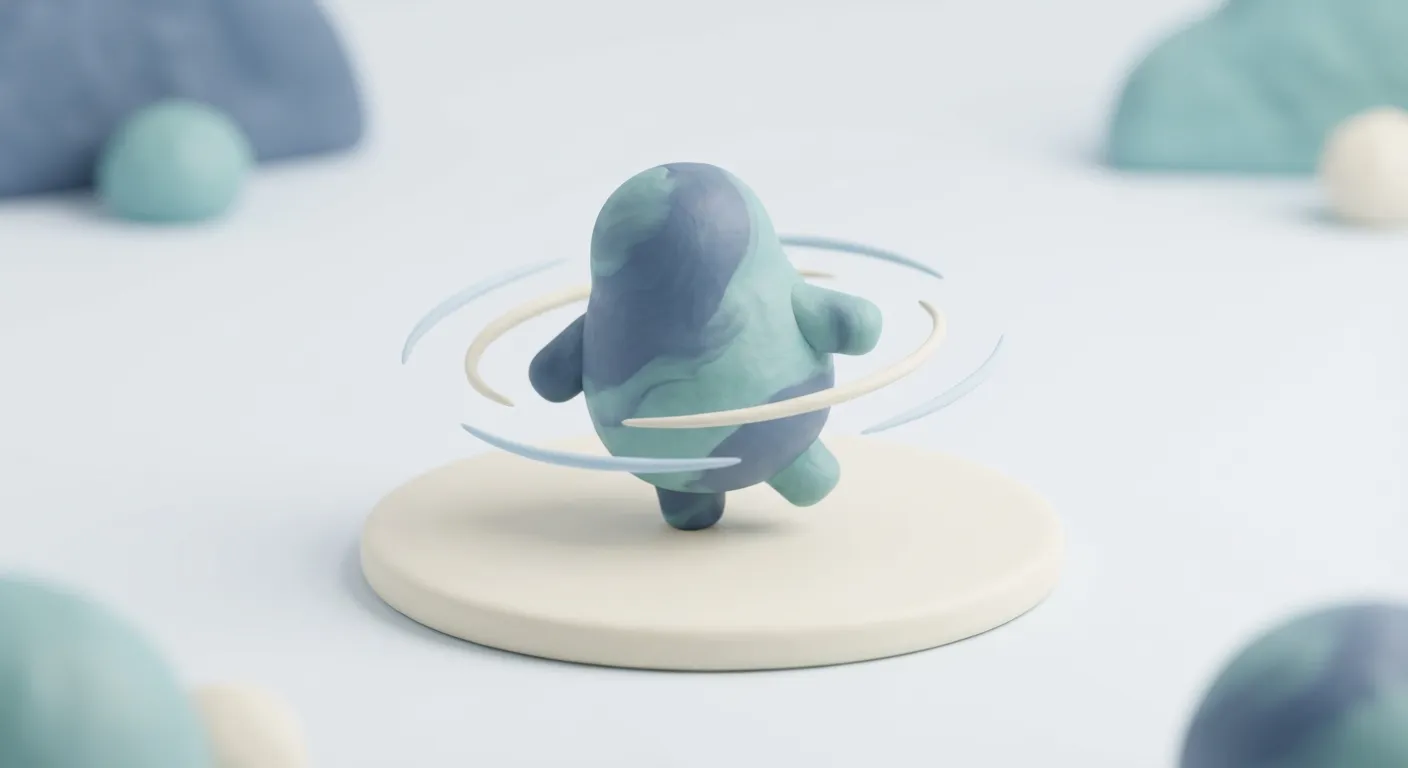
Constant rocking, spinning, or fidgeting — The Regulation Seek

Tap to see inside

What others see

Constant rocking, spinning, or fidgeting

The Regulation Seek
Tap to flip back

On the inside

The Regulation Seek

This rocking isn't a habit - it's medicine. The rhythmic input recalibrates my nervous system when everything else is too much or too little. Vestibular and proprioceptive input grounds me when the world is overwhelming.

Extreme food texture preferences or refusals — The Texture Wall

Tap to see inside

What others see

Extreme food texture preferences or refusals

The Texture Wall
Tap to flip back

On the inside

The Texture Wall

That food's texture triggers my gag reflex before I can reason with it. It's not pickiness - it's a sensory alarm I can't override. My somatosensory cortex fires 18% harder than average at tactile input.

Freezing or shutting down in busy environments — The System Crash

Tap to see inside

What others see

Freezing or shutting down in busy environments

The System Crash
Tap to flip back

On the inside

The System Crash

Too much input and my brain stops processing. I freeze, go blank, and the world becomes distant until the overload passes. It's a protective shutdown - the nervous system's circuit breaker tripping to prevent damage.

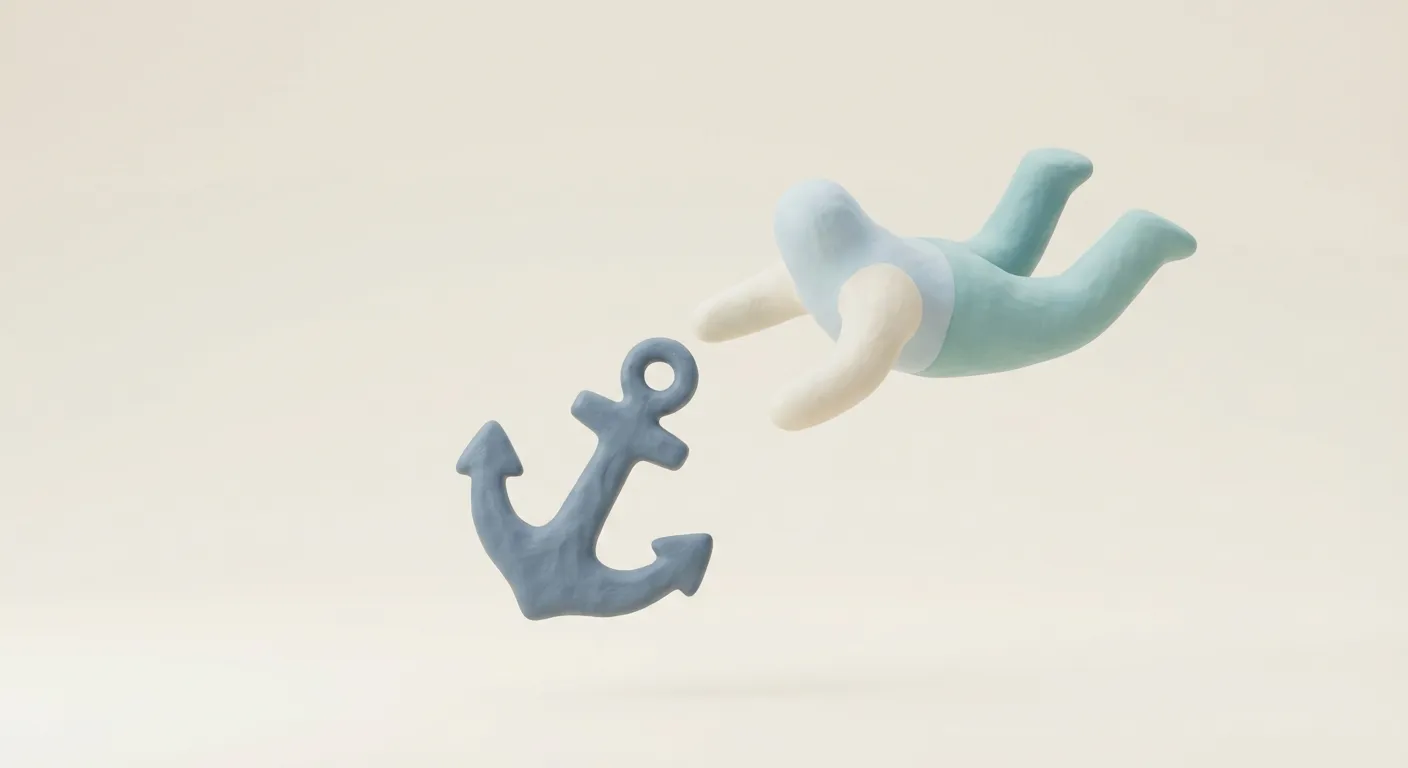
Seeking deep pressure, tight hugs, or weighted blankets constantly — The Pressure Hunger
Tap to see inside

What others see

Seeking deep pressure, tight hugs, or weighted blankets constantly

The Pressure Hunger
Tap to flip back

On the inside

The Pressure Hunger

I crave being squeezed, pressed, weighted down. Deep pressure is the only input that quiets my nervous system. Without it, I feel untethered—like my body doesn't know where it is in space. The proprioceptive system needs heavy input to feel grounded.

While occupational therapy increases gray matter in the supramarginal gyrus by 7% and improves daily functioning, adult neuroimaging confirms persistent structural differences in thalamocortical pathways that represent lifelong neural wiring, not a curable condition.

NeuroImage: Clinical
Tap to Start Myth Busting

Types of Sensory Processing

SPD manifests through three primary patterns that often coexist and vary across sensory domains.

Sensory Modulation Differences: Atypical responses to sensory input intensity linked to thalamocortical dysregulation. Includes over-responsivity (limbic system hyperactivation), under-responsivity (reduced insula activation), and sensory craving (dopaminergic reward engagement).
Type 1~45%

Sensory Modulation Differences

Atypical responses to sensory input intensity linked to thalamocortical dysregulation. Includes over-responsivity (limbic system hyperactivation), under-responsivity (reduced insula activation), and sensory craving (dopaminergic reward engagement).

Over-Responsivity
Under-Responsivity
Sensory Craving
Threshold Variability
Sensory-Motor Coordination: Movement challenges tied to cerebellum and basal ganglia function, affecting postural control (vestibular processing) and motor planning (dyspraxia). May involve reduced proprioceptive feedback integration.
Type 2~30%

Sensory-Motor Coordination

Movement challenges tied to cerebellum and basal ganglia function, affecting postural control (vestibular processing) and motor planning (dyspraxia). May involve reduced proprioceptive feedback integration.

Motor Planning Issues
Balance Challenges
Clumsiness
Proprioceptive Gaps
Sensory Discrimination Differences: Difficulty interpreting sensory qualities related to parietal lobe function. Affects ability to distinguish similar textures, sounds, or visual patterns, impacting daily tasks like dressing or navigating spaces.
Type 3~25%

Sensory Discrimination Differences

Difficulty interpreting sensory qualities related to parietal lobe function. Affects ability to distinguish similar textures, sounds, or visual patterns, impacting daily tasks like dressing or navigating spaces.

Texture Confusion
Sound Discrimination
Visual Pattern Gaps
Spatial Awareness

Standardized sensory integration measures combined with functional MRI achieve 92% diagnostic consistency for SPD. The WHO ICD-11 recognizes sensory processing differences as a distinct clinical entity.

Journal of Child Psychology and Psychiatry
Tap to Start Myth Busting

The Science of SPD

The Unfiltered World

Understanding the neurobiology of sensory processing differences

Thalamic Sensory Gating: The thalamus acts as a sensory bouncer, deciding which stimuli reach conscious awareness. In SPD, this gating system has different threshold settings - either too low (letting everything through) or too high (blocking input that should register). This creates the paradox of over- and under-responsivity coexisting in the same person.
Sensory Filtering

Thalamic Sensory Gating

The thalamus acts as a sensory bouncer, deciding which stimuli reach conscious awareness. In SPD, this gating system has different threshold settings - either too low (letting everything through) or too high (blocking input that should register). This creates the paradox of over- and under-responsivity coexisting in the same person.

Multisensory Integration: The parietal cortex combines information from multiple senses into a coherent picture. In SPD, cross-modal integration is disrupted - sounds and sights may not sync properly, or touch information arrives with different timing than visual data. This creates a fragmented sensory experience.
Parietal Cortex

Multisensory Integration

The parietal cortex combines information from multiple senses into a coherent picture. In SPD, cross-modal integration is disrupted - sounds and sights may not sync properly, or touch information arrives with different timing than visual data. This creates a fragmented sensory experience.

Autonomic Arousal Dysregulation: SPD involves dysregulated sympathetic/parasympathetic balance. The autonomic nervous system may be chronically over-aroused (fight-or-flight from sensory input) or under-aroused (requiring intense input to register). This explains the extreme fatigue from 'just' being in a normal environment.
Nervous System

Autonomic Arousal Dysregulation

SPD involves dysregulated sympathetic/parasympathetic balance. The autonomic nervous system may be chronically over-aroused (fight-or-flight from sensory input) or under-aroused (requiring intense input to register). This explains the extreme fatigue from 'just' being in a normal environment.

The Untuned Radio: Imagine a radio receiving every station simultaneously at full volume, with no tuning dial. That's sensory over-responsivity. Now imagine the same radio with the volume so low that only the loudest signals register - that's under-responsivity. SPD isn't a broken radio; it's a radio with a different tuning mechanism. Therapy helps build a better tuning dial, not replace the radio.
The Mechanics

The Untuned Radio

Imagine a radio receiving every station simultaneously at full volume, with no tuning dial. That's sensory over-responsivity. Now imagine the same radio with the volume so low that only the loudest signals register - that's under-responsivity. SPD isn't a broken radio; it's a radio with a different tuning mechanism. Therapy helps build a better tuning dial, not replace the radio.

Sensory Processing Differences reflect genuine variations in how the nervous system receives, filters, and integrates information from the environment. Understanding this neurobiology transforms 'difficult behavior' into adaptive responses to a genuinely different sensory experience.

Find My Neural Archetype

Deep DivingDeep DivingMovement & RhythmMovement & RhythmEmotional RadarEmotional RadarSocial ShapeshiftingSocial ShapeshiftingSensory WorldSensory WorldRhythm & RitualRhythm & RitualTime FluidityTime FluidityPattern FindingPattern FindingEmotional DepthEmotional DepthSocial BatterySocial Battery

Tap axes or use sliders to begin

Longitudinal studies show 68% of children with SPD continue experiencing clinically significant sensory processing differences into adulthood, with persistent thalamocortical pathway differences visible on fMRI.

American Journal of Occupational Therapy
Tap to Start Myth Busting
Restricted Access

Scientific Deep Dive

Explore Myths to Unlock

Earn 5 Insight Points

Illustration for Deep Dive fact 1
1 / 5

Why does it hurt?

Your brain is faster. It processes sensory data 0.8s quicker than average, leading to a pile-up. The sheer speed of input overwhelms your integration centers, turning sound into pain.

Unlock Answer
Two Sides of the Coin

Two Sides of the Coin

Every neurological difference comes with trade-offs. The same trait that causes struggle in one context creates brilliance in another.

Sensory Overwhelm

Environments designed for neurotypical filtering become exhausting or painful.

Chronic Fatigue

Constant sensory hypervigilance depletes energy reserves faster than typical processing.

Social Misunderstanding

Sensory needs are often dismissed as preferences or behavioral choices.

Quantitative sensory testing shows SPD groups have 2-3x different detection thresholds compared to controls, with EEG revealing atypical P50 gating responses that clearly distinguish clinical SPD from normal sensory preferences.

Molecular Autism
Tap to Start Myth Busting

Community Voices

Real experiences

That 'background' hum of the fridge sounds like a jet engine to me. It's not a preference; it's a sensory assault.

Wren D.
22

I wear the same three shirts because anything else feels like wearing a coat of needles.

Niko V.
39

I'm not being 'picky' or 'difficult'. I'm living in an unfiltered world.

Pearl A.
16

Think you might have Sensory Processing?

Take our clinical-grade screening assessment. It takes less than 5 minutes and gives you instant insights.

Rewiring for Success

Stop trying to fix yourself. Start building a support system that works with your brain, not against it.

Therapy

  • Occupational Therapy
    Sensory integration therapy using controlled exposure to help recalibrate neural responses.
  • DIR/Floortime
    Relationship-based approach building regulation through play and child-led interactions.
  • CBT
    Helps reframe anxiety from sensory triggers. Teaches predictive coding strategies to reduce overload.

Lifestyle

  • Sensory Diet
    Customized daily schedule incorporating regulating activities - heavy work, rhythmic movement, calming scents.
  • Movement Breaks
    Scheduled proprioceptive input every 90-120 minutes. Wall pushes, chair yoga, resistance bands.
  • Circadian Alignment
    Consistent sleep-wake cycles to reduce sensory vulnerability.

Environment

  • Sensory Zones
    Designated spaces with adjustable lighting, noise buffers, and tactile options.
  • Transition Tools
    Preview systems for environmental changes - visual schedules, transition objects.
  • Ergonomic Adaptations
    Adjustable seating, anti-glare screens, and texture-modified tools.

Body

  • Compression Clothing
    Deep pressure input improves body awareness. Seamless designs with adjustable compression.
  • Chewelry
    Safe oral sensory tools for proprioceptive input through jaw activation.
  • Temperature Modulation
    Cooling vests or heated wraps help regulate interoceptive awareness.
FAQ

Frequently Asked Questions

Glossary of Terms

Co-occurring Conditions

Neurodivergent conditions often travel together. Understanding co-occurrence helps build a complete picture.

Click any condition to learn more. Co-occurrence percentages are from peer-reviewed research.

Scientific References

  1. Miller, L.J., et al. (2007). Concept evolution in sensory integration. American Journal of Occupational Therapy.
  2. Owen, J.P., et al. (2013). Abnormal white matter microstructure in children with sensory processing disorders. NeuroImage: Clinical.
  3. Tavassoli, T., et al. (2018). Sensory reactivity, empathizing and systemizing in autism. Molecular Autism.
  4. Schaaf, R.C. & Lane, A.E. (2015). Toward a best-practice protocol for assessment of sensory features in ASD. JCPP.
  5. Ben-Sasson, A., et al. (2009). A meta-analysis of sensory modulation symptoms in individuals with ASD. JADD.

Your sensitivity is a superpower, not just a filter.