Signs of Autism in Children
Around 1 in 100 children in the UK are autistic (NHS Digital). Common signs include delayed speech, limited eye contact, repetitive behaviours, difficulty with social interaction, sensory sensitivities, and strong attachment to routines. Research shows that early identification leads to significantly better support outcomes, yet the average age of diagnosis in the UK remains around 4 to 5 years old. AskSheldon provides free screening tools to help you understand what you are seeing, and our parent's guide to diagnosis explains the UK assessment process step by step.
For our full guide to autism — including lived experiences, the neuroscience, and interactive empathy simulations — visit our comprehensive autism page.
Early Signs of Autism in Toddlers (12–24 Months)

Parents and health visitors often notice the first signs of autism during the second year of life. Not every child will show all of these, and some of these behaviours on their own do not mean a child is autistic. What matters is the overall pattern.
- Limited pointing or gesturing — not pointing at things to share interest (e.g. an aeroplane overhead) or waving bye-bye by 12 months.
- Not responding to their name — appearing not to hear when called, even though hearing is fine.
- Delayed or absent babbling — less vocal experimentation than expected, or losing words they previously used.
- Reduced eye contact — less likely to look at faces during interaction, or brief and fleeting eye contact.
- Repetitive movements — hand flapping, rocking, spinning objects, or lining toys up in rows rather than playing with them imaginatively.
- Limited shared enjoyment — not bringing toys to show you or looking back at you to share a reaction.
Start your journey with AskSheldon
Free tools to explore, screen, and understand your neurodivergent mind.
Signs of Autism in Children (Ages 2–5)

As children grow, autism signs often become more noticeable, particularly in social settings like nursery or playgroup. You might see differences across three areas: social interaction, communication, and behaviour.
Social interaction
- Preferring to play alone rather than alongside or with other children.
- Difficulty understanding turn-taking, sharing, or unwritten social rules.
- Not picking up on facial expressions, tone of voice, or body language.
Communication
- Delayed speech, or speaking in an unusual tone or rhythm (e.g. very flat or sing-song).
- Repeating phrases from TV or conversations (echolalia) rather than generating original sentences.
- Talking at length about a specific interest without recognising when the listener has lost interest.
Behaviour and routines
- Becoming very distressed by small changes to routine, such as a different route to nursery.
- Intense, focused interests — knowing everything about trains, dinosaurs, or a specific cartoon.
- Sensory sensitivities: covering ears at everyday sounds, avoiding certain textures of food or clothing, or seeking out specific sensory experiences like spinning or deep pressure.
Signs of Autism in Older Children (Ages 6–12)

Some children are not identified until they start school, where the social demands increase and differences become more visible. Girls and children who mask well are particularly likely to be missed in the early years.
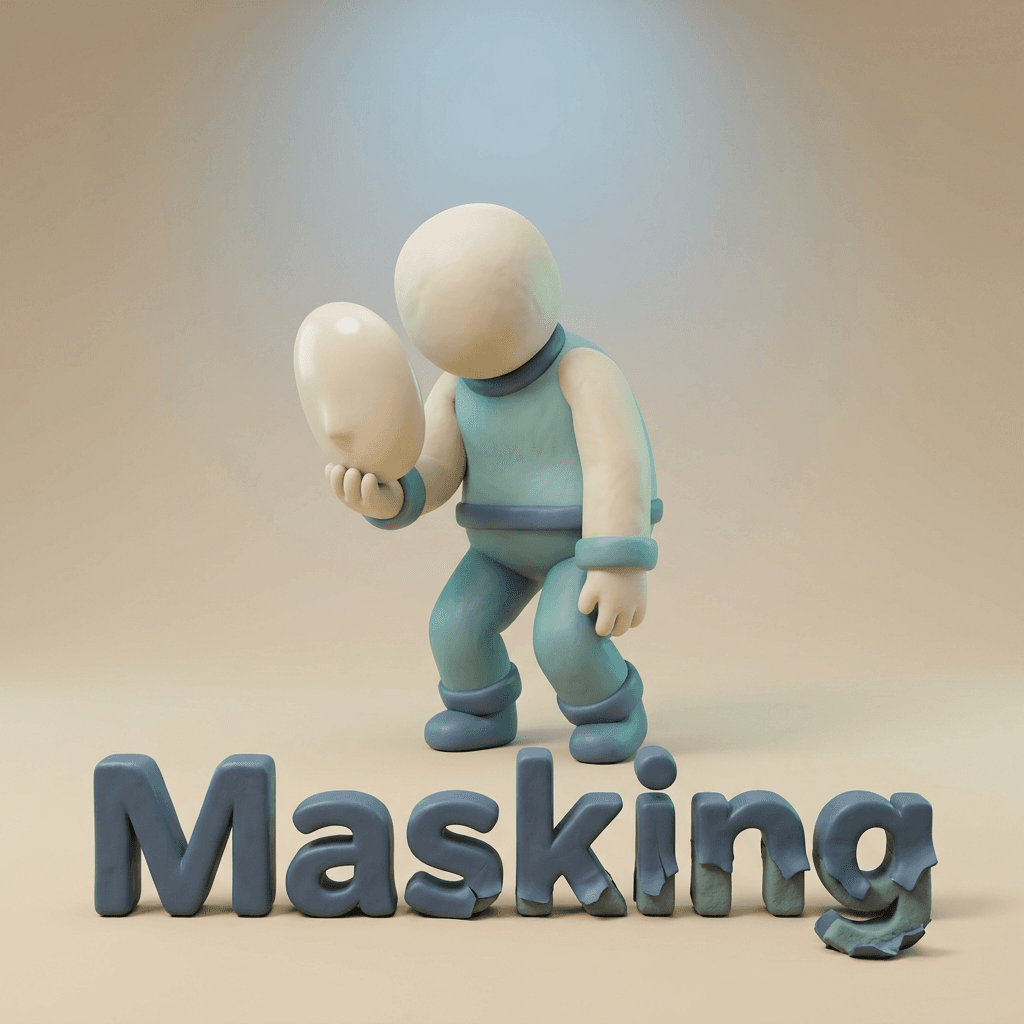
- Masking — copying the social behaviour of classmates to fit in, then becoming exhausted or having meltdowns at home.
- Social difficulties at school — struggling to maintain friendships, misreading social cues, or being drawn to younger children or adults rather than same-age peers.
- Meltdowns vs tantrums — a meltdown is an overwhelming response to sensory or emotional overload, not a bid for attention. It looks different from a tantrum: the child is not in control and cannot be bargained with or distracted.
- Difficulty with unstructured time — break times and lunch can be harder than lessons because the social rules are unwritten and unpredictable.
- Literal understanding — taking things at face value, struggling with sarcasm, idioms, or implied meaning.
- Anxiety — many autistic children develop anxiety, often linked to the effort of navigating a world that was not designed for their brain.
When Should You Seek an Assessment?
If you are reading this page, you probably already have a gut feeling that something is different about your child. Trust that instinct. You do not need to wait for a “severe” presentation before seeking help.
Consider speaking to a professional if your child shows several of the patterns described above, particularly if these differences are affecting their daily life, learning, friendships, or emotional wellbeing. If you have concerns about whether your child's challenges relate to intelligence, see our evidence-based guide on autism and intelligence.
Who to talk to
- Your GP — can make a referral to a specialist assessment team.
- Health visitor — for children under 5, your health visitor can support you through the referral process.
- School SENCO — the Special Educational Needs Coordinator at your child's school can share observations and help coordinate support.
NHS assessment waiting times vary by area, often 1–3 years. While waiting, you can still access support, apply for an EHCP, and learn strategies that help your child at home and school.
What You Can Do Right Now
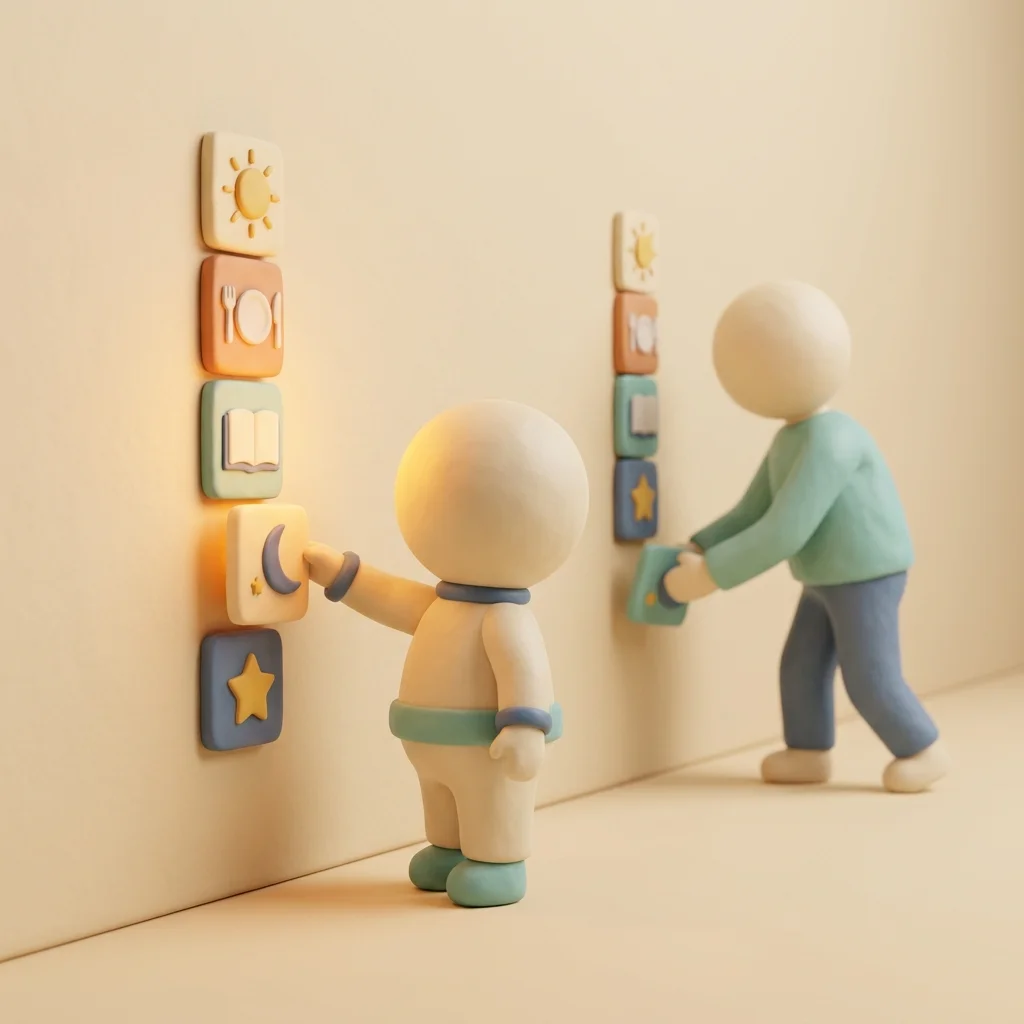
If you are noticing some of these signs in your child, here are practical steps you can take today:
- Speak to your GP or health visitor. Describe the specific behaviours you have noticed and ask for a referral to your local child development service.
- Keep a diary of what you observe. Note when behaviours happen, what triggers them, and how your child responds. This record will be invaluable for any future assessment.
- Talk to your child's school SENCO. They can share observations from the classroom and begin putting support in place while you wait for a formal assessment.
AskSheldon also offers free tools to help you understand what you are seeing:
Frequently Asked Questions
What are the first signs of autism in a child?+
The earliest signs often appear between 12 and 18 months. These include limited eye contact, not responding to their name, delayed or absent pointing and gesturing, reduced babbling, and a lack of interest in other children. Some children also show repetitive movements such as hand flapping or lining up toys.
At what age can autism be diagnosed?+
Autism can be reliably diagnosed from around age 2, though many children are not diagnosed until later. Some GPs and paediatricians will make referrals from 18 months if there are clear concerns. Earlier identification allows families to access support sooner, which can make a real difference to a child’s development.
Can a child be autistic and still make eye contact?+
Yes. Many autistic children do make eye contact, especially with familiar people like parents. Eye contact differences vary widely across the autism spectrum. Some children learn to make eye contact because they have been taught to, even though it may feel uncomfortable. Reduced eye contact is one possible sign, not a requirement for diagnosis.
What is the difference between autism and a speech delay?+
A speech delay means a child is slower to develop spoken language but typically communicates through gestures, facial expressions, and social engagement. Autism involves broader differences in social communication, interaction, and behaviour patterns. A child with autism may have delayed speech, but they will also show differences in how they relate to others, respond to sensory input, or engage in play. Some autistic children develop speech on a typical timeline.
How do I get my child assessed for autism in the UK?+
Start by speaking to your GP or health visitor about your concerns. They can refer your child to a specialist team, usually a community paediatrician or child development centre. You can also ask your child’s nursery or school SENCO to share their observations. NHS waiting times vary by area, so it is worth asking about the expected timeline. While waiting, you can use free screening tools like AskSheldon to better understand the signs you are seeing.
This page is for informational purposes only and does not replace professional medical advice. If you have concerns about your child's development, please consult a qualified healthcare professional. AskSheldon provides screening and educational support, not formal diagnoses.
Last updated: March 2026
Start your journey with AskSheldon
Free tools to explore, screen, and understand your neurodivergent mind.
Built by neurodivergent minds. 30+ conditions explored. Always free.