Metabolic Conditions | AskSheldon
Metabolic Conditions

What is Metabolic Conditions?

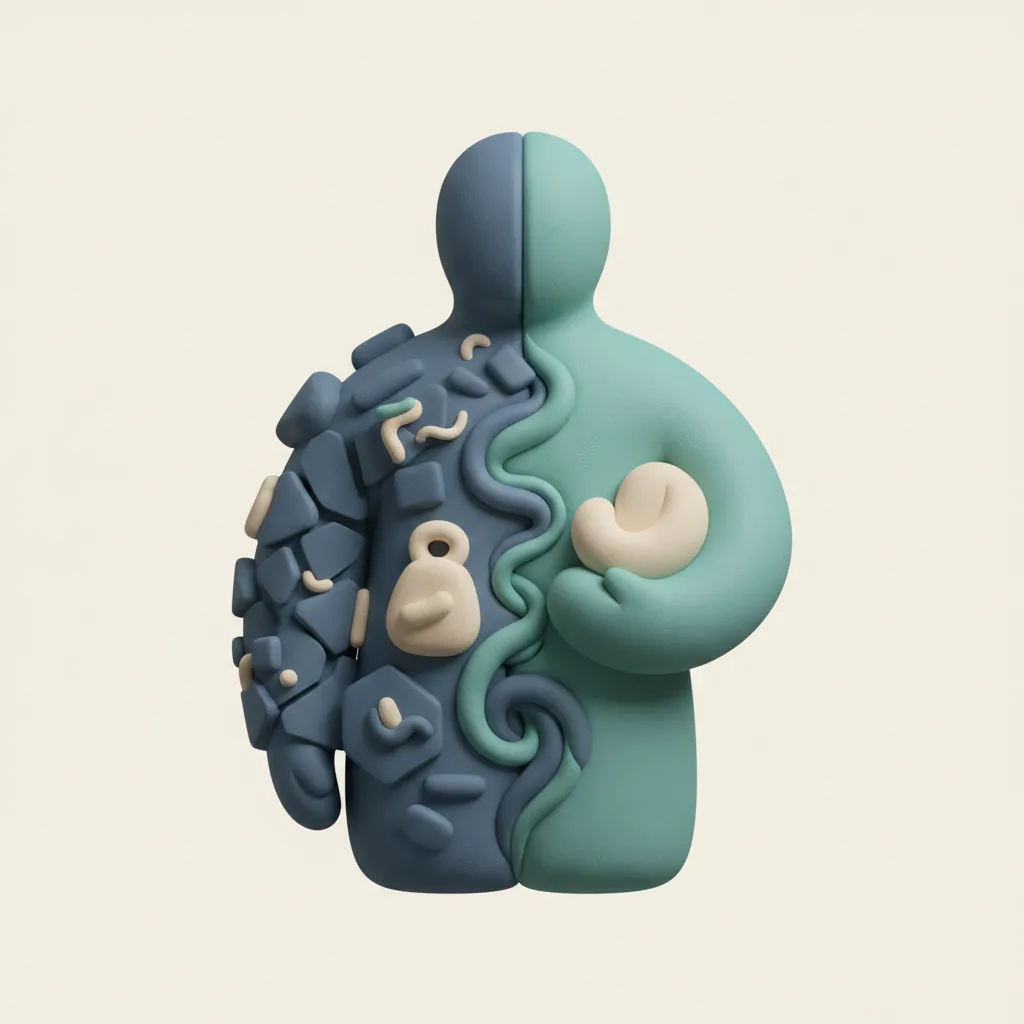
Metabolic syndrome is a cluster of interconnected conditions - insulin resistance, high blood pressure, abnormal cholesterol, and abdominal fat storage - where the body's energy-processing system is fundamentally miscalibrated. Approximately 31% of the population meets criteria, with rates significantly higher among people taking psychotropic medications that directly rewire hunger signaling and fat storage pathways.

1 in 3people affected
31%prevalence
Normal IQ range

How does Metabolic Conditions present?

  • Weight gain concentrated around the abdomen despite diet efforts
  • Complex medication regimens with visible metabolic side effects
  • Metabolic changes despite stable eating habits
  • Social stigma about body size despite medical causes
  • Visible fatigue and reduced stamina during daily activities

Types of Metabolic Conditions

  • Medication-Induced Metabolic Syndrome(~35%)
  • Insulin-Dominant Type(~40%)
  • Hypertensive-Dominant Type(~25%)

Common questions about Metabolic Conditions

Why do some psychiatric medications cause metabolic changes?

Many psychotropics block histamine H1 and serotonin 5-HT2C receptors in the hypothalamus, disrupting appetite regulation and fat storage. Second-generation antipsychotics also impair mitochondrial function in fat cells.

Can metabolic syndrome affect neurodivergent traits?

Emerging research shows insulin resistance alters dopamine signaling, potentially exacerbating ADHD symptoms. Chronic inflammation from metabolic syndrome may also intensify sensory processing differences.

Content reviewed against DSM-5 criteria and current clinical literature. This page is for educational purposes and does not constitute medical advice. Consult a qualified healthcare professional for diagnosis or treatment.

Metabolic Conditions

Metabolic Conditions

Could this be me?

Metabolic ConditionsAudio Coming Soon

We're crafting an audio guide for this condition. Get notified when it drops.

What actually is it?

Metabolic syndrome is a cluster of interconnected conditions - insulin resistance, high blood pressure, abnormal cholesterol, and abdominal fat storage - where the body's energy-processing system is fundamentally miscalibrated. Approximately 31% of the population meets criteria, with rates significantly higher among people taking psychotropic medications that directly rewire hunger signaling and fat storage pathways. Genetic factors account for 50-60% of risk, and the condition also impairs dopamine signaling and brain function - making this a whole-body systems issue, not a willpower failure.

It's a difference in how the brain is wired, not a character flaw.

Quick Guess

How many people out of 3 do you think have this?

Tap the icons to make your estimate.

Up to 24% of normal-weight adults meet criteria for metabolic syndrome based on blood pressure, triglycerides, and fasting glucose -- proving this condition is not defined by body size alone.

Wildman et al., Archives of Internal Medicine (2008)
Tap to Start Myth Busting

How it looks vs. How it feels

The lived experience behind the observed behavior

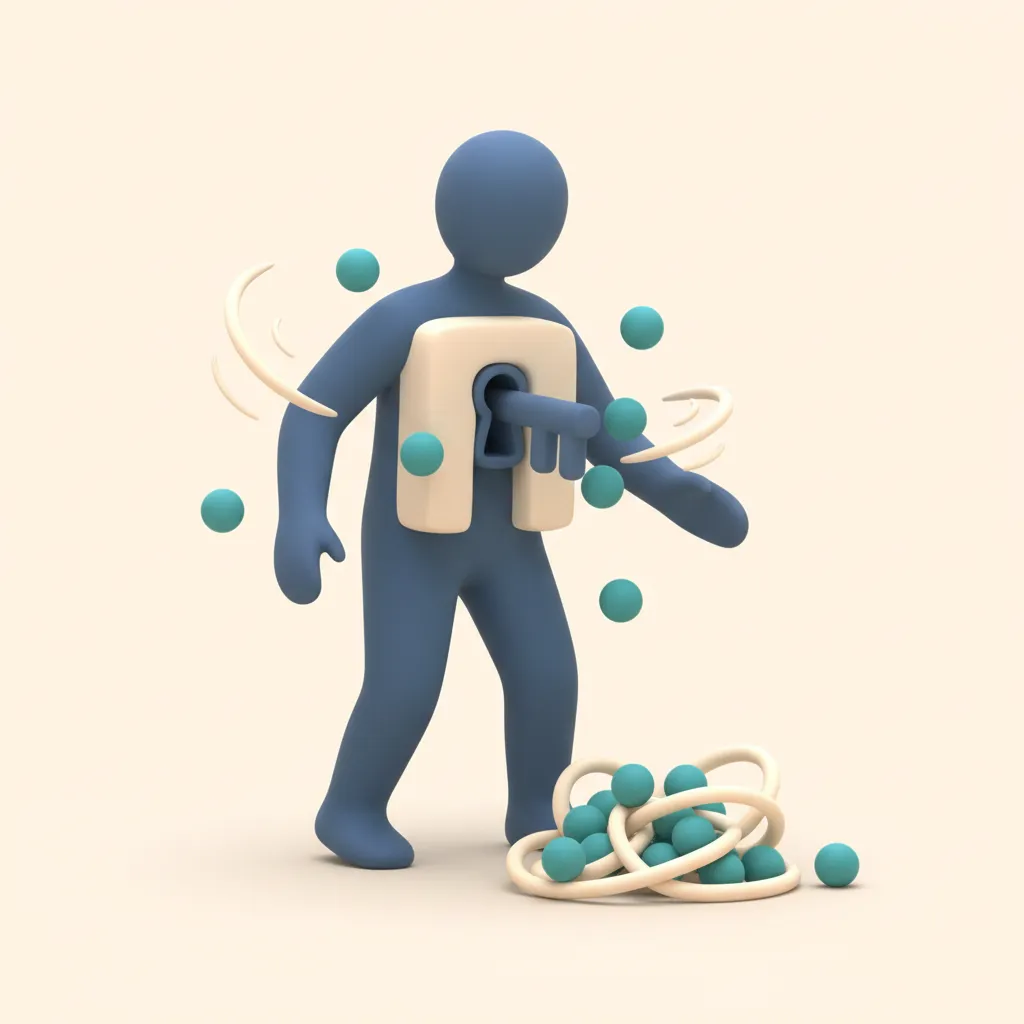
Weight gain concentrated around the abdomen despite diet efforts — The Resistant Body

Tap to see inside

What others see

Weight gain concentrated around the abdomen despite diet efforts

The Resistant Body
Tap to flip back

On the inside

The Resistant Body

Diet and exercise that work for others don't work for me. My metabolism plays by different rules that nobody sees. I'm not failing at the plan - the plan wasn't built for my biology.

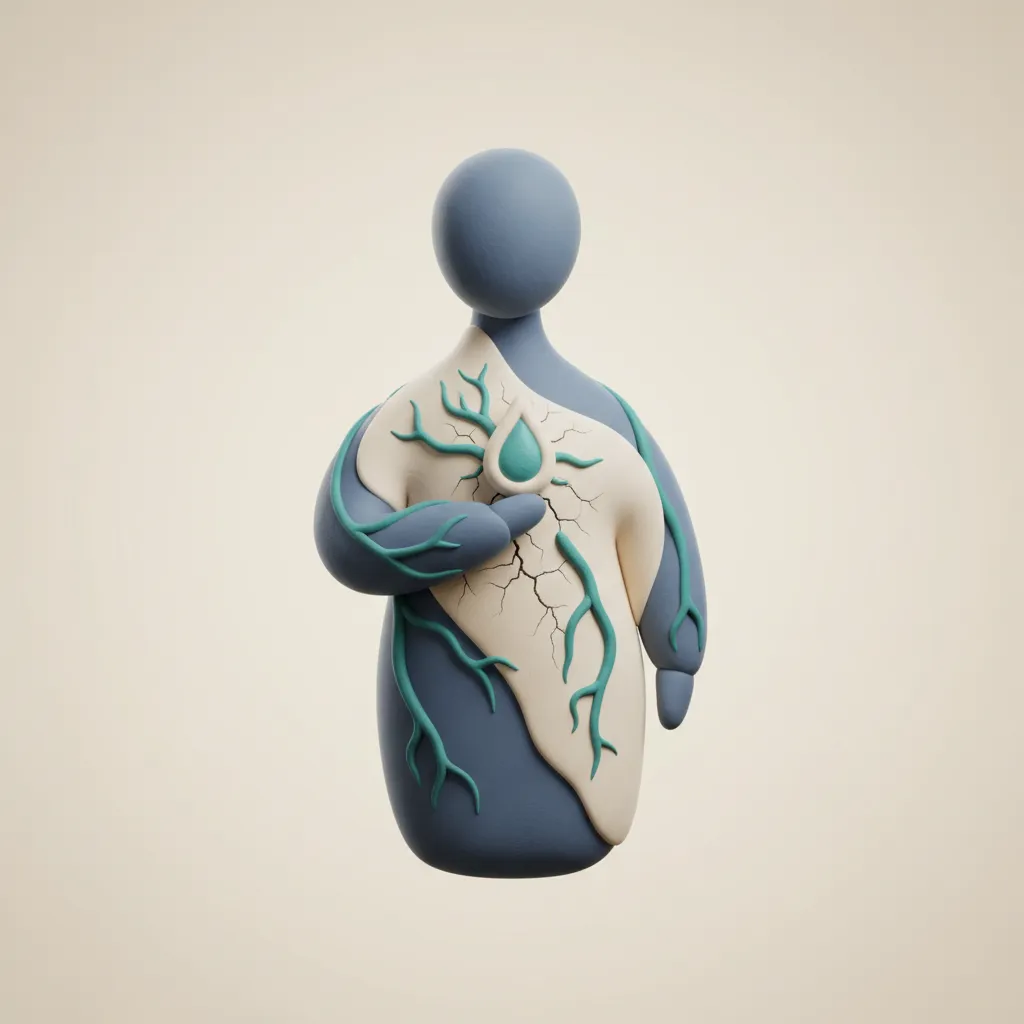
Complex medication regimens with visible metabolic side effects — The Medication Trade-off
Tap to see inside

What others see

Complex medication regimens with visible metabolic side effects

The Medication Trade-off
Tap to flip back

On the inside

The Medication Trade-off

The pills that stabilize my mind destabilize my body. I didn't choose this exchange - but I'm paying for it visibly. Every day is a calculation between mental health and metabolic health.

Metabolic changes despite stable eating habits — The Blood Sugar Fog

Tap to see inside

What others see

Metabolic changes despite stable eating habits

The Blood Sugar Fog
Tap to flip back

On the inside

The Blood Sugar Fog

When glucose spikes or crashes, my thinking blurs. Clear thought has a metabolic cost that's invisible to my doctor. The brain fog isn't laziness - it's dysglycemia stealing my cognitive resources.

Social stigma about body size despite medical causes — The Shame Spiral

Tap to see inside

What others see

Social stigma about body size despite medical causes

The Shame Spiral
Tap to flip back

On the inside

The Shame Spiral

When numbers don't improve despite effort, guilt floods in - even though I know the biology explains what willpower can't. People see my body and assume laziness. They don't see the medication, the genetics, the condition underneath.

Visible fatigue and reduced stamina during daily activities — The Long Game

Tap to see inside

What others see

Visible fatigue and reduced stamina during daily activities

The Long Game
Tap to flip back

On the inside

The Long Game

I'm learning to measure success by inflammation markers and energy, not just the scale. But the exhaustion is real and constant. My body is fighting a metabolic war on multiple fronts simultaneously.

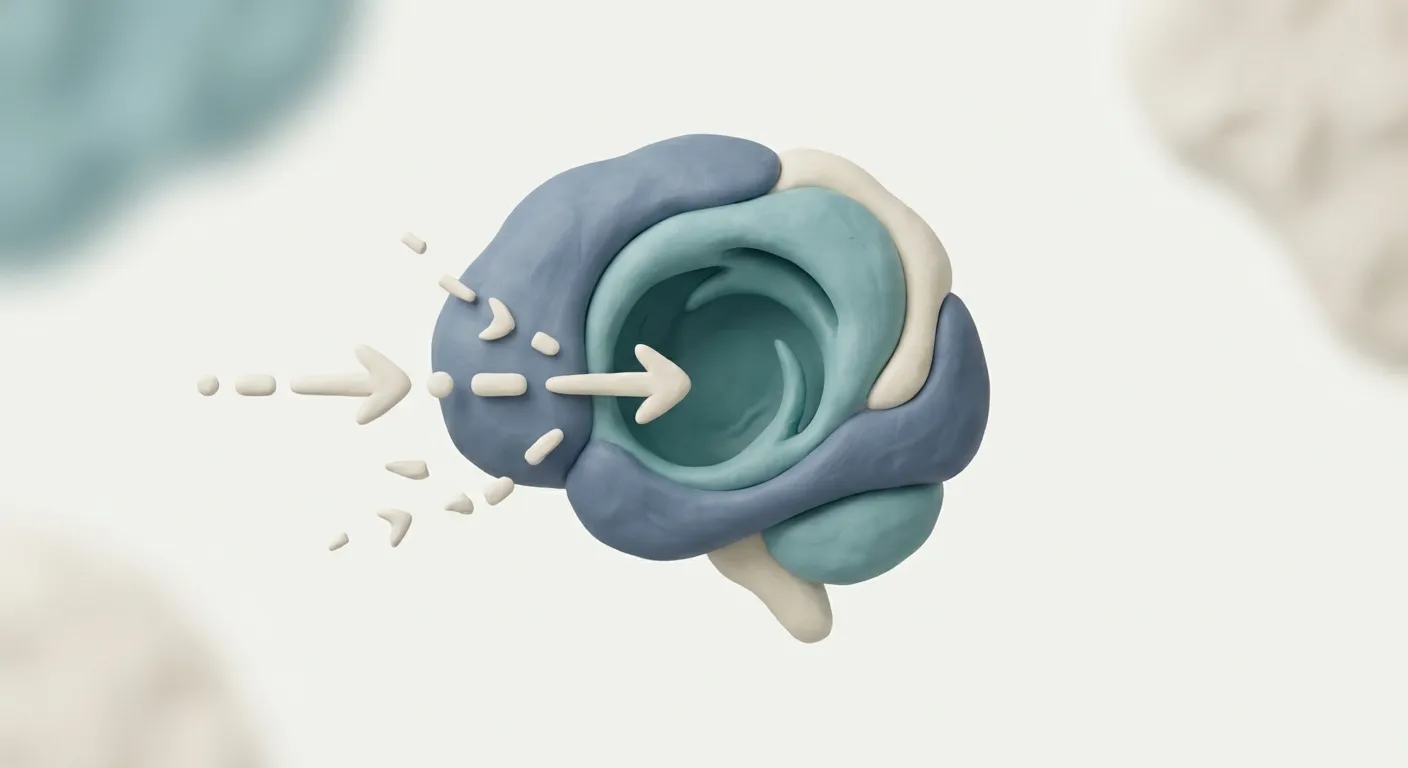
Eating full meals but still feeling unsatisfied hunger — The Hunger Hijack
Tap to see inside

What others see

Eating full meals but still feeling unsatisfied hunger

The Hunger Hijack
Tap to flip back

On the inside

The Hunger Hijack

I just ate a full meal and my stomach is full, but my brain screams for more. Leptin resistance means the satiety signal never arrives. People see me eating again and judge willpower—they can't see that my hypothalamus is broadcasting famine while my body stores surplus.

Insulin resistance reduces dopamine transporter availability by up to 30% in the striatum, directly impairing motivation, working memory, and executive function -- linking metabolic health to cognitive performance.

Dunn et al., Diabetes Care (2012)
Tap to Start Myth Busting

Types of Metabolic Conditions

Metabolic syndrome manifests through different primary mechanisms depending on individual biology and medication history.

Medication-Induced Metabolic Syndrome: Primarily driven by psychotropic medications affecting hunger signals and fat storage, often with rapid onset post-medication initiation. The hypothalamic AMPK pathway is disrupted, creating starvation signals even when full.
Type 1~35%

Medication-Induced Metabolic Syndrome

Primarily driven by psychotropic medications affecting hunger signals and fat storage, often with rapid onset post-medication initiation. The hypothalamic is disrupted, creating starvation signals even when full.

Rapid Onset
Medication-Linked
AMPK Disruption
Hunger Signal Override
Insulin-Dominant Type: Characterized by severe insulin resistance and prediabetes, with relatively lower blood pressure impacts. Cells stop responding to insulin's signal to absorb blood sugar, creating a cascade of metabolic disruption.
Type 2~40%

Insulin-Dominant Type

Characterized by severe and prediabetes, with relatively lower blood pressure impacts. Cells stop responding to insulin's signal to absorb blood sugar, creating a cascade of metabolic disruption.

Insulin Resistance
Blood Sugar Spikes
Energy Crashes
Prediabetic Markers
Hypertensive-Dominant Type: Features significant blood pressure elevation alongside moderate metabolic changes. Vascular inflammation and endothelial dysfunction are the primary drivers, affecting organ function before weight changes become visible.
Type 3~25%

Hypertensive-Dominant Type

Features significant blood pressure elevation alongside moderate metabolic changes. Vascular inflammation and endothelial dysfunction are the primary drivers, affecting organ function before weight changes become visible.

Elevated BP
Vascular Inflammation
Moderate Weight Changes
Organ Stress

Epigenetic modifications from metabolic syndrome persist even after significant weight loss, with mitochondrial dysfunction and inflammatory markers remaining elevated for years post-intervention.

Feinberg et al., Science Translational Medicine (2010)
Tap to Start Myth Busting

The Science of OBESITY-METABOLIC-SYNDROME

The Rewired Metabolism

Understanding the neurobiology of metabolic syndrome

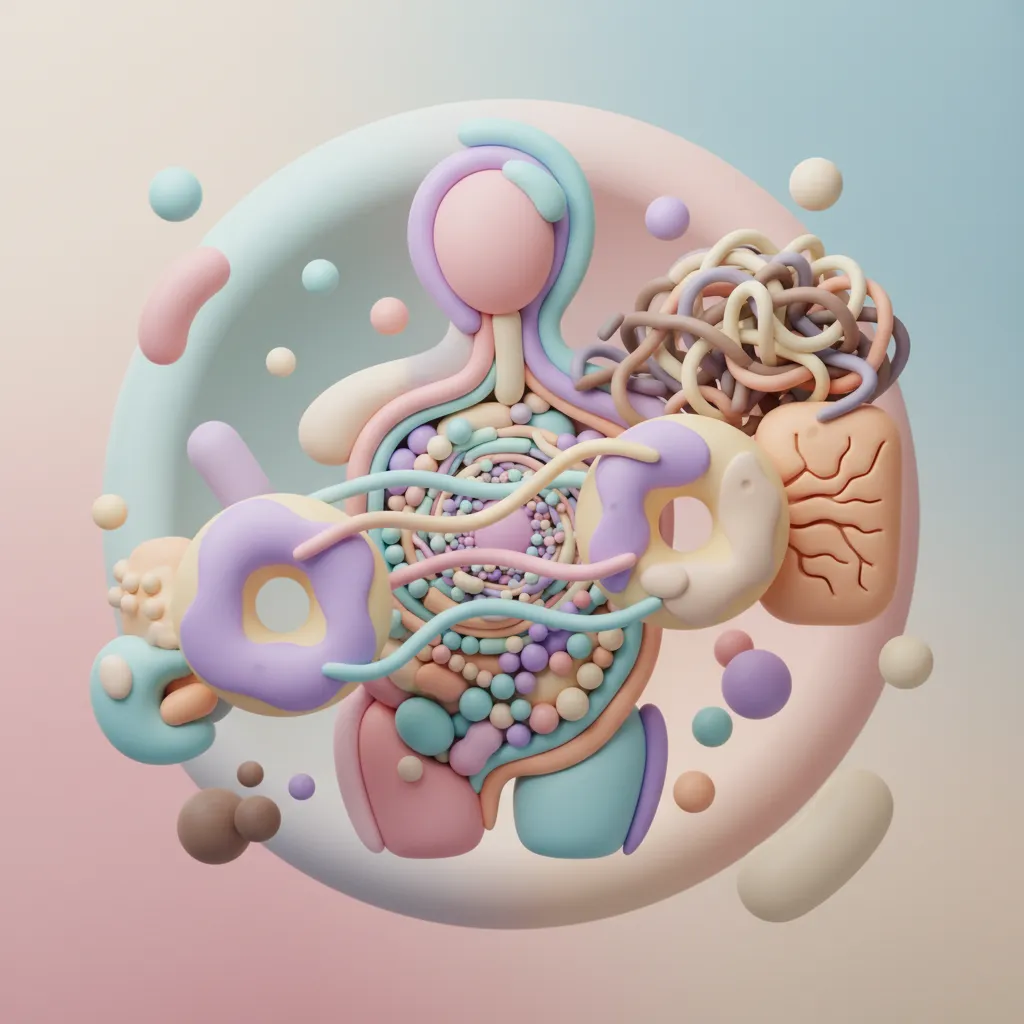
Insulin Resistance Cascade: Insulin resistance is the central mechanism: cells stop responding to insulin's signal to absorb blood sugar. The pancreas compensates by producing more insulin, which promotes fat storage and inflammation. This cascade disrupts dopamine clearance, directly impacting mood and motivation.
Metabolism

Insulin Resistance Cascade

Insulin resistance is the central mechanism: cells stop responding to insulin's signal to absorb blood sugar. The pancreas compensates by producing more insulin, which promotes fat storage and inflammation. This cascade disrupts dopamine clearance, directly impacting mood and motivation.

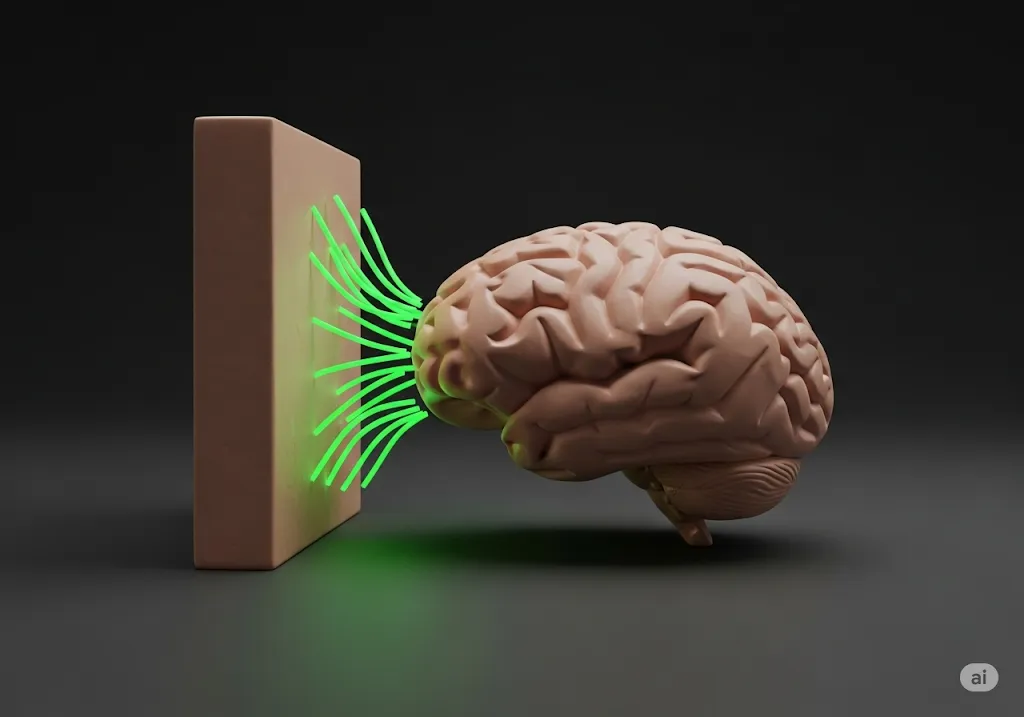
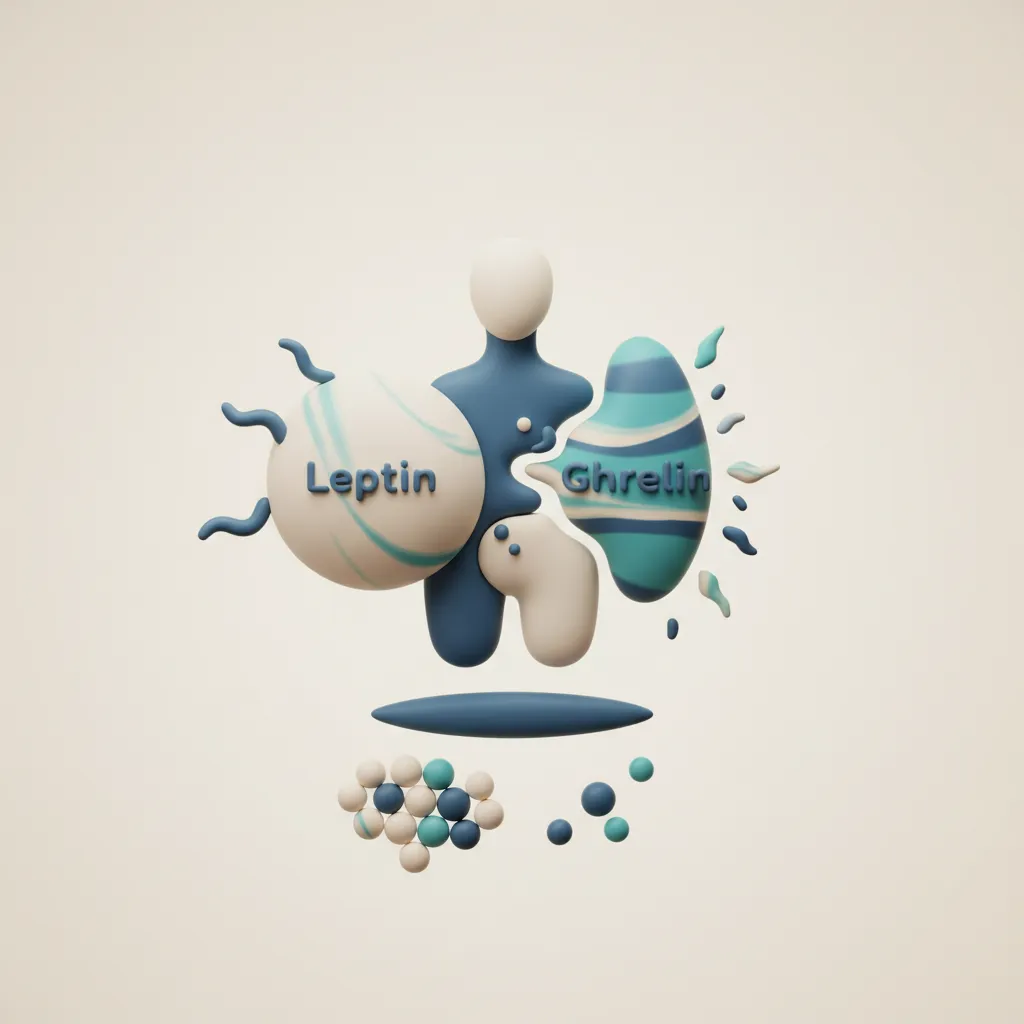
Hypothalamic Hunger Hijack: Psychotropic medications can increase hypothalamic AMPK activity by 300%, triggering starvation signals even when full. The leptin-ghrelin balance is disrupted, making the brain genuinely believe the body is starving regardless of caloric intake.
Appetite Circuits

Hypothalamic Hunger Hijack

Psychotropic medications can increase hypothalamic AMPK activity by 300%, triggering starvation signals even when full. The leptin-ghrelin balance is disrupted, making the brain genuinely believe the body is starving regardless of caloric intake.

The Inflammation Feedback Loop: Visceral fat actively secretes inflammatory cytokines (IL-6, TNF-alpha) that worsen insulin resistance and cross the blood-brain barrier, creating neuroinflammation. This inflammation impairs hippocampal neurogenesis, connecting metabolic health directly to cognitive function.
Immune System

The Inflammation Feedback Loop

Visceral fat actively secretes inflammatory cytokines (IL-6, TNF-alpha) that worsen insulin resistance and cross the blood-brain barrier, creating neuroinflammation. This inflammation impairs hippocampal neurogenesis, connecting metabolic health directly to cognitive function.

The Broken Thermostat: Imagine a thermostat that's been reprogrammed to think 'comfortable' is 10 degrees higher than it should be. The heating system works perfectly - it just targets the wrong temperature. Metabolic syndrome is similar: your body's energy regulation system is calibrated incorrectly, storing energy when it should burn it and demanding fuel when reserves are full. Treatment recalibrates the thermostat rather than blaming the furnace.
The Mechanics

The Broken Thermostat

Imagine a thermostat that's been reprogrammed to think 'comfortable' is 10 degrees higher than it should be. The heating system works perfectly - it just targets the wrong temperature. Metabolic syndrome is similar: your body's energy regulation system is calibrated incorrectly, storing energy when it should burn it and demanding fuel when reserves are full. Treatment recalibrates the thermostat rather than blaming the furnace.

Metabolic syndrome is a systems-level calibration issue, not a personal failure. Understanding the biology of insulin resistance, hunger signaling, and medication effects empowers informed health decisions beyond simplistic 'eat less, move more' advice.

Daily Energy Reserve

The "Spoon Theory"
12 / 12
While a simulation can't capture the full weight of depression, it visualizes the intense "cost" of executive function.

Genome-wide association studies identify over 80 genetic loci influencing metabolic syndrome risk, with heritability estimates of 50-60%, demonstrating that genetics -- not lifestyle choices alone -- drive susceptibility.

Lind, Diabetologia (2013)
Tap to Start Myth Busting
Restricted Access

Scientific Deep Dive

Explore Myths to Unlock

Earn 5 Insight Points

Illustration for Deep Dive fact 1
1 / 5

Is it my willpower or my bugs?

Likely the bugs. Patients with specific gut bacteria (like A. muciniphila) handle insulin far better. Fecal transplants in mice improved metabolism, proving that your 'willpower' might actually be a microbiome issue.

Unlock Answer
Two Sides of the Coin

Two Sides of the Coin

Every neurological difference comes with trade-offs. The same trait that causes struggle in one context creates brilliance in another.

Medication Side Effects

Psychotropic medications can alter metabolism at a cellular level, creating changes independent of behavior.

Blood Sugar Fog

Glucose fluctuations directly impair cognitive performance, creating invisible barriers to daily functioning.

Systemic Stigma

Healthcare provider biases about weight reduce quality of care and delay proper metabolic diagnosis.

Metabolic syndrome prevalence in adolescents has tripled since 2000, affecting approximately 10% of US teens, with psychotropic medication use identified as an independent risk factor.

Johnson et al., Pediatrics (2020)
Tap to Start Myth Busting

Community Voices

Real experiences

My body is a storage expert in a world of abundance. It's doing exactly what it was evolved to do.

Isaac W.
22

The stigma is heavier than the weight. The world treats my metabolism like a character flaw.

Lena M.
39

Health is a spectrum, and I'm focusing on the metrics that actually matter for my quality of life.

Ravi P.
16

Think you might have Metabolic Conditions?

Take our clinical-grade screening assessment. It takes less than 5 minutes and gives you instant insights.

Rewiring for Success

Stop trying to fix yourself. Start building a support system that works with your brain, not against it.

Therapy

  • CBT
    Addressing emotional eating patterns and medication adherence challenges.
  • Motivational Interviewing
    Supporting sustainable lifestyle changes without shame-based approaches.
  • Group Therapy
    Shared experiences managing medication metabolic effects.

Medication

  • Metformin
    Improves insulin sensitivity (500-2000mg/day), common GI side effects.
  • GLP-1 Agonists
    Regulate appetite and blood sugar, weekly injections.
  • Statins
    Manage cholesterol levels, monitor for muscle pain.

Lifestyle

  • Time-Restricted Eating
    12-hour windows to improve metabolic flexibility.
  • Non-Scale Victories Focus
    Improved lab values over weight metrics.
  • Low-Impact Exercise
    Accommodating joint stress while improving insulin sensitivity.

Environment

  • Continuous Glucose Monitors
    Real-time metabolic feedback for informed decisions.
  • Standing Desk Setups
    Combat sedentary medication effects.
  • Meal Prep Systems
    Accommodating executive functioning limits.
FAQ

Frequently Asked Questions

Glossary of Terms

Insulin Resistance

Condition where cells don't respond properly to insulin's signal to absorb blood sugar, leading to high blood glucose.

Visceral Fat

Fat stored deep in the abdomen around organs, metabolically active in producing inflammatory chemicals.

AMPK Pathway

Cellular energy sensor activated by some medications, influencing hunger signals and fat storage.

Adipokines

Hormones secreted by fat cells that regulate appetite, inflammation, and insulin sensitivity.

Neuroinflammation

Brain inflammation linked to metabolic syndrome, potentially exacerbating neurological symptoms.

Co-occurring Conditions

Neurodivergent conditions often travel together. Understanding co-occurrence helps build a complete picture.

Click any condition to learn more. Co-occurrence percentages are from peer-reviewed research.

Scientific References

  1. Correll, C.U., et al. (2015). Prevalence, incidence, and mortality from cardiovascular disease in patients with pooled and specific severe mental illness. World Psychiatry.
  2. Pillinger, T., et al. (2020). Comparative effects of 18 antipsychotics on metabolic function. Lancet Psychiatry.
  3. Diabetes Prevention Program Research Group. (2002). Reduction in the incidence of type 2 diabetes. NEJM.
  4. Hotamisligil, G.S. (2006). Inflammation and metabolic disorders. Nature.
  5. Moulton, C.D., et al. (2015). The link between depression and diabetes. Diabetologia.

Your metabolic efficiency was born to survive scarcity. Now you can teach it to thrive in abundance.