Imposter Syndrome
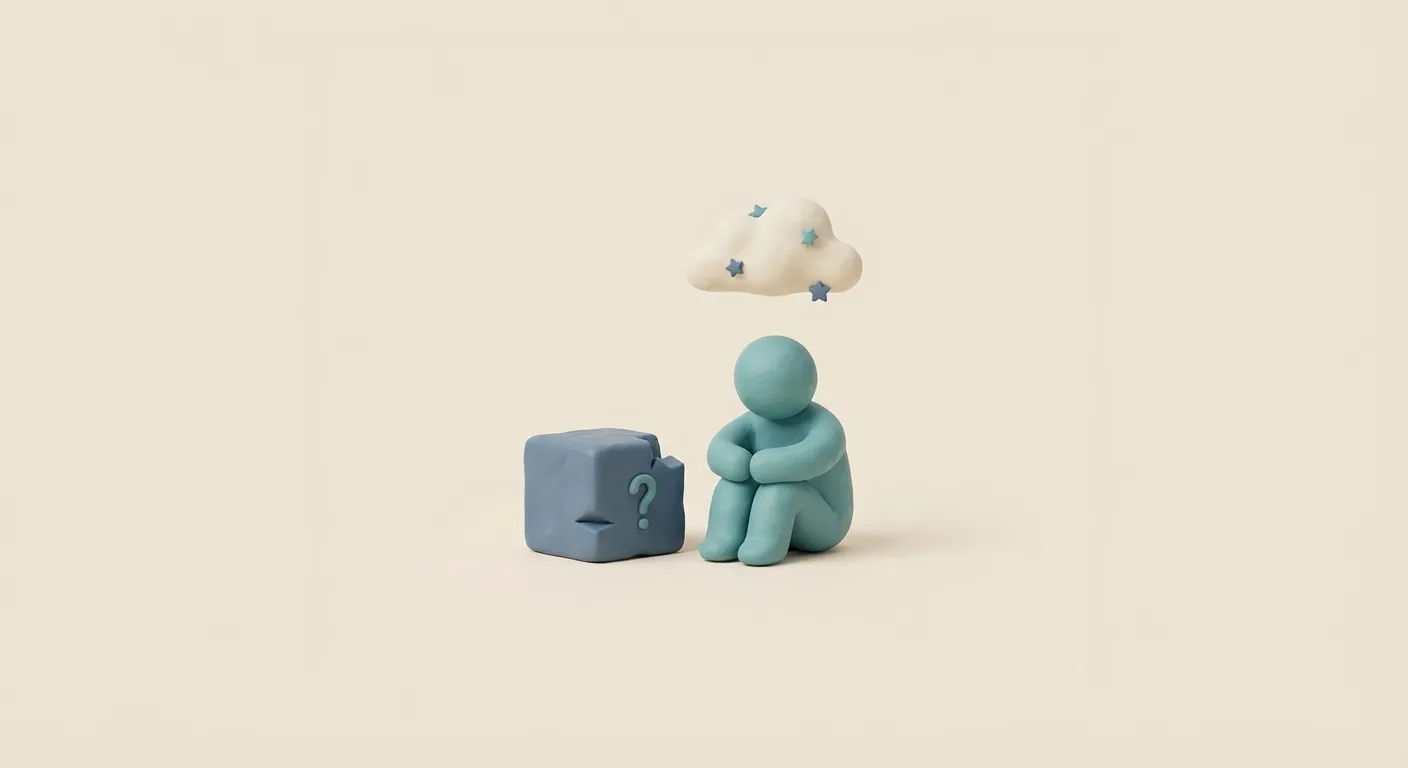
Not modesty and not fraud, but a mind discounting its own evidence of competence. The feeling is persuasive without being true.
What actually is it?
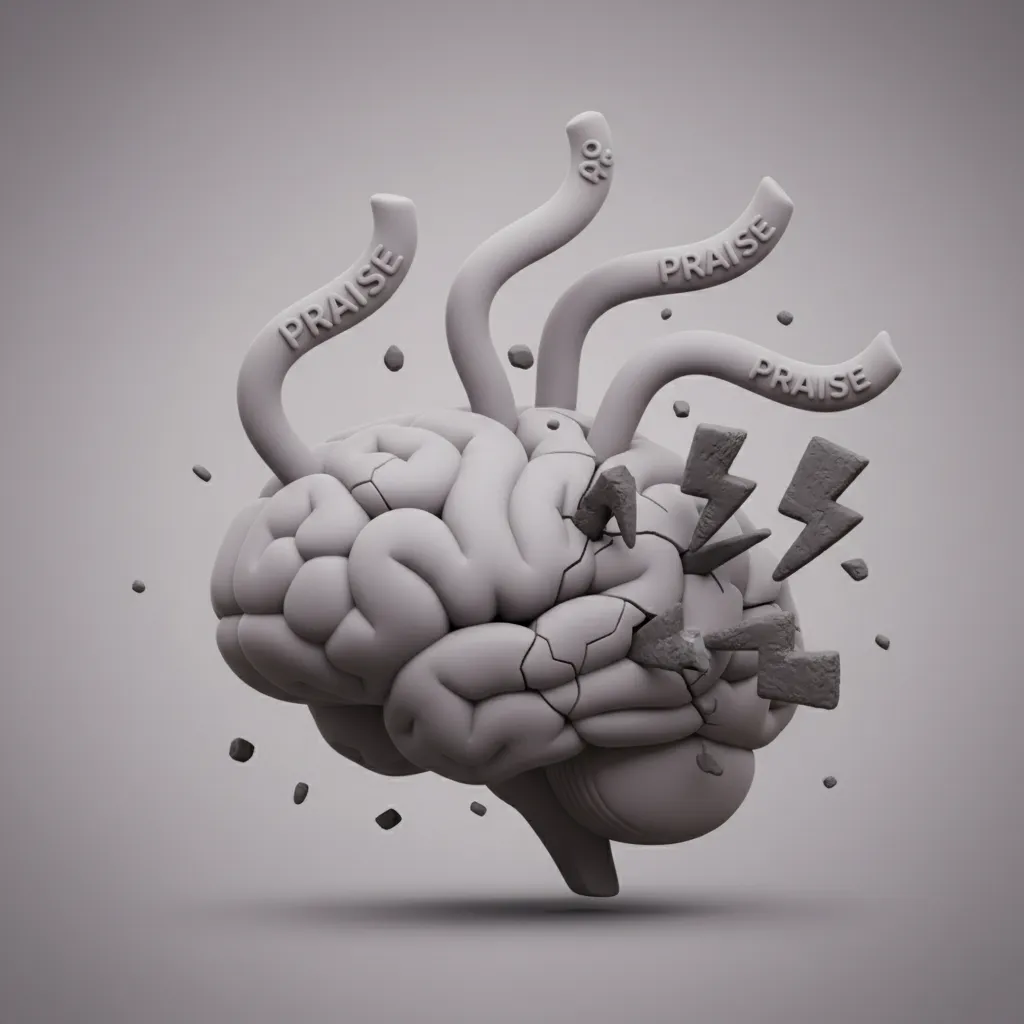
Imposter syndrome is a persistent pattern of self-doubt where the brain's self-assessment system attributes every success to luck while treating every failure as proof of who you really are -- a specific cognitive distortion, not low confidence. Neuroimaging reveals that self-reflection in affected individuals activates the insula (the brain's pain center) with unusual intensity, making praise feel physically threatening.
Affecting approximately 70% of people at some point, it paradoxically intensifies with success rather than fading, because each achievement raises the stakes for the next potential 'exposure.'
You may meet about 80,000 people in your life.
You may know about ... of them.
Of the people around you, how many might have imposter syndrome?
Pick the closest guess.
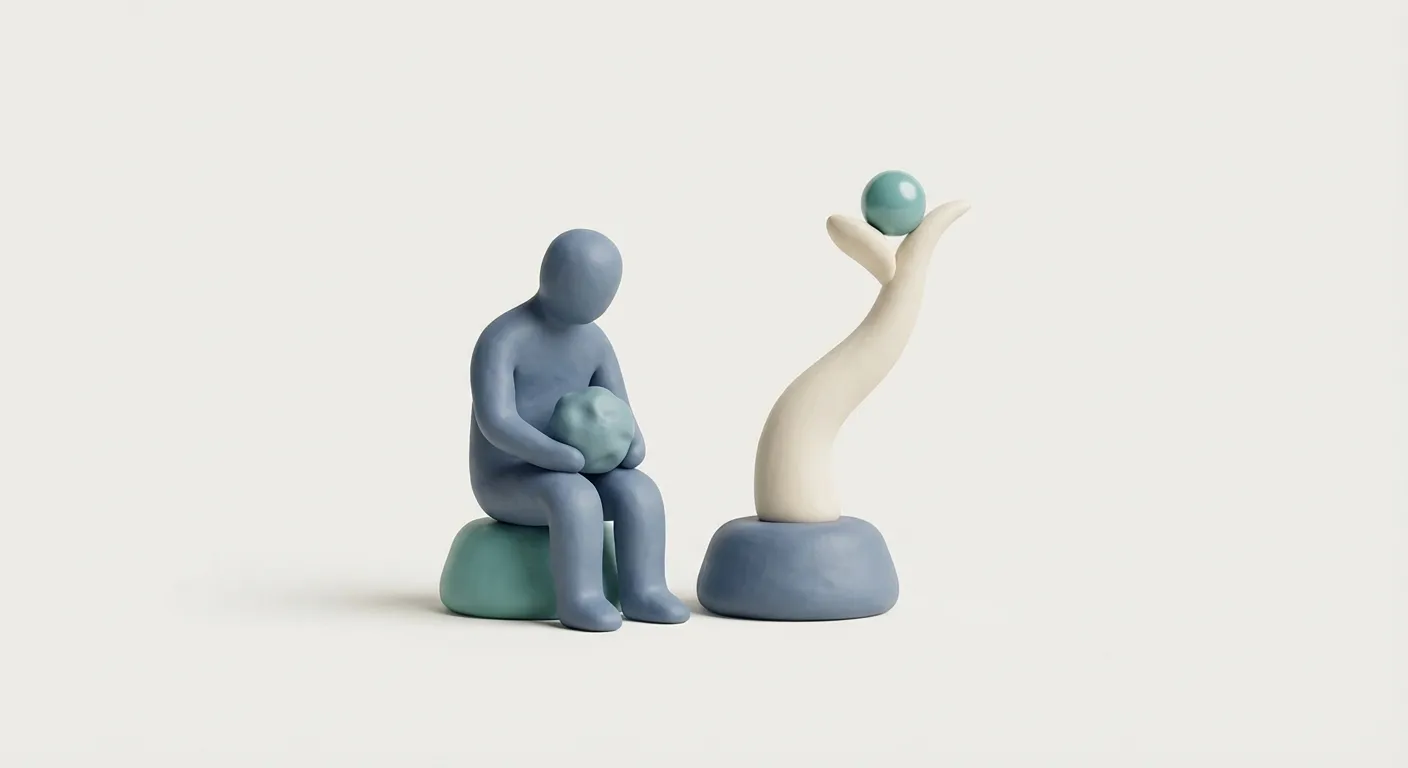
It's a difference in how the brain is wired, not a character flaw.
fMRI studies show individuals with high impostor scores demonstrate equal or higher competence-related brain activation than non-impostor peers, confirming the syndrome targets capable people.
— Journal of General Internal MedicineHow it looks vs. How it feels
The lived experience behind the observed behavior
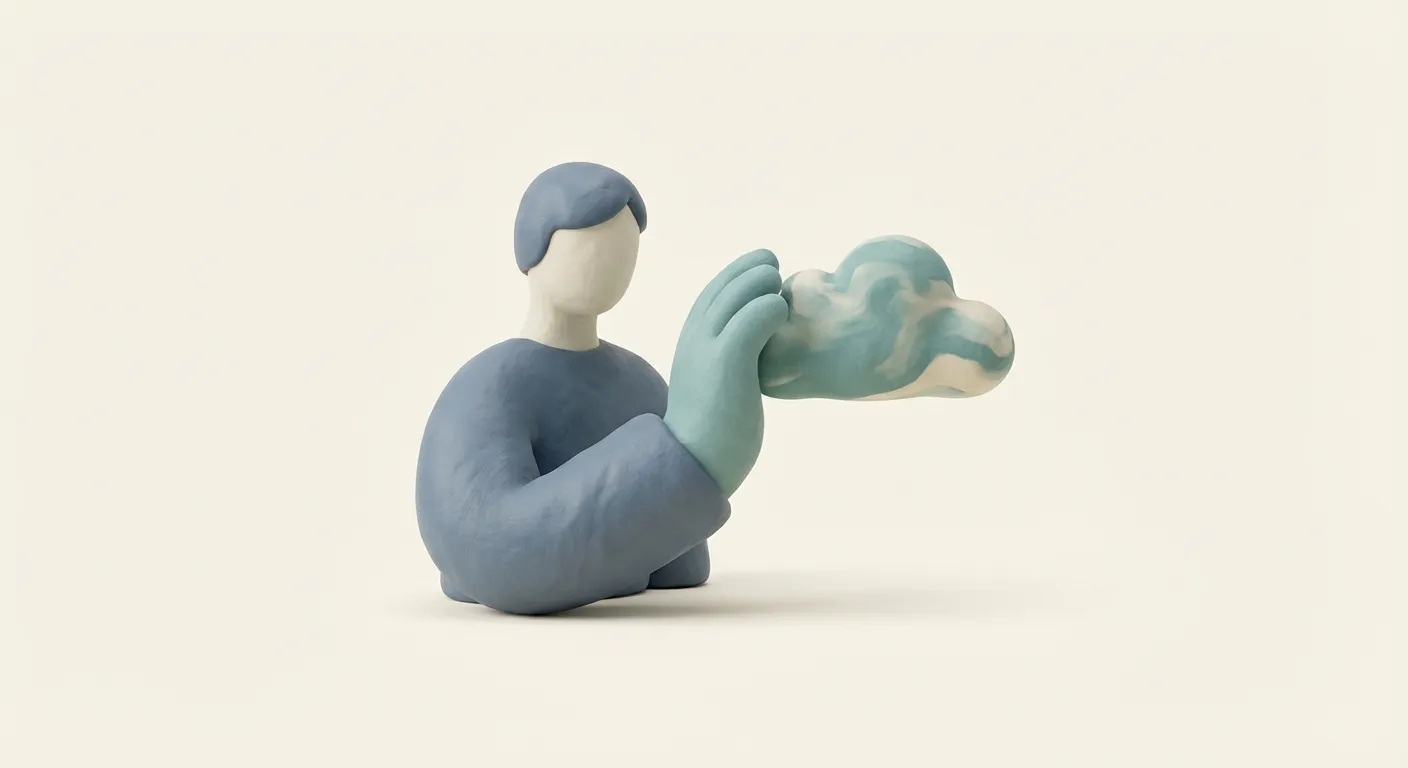
What others see
Crediting luck or timing for personal achievements

On the inside
The Attribution Flip
I just succeeded, and my brain immediately files it under 'lucky break.' If I'd failed, it would be filed under 'proof.' Every win gets reclassified as coincidence while every stumble becomes evidence of who I really am.

What others see
Over-preparing and over-researching before any task

On the inside
The Armor Ritual
I prepare three times more than necessary because being caught off-guard would confirm what I secretly believe about myself. The scrolls, the books, the extra certifications—they're not ambition. They're armor.

What others see
Avoiding visibility or deflecting praise

On the inside
The Cracked Shell
I've built this protective dome around myself, but it's cracking. Every compliment, every spotlight moment—it feels like another fracture. If they look too closely, they'll see through to the person I'm terrified they'll find.

What others see
Attributing promotions to timing, not talent

On the inside
The Luck Credit
I got the promotion and the first thought wasn't pride—it was 'right place, right time.' I hold up this four-leaf clover of external circumstances as the real explanation, because accepting I earned it would mean I'll have to keep earning it.
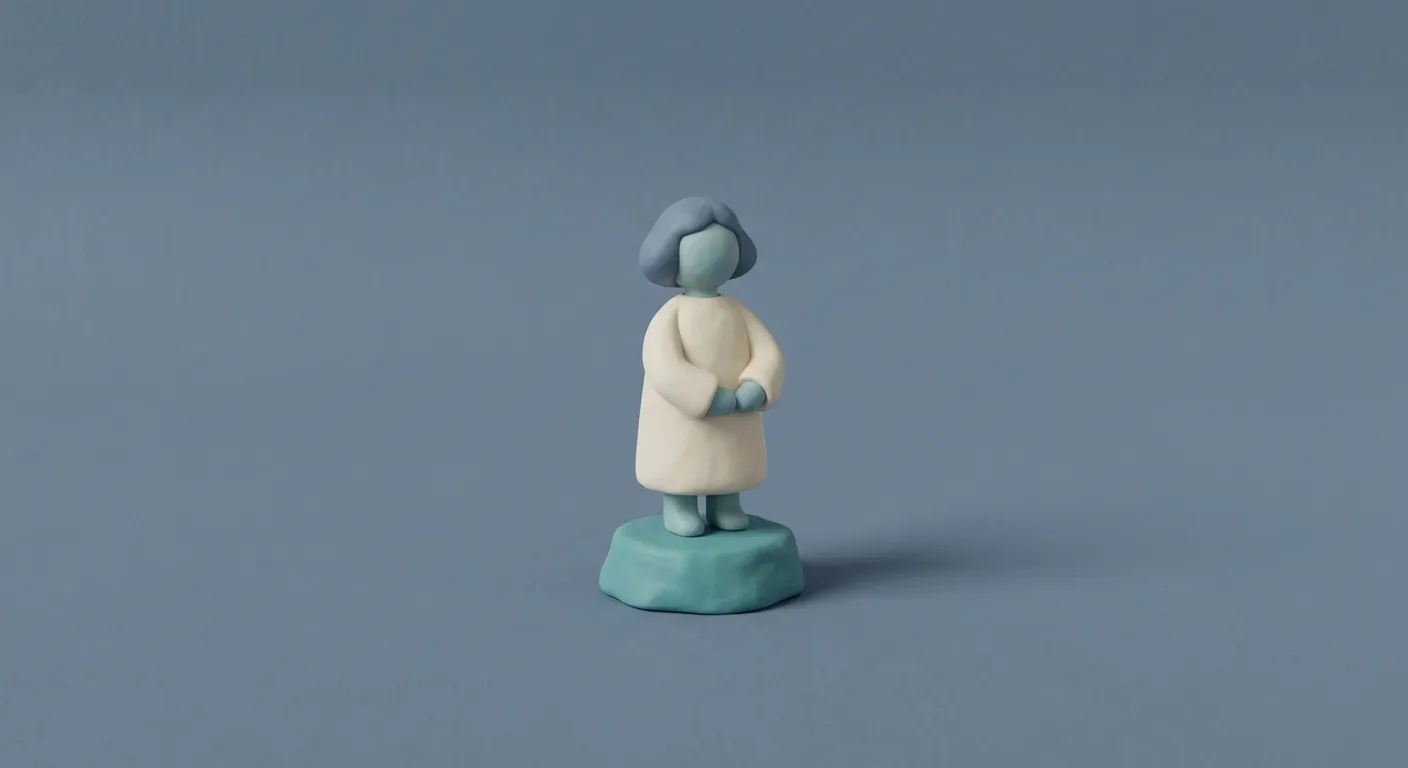
What others see
Declining leadership roles despite clear qualifications
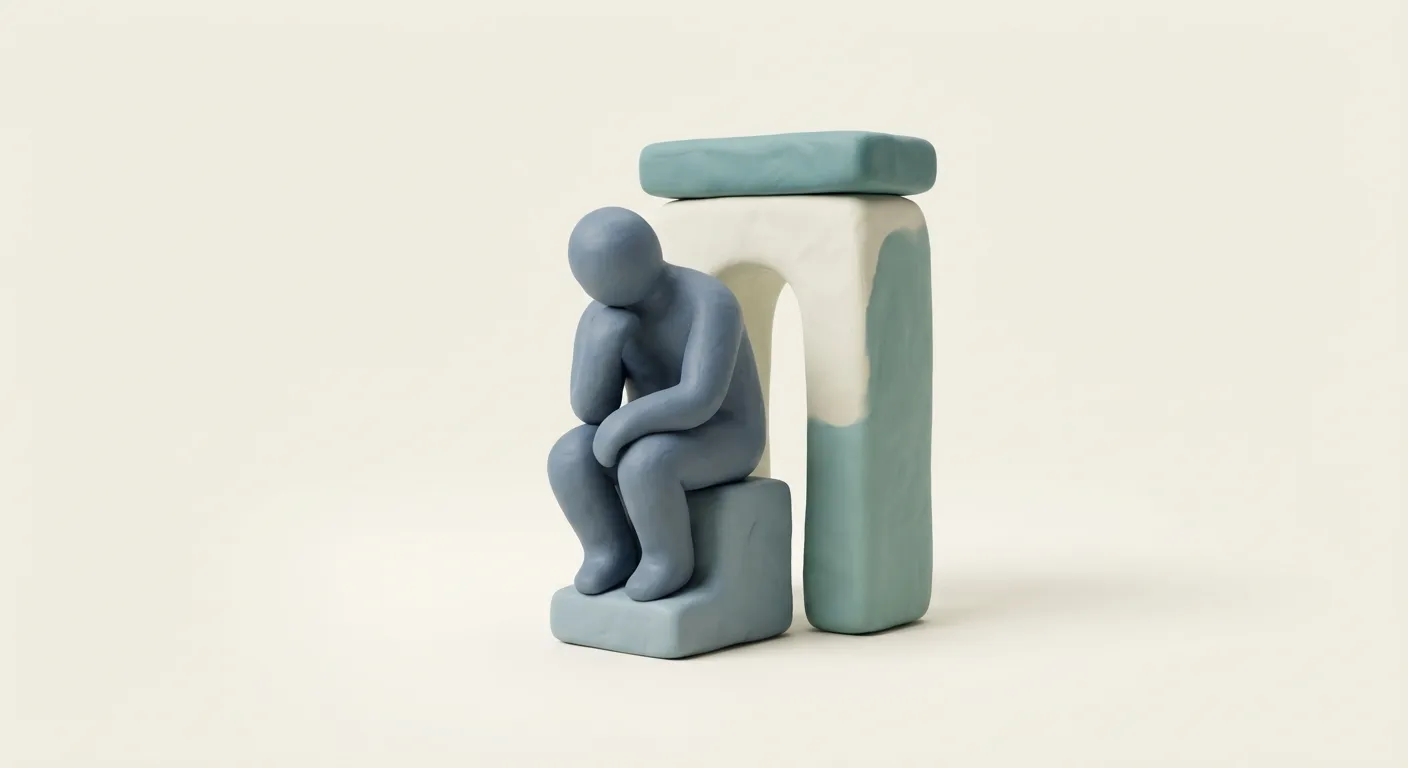
On the inside
The Shrinking Act
I'm qualified. I know I'm qualified. But standing on that pedestal means more eyes on me, more chances to be revealed. So I make myself small—not because I can't fill the space, but because filling it means I can't hide anymore.
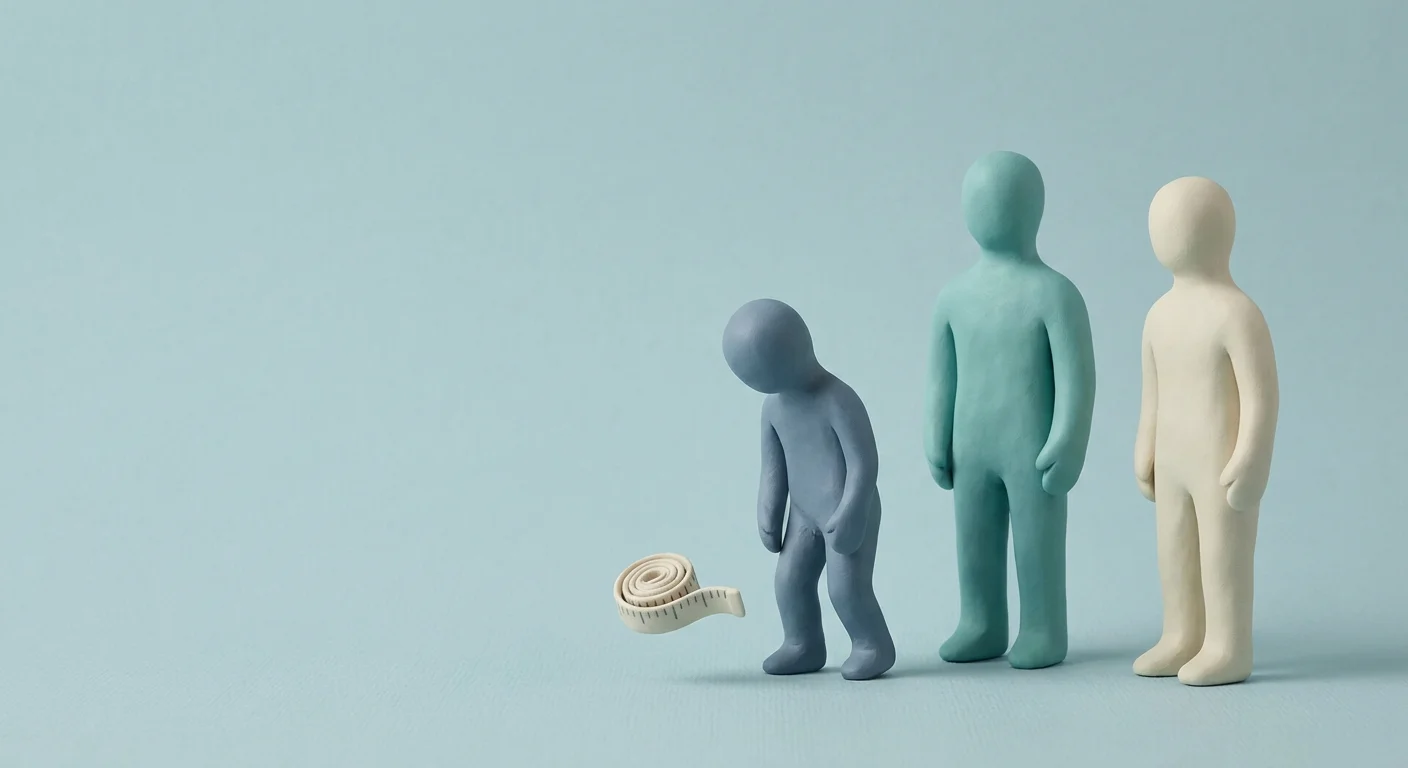
What others see
Constantly measuring self against colleagues and peers
On the inside
The Comparison Trap
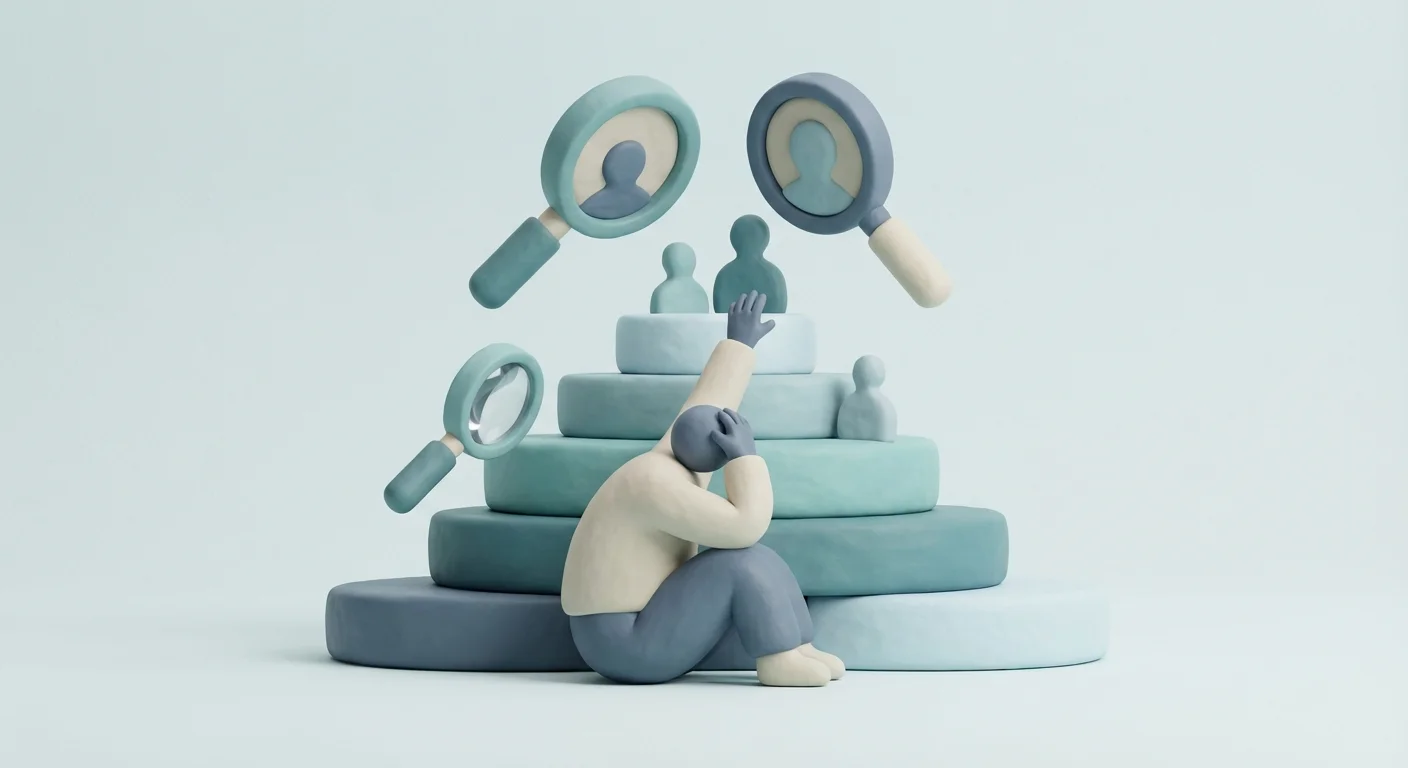
Everyone around me seems effortless at this. I watch their confidence and calculate the gap between us. My brain runs a 24/7 comparison engine where I always come up short—not because I lack skill, but because I discount my own while inflating theirs.
What others see
Crediting luck or timing for personal achievements
On the inside
The Attribution Flip
I just succeeded, and my brain immediately files it under 'lucky break.' If I'd failed, it would be filed under 'proof.' Every win gets reclassified as coincidence while every stumble becomes evidence of who I really am.
What others see
Over-preparing and over-researching before any task
On the inside
The Armor Ritual
I prepare three times more than necessary because being caught off-guard would confirm what I secretly believe about myself. The scrolls, the books, the extra certifications—they're not ambition. They're armor.
What others see
Avoiding visibility or deflecting praise
On the inside
The Cracked Shell
I've built this protective dome around myself, but it's cracking. Every compliment, every spotlight moment—it feels like another fracture. If they look too closely, they'll see through to the person I'm terrified they'll find.
What others see
Attributing promotions to timing, not talent
On the inside
The Luck Credit
I got the promotion and the first thought wasn't pride—it was 'right place, right time.' I hold up this four-leaf clover of external circumstances as the real explanation, because accepting I earned it would mean I'll have to keep earning it.
What others see
Declining leadership roles despite clear qualifications
On the inside
The Shrinking Act
I'm qualified. I know I'm qualified. But standing on that pedestal means more eyes on me, more chances to be revealed. So I make myself small—not because I can't fill the space, but because filling it means I can't hide anymore.
What others see
Constantly measuring self against colleagues and peers
On the inside
The Comparison Trap
Everyone around me seems effortless at this. I watch their confidence and calculate the gap between us. My brain runs a 24/7 comparison engine where I always come up short—not because I lack skill, but because I discount my own while inflating theirs.
Longitudinal research shows impostor feelings often intensify with career advancement. 84% of Nobel Laureates and 70% of CEOs report persistent self-doubt that increases rather than fades with experience.
— International Journal of Behavioral Science