
GenderDysphoria
Not confusion, but a body-map that doesn't match the territory. Your brain's self-image formed with different coordinates than your physical development followed.
Gender Dysphoria — Audio Coming Soon
We're crafting an audio guide for this condition. Get notified when it drops.
What actually is it?
Gender dysphoria describes significant distress arising from the incongruence between a person's experienced gender and their sex assigned at birth -- a neurobiological mismatch in the brain's body-ownership network, not confusion or choice. Affecting approximately 0.5-1.3% of the population, brain scans reveal that gender-diverse individuals show activation patterns during body-perception tasks that align with their experienced gender rather than their assigned sex. Gender-affirming care reduces distress by aligning the external with what the brain has always known to be true.
It's a difference in how the brain is wired, not a character flaw.
How many people out of 100 do you think have this?
Each icon represents ~2 people
Tap the icons to make your estimate.
fMRI studies show gender-diverse individuals' brain activation patterns during body-perception tasks align with their experienced gender, not their assigned sex, confirming a neurobiological basis rather than mental illness.
— Gliske, 2019 (eNeuro)How it looks vs. How it feels
The lived experience behind the observed behavior

What others see
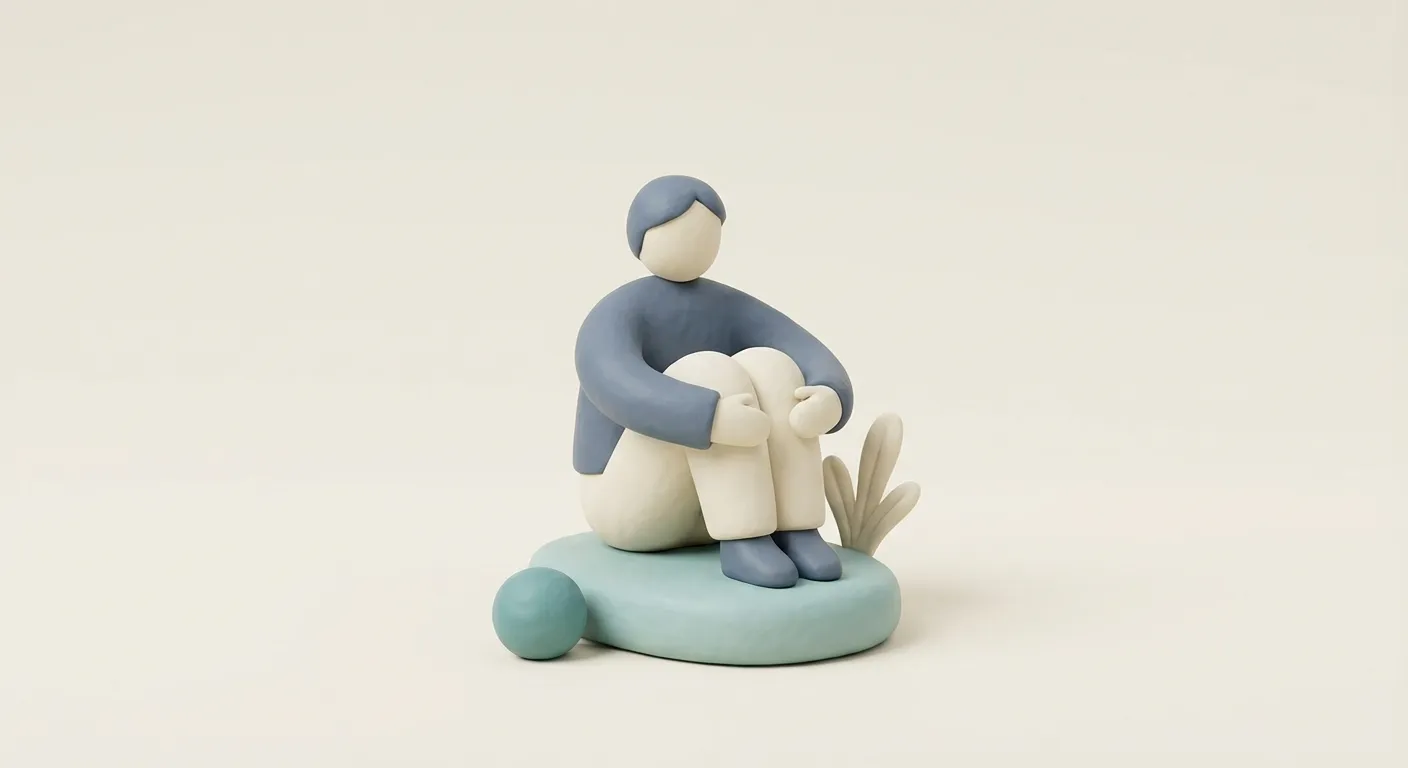
Avoiding mirrors, photographs, or video calls
On the inside
The Mirror Disconnect

What others see
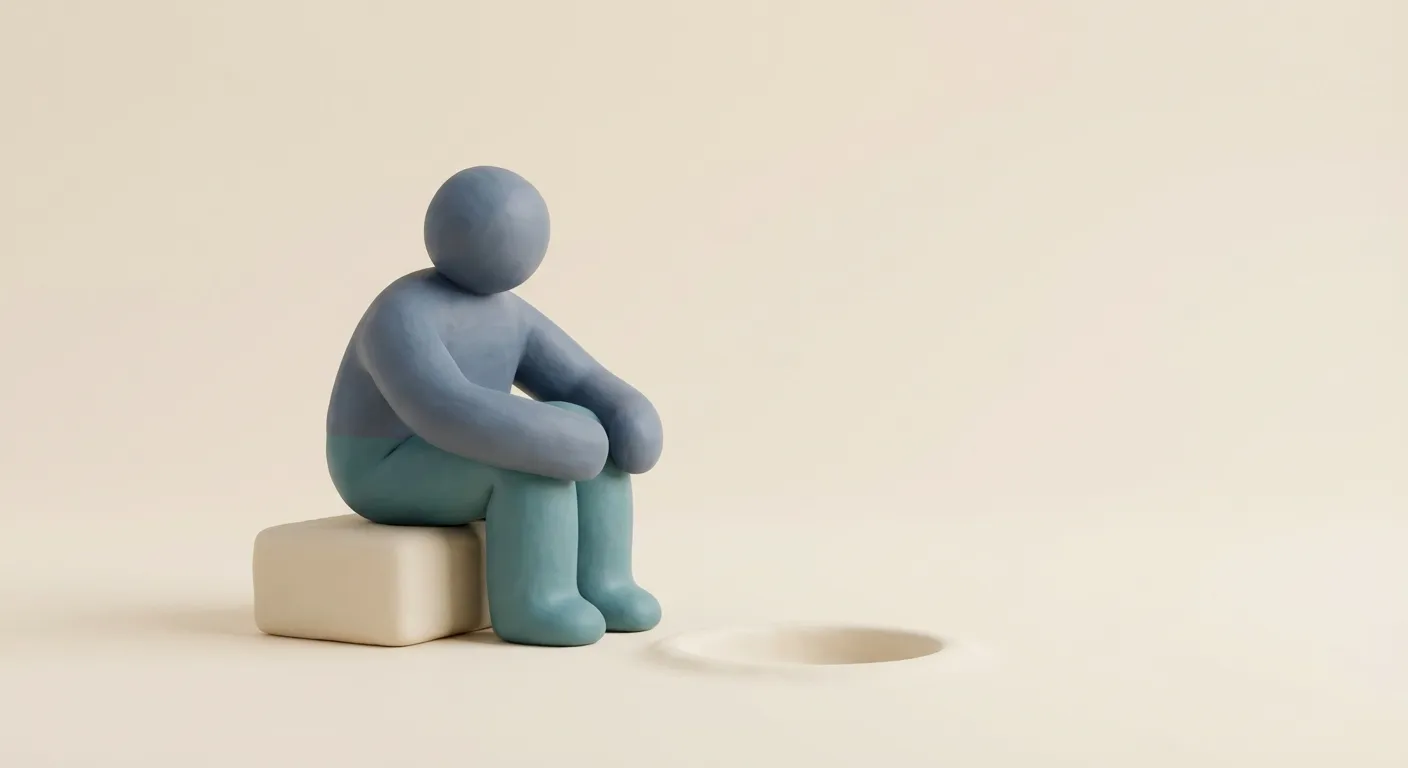
Consistently correcting names and pronouns across contexts
On the inside
The Name Flinch

What others see
Using clothing, binding, or padding to align appearance

On the inside
The Body Radar
What others see
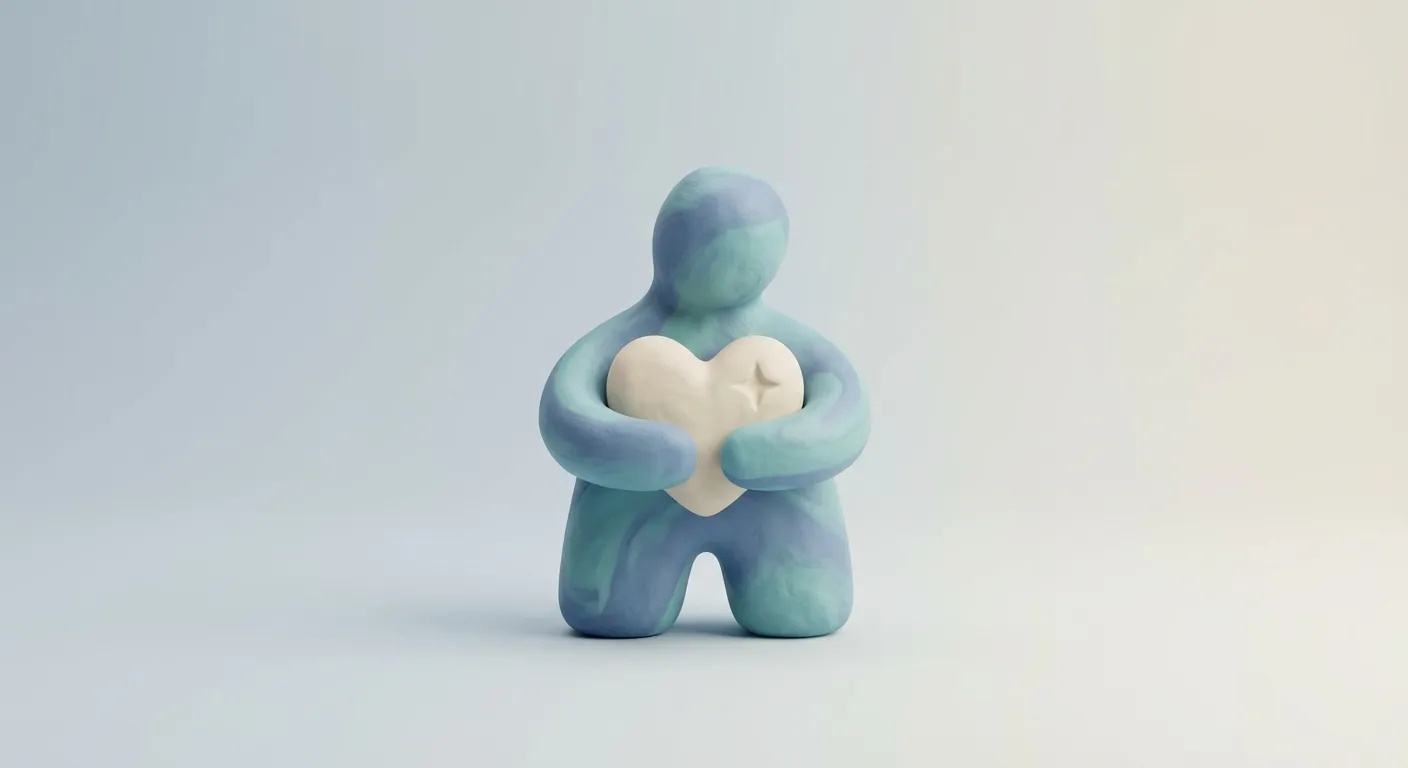
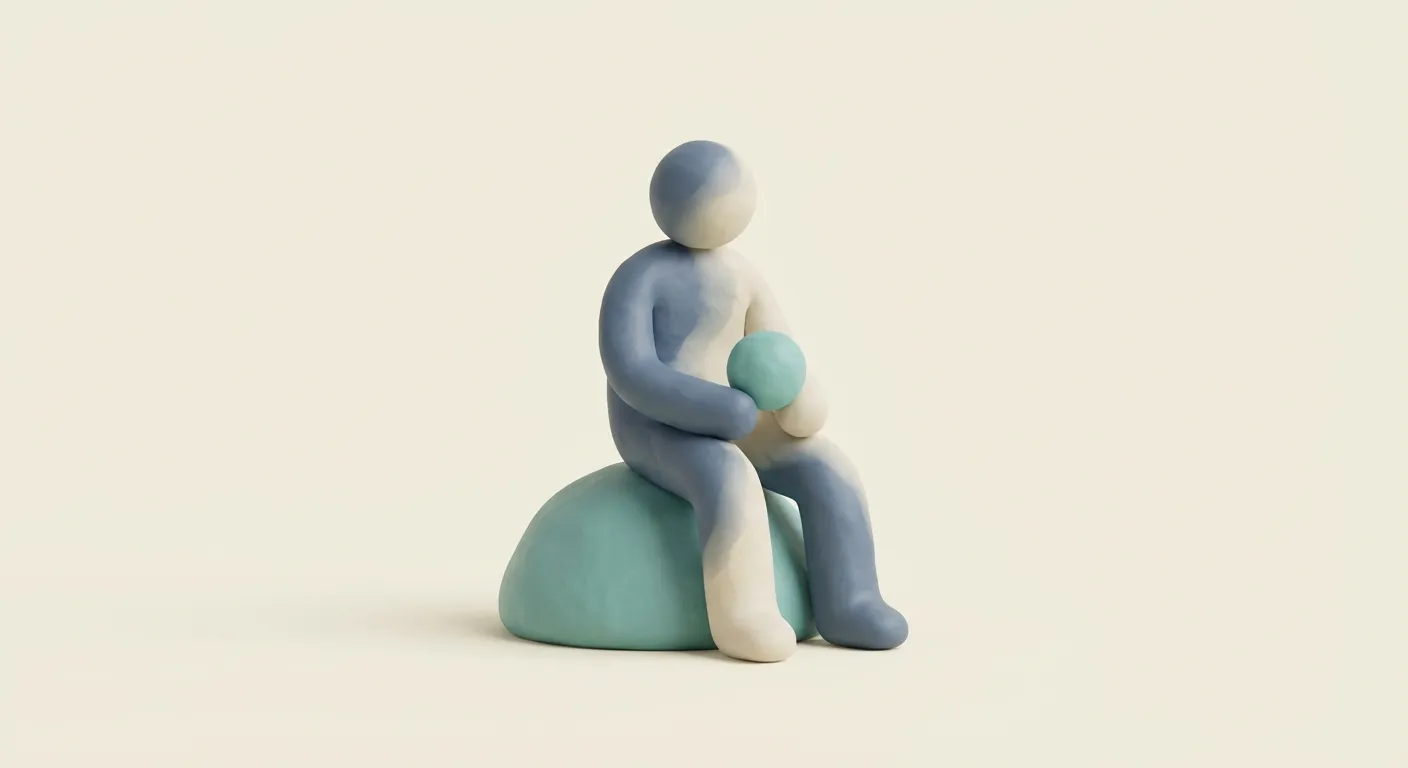
Visible relief when wearing affirming accessories or being gendered correctly
On the inside
The Euphoria Flash

What others see
Preferring online spaces with flexible gender presentation

On the inside
The Social Calculation

What others see
Emotional reactions to childhood photos or milestone memories

On the inside
The Mourning Timeline
What others see
Avoiding mirrors, photographs, or video calls
On the inside
The Mirror Disconnect
What others see
Consistently correcting names and pronouns across contexts
On the inside
The Name Flinch
What others see
Using clothing, binding, or padding to align appearance
On the inside
The Body Radar
What others see
Visible relief when wearing affirming accessories or being gendered correctly
On the inside
The Euphoria Flash
What others see
Preferring online spaces with flexible gender presentation
On the inside
The Social Calculation
What others see
Emotional reactions to childhood photos or milestone memories
On the inside
The Mourning Timeline
A meta-analysis of 55 studies found hormone therapy significantly improved quality of life and reduced depression/anxiety, with no evidence of personality changes -- only reduced dysphoria allowing authentic self-expression.
— Murad et al., Clinical Endocrinology (2010)Types of Gender Dysphoria
Gender dysphoria manifests differently depending on which brain-body networks are most affected.
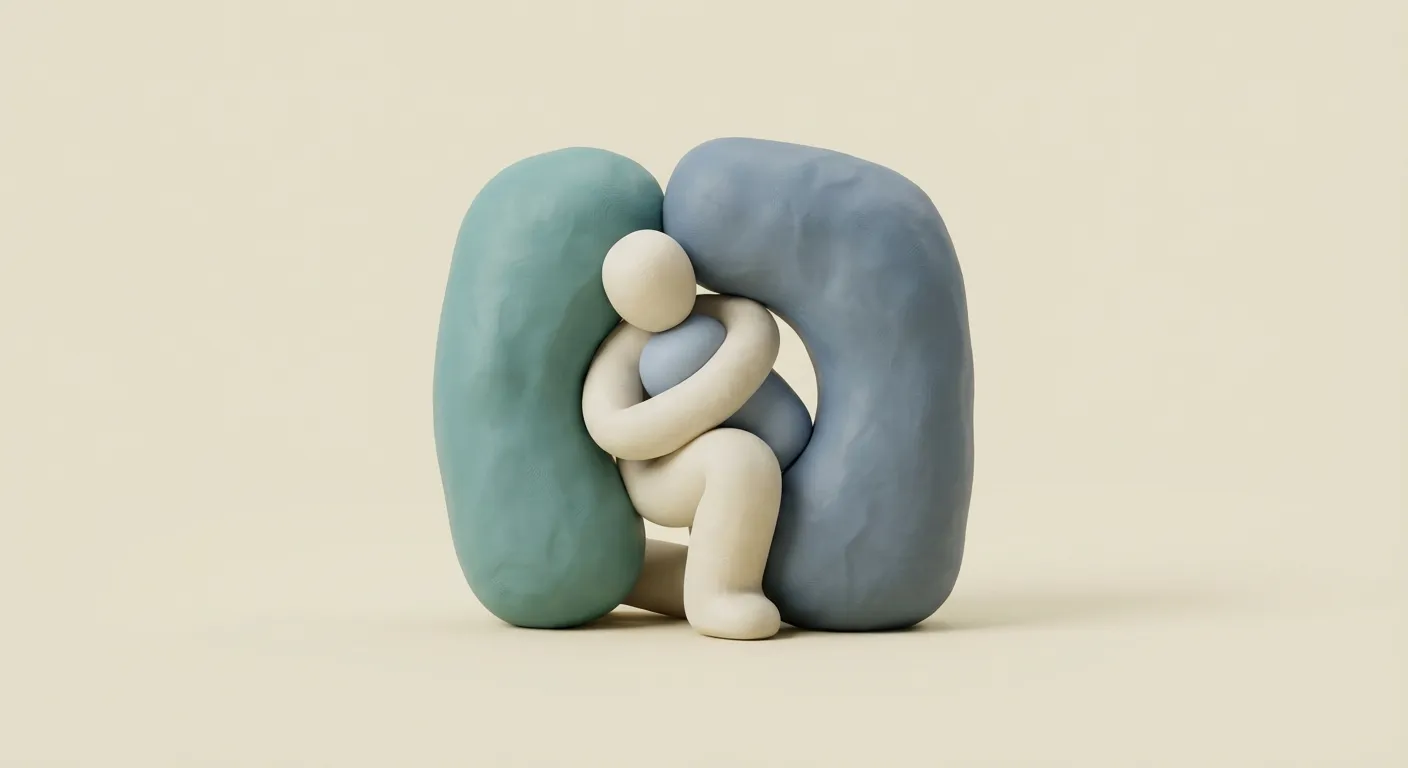
Physical Dysphoria
Distress from sex characteristics mismatching gender identity, linked to altered activity in the body-ownership network (insula/somatosensory cortex).
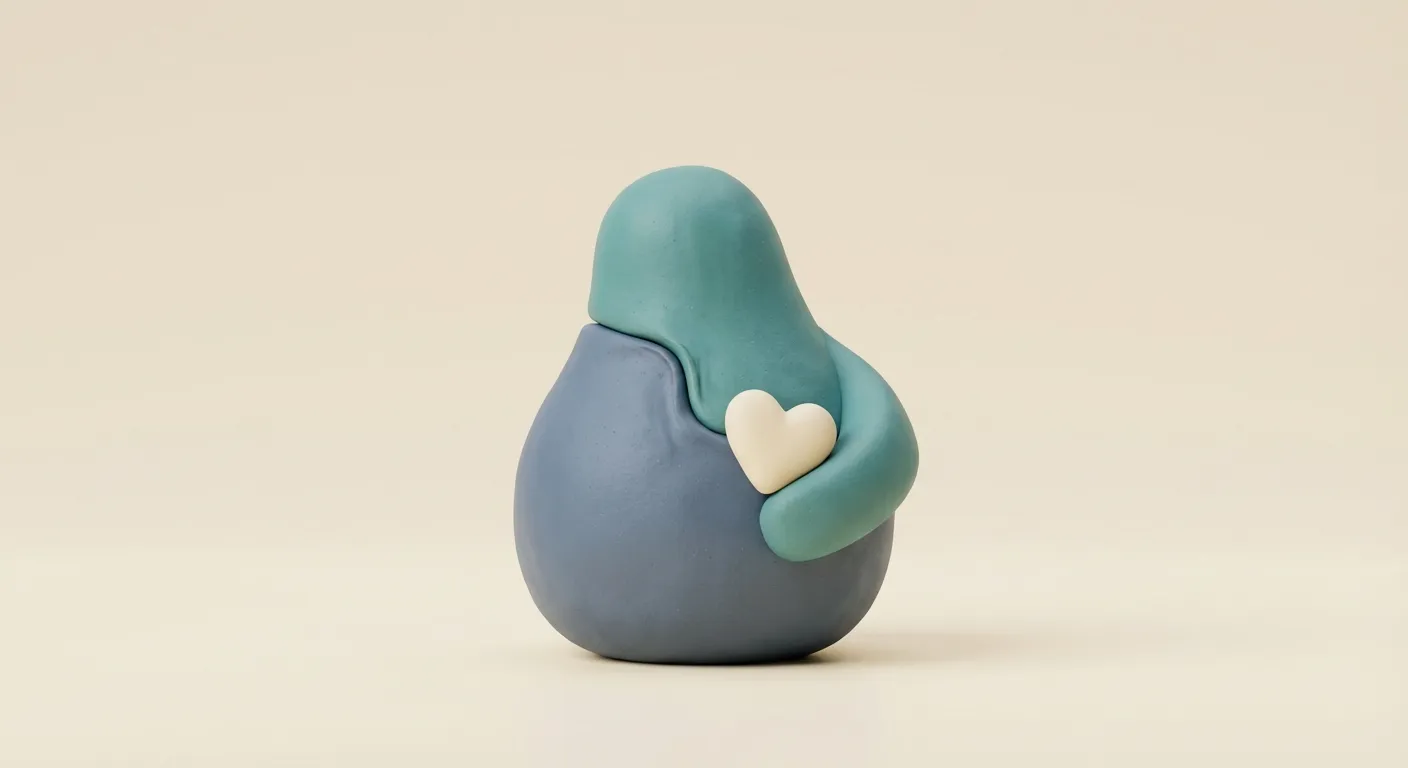
Social Dysphoria
Distress from being perceived incorrectly, associated with hyperactivity in social threat detection networks (amygdala/anterior cingulate).

Internalized Dysphoria
Shame and self-doubt from societal stigma, showing reduced connectivity in self-referential networks (default mode network).
Physical Dysphoria
Distress from sex characteristics mismatching gender identity, linked to altered activity in the body-ownership network (insula/somatosensory cortex).
Social Dysphoria
Distress from being perceived incorrectly, associated with hyperactivity in social threat detection networks (amygdala/anterior cingulate).
Internalized Dysphoria
Shame and self-doubt from societal stigma, showing reduced connectivity in self-referential networks (default mode network).
The World Professional Association for Transgender Health (WPATH) Standards of Care v8 recognizes a spectrum of gender-affirming interventions including social transition, legal changes, and psychological support alongside medical options.
— WPATH Standards of Care v8The Science of GENDER-DYSPHORIA
The Brain-Body Map
Understanding the neurobiology of Gender Dysphoria
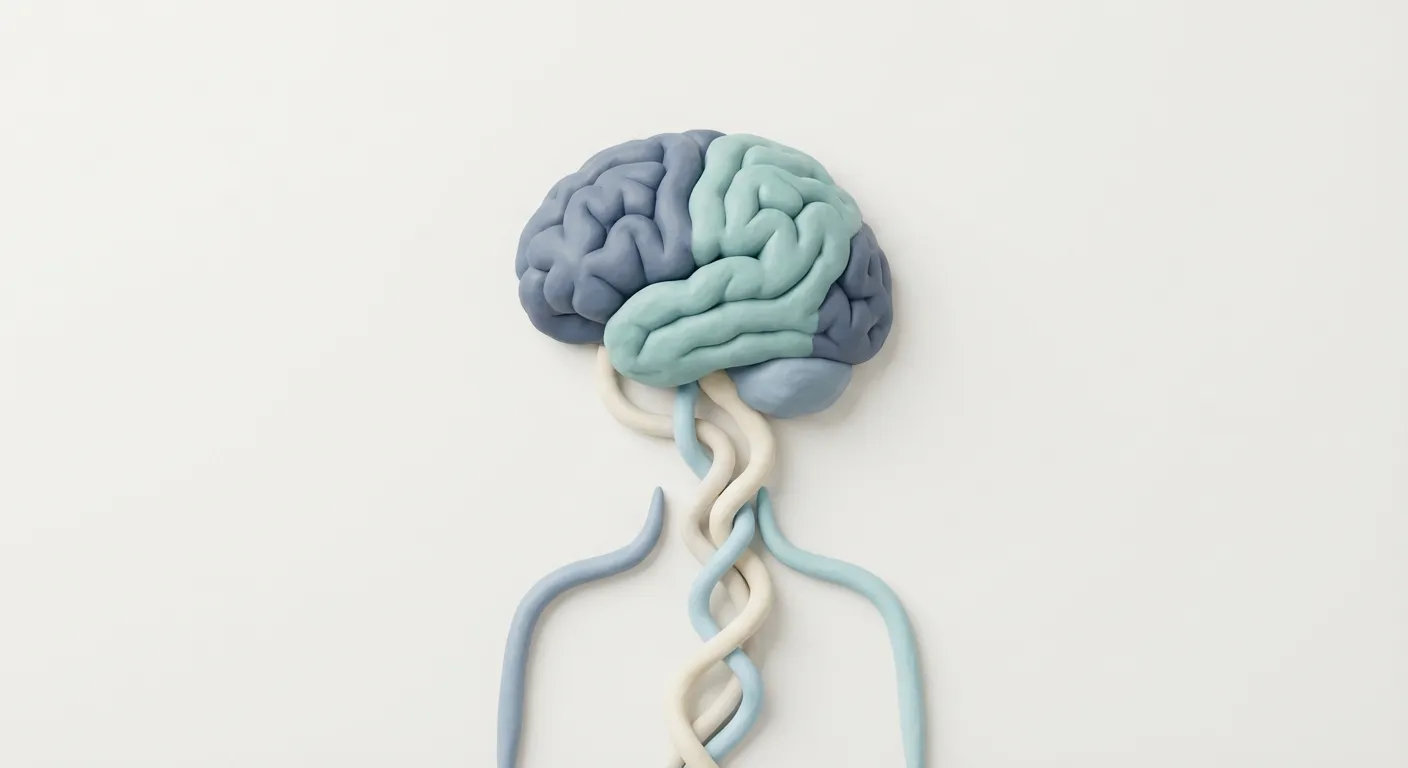
Body-Ownership Network
The insula and somatosensory cortex create our sense of body ownership. In gender dysphoria, these regions show altered activation patterns—the brain's internal body map doesn't match the physical body it inhabits.
Body-Ownership Network
The insula and somatosensory cortex create our sense of body ownership. In gender dysphoria, these regions show altered activation patterns—the brain's internal body map doesn't match the physical body it inhabits.
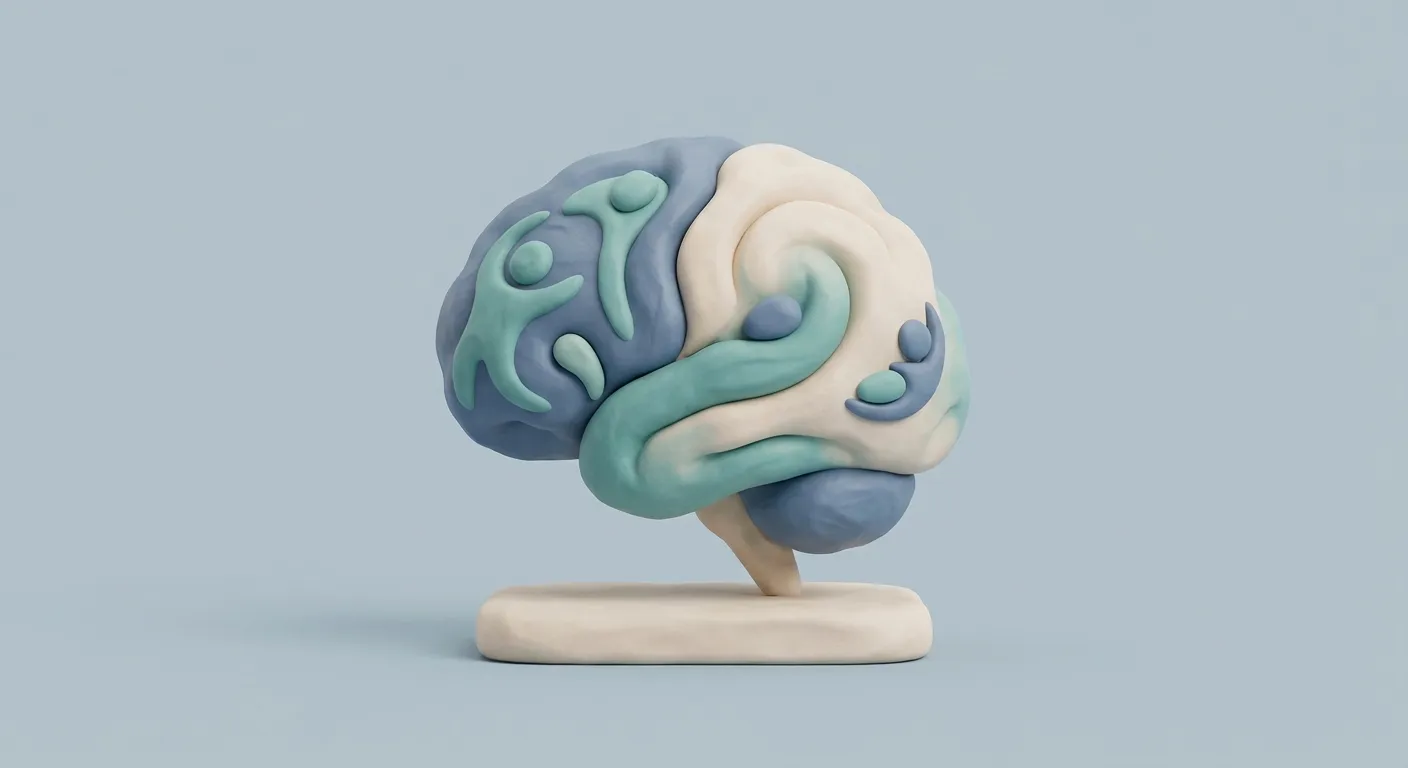
Prenatal Hormone Theory
Gender identity may be shaped during fetal development when the brain and body develop along different hormonal timelines. The brain's gender circuits can form under one hormonal influence while the body develops under another.
Prenatal Hormone Theory
Gender identity may be shaped during fetal development when the brain and body develop along different hormonal timelines. The brain's gender circuits can form under one hormonal influence while the body develops under another.

Social Threat Detection
Misgendering activates the brain's social threat detection system. The amygdala and anterior cingulate cortex fire with the same intensity as physical threat detection—because to the brain, identity invalidation IS a survival threat.
Social Threat Detection
Misgendering activates the brain's social threat detection system. The amygdala and anterior cingulate cortex fire with the same intensity as physical threat detection—because to the brain, identity invalidation IS a survival threat.
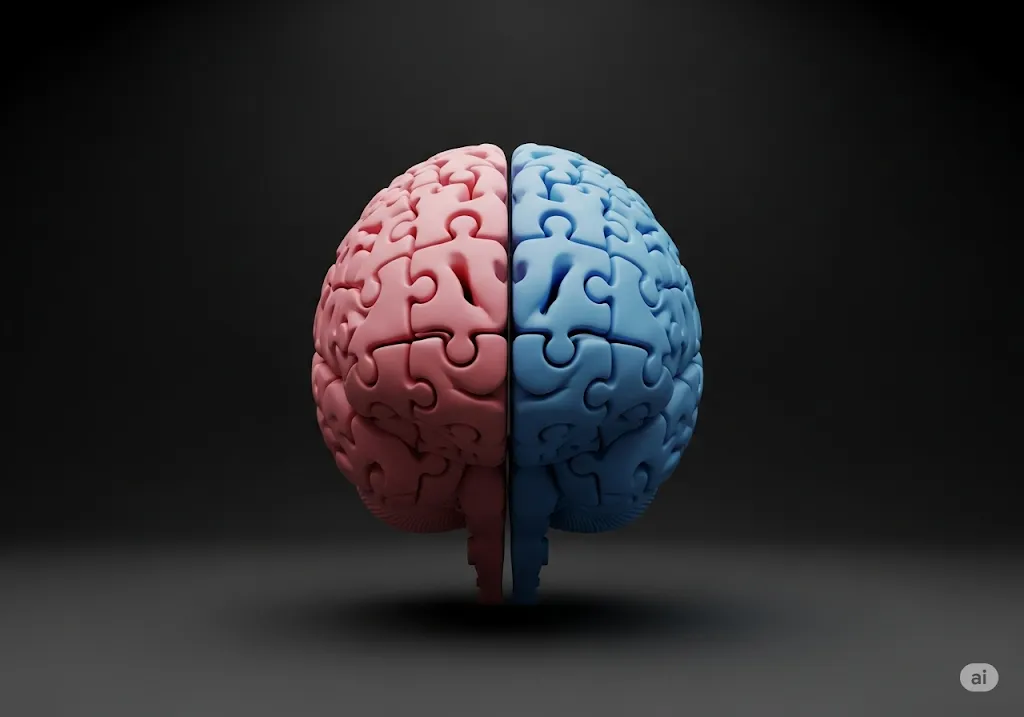
The Wrong Blueprint
Imagine an architect's blueprint that specifies a Victorian house, but the construction crew built a modern apartment. The blueprint is correct—it always was. The building just doesn't match. Gender-affirming care isn't renovating your identity; it's renovating the building to match the original blueprint your brain has always held.
Gender dysphoria is a neurobiological reality, not a choice or confusion. The brain's internal gender map formed during fetal development, independent of physical sexual characteristics. Affirming care reduces distress by aligning the external with the internal—not by changing who someone is.
A 2022 longitudinal study of 317 trans youth found that 97.5% maintained their gender identity over a 5-year follow-up period, contradicting the 'phase' narrative.
— Olson et al., Pediatrics (2022)Scientific Deep Dive
Explore Myths to Unlock
Earn 5 Insight Points

Is dysphoria 'all in my head'?
It's in your brain map. The 'body-ownership network' activates differently in gender-diverse brains. Your brain literally expects a different physical reality, making the distress a valid neurological conflict, not a delusion.
Two Sides of the Coin
Every neurological difference comes with trade-offs. The same trait that causes struggle in one context creates brilliance in another.
Chronic Vigilance
Constant monitoring of gender presentation and safety in every environment.
Sensory Distress
Non-affirming clothing textures, voice frequencies, and body sensations create ongoing discomfort.
System Navigation
Managing medical transitions, legal changes, and healthcare barriers alongside daily life.
The Kryptonite
The Superpowers
Chronic Vigilance
Constant monitoring of gender presentation and safety in every environment.
Interoceptive Awareness
Enhanced ability to monitor internal body states from continual self-examination.
Sensory Distress
Non-affirming clothing textures, voice frequencies, and body sensations create ongoing discomfort.
Authentic Living
Deep capacity for authenticity developed through ongoing self-examination and courage.
System Navigation
Managing medical transitions, legal changes, and healthcare barriers alongside daily life.
Advocacy & Resilience
Exceptional resilience and strong advocacy skills from navigating complex systems.
Research shows gender euphoria -- positive feelings when gender identity is affirmed -- is a distinct construct from dysphoria, and many gender-diverse people experience mild incongruence rather than body hatred.
— Beischel et al., International Journal of Transgender Health (2022)Community Voices
Real experiences
It feels like wearing shoes on the wrong feet for 20 years. Transitioning is just finally putting them on correctly.
The disconnect between my reflection and my 'soul' was a constant, low-frequency hum of pain.
Euphoria is just as real as dysphoria. The first time someone used my real name, I felt like I could finally breathe.
Think you might have Gender Dysphoria?
Take our clinical-grade screening assessment. It takes less than 5 minutes and gives you instant insights.
Rewiring for Success
Stop trying to fix yourself. Start building a support system that works with your brain, not against it.
Tools for your brain
Built for this neurotype — not generic wellness
Frequently Asked Questions
Glossary of Terms
Co-occurring Conditions
Neurodivergent conditions often travel together. Understanding co-occurrence helps build a complete picture.
Click any condition to learn more. Co-occurrence percentages are from peer-reviewed research.
Scientific References
- Gliske, S. V. (2019). A new theory of gender dysphoria incorporating the distress, social behavioral, and body-ownership networks. eNeuro.
- Frontiers in Endocrinology. (2022). Inter-Network Brain Functional Connectivity in Adolescents with Gender Dysphoria.
- Mayo Clinic. (2025). Gender dysphoria - Diagnosis and treatment.
- Flaskerud, J. H. (2020). Gender Dysphoria: A Review Investigating the Relationship with Genetic and Brain Development. PMC.
- NHS. (2025). Gender dysphoria - Treatment.