C-PTSD | AskSheldon
C-PTSD

What is C-PTSD?

Complex PTSD (C-PTSD) results from repeated or prolonged trauma where escape was difficult, such as abuse, captivity, or chronic neglect. Unlike single-event PTSD, it involves lasting changes in emotional regulation, self-perception, and relationships due to sustained stress hormone exposure affecting the amygdala (fear center) and prefrontal cortex (decision-making area) [4][7][9].

1 in 22people affected
4.5%prevalence
Normal IQ range

How does C-PTSD present?

  • Exaggerated startle response - Jumping at sudden sounds or movements others barely notice
  • Social withdrawal or conflict - Alternating between clinging to people and pushing them away
  • Flat emotional expression - Appearing blank or emotionless during conversations
  • Risky behaviors - Substance use or self-harm that seem to come from nowhere
  • Work instability - Quitting jobs or being fired after conflicts with authority

Types of C-PTSD

  • Hyperactivated Survival Mode
  • Emotional Desertification
  • Relational Cyclones
  • Somatic Archives

Common questions about C-PTSD

How is C-PTSD different from regular PTSD?

PTSD typically develops from single-incident traumas (accidents, assaults) and focuses on fear responses. C-PTSD results from prolonged, inescapable trauma (especially in childhood) and includes additional symptoms like identity disturbance, emotional dysregulation, relationship difficulties, and a distorted self-concept. The treatment approaches differ significantly, with C-PTSD requiring longer, phase-based therapy.

Can children be diagnosed with C-PTSD?

Yes, children experiencing ongoing trauma can develop C-PTSD symptoms, though in clinical settings they're often diagnosed with Developmental Trauma Disorder or labeled with multiple separate conditions (ADHD, Oppositional Defiant Disorder, etc.). Early intervention with trauma-informed care is crucial as childhood C-PTSD can evolve into more complex presentations without appropriate treatment.

Content reviewed against DSM-5 criteria and current clinical literature. This page is for educational purposes and does not constitute medical advice. Consult a qualified healthcare professional for diagnosis or treatment.

C-PTSD

C-PTSD

Could this be me?

C-PTSDAudio Coming Soon

We're crafting an audio guide for this condition. Get notified when it drops.

What actually is it?

Complex PTSD (C-PTSD) results from repeated or prolonged trauma where escape was difficult, such as abuse, captivity, or chronic neglect. Unlike single-event PTSD, it involves lasting changes in emotional regulation, self-perception, and relationships due to sustained stress hormone exposure affecting the amygdala (fear center) and prefrontal cortex (decision-making area) [4][7][9].

It's a difference in how the brain is wired, not a character flaw.

Quick Guess

How many people out of 22 do you think have this?

Tap the icons to make your estimate.

C-PTSD involves PTSD symptoms plus distinct neurobiological changes from chronic trauma.

Clinical Consensus
Tap to Start Myth Busting

How it looks vs. How it feels

The lived experience behind the observed behavior
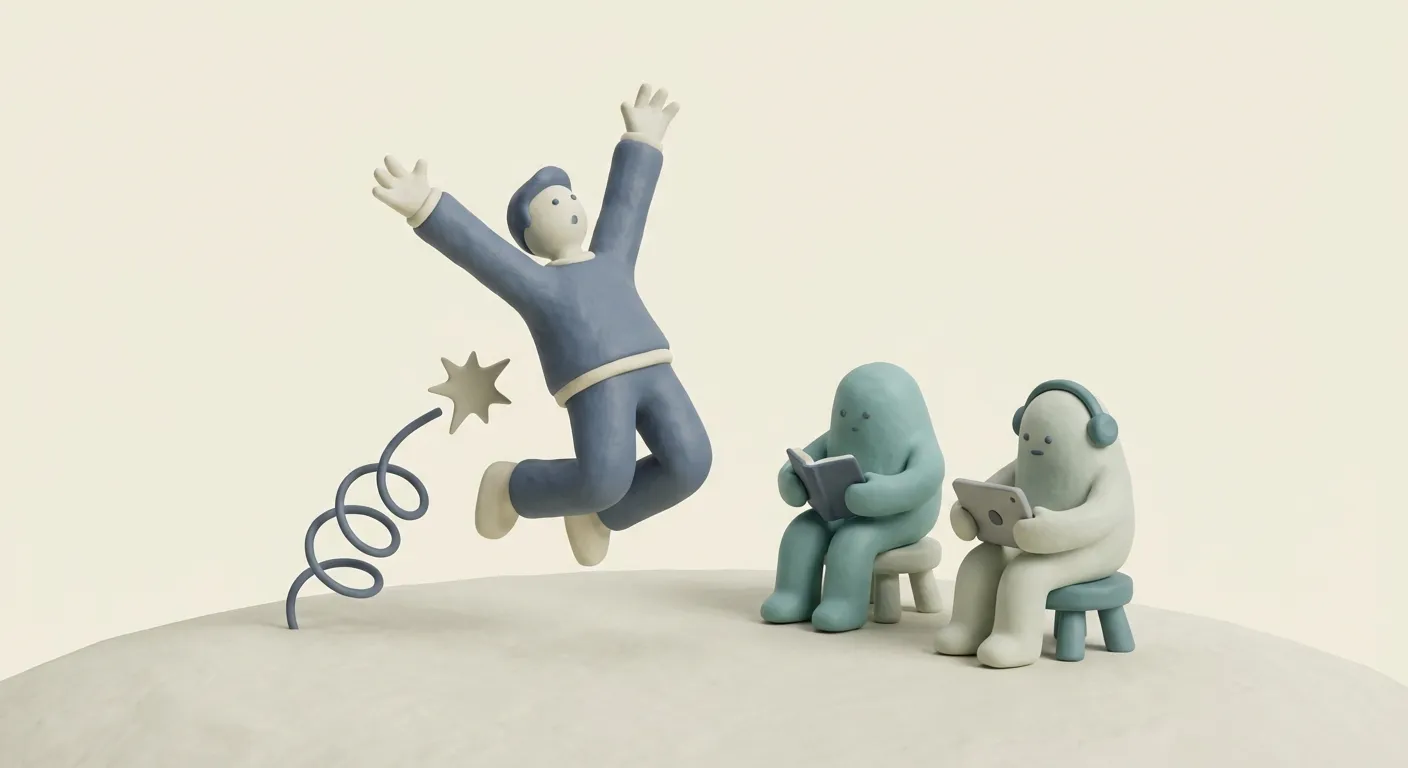
Exaggerated startle response - Jumping at sudden sounds or movements others barely notice — What it feels like
Tap to see inside

What others see

Exaggerated startle response - Jumping at sudden sounds or movements others barely notice
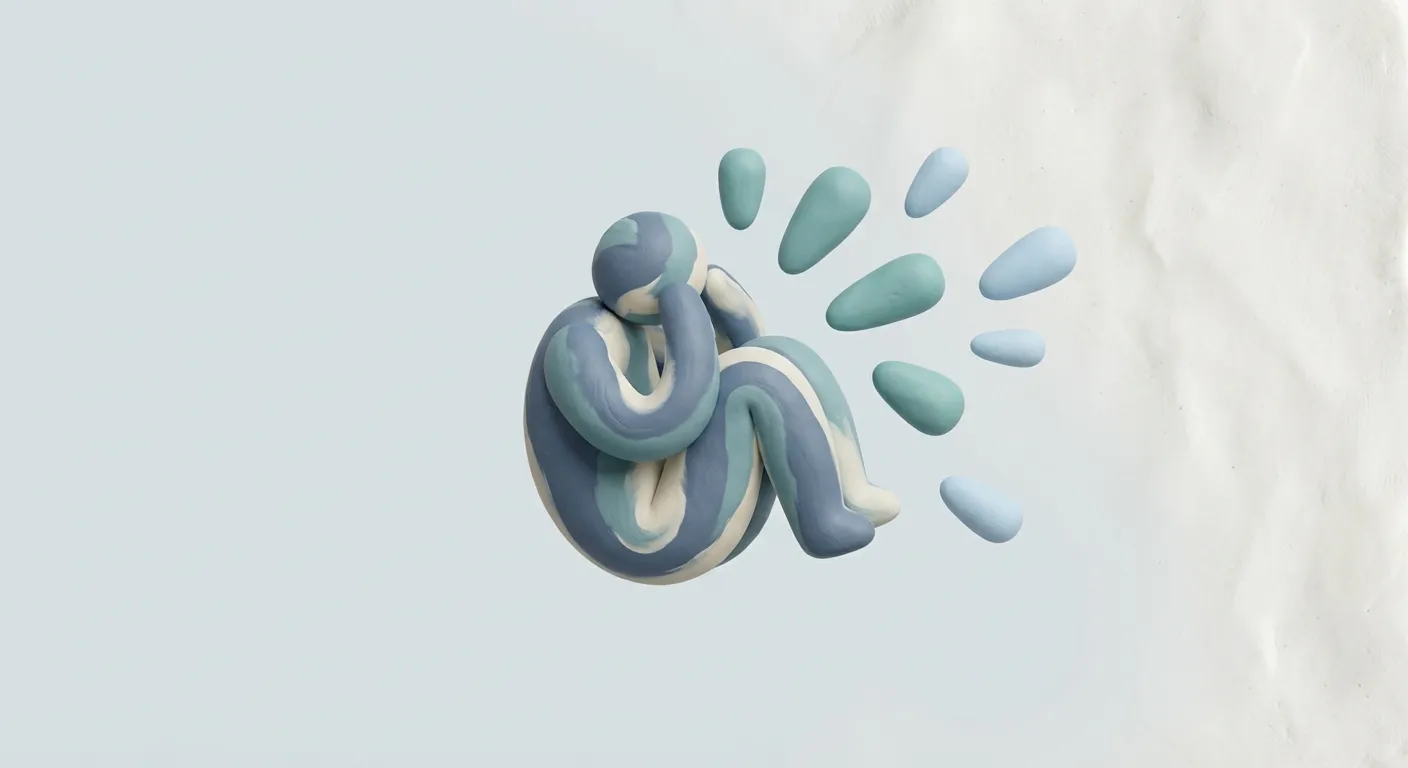
What it feels like
Tap to flip back

On the inside

What it feels like

The Startle Storm: That sound just catapulted me into full survival mode. My body is bracing for a blow that happened years ago.

Social withdrawal or conflict - Alternating between clinging to people and pushing them away — What it feels like
Tap to see inside

What others see

Social withdrawal or conflict - Alternating between clinging to people and pushing them away

What it feels like
Tap to flip back

On the inside

What it feels like

The Push-Pull: I desperately need you close AND I'm terrified you'll hurt me. Both feelings are screaming at equal volume.

Flat emotional expression - Appearing blank or emotionless during conversations — What it feels like
Tap to see inside

What others see

Flat emotional expression - Appearing blank or emotionless during conversations

What it feels like
Tap to flip back

On the inside

What it feels like

The Frozen Surface: I'm not calm—I'm overwhelmed. My emotions are so loud inside that my face shut down to cope.

Risky behaviors - Substance use or self-harm that seem to come from nowhere — What it feels like

Tap to see inside

What others see

Risky behaviors - Substance use or self-harm that seem to come from nowhere

What it feels like
Tap to flip back

On the inside

What it feels like

The Override: This pain/substance/risk is the only thing that interrupts the unbearable feelings flooding my nervous system.

Work instability - Quitting jobs or being fired after conflicts with authority — What it feels like
Tap to see inside

What others see

Work instability - Quitting jobs or being fired after conflicts with authority

What it feels like
Tap to flip back

On the inside

What it feels like

The Trigger Minefield: That tone of voice, that demand, that authority figure—my body just declared this workplace a war zone.

Chronic pain complaints - Headaches, stomach issues, or muscle tension with no clear medical cause — What it feels like
Tap to see inside

What others see

Chronic pain complaints - Headaches, stomach issues, or muscle tension with no clear medical cause
What it feels like
Tap to flip back

On the inside

What it feels like

The Body Archive: This headache isn't random. My muscles are clenching against threats my mind can't consciously remember.

Dissociative episodes - Appearing 'spaced out' or unresponsive mid-conversation — What it feels like
Tap to see inside

What others see

Dissociative episodes - Appearing 'spaced out' or unresponsive mid-conversation

What it feels like
Tap to flip back

On the inside

What it feels like

The Departure: I'm still here but I've left my body. The world went distant and muffled because staying present was too much.

C-PTSD is a result of enduring extreme, often inescapable, traumatic experiences.

Clinical Consensus
Tap to Start Myth Busting

Types of C-PTSD

Hyperactivated Survival Mode: Constant fight/flight state with adrenal fatigue. Brain scans show enlarged amygdala, reduced hippocampal volume affecting memory integration [4][9].
Type 1N/A

Hyperactivated Survival Mode

Constant fight/flight state with adrenal fatigue. Brain scans show enlarged amygdala, reduced hippocampal volume affecting memory integration [4][9].

Emotional Desertification: Protective numbness from prefrontal cortex shutdown. May co-occur with depersonalization/derealization disorders [1][7].
Type 2N/A

Emotional Desertification

Protective numbness from prefrontal cortex shutdown. May co-occur with depersonalization/derealization disorders [1][7].

Relational Cyclones: Intense but unstable bonds mirroring early attachment trauma. Mirror neuron system differences affect empathy regulation [4][8].
Type 3N/A

Relational Cyclones

Intense but unstable bonds mirroring early attachment trauma. Mirror neuron system differences affect empathy regulation [4][8].

Somatic Archives: Trauma stored as chronic pain/illness. Vagus nerve dysregulation affects gut-brain axis and inflammatory response [7][9].
Type 4N/A

Somatic Archives

Trauma stored as chronic pain/illness. Vagus nerve dysregulation affects gut-brain axis and inflammatory response [7][9].

While symptoms overlap (e.g., relationship issues, emotional dysregulation), C-PTSD's core is trauma-based.

Clinical Consensus
Tap to Start Myth Busting

The Science of CPTSD

The Neuroscience

Understanding the brain mechanisms

Overview: Complex PTSD (C-PTSD) results from repeated or prolonged trauma where escape was difficult, such as abuse, captivity, or chronic neglect. Unlike single-event PTSD, it involves lasting changes in emotional regulation, self-perception, and relationships due to sustained stress hormone exposure affecting the amygdala (fear center) and prefrontal cortex (decision-making area) [4][7][9].
Research

Overview

Complex PTSD (C-PTSD) results from repeated or prolonged trauma where escape was difficult, such as abuse, captivity, or chronic neglect. Unlike single-event PTSD, it involves lasting changes in emotional regulation, self-perception, and relationships due to sustained stress hormone exposure affecting the amygdala (fear center) and prefrontal cortex (decision-making area) [4][7][9].

Mechanism: Core symptoms include PTSD reactions (flashbacks, hypervigilance) plus three key additions: 1) Emotional storms or numbness from disrupted nervous system regulation, 2) Persistent shame/self-blame linked to altered default mode network activity, and 3) Relationship struggles stemming from impaired trust circuits. These changes often serve survival needs during trauma but become maladaptive later [1][4][7].
Research

Mechanism

Core symptoms include PTSD reactions (flashbacks, hypervigilance) plus three key additions: 1) Emotional storms or numbness from disrupted nervous system regulation, 2) Persistent shame/self-blame linked to altered default mode network activity, and 3) Relationship struggles stemming from impaired trust circuits. These changes often serve survival needs during trauma but become maladaptive later [1][4][7].

Impact: Recovery focuses on rebuilding neurobiological safety through phased therapy. Techniques like EMDR help reprocess traumatic memories, while somatic therapies address body-based trauma storage. Neuroplasticity allows new neural pathways to form with consistent support, though progress often follows non-linear patterns [4][9].
Research

Impact

Recovery focuses on rebuilding neurobiological safety through phased therapy. Techniques like EMDR help reprocess traumatic memories, while somatic therapies address body-based trauma storage. Neuroplasticity allows new neural pathways to form with consistent support, though progress often follows non-linear patterns [4][9].

Neuroplasticity allows brain reorganization and recovery with therapy.

Clinical Consensus
Tap to Start Myth Busting
Restricted Access

Scientific Deep Dive

Explore Myths to Unlock

Earn 5 Insight Points

Illustration for Deep Dive fact 1
1 / 3

Did you know?

Pete Walker - Psychotherapist with C-PTSD and author of 'Complex PTSD: From Surviving to Thriving', revolutionized understanding of emotional flashbacks through personal recovery journey

Unlock Answer
Two Sides of the Coin

Two Sides of the Coin

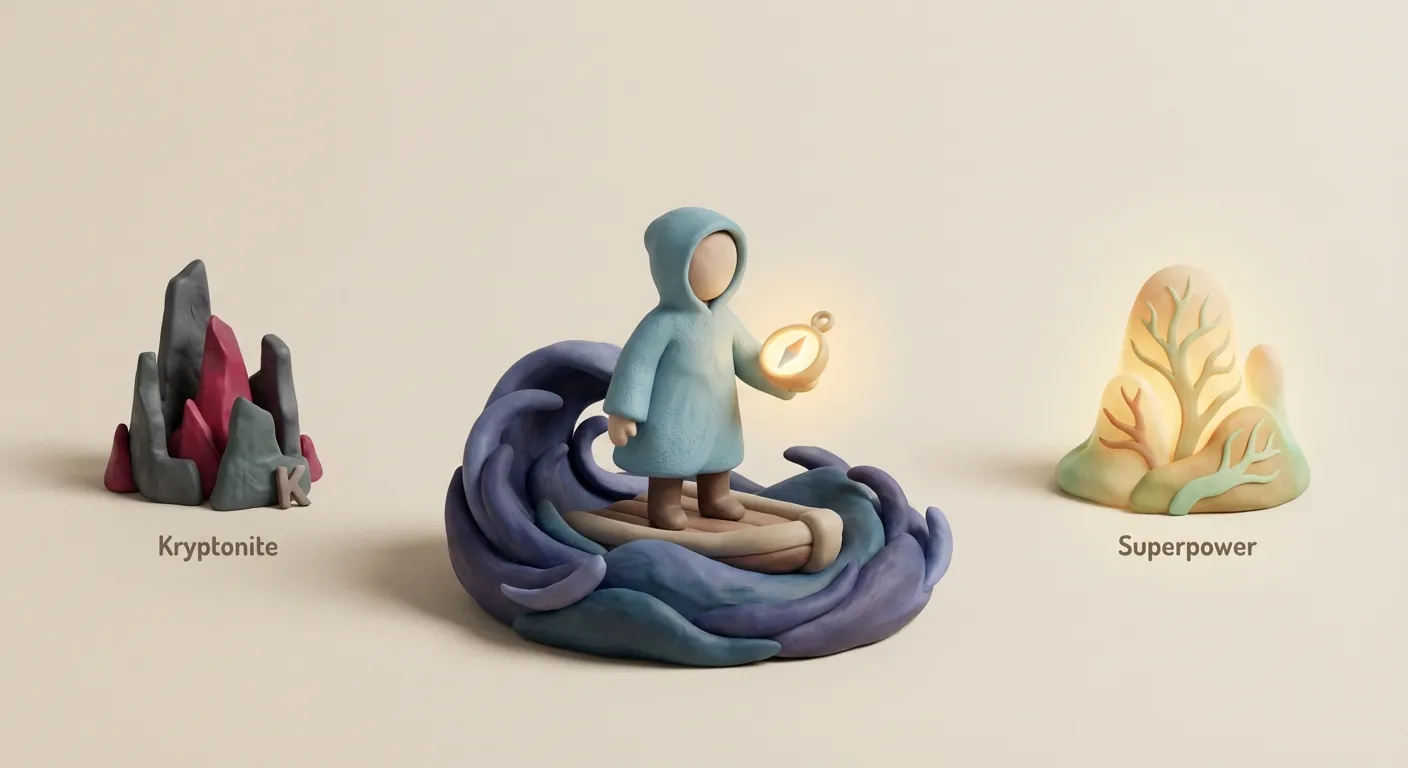
Every neurological difference comes with trade-offs. The same trait that causes struggle in one context creates brilliance in another.

Trust calibration - Struggling to discern safe vs threatening social cues

Trust calibration - Struggling to discern safe vs threatening social cues

Emotional tsunamis - Overwhelm from ordinary stressors triggering trauma responses

Emotional tsunamis - Overwhelm from ordinary stressors triggering trauma responses

Health impacts - Immune/nervous system strain from chronic cortisol exposure

Health impacts - Immune/nervous system strain from chronic cortisol exposure

Dissociation traps - Losing hours/days to mental escape mechanisms

Dissociation traps - Losing hours/days to mental escape mechanisms

Self-sabotage - Repeating harmful patterns learned in traumatic environments

Self-sabotage - Repeating harmful patterns learned in traumatic environments

Treatment access - Finding affordable, trauma-informed care

Treatment access - Finding affordable, trauma-informed care

Childhood trauma alters brain structure; spontaneous recovery is unlikely.

Clinical Consensus
Tap to Start Myth Busting

Community Voices

Real experiences

I spent decades thinking I was fundamentally broken. Learning about C-PTSD was the first time someone described my inner world accurately.

Community Member
22

The hypervigilance isn't paranoia — it's a survival skill that saved my life. Now I'm learning when I can safely turn it down.

Community Member
39

People say 'just let it go' but my body literally won't. Somatic therapy taught me my muscles were holding memories my mind couldn't process.

Community Member
16

My inner critic sounds exactly like my father. Recognising that voice isn't mine was the beginning of everything changing.

Community Member
33

I fawn so automatically I didn't even know I was doing it. Now I can catch it — not always stop it, but catch it.

Community Member
50

Emotional flashbacks are the hardest to explain. Nothing 'happens' but suddenly I'm five years old and terrified. Naming it helps.

Community Member
27

Think you might have C-PTSD?

Take our clinical-grade screening assessment. It takes less than 5 minutes and gives you instant insights.

Rewiring for Success

Stop trying to fix yourself. Start building a support system that works with your brain, not against it.

Therapy

  • Phase-Based EMDR
    Uses bilateral stimulation to reprocess traumatic memories after establishing safety protocols. Helps reduce flashback intensity [9].
  • Somatic Experiencing
    Body-focused techniques to release trapped trauma energy through controlled shaking, grounding exercises, and breathwork [4].
  • Narrative Therapy
    Rebuilds coherent life story through trauma timeline mapping, countering fragmented memory issues [7].
  • DBT Skills Training
    Teaches distress tolerance and emotional regulation through mindfulness and crisis survival strategies [1].

Medication

  • SSRIs (e.g., Sertraline)
    Helps regulate serotonin for mood stabilization. May reduce emotional flashback frequency [9].
  • Prazosin
    Reduces nightmares by blocking adrenaline receptors. Often used for sleep disruption [7].
  • Low-Dose Naltrexone
    Off-label use for dissociative symptoms and inflammatory pain. Modulates endorphin receptors [4].
  • Propranolol
    Beta-blocker for physiological anxiety symptoms like rapid heartbeat during triggers [1].

Lifestyle

  • Rhythm Regulation
    Consistent sleep/eating schedules to stabilize circadian rhythms disrupted by hypervigilance
  • Anchor Activities
    Predictable routines like gardening or journaling to counter emotional volatility
  • Trauma-Sensitive Yoga
    Gentle movement practices focusing on body autonomy and present-moment awareness
  • Creative Expression
    Art/music therapy to externalize internal states non-verbally

Supplements

  • Omega-3s
    Supports brain plasticity. EPA/DHA may reduce inflammation from chronic stress (Consult doctor) [9].
  • Magnesium Glycinate
    Eases muscle tension and improves sleep quality. Helps regulate NMDA receptors (Consult doctor) [4].
  • L-Theanine
    Amino acid from green tea that promotes relaxation without drowsiness (Consult doctor) [1].
  • Vitamin D
    Addresses deficiency common in those with avoidance behaviors. Supports mood regulation (Consult doctor) [7].

Environment

  • Sensory Sanctuaries
    Create low-stimulation spaces with soft lighting, weighted blankets, and neutral colors
  • Predictable Transitions
    Use visual schedules and preparation rituals for schedule changes
  • Boundary Scripts
    Pre-written phrases for maintaining personal space/safety in interactions
  • Trigger Mapping
    Identify and label environmental triggers with color-coded safety zones

Body

  • Vagus Nerve Toning
    Humming/singing to stimulate parasympathetic nervous system via vocal vibrations
  • Bilateral Stimulation
    Alternating left-right movements like drumming or walking to integrate traumatic memories
  • Grounding Techniques
    5-4-3-2-1 sensory exercises to counter dissociation: Name 5 seen, 4 felt, 3 heard, 2 smelled, 1 tasted
  • Temperature Modulation
    Apply cold packs or warm compresses to shift physiological arousal states

Tools for your brain

Built for this neurotype — not generic wellness

See all
FAQ

Frequently Asked Questions

Glossary of Terms

Emotional Flashbacks

Sudden, overwhelming emotional states that recreate feelings from past trauma without clear visual memories.

Window of Tolerance

The optimal arousal zone where a person can function effectively, between hyper- and hypo-arousal states.

Trauma Responses

The 4F survival reactions: Fight (anger/confrontation), Flight (avoidance/anxiety), Freeze (shutdown/numbness), and Fawn (people-pleasing/loss of boundaries).

Hypervigilance

Constant scanning for threats due to nervous system adaptations from chronic danger exposure.

Structural Dissociation

Fragmentation of personality parts into apparently normal (functioning) and emotional (trauma-holding) states.

Somatic Experiencing

Body-focused therapy that releases trapped trauma energy through physical awareness and sensation processing.

Co-occurring Conditions

Neurodivergent conditions often travel together. Understanding co-occurrence helps build a complete picture.

Click any condition to learn more. Co-occurrence percentages are from peer-reviewed research.

Scientific References

  1. World Health Organization. (2019). International Classification of Diseases, 11th Revision (ICD-11).
  2. Herman, J.L. (1992). Complex PTSD: A syndrome in survivors of prolonged and repeated trauma. Journal of Traumatic Stress, 5, 377-391.
  3. National Center for PTSD. (2023). Complex PTSD.
  4. International Society for Traumatic Stress Studies. (2023). Complex PTSD.
  5. Cloitre, M., et al. (2019). Evidence for the coherence and integrity of the complex PTSD construct: a revised measure. Journal of Psychiatric Research, 116, 73-79.
  6. Van der Kolk, B. (2014). The Body Keeps the Score: Brain, Mind, and Body in the Healing of Trauma. Penguin Books.
  7. Karatzias, T., et al. (2019). Psychological interventions for ICD-11 complex PTSD symptoms: Systematic review and meta-analysis. Psychological Medicine, 49(11), 1761-1775.
  8. Brewin, C.R., et al. (2017). A review of current evidence regarding the ICD-11 proposals for diagnosing PTSD and complex PTSD. Clinical Psychology Review, 58, 1-15.

Your C-PTSD brain was born to protect you. Now you can teach it to thrive.

You've survived this far. Imagine what you can do when you stop fighting your own brain.