C-PTSD
Not overreacting, but a threat-detection system tuned too high for the moment. What looks irrational from outside often makes sense inside the nervous system.
What actually is it?
Complex PTSD (C-PTSD) results from repeated or prolonged trauma where escape was difficult, such as abuse, captivity, or chronic neglect. Unlike single-event PTSD, it involves lasting changes in emotional regulation, self-perception, and relationships due to sustained stress hormone exposure affecting the amygdala (fear center) and prefrontal cortex (decision-making area) [4][7][9].
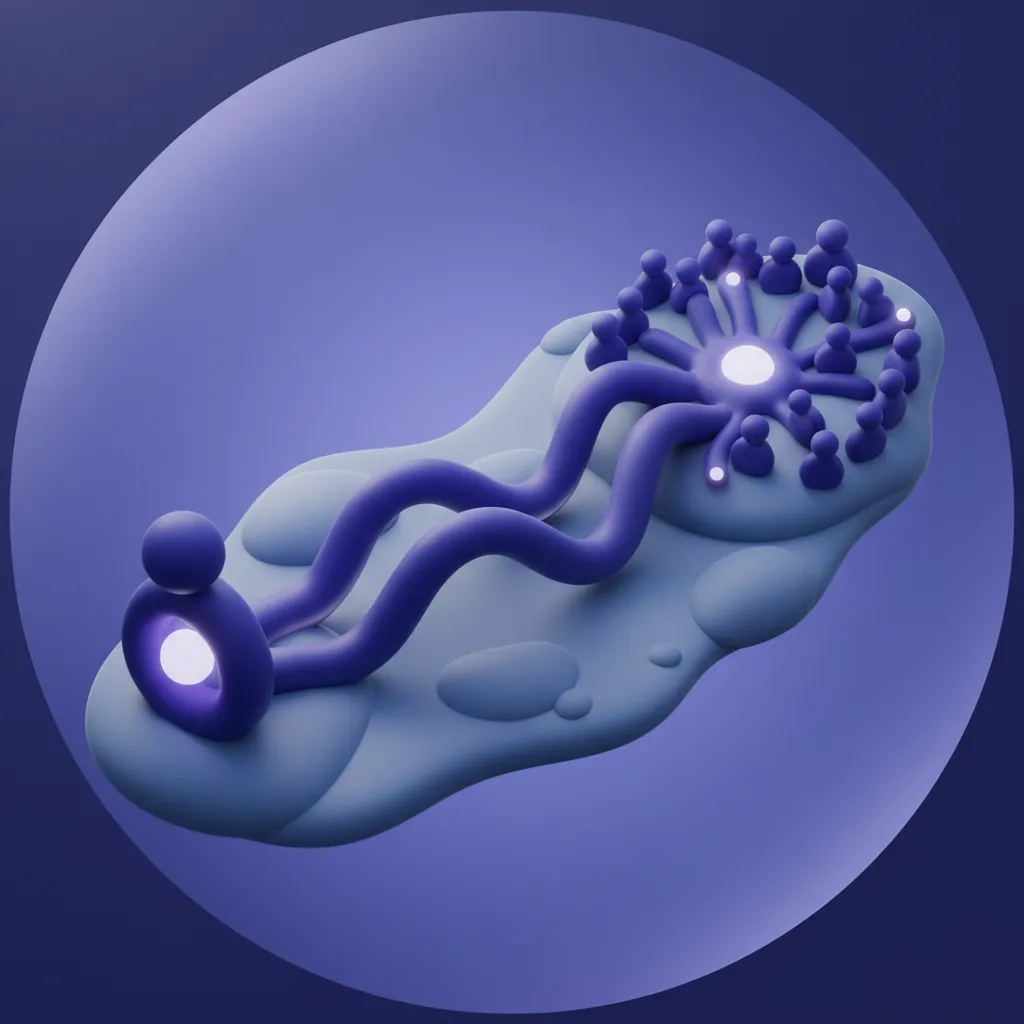
You may meet about 80,000 people in your life.
You may know about ... of them.
Of the people around you, how many might have c-ptsd?
Pick the closest guess.
It's a difference in how the brain is wired, not a character flaw.
C-PTSD involves PTSD symptoms plus distinct neurobiological changes from chronic trauma.
— Clinical ConsensusHow it looks vs. How it feels
The lived experience behind the observed behavior
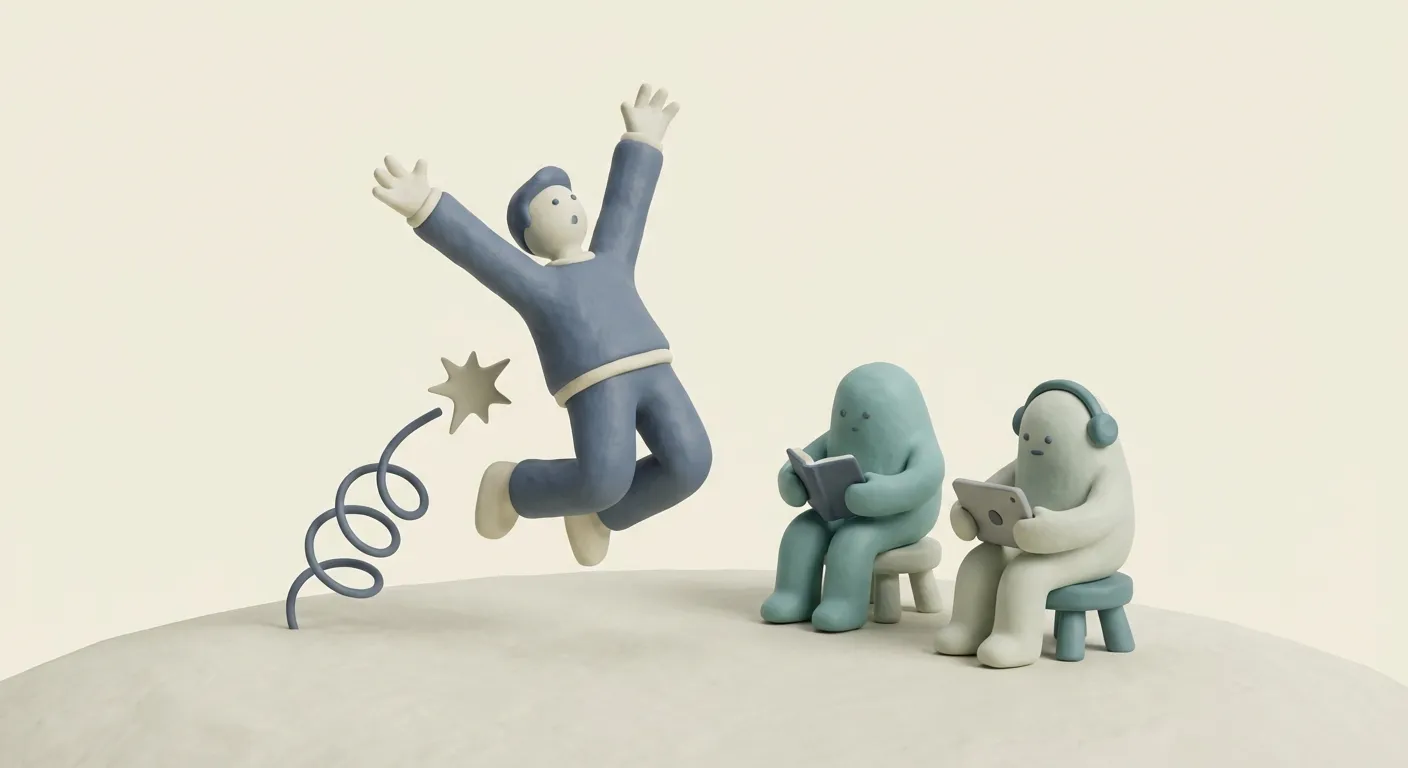
What others see
Exaggerated startle response - Jumping at sudden sounds or movements others barely notice
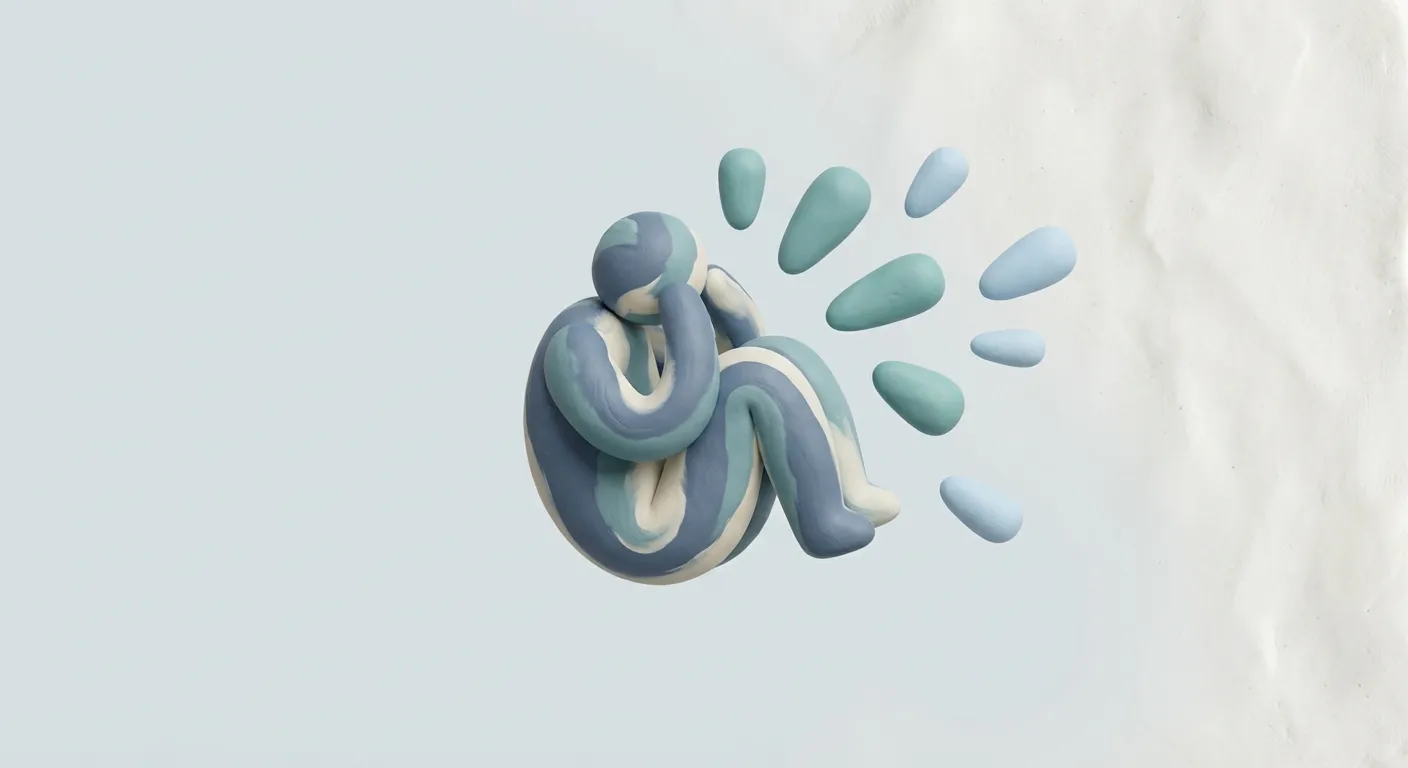
On the inside
What it feels like
The Startle Storm: That sound just catapulted me into full survival mode. My body is bracing for a blow that happened years ago.
What others see
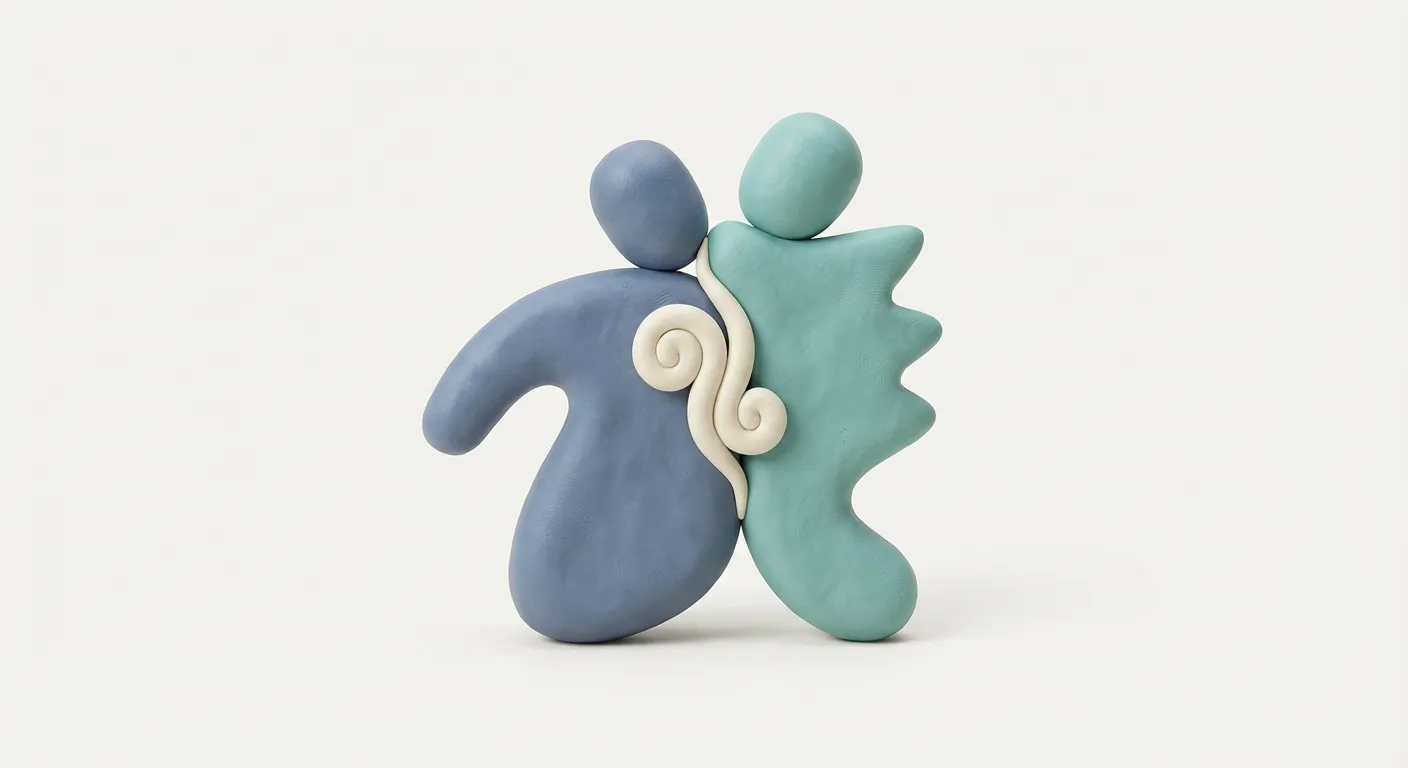
Social withdrawal or conflict - Alternating between clinging to people and pushing them away
On the inside
What it feels like
The Push-Pull: I desperately need you close AND I'm terrified you'll hurt me. Both feelings are screaming at equal volume.
What others see
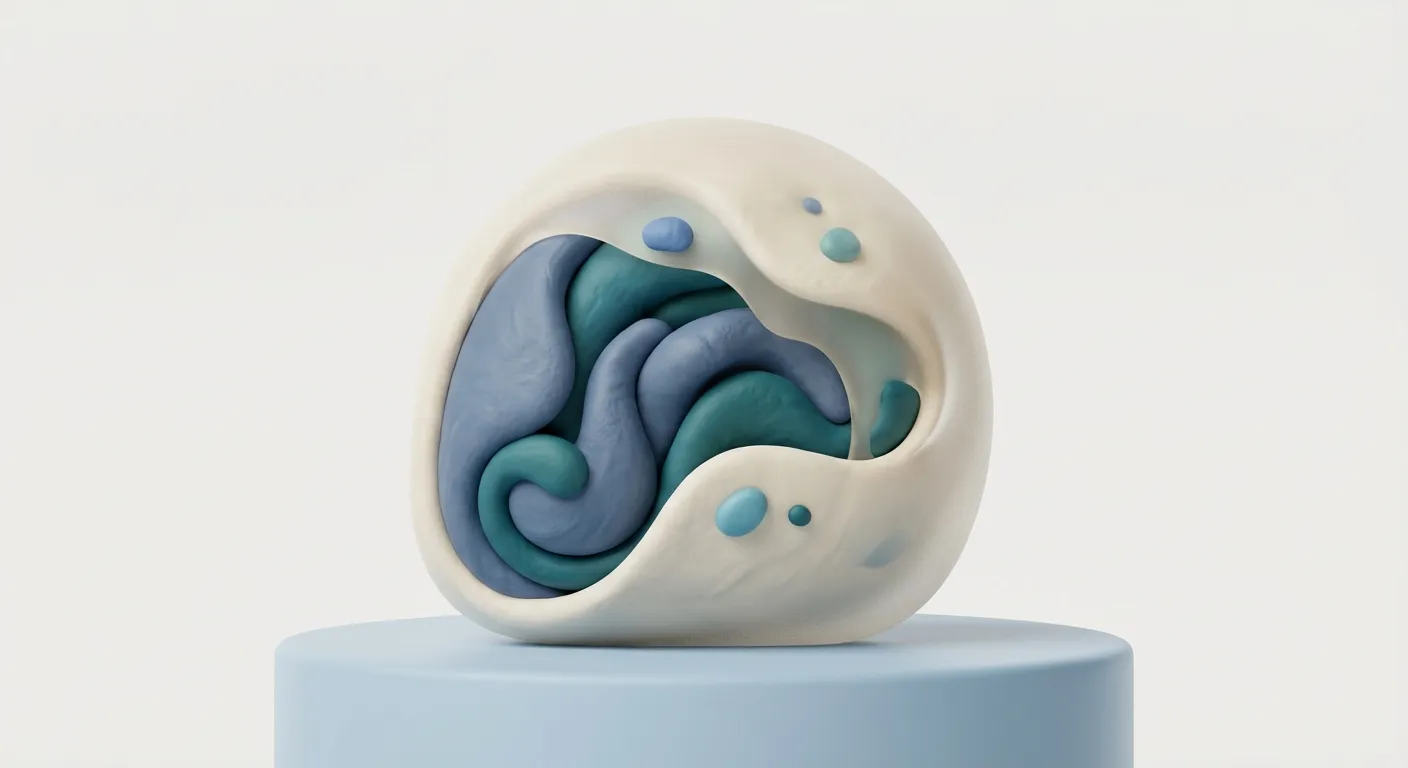
Flat emotional expression - Appearing blank or emotionless during conversations
On the inside
What it feels like
The Frozen Surface: I'm not calm—I'm overwhelmed. My emotions are so loud inside that my face shut down to cope.
What others see
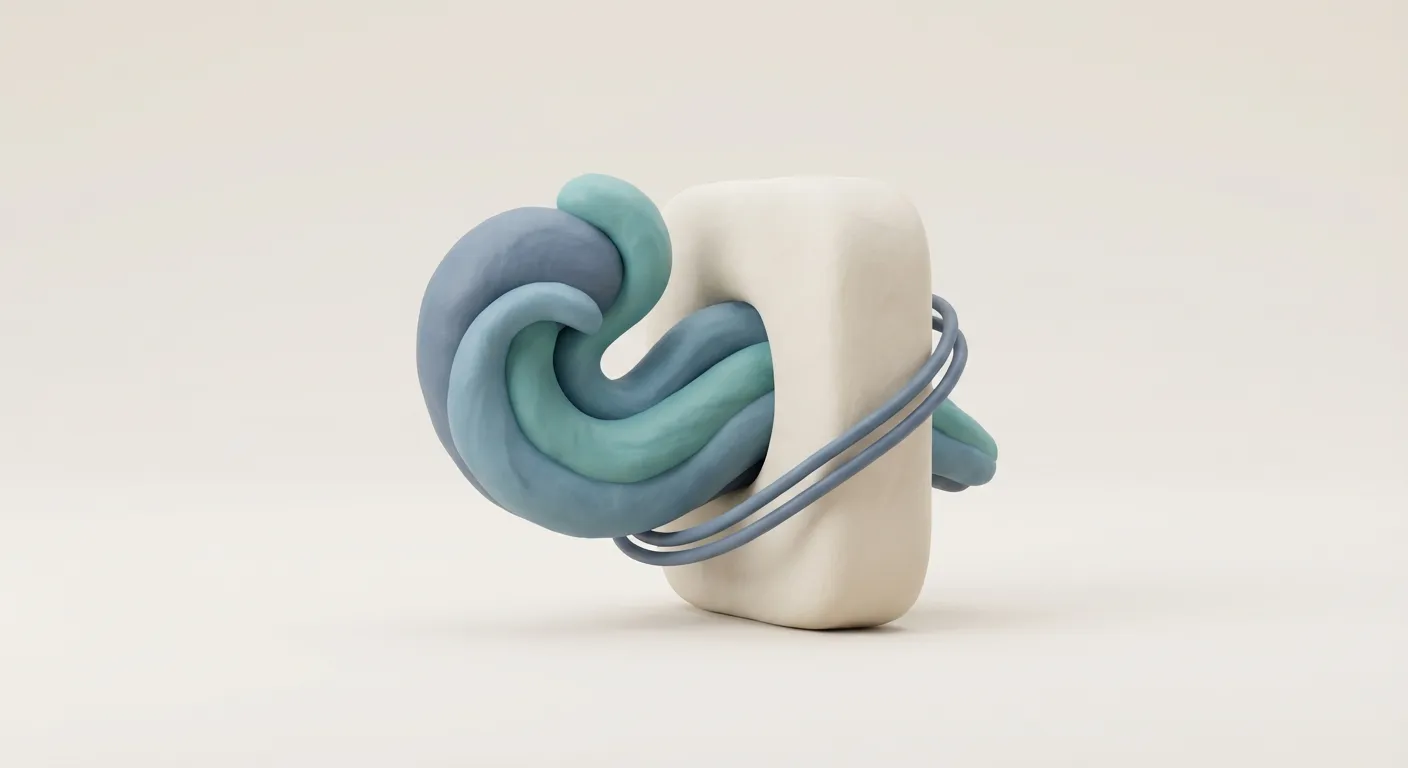
Risky behaviors - Substance use or self-harm that seem to come from nowhere
On the inside
What it feels like
The Override: This pain/substance/risk is the only thing that interrupts the unbearable feelings flooding my nervous system.
What others see
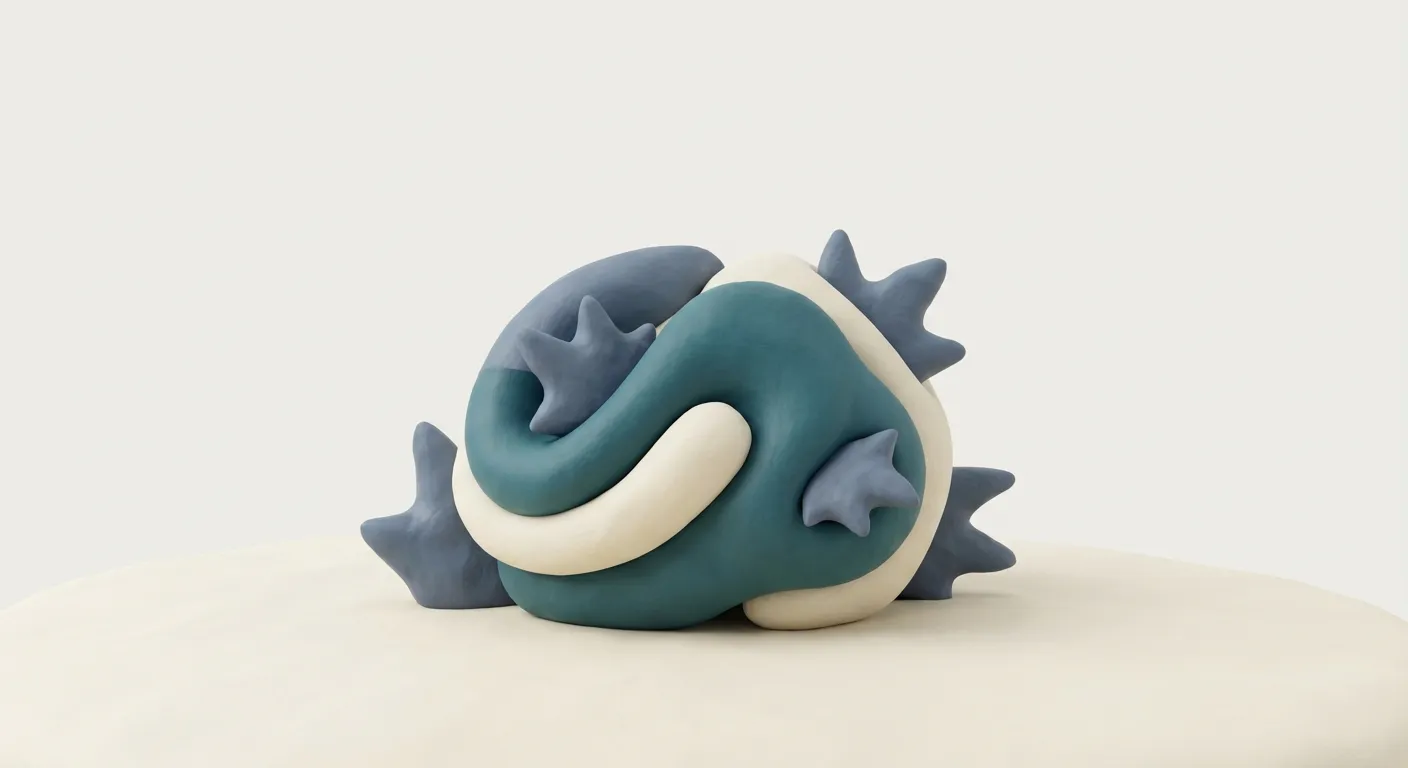
Work instability - Quitting jobs or being fired after conflicts with authority
On the inside
What it feels like
The Trigger Minefield: That tone of voice, that demand, that authority figure—my body just declared this workplace a war zone.
What others see
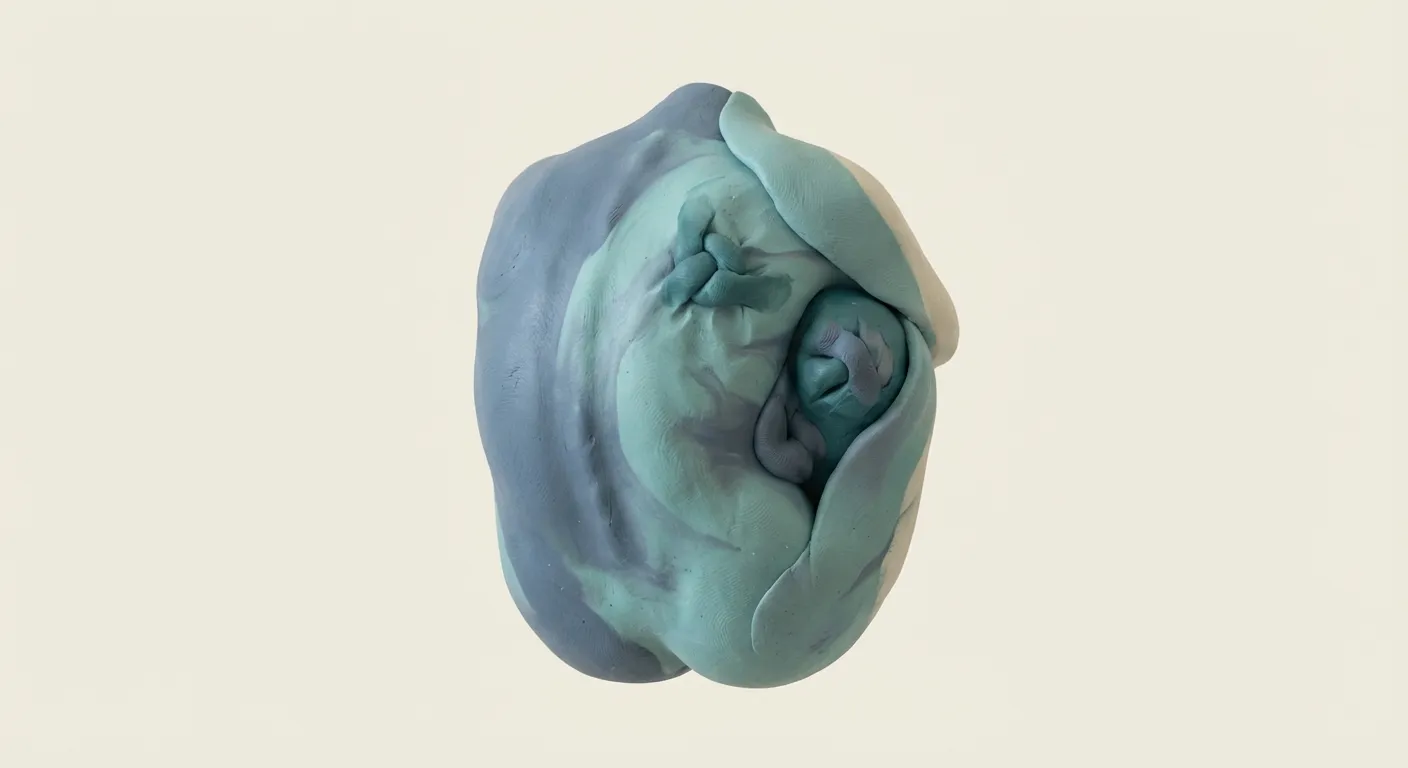
Chronic pain complaints - Headaches, stomach issues, or muscle tension with no clear medical cause
On the inside
What it feels like
The Body Archive: This headache isn't random. My muscles are clenching against threats my mind can't consciously remember.
What others see
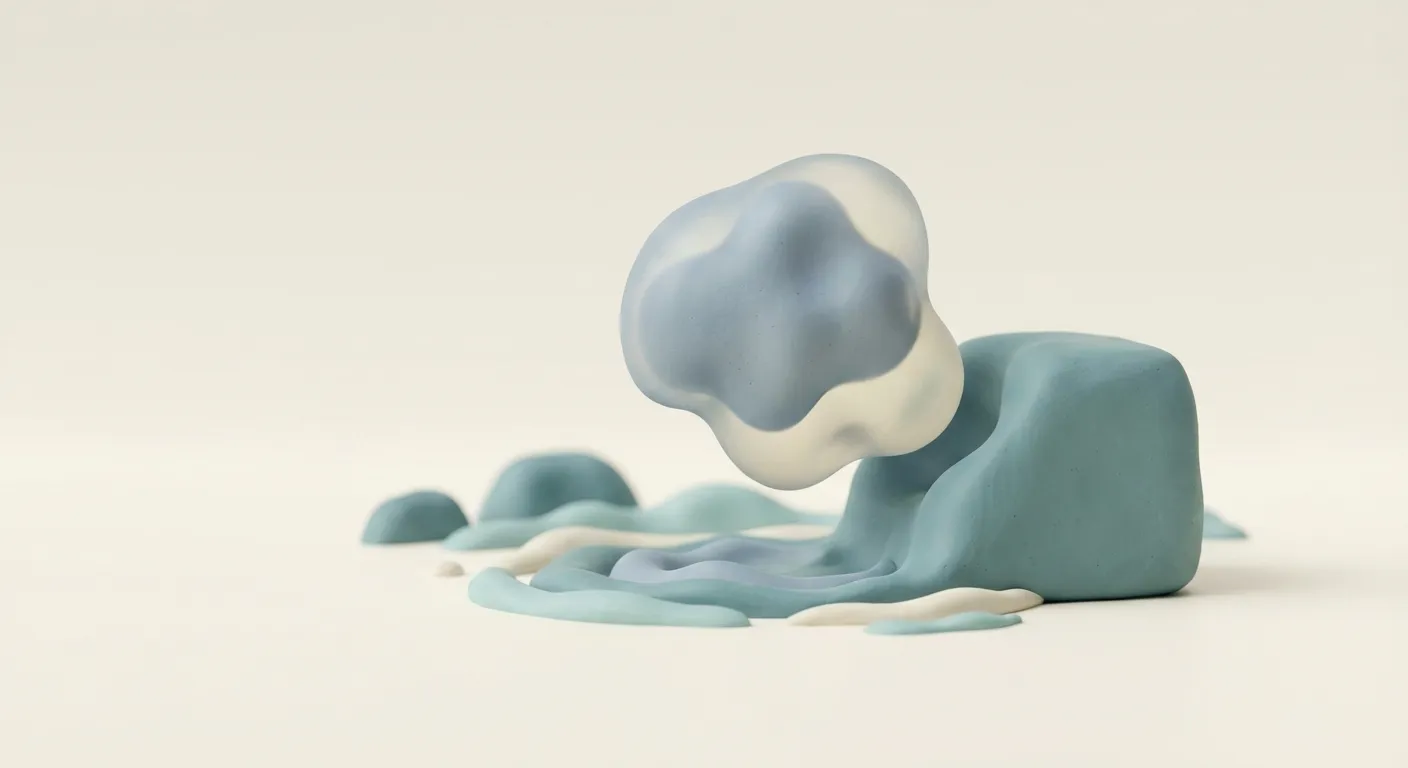
Dissociative episodes - Appearing 'spaced out' or unresponsive mid-conversation
On the inside
What it feels like
The Departure: I'm still here but I've left my body. The world went distant and muffled because staying present was too much.
What others see
Exaggerated startle response - Jumping at sudden sounds or movements others barely notice
On the inside
What it feels like
The Startle Storm: That sound just catapulted me into full survival mode. My body is bracing for a blow that happened years ago.
What others see
Social withdrawal or conflict - Alternating between clinging to people and pushing them away
On the inside
What it feels like
The Push-Pull: I desperately need you close AND I'm terrified you'll hurt me. Both feelings are screaming at equal volume.
What others see
Flat emotional expression - Appearing blank or emotionless during conversations
On the inside
What it feels like
The Frozen Surface: I'm not calm—I'm overwhelmed. My emotions are so loud inside that my face shut down to cope.
What others see
Risky behaviors - Substance use or self-harm that seem to come from nowhere
On the inside
What it feels like
The Override: This pain/substance/risk is the only thing that interrupts the unbearable feelings flooding my nervous system.
What others see
Work instability - Quitting jobs or being fired after conflicts with authority
On the inside
What it feels like
The Trigger Minefield: That tone of voice, that demand, that authority figure—my body just declared this workplace a war zone.
What others see
Chronic pain complaints - Headaches, stomach issues, or muscle tension with no clear medical cause
On the inside
What it feels like
The Body Archive: This headache isn't random. My muscles are clenching against threats my mind can't consciously remember.
What others see
Dissociative episodes - Appearing 'spaced out' or unresponsive mid-conversation
On the inside
What it feels like
The Departure: I'm still here but I've left my body. The world went distant and muffled because staying present was too much.
C-PTSD is a result of enduring extreme, often inescapable, traumatic experiences.
— Clinical Consensus![Overview: Complex PTSD (C-PTSD) results from repeated or prolonged trauma where escape was difficult, such as abuse, captivity, or chronic neglect. Unlike single-event PTSD, it involves lasting changes in emotional regulation, self-perception, and relationships due to sustained stress hormone exposure affecting the amygdala (fear center) and prefrontal cortex (decision-making area) [4][7][9].](/images/neurotypes/clay/cptsd/science-card-1.webp)
![Mechanism: Core symptoms include PTSD reactions (flashbacks, hypervigilance) plus three key additions: 1) Emotional storms or numbness from disrupted nervous system regulation, 2) Persistent shame/self-blame linked to altered default mode network activity, and 3) Relationship struggles stemming from impaired trust circuits. These changes often serve survival needs during trauma but become maladaptive later [1][4][7].](/images/neurotypes/clay/cptsd/science-card-2.webp)
![Impact: Recovery focuses on rebuilding neurobiological safety through phased therapy. Techniques like EMDR help reprocess traumatic memories, while somatic therapies address body-based trauma storage. Neuroplasticity allows new neural pathways to form with consistent support, though progress often follows non-linear patterns [4][9].](/images/neurotypes/clay/cptsd/science-card-3.webp)
![Hyperactivated Survival Mode: Constant fight/flight state with adrenal fatigue. Brain scans show enlarged amygdala, reduced hippocampal volume affecting memory integration [4][9].](/images/neurotypes/clay/cptsd/type-cptsd-1.webp)
![Emotional Desertification: Protective numbness from prefrontal cortex shutdown. May co-occur with depersonalization/derealization disorders [1][7].](/images/neurotypes/clay/cptsd/type-cptsd-2.webp)
![Relational Cyclones: Intense but unstable bonds mirroring early attachment trauma. Mirror neuron system differences affect empathy regulation [4][8].](/images/neurotypes/clay/cptsd/type-cptsd-3.webp)
![Somatic Archives: Trauma stored as chronic pain/illness. Vagus nerve dysregulation affects gut-brain axis and inflammatory response [7][9].](/images/neurotypes/clay/cptsd/type-cptsd-4.webp)