Adult ADHD: Signs, Diagnosis, and What Comes Next
You have spent years being told you are smart but careless. Disorganised. A procrastinator. Maybe too sensitive. If any of that sounds familiar, you are not alone, and you are not broken. For many adults, an ADHD diagnosis is the first explanation that actually fits.
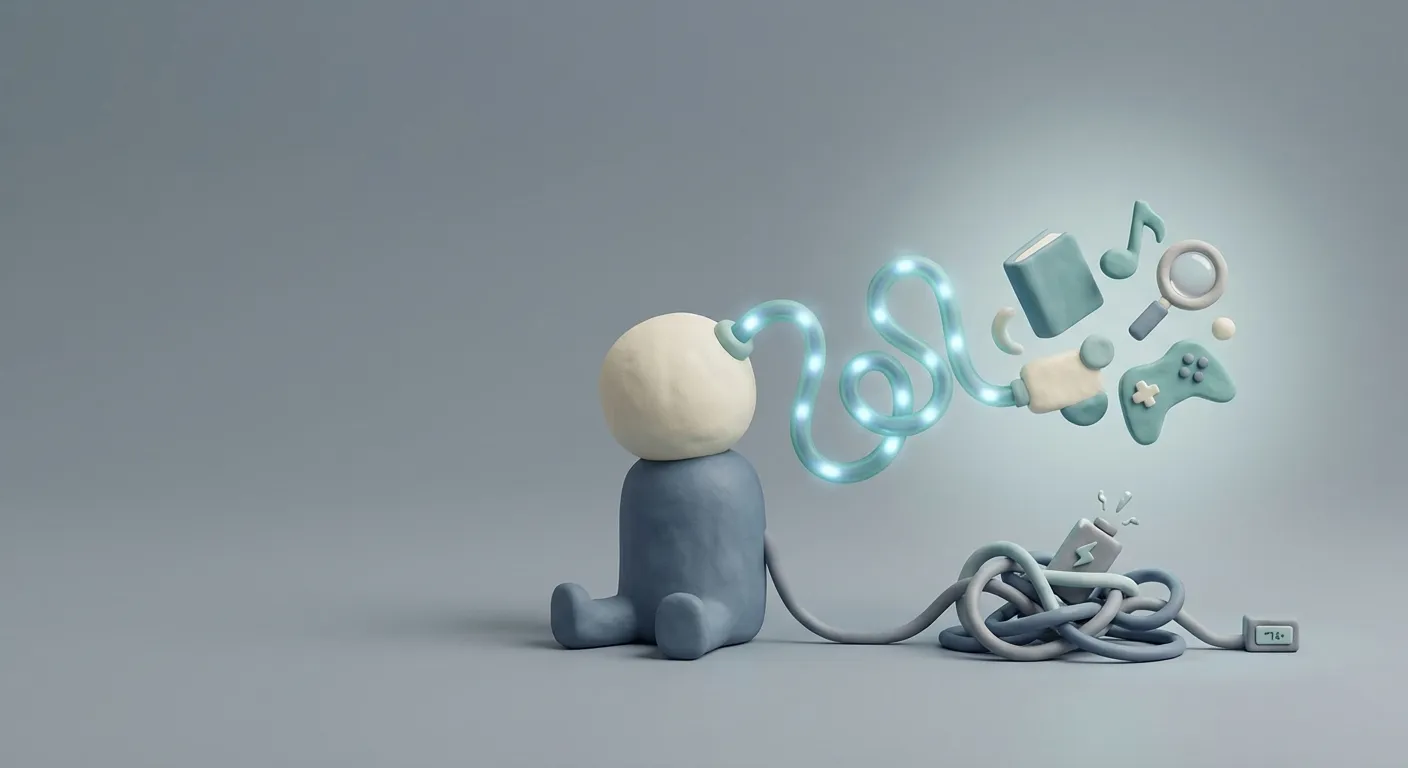
This guide is written for adults exploring ADHD for themselves, recently diagnosed, or supporting someone who is. It is not medical advice. Talk to a qualified clinician for a personal assessment.
Why so many adults are only finding out now
You managed. That is the problem. You were bright enough to coast through school, or anxious enough to compensate for every missed deadline. You built systems, lists, alarms, workarounds. Nobody saw the effort behind the output, and neither did you, because for you that level of effort just felt like being alive.
Then life escalated. A job that required sustained admin. A relationship that needed consistent follow-through. A mortgage, a baby, or both at once. The scaffolding you had always relied on, other people's deadlines, rigid school timetables, parents who tracked your things, collapsed. And suddenly everything felt impossible.
This is the most common ADHD story in adults, and it explains why so many people receive their first diagnosis at 30, 40, or 50. It is not that the ADHD appeared then. It is that for the first time the demands exceeded the coping. The rejection from a colleague lands so hard you cannot sleep for three nights. The 47 unread texts from people you genuinely care about. The grief, quiet and specific, for the version of you who could have been if someone had spotted this at 12.
The diagnosis does not change what happened. But it does change how you understand it, and that matters more than most people realise going in.
What ADHD actually is, beyond the schoolboy stereotype
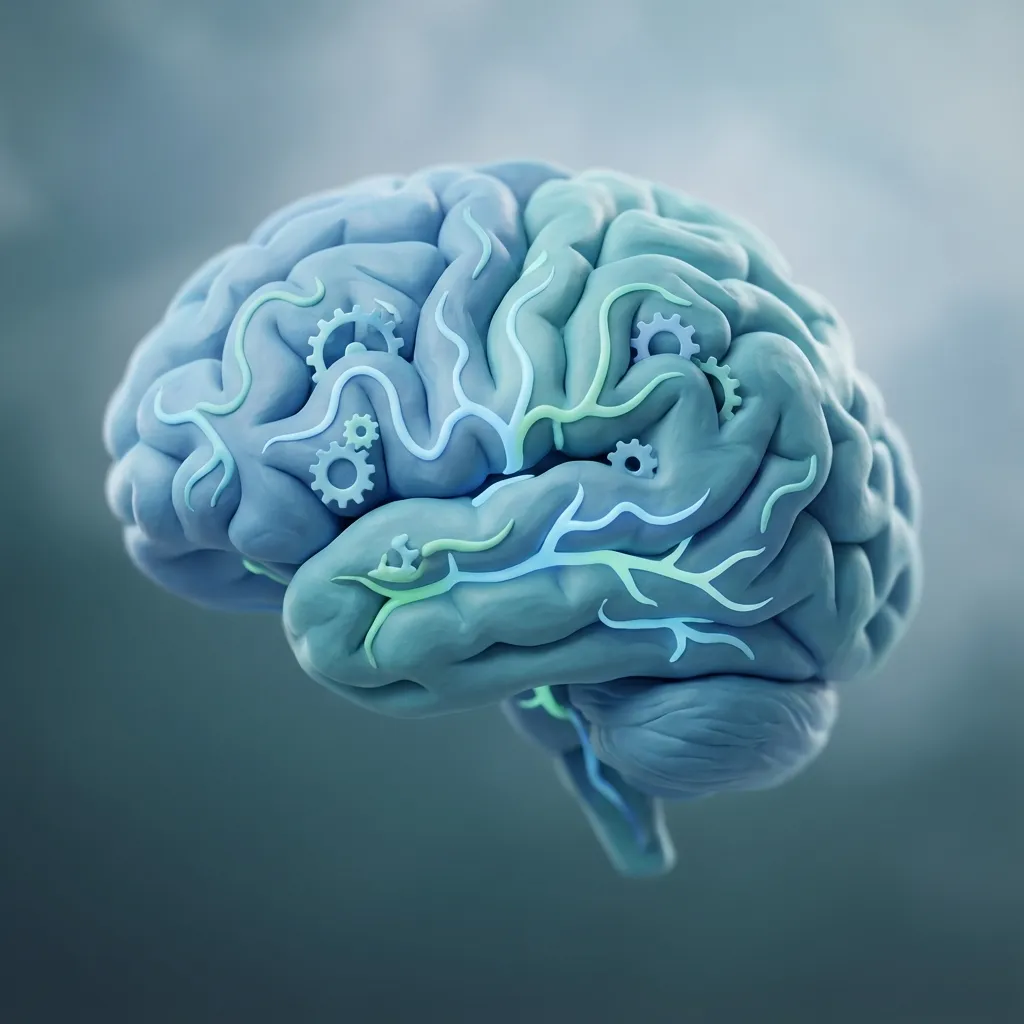
The name is misleading. ADHD is not a deficit of attention. It is an interest-based nervous system (Hallowell & Ratey, 2021). The ADHD brain does not lack the ability to focus. It lacks the ability to regulate when it focuses. Interest, urgency, challenge, novelty, and passion can all activate the ADHD attention system in a way that neutral importance never can. A person with ADHD can hyperfocus on a compelling project for six hours and then completely forget to eat.
The neuroscience runs through dopamine. The ADHD brain has differences in dopamine transmission, particularly in prefrontal circuits that handle executive function, the collection of mental processes that let you plan, initiate, sustain effort, switch tasks, regulate emotion, and hold information in mind while using it (Barkley, 2015). Working memory, the ability to keep a thread active while you act on it, is particularly affected. This is why you walk into a room and forget why you went, or lose your train of thought mid-sentence.
Russell Barkley, one of the world's leading ADHD researchers, frames ADHD primarily as a disorder of self-regulation across time, not a disorder of attention per se. The person is not struggling to pay attention to the world. They are struggling to direct their attention strategically, toward what matters rather than what is most immediately compelling. Edward Hallowell, who has ADHD himself, adds that the ADHD brain is like a Ferrari engine with bicycle brakes. The power is there. The control system needs work.
Understanding this changes everything about how you interpret your history. Your procrastination was not laziness. Your emotional intensity was not immaturity. Your impulsivity was not a character flaw. It was, and is, a neurological difference, and it responds well to the right support.
Signs you may have missed for years
ADHD in adults looks different from the hyperactive child in the textbook. It also splits into three presentations, each with its own texture.
Inattentive presentation
This is the presentation most often missed, particularly in people who were otherwise performing well at school. The signals include: you reread the same paragraph three times and still have no idea what it said. You sit in a meeting and realise you have no memory of the last ten minutes. You mean to reply to the message and then it falls so completely out of working memory that you feel a small shock, three weeks later, when you see it still unread.
Time blindness is one of the most disabling features. Not just being late, but having no felt sense of how long things take, no internal alarm that says "you have been doing this for two hours." Tasks either happen now or they happen never, because the future is abstract in a way it is not for neurotypical people.
Then there is the hyperfocus paradox: the same brain that cannot sustain attention on a boring task can lock in on a fascinating one for hours, missing meals, appointments, and the entire afternoon. This confuses people, including clinicians, who reason that if you can focus for six hours on a game or a novel, you cannot have ADHD. The confusion dissolves when you understand that ADHD is about regulation, not capacity.
Hyperactive-Impulsive presentation
In adults, the external hyperactivity of childhood often converts to internal restlessness. Your body may be still in the meeting while your mind has 27 tabs open, cycling between a half-formed plan, yesterday's awkward interaction, and a business idea you should probably write down. You interrupt people not to be rude but because the thought will evaporate if you do not say it immediately. You make impulsive decisions that feel correct in the moment and baffling two days later.
Some people still have very physical restlessness: jiggling legs, needing to pace, talking fast, starting projects and abandoning them, scrolling compulsively to regulate an understimulated nervous system.
Combined presentation
Most adults with ADHD have elements of both, and the balance shifts with context, fatigue, stress, and hormonal cycles. Many people spend years managing one set of symptoms and never connect the other set to the same cause.
The common thread across all three is emotional dysregulation. Intense frustration, rejection sensitivity, and difficulty recovering from criticism are not listed in the DSM as ADHD criteria but are consistently reported by adults with ADHD and are now understood as central features (Barkley, 2015).
Why so many women, AFAB people, and high-maskers get missed
The diagnostic criteria for ADHD were largely developed from studies of hyperactive boys. This is not a conspiracy, just a historical accident of how the research field developed, but its consequences have been significant for anyone who did not fit that template (Quinn & Madhoo, 2014).
Girls and women with ADHD tend to internalise their symptoms. The hyperactivity becomes anxiety or daydreaming. The impulsivity becomes people-pleasing and over-commitment. The working memory failures become elaborate compensatory systems: meticulous lists, arriving early to every appointment to offset the risk of being late, re-reading emails four times before sending. From the outside, this looks like organisation. From the inside, it is exhausting.
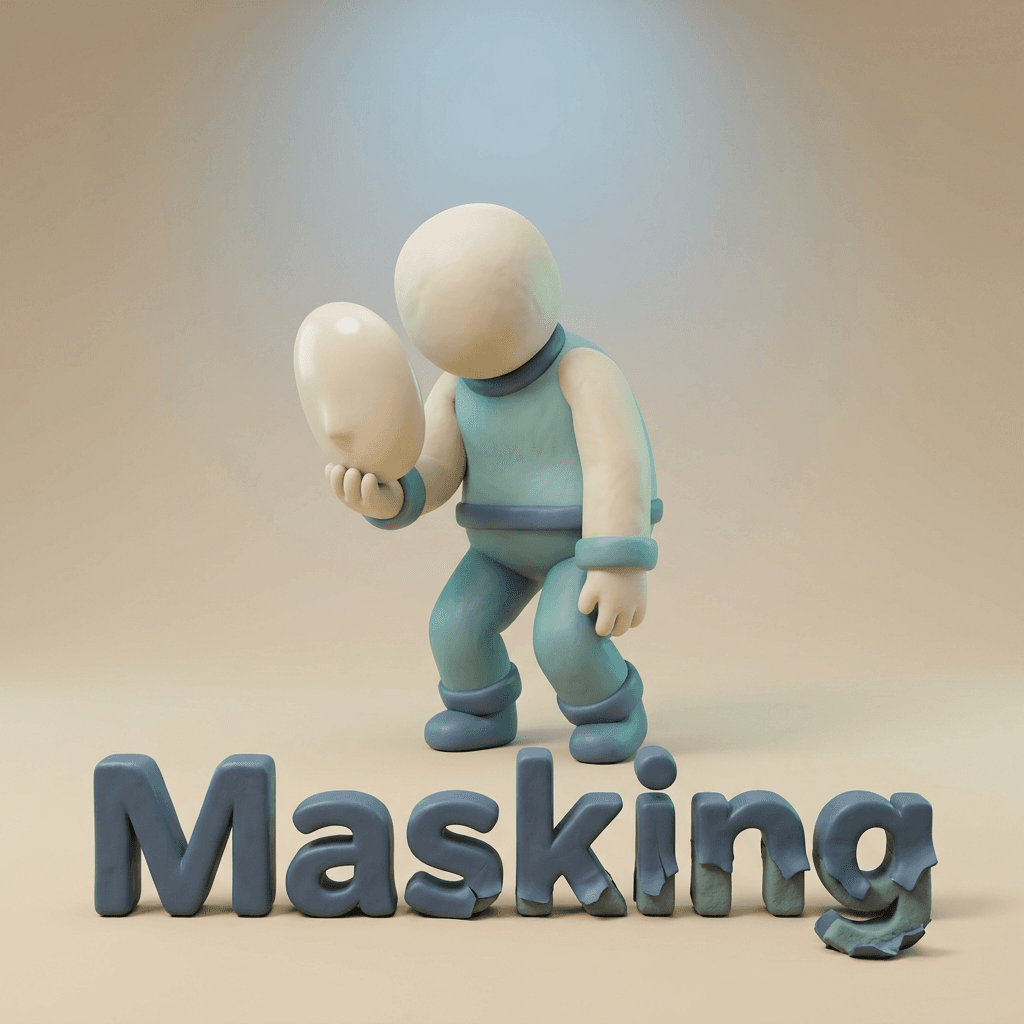
Masking, the deliberate or automatic suppression of neurodivergent traits to fit social expectations, is common across gender but particularly studied in women and AFAB people. High-maskers can appear entirely "normal" in a clinical setting while carrying enormous cognitive load to do so. The mask comes off in private: at home, or after a long social day, or in perimenopause when the hormonal props that helped regulate the ADHD nervous system begin to withdraw.
The diagnostic pathway for many women includes a prior diagnosis of anxiety, depression, or both, because those co-occurring conditions are real and present, but they are downstream effects of untreated ADHD rather than the primary cause. When the ADHD is treated, the anxiety often improves.
Late diagnosis brings both grief and relief. Grief for the years spent misunderstanding yourself. Relief that there is an explanation, and that things can be different from here (Hinshaw, 2022).
Ready to explore further?
Take a free screening, chat with Sheldon, or explore 30+ neurotypes in depth.
Rejection Sensitive Dysphoria, the part nobody warns you about
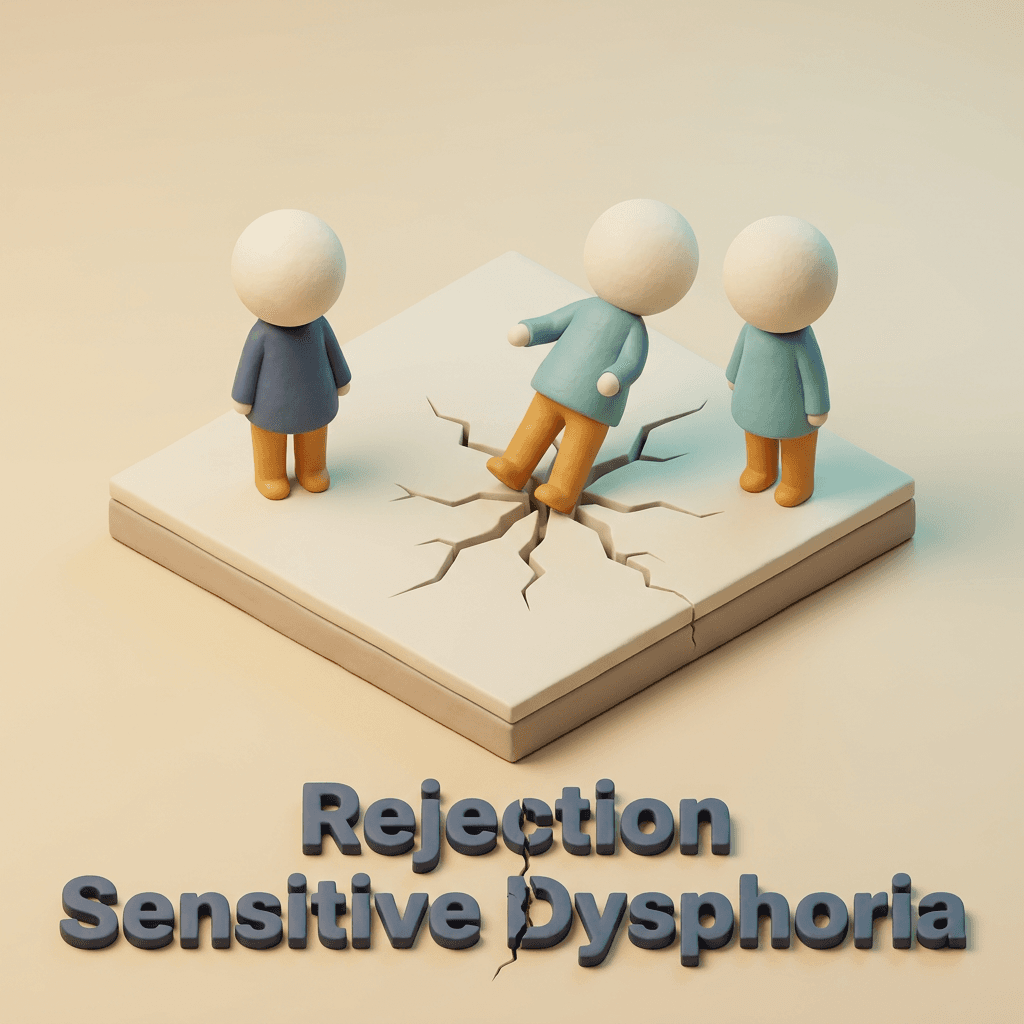
You get a slightly cool reply to an email. A friend cancels. A colleague gives ambiguous feedback. For most people, this is mildly uncomfortable. For many people with ADHD, it lands like a physical blow, a wave of shame, hurt, or rage that feels completely disproportionate and that you cannot reason your way out of.
This is rejection sensitive dysphoria. It is not a personality disorder. It is not weakness. It is a neurological feature associated with the same dopamine regulation differences that underlie the rest of ADHD. The term was coined and developed by William Dodson MD and is one of the least-discussed but most disabling aspects of ADHD in adult life.
RSD can quietly restructure your entire life. You stop applying for things you might not get. You agree to requests you resent to avoid any possibility of displeasure. You pre-emptively withdraw from people before they can reject you. You replay conversations looking for evidence that someone is about to leave.
Naming RSD is the first step. Many people with ADHD report that learning this concept, that what they have been experiencing is a documented feature and not a sign of fundamental emotional immaturity, is one of the most relieving parts of their diagnosis.
What an adult ADHD assessment actually looks like
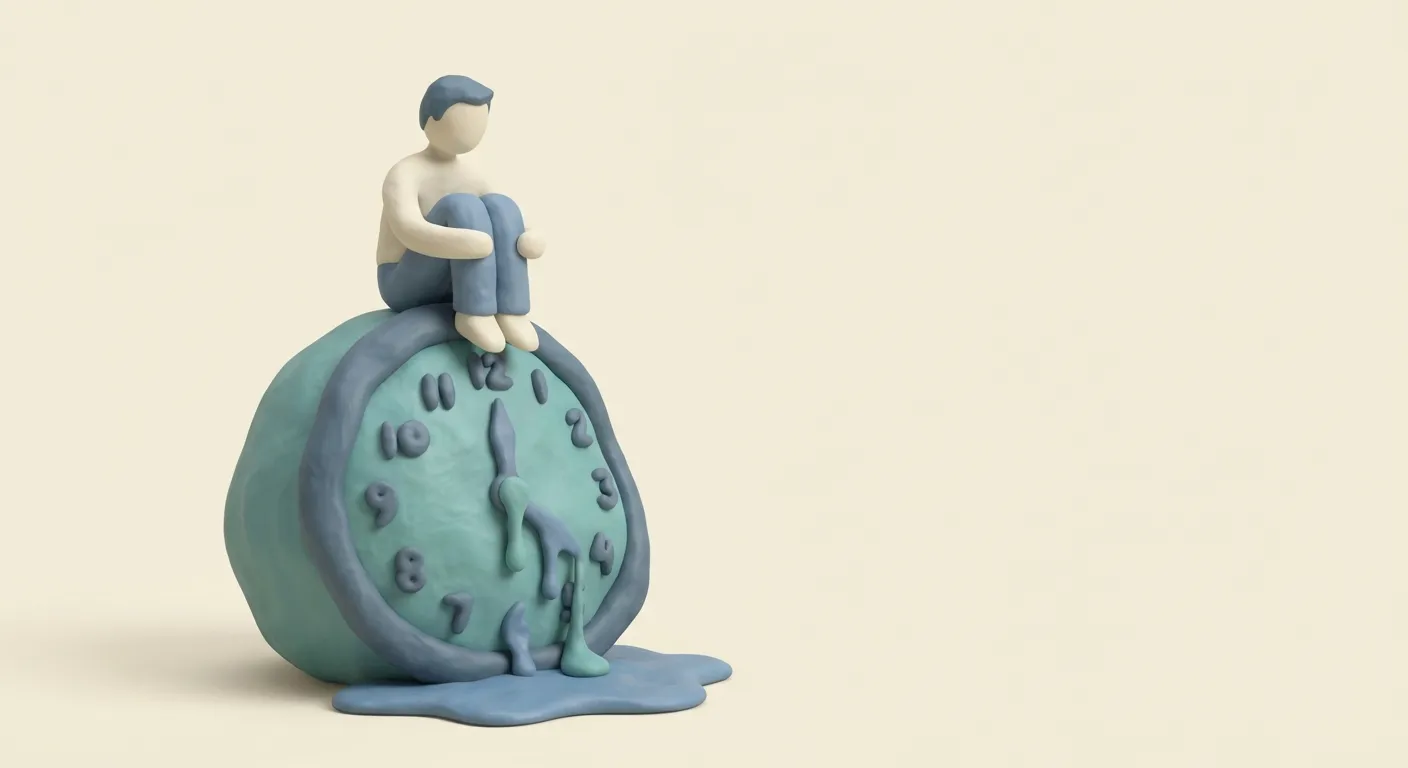
A proper adult ADHD assessment is not a short questionnaire. It is a structured clinical interview that typically spans one to three hours across one or two appointments, conducted by a psychiatrist, clinical psychologist, or specialist GP.
The DSM-5-TR criteria (APA, 2022) require five or more symptoms of inattention and/or five or more symptoms of hyperactivity-impulsivity, present across at least two settings (work, home, relationships), causing clear functional impairment, with several symptoms present before age 12. That last requirement is why a good clinician always takes a childhood history, even for someone presenting at 45.
Standardised screening tools commonly used in adults include the ASRS-v1.1 (Adult ADHD Self-Report Scale), a 6-item screener with validated clinical cut-offs, and the DIVA-5 (Diagnostic Interview for ADHD in Adults), a structured interview that systematically maps DSM-5 criteria against childhood and adult examples. Neither is a diagnosis on its own. They are structured lenses that help the clinician gather consistent evidence.
Collateral information, a report from a parent, partner, or sibling who knew you as a child, adds validity, particularly when childhood history is hazy. You can still be diagnosed without it, but it strengthens the picture.
Crucially, the clinician will also rule out conditions that mimic ADHD or co-occur with it. Anxiety and ADHD share attention dysregulation. Depression and ADHD share motivation difficulties. Trauma can produce what looks like hypervigilance-as-hyperactivity. Sleep disorders (especially untreated sleep apnoea) cause attention and memory problems that closely resemble ADHD. A good assessment disentangles these threads.
You can use our screening tests to gather a structured self-report before your first appointment. Bringing that to the clinician gives them a head start and gives you something concrete to anchor the conversation.
What comes after diagnosis
A diagnosis is not an endpoint. It is a map. What you do with it depends on your goals, your context, and what you find most limiting.
Medication
Stimulant medications (methylphenidate-based and amphetamine-based compounds) are among the most effective treatments in psychiatry, with decades of evidence for ADHD in adults (APA, 2022). They work by increasing dopamine and noradrenaline availability in prefrontal circuits, improving sustained attention, impulse control, and working memory. Non-stimulant options (such as atomoxetine and guanfacine) are available for people who cannot tolerate stimulants or have contraindications. Neither category should be described with specific dosing here as prescribing decisions belong with a clinician who knows your full history. What is important to know is that medication, when it is the right fit, often allows the person to access other interventions far more effectively.
Therapy
Cognitive Behavioural Therapy adapted for ADHD (CBT-ADHD) is the most evidence-based psychotherapy option, helping with planning, procrastination, sleep, and the thought patterns that maintain avoidance. Acceptance and Commitment Therapy (ACT) is increasingly used for the shame and values-clarification work that follows late diagnosis. ADHD coaching, distinct from therapy, focuses on practical structure: routines, body doubling (working alongside another person), external accountability, and environmental design.
Accommodations
In most countries, a formal ADHD diagnosis qualifies for workplace and educational accommodations: extended deadlines, written instructions rather than verbal, reduced-distraction workspaces, flexible hours. These are not privileges. They are access tools that level the playing field.
Community
Many people find the community as valuable as any clinical intervention. Understanding that other people share your specific experience, the time blindness, the emotional intensity, the simultaneous genius and disorder, reduces the shame that has often accumulated over decades. Connecting with others also means learning what works in practice, not just in guidelines. ADHD often overlaps with autism, and understanding the full picture, if both are present, shapes what support is most useful.
Frequently asked questions
Can you develop ADHD as an adult?
No. ADHD is neurodevelopmental, present from childhood, even when nobody noticed. What can change is how much it affects you. Adult life surfaces ADHD when external scaffolding (school structure, parents managing logistics) falls away and demands on executive function rise, including children, careers, finances, and relationships.
How is adult ADHD diagnosed?
A qualified clinician (psychiatrist, clinical psychologist, or specialist GP) takes a full developmental history going back to childhood, screens with standardised tools like ASRS-v1.1 or DIVA-5, gathers collateral information from someone who knew you as a child if possible, and rules out conditions that mimic ADHD, including anxiety, depression, sleep disorders, and trauma. A single questionnaire is never enough.
Is adult ADHD different from childhood ADHD?
It's the same condition with different presentations. The hyperactivity often becomes internal, racing thoughts, restlessness, talking fast, rather than physical. Inattention shows up as missed deadlines, scattered planning, and forgetting things mid-sentence. Emotional dysregulation, often missed in childhood, becomes one of the loudest signals in adulthood.
Why are so many women diagnosed in their 30s and 40s?
Diagnostic criteria were built on studies of hyperactive boys. Women and AFAB people often present with the inattentive type, mask social differences from a young age, and are frequently misdiagnosed with anxiety or depression. Diagnosis often follows a child being assessed, hormonal shifts (perimenopause, postpartum), or burnout.
Do I need medication if I have ADHD?
Not necessarily. Medication is one of the most effective evidence-based treatments for many adults, but it is not the only option. ADHD coaching, CBT for ADHD, structured routines, body doubling, and accommodations help, alone or alongside medication. Decisions belong with you and your prescriber, not the internet.
Can adults with ADHD have a successful career?
Yes, and many already do, often without knowing they are ADHD. The combination of hyperfocus, divergent thinking, urgency under pressure, and pattern-spotting is a real strength when the role and environment are well-matched. The cost is usually paid in the things ADHD makes hard: admin, sustained boring tasks, and the burnout from masking.
Is adult ADHD a real condition or just a trend?
Adult ADHD is well-documented in the medical literature for over 50 years and recognised in both DSM-5-TR and ICD-11. The recent rise in diagnoses reflects better awareness of how it presents in women, AFAB people, and adults, not over-diagnosis.
Ready to explore further?
Take a free screening, chat with Sheldon, or explore 30+ neurotypes in depth.
Built by neurodivergent minds. 30+ conditions explored. Always free.
Sources: American Psychiatric Association (APA). (2022). Diagnostic and Statistical Manual of Mental Disorders, Fifth Edition, Text Revision (DSM-5-TR). American Psychiatric Publishing. | Barkley, R. A. (2015). Attention-Deficit Hyperactivity Disorder: A Handbook for Diagnosis and Treatment (4th ed.). Guilford Press. | Hallowell, E. M., & Ratey, J. J. (2021). ADHD 2.0: New Science and Essential Strategies for Thriving with Distraction. Ballantine Books. | Hinshaw, S. P., et al. (2022). Annual Research Review: Attention-deficit/hyperactivity disorder in girls and women: underrepresentation, longitudinal processes, and key directions. Journal of Child Psychology and Psychiatry, 63(4), 484-496. | Quinn, P. O., & Madhoo, M. (2014). A review of attention-deficit/hyperactivity disorder in women and girls: uncovering this hidden diagnosis. The Primary Care Companion for CNS Disorders, 16(3). | Quinn, P. O. (2005). Treating adolescent girls and women with ADHD: Gender-specific issues. Journal of Clinical Psychology, 61(5), 579-587.