(SPD)
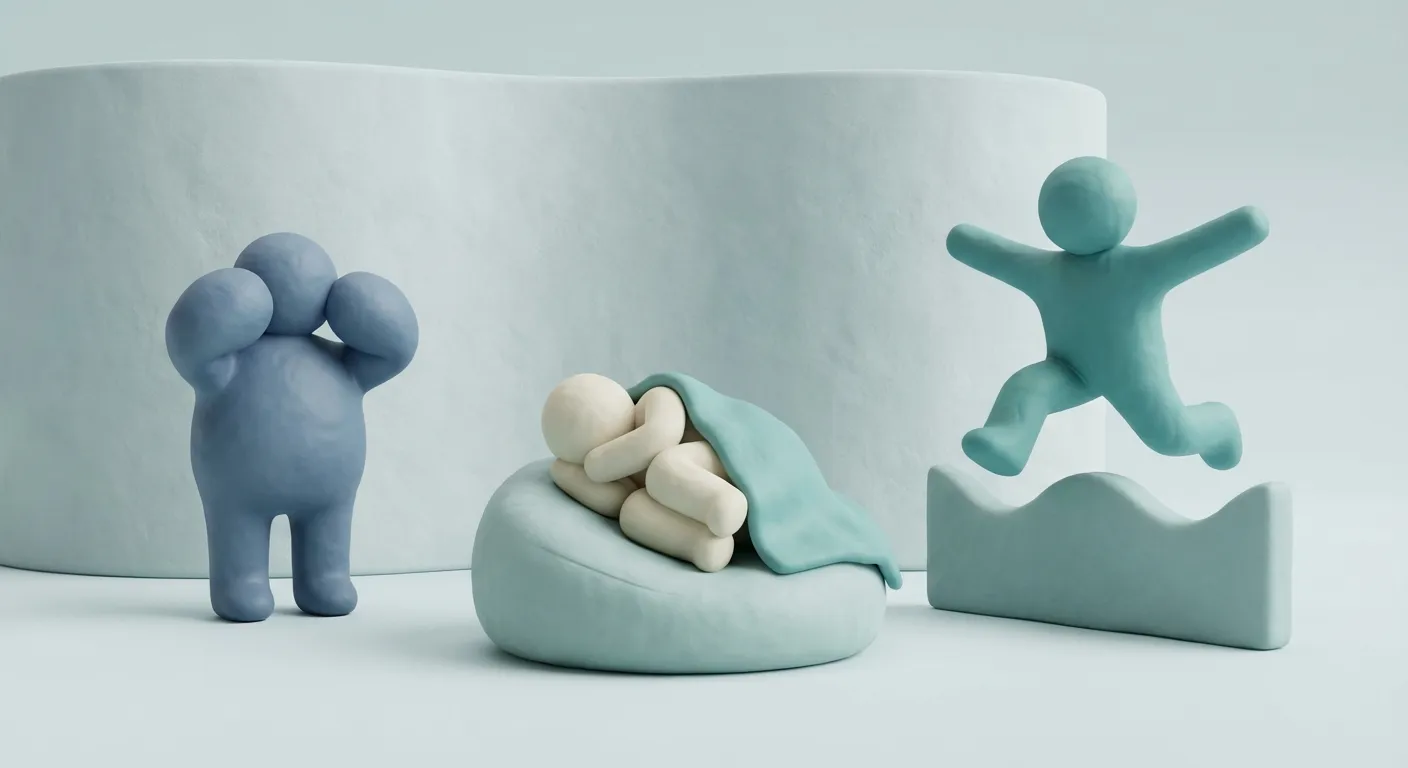
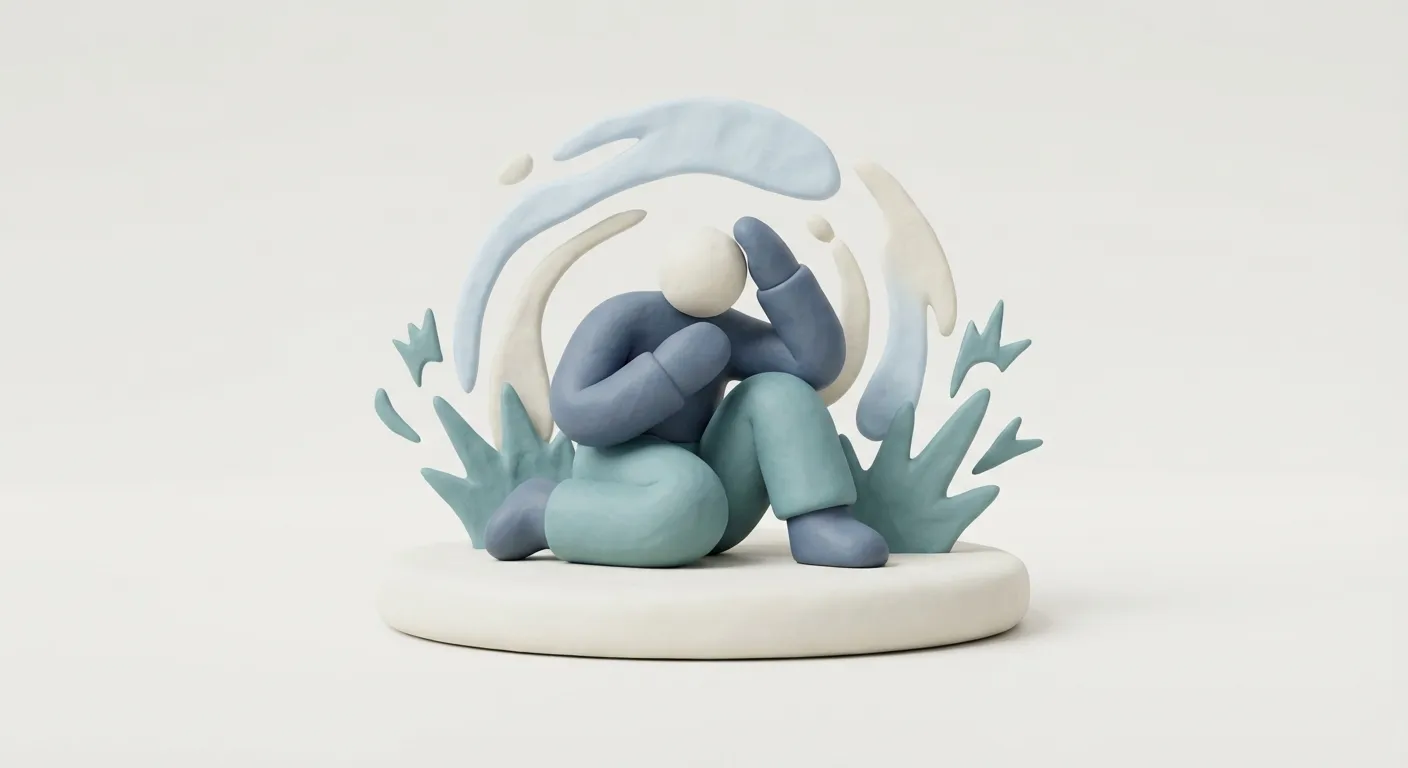
Not fussiness or imagination, but a nervous system that receives sensation at a different volume or texture. Stigma often confuses intensity with exaggeration.
यह actually क्या है?
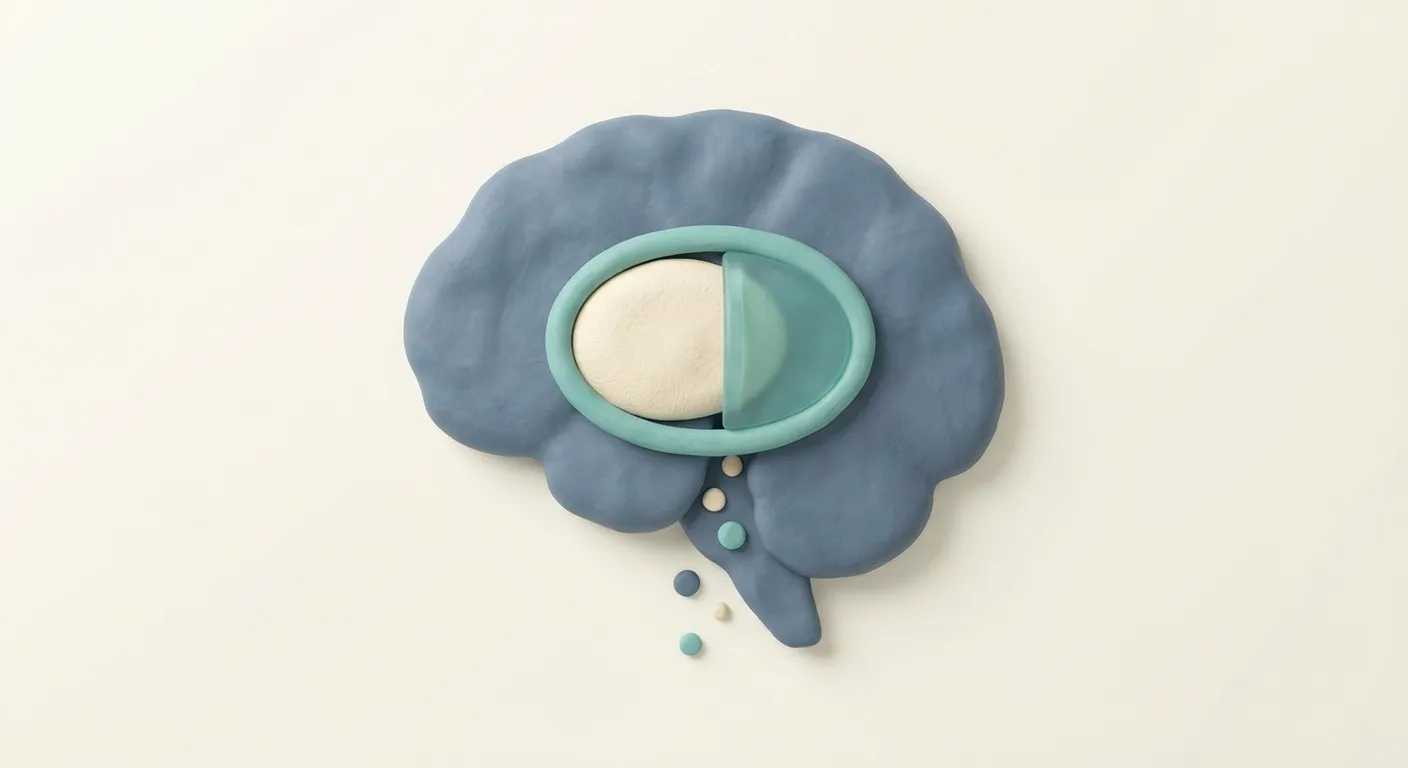
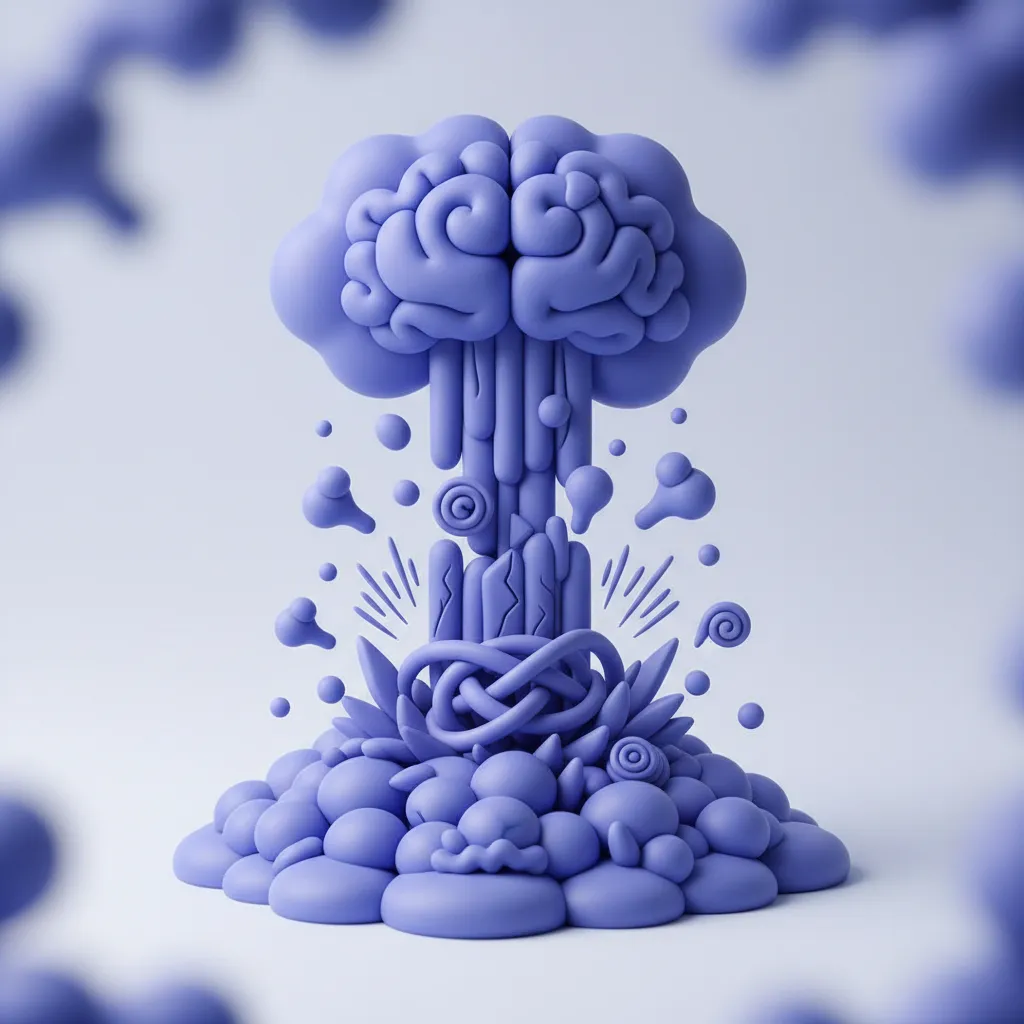
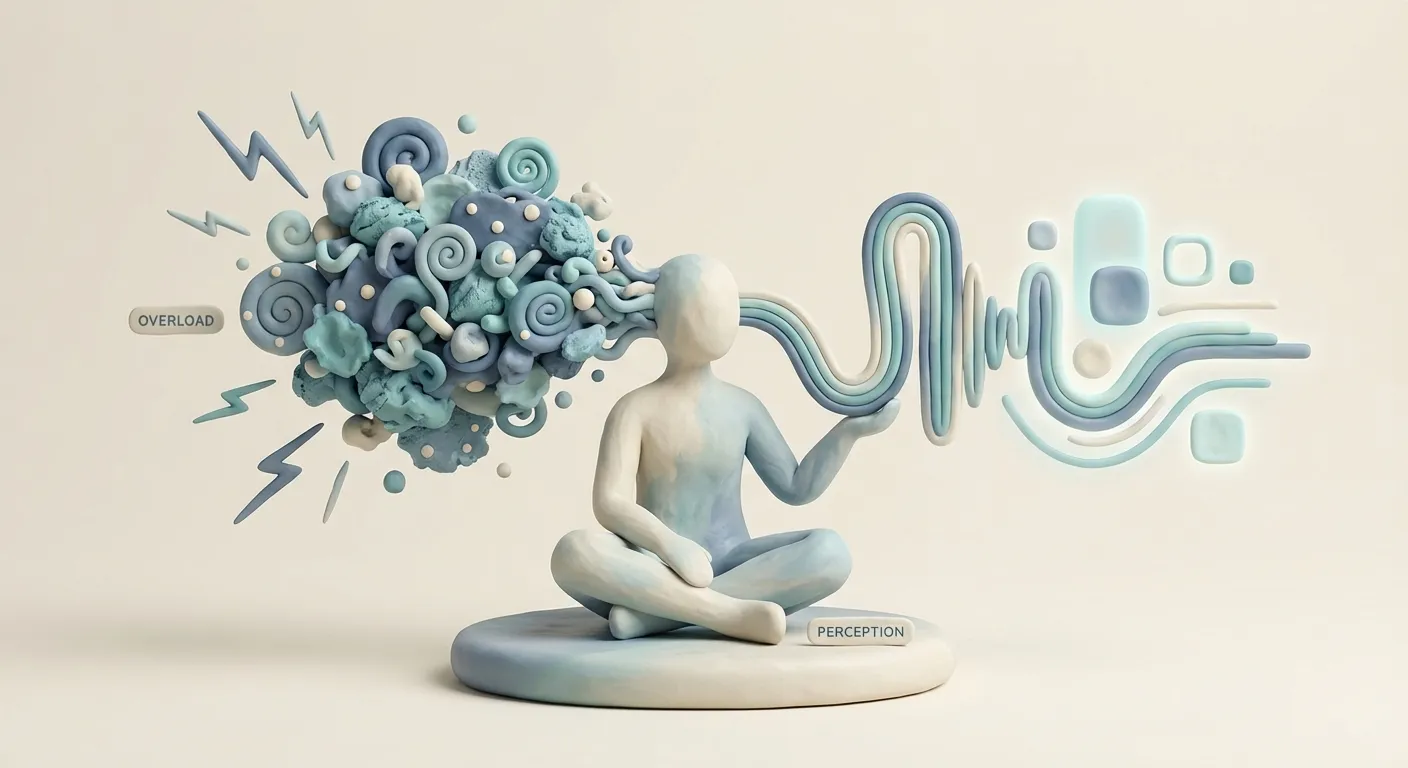
Sensory Processing Disorder (SPD) तब होता है जब brain का thalamus और sensory cortex stimuli को atypically interpret करते हैं — कुछ inputs painful levels पर amplified आते हैं जबकि अन्य मुश्किल से register होते हैं, एक fragmented sensory experience पैदा करते हुए जो neurological है, behavioral नहीं। लगभग 5% आबादी clinically affected है, autistic व्यक्तियों (90% तक) और ADHD वालों (40%) में दरें काफी अधिक हैं। SPD के साथ जीने का मतलब है एक अलग nervous system के लिए designed दुनिया में navigate करना, और इस रास्ते में बनाए गए adaptations अक्सर उल्लेखनीय perceptual abilities पैदा करते हैं।
You may meet about 80,000 people in your life.
You may know about ... of them.
आपको क्या लगता है 20 में से कितने लोगों को यह है?
अपना अनुमान लगाने के लिए icons tap करें।
यह brain की wiring में अंतर है, character flaw नहीं।
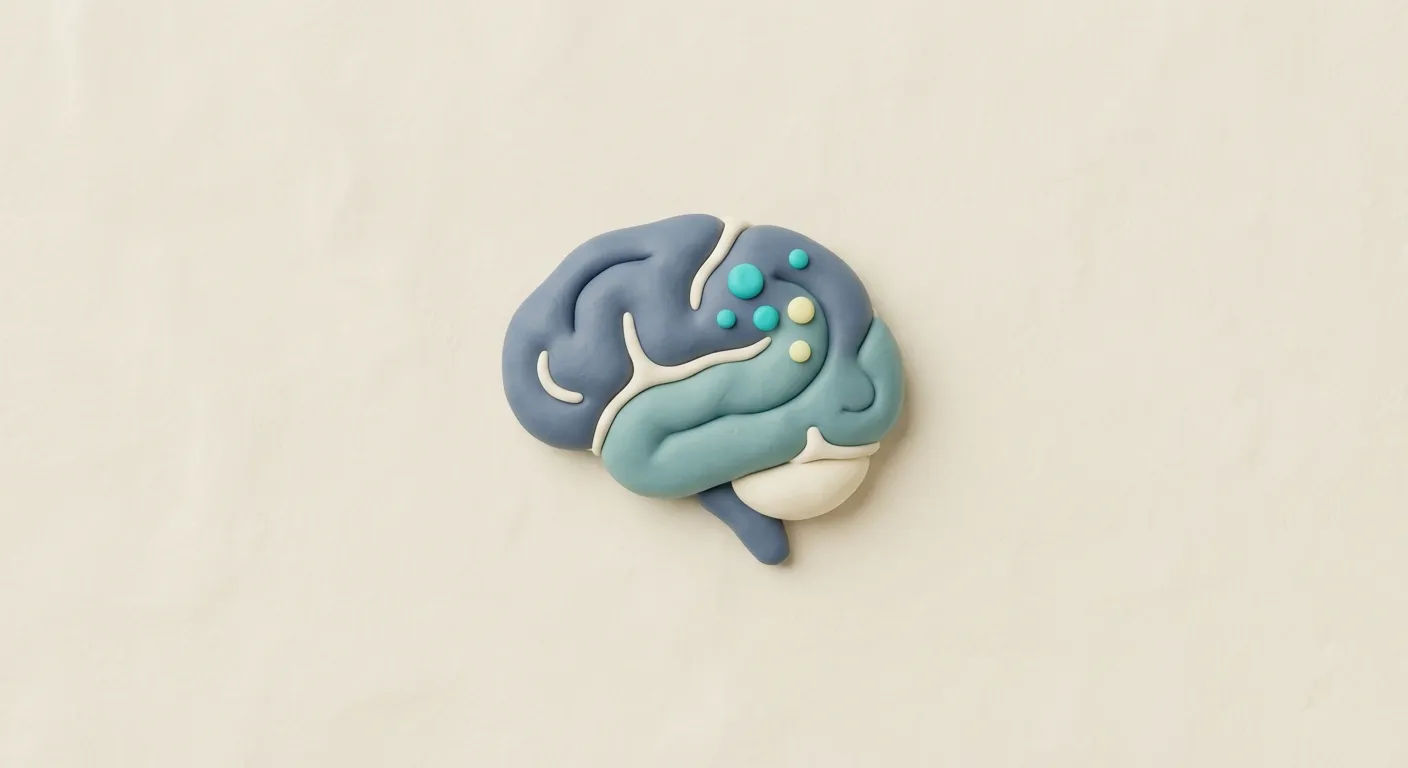
fMRI studies tactile over-responsivity में 18% अधिक somatosensory cortex activation reveal करती हैं, और DTI imaging sensory integration tracts में measurable white matter differences दिखाती है — यह confirming करता है कि SPD neurological है, behavioral नहीं।
— NeuroImage: Clinicalबाहर से कैसा दिखता है vs. अंदर से कैसा लगता है
देखे गए behavior के पीछे का lived experience
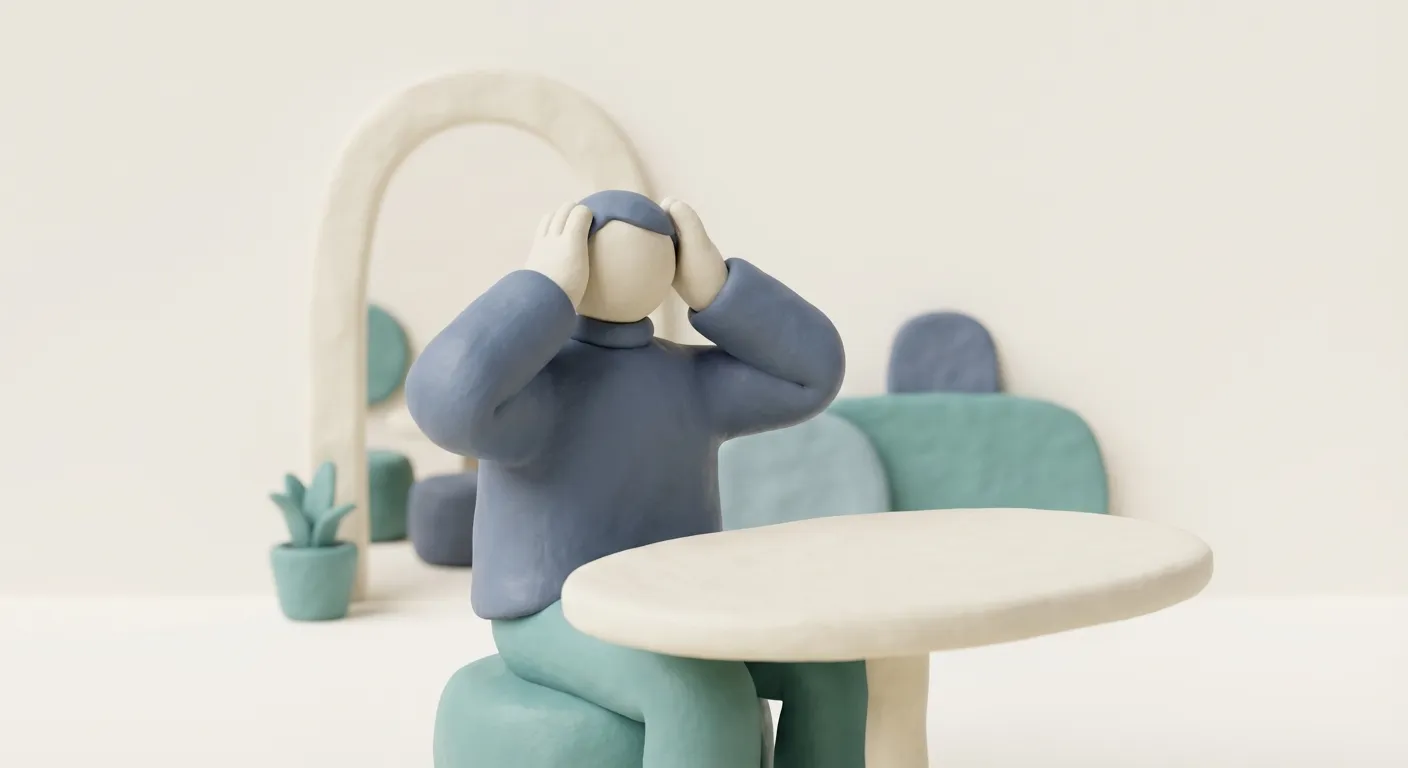
दूसरों को क्या दिखता है
दूसरों द्वारा ignore की जाने वाली आवाज़ों पर कान ढकना
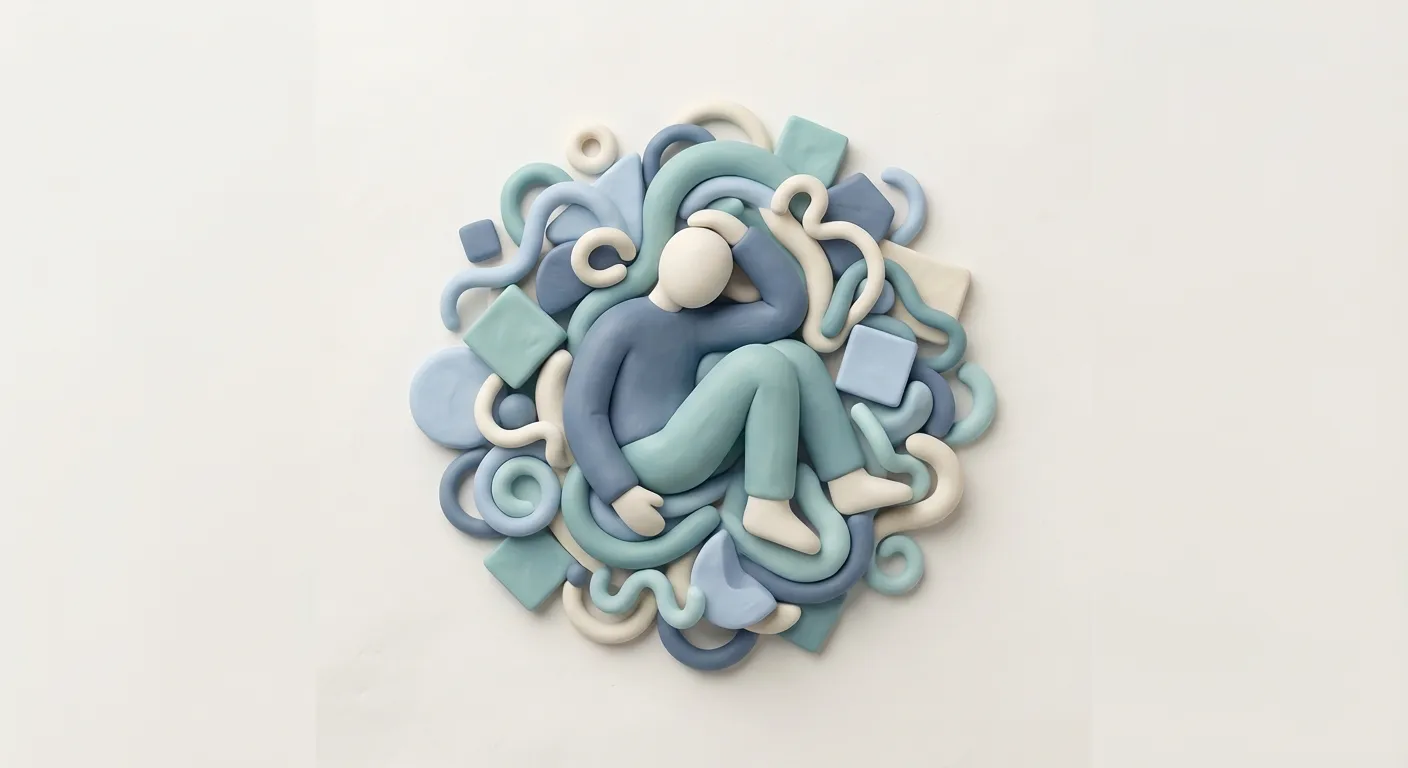
अंदर से
Sensory Flood
एक साथ बहुत सारे inputs और मैं किसी को भी filter नहीं कर सकता। सब कुछ equal volume पर आता है — sirens, tags, lights, सब चीख रहे हैं। मेरा thalamic gating system पूरी तरह खुला है और हर stimulus simultaneously attention demand करता है।

दूसरों को क्या दिखता है
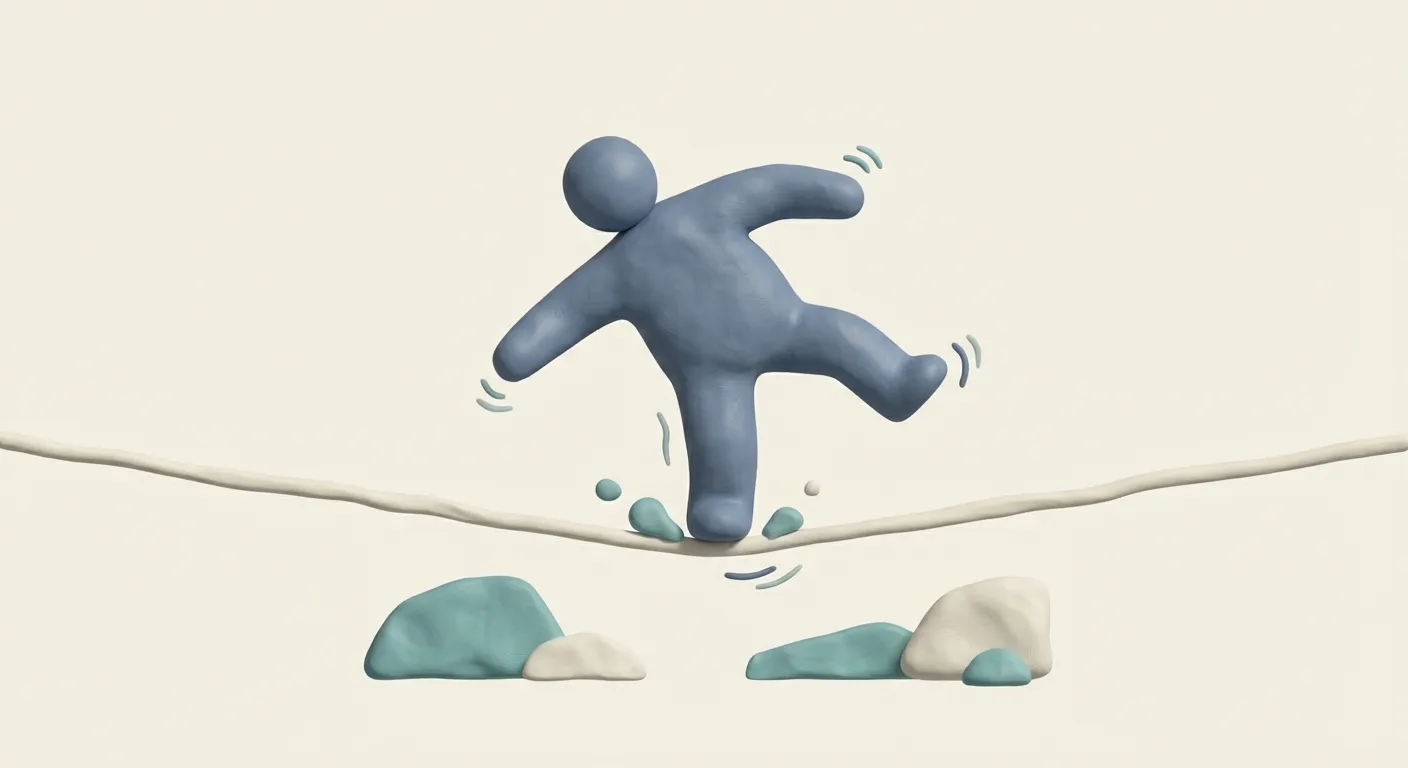
बार-बार चीज़ों से टकराना या ठोकर खाना
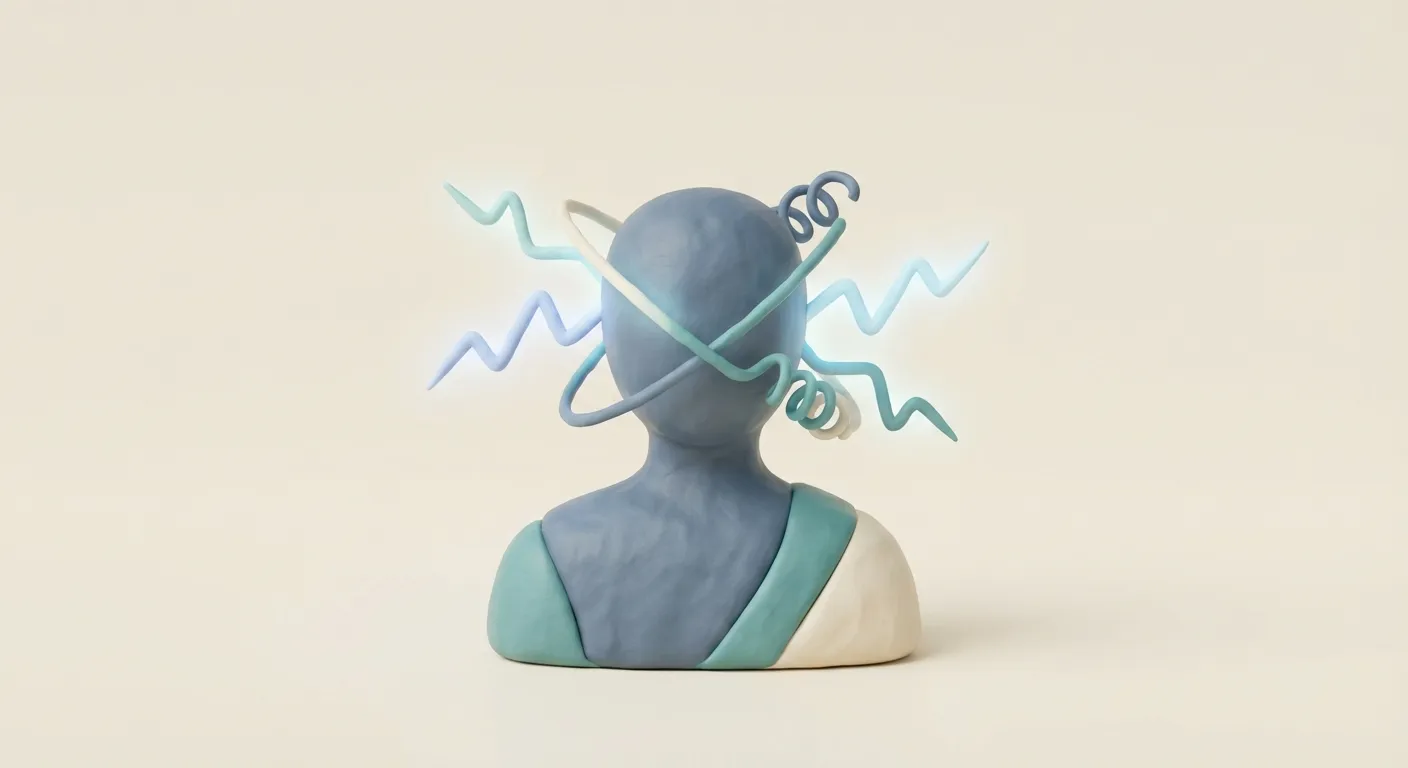
अंदर से
Body Map का धुंधलापन
मैं track खो देता हूँ कि मेरा शरीर कहाँ खत्म होता है और space कहाँ शुरू होती है। मेरा proprioception अविश्वसनीय है, इसलिए मैं ऐसी चीज़ों से टकराता हूँ जो obvious होनी चाहिए। Space में मेरे शरीर के cerebellum के map में gaps हैं।
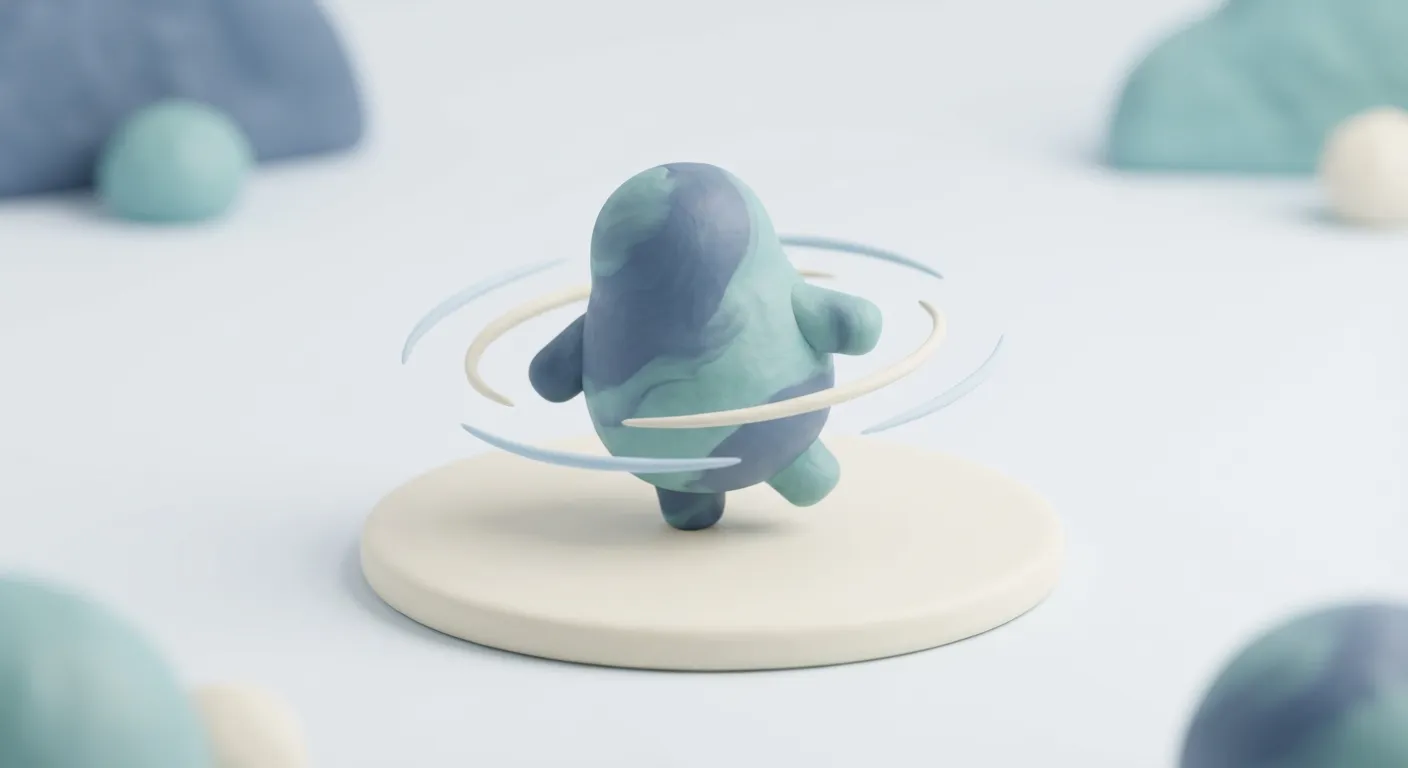
दूसरों को क्या दिखता है
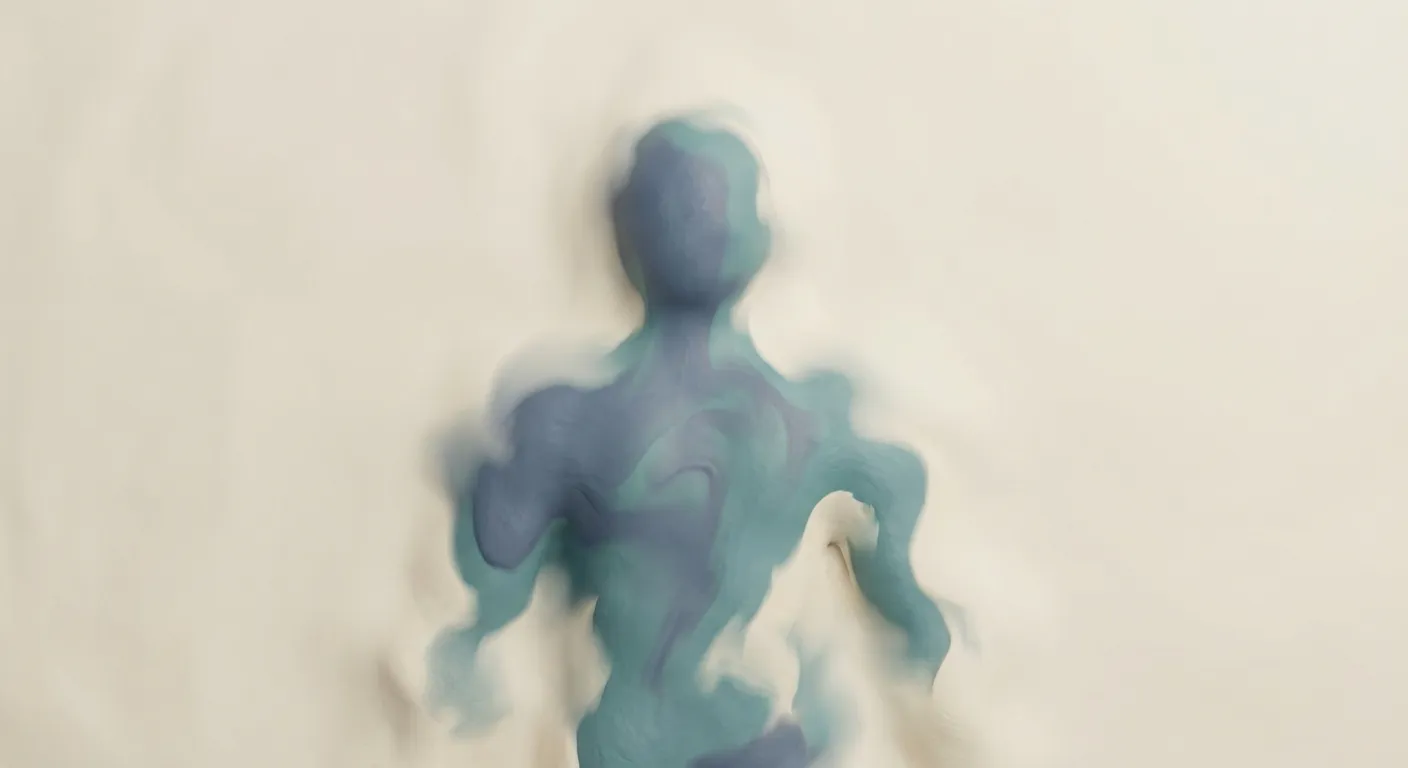
लगातार rocking, spinning, या fidgeting
अंदर से
Regulation की तलाश
यह rocking habit नहीं है — यह दवा है। Rhythmic input मेरे nervous system को recalibrate करता है जब बाकी सब बहुत ज़्यादा या बहुत कम होता है। Vestibular और proprioceptive input मुझे ground करता है जब दुनिया overwhelming होती है।

दूसरों को क्या दिखता है
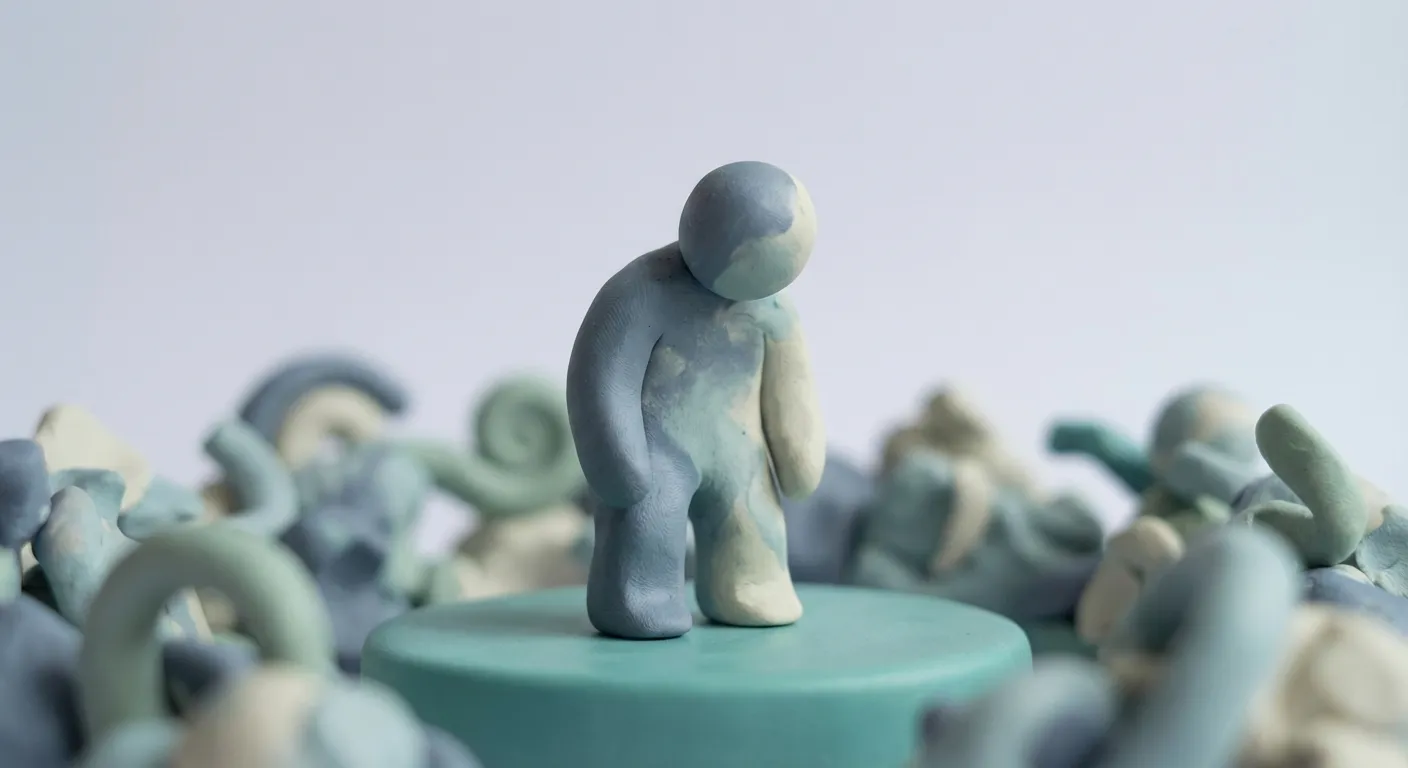
खाने की texture के बारे में extreme preferences या refusals

अंदर से
Texture की दीवार
उस खाने की texture से पहले मेरी gag reflex trigger होती है कि मैं उससे reason कर सकूँ। यह नखरे नहीं हैं — यह एक sensory alarm है जिसे मैं override नहीं कर सकता। मेरी somatosensory cortex tactile input पर average से 18% अधिक fire करती है।
दूसरों को क्या दिखता है
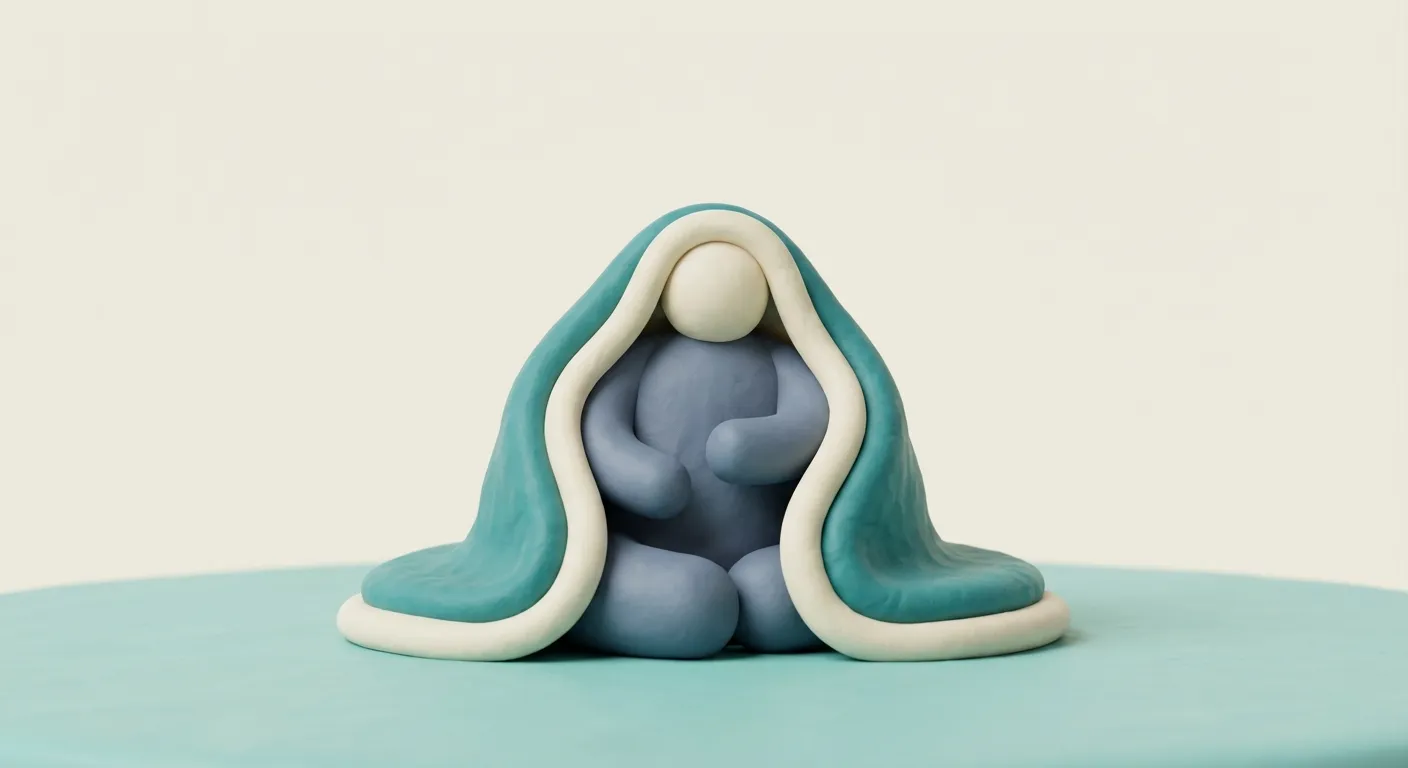
Busy environments में freeze हो जाना या shut down हो जाना
अंदर से
System Crash
बहुत ज़्यादा input और मेरा brain processing बंद कर देता है। मैं freeze हो जाता हूँ, blank हो जाता हूँ, और दुनिया distant हो जाती है जब तक overload गुज़र नहीं जाती। यह एक protective shutdown है — nervous system का circuit breaker damage prevent करने के लिए trip करता है।

दूसरों को क्या दिखता है
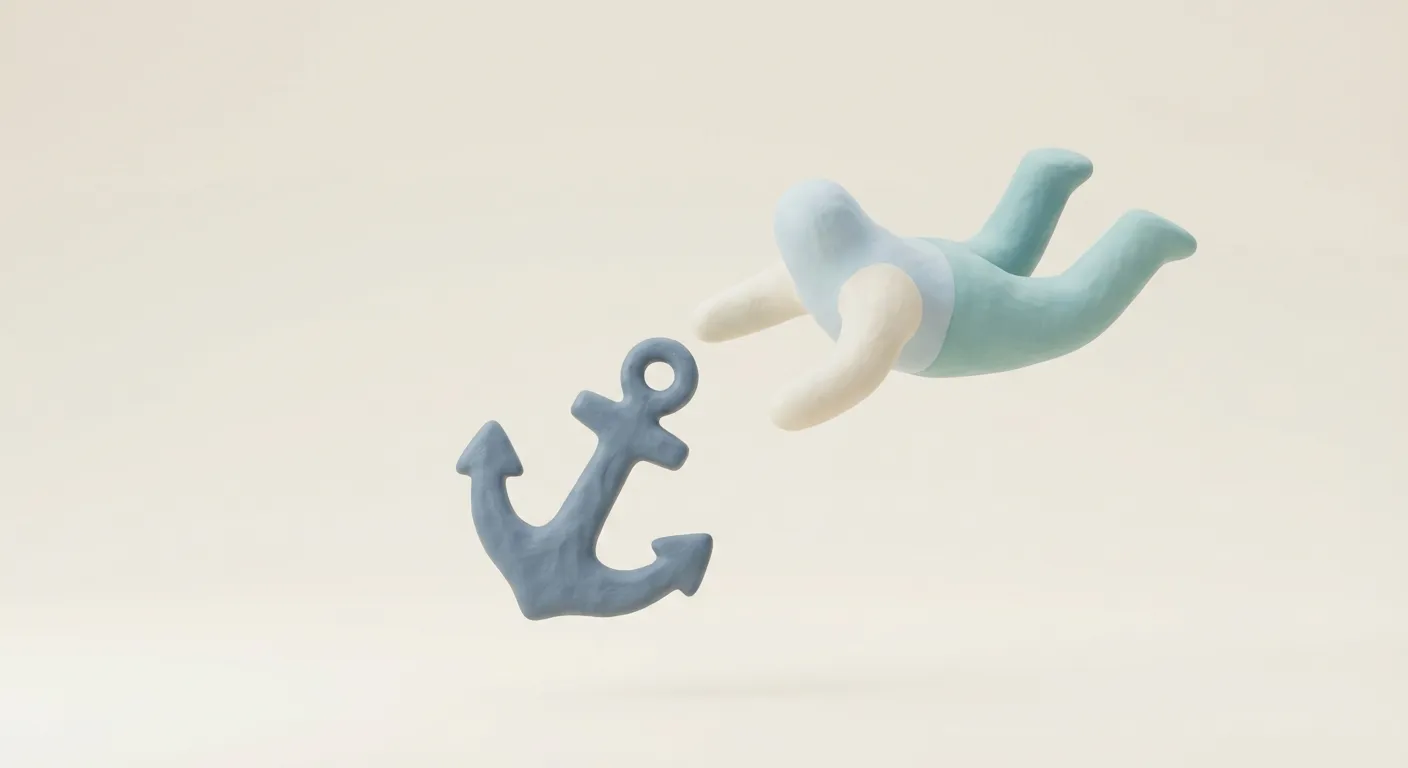
लगातार deep pressure, tight hugs, या weighted blankets seek करना
अंदर से
Pressure की भूख
मुझे squeeze होने, press होने, weighted down होने की craving है। Deep pressure ही एकमात्र input है जो मेरे nervous system को शांत करता है। इसके बिना, मुझे untethered feel होता है — जैसे मेरे शरीर को नहीं पता कि वह space में कहाँ है। Proprioceptive system को grounded feel करने के लिए heavy input चाहिए।
दूसरों को क्या दिखता है
दूसरों द्वारा ignore की जाने वाली आवाज़ों पर कान ढकना
अंदर से
Sensory Flood
एक साथ बहुत सारे inputs और मैं किसी को भी filter नहीं कर सकता। सब कुछ equal volume पर आता है — sirens, tags, lights, सब चीख रहे हैं। मेरा thalamic gating system पूरी तरह खुला है और हर stimulus simultaneously attention demand करता है।
दूसरों को क्या दिखता है
बार-बार चीज़ों से टकराना या ठोकर खाना
अंदर से
Body Map का धुंधलापन
मैं track खो देता हूँ कि मेरा शरीर कहाँ खत्म होता है और space कहाँ शुरू होती है। मेरा proprioception अविश्वसनीय है, इसलिए मैं ऐसी चीज़ों से टकराता हूँ जो obvious होनी चाहिए। Space में मेरे शरीर के cerebellum के map में gaps हैं।
दूसरों को क्या दिखता है
लगातार rocking, spinning, या fidgeting
अंदर से
Regulation की तलाश
यह rocking habit नहीं है — यह दवा है। Rhythmic input मेरे nervous system को recalibrate करता है जब बाकी सब बहुत ज़्यादा या बहुत कम होता है। Vestibular और proprioceptive input मुझे ground करता है जब दुनिया overwhelming होती है।
दूसरों को क्या दिखता है
खाने की texture के बारे में extreme preferences या refusals
अंदर से
Texture की दीवार
उस खाने की texture से पहले मेरी gag reflex trigger होती है कि मैं उससे reason कर सकूँ। यह नखरे नहीं हैं — यह एक sensory alarm है जिसे मैं override नहीं कर सकता। मेरी somatosensory cortex tactile input पर average से 18% अधिक fire करती है।
दूसरों को क्या दिखता है
Busy environments में freeze हो जाना या shut down हो जाना
अंदर से
System Crash
बहुत ज़्यादा input और मेरा brain processing बंद कर देता है। मैं freeze हो जाता हूँ, blank हो जाता हूँ, और दुनिया distant हो जाती है जब तक overload गुज़र नहीं जाती। यह एक protective shutdown है — nervous system का circuit breaker damage prevent करने के लिए trip करता है।
दूसरों को क्या दिखता है
लगातार deep pressure, tight hugs, या weighted blankets seek करना
अंदर से
Pressure की भूख
मुझे squeeze होने, press होने, weighted down होने की craving है। Deep pressure ही एकमात्र input है जो मेरे nervous system को शांत करता है। इसके बिना, मुझे untethered feel होता है — जैसे मेरे शरीर को नहीं पता कि वह space में कहाँ है। Proprioceptive system को grounded feel करने के लिए heavy input चाहिए।
Occupational therapy supramarginal gyrus में gray matter 7% बढ़ाती है और daily functioning सुधारती है, adult neuroimaging thalamocortical pathways में persistent structural differences confirm करती है जो lifelong neural wiring represent करती हैं, curable condition नहीं।
— NeuroImage: Clinical