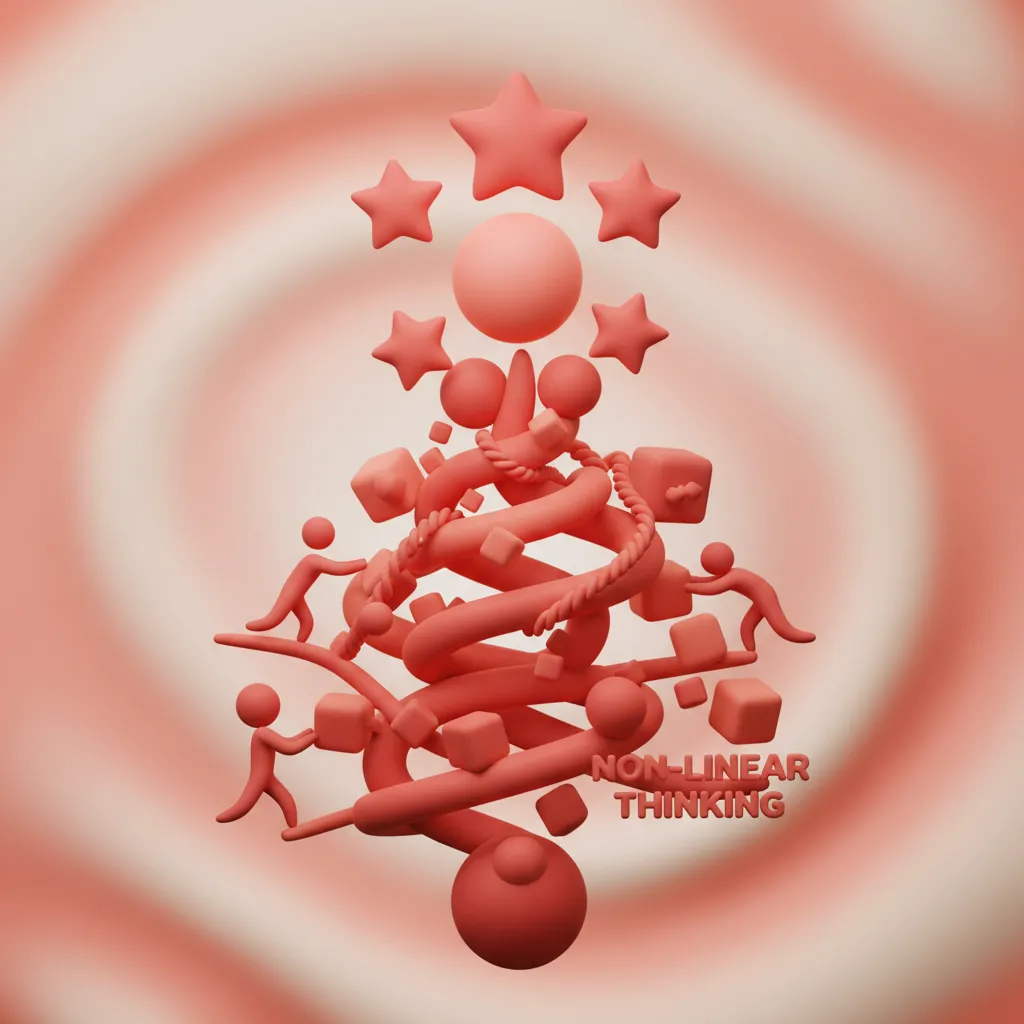
लापरवाही या कम बुद्धि नहीं, बल्कि एक दिमाग़ जो भाषा को अलग paths से decode करता है। आपका दिमाग़ big picture process करता है जबकि letters अपने समय पर आते हैं।
पठन कठिनाई (Dyslexia) — Audio जल्द आएगा
हम इस condition के लिए audio guide बना रहे हैं। जब यह आए तो notification पाएँ।
यह actually क्या है?
डिस्लेक्सिया (पढ़ने की कठिनाई) एक neurodevelopmental difference है जहाँ दिमाग़ का left temporo-parietal region — 'sound-to-symbol translator' — written language को alternative pathways से process करता है। दुनिया भर में 15-20% लोगों को प्रभावित करने वाली और 40-60% heritability के साथ, यह सबसे common neurotypes में से एक है। Reading challenges से linked वही genes अक्सर spatial reasoning और big-picture thinking boost करते हैं।
यह brain की wiring में अंतर है, character flaw नहीं।
आपको क्या लगता है 6 में से कितने लोगों को यह है?
अपना अनुमान लगाने के लिए icons tap करें।
fMRI studies confirm करती हैं कि डिस्लेक्सिया primarily एक phonological processing difference है — left temporo-parietal region में reduced activation — visual problem नहीं। Letter reversals एक minor symptom हैं, cause नहीं।
— Shaywitz, Overcoming Dyslexia (2003)बाहर से कैसा दिखता है vs. अंदर से कैसा लगता है
देखे गए behavior के पीछे का lived experience

दूसरों को क्या दिखता है
बार-बार pause के साथ धीरे पढ़ना
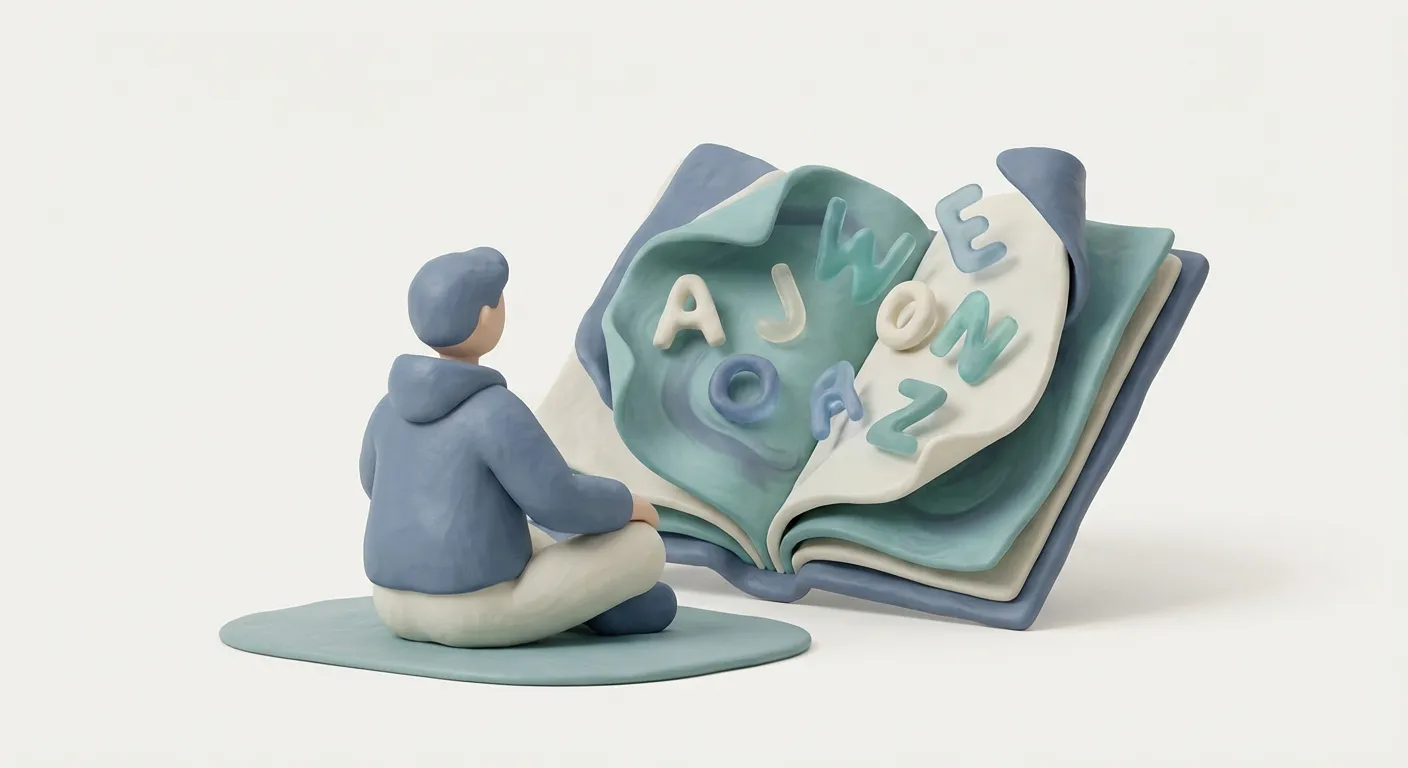
अंदर से
Shimmer Effect

दूसरों को क्या दिखता है
Common words को बार-बार misspell करना

अंदर से
Decoding Tax

दूसरों को क्या दिखता है
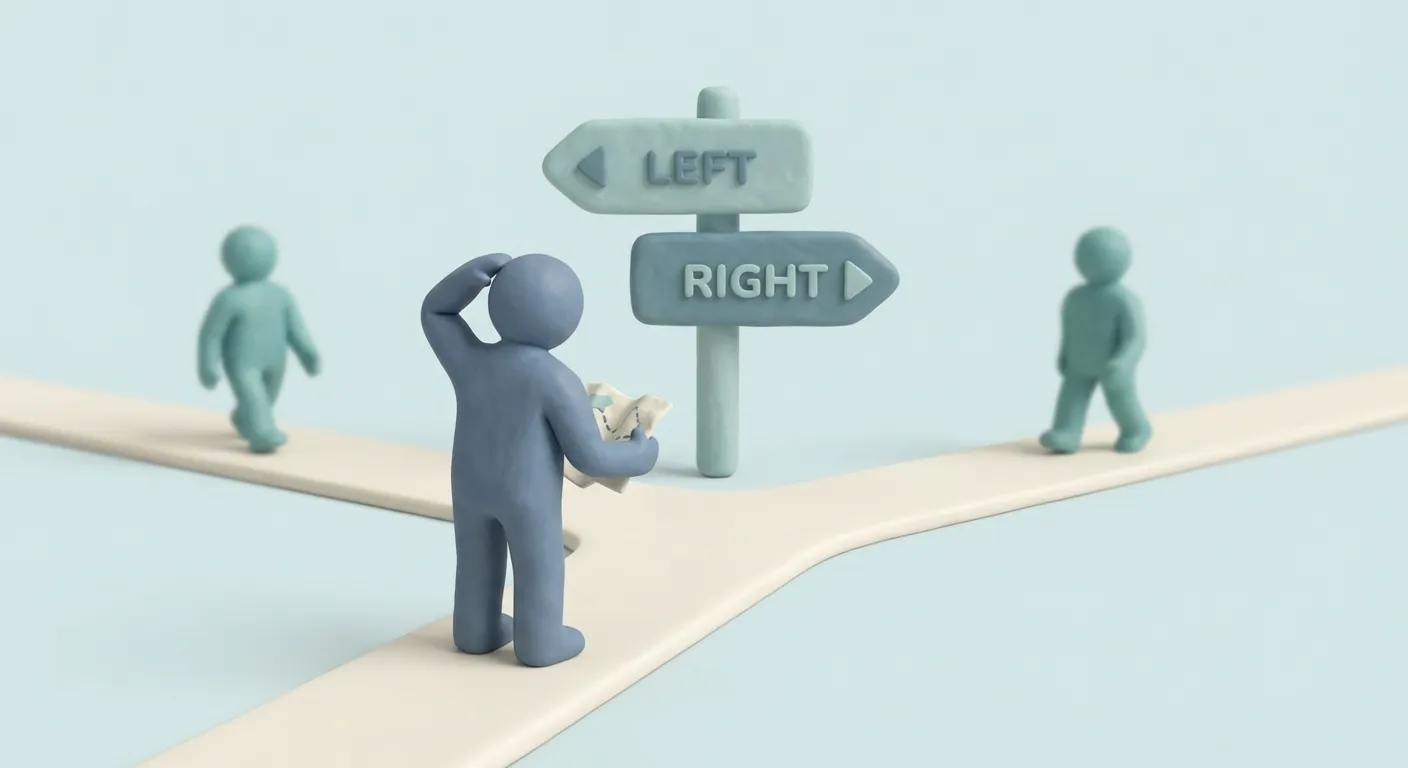
Left और right directions mix up करना
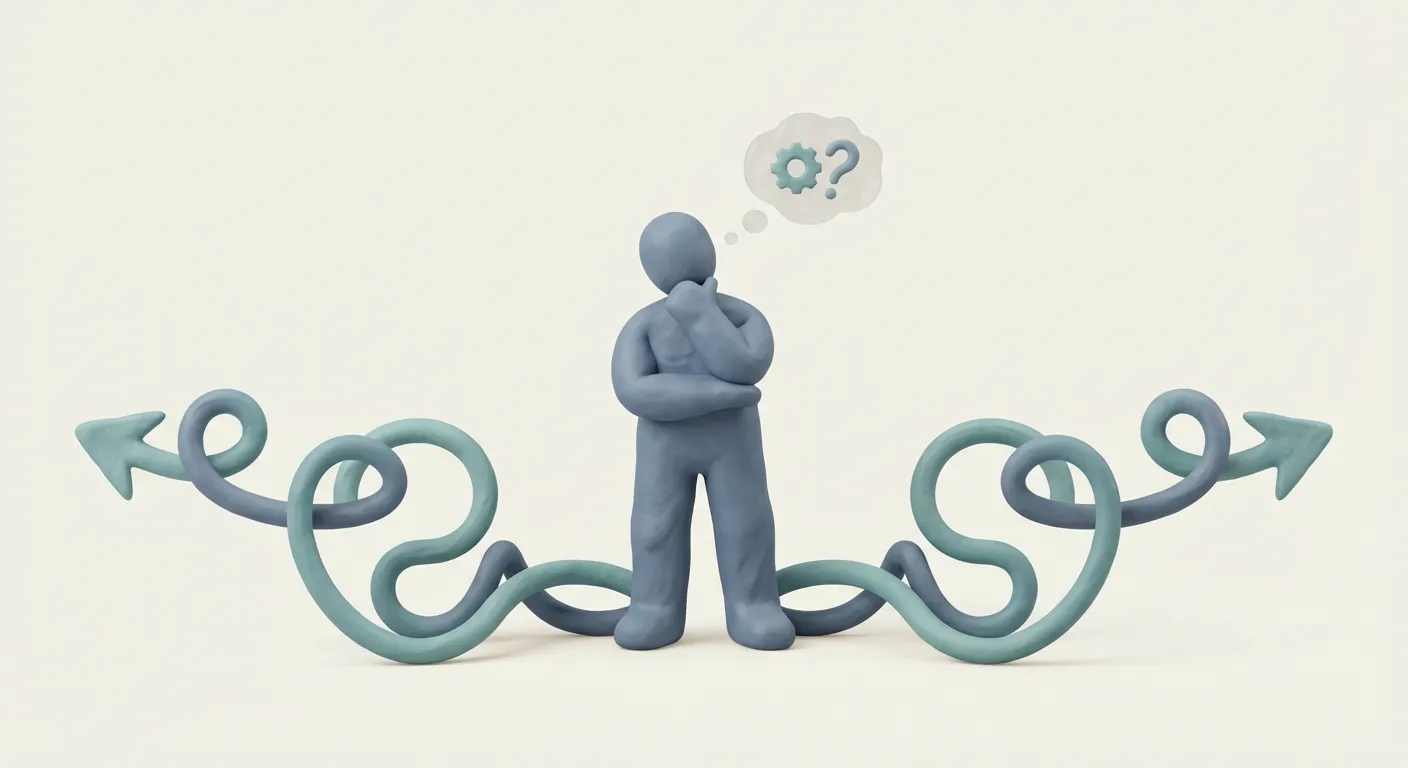
अंदर से
Flip Confusion

दूसरों को क्या दिखता है
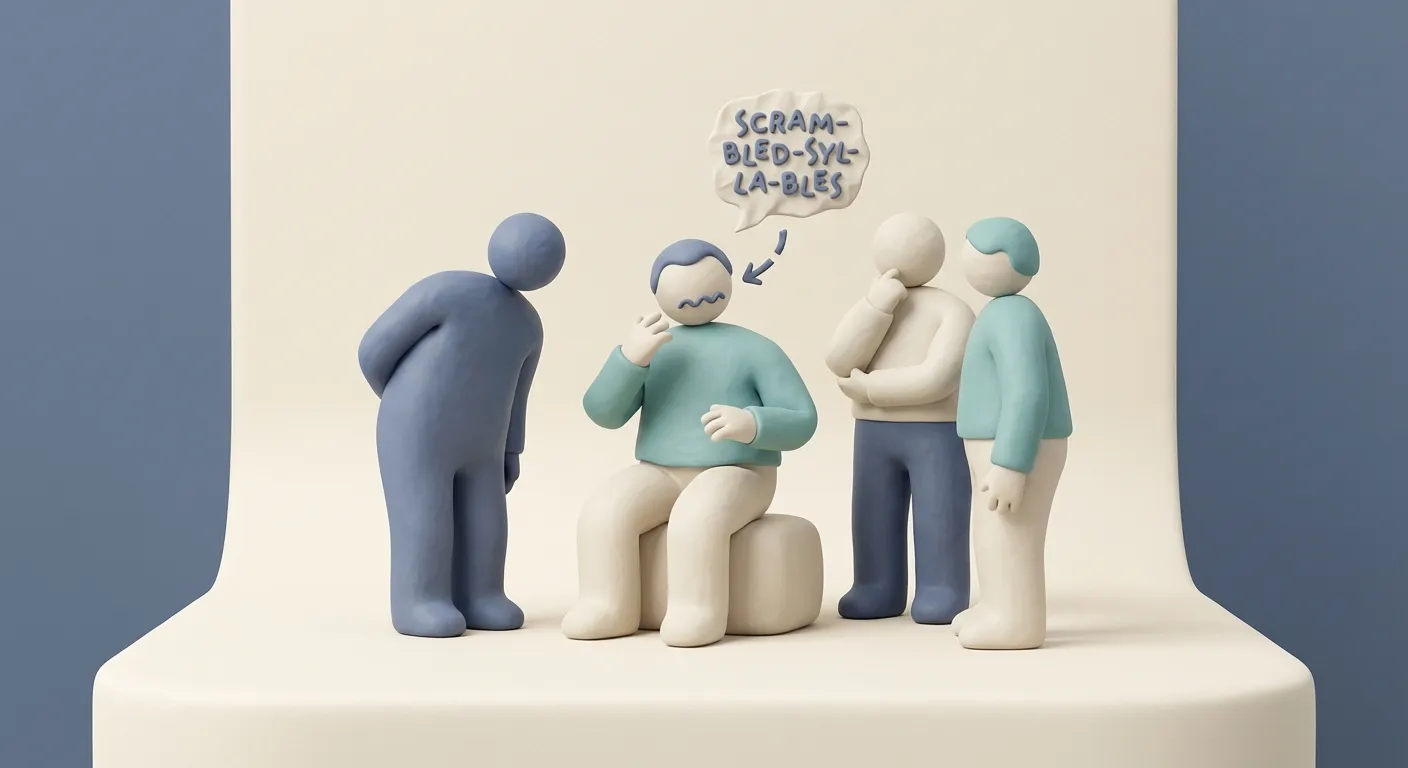
Long words को mispronounce करना
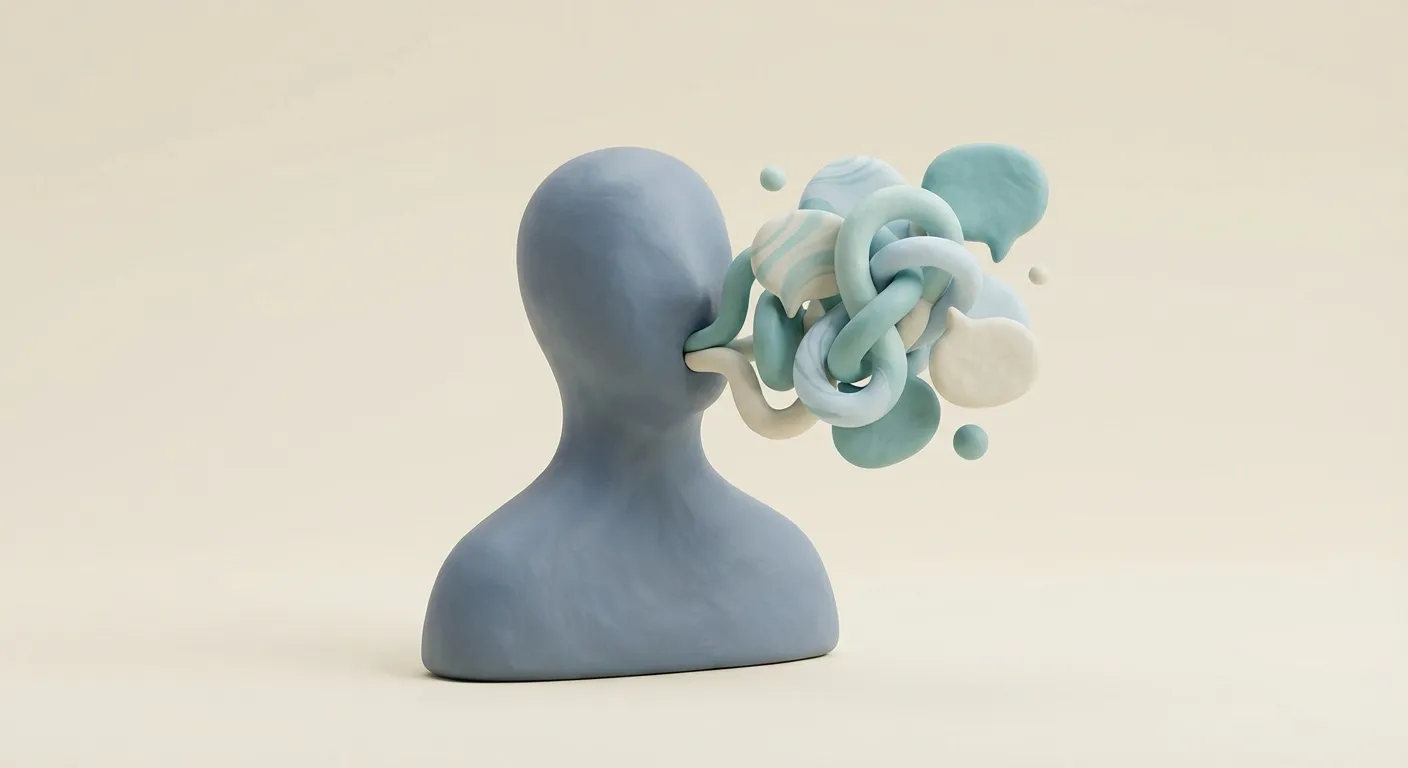
अंदर से
Sound Tangle

दूसरों को क्या दिखता है
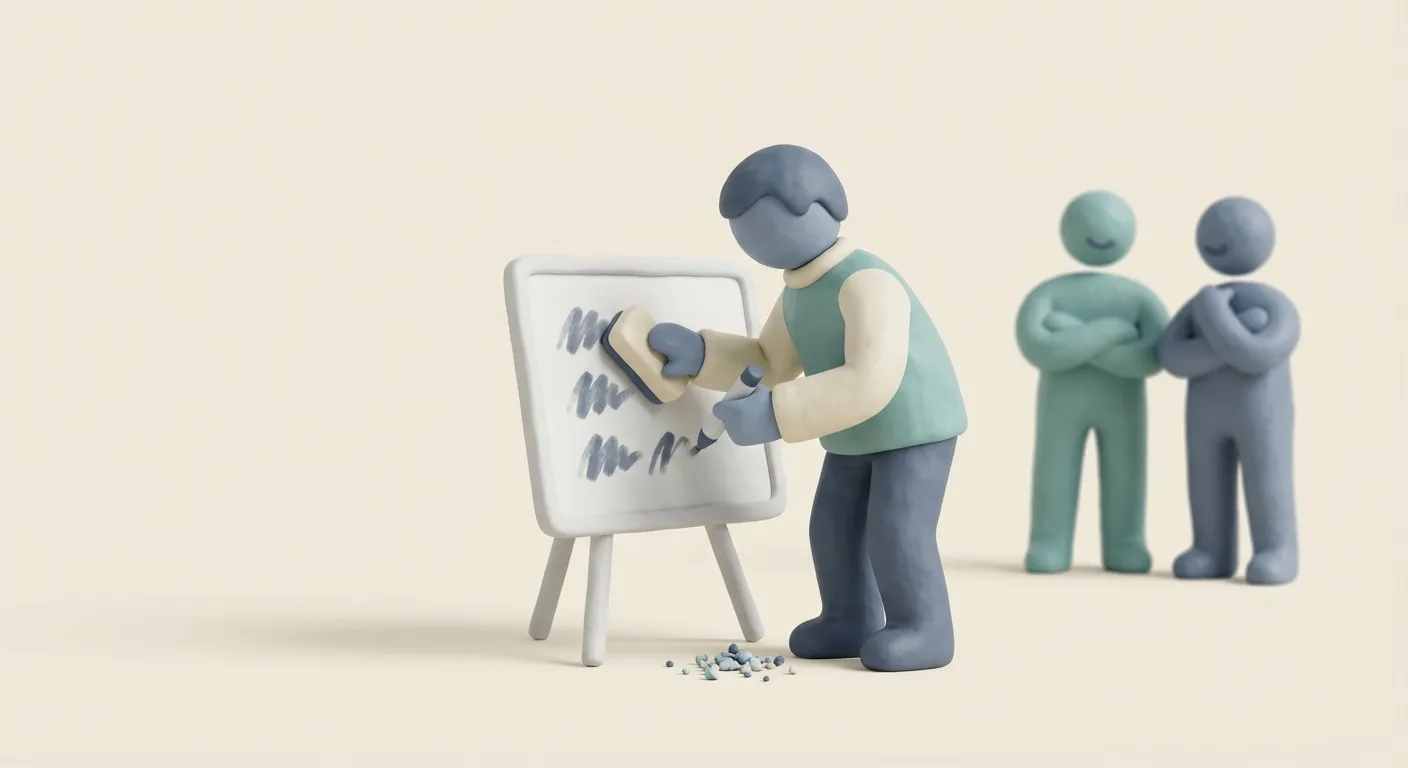
Page पर drift करती writing

अंदर से
Trapped Ideas
Neuroimaging structural brain differences reveal करती है — left posterior regions में reduced gray matter सहित — जो teaching quality या effort के बावजूद birth से present हैं। डिस्लेक्सिया एक neurodevelopmental variation है, instructional failure नहीं।
— Norton et al., Neurobiology of Dyslexia (2015)Types of पठन कठिनाई (Dyslexia)
Phonological Dyslexia
Words में sound structures analyze करने में मुश्किल। Left inferior frontal gyrus में reduced activity से linked।

Surface Dyslexia
Sight से whole words recognize करने में trouble। Visual word form area में underactivation से associated।

Rapid Naming Deficit
जानी-पहचानी items की slow retrieval। Automaticity को affect करने वाले cerebellar differences से tied।

Attentional Dyslexia
Distractions के बीच text पर focus करने में मुश्किल। ADHD features से overlaps।
डिस्लेक्सिया Chinese, Arabic और Hebrew सहित सभी studied languages में readers को affect करता है। Prevalence orthographic transparency के अनुसार vary होती है — Italian में 3-6% vs English में 10-17% — लेकिन underlying phonological deficit universal है।
— Journal of Cross-Cultural Psychologyविज्ञान: DYSLEXIA
'क्यों' के पीछे का 'क्या'
यह समझना कि dyslexic brains भाषा को अलग तरीके से कैसे process करते हैं

Phonological Bridge
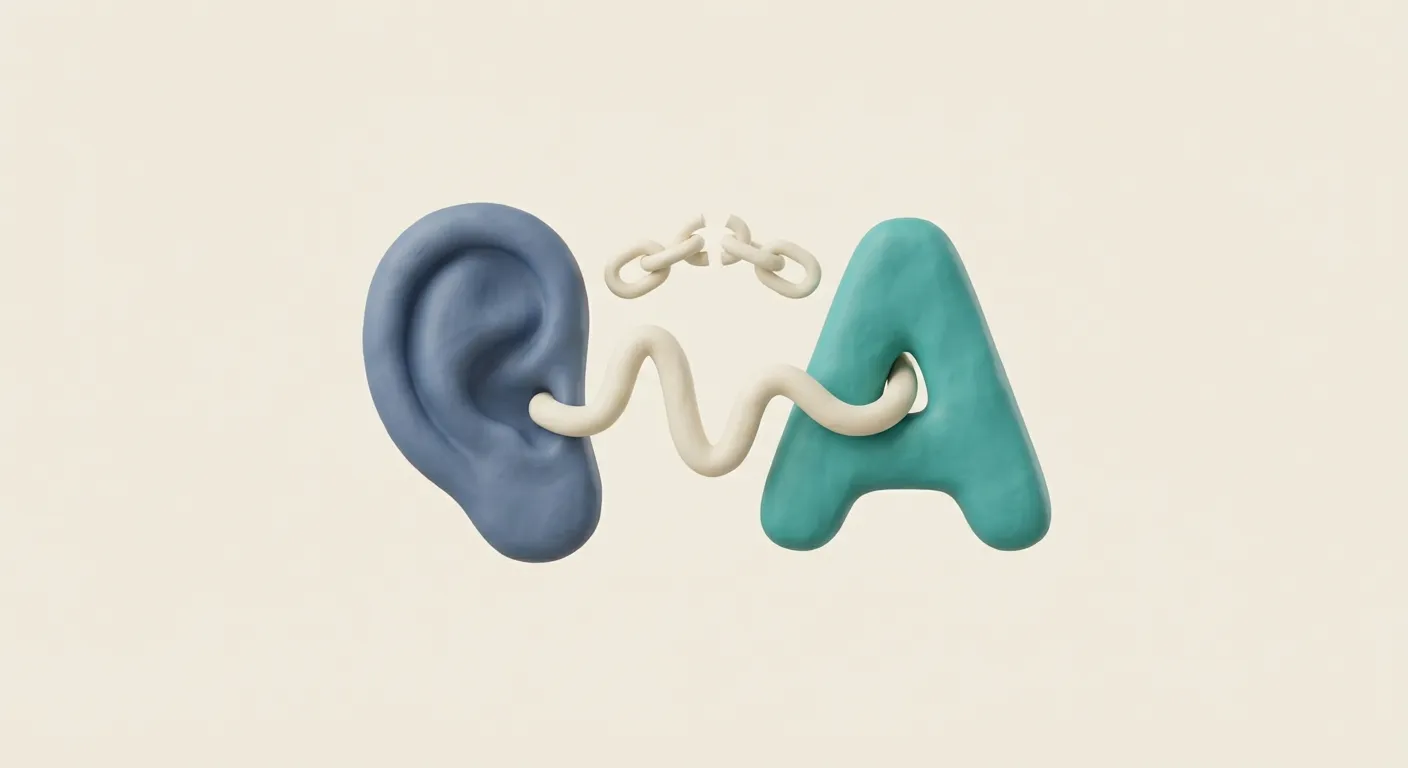
डिस्लेक्सिया में core challenge speech sounds (phonemes) को letters (graphemes) से connect करना है। Left temporo-parietal region — दिमाग़ का 'sound-to-symbol translator' — reading tasks के दौरान reduced activation दिखाता है।

Phonological Bridge
डिस्लेक्सिया में core challenge speech sounds (phonemes) को letters (graphemes) से connect करना है। Left temporo-parietal region — दिमाग़ का 'sound-to-symbol translator' — reading tasks के दौरान reduced activation दिखाता है।

Right-Brain Detour
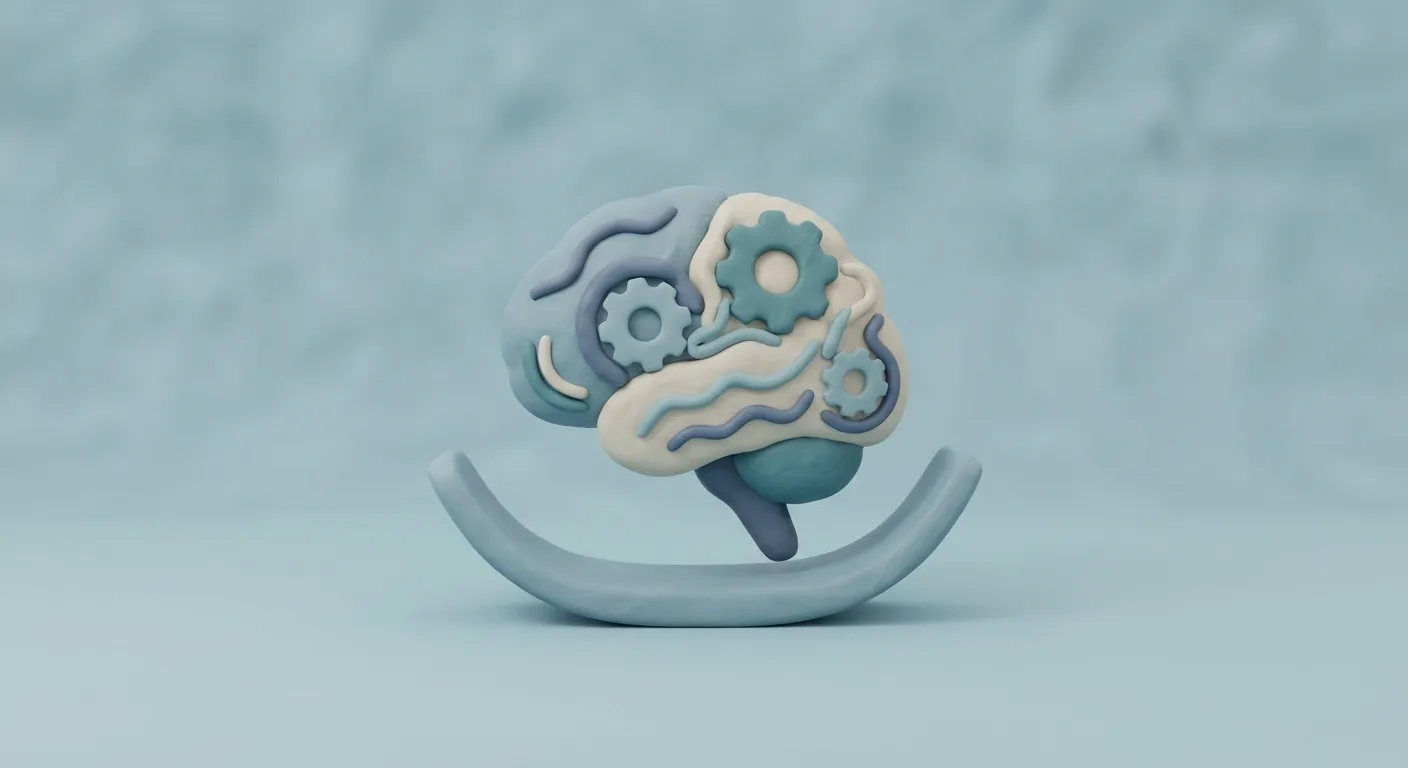
Successful dyslexic readers right hemisphere regions में alternative neural pathways develop करते हैं। Typical left-brain reading route की बजाय, वो contextual और visual routes build करते हैं जो big-picture thinking में उनकी strengths समझाते हैं।

Right-Brain Detour
Successful dyslexic readers right hemisphere regions में alternative neural pathways develop करते हैं। Typical left-brain reading route की बजाय, वो contextual और visual routes build करते हैं जो big-picture thinking में उनकी strengths समझाते हैं।

DCDC2 Trade-Off
DCDC2 gene variant reading challenges और enhanced spatial reasoning दोनों से associated है। यह dual influence समझा सकता है कि डिस्लेक्सिया evolutionarily क्यों persist करता है — वही genes जो reading affect करते हैं 3D thinking boost करते हैं।

DCDC2 Trade-Off
DCDC2 gene variant reading challenges और enhanced spatial reasoning दोनों से associated है। यह dual influence समझा सकता है कि डिस्लेक्सिया evolutionarily क्यों persist करता है — वही genes जो reading affect करते हैं 3D thinking boost करते हैं।

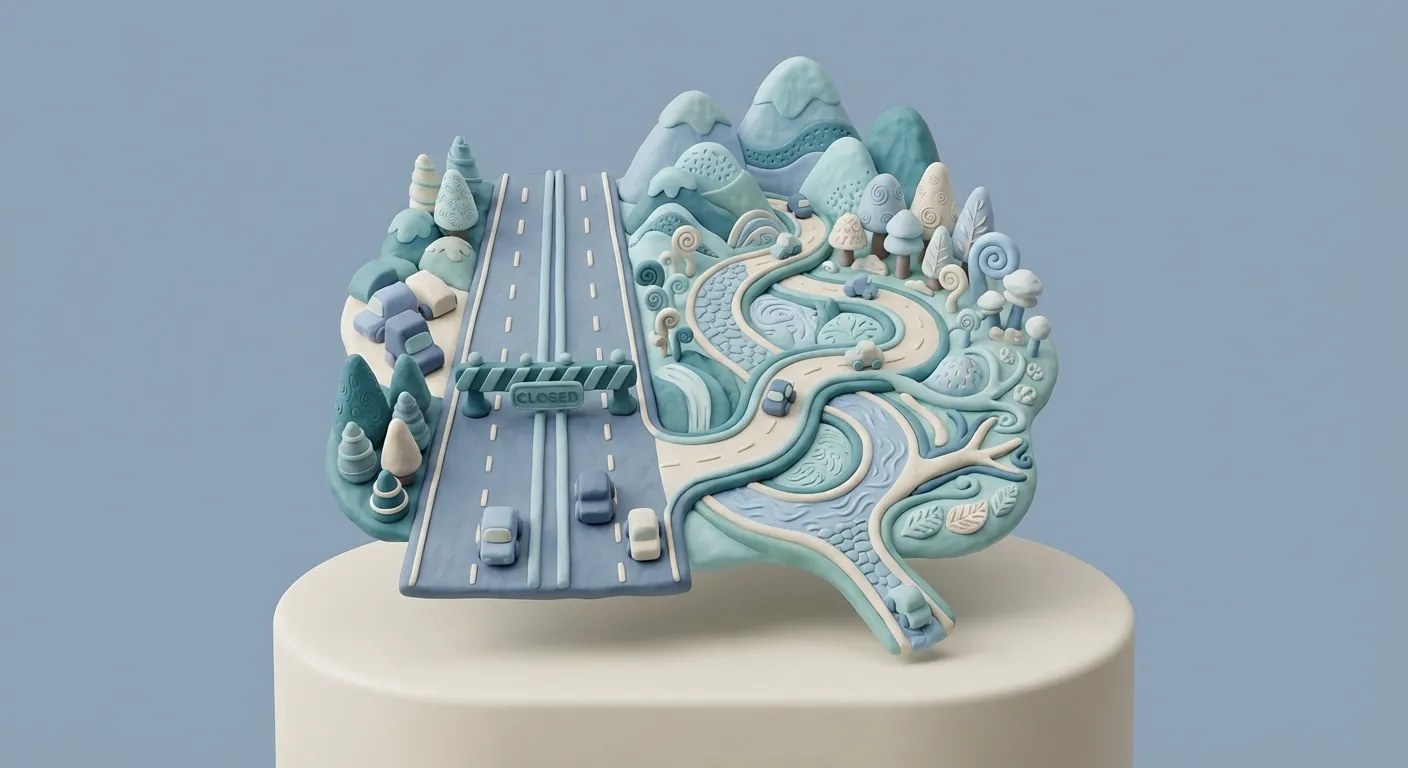
Alternative Route
एक highway की कल्पना करें जिसमें एक lane बंद है। ज़्यादातर drivers पढ़ने के लिए left lane लेते हैं। Dyslexic brains right hemisphere से scenic routes build करते हैं — decoding के लिए slower, लेकिन context, pattern और meaning से rich।
ये अंतर neurological हैं, motivational नहीं। Brain imaging consistently reading networks में distinct patterns दिखाती है, spatial और narrative processing में compensatory strengths के साथ।
Visual Processing Simulation
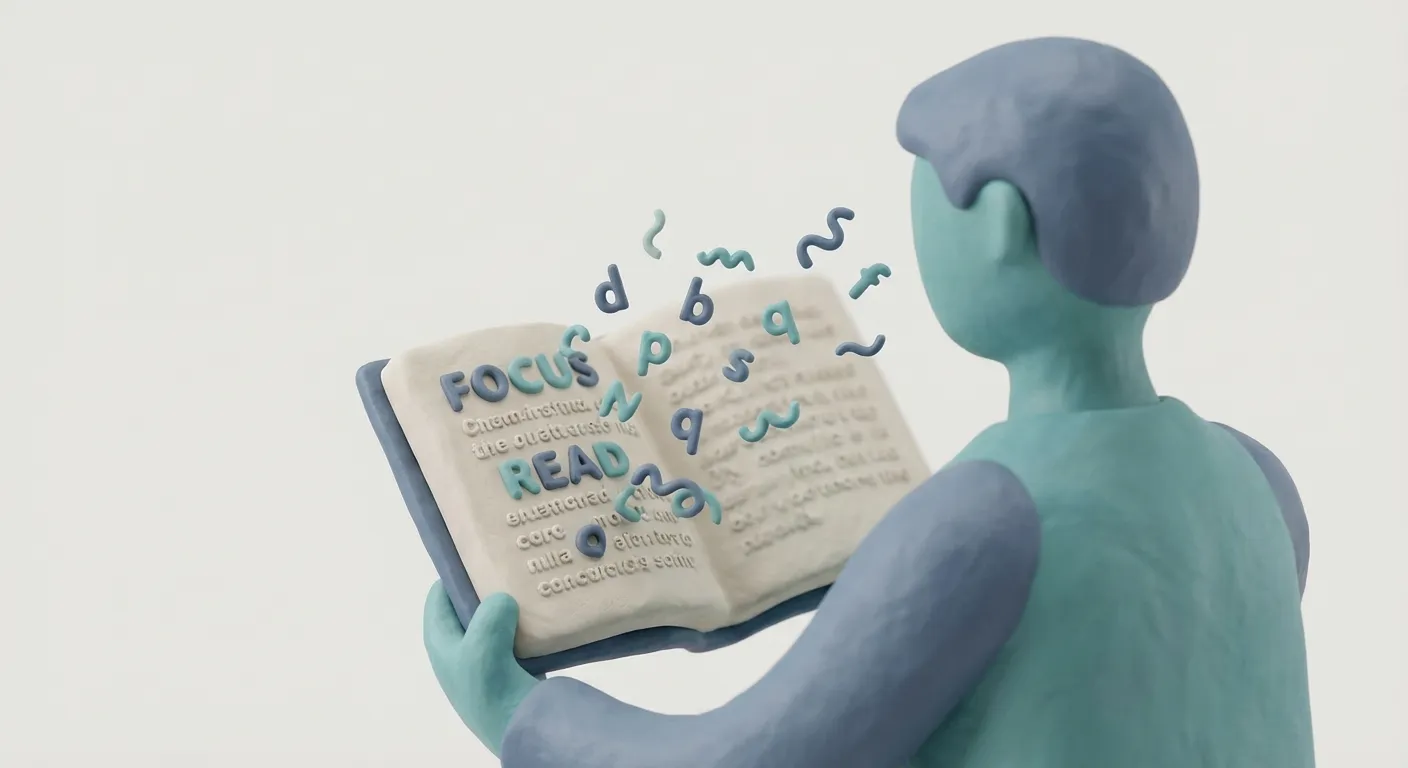
Experience: Letters may float, rotate, or swap (b/d, p/q). This simulates the "visual stress" some dyslexic brains experience.
Hover over the text to focus and "stabilize" it
डिस्लेक्सिया का IQ से zero correlation है। Studies दिखाती हैं dyslexic individuals full intelligence spectrum में score करते हैं, और engineers, CEOs और scientists सहित कई high-achievers dyslexic हैं।
— International Dyslexia AssociationScientific Deep Dive
Explore Myths to Unlock
Earn 5 Insight Points

क्या मेरा दिमाग़ 'backwards' पढ़ता है?
Neuroimaging Reveals Compensation Strategies: Recent fMRI studies दिखाती हैं dyslexic adults complex texts पढ़ते समय contextual analysis के लिए right prefrontal regions activate करते हैं, जबकि neurotypical readers left phonological areas यूज़ करते हैं। यह big-picture thinking में dyslexic strengths समझाता है।

सिक्के के दोनों पहलू
हर न्यूरोलॉजिकल अंतर व्यापार-नापसंद के साथ आता है। वह विशेषता जो एक संदर्भ में संघर्ष का कारण बनती है, दूसरे में प्रतिभा पैदा करती है।
Phonological decoding
Words को constituent sounds में तोड़ना
Orthographic mapping
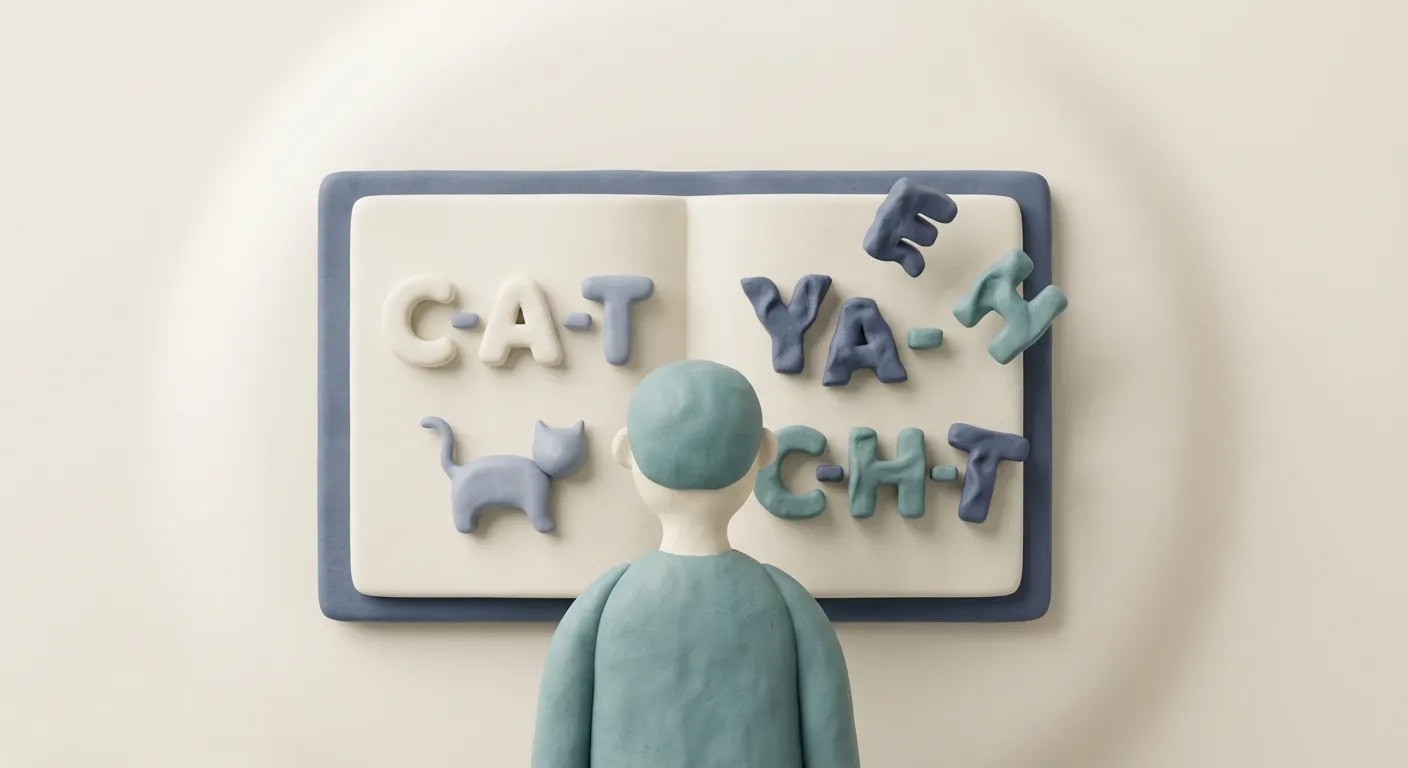
Irregular spellings memorize करना (जैसे yacht)
Rapid automatized naming
Known words quickly retrieve करना
Working memory
एक साथ multiple instructions mind में hold करना
Graphomotor skills
Handwriting movements coordinate करना
Time estimation
Assignment planning के लिए task durations judge करना
चुनौतियाँ
विशेष क्षमताएँ
Phonological decoding
Words को constituent sounds में तोड़ना
Holistic problem-solving
Complex systems में वो patterns identify करना जो दूसरे miss करते हैं
Orthographic mapping
Irregular spellings memorize करना (जैसे yacht)
Spatial intelligence
Architecture, engineering और 3D design fields में excel
Rapid automatized naming
Known words quickly retrieve करना
Narrative reasoning
Abstract concepts समझाने के लिए compelling stories बनाना
Working memory
एक साथ multiple instructions mind में hold करना
Divergent thinking
Entrepreneurship में innovative solutions generate करना
Graphomotor skills
Handwriting movements coordinate करना
Resilience
Daily reading challenges overcome करने से grit develop करना
Time estimation
Assignment planning के लिए task durations judge करना
Contextual learning
Experiential methods से subjects master करना
Dyslexic children को adulthood में track करने वाली longitudinal studies दिखाती हैं कि phonological processing difference जीवन भर persist करती है, हालाँकि compensatory strategies समय के साथ reading outcomes significantly improve करती हैं।
— Annals of DyslexiaCommunity की आवाज़ें
असली अनुभव
मैंने class में top किया — audiobooks, speech-to-text और triple study time के साथ। डिस्लेक्सिया ने मुझे नहीं रोका; system ने लगभग रोका।
मेरा दिमाग़ letters नहीं पढ़ता। यह patterns, contexts और meanings पढ़ता है। मैं बस एक अलग route से वहाँ पहुँचता हूँ।
अपने बेटे को reading में struggle करते और incredible LEGO structures build करते देखने ने मुझे सिखाया कि intelligence की कई भाषाएँ हैं।
मैं एक design firm चलाती हूँ। मेरा डिस्लेक्सिया spatial thinking के लिए मेरी superpower है। Reading part? उसके लिए assistants और technology हैं।
School में आलसी कहलाने की शर्म को unlearn करने में दशकों लगे। 40 में late diagnosis दोनों grief और liberation थी।
मैं words में नहीं सोचती। मैं pictures, systems और connections में सोचती हूँ। मेरा दिमाग़ text skip करके सीधे meaning पर जाता है।
क्या लगता है आपको पठन कठिनाई (Dyslexia) हो सकता है?
हमारा clinical-grade screening assessment लें। 5 मिनट से कम लगेगा और instant insights मिलेंगे।
Success के लिए Rewiring
खुद को fix करने की कोशिश बंद करें। एक ऐसा support system बनाना शुरू करें जो आपके brain के साथ काम करे, उसके खिलाफ नहीं।
आपके brain के लिए tools
इस neurotype के लिए बने — generic wellness नहीं
अक्सर पूछे जाने वाले सवाल
Terms की Glossary
साथ में होने वाली Conditions
Neurodivergent conditions अक्सर साथ आती हैं। Co-occurrence समझने से पूरी picture बनती है।
और जानने के लिए किसी भी condition पर click करें। Co-occurrence percentages peer-reviewed research से हैं।
Further Reading
Explore related guides and resources
Understanding Dyslexia
AllHow dyslexia affects reading, writing, and processing language
When to Get Tested
AllSigns that suggest it is time to seek a learning difference assessment
Assessment Tools Compared
AllHow AskSheldon compares to other screening options
Overlapping Conditions
ParentsDyslexia often co-occurs with ADHD and other neurodivergent traits
Right to Choose
AllYour options for faster neurodevelopmental assessment
वैज्ञानिक संदर्भ
- Shaywitz, S. (2003). Overcoming Dyslexia. Knopf.
- International Dyslexia Association. (2020). Dyslexia Basics.
- Norton, E.S., et al. (2015). Neurobiology of Dyslexia.
- Peterson, R.L., & Pennington, B.F. (2015). Developmental Dyslexia.
- Dehaene, S. (2009). Reading in the Brain. Penguin.