खान-पान अनियमिता (Eating Disorders) | AskSheldon
खान-पान अनियमिता (Eating Disorders)

भोजन विकार क्या है?

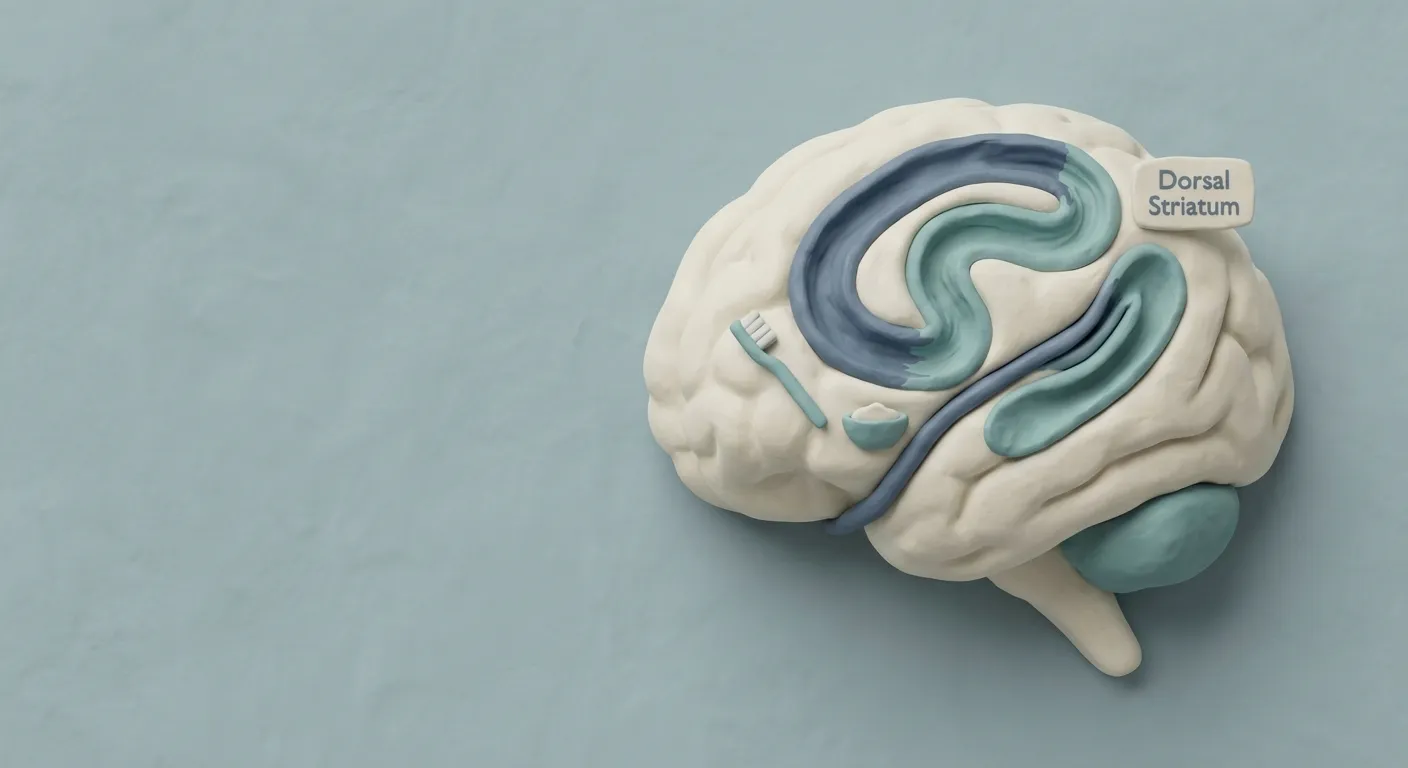
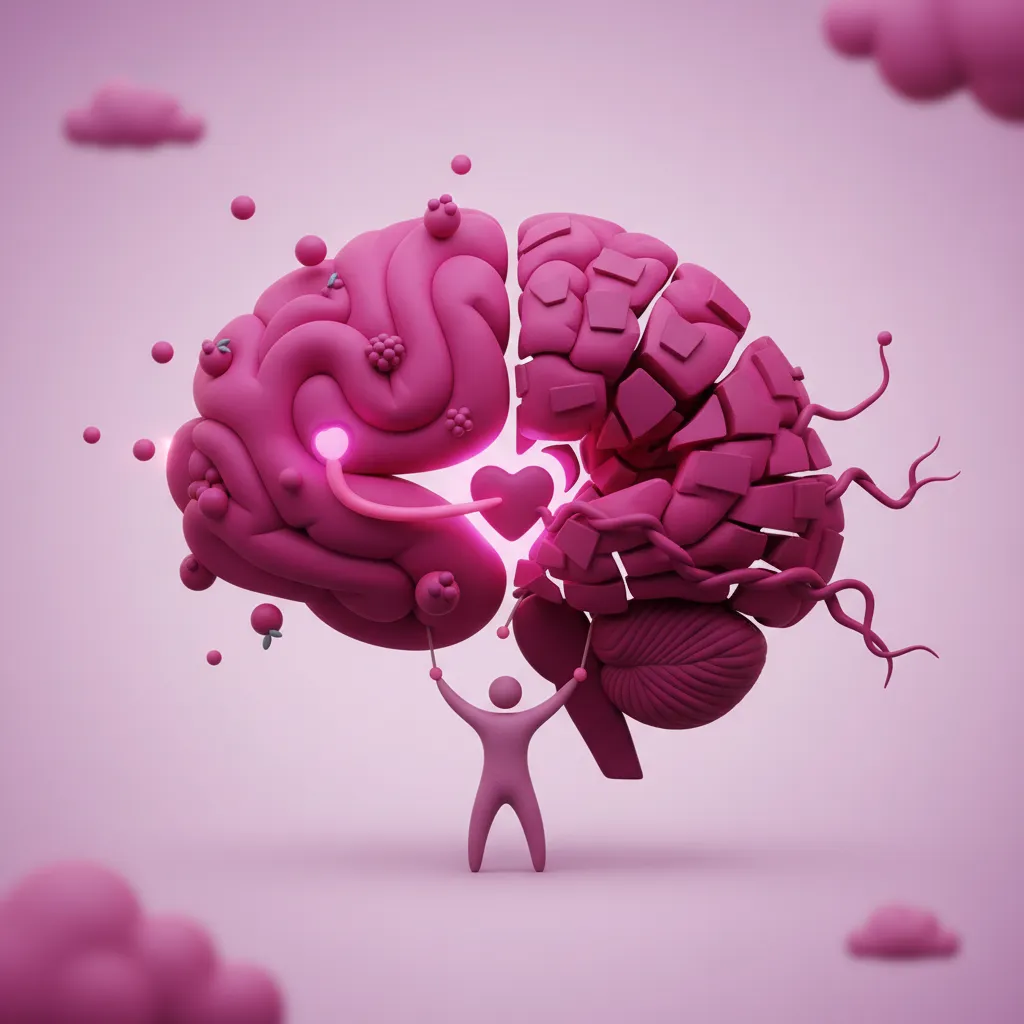
Eating disorders are complex brain-based conditions where neural circuits governing reward, habit formation, and interoception (body sensing) work differently. Research shows people with anorexia nervosa often rely on dorsal striatum pathways (habit centers) for food decisions instead of reward systems used by others[1][3][8].

1 in 25affected लोग
4%प्रचलन
सामान्य IQ रेंज

भोजन विकार कैसे दिखता है?

  • Rigid food rules that cannot be broken
  • Secretive eating or hiding food
  • Frequent weighing or prolonged mirror checking
  • Layered clothing regardless of temperature
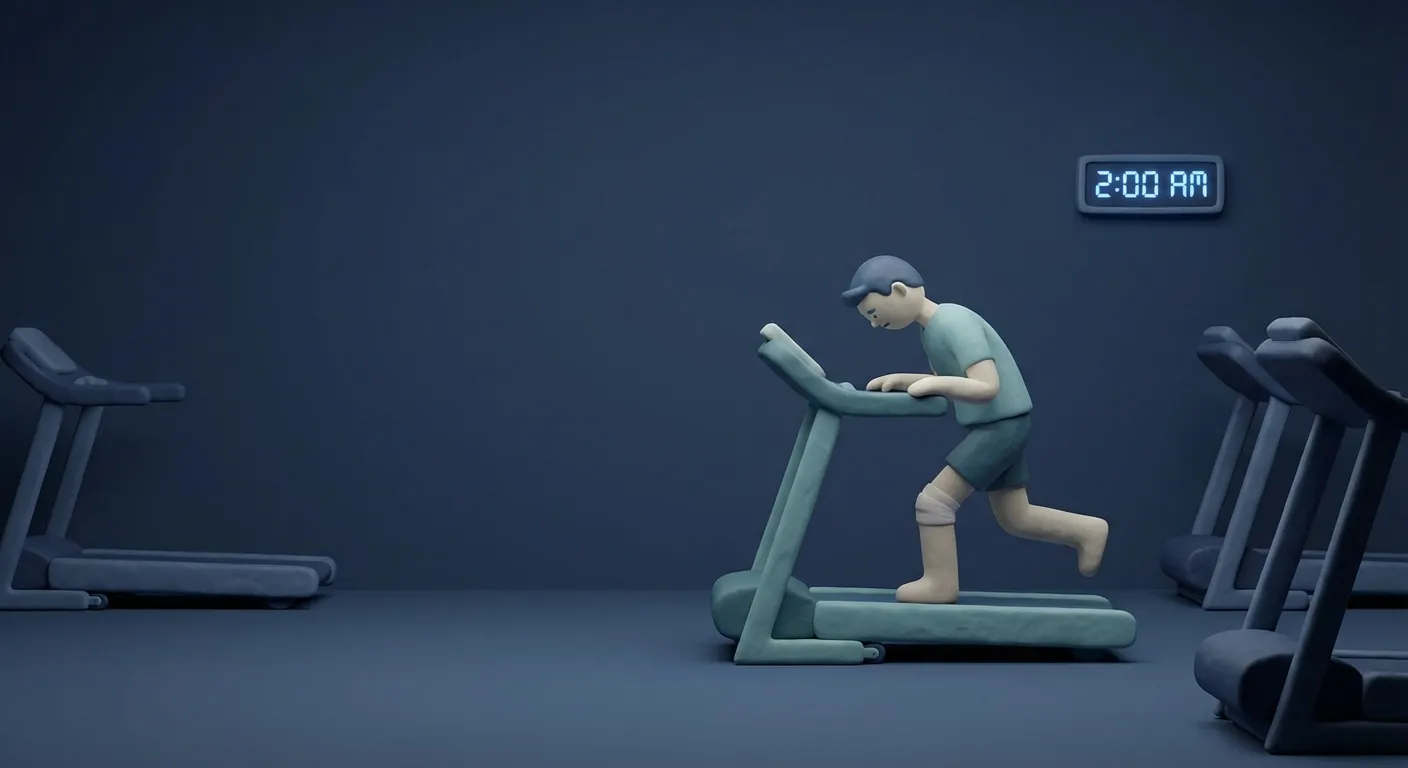
  • Compulsive exercise through injury or illness

भोजन विकार के types

  • Anorexia Nervosa(~30%)
  • Bulimia Nervosa(~25%)
  • Binge Eating Disorder(~25%)
  • ARFID(~15%)
  • OSFED(~5%)

भोजन विकार के बारे में आम सवाल

Why is eating so terrifying in anorexia?

fMRI studies show food images trigger amygdala fear responses and dorsal striatum habit loops[1][8]. Unlike normal hunger cues, the anorexia brain misinterprets eating as danger, activating fight-or-flight systems. This neural

Can you fully recover your brain after an ED?

Yes, but timelines vary. The insula and prefrontal cortex show significant gray matter recovery within 1 year of nutritional stability[7][10]. However, dorsal striatum habits may remain sensitive, requiring ongoing practice—like any learned skill[1][6]. Neuroplasticity continues throughout life, allowing new pathways to strengthen with support[8][9].

Content DSM-5 criteria और current clinical literature के अनुसार reviewed है। यह page educational purposes के लिए है और medical advice नहीं है। Diagnosis या treatment के लिए किसी qualified healthcare professional से मिलें।

खान-पान अनियमिता (Eating Disorders)

खान-पान अनियमिता

क्या यह मुझ पर लागू होता है?

खान-पान अनियमिता (Eating Disorders)Audio जल्द आएगा

हम इस condition के लिए audio guide बना रहे हैं। जब यह आए तो notification पाएँ।

यह actually क्या है?

Eating disorders are complex brain-based conditions where neural circuits governing reward, habit formation, and interoception (body sensing) work differently. Research shows people with anorexia nervosa often rely on dorsal striatum pathways (habit centers) for food decisions instead of reward systems used by others[1][3][8]. These differences interact with genetic risks like serotonin/dopamine imbalances and societal pressures, creating self-reinforcing patterns that affect all genders, ages, and body types.

यह brain की wiring में अंतर है, character flaw नहीं।

तेज़ अनुमान

आपको क्या लगता है 25 में से कितने लोगों को यह है?

अपना अनुमान लगाने के लिए icons tap करें।

Men account for 25% of anorexia cases and 40% of binge eating disorder cases — identical neural patterns, dramatically lower diagnosis and treatment rates.

NEDA
Tap to Start Myth Busting

बाहर से कैसा दिखता है vs. अंदर से कैसा लगता है

देखे गए behavior के पीछे का lived experience

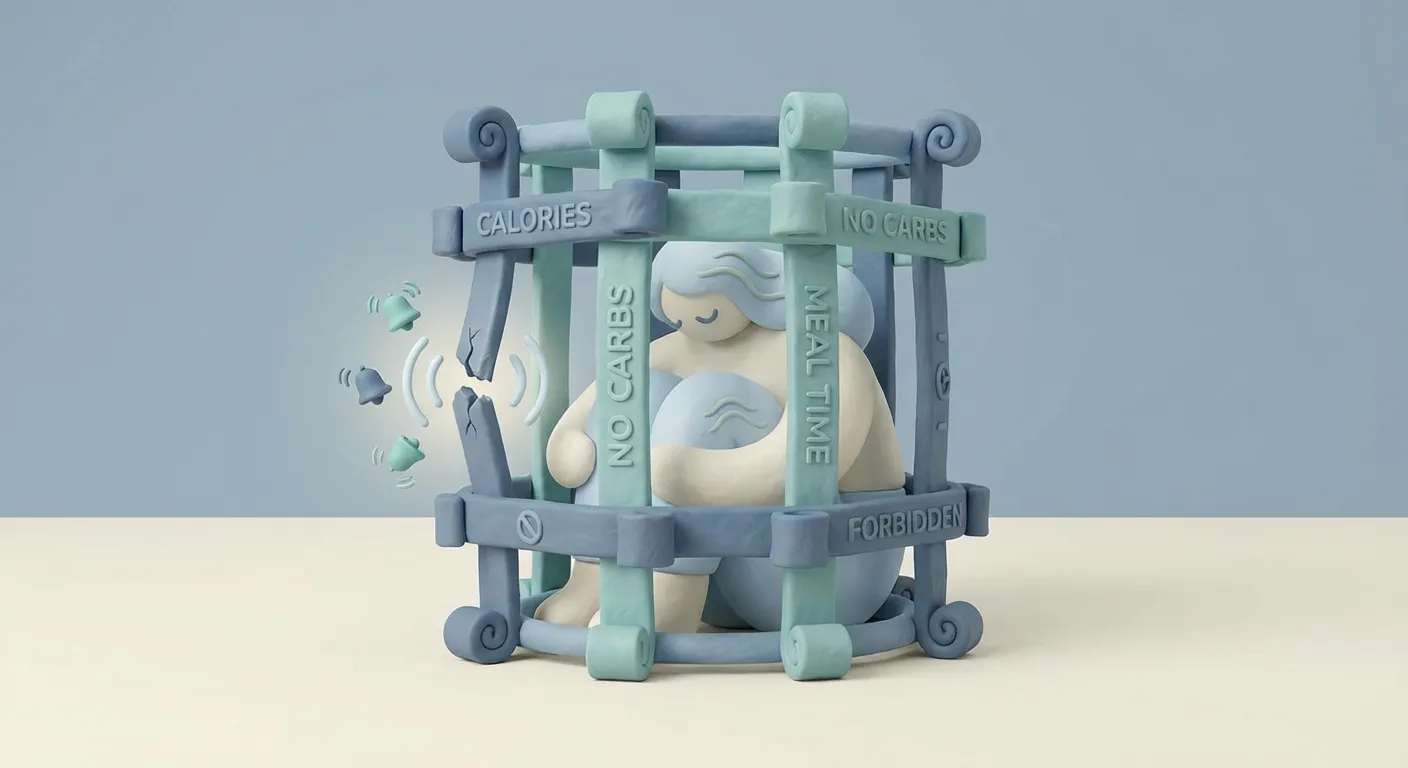
Rigid food rules that cannot be broken — The Rule Prison
अंदर देखने के लिए टैप करें

दूसरों को क्या दिखता है

Rigid food rules that cannot be broken

The Rule Prison
वापस पलटने के लिए टैप करें

अंदर से

The Rule Prison

These food rules aren't preferences — they're compulsions. Breaking one triggers panic as intense as a physical threat.

Secretive eating or hiding food — The Secret Shame
अंदर देखने के लिए टैप करें

दूसरों को क्या दिखता है

Secretive eating or hiding food

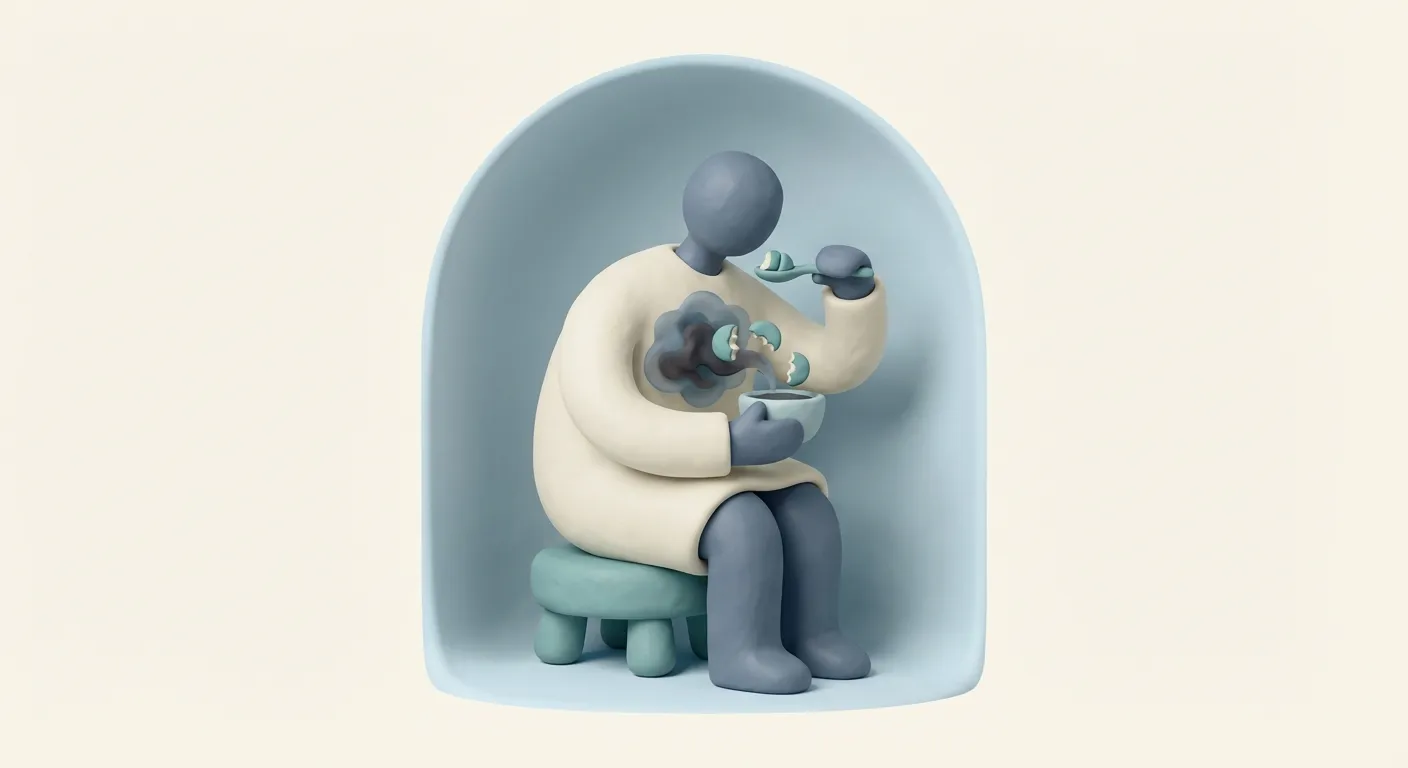
The Secret Shame
वापस पलटने के लिए टैप करें

अंदर से

The Secret Shame

I eat in hiding because the act itself feels wrong. The secrecy protects me from judgment I'm already giving myself.

Frequent weighing or prolonged mirror checking — The Funhouse Mirror
अंदर देखने के लिए टैप करें

दूसरों को क्या दिखता है

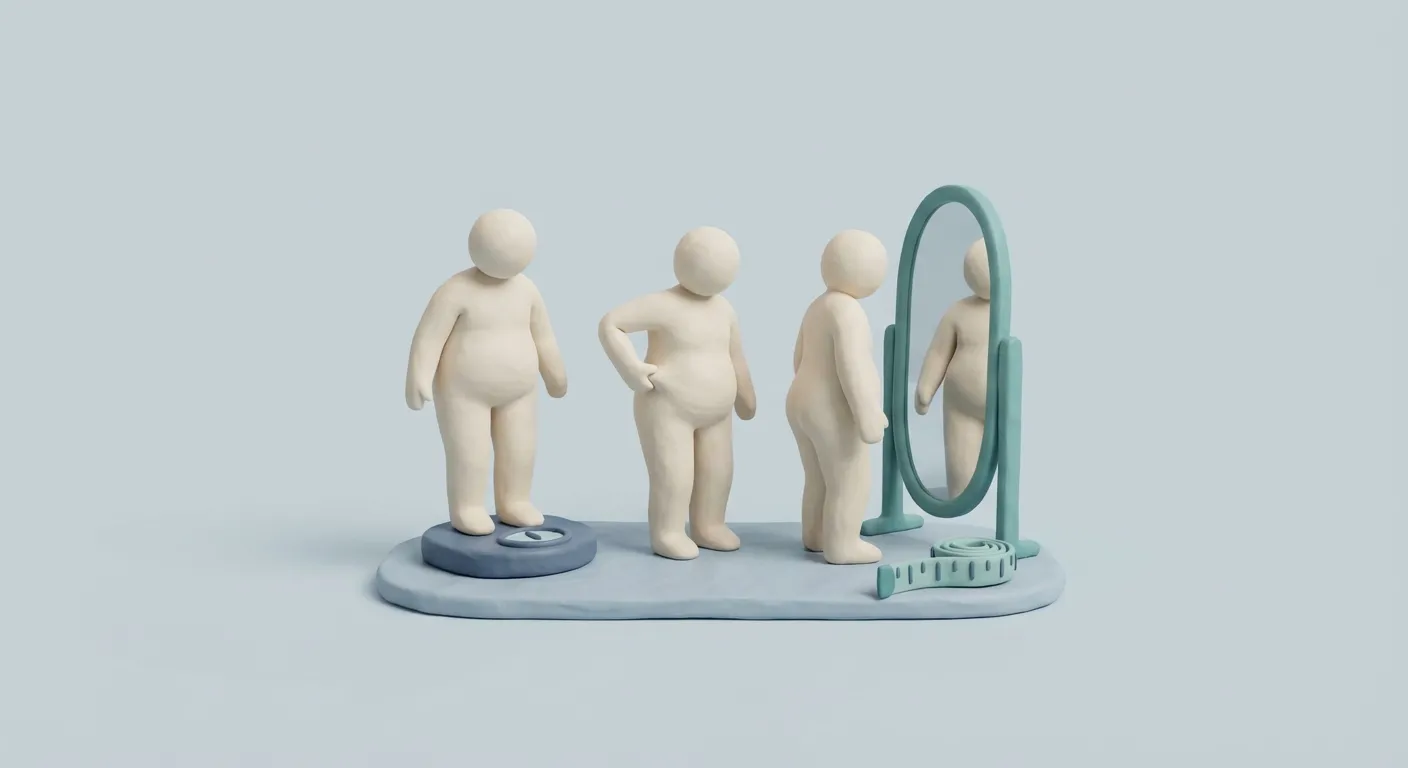
Frequent weighing or prolonged mirror checking

The Funhouse Mirror
वापस पलटने के लिए टैप करें

अंदर से

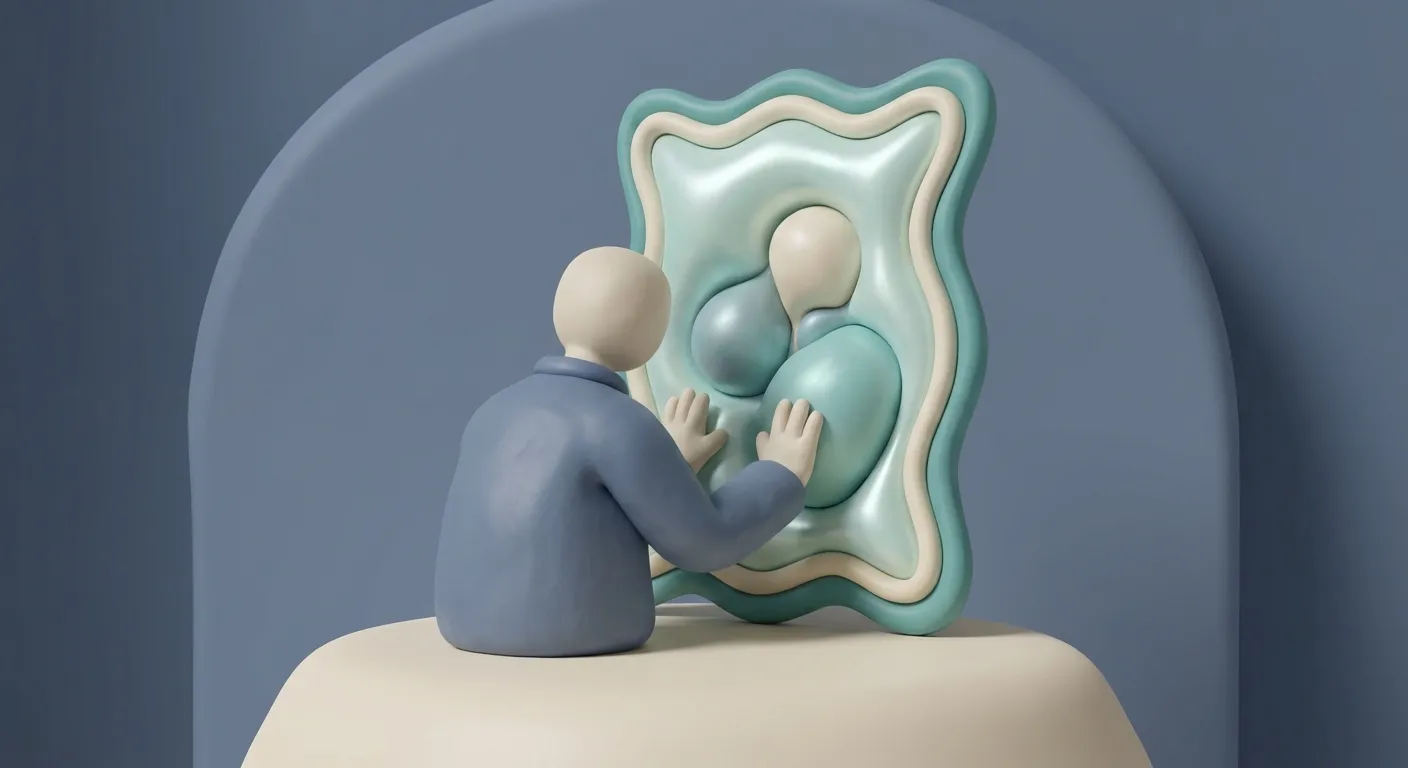
The Funhouse Mirror

I cannot see my body accurately. The reflection keeps shifting — what I see doesn't match what others describe.

Layered clothing regardless of temperature — The Body Hide
अंदर देखने के लिए टैप करें

दूसरों को क्या दिखता है

Layered clothing regardless of temperature

The Body Hide
वापस पलटने के लिए टैप करें

अंदर से

The Body Hide

These layers aren't about temperature. They're armor against a body I can't stop monitoring and can't bear to reveal.

Compulsive exercise through injury or illness — The Compulsion Engine
अंदर देखने के लिए टैप करें

दूसरों को क्या दिखता है

Compulsive exercise through injury or illness

The Compulsion Engine
वापस पलटने के लिए टैप करें

अंदर से

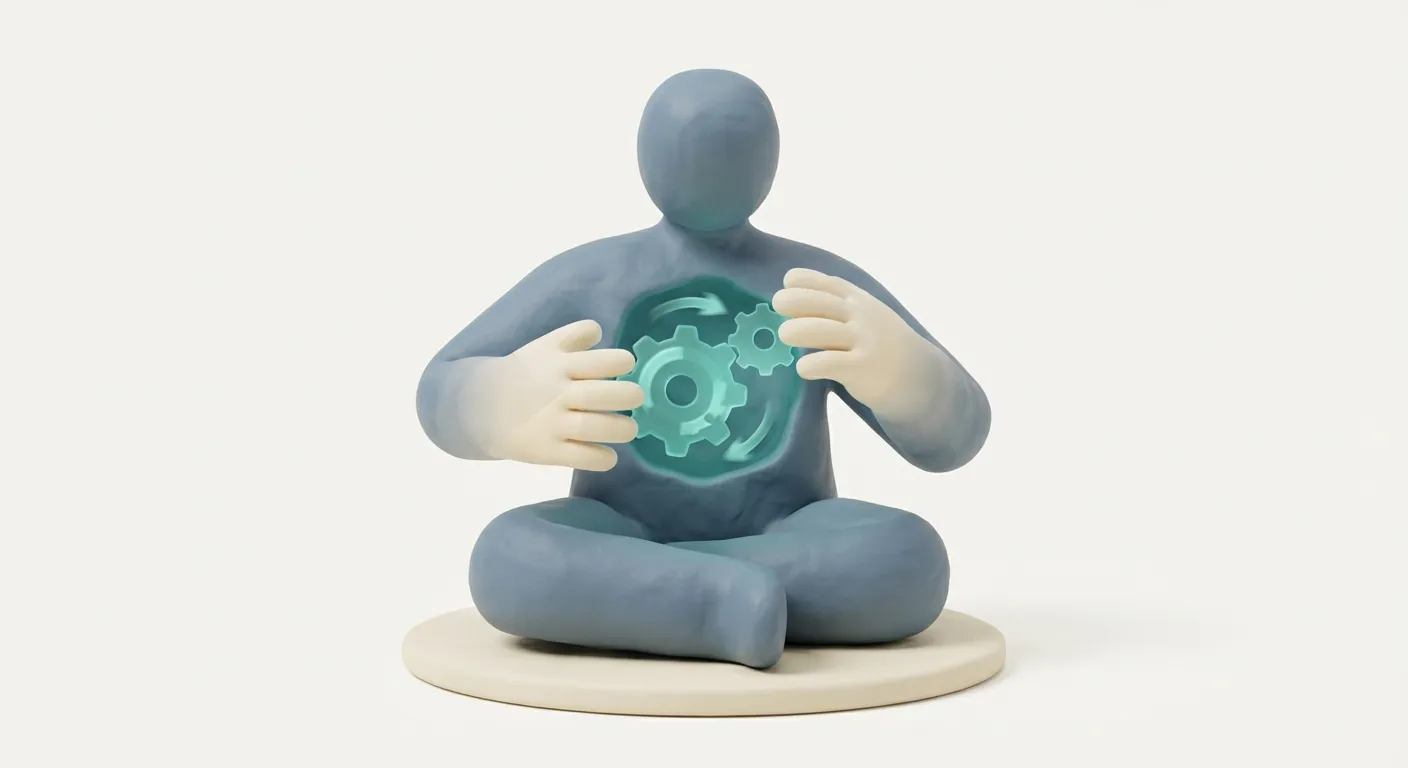
The Compulsion Engine

This isn't discipline — it's a demand my brain won't release. Stopping exercise feels as dangerous as stopping breathing.

Difficulty identifying or naming emotions — The Emotion Translator
अंदर देखने के लिए टैप करें

दूसरों को क्या दिखता है

Difficulty identifying or naming emotions

The Emotion Translator
वापस पलटने के लिए टैप करें

अंदर से

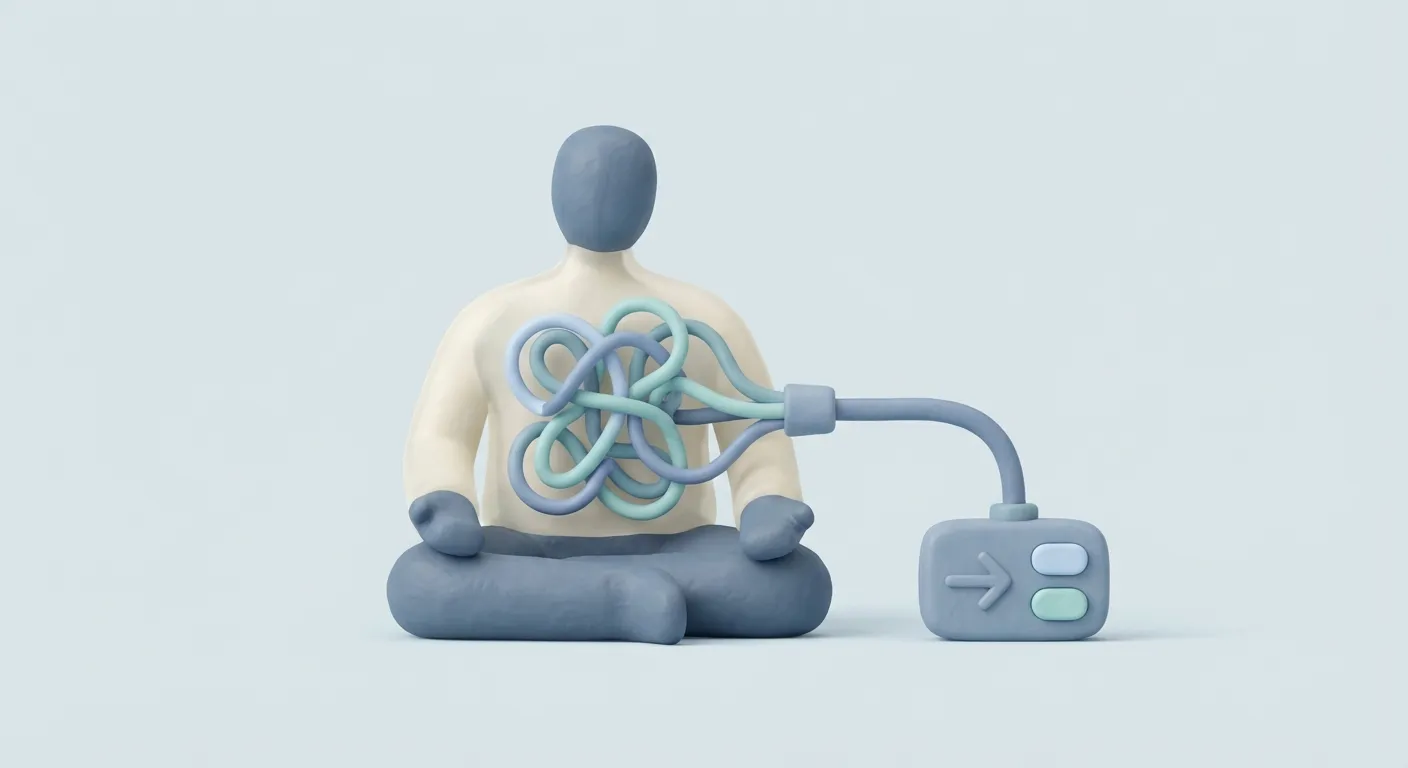
The Emotion Translator

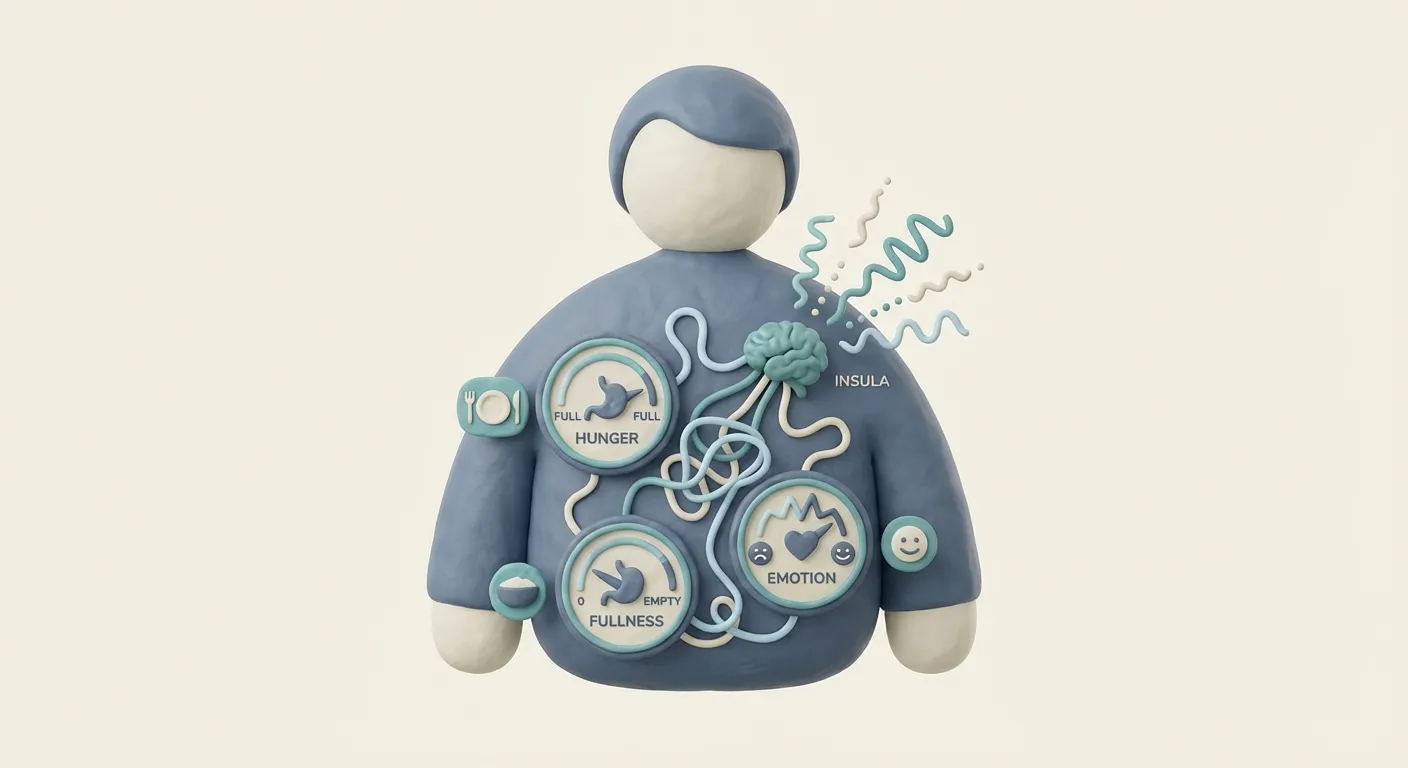
I can't name what I'm feeling. Hunger, sadness, anxiety — they blur into one signal my body reads as 'eat' or 'restrict.'

Eating disorders have 50-80% heritability — among the strongest genetic signals in all of psychiatry. This is neurobiology, not a lifestyle choice.

International Journal of Eating Disorders
Tap to Start Myth Busting

Types of खान-पान अनियमिता (Eating Disorders)

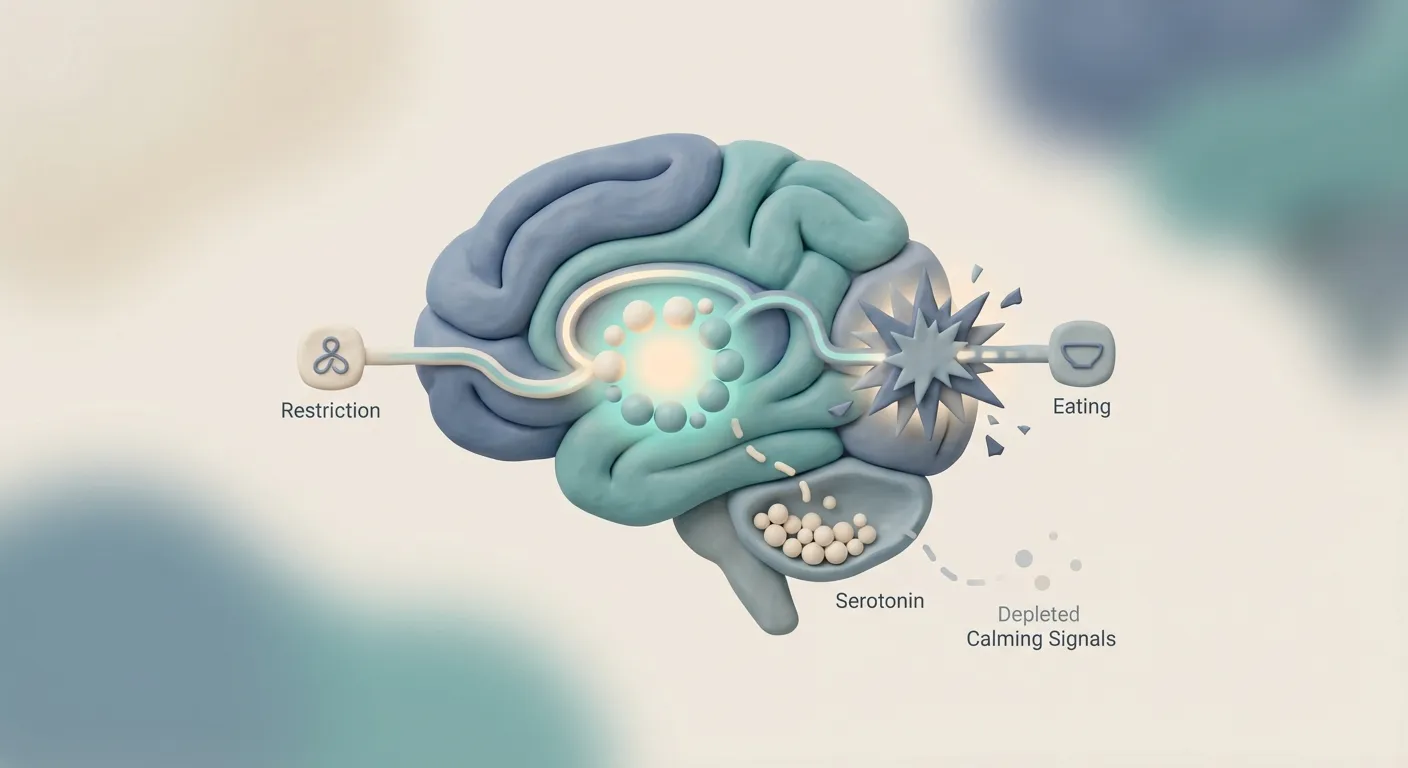
Anorexia Nervosa: Your dorsal striatum drives food avoidance as a habit, not a choice. Dopamine actually increases with restriction — your brain is rewarding you for starving. The insula distorts body perception. This is neurology masquerading as willpower.
प्रकार 1~30%

Anorexia Nervosa

Your dorsal striatum drives food avoidance as a habit, not a choice. Dopamine actually increases with restriction — your brain is rewarding you for starving. The insula distorts body perception. This is neurology masquerading as willpower.

Dorsal striatum-driven restriction
Heightened dopamine to food avoidance
Insula body distortion
Subtypes: restrictive and binge-purge
Bulimia Nervosa: Prefrontal cortex hypoactivity during binges means the brakes fail. Blunted reward response to food means normal portions don't register satisfaction. Serotonin imbalance drives mood-linked cycles.
प्रकार 2~25%

Bulimia Nervosa

Prefrontal cortex hypoactivity during binges means the brakes fail. Blunted reward response to food means normal portions don't register satisfaction. Serotonin imbalance drives mood-linked cycles.

Prefrontal hypoactivity during binges
Blunted reward response
Serotonin-driven cycles
Purging activates vagal calm temporarily
Binge Eating Disorder: Delayed hypothalamus satiety signals and reduced prefrontal inhibition. Your brain doesn't register 'enough' and can't override the craving. Often co-occurs with dopamine-seeking traits.
प्रकार 3~25%

Binge Eating Disorder

Delayed hypothalamus satiety signals and reduced prefrontal inhibition. Your brain doesn't register 'enough' and can't override the craving. Often co-occurs with dopamine-seeking traits.

Delayed satiety signaling
Reduced prefrontal inhibition
Dopamine-seeking patterns
Most common eating disorder
ARFID: Hyperactive insula response to food textures and amygdala-driven fear of choking or allergic reactions. Unlike other EDs, your reward circuits are intact — this is sensory and fear-based, not body image driven.
प्रकार 4~15%

ARFID

Hyperactive insula response to food textures and amygdala-driven fear of choking or allergic reactions. Unlike other EDs, your reward circuits are intact — this is sensory and fear-based, not body image driven.

Hyperactive insula to textures
Amygdala-driven food fear
Reward circuits intact
Not body-image related
OSFED: Captures presentations like atypical anorexia where hypothalamic adaptation prevents low BMI despite severe restriction. You can be medically starving at a 'normal' weight. The neural patterns are identical to primary diagnoses.
प्रकार 5~5%

OSFED

Captures presentations like atypical anorexia where hypothalamic adaptation prevents low BMI despite severe restriction. You can be medically starving at a 'normal' weight. The neural patterns are identical to primary diagnoses.

Atypical presentations
Normal BMI despite restriction
Identical neural patterns
Often dismissed clinically

Atypical anorexia (normal BMI, full restrictive neurology) is medically as serious as classical anorexia — body weight is not a reliable indicator of eating disorder severity.

Journal of Adolescent Health
Tap to Start Myth Busting

विज्ञान: EATING-DISORDERS

The "Why" Behind the "What"

यह दिखावा नहीं है। यह तंत्रिका जीव विज्ञान है।

हाईजैक किया गया हैबिट सेंटर: आपके पृष्ठीय स्ट्रिएटम ने भोजन संबंधी निर्णयों को इनाम सर्किट के बजाय आदत सर्किट के माध्यम से निर्देशित किया है। प्रतिबंध, उल्टी करना और कठोर नियम विकल्प नहीं हैं - वे गहराई से अंतर्निहित स्वचालित क्रियाएं हैं।
पृष्ठीय स्ट्रिएटम

हाईजैक किया गया हैबिट सेंटर

आपके पृष्ठीय स्ट्रिएटम ने भोजन संबंधी निर्णयों को इनाम सर्किट के बजाय आदत सर्किट के माध्यम से निर्देशित किया है। प्रतिबंध, उल्टी करना और कठोर नियम विकल्प नहीं हैं - वे गहराई से अंतर्निहित स्वचालित क्रियाएं हैं।

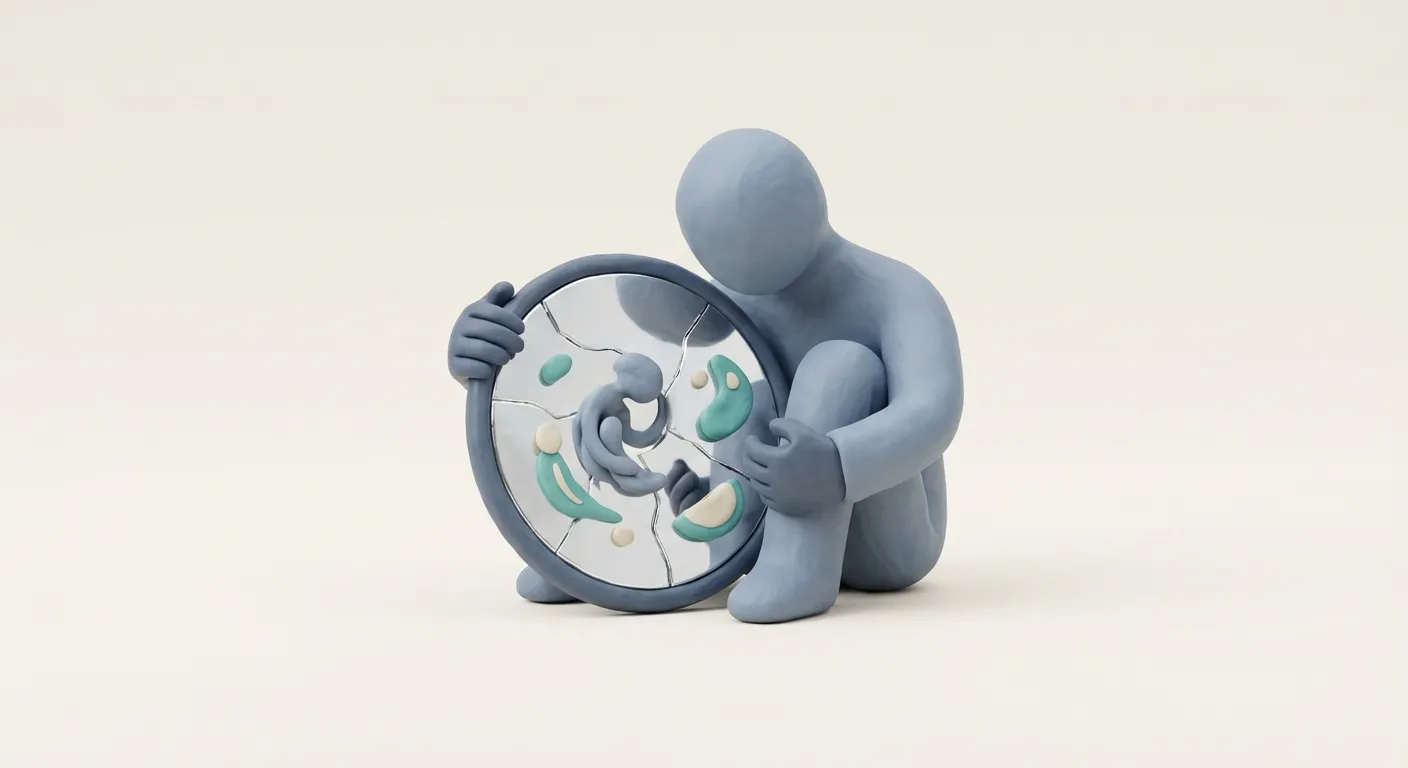
टूटा हुआ दर्पण: इंसुला और पार्श्विका प्रांतस्था के बीच संचार में गड़बड़ी के कारण शरीर का ऐसा मानचित्र बनता है जो बाहरी वास्तविकता से मेल नहीं खाता। यह न तो दिखावा है और न ही ध्यान आकर्षित करने की कोशिश — यह एक प्रमाणित तंत्रिका संबंधी विकृति है।
शरीर की अनुभूति

टूटा हुआ दर्पण

इंसुला और पार्श्विका प्रांतस्था के बीच संचार में गड़बड़ी के कारण शरीर का ऐसा मानचित्र बनता है जो बाहरी वास्तविकता से मेल नहीं खाता। यह न तो दिखावा है और न ही ध्यान आकर्षित करने की कोशिश — यह एक प्रमाणित तंत्रिका संबंधी विकृति है।

पुनःसंयोजित मस्तिष्क: वजन कम होने के बाद मस्तिष्क की संरचना में मापने योग्य परिवर्तन होते हैं। एनोरेक्सिया से पीड़ित व्यक्ति का वजन सामान्य होने के एक वर्ष के भीतर ग्रे मैटर का आयतन आंशिक रूप से बहाल हो जाता है। आपका मस्तिष्क स्थायी रूप से परिवर्तित नहीं होता है - यह अस्थायी रूप से अनुकूलित हो जाता है।
न्यूरोप्लास्टिसिटी

पुनःसंयोजित मस्तिष्क

वजन कम होने के बाद मस्तिष्क की संरचना में मापने योग्य परिवर्तन होते हैं। एनोरेक्सिया से पीड़ित व्यक्ति का वजन सामान्य होने के एक वर्ष के भीतर ग्रे मैटर का आयतन आंशिक रूप से बहाल हो जाता है। आपका मस्तिष्क स्थायी रूप से परिवर्तित नहीं होता है - यह अस्थायी रूप से अनुकूलित हो जाता है।

भ्रष्ट थर्मोस्टेट: कल्पना कीजिए एक थर्मोस्टेट की वायरिंग इस तरह से बदल दी गई है कि जब घर में कड़ाके की ठंड हो तो वह ठंडा करे और जब गर्मी चरमरा रही हो तो गर्म करे। खाने से संबंधित विकार की तंत्रिका प्रणाली भूख और तृप्ति के संकेतों के साथ कुछ ऐसा ही करती है - प्रतिक्रिया चक्र उलट जाता है। आपकी आंतरिक संवेदना (शरीर की संवेदी प्रणाली) अव्यवस्थित संकेत भेजती है, और आपकी आदतें ऐसी प्रतिक्रियाओं में फंस जाती हैं जो अनिवार्य लगती हैं। ठीक होना इच्छाशक्ति की बात नहीं है। यह थर्मोस्टेट को धीरे-धीरे ठीक करने की बात है - एक-एक भोजन करके, एक-एक तंत्रिका मार्ग को धीरे-धीरे ठीक करते हुए।
तंत्र

भ्रष्ट थर्मोस्टेट

कल्पना कीजिए एक थर्मोस्टेट की वायरिंग इस तरह से बदल दी गई है कि जब घर में कड़ाके की ठंड हो तो वह ठंडा करे और जब गर्मी चरमरा रही हो तो गर्म करे। खाने से संबंधित विकार की तंत्रिका प्रणाली भूख और तृप्ति के संकेतों के साथ कुछ ऐसा ही करती है - प्रतिक्रिया चक्र उलट जाता है। आपकी आंतरिक संवेदना (शरीर की संवेदी प्रणाली) अव्यवस्थित संकेत भेजती है, और आपकी आदतें ऐसी प्रतिक्रियाओं में फंस जाती हैं जो अनिवार्य लगती हैं। ठीक होना इच्छाशक्ति की बात नहीं है। यह थर्मोस्टेट को धीरे-धीरे ठीक करने की बात है - एक-एक भोजन करके, एक-एक तंत्रिका मार्ग को धीरे-धीरे ठीक करते हुए।

Linked to dorsal striatum habit circuit dominance, insula-parietal body perception differences, and altered serotonin/dopamine reward signaling.

fMRI studies show dorsal striatum hyperactivation during food decisions in anorexia nervosa — food restriction is being processed as habit, not choice.

American Journal of Psychiatry
Tap to Start Myth Busting
Restricted Access

Scientific Deep Dive

Explore Myths to Unlock

Earn 5 Insight Points

Illustration for Deep Dive fact 1
1 / 5

Why can

Your brain is fighting you. fMRI shows that while healthy brains use reward circuits for food, anorexia recruits the dorsal striatum—the

Unlock Answer
Two Sides of the Coin

सिक्के के दोनों पहलू

हर न्यूरोलॉजिकल अंतर व्यापार-नापसंद के साथ आता है। वह विशेषता जो एक संदर्भ में संघर्ष का कारण बनती है, दूसरे में प्रतिभा पैदा करती है।

The Habit Lock

Your dorsal striatum has locked food patterns into compulsion circuits. Breaking them feels as dangerous as breaking a survival rule — because that's exactly how your brain classified them.

The Distorted Lens

Your insula and parietal cortex communicate differently about body size and shape. What you see isn't what's there, and no amount of reassurance can override a neurological distortion.

The Emotion Blur

Hunger, sadness, anxiety — your interoception blurs them into one undifferentiated signal. You can't eat intuitively when your body can't distinguish 'hungry' from 'scared.'

Gray matter volume lost during anorexia nervosa shows partial restoration within one year of weight recovery — the brain responds measurably to recovery conditions.

American Journal of Psychiatry
Tap to Start Myth Busting

Community की आवाज़ें

असली अनुभव

It was never about the food. It was about the one thing I felt I could control in a world that felt chaotic.

Community Member
22

The voice in my head is a liar, but it

Community Member
39

Recovery isn

Community Member
16

My brain treat calories like numbers in a life-or-death game. I

Community Member
33

Mirror-checking is a compulsion that keeps me trapped. I

Community Member
50

Relapse isn

Community Member
27

क्या लगता है आपको खान-पान अनियमिता (Eating Disorders) हो सकता है?

हमारा clinical-grade screening assessment लें। 5 मिनट से कम लगेगा और instant insights मिलेंगे।

Success के लिए Rewiring

खुद को fix करने की कोशिश बंद करें। एक ऐसा support system बनाना शुरू करें जो आपके brain के साथ काम करे, उसके खिलाफ नहीं।

Therapy

  • CBT-E (Enhanced CBT)
    Gold-standard outpatient treatment targeting perfectionism, interpersonal difficulties, and mood intolerance alongside eating behaviours.
  • MANTRA
    Maudsley Anorexia Nervosa Treatment for Adults. Addresses maintaining factors including neurobiological and cognitive traits.
  • Family-Based Therapy (FBT)
    Evidence-based approach for adolescents that enlists family support in nutritional rehabilitation and habit circuit rewiring.
  • DBT for Eating Disorders
    Targets emotional dysregulation and impulsivity in BED and bulimia through distress tolerance and emotional regulation skills.

Medication

  • SSRIs (Fluoxetine)
    Evidence-based for bulimia nervosa — addresses serotonin dysregulation driving binge-purge cycles. First-line pharmacological option.
  • Olanzapine
    Some evidence in anorexia nervosa for weight restoration and reducing obsessive eating-related cognitions. Used adjunctively.
  • Lisdexamfetamine (Vyvanse)
    FDA-approved for moderate-to-severe BED — addresses dopamine-seeking and impulsivity underlying binge episodes.
  • Topiramate
    Used off-label in BED and bulimia for binge frequency reduction. Requires careful monitoring.

Lifestyle

  • Structured Eating
    Regular, timed meals (regardless of hunger cues) to begin recalibrating disrupted hypothalamic satiety signalling.
  • Joyful Movement
    Replacing compulsive exercise with movement chosen for pleasure — yoga, walking, dancing — to rebuild a non-punitive body relationship.
  • Social Eating Practice
    Gradual exposure to eating with others to reduce shame and rebuild the social context of nourishment.
  • Sleep Hygiene
    Sleep deprivation amplifies food cue reactivity and impairs prefrontal inhibition — consistent sleep is a recovery tool, not a luxury.

Supplements

  • Zinc
    Deficiency common in anorexia nervosa; zinc supplementation may support appetite recovery and mood stabilization (consult doctor).
  • Omega-3 (EPA/DHA)
    May support gray matter recovery and reduce inflammation during nutritional rehabilitation (consult doctor).
  • Thiamine (Vitamin B1)
    Critical during refeeding to prevent refeeding syndrome complications. Must be medically supervised.
  • Vitamin D3
    Commonly deficient in eating disorders; supports mood, immune function, and bone density (consult doctor).

Environment

  • Scale-Free Zones
    Removing scales from the home reduces body-checking compulsion and breaks the reward-punishment loop of daily weighing.
  • Meal Support Person
    A non-judgmental presence during meals reduces anxiety and activates the social safety system during refeeding challenges.
  • Body-Neutral Language
    Environments that avoid body commentary (positive or negative) reduce the salience of appearance-based triggers.
  • Social Media Curation
    Unfollowing accounts that centre diet culture or body comparison reduces ambient restriction cuing and comparison loops.

Body

  • Somatic Therapy
    Body-based therapeutic approaches targeting insula recalibration and safe interoceptive awareness rebuilding.
  • Trauma-Informed Yoga
    Gentle yoga with a trauma-informed instructor builds body safety and interoceptive vocabulary without triggering alarm responses.
  • Warming Practices
    Warm baths, heating pads, and warm drinks address the physiological experience of being cold that accompanies malnutrition.
  • Sensory Grounding
    5-4-3-2-1 sensory techniques interrupt dissociation during meals and build safe present-moment body awareness.

आपके brain के लिए tools

इस neurotype के लिए बने — generic wellness नहीं

सभी देखें
FAQ

अक्सर पूछे जाने वाले सवाल

Terms की Glossary

साथ में होने वाली Conditions

Neurodivergent conditions अक्सर साथ आती हैं। Co-occurrence समझने से पूरी picture बनती है।

और जानने के लिए किसी भी condition पर click करें। Co-occurrence percentages peer-reviewed research से हैं।

वैज्ञानिक संदर्भ

  1. American Psychiatric Association. (2022). Diagnostic and Statistical Manual of Mental Disorders (5th ed., text rev.).
  2. Treasure, J., Zipfel, S., Micali, N., et al. (2015). Anorexia nervosa. Nature Reviews Disease Primers.
  3. Steinglass, J. E., et al. (2012). Habit learning and anorexia nervosa. Psychological Medicine.
  4. Suchan, B., et al. (2010). Reduction of gray matter density in patients with anorexia nervosa. Brain Research.
  5. Phillipou, A., et al. (2019). Eating disorders. The Medical Journal of Australia.
  6. Lavagnino, L., et al. (2012). Reduced inhibitory control in anorexia nervosa: a neuropsychological study. International Journal of Eating Disorders.
  7. BEAT Eating Disorders. (2024). Facts and figures about eating disorders.
  8. Hudson, J. I., et al. (2007). The prevalence and correlates of eating disorders in the National Comorbidity Survey Replication. Biological Psychiatry.
  9. Klump, K. L., et al. (2009). Genetic epidemiology of eating disorders. Annual Review of Clinical Psychology.
  10. Kaye, W. H., et al. (2013). Nothing tastes as good as skinny feels: the neurobiology of anorexia nervosa. Trends in Neurosciences.

Your body is an ally, not a battleground.

आप अब तक survive कर चुके हैं। सोचो जब आप अपने brain से लड़ना बंद कर दें तो क्या कर सकते हो।

Why Eating Disorder Brains Build Rigid Food Rules

If you live with an eating disorder, you probably know exactly what your rules are. No eating after a certain time. No foods above a certain calorie count. No eating in public. No eating unless you've earned it. These rules can feel like safety — like the only thing standing between you and total chaos. And in a very specific neurological sense, they are.

The dorsal striatum is the brain's habit centre. Its job is to take repetitive behaviours and encode them as automatic sequences — things you do without thinking, like tying your shoes or driving a familiar route. It's an efficient, useful system. But in eating disorders, the dorsal striatum has gotten hold of food restriction, food rules, or purging cycles and encoded them as survival habits. What started as a behaviour — whether driven by anxiety, a desire for control, or the peculiar dopamine spike that restriction can produce in certain brains — has been consolidated into something that feels as non-negotiable as breathing.

When you try to break one of those rules, the amygdala — your brain's threat detection centre — fires. The response it generates is not metaphorical panic. It is the same neurological alarm that signals physical danger. Your heart rate increases. Your breathing changes. Your body floods with stress hormones. To your nervous system, eating the 'forbidden' food is genuinely indistinguishable from a predator threat.

This is why people on the outside who say 'just eat it' have no idea what they're asking. They're essentially asking you to walk calmly into what your brain has classified as a life-threatening situation. The cognitive knowledge that the food is safe does nothing to override an amygdala alarm. Reason and terror live in different brain regions, and terror is faster.

The science of habit formation tells us something both sobering and hopeful here. Dorsal striatum habits take between 3 and 6 months of consistent new behaviour to rewire — meaning that every time you eat something that breaks a rule and survive the panic, you are literally building a new neural pathway. The alarm gets quieter with each repetition. The habit weakens as a competing habit strengthens. Recovery is not about willpower overcoming a preference. It is about neuroscience, time, and consistent exposure. You are not fighting yourself. You are retraining a circuit.

  • Food rules in eating disorders are encoded in the dorsal striatum as automatic habits — they feel compulsory because, neurologically, they are.
  • Breaking a food rule triggers genuine amygdala-mediated fear responses — not metaphorical panic, but measurable threat alarm.
  • Dorsal striatum habit circuits take 3-6 months of consistent new behaviour to rewire — recovery is neuroscience, not willpower.
  • Each exposure to feared food that you survive without restriction reduces the amygdala alarm — you are building new pathways, not failing old ones.

The Neuroscience of Secretive Eating

Eating alone. Hiding wrappers. Ordering food when no one is home. Eating in the car before going inside. If you've done any of these things, you're likely carrying a weight of shame that has accumulated over months or years. The secrecy itself becomes a kind of evidence — proof, you tell yourself, that what you're doing is wrong, that you are wrong.

But let's look at what's actually happening in the brain during a binge, because it changes everything.

In binge eating disorder and bulimia, brain imaging studies show that during a binge, prefrontal cortex activity drops significantly. The prefrontal cortex is the region responsible for impulse control, decision-making, and forward planning. When it goes offline, what's left is a more primitive drive system: the limbic circuits that govern reward-seeking and the hypothalamic signals that have been dysregulated by restriction, stress, or emotional overwhelm.

For many people, a binge starts not with hunger but with an emotional state — anxiety, loneliness, shame, exhaustion, or numbness — that the brain translates into a craving signal. The reward system registers food as the available solution to an intolerable emotional state. And crucially, the prefrontal cortex — which would normally step in with 'wait, think about this' — isn't functioning at full capacity in that moment.

The secrecy isn't character weakness. It's the shame that has been layered onto a neurological event. Most people who binge describe feeling a kind of detachment or dissociation during the act, followed by intense guilt afterward. The shame belongs to the aftermath — the prefrontal cortex coming back online and narrating what just happened through the lens of everything you've been told about food and control.

Understanding this doesn't make bingeing harmless. It makes you a person who has a particular neurological vulnerability, not a morally deficient one. Secrets thrive in shame. The first step out is usually telling someone — a therapist, a support line, a trusted person — who can receive what you've been carrying without adding to its weight.

  • Prefrontal cortex activity drops during binges — impulse control goes offline, not offline because you're weak but because of measurable neural suppression.
  • Binges are often triggered by emotional states, not hunger — the reward system recruits food as a solution to intolerable internal states.
  • Shame belongs to the aftermath, not the act — it's the prefrontal cortex coming back online and narrating a neurological event as a moral failure.
  • Secrecy amplifies shame; telling one trusted person begins to dissolve the weight that silence has been sustaining.

Body Dysmorphia: Why the Mirror Lies

You know, intellectually, that other people don't see you the way you see yourself. You've been told — by doctors, by family members, by people who love you — that what you're describing doesn't match what they observe. And yet when you look in the mirror, or step on the scale, you see something that feels undeniably real. Your brain is not lying to you on purpose. It is giving you the output of a genuinely miscalibrated system.

Body image is not constructed in the eyes. It is constructed in the brain — specifically in the integration of signals from the insula, which processes interoceptive information (what your body feels like from the inside), and the parietal cortex, which builds a spatial map of your body's size, shape, and position in space. In eating disorders, particularly anorexia, neuroimaging studies show disrupted communication between these regions. The body schema — your brain's internal model of your own body — is receiving distorted input and generating a distorted output.

This is why mirror checking and body checking are simultaneously compelling and useless. You check because the uncertainty is unbearable. You check again because the image still doesn't resolve the uncertainty. The mirror provides visual data, but visual data goes through the same miscalibrated processing system, so it never gives you the stable, trustworthy answer you're looking for. The more you check, the more you reinforce the neural pathway that treats your body as a threat that requires monitoring.

What's hopeful here is that body image distortion is neurologically modifiable. Virtual reality-based therapies have shown promise specifically because they give the brain a new data source — an external, spatially accurate representation — that can begin to recalibrate the parietal body map. Somatic therapies, which work through the insula by building interoceptive awareness gradually, also show evidence of changing body schema over time.

Your body image is not a truth your mirror reveals. It is a construction your brain produces. That construction can be rebuilt.

  • Body image is built in the brain, not the eyes — disrupted insula-parietal communication generates a genuinely distorted body schema.
  • Mirror checking reinforces the neural pathway that treats your body as a threat — the uncertainty never resolves because the processing system is miscalibrated.
  • Body image distortion is neurologically modifiable — VR therapies and somatic work have shown measurable changes in body schema.
  • What you see in the mirror is not a reliable truth — it is the output of a circuit that can be recalibrated with time and the right support.

Safety Behaviours and Body Concealment in Eating Disorders

The extra layers are not about being cold. If you wear them in summer, wear them in heated rooms, feel anxious when circumstances force you to remove them — you already know this. The layers are protection. Protection from others seeing a body you cannot reconcile with any safe narrative. Protection from the constant surveillance you're already running on yourself.

In clinical psychology, these are called safety behaviours — actions taken to reduce the anxiety of a perceived threat. Safety behaviours work in the short term: the layers go on, the anxiety drops, the immediate threat feels managed. The problem is that safety behaviours prevent the brain from ever disconfirming the threat. If you always cover up, your nervous system never gets the chance to learn 'and nothing terrible happened.' The threat remains, neurologically, just as real as it was the first time.

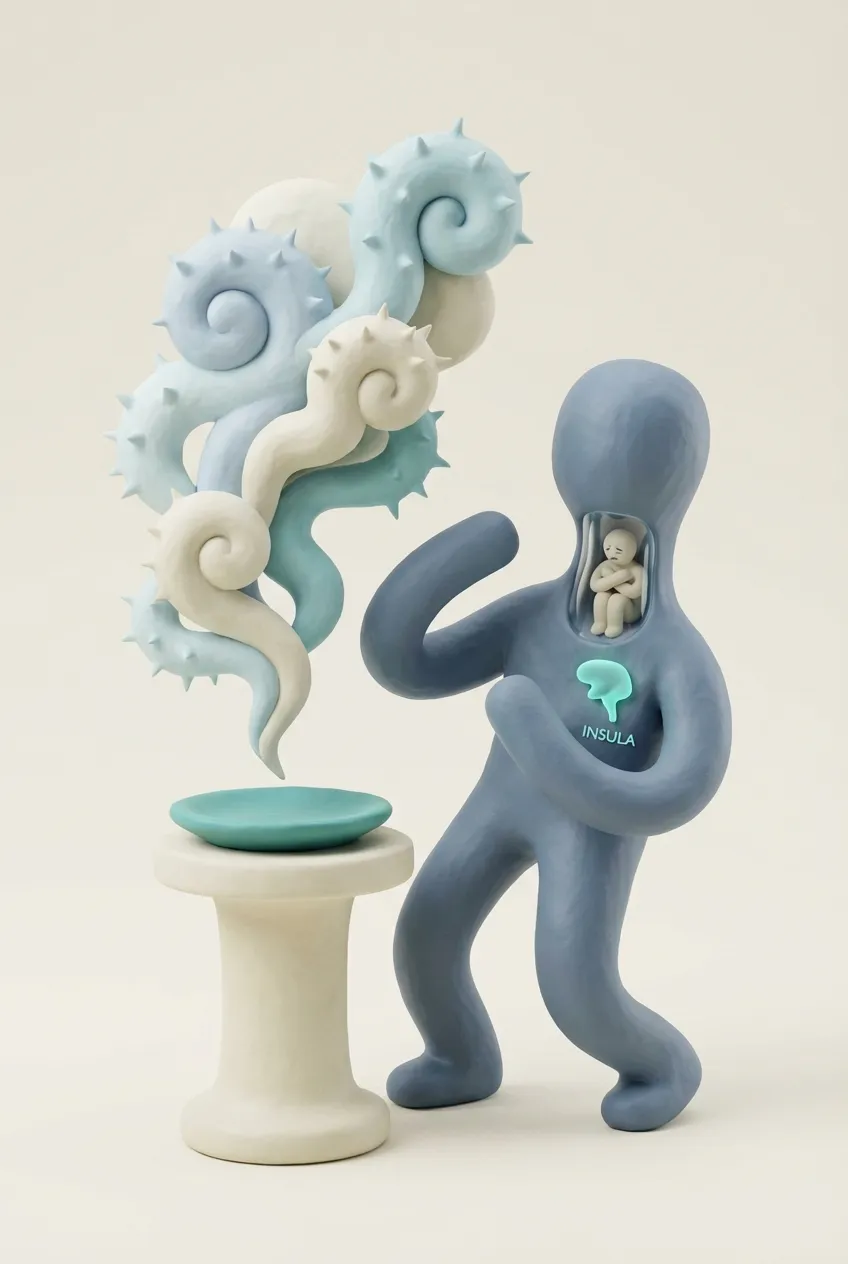
The body concealment pattern is closely linked to the same insula dysfunction that underlies body image distortion. The insula doesn't just process what your body looks like — it processes what it feels like to inhabit your body. In eating disorders, insula signaling is often disrupted in ways that make normal body awareness feel threatening or intolerable rather than neutral. Covering the body reduces the interoceptive data stream: less skin contact with the environment, fewer external cues prompting body awareness. It is, in a sense, a volume control on a signal that has become overwhelming.

This matters because treatment approaches that work directly with interoception — yoga, trauma-informed body work, somatic therapy — are not just complementary to eating disorder recovery. For some people, they're central to it. The goal is not to force body exposure before it feels safe. It is to gradually rebuild a relationship with the interoceptive signal until it no longer triggers an alarm. The layers come off when the body they're covering feels less like an enemy and more like a home.

  • Layered clothing is a safety behaviour — it reduces anxiety short-term but prevents the brain from disconfirming the perceived bodily threat.
  • Insula dysfunction makes normal body awareness feel threatening — concealment reduces the interoceptive data stream as a regulatory strategy.
  • Safety behaviours maintain the threat's power by never allowing disconfirmation — the body remains dangerous because you never find out it isn't.
  • Somatic therapies and body-based approaches work directly with the insula to rebuild a safer relationship with interoceptive signals.

Compulsive Exercise: When Movement Becomes Compulsion

If you exercise through pain, through illness, through exhaustion — if skipping a session generates anxiety that feels unbearable rather than rest that feels deserved — you're not disciplined. You're compelled. There is a measurable neurological difference between the two, and conflating them has caused immense harm.

In restriction-based eating disorders, the dorsal striatum encodes food avoidance and compensatory exercise as habit loops. Once encoded, these habits have the same neurological pull as any other habituated behaviour — they are automatic, effortful to resist, and generate anxiety when interrupted. What distinguishes compulsive exercise from committed athletic training is not the volume of exercise, but the relationship to stopping. An athlete can rest. A person with exercise compulsion cannot rest without the full activation of a threat response.

There is also a dopamine dynamic here that is poorly understood by most people outside the field. In anorexia and related presentations, restriction itself — including calorific restriction through exercise — triggers a paradoxical dopamine increase. The brain begins to register restriction as rewarding. This is not universal to all eating disorders, but for those where it applies, it means the exercise compulsion has a neurochemical fuel source: every session of intense exercise, every mile run on an injured ankle, generates a dopamine response that briefly feels like relief.

The cruelty of this mechanism is that it mimics the feeling of wellness — the post-exercise state feels better than the pre-exercise dread — which makes it very hard to identify as a symptom rather than a healthy coping strategy. Exercise is recommended for mental health. It produces good feelings. It can be genuinely therapeutic. The difference lies entirely in what happens when you stop, and what the body is telling you while you continue.

Recovery from compulsive exercise requires addressing the dorsal striatum habit loop directly, not just the behaviour. Gradual reduction with support, tolerated rest periods, and replacing the dopamine-seeking with other regulated activities are all part of what works. The goal is not to hate exercise — it is to make it a choice again.

  • Compulsive exercise is dorsal striatum-encoded habit, not discipline — the compulsion is neurological, not motivational.
  • In restriction-based eating disorders, exercise can trigger paradoxical dopamine increases — restriction is neurochemically rewarding, which fuels the compulsion.
  • The difference between committed training and exercise compulsion is not volume — it's whether stopping is possible without a full threat response.
  • Recovery focuses on gradual reduction, tolerated rest, and rebuilding the capacity to choose rather than comply with a habit circuit.

Alexithymia and the Eating-Emotion Connection

There is a word for what you might be experiencing, even if nobody has told you it yet: alexithymia. It means, literally, 'no words for feelings' — and it describes a difficulty identifying, distinguishing, and naming emotional states that is significantly more common in people with eating disorders than in the general population. Studies find alexithymia in up to 77% of people with anorexia and up to 50% of people with bulimia.

The connection between alexithymia and eating disorders is not coincidental. Both involve the insula — the brain region that processes interoceptive signals, the raw data your body sends about its internal states. In eating disorders, insula processing is disrupted. And the insula is not just involved in processing hunger and fullness: it is the primary gateway through which emotional body states — anxiety as a tight chest, sadness as a heaviness, fear as a racing heart — become recognisable to the conscious mind.

When the insula is not communicating well with the prefrontal cortex, interoceptive signals don't get adequately translated into named emotional experiences. What arrives instead is an undifferentiated sense of unease, activation, or distress. For a nervous system that has learned to manage feelings through food behaviour — eating to numb, restricting to feel in control — this unnameable internal state becomes a hunger signal. Not because the person is confusing food with emotions in a simple way, but because the brain's processing architecture has blurred the boundary between them.

This is why emotional literacy work is a central component of eating disorder recovery, not an adjunct. Learning to identify emotions in the body before naming them (somatic awareness), using structured emotion wheels to expand the vocabulary of internal states, and building a therapeutic relationship where emotions can be witnessed and labelled safely — these aren't soft skills. They're direct interventions on the prefrontal-insula communication pathway that underlies the eating-emotion cycle.

You're not bad at feelings. You're working with a body-to-brain translation system that has been disrupted. Translation skills can be rebuilt.

  • Alexithymia — difficulty naming emotions — affects up to 77% of people with anorexia and is linked to insula processing disruption.
  • The insula translates raw body signals into recognisable emotions — when this pathway is disrupted, distress arrives as an undifferentiated signal that maps to food behaviour.
  • Emotional literacy work is not soft skill development — it is direct intervention on the prefrontal-insula circuit underlying the eating-emotion cycle.
  • Somatic awareness practices (noticing sensations before naming them) directly target the insula pathway and have evidence in eating disorder treatment.

खाने संबंधी विकारों में पृष्ठीय स्ट्रिएटम और आदत पर नियंत्रण

Most people think of eating disorders as psychological — a distorted relationship with food, body, and self-worth. And while that framing captures something real, it misses the underlying neurological architecture that makes these conditions so difficult to treat and so resistant to willpower-based approaches.

The dorsal striatum is the brain's habit engine. It is the region responsible for taking repeated behaviours and consolidating them into automatic sequences — things you execute without deliberation. The classic examples are procedural skills: riding a bike, typing, driving. But the dorsal striatum is also involved in any repetitive behaviour that the brain classifies as worth automating — including food restriction, binge-purge cycles, and rigid dietary rules.

In neuroimaging studies of people with anorexia nervosa, one of the most consistent findings is hyperactivation of the dorsal striatum during food-related decision-making. Where a control participant evaluates a food choice and engages prefrontal reward circuitry, a person with anorexia shows dorsal striatal dominance — as if the 'decision' has already been made by the habit system before the conscious mind gets a vote. The restriction behaviour has been encoded as an automatic response.

This has a critical implication: it explains why logical arguments, appeals to health outcomes, and even the desire to recover can coexist with continued restriction. The prefrontal cortex — the seat of rational, flexible decision-making — is not the system driving the behaviour. The dorsal striatum is. And the dorsal striatum does not respond to arguments. It responds to repetition.

This is also why the timeline for recovery is what it is. Neuroplasticity research suggests that habit circuits in the dorsal striatum require sustained, consistent new behaviour over weeks and months before the old circuit weakens and the new one consolidates. Every meal eaten in defiance of a rule, every time a binge is avoided through a new coping strategy, every rest day taken without compensatory exercise — these are not just psychological achievements. They are measurable neurological events. New synapses are forming. Old pathways are losing their priority. The habit is being hijacked back.

  • डॉर्सल स्ट्रिएटम खाने से संबंधित विकारों के व्यवहार को स्वचालित आदतों के रूप में दर्ज करता है - ये प्रीफ्रंटल कॉर्टेक्स द्वारा किए जाने वाले विकल्प नहीं हैं।
  • न्यूरोइमेजिंग से पता चलता है कि एनोरेक्सिया में भोजन संबंधी निर्णय लेने के दौरान पृष्ठीय स्ट्राइटल हाइपरएक्टिवेशन होता है, जो रिवार्ड सर्किटरी को दरकिनार कर देता है।
  • प्रीफ्रंटल कॉर्टेक्स के तार्किक तर्क किसी आदत के सर्किट को ओवरराइड नहीं कर सकते - रिकवरी के लिए नए व्यवहार की आवश्यकता होती है, न कि केवल नई सोच की।
  • पुनर्प्राप्ति व्यवहार का प्रत्येक कार्य एक शाब्दिक तंत्रिका संबंधी घटना है: जैसे-जैसे पुरानी आदत संबंधी सर्किट धीरे-धीरे विस्थापित होते हैं, नए सिनेप्स बनते हैं।

शारीरिक छवि विकृति: तंत्रिका विज्ञान क्या दर्शाता है

Body image distortion is probably the most misunderstood feature of eating disorders — not just by people outside these conditions, but sometimes by the people experiencing them and the clinicians treating them. It is often framed as a psychological distortion: you believe something false about your body. But the neurological reality is more specific and more interesting than that.

Your sense of your own body is not constructed by your eyes looking at a mirror. It is constructed by your brain integrating multiple streams of information: visual input, proprioceptive data from muscles and joints, tactile feedback from skin, and crucially, interoceptive signals from the insula — the region that processes the body's internal state from the inside out. All of this information gets synthesized into a body schema: a three-dimensional internal model of what your body is, where it is, and what it looks like.

In eating disorders, particularly anorexia nervosa, structural and functional neuroimaging studies find consistent differences in the insula and its connectivity with the parietal cortex, which is responsible for the spatial body map. When this insula-parietal communication is disrupted, the body schema that gets generated is not calibrated to actual body size. The person is not lying about what they see. They are reporting the output of a genuinely miscalibrated system.

This has a remarkable implication: body image distortion in eating disorders is not primarily a cognitive error that can be corrected by showing someone photos or a BMI chart. The distortion lives at a lower level of processing than cognition. Cognitive challenges to the distorted belief pass through the same miscalibrated system on their way to evaluation — which is why people with anorexia can hold the intellectual knowledge that they are underweight alongside the perceptual experience of seeing themselves as overweight. Both things can feel equally real, because they are coming from different processing systems.

The more hopeful finding from this research is that body schema is neuroplastic. VR-based therapies that give the brain an external, spatially accurate representation of the body have shown measurable effects on body image in research settings. Somatic therapies that build interoceptive awareness gradually — starting with safe, non-threatening body sensations — directly target the insula pathway. The broken mirror can be recalibrated, but it takes time, the right inputs, and a therapeutic approach that understands where the distortion actually lives.

  • शरीर की छवि मस्तिष्क द्वारा निर्मित एक संरचना है जो इंसुला की अंतर्बोध प्रक्रिया और पार्श्विका की स्थानिक मानचित्रण को एकीकृत करती है - यह दर्पण में देखकर किया गया एक दृश्य निर्णय नहीं है।
  • खाने संबंधी विकारों में इंसुला-पैरिएटल कनेक्टिविटी में अंतर एक वास्तविक रूप से गलत तरीके से कैलिब्रेटेड बॉडी स्कीमा उत्पन्न करता है - यह विकृति तंत्रिका संबंधी है, न कि भ्रमपूर्ण।
  • शरीर की विकृति से संबंधित संज्ञानात्मक चुनौतियाँ अक्सर विफल हो जाती हैं क्योंकि वे उसी गलत ढंग से कैलिब्रेटेड प्रणाली से गुजरती हैं - विकृति तर्क के स्तर से नीचे काम करती है।
  • शरीर की संरचना न्यूरोप्लास्टिक होती है और इसे वीआर थेरेपी, शारीरिक कार्य और धीरे-धीरे अंतर्बोधक पुनर्निर्माण के माध्यम से पुनः समायोजित किया जा सकता है।

न्यूरोप्लास्टिसिटी और रिकवरी: शोध क्या दर्शाता है

One of the most important findings in eating disorder neuroscience is also one of the least widely known: recovery changes the brain. Not just behaviourally, not just psychologically, but measurably, structurally, neurologically.

In anorexia nervosa, longitudinal neuroimaging studies have documented significant reductions in gray matter volume in regions including the frontal, temporal, and parietal cortices during the active illness — regions involved in decision-making, body perception, and emotional processing. This pattern of change has sometimes been used, incorrectly, as evidence that eating disorders cause permanent brain damage. But the same studies show something more nuanced and more hopeful: following weight restoration, gray matter volume begins to recover. Research published in the American Journal of Psychiatry and other leading journals documents partial normalization of gray matter within approximately one year of weight recovery.

The word 'partial' matters here. Recovery does not return the brain to a pre-illness baseline in all respects, and research is ongoing about which changes persist and for how long. But the trajectory is clear: the brain responds to recovery. It adapts toward health when given the conditions to do so, just as it adapted toward illness under conditions of chronic stress and malnutrition.

Dorsal striatum habit circuits — the ones that encoded restriction, bingeing, and purging as automatic habits — are also subject to neuroplasticity. Habit research in general populations shows that competing habits can displace existing ones over periods of 3-6 months of consistent new behaviour. In eating disorder recovery, this means that each consistent meal, each tolerated rest day, each instance of choosing a new response to an emotional trigger, is contributing to the gradual weakening of the old habit circuit and the strengthening of a new one.

Neuroplasticity is not magic and it is not instant. It requires repetition, time, sufficient nutrition to support neural repair, and the right therapeutic environment. But the evidence is there: your brain is not broken. It is adapted to a set of conditions that no longer serve you. And adapted brains, unlike broken ones, can change.

  • एनोरेक्सिया में दर्ज की गई ग्रे मैटर की कमी स्थायी नहीं होती है - अनुदैर्ध्य अध्ययनों से पता चलता है कि वजन सामान्य होने के लगभग एक वर्ष के भीतर आंशिक बहाली हो जाती है।
  • मस्तिष्क रोगमुक्ति की स्थितियों में भी उसी प्रकार प्रतिक्रिया करता है जैसे वह बीमारी की स्थितियों में करता था - अनुकूलन द्विदिशात्मक होता है।
  • डॉर्सल स्ट्रिएटम की आदत संबंधी सर्किट लगातार 3-6 महीने तक प्रतिस्पर्धी व्यवहार के कारण कमजोर हो जाती हैं - प्रत्येक पुनर्प्राप्ति क्रिया तंत्रिका तंत्र की दृष्टि से संचयी होती है।
  • न्यूरोप्लास्टिसिटी के लिए पोषण, दोहराव, समय और सही वातावरण की आवश्यकता होती है - लेकिन रिकवरी की दिशा में प्रगति तंत्रिका तंत्र द्वारा समर्थित होती है।

Why Eating Disorder Brains Build Rigid Food Rules

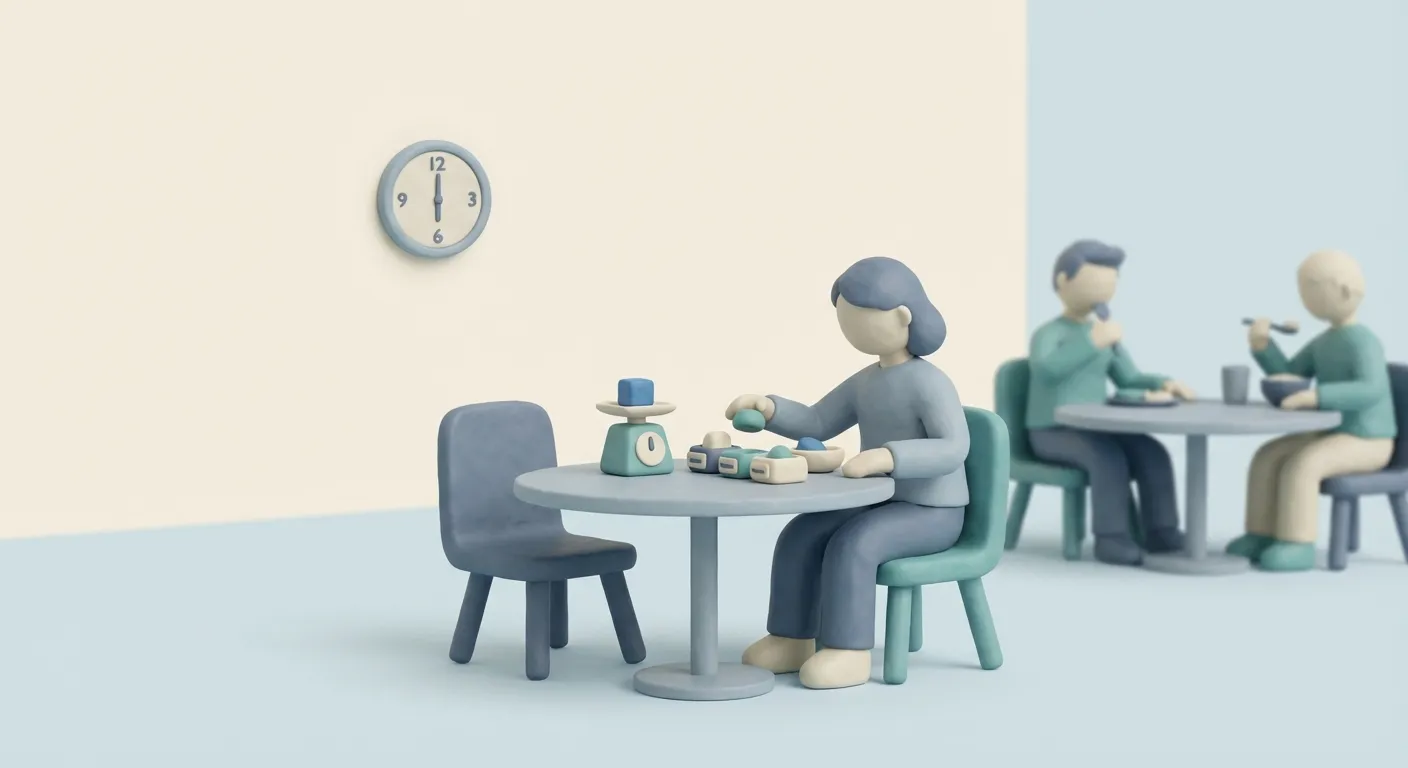
If you live with an eating disorder, you probably know exactly what your rules are. No eating after a certain time. No foods above a certain calorie count. No eating in public. No eating unless you've earned it. These rules can feel like safety — like the only thing standing between you and total chaos. And in a very specific neurological sense, they are.

The dorsal striatum is the brain's habit centre. Its job is to take repetitive behaviours and encode them as automatic sequences — things you do without thinking, like tying your shoes or driving a familiar route. It's an efficient, useful system. But in eating disorders, the dorsal striatum has gotten hold of food restriction, food rules, or purging cycles and encoded them as survival habits. What started as a behaviour — whether driven by anxiety, a desire for control, or the peculiar dopamine spike that restriction can produce in certain brains — has been consolidated into something that feels as non-negotiable as breathing.

When you try to break one of those rules, the amygdala — your brain's threat detection centre — fires. The response it generates is not metaphorical panic. It is the same neurological alarm that signals physical danger. Your heart rate increases. Your breathing changes. Your body floods with stress hormones. To your nervous system, eating the 'forbidden' food is genuinely indistinguishable from a predator threat.

This is why people on the outside who say 'just eat it' have no idea what they're asking. They're essentially asking you to walk calmly into what your brain has classified as a life-threatening situation. The cognitive knowledge that the food is safe does nothing to override an amygdala alarm. Reason and terror live in different brain regions, and terror is faster.

The science of habit formation tells us something both sobering and hopeful here. Dorsal striatum habits take between 3 and 6 months of consistent new behaviour to rewire — meaning that every time you eat something that breaks a rule and survive the panic, you are literally building a new neural pathway. The alarm gets quieter with each repetition. The habit weakens as a competing habit strengthens. Recovery is not about willpower overcoming a preference. It is about neuroscience, time, and consistent exposure. You are not fighting yourself. You are retraining a circuit.

The Neuroscience of Secretive Eating

Eating alone. Hiding wrappers. Ordering food when no one is home. Eating in the car before going inside. If you've done any of these things, you're likely carrying a weight of shame that has accumulated over months or years. The secrecy itself becomes a kind of evidence — proof, you tell yourself, that what you're doing is wrong, that you are wrong.

But let's look at what's actually happening in the brain during a binge, because it changes everything.

In binge eating disorder and bulimia, brain imaging studies show that during a binge, prefrontal cortex activity drops significantly. The prefrontal cortex is the region responsible for impulse control, decision-making, and forward planning. When it goes offline, what's left is a more primitive drive system: the limbic circuits that govern reward-seeking and the hypothalamic signals that have been dysregulated by restriction, stress, or emotional overwhelm.

For many people, a binge starts not with hunger but with an emotional state — anxiety, loneliness, shame, exhaustion, or numbness — that the brain translates into a craving signal. The reward system registers food as the available solution to an intolerable emotional state. And crucially, the prefrontal cortex — which would normally step in with 'wait, think about this' — isn't functioning at full capacity in that moment.

The secrecy isn't character weakness. It's the shame that has been layered onto a neurological event. Most people who binge describe feeling a kind of detachment or dissociation during the act, followed by intense guilt afterward. The shame belongs to the aftermath — the prefrontal cortex coming back online and narrating what just happened through the lens of everything you've been told about food and control.

Understanding this doesn't make bingeing harmless. It makes you a person who has a particular neurological vulnerability, not a morally deficient one. Secrets thrive in shame. The first step out is usually telling someone — a therapist, a support line, a trusted person — who can receive what you've been carrying without adding to its weight.

Body Dysmorphia: Why the Mirror Lies

You know, intellectually, that other people don't see you the way you see yourself. You've been told — by doctors, by family members, by people who love you — that what you're describing doesn't match what they observe. And yet when you look in the mirror, or step on the scale, you see something that feels undeniably real. Your brain is not lying to you on purpose. It is giving you the output of a genuinely miscalibrated system.

Body image is not constructed in the eyes. It is constructed in the brain — specifically in the integration of signals from the insula, which processes interoceptive information (what your body feels like from the inside), and the parietal cortex, which builds a spatial map of your body's size, shape, and position in space. In eating disorders, particularly anorexia, neuroimaging studies show disrupted communication between these regions. The body schema — your brain's internal model of your own body — is receiving distorted input and generating a distorted output.

This is why mirror checking and body checking are simultaneously compelling and useless. You check because the uncertainty is unbearable. You check again because the image still doesn't resolve the uncertainty. The mirror provides visual data, but visual data goes through the same miscalibrated processing system, so it never gives you the stable, trustworthy answer you're looking for. The more you check, the more you reinforce the neural pathway that treats your body as a threat that requires monitoring.

What's hopeful here is that body image distortion is neurologically modifiable. Virtual reality-based therapies have shown promise specifically because they give the brain a new data source — an external, spatially accurate representation — that can begin to recalibrate the parietal body map. Somatic therapies, which work through the insula by building interoceptive awareness gradually, also show evidence of changing body schema over time.

Your body image is not a truth your mirror reveals. It is a construction your brain produces. That construction can be rebuilt.

Safety Behaviours and Body Concealment in Eating Disorders

The extra layers are not about being cold. If you wear them in summer, wear them in heated rooms, feel anxious when circumstances force you to remove them — you already know this. The layers are protection. Protection from others seeing a body you cannot reconcile with any safe narrative. Protection from the constant surveillance you're already running on yourself.

In clinical psychology, these are called safety behaviours — actions taken to reduce the anxiety of a perceived threat. Safety behaviours work in the short term: the layers go on, the anxiety drops, the immediate threat feels managed. The problem is that safety behaviours prevent the brain from ever disconfirming the threat. If you always cover up, your nervous system never gets the chance to learn 'and nothing terrible happened.' The threat remains, neurologically, just as real as it was the first time.

The body concealment pattern is closely linked to the same insula dysfunction that underlies body image distortion. The insula doesn't just process what your body looks like — it processes what it feels like to inhabit your body. In eating disorders, insula signaling is often disrupted in ways that make normal body awareness feel threatening or intolerable rather than neutral. Covering the body reduces the interoceptive data stream: less skin contact with the environment, fewer external cues prompting body awareness. It is, in a sense, a volume control on a signal that has become overwhelming.

This matters because treatment approaches that work directly with interoception — yoga, trauma-informed body work, somatic therapy — are not just complementary to eating disorder recovery. For some people, they're central to it. The goal is not to force body exposure before it feels safe. It is to gradually rebuild a relationship with the interoceptive signal until it no longer triggers an alarm. The layers come off when the body they're covering feels less like an enemy and more like a home.

Compulsive Exercise: When Movement Becomes Compulsion

If you exercise through pain, through illness, through exhaustion — if skipping a session generates anxiety that feels unbearable rather than rest that feels deserved — you're not disciplined. You're compelled. There is a measurable neurological difference between the two, and conflating them has caused immense harm.

In restriction-based eating disorders, the dorsal striatum encodes food avoidance and compensatory exercise as habit loops. Once encoded, these habits have the same neurological pull as any other habituated behaviour — they are automatic, effortful to resist, and generate anxiety when interrupted. What distinguishes compulsive exercise from committed athletic training is not the volume of exercise, but the relationship to stopping. An athlete can rest. A person with exercise compulsion cannot rest without the full activation of a threat response.

There is also a dopamine dynamic here that is poorly understood by most people outside the field. In anorexia and related presentations, restriction itself — including calorific restriction through exercise — triggers a paradoxical dopamine increase. The brain begins to register restriction as rewarding. This is not universal to all eating disorders, but for those where it applies, it means the exercise compulsion has a neurochemical fuel source: every session of intense exercise, every mile run on an injured ankle, generates a dopamine response that briefly feels like relief.

The cruelty of this mechanism is that it mimics the feeling of wellness — the post-exercise state feels better than the pre-exercise dread — which makes it very hard to identify as a symptom rather than a healthy coping strategy. Exercise is recommended for mental health. It produces good feelings. It can be genuinely therapeutic. The difference lies entirely in what happens when you stop, and what the body is telling you while you continue.

Recovery from compulsive exercise requires addressing the dorsal striatum habit loop directly, not just the behaviour. Gradual reduction with support, tolerated rest periods, and replacing the dopamine-seeking with other regulated activities are all part of what works. The goal is not to hate exercise — it is to make it a choice again.

Alexithymia and the Eating-Emotion Connection

There is a word for what you might be experiencing, even if nobody has told you it yet: alexithymia. It means, literally, 'no words for feelings' — and it describes a difficulty identifying, distinguishing, and naming emotional states that is significantly more common in people with eating disorders than in the general population. Studies find alexithymia in up to 77% of people with anorexia and up to 50% of people with bulimia.

The connection between alexithymia and eating disorders is not coincidental. Both involve the insula — the brain region that processes interoceptive signals, the raw data your body sends about its internal states. In eating disorders, insula processing is disrupted. And the insula is not just involved in processing hunger and fullness: it is the primary gateway through which emotional body states — anxiety as a tight chest, sadness as a heaviness, fear as a racing heart — become recognisable to the conscious mind.

When the insula is not communicating well with the prefrontal cortex, interoceptive signals don't get adequately translated into named emotional experiences. What arrives instead is an undifferentiated sense of unease, activation, or distress. For a nervous system that has learned to manage feelings through food behaviour — eating to numb, restricting to feel in control — this unnameable internal state becomes a hunger signal. Not because the person is confusing food with emotions in a simple way, but because the brain's processing architecture has blurred the boundary between them.

This is why emotional literacy work is a central component of eating disorder recovery, not an adjunct. Learning to identify emotions in the body before naming them (somatic awareness), using structured emotion wheels to expand the vocabulary of internal states, and building a therapeutic relationship where emotions can be witnessed and labelled safely — these aren't soft skills. They're direct interventions on the prefrontal-insula communication pathway that underlies the eating-emotion cycle.

You're not bad at feelings. You're working with a body-to-brain translation system that has been disrupted. Translation skills can be rebuilt.

खाने संबंधी विकारों में पृष्ठीय स्ट्रिएटम और आदत पर नियंत्रण

Most people think of eating disorders as psychological — a distorted relationship with food, body, and self-worth. And while that framing captures something real, it misses the underlying neurological architecture that makes these conditions so difficult to treat and so resistant to willpower-based approaches.

The dorsal striatum is the brain's habit engine. It is the region responsible for taking repeated behaviours and consolidating them into automatic sequences — things you execute without deliberation. The classic examples are procedural skills: riding a bike, typing, driving. But the dorsal striatum is also involved in any repetitive behaviour that the brain classifies as worth automating — including food restriction, binge-purge cycles, and rigid dietary rules.

In neuroimaging studies of people with anorexia nervosa, one of the most consistent findings is hyperactivation of the dorsal striatum during food-related decision-making. Where a control participant evaluates a food choice and engages prefrontal reward circuitry, a person with anorexia shows dorsal striatal dominance — as if the 'decision' has already been made by the habit system before the conscious mind gets a vote. The restriction behaviour has been encoded as an automatic response.

This has a critical implication: it explains why logical arguments, appeals to health outcomes, and even the desire to recover can coexist with continued restriction. The prefrontal cortex — the seat of rational, flexible decision-making — is not the system driving the behaviour. The dorsal striatum is. And the dorsal striatum does not respond to arguments. It responds to repetition.

This is also why the timeline for recovery is what it is. Neuroplasticity research suggests that habit circuits in the dorsal striatum require sustained, consistent new behaviour over weeks and months before the old circuit weakens and the new one consolidates. Every meal eaten in defiance of a rule, every time a binge is avoided through a new coping strategy, every rest day taken without compensatory exercise — these are not just psychological achievements. They are measurable neurological events. New synapses are forming. Old pathways are losing their priority. The habit is being hijacked back.

शारीरिक छवि विकृति: तंत्रिका विज्ञान क्या दर्शाता है

Body image distortion is probably the most misunderstood feature of eating disorders — not just by people outside these conditions, but sometimes by the people experiencing them and the clinicians treating them. It is often framed as a psychological distortion: you believe something false about your body. But the neurological reality is more specific and more interesting than that.

Your sense of your own body is not constructed by your eyes looking at a mirror. It is constructed by your brain integrating multiple streams of information: visual input, proprioceptive data from muscles and joints, tactile feedback from skin, and crucially, interoceptive signals from the insula — the region that processes the body's internal state from the inside out. All of this information gets synthesized into a body schema: a three-dimensional internal model of what your body is, where it is, and what it looks like.

In eating disorders, particularly anorexia nervosa, structural and functional neuroimaging studies find consistent differences in the insula and its connectivity with the parietal cortex, which is responsible for the spatial body map. When this insula-parietal communication is disrupted, the body schema that gets generated is not calibrated to actual body size. The person is not lying about what they see. They are reporting the output of a genuinely miscalibrated system.

This has a remarkable implication: body image distortion in eating disorders is not primarily a cognitive error that can be corrected by showing someone photos or a BMI chart. The distortion lives at a lower level of processing than cognition. Cognitive challenges to the distorted belief pass through the same miscalibrated system on their way to evaluation — which is why people with anorexia can hold the intellectual knowledge that they are underweight alongside the perceptual experience of seeing themselves as overweight. Both things can feel equally real, because they are coming from different processing systems.

The more hopeful finding from this research is that body schema is neuroplastic. VR-based therapies that give the brain an external, spatially accurate representation of the body have shown measurable effects on body image in research settings. Somatic therapies that build interoceptive awareness gradually — starting with safe, non-threatening body sensations — directly target the insula pathway. The broken mirror can be recalibrated, but it takes time, the right inputs, and a therapeutic approach that understands where the distortion actually lives.

न्यूरोप्लास्टिसिटी और रिकवरी: शोध क्या दर्शाता है

One of the most important findings in eating disorder neuroscience is also one of the least widely known: recovery changes the brain. Not just behaviourally, not just psychologically, but measurably, structurally, neurologically.

In anorexia nervosa, longitudinal neuroimaging studies have documented significant reductions in gray matter volume in regions including the frontal, temporal, and parietal cortices during the active illness — regions involved in decision-making, body perception, and emotional processing. This pattern of change has sometimes been used, incorrectly, as evidence that eating disorders cause permanent brain damage. But the same studies show something more nuanced and more hopeful: following weight restoration, gray matter volume begins to recover. Research published in the American Journal of Psychiatry and other leading journals documents partial normalization of gray matter within approximately one year of weight recovery.

The word 'partial' matters here. Recovery does not return the brain to a pre-illness baseline in all respects, and research is ongoing about which changes persist and for how long. But the trajectory is clear: the brain responds to recovery. It adapts toward health when given the conditions to do so, just as it adapted toward illness under conditions of chronic stress and malnutrition.

Dorsal striatum habit circuits — the ones that encoded restriction, bingeing, and purging as automatic habits — are also subject to neuroplasticity. Habit research in general populations shows that competing habits can displace existing ones over periods of 3-6 months of consistent new behaviour. In eating disorder recovery, this means that each consistent meal, each tolerated rest day, each instance of choosing a new response to an emotional trigger, is contributing to the gradual weakening of the old habit circuit and the strengthening of a new one.

Neuroplasticity is not magic and it is not instant. It requires repetition, time, sufficient nutrition to support neural repair, and the right therapeutic environment. But the evidence is there: your brain is not broken. It is adapted to a set of conditions that no longer serve you. And adapted brains, unlike broken ones, can change.