PTSD अत्यधिक चौंकने वाली प्रतिक्रियाएँ क्यों पैदा करता है
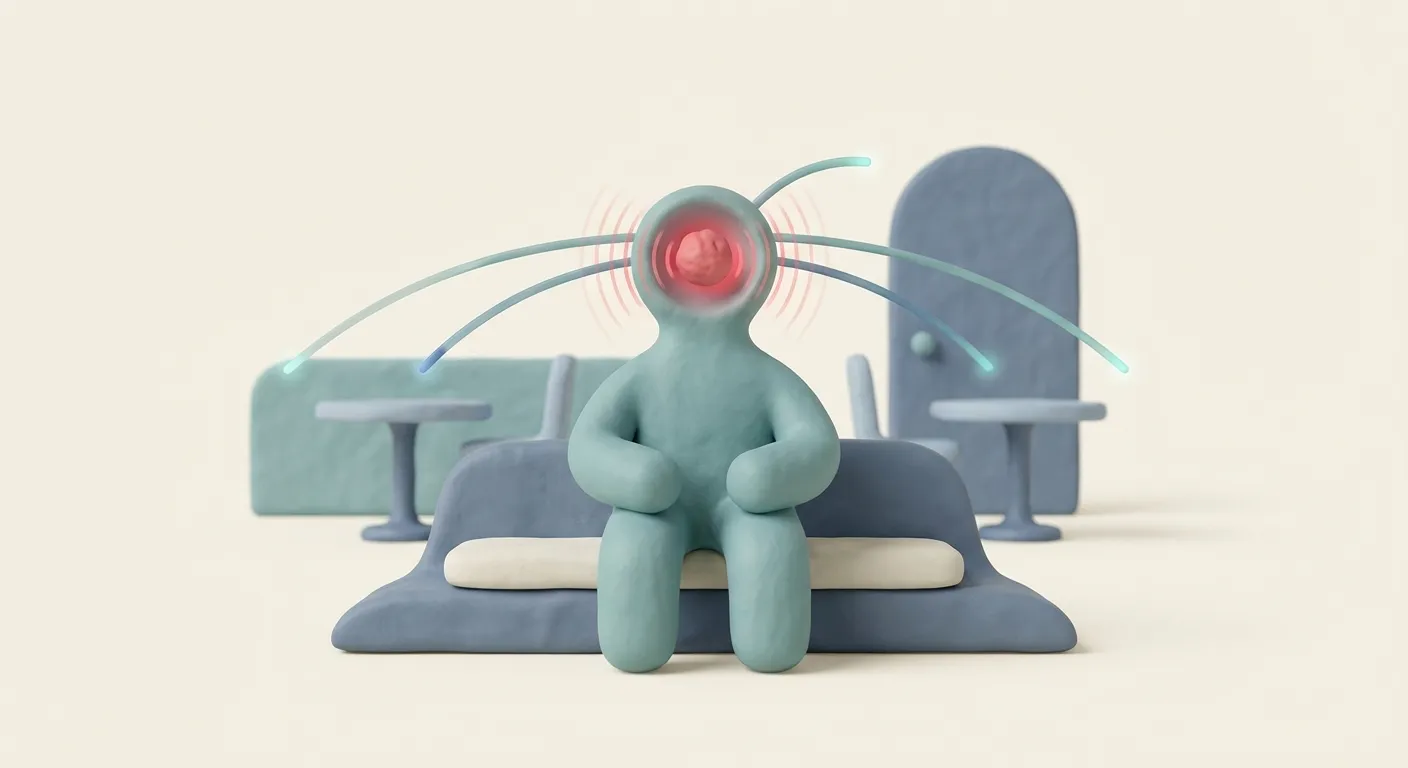
आप एक कॉफी शॉप में बैठे हैं, और कमरे के दूसरी ओर किसी ने एक धातु की ट्रे गिरा दी। इससे पहले कि आप सचेत रूप से आवाज़ को पहचान पाते, आपके पूरे शरीर ने पहले ही प्रतिक्रिया दे दी है — दिल तेज़ी से धड़क रहा है, मांसपेशियाँ तनावग्रस्त हैं, खतरे के लिए कमरे को स्कैन कर रहे हैं। जब तक आपका सोचने वाला मस्तिष्क समझ पाता है और कहता है 'यह सिर्फ एक ट्रे थी,' तब तक आपका तंत्रिका तंत्र पहले ही पूरी तरह से खतरे की प्रतिक्रिया शुरू कर चुका होता है।
यह अतिप्रतिक्रिया नहीं है। यह आपका एमिग्डाला वही कर रहा है जिसके लिए उसे प्रशिक्षित किया गया था।
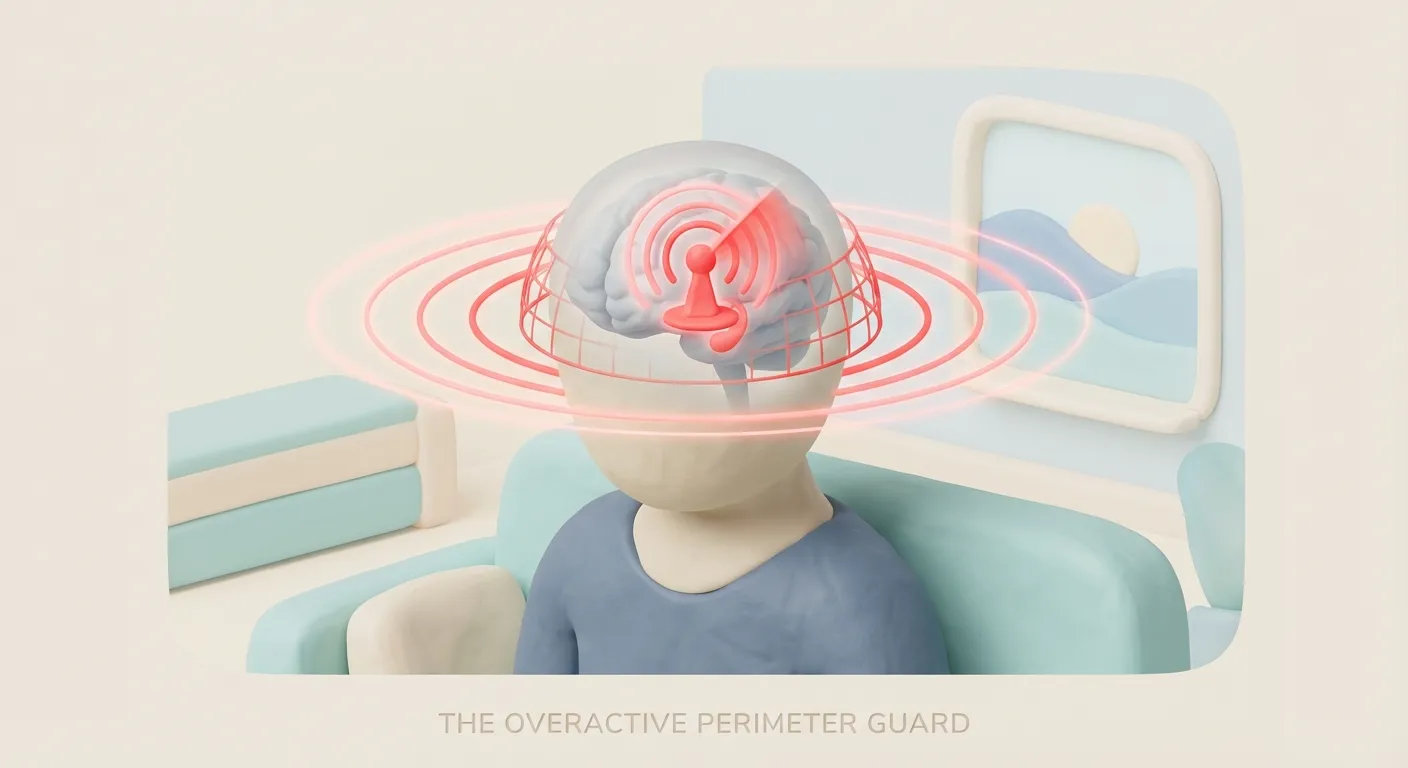
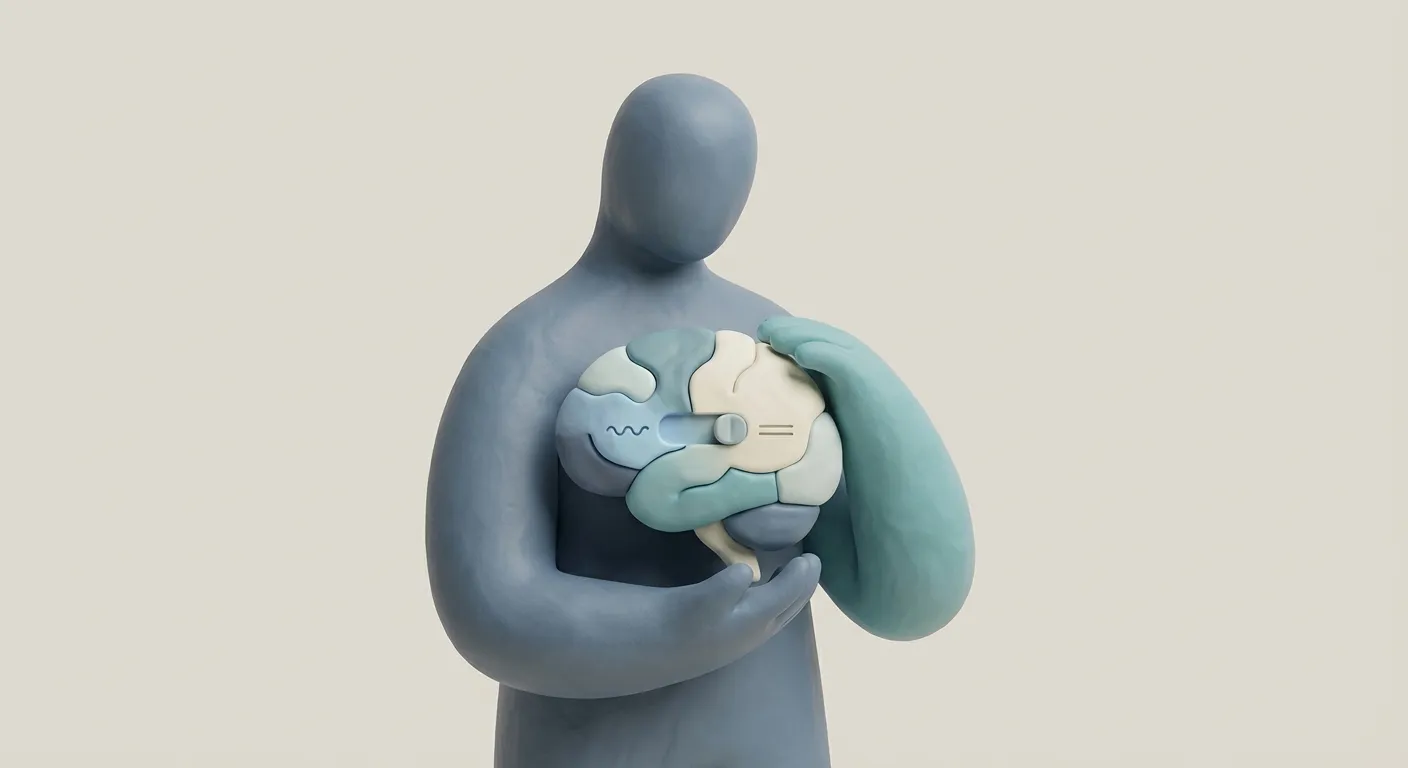
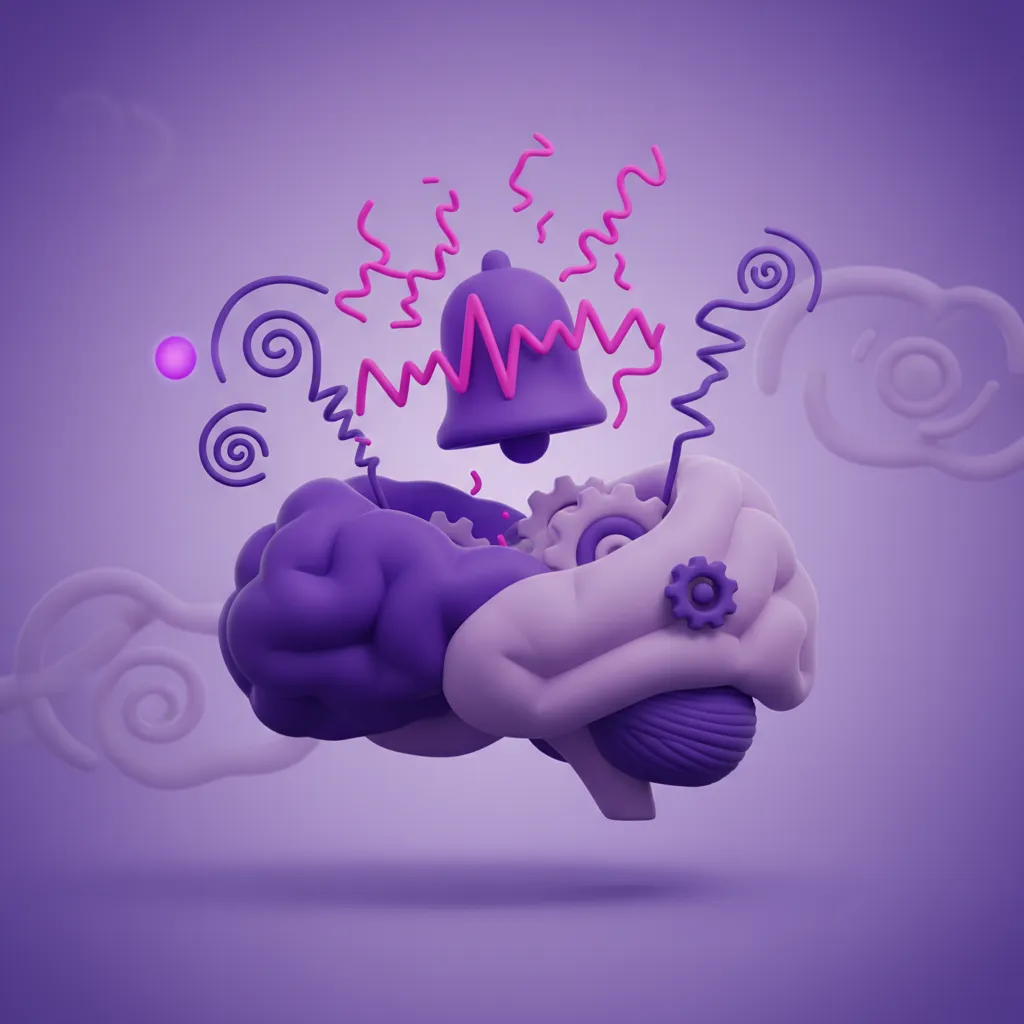
एमिग्डाला मस्तिष्क का खतरा पता लगाने वाला केंद्र है — एक छोटी, बादाम के आकार की संरचना जो सोचने वाले कॉर्टेक्स को इसका मूल्यांकन करने का मौका मिलने से पहले ही खतरे के लिए संवेदी जानकारी को संसाधित करती है। अधिकांश मस्तिष्कों में, एमिग्डाला प्रीफ्रंटल कॉर्टेक्स को 'संभावित खतरा' संकेत भेजता है, जो संदर्भ का मूल्यांकन करता है और या तो अलार्म की पुष्टि करता है या उसे खारिज कर देता है। PTSD में, इस प्रणाली को दर्दनाक अनुभव द्वारा पुनर्गठित किया गया है।
महत्वपूर्ण आघात के बाद, एमिग्डाला अतिसक्रिय हो जाता है — इसकी आधारभूत खतरे की संवेदनशीलता बढ़ जाती है, और भय प्रतिक्रिया को ट्रिगर करने की इसकी सीमा नाटकीय रूप से कम हो जाती है। न्यूरोसाइंटिस्ट इसे भय अधिग्रहण प्रणाली में बदलाव के रूप में वर्णित करते हैं: मस्तिष्क ने सीख लिया है कि दुनिया में अत्यधिक खतरा है, और अब इसे अधिकतम संवेदनशीलता पर उस खतरे का पता लगाने और प्रतिक्रिया देने के लिए कैलिब्रेट किया गया है।
HPA अक्ष — हाइपोथैलेमिक-पिट्यूटरी-एड्रेनल प्रणाली जो आपकी तनाव हार्मोन प्रतिक्रिया को नियंत्रित करती है — भी सक्रियता की बढ़ी हुई स्थिति में रहती है। कॉर्टिसोल और एड्रेनालाईन उन उत्तेजनाओं के जवाब में तेज़ी से और अधिक तीव्रता से बढ़ते हैं जिन्हें एमिग्डाला ने संभावित रूप से खतरनाक के रूप में टैग किया है। समस्या यह है कि एमिग्डाला सामान्यीकरण करता है: यह आघात के दौरान मौजूद संवेदी संकेतों को स्वयं आघात से जोड़ता है, और फिर किसी भी समान संकेत पर उसी तात्कालिकता के साथ प्रतिक्रिया करता है।
यही कारण है कि कार का बैकफायर करना, कोई विशेष गाना, या किसी खास तरह की चिल्लाहट पूरी सुरक्षा में भी तंत्रिका तंत्र को पूर्ण आपातकालीन मोड में भेज सकती है। एमिग्डाला भ्रमित या खराब नहीं है। यह अपना काम विनाशकारी पूर्णता के साथ कर रहा है — आपको एक ऐसे खतरे से बचा रहा है जो पहले ही बीत चुका है, एक संवेदनशीलता सेटिंग का उपयोग करके जो तब उपयुक्त थी और अब एक ऐसी दुनिया के लिए कैलिब्रेट की गई है जो अब उसी रूप में मौजूद नहीं है।
इसे समझना चौंकने की प्रतिक्रिया को नहीं रोकता है, लेकिन यह उस अर्थ को बदल देता है जो आप इसे देते हैं। आप टूटे हुए नहीं हैं। आप एक खतरा-पता लगाने वाली प्रणाली पर चल रहे हैं जिसने आपकी जान बचाई — और जिसे अब एक निचली सेटिंग खोजने में मदद की ज़रूरत है।
- PTSD में एमिग्डाला की खतरे की सीमा स्थायी रूप से कम हो जाती है — यह अब संभावित खतरे के संकेतों पर वास्तविक आपात स्थितियों की तात्कालिकता के साथ प्रतिक्रिया करता है।
- HPA अक्ष अत्यधिक तत्परता की स्थिति में रहता है, आघात से पहले की तुलना में अधिक तेज़ी से और तीव्रता से तनाव हार्मोन जारी करता है।
- संवेदी सामान्यीकरण का अर्थ है कि कोई भी संकेत जो आघात के संदर्भ से मिलता-जुलता हो — ध्वनि, गंध, आवाज़ का लहजा — वह पूर्ण खतरे की प्रतिक्रिया को ट्रिगर कर सकता है।
- यह अतिप्रतिक्रिया नहीं है — यह एक उत्तरजीविता प्रणाली है जिसे एक विशिष्ट खतरे के लिए कैलिब्रेट किया गया था और जिसे अभी तक वर्तमान सुरक्षा के लिए पुनः कैलिब्रेट नहीं किया गया है।
ट्रिगर्स, परिहार, और PTSD लैंडमाइन मैप
आप घर जाने के लिए दूसरा रास्ता चुनते हैं ताकि आप उस गली से न गुजरें। आप पार्टी में नहीं जाते क्योंकि आप जानते हैं कि वह गाना बजेगा। जब हवा में किसी खास आफ्टरशेव की गंध आती है, तो आप अपनी सांस रोक लेते हैं, क्योंकि यह आपको ऐसी जगह खींच ले जाती है जहाँ आप नहीं जाना चाहते। बाहर से, यह अत्यधिक लग सकता है। अंदर से, यह एक ऐसे नक्शे का सावधानीपूर्वक नेविगेशन है जिसे केवल आप ही देख सकते हैं।
ट्रिगर संवेदी संकेत होते हैं जो कंडीशनड फियर (conditioned fear) नामक प्रक्रिया के माध्यम से आघात की यादों से जुड़ जाते हैं। दर्दनाक घटना के दौरान, एमिग्डा (amygdala) हर उपलब्ध संवेदी इनपुट को आतंक के साथ अवशोषित और एन्कोड कर रहा होता है — दृश्य, ध्वनियाँ, गंध, शारीरिक संवेदनाएँ, यहाँ तक कि हवा का तापमान भी। एमिग्डा इन्हें तटस्थ पृष्ठभूमि विवरण के रूप में सूचीबद्ध नहीं करता है। यह उन्हें खतरे के संभावित भविष्यवक्ताओं के रूप में टैग करता है। यदि यह गंध तब मौजूद थी जब सबसे बुरा हुआ था, तो इस गंध का मतलब खतरा है।
यह अपने सबसे आदिम और शक्तिशाली रूप में साहचर्य अधिगम (associative learning) है — वही तंत्र जो जीवों को एक बुरे अनुभव के बाद जहरीले पौधों से बचने की अनुमति देता है। PTSD में, अधिगम सही होता है लेकिन परिस्थितियाँ अब अलग होती हैं। खतरा टल गया है। लेकिन एमिग्डा के पास कंडीशनड फियर को स्वतः ही भूलने का कोई तंत्र नहीं है। यह अस्तित्व-प्रासंगिक संघों को तब तक बनाए रखता है जब तक कि उन संघों को एक्सटिंक्शन लर्निंग (extinction learning) नामक प्रक्रिया के माध्यम से सक्रिय रूप से फिर से काम नहीं किया जाता।
हिप्पोकैंपस (hippocampus), जो प्रासंगिक स्मृति (contextual memory) के लिए जिम्मेदार है — यह समझने के लिए कि 'यह गंध यहाँ है, लेकिन हम अब उस जगह पर नहीं हैं' — PTSD में काफी हद तक प्रभावित होता है। लगातार तनाव से उच्च कोर्टिसोल (cortisol) का स्तर हिप्पोकैंपस न्यूरॉन्स (hippocampal neurons) को नुकसान पहुँचाता है, जिससे आयतन में कमी और कार्य में बाधा आती है। इसका मतलब है कि प्रासंगिक प्रसंस्करण (contextual processing) जो सामान्य रूप से मस्तिष्क को यह कहने की अनुमति देगा कि 'यह तब के समान है, लेकिन यह अब है और हम सुरक्षित हैं' अविश्वसनीय है। एमिग्डा सक्रिय हो जाता है। हिप्पोकैंपस संदर्भ प्रदान करने में विफल रहता है। इसका परिणाम यह होता है कि अतीत और वर्तमान एक ही भारी क्षण में ढह जाते हैं।
इस पतन के लिए एक तर्कसंगत प्रतिक्रिया के रूप में परिहार (avoidance) विकसित होता है। यदि विशेष स्थान, ध्वनियाँ या गंध आपको आतंक या घुसपैठिया पुनः-अनुभव (intrusive re-experiencing) की स्थिति में विश्वसनीय रूप से भेजते हैं, तो उनसे बचना दर्द प्रबंधन का एक रूप है। दीर्घकालिक रणनीति के रूप में परिहार की समस्या यह है कि यह लैंडमाइन मानचित्र को बनाए रखता है और कभी-कभी उसका विस्तार करता है। जो एक विशिष्ट ट्रिगर के रूप में शुरू हुआ था, वह धीरे-धीरे अनुभव की व्यापक और व्यापक श्रेणियों को शामिल करने के लिए विस्तारित हो सकता है। प्रभावी आघात उपचार ट्रिगर्स का आक्रामक रूप से सामना करके काम नहीं करता है, बल्कि प्रासंगिक प्रसंस्करण को धीरे-धीरे और सुरक्षित रूप से फिर से बनाकर काम करता है जो मस्तिष्क को 'अतीत' और 'वर्तमान' को अलग-अलग रखने की अनुमति देता है।
- अनुबंधित भय आघात के दौरान मौजूद संवेदी संकेतों को स्वयं दर्दनाक अनुभव से जोड़ता है — एमिग्डाला सीखता है कि ये संकेत खतरे की भविष्यवाणी करते हैं।
- पुराने कोर्टिसोल से हिप्पोकैम्पस क्षति प्रासंगिक प्रसंस्करण को बाधित करती है जो अतीत के खतरे को वर्तमान सुरक्षा से अलग करने के लिए आवश्यक है।
- परिहार एक तर्कसंगत दर्द-प्रबंधन प्रतिक्रिया है, लेकिन यह भय के जुड़ावों को बनाए रखता है बजाय इसके कि उन्हें हल होने दे।
- आघात-केंद्रित चिकित्सा संदर्भ-संबंधी प्रसंस्करण को धीरे-धीरे बहाल करके काम करती है ताकि मस्तिष्क 'तब' और 'अब' को वास्तव में अलग-अलग मान सके।
PTSD में चिड़चिड़ापन और अति-उत्तेजना
आपका इरादा भड़कने का नहीं था। आप जानते हैं कि आपका इरादा भड़कने का नहीं था। लेकिन जब तक आपके प्रीफ्रंटल कॉर्टेक्स ने यह दर्ज किया कि आपसे सवाल पूछने वाला व्यक्ति कोई खतरा नहीं था, तब तक आप पहले ही ऐसे प्रतिक्रिया दे चुके थे जैसे वे खतरा हों। आपने खुद को ऐसा करते देखा और इसे रोक नहीं पाए। और अब आप एक ऐसी प्रतिक्रिया के परिणामों को संभाल रहे हैं जो कहीं गहरे और तेज़ी से आई थी, कहीं ऐसी जगह से जिस पर आपका पूरा नियंत्रण नहीं है।
CPTSD / PTSD में, तंत्रिका तंत्र पुरानी हाइपरारौज़ल की स्थिति में होता है। यह कोई मनोदशा या पसंद नहीं है — यह एक शारीरिक आधारभूत बदलाव है। स्वायत्त तंत्रिका तंत्र ने खुद को सहानुभूतिपूर्ण प्रभुत्व की ओर पुनर्गठित कर लिया है: 'लड़ो या भागो' की स्थिति जो वास्तविक आपात स्थितियों के लिए आरक्षित होनी चाहिए, अब आराम की स्थिति बन गई है। हृदय गति बढ़ी हुई होती है। मांसपेशियां तैयार रहती हैं। कोर्टिसोल और एड्रेनालाईन उच्च आधारभूत स्तरों पर संचारित होते रहते हैं। यह प्रणाली किसी भी क्षण खतरे का जवाब देने के लिए तैयार रहती है, क्योंकि अनुभव ने इसे सिखाया है कि खतरा किसी भी क्षण आ सकता है।
हाइपरारौज़ल की इस स्थिति में, कथित खतरे की सीमा नाटकीय रूप से कम हो जाती है। जिसे एक गैर-आघातग्रस्त तंत्रिका तंत्र हल्की निराशा के रूप में संसाधित करेगा — जैसे कोई आपसे एक ही सवाल दो बार पूछ रहा है, योजनाओं में अप्रत्याशित बदलाव, कोई व्यक्ति बहुत करीब खड़ा है — उसे हाइपरारौज़्ड CPTSD / PTSD तंत्रिका तंत्र एक संभावित खतरे के रूप में संसाधित करता है जिसके लिए तत्काल रक्षात्मक प्रतिक्रिया की आवश्यकता होती है।
प्रीफ्रंटल कॉर्टेक्स — मस्तिष्क का वह क्षेत्र जो भावनात्मक विनियमन, आवेग नियंत्रण और प्रासंगिक सामाजिक तर्क के लिए जिम्मेदार है — CPTSD / PTSD हाइपरारौज़ल स्थितियों के दौरान काफी कम सक्रिय होता है। न्यूरोइमेजिंग अध्ययनों से पता चलता है कि जब CPTSD / PTSD के मरीज आघात-संबंधी उत्तेजनाओं या यहां तक कि हल्के तनावों का सामना करते हैं, तो प्रीफ्रंटल कॉर्टेक्स की सक्रियता कम हो जाती है जबकि एमिग्डाला की सक्रियता बढ़ जाती है। तर्कसंगत ओवरराइड प्रणाली ठीक उसी समय ऑफ़लाइन हो जाती है जब आपको इसकी सबसे अधिक आवश्यकता होती है।
इसका परिणाम यह होता है कि प्रतिक्रिया तर्क से पहले होती है। आप भड़क जाते हैं, आप अपनी आवाज़ ऊंची करते हैं, आप अचानक पीछे हट जाते हैं — और आपका सोचने वाला मस्तिष्क एक पल बाद, अक्सर शर्म और आत्म-दोष की बाढ़ के साथ, स्थिति को समझ पाता है। CPTSD / PTSD हाइपरारौज़ल की विशेषता वाला गुस्सा या चिड़चिड़ापन आक्रामकता नहीं है। यह एक सुरक्षात्मक तंत्रिका तंत्र है जो कथित खतरे के तहत केवल वही कर रहा है जो वह जानता है: बचाव करना।
यह जानना आपके आस-पास के लोगों पर पड़ने वाले प्रभाव को माफ नहीं करता है। लेकिन यह उस कहानी को मौलिक रूप से बदल देता है जो आप खुद को बताते हैं। आप एक गुस्सैल व्यक्ति नहीं हैं। आप एक ऐसे व्यक्ति हैं जिसकी खतरे-प्रतिक्रिया प्रणाली को उच्चतम संवेदनशीलता पर सेट किया गया है, और जिसके प्रीफ्रंटल ब्रेक उस प्रणाली के सक्रिय होने पर रुक-रुक कर विफल हो जाते हैं। दोनों बातें मायने रखती हैं। और दोनों बातों पर काम किया जा सकता है।
- PTSD क्रोनिक सिम्पैथेटिक तंत्रिका तंत्र की अति-उत्तेजना पैदा करता है — 'लड़ो या भागो' की प्रतिक्रिया आपातकालीन स्थिति के बजाय सामान्य विश्राम की स्थिति बन जाती है।
- कथित खतरे की सीमा नाटकीय रूप से कम हो जाती है, जिससे मामूली निराशाएँ भी वास्तविक खतरे के रूप में दर्ज हो सकती हैं जिनके लिए रक्षात्मक प्रतिक्रिया की आवश्यकता होती है।
- प्रीफ्रंटल कॉर्टेक्स का कार्य — जो आवेग नियंत्रण और सामाजिक तर्क के लिए जिम्मेदार है — अति-उत्तेजना के दौरान कम हो जाता है, जिसका अर्थ है कि प्रतिक्रियाएँ तर्क से पहले होती हैं।
- PTSD में चिड़चिड़ापन तंत्रिका तंत्र की एक सुरक्षात्मक प्रतिक्रिया है, न कि आक्रामकता या चरित्र दोष।
भावनात्मक सुन्नता और संबंधपरक अलगाव PTSD में
आप किसी ऐसे व्यक्ति को देखते हैं जिससे आप प्यार करते हैं — किसी ऐसे व्यक्ति को जिसे आप बौद्धिक रूप से जानते हैं कि आप प्यार करते हैं — और आपको ऐसा महसूस होता है जैसे आप उन्हें काँच के पार से देख रहे हैं। आप उन्हें देख सकते हैं। आप उन्हें सुन सकते हैं। आप सही समय पर मुस्कुरा भी सकते हैं। लेकिन वह गर्माहट, जुड़ाव की महसूस की गई भावना, वह चीज़ जो आपको किसी दूसरे व्यक्ति के करीब महसूस कराती थी — वह अब नहीं है। और आपको नहीं पता कि वह कहाँ चली गई।
यह भावनात्मक सुन्नता है, और यह PTSD की सबसे अलग-थलग करने वाली और सबसे कम समझी जाने वाली विशेषताओं में से एक है।
भावनात्मक प्रणाली में एक आत्म-सुरक्षा तंत्र होता है। जब उत्तेजना एक निश्चित सीमा से अधिक हो जाती है — जब भय, लाचारी और अभिभूत होने का संयोजन शारीरिक रूप से असहनीय हो जाता है — तंत्रिका तंत्र भावनात्मक संकुचन की स्थिति में जा सकता है। इसे कभी-कभी पॉलीवेगल सिद्धांत के माध्यम से हाइपरअराउज़ल (लड़ो/भागो) से हाइपोअराउज़ल (बंद) में बदलाव के रूप में समझा जाता है: सहानुभूति तंत्रिका तंत्र के अधिकतम पर सक्रिय होने के बजाय, पैरासिम्पेथेटिक तंत्रिका तंत्र की पृष्ठीय वेगस शाखा एक आपातकालीन ब्रेक लगाती है। इसका परिणाम भावनात्मक अनुभव का सपाट होना है।
वही बंद जो असहनीय आतंक से बचाता है, वह गर्माहट, खुशी, प्यार और जुड़ाव से भी बचाता है। यह प्रणाली इस बात में चयनात्मक नहीं है कि वह किन भावनाओं को कम करती है। यह एक सर्किट ब्रेकर की तरह अधिक कार्य करती है — जब भार क्षमता से अधिक हो जाता है, तो यह सभी जगह बिजली काट देती है।
लगाव प्रणाली भी आघात से सीधे प्रभावित होती है। विशेष रूप से अंतर-व्यक्तिगत आघात — हमला, दुर्व्यवहार, विश्वसनीय अन्य लोगों द्वारा विश्वासघात — लगाव प्रणाली को खतरे का पता लगाने की ओर पुनर्गठित कर सकता है। निकटता खतरे से जुड़ जाती है। भेद्यता, जो अंतरंगता की आवश्यक पूर्व शर्त है, तंत्रिका संबंधी रूप से जोखिम के रूप में चिह्नित हो जाती है। वह व्यक्ति जो जुड़ाव चाहता है और वह तंत्रिका तंत्र जो निकटता को खतरे के रूप में अनुभव करता है, वे संघर्ष में होते हैं, और तंत्रिका तंत्र जीतता है।
ऑक्सीटोसिन — वह न्यूरोपेप्टाइड जो बंधन, विश्वास और सामाजिक जुड़ाव से जुड़ा है — कई PTSD प्रस्तुतियों में कम गतिविधि दिखाता है। मानवीय निकटता का मूल न्यूरोकेमिकल आधार बाधित हो जाता है। जुड़ा हुआ महसूस करना चाहना और ऐसा करने में असमर्थ होना उदासीनता नहीं है, और यह प्यार की कमी भी नहीं है। यह एक शारीरिक वास्तविकता है कि निरंतर आघात का संपर्क उन प्रणालियों पर क्या प्रभाव डालता है जो जुड़ाव को संभव बनाती हैं।
काँच की दीवार वास्तविक है। इसे अस्तित्व के लिए बनाया गया था। और सही प्रकार के समर्थन से, इसे धीरे-धीरे हटाया जा सकता है — इसे धकेल कर नहीं, बल्कि धीरे-धीरे, सावधानी से इसे इतना सुरक्षित बनाकर कि इसकी आवश्यकता न रहे।
- भावनात्मक सुन्नता तंत्रिका तंत्र की एक शटडाउन प्रतिक्रिया है — वही तंत्र जो अत्यधिक भय से बचाता है, वह गर्माहट, खुशी और जुड़ाव को भी कम कर देता है।
- अंतर-व्यक्तिगत आघात लगाव प्रणाली को पुनर्गठित कर सकता है, जिससे निकटता और भेद्यता तंत्रिका संबंधी रूप से सुरक्षित के बजाय खतरनाक महसूस होती है।
- PTSD में ऑक्सीटोसिन का व्यवधान जुड़ाव के न्यूरोकेमिकल आधार को बाधित करता है — जुड़ाव चाहना और उसे महसूस न कर पाना शारीरिक है, व्यक्तिगत नहीं।
- कांच की दीवार अस्तित्व के लिए बनाई गई थी; चिकित्सीय कार्य ऐसी सुरक्षा स्थितियाँ बनाने में मदद करता है जो इसे धीरे-धीरे मुक्त होने देती हैं।
क्यों PTSD एकाग्रता और संज्ञानात्मक कार्य को तबाह करता है
आप एक पैराग्राफ पढ़ने बैठते हैं। आप अंत तक पहुँचते हैं और महसूस करते हैं कि आपको कुछ भी समझ नहीं आया। आप इसे फिर से पढ़ते हैं। वही बात फिर होती है। लगभग तीसरी कोशिश में, बाहर का शोर आपका ध्यान खिड़की की ओर खींचता है, और जब तक आप वापस पेज पर देखते हैं, तब तक आप जो भी तार पकड़े हुए थे, वह खो चुके होते हैं। आप मूर्ख नहीं हैं। आप आलसी नहीं हैं। आपका मस्तिष्क कुछ और कर रहा है।
एकाग्रता के लिए प्रीफ्रंटल कॉर्टेक्स को एक स्थिर ध्यान केंद्रित करने की आवश्यकता होती है — किसी कार्य में संलग्नता बनाए रखने के लिए जबकि अप्रासंगिक उत्तेजनाओं को फ़िल्टर किया जाता है। PTSD में, यह कार्य दो जटिल कारणों से गंभीर रूप से बाधित होता है।
पहला, PTSD की विशेषता वाली अति-सतर्कता (hypervigilance) एक पूर्णकालिक संज्ञानात्मक कार्य है। आपका मस्तिष्क लगातार खतरे के संकेतों के लिए वातावरण को स्कैन कर रहा है — ध्वनियों, गतिविधियों, निकासों, आस-पास के लोगों के व्यवहार, परिवेश की स्थितियों में बदलाव की निगरानी कर रहा है। यह ऐसा कुछ नहीं है जिसे आप करना चुन रहे हैं। यह स्वचालित, अनैच्छिक और तंत्रिका संबंधी रूप से महंगा है। इस चल रही खतरे की निगरानी द्वारा खपत की गई संज्ञानात्मक बैंडविड्थ का हर एक हिस्सा वह बैंडविड्थ है जिसे पढ़ने, लिखने, सोचने या आपके सामने वाले कार्य में संलग्न होने के लिए आवंटित नहीं किया जा सकता है।
दूसरा, डिफ़ॉल्ट मोड नेटवर्क — आंतरिक रूप से केंद्रित विचार, स्मृति समेकन और निरंतर संज्ञानात्मक कार्यों के दौरान सक्रिय मस्तिष्क नेटवर्क — PTSD में लगातार बाधित रहता है। घुसपैठ वाली यादें और अति-उत्तेजना (hyperarousal) संकेत डिफ़ॉल्ट मोड नेटवर्क के सामान्य कार्य को बाधित करते हैं, जिससे संज्ञानात्मक विखंडन का एक पैटर्न बनता है। निरंतर ध्यान बाधित ध्यान से बदल जाता है: फोकस की संक्षिप्त अवधि जो दर्दनाक स्मृति सामग्री या खतरे-स्कैनिंग गतिविधि से अनैच्छिक घुसपैठ से बाधित होती है।
कार्यकारी स्मृति (working memory) — जानकारी को संसाधित करते समय उसे मन में रखने की क्षमता — भी बढ़े हुए कोर्टिसोल (cortisol) से सीधे बाधित होती है। उच्च कोर्टिसोल स्तर प्रीफ्रंटल कॉर्टेक्स और हिप्पोकैंपस में सिनैप्टिक ट्रांसमिशन (synaptic transmission) में हस्तक्षेप करते हैं, ये दो क्षेत्र कार्यकारी स्मृति कार्य के लिए सबसे महत्वपूर्ण हैं। इसका मतलब है कि मस्तिष्क न केवल विचलित होता है, बल्कि आघात के बाद जानकारी को धारण करने और संसाधित करने की उसकी क्षमता जैव रासायनिक रूप से कम हो जाती है।
इसका परिणाम एक संज्ञानात्मक प्रोफ़ाइल है जो धोखे से ADHD (ध्यान-अभाव अतिसक्रियता विकार), सीखने की अक्षमता, या कम बुद्धिमत्ता जैसा दिख सकता है — जिनमें से कोई भी सटीक नहीं है। कठिनाई क्षमता नहीं है। यह हस्तक्षेप है। जब खतरे का पता लगाने वाली प्रणाली शांत हो जाती है और प्रीफ्रंटल कॉर्टेक्स के पास अधिक संसाधन उपलब्ध होते हैं, तो वही मस्तिष्क जो एक पैराग्राफ पढ़ने में संघर्ष करता है, जटिल, निरंतर बौद्धिक कार्य में संलग्न हो सकता है। मस्तिष्क की क्षमता कम नहीं होती है। अनसुलझे आघात की उपस्थिति में इसकी उपलब्ध बैंडविड्थ गंभीर रूप से सीमित होती है।
- अति-सतर्कता लगातार पर्याप्त संज्ञानात्मक बैंडविड्थ का उपभोग करती है — खतरा-स्कैनिंग प्रणाली और एकाग्रता प्रणाली एक ही तंत्रिका संसाधनों के लिए प्रतिस्पर्धा करती हैं।
- डिफ़ॉल्ट मोड नेटवर्क का व्यवधान का अर्थ है कि घुसपैठिया यादें और उत्तेजना संकेत उस निरंतर आंतरिक ध्यान को बाधित करते हैं जिसकी एकाग्रता को आवश्यकता होती है।
- बढ़ा हुआ कोर्टिसोल प्रीफ्रंटल और हिप्पोकैम्पल सिनैप्टिक कार्य में हस्तक्षेप करके सीधे कार्यशील स्मृति को बाधित करता है।
- PTSD में संज्ञानात्मक कठिनाइयाँ क्षमता नहीं, बल्कि हस्तक्षेप को दर्शाती हैं — मस्तिष्क की बौद्धिक क्षमता अक्षुण्ण है, लेकिन उपलब्ध बैंडविड्थ गंभीर रूप से कम हो जाती है।
वियोजन और ठप्प पड़ना PTSD में
किसी बहस, मुश्किल बातचीत, या ऐसी स्थिति के बीच में जो एक निश्चित बिंदु से आगे बढ़ जाती है, कुछ होता है। रोशनी मंद पड़ जाती है। आप अभी भी वहीं होते हैं — शारीरिक रूप से मौजूद, शायद अभी भी बात कर रहे होते हैं — लेकिन आपकी आँखों के पीछे कुछ पीछे हट गया होता है। भावनात्मक तीव्रता कम हो जाती है। आप खुद से दूर महसूस करते हैं, जैसे कि अपने शरीर के थोड़ा बाहर से देख रहे हों। लोग आपको बाद में बता सकते हैं कि आप 'ठंडे' या 'अनुपस्थित' लग रहे थे। उन पलों में आपके साथ क्या हुआ, इसका आपके पास कोई अच्छा स्पष्टीकरण नहीं होता है।
यह डोर्सल वेगल शटडाउन है — तंत्रिका तंत्र की अंतिम-उपाय प्रतिक्रिया, जब अभिभूत होना अपरिहार्य हो जाता है।
न्यूरोसाइंटिस्ट Stephen Porges द्वारा विकसित पॉलीवेगल सिद्धांत, स्वायत्त तंत्रिका तंत्र की तीन अवस्थाओं का वर्णन करता है। पहली सामाजिक जुड़ाव प्रणाली है — विनियमित, शांत, संबंध बनाने में सक्षम। दूसरी सहानुभूतिपूर्ण हाइपरअराउज़ल है — लड़ो या भागो (fight or flight), कार्रवाई के लिए लामबंदी। तीसरी, डोर्सल वेगल शटडाउन, एक विकासवादी रूप से प्राचीन आपातकालीन ब्रेक है: जब खतरा अपरिहार्य होता है और हाइपरअराउज़ल अपर्याप्त या असहनीय होता है, तो डोर्सल वेगल शाखा एक वैश्विक प्रणाली शटडाउन लागू करती है। हृदय गति कम हो जाती है। चयापचय धीमा हो जाता है। भावनात्मक प्रसंस्करण सपाट हो जाता है। जीव मृत होने का नाटक करता है।
जानवरों में, इस प्रतिक्रिया का उपयोग तब किया जाता है जब वे शिकारी द्वारा पकड़े जाते हैं — जीवित रहने की रणनीति के रूप में मृत होने का नाटक करना। PTSD वाले मनुष्यों में, यही तंत्र मनोवैज्ञानिक अभिभूत होने से शुरू होता है जो एक ऐसी सीमा को पार कर जाता है जिसे तंत्रिका तंत्र किसी अन्य तरीके से संसाधित नहीं कर सकता। शटडाउन चुना नहीं जाता है। यह अनैच्छिक, स्वचालित होता है, और इसके शुरू होने के क्षण में, यह सुरक्षात्मक होता है।
डिसोसिएशन — खुद से, अपनी भावनाओं से, या अपने परिवेश से अलग होने की भावना — इस शटडाउन अवस्था का सचेत अनुभव है। दर्दनाक घटनाओं के दौरान, डिसोसिएशन असहनीय अनुभव के खिलाफ एक बफर के रूप में कार्य करता है। PTSD में, यह प्रतिक्रिया सामान्यीकृत हो जाती है: तंत्रिका तंत्र ब्रेकर को पहले ट्रिप करना सीख जाता है, कभी-कभी भावनात्मक तीव्रता की प्रतिक्रिया में जो एक गैर-दर्दनाक प्रणाली के लिए दर्दनाक नहीं होगी।
शटडाउन एपिसोड के बाद भ्रम, शर्म, भावनात्मक शून्यता, और घंटों तक पूरी तरह से 'वापस न आने' की भावना शामिल हो सकती है। साथी और परिवार के सदस्य कभी-कभी इसे हेरफेर, उदासीनता, या टालमटोल के रूप में व्याख्या करते हैं। यह इनमें से कुछ भी नहीं है। यह एक जैविक आपातकालीन प्रतिक्रिया है जिसे गैर-आपातकालीन स्थितियों पर लागू किया गया है क्योंकि तंत्रिका तंत्र अब अभिभूत करने वाले आघात और अभिभूत करने वाली भावनाओं के बीच सटीक रूप से अंतर नहीं कर सकता है।
ग्राउंड तकनीकें — वर्तमान परिवेश से संवेदी इनपुट से जुड़ना, लयबद्ध गति, धीमी साँस छोड़ना — वेंट्रल वेगल शाखा को सक्रिय करके और सामाजिक जुड़ाव प्रणाली को फिर से संलग्न करके काम करती हैं। वे ध्यान भटकाने वाली रणनीति नहीं हैं। वे प्रणाली के उस हिस्से के लिए न्यूरोलॉजिकल ऑन-स्विच हैं जिसे शटडाउन ने बंद कर दिया था।
- डोर्सल वेगल शटडाउन एक विकासवादी रूप से प्राचीन आपातकालीन प्रतिक्रिया है — तंत्रिका तंत्र का अंतिम उपाय जब अत्यधिक तनाव 'लड़ो/भागो' की प्रतिक्रिया से अधिक हो जाता है।
- डिसोसिएशन (वियोजन) इस शटडाउन स्थिति का सचेत अनुभव है — अपरिहार्य अत्यधिक तनाव के खिलाफ एक बफर, न कि उदासीनता या हेरफेर।
- PTSD में, शटडाउन थ्रेशोल्ड कम हो जाती है ताकि तीव्र भावनाएँ (केवल वास्तविक खतरे से ही नहीं) प्रणाली को ठप कर सकें।
- ग्राउंडिंग तकनीकें वेंट्रल वेगल सिस्टम को फिर से सक्रिय करती हैं — वे न्यूरोलॉजिकल रीसेट हैं, न कि ध्यान भटकाने वाले उपकरण।
पीटीएसडी में एमिग्डाला की अतिसक्रियता
एमिग्डाला मस्तिष्क का खतरा-पहचानने वाला केंद्र है — यह मेडियल टेम्पोरल लोब में एक छोटी, द्विपक्षीय रूप से सममित संरचना है जो भावनात्मक महत्व, विशेष रूप से खतरे के लिए आने वाली संवेदी जानकारी को संसाधित करती है। सामान्य परिस्थितियों में, एमिग्डाला प्रीफ्रंटल कॉर्टेक्स को 'संभावित खतरा' संकेत भेजता है, जो संदर्भ का मूल्यांकन करता है और उचित प्रतिक्रिया निर्धारित करता है। अधिकांश स्थितियों में, प्रीफ्रंटल कॉर्टेक्स 'खतरा नहीं है' कहता है और अलार्म शांत हो जाता है।
PTSD में, यह नियामक सर्किट दोनों सिरों पर बाधित हो गया है। आघात से पहले की तुलना में एमिग्डाला अधिक आसानी से, अधिक तीव्रता से और उत्तेजनाओं की एक व्यापक श्रृंखला के प्रति प्रतिक्रिया करता है। साथ ही, प्रीफ्रंटल कॉर्टेक्स — जो 'सब ठीक है' का संकेत देता है — खतरे की स्थिति के दौरान कम सक्रिय होता है, जिससे यह एमिग्डाला के अलार्म को रोकने में कम सक्षम हो जाता है।
PTSD रोगियों की आघात-ग्रस्त गैर-PTSD नियंत्रणों से तुलना करने वाले fMRI अध्ययनों में लगातार आघात-संबंधी उत्तेजनाओं के प्रति, और — महत्वपूर्ण रूप से — उन उत्तेजनाओं के प्रति भी अधिक एमिग्डाला सक्रियता पाई जाती है जो मूल आघात से केवल शिथिल रूप से संबंधित हैं। खतरे के सामान्यीकरण की यह प्रक्रिया PTSD को समझने के लिए केंद्रीय है: एमिग्डाला ने सीख लिया है कि खतरा व्यापक रूप से मौजूद है, न कि संकीर्ण रूप से विशिष्ट। जहाँ एक बार यह केवल मूल दर्दनाक संकेतों पर प्रतिक्रिया करता था, अब यह संबंधित उत्तेजनाओं के एक विस्तृत दायरे पर प्रतिक्रिया करता है।
कोर्टिसोल एक परिणाम और एक बढ़ाने वाला कारक दोनों है। HPA अक्ष — तनाव हार्मोन प्रणाली — दर्दनाक अनुभव से संवेदनशील हो जाती है, जिससे कथित खतरे के प्रति तेज़ और बड़ी कोर्टिसोल प्रतिक्रियाएँ उत्पन्न होती हैं। लगातार बढ़ा हुआ कोर्टिसोल हिप्पोकैंपस और प्रीफ्रंटल कॉर्टेक्स को और नुकसान पहुँचाता है, जिससे एमिग्डाला का प्रासंगिक विनियमन तेजी से अविश्वसनीय हो जाता है। शीर्ष से नीचे तक प्रणाली को रोकना उत्तरोत्तर कठिन होता जाता है।
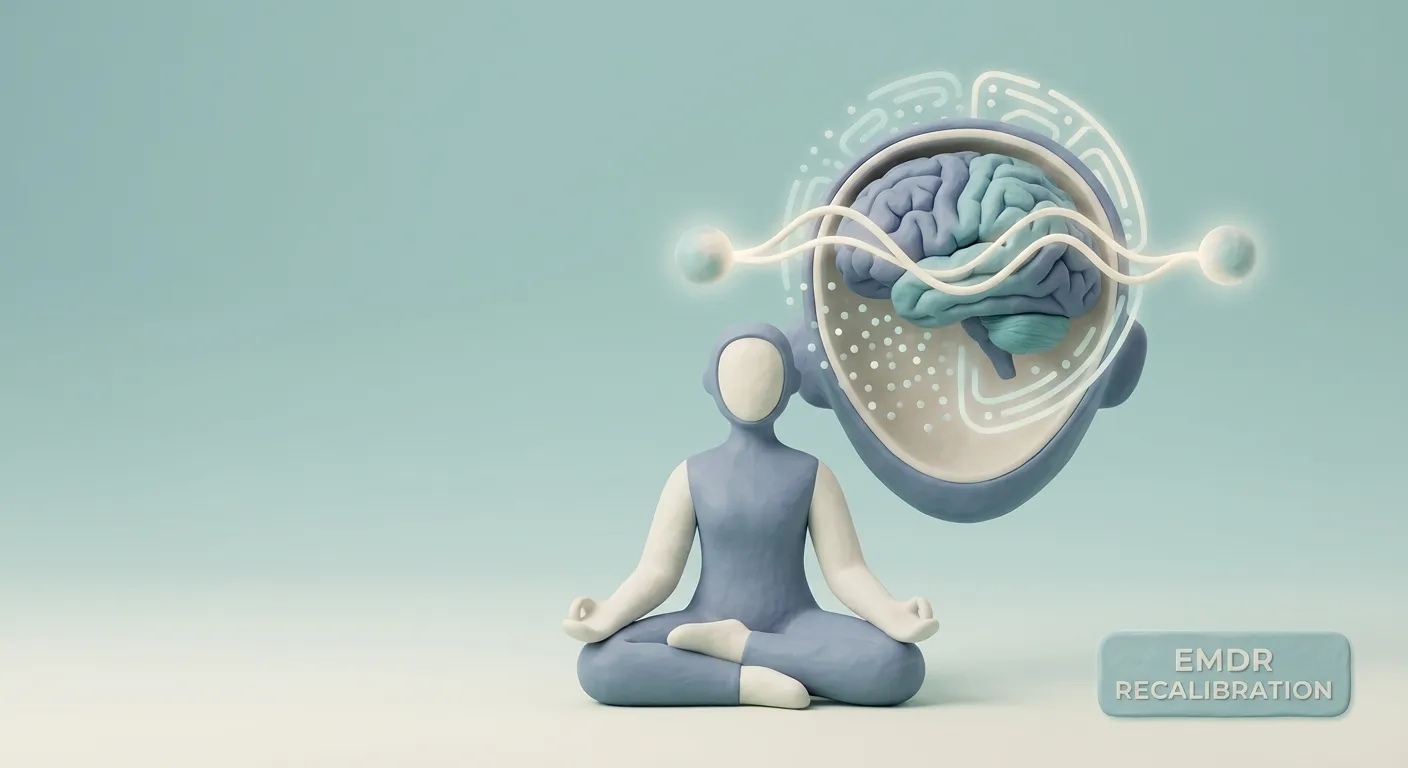
हालाँकि, न्यूरोप्लास्टिसिटी दोनों दिशाओं में काम करती है। वही मस्तिष्क जिसने डरना सीखा, वह अंतर करना भी सीख सकता है। EMDR, प्रोलॉन्गड एक्सपोजर थेरेपी और ट्रॉमा-फोकस्ड CBT सभी नैदानिक सुधार के साथ एमिग्डाला हाइपरएक्टिवेशन में मापने योग्य कमी दिखाते हैं। प्रभावी आघात चिकित्सा से पहले और बाद में मस्तिष्क इमेजिंग बहाल प्रीफ्रंटल-एमिग्डाला कनेक्टिविटी दिखाती है — यानी ब्रेक फिर से काम कर रहे हैं। रिकवरी केवल मनोवैज्ञानिक नहीं है। यह न्यूरोलॉजिकल है।
यह समझना कि आपकी अलार्म प्रणाली एक वास्तविक खतरे के लिए कैलिब्रेट की गई थी, और यह कि पुनः कैलिब्रेशन संभव और प्रलेखित है, कोई छोटी बात नहीं है। यह आपके अपने तंत्रिका तंत्र के साथ एक अलग संबंध की नींव है।
- पीटीएसडी में एमिग्डाला अतिसक्रिय हो जाता है - यह आघात से पहले की तुलना में अधिक तीव्रता से और उत्तेजनाओं की एक व्यापक श्रेणी के प्रति प्रतिक्रिया करता है।
- खतरे के सामान्यीकरण का अर्थ है कि भय का नेटवर्क मूल आघात संकेतों से परे विस्तारित होकर अनुभव की व्यापक श्रेणियों को समाहित कर लेता है।
- एचपीए अक्ष की संवेदनशीलता एक फीडबैक लूप बनाती है: बढ़ा हुआ कोर्टिसोल प्रीफ्रंटल क्षेत्रों को और अधिक बाधित करता है जो सामान्य रूप से एमिग्डाला की सक्रियता को नियंत्रित करते हैं।
- आघात-केंद्रित उपचारों से मापने योग्य तंत्रिका संबंधी परिवर्तन उत्पन्न होते हैं - सफल उपचार के बाद मस्तिष्क इमेजिंग में प्रीफ्रंटल-एमीग्डाला कनेक्टिविटी की बहाली दिखाई देती है।
आघात किस प्रकार स्मृति को खंडित करता है: हिप्पोकैम्पस तंत्रिका विज्ञान
सामान्य स्मृति मोटे तौर पर इस तरह काम करती है: एक अनुभव हिप्पोकैंपस के माध्यम से संसाधित होता है, जो इसे एक प्रासंगिक कथा में एन्कोड करता है — 'वह उस समय, उस जगह पर हुआ था, और अब वह अतीत में है।' स्मृति को पुनः प्राप्त किया जा सकता है, लेकिन यह स्मृति के रूप में लेबल होकर वापस आती है — ऐसी चीज़ के रूप में जो तब हुई थी, न कि ऐसी चीज़ के रूप में जो अब हो रही है।
दर्दनाक स्मृति इस तरह काम नहीं करती है।
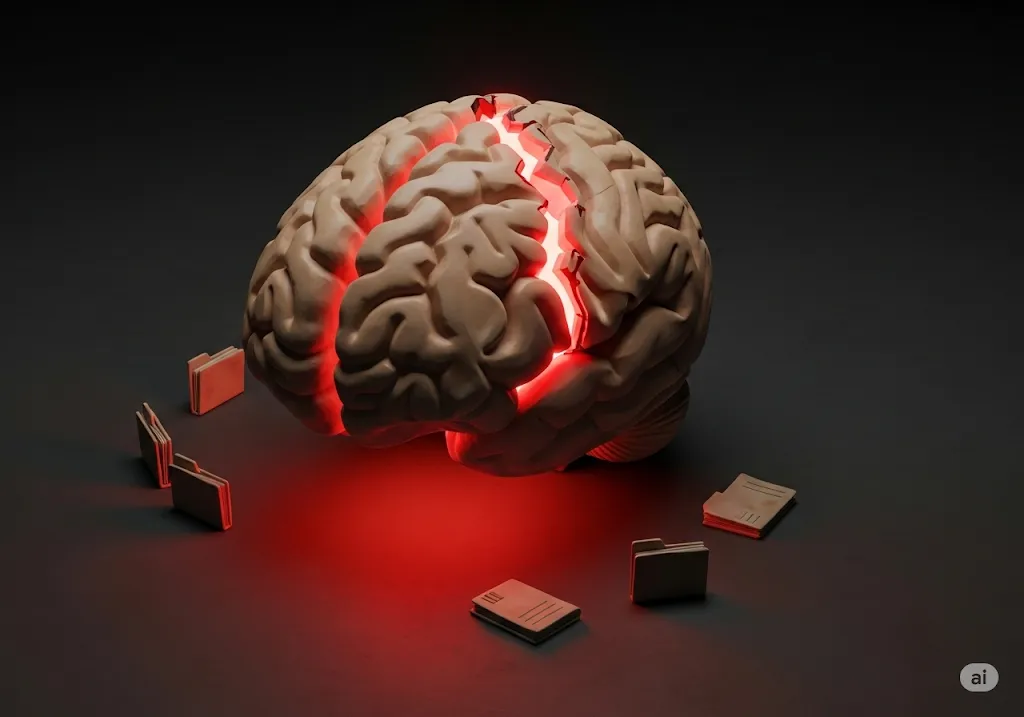
किसी दर्दनाक घटना के दौरान, अत्यधिक तनाव प्रतिक्रिया मस्तिष्क को कोर्टिसोल और नॉरपेनेफ्रिन से भर देती है, जिससे हिप्पोकैंपस का कार्य काफी हद तक बाधित होता है। हिप्पोकैंपस, जो अनुभव को सुसंगत, समय-चिह्नित आत्मकथात्मक कथा में समेकित करने के लिए जिम्मेदार है, अभिभूत हो जाता है और आंशिक रूप से बंद हो जाता है। इसका परिणाम यह होता है कि दर्दनाक अनुभव एक कथा के रूप में नहीं, बल्कि टुकड़ों के रूप में एन्कोड होता है — कच्ची संवेदी छापें, शारीरिक संवेदनाएं, भावनात्मक तीव्रताएं, दृश्य चमक — बिना किसी प्रासंगिक और लौकिक मेटाडेटा के जो उन्हें 'अतीत' के रूप में चिह्नित करेगा।
क्योंकि इन टुकड़ों में लौकिक संदर्भ का अभाव होता है, उन्हें सामान्य आत्मकथात्मक क्रम में संग्रहीत नहीं किया जा सकता है। इसके बजाय, वे एक बिना तिथि वाले, अकालानुक्रमिक रूप में मौजूद होते हैं जिन्हें किसी भी मेल खाते संवेदी संकेत द्वारा पुनः सक्रिय किया जा सकता है। जब वर्तमान परिवेश में कुछ संवेदी टुकड़े से मेल खाता है — एक ध्वनि, एक गंध, एक शारीरिक संवेदना — तो उस टुकड़े को सामान्य अर्थों में 'याद' नहीं किया जाता है। इसे पुनः अनुभव किया जाता है। टाइमस्टैम्प की अनुपस्थिति का मतलब है कि तंत्रिका तंत्र पुनःप्राप्ति और पुनरावृत्ति के बीच आसानी से अंतर नहीं कर सकता है।
यही कारण है कि फ्लैशबैक इतने वर्तमान-काल के लगते हैं। यह कल्पना या भ्रम नहीं है। यह एक स्मृति प्रणाली का सटीक व्यक्तिपरक अनुभव है जिसमें अनुभव को अतीत में रखने के लिए प्रासंगिक वास्तुकला का अभाव है।
संरचनात्मक MRI अध्ययनों से लगातार PTSD में हिप्पोकैंपस की मात्रा में कमी देखी गई है — कुछ अध्ययनों में, आघात-ग्रस्त गैर-PTSD नियंत्रणों की तुलना में 8-26% की कमी पाई गई है। यह कमी आंशिक रूप से हिप्पोकैंपस न्यूरॉन्स पर लगातार बढ़े हुए कोर्टिसोल के न्यूरोटॉक्सिक प्रभावों के कारण है, और आंशिक रूप से हिप्पोकैंपस न्यूरोजेनेसिस के तनाव-संबंधी दमन के कारण है। महत्वपूर्ण बात यह है कि इस मात्रा में से कुछ कमी सफल उपचार से प्रतिवर्ती है — हिप्पोकैंपस न्यूरोजेनेसिस को व्यायाम, एंटीडिप्रेसेंट थेरेपी और पुरानी तनाव की स्थिति के समाधान के माध्यम से बहाल किया जा सकता है।
नैरेटिव थेरेपी, EMDR और प्रोलॉन्गड एक्सपोजर सभी आंशिक रूप से हिप्पोकैंपस को बाधित समेकन प्रक्रिया को पूरा करने में मदद करके काम करते हैं — खंडित दर्दनाक सामग्री को वह लौकिक संदर्भ और कथा संरचना प्रदान करते हैं जिसे मूल एन्कोडिंग प्रदान करने में विफल रही थी। टूटी हुई समय-सीमा को फिर से जोड़ा जा सकता है, यह दिखावा करके नहीं कि वह टूटी नहीं थी, बल्कि उस मचान का निर्माण करके जिसे मूल रूप से अस्वीकार कर दिया गया था।
- आघात के दौरान कोर्टिसोल का अत्यधिक स्तर हिप्पोकैम्पस के समेकन को बाधित करता है, इसलिए आघातजन्य यादें बिना किसी लौकिक संदर्भ के संवेदी टुकड़ों के रूप में एन्कोड की जाती हैं।
- 'टाइमस्टैम्प' की अनुपस्थिति का अर्थ है कि दर्दनाक घटनाओं के अंशों को अतीत के रूप में याद करने के बजाय वर्तमान काल में पुनः अनुभव किया जा सकता है - यही फ्लैशबैक का तंत्रिका संबंधी आधार है।
- पीटीएसडी में हिप्पोकैम्पस के आयतन में 8-26% की कमी दर्ज की गई है, जो आंशिक रूप से कोर्टिसोल न्यूरोटॉक्सिसिटी और दमित न्यूरोजेनेसिस के कारण होती है।
- सफल आघात चिकित्सा आंशिक रूप से बाधित समेकन प्रक्रिया को पूरा करने में मदद करके काम करती है - टुकड़ों को वह कथात्मक और लौकिक संदर्भ प्रदान करती है जिसकी उनमें मूल रूप से कमी थी।
प्रीफ्रंटल शटडाउन और खोया हुआ भावनात्मक ओवरराइड
प्रीफ्रंटल कॉर्टेक्स मस्तिष्क का कार्यकारी निदेशक है — वह क्षेत्र जो संदर्भ का मूल्यांकन करने, भावनात्मक प्रतिक्रियाओं को नियंत्रित करने और अधिक आदिम मस्तिष्क संरचनाओं द्वारा उत्पन्न आवेगों और अलार्म संकेतों पर ब्रेक लगाने के लिए जिम्मेदार है। विशेष रूप से भावनात्मक विनियमन के लिए, वेंट्रोमेडियल प्रीफ्रंटल कॉर्टेक्स (vmPFC) और एंटीरियर सिंगुलेट कॉर्टेक्स (ACC) एमिग्डाला से निरंतर निरोधात्मक संबंध बनाए रखते हैं। सरल शब्दों में: जब एमिग्डाला अलार्म बजाता है, तो प्रीफ्रंटल कॉर्टेक्स संदर्भ की जाँच करता है और, यदि अलार्म उचित नहीं है, तो एक निरोधात्मक संकेत भेजता है जो प्रतिक्रिया को शांत करता है।
PTSD में, यह सर्किट एक विशिष्ट और सुसंगत तरीके से बाधित हो जाता है। न्यूरोइमेजिंग अध्ययन — fMRI और PET इमेजिंग दोनों का उपयोग करते हुए — दिखाते हैं कि आघात-संबंधी उत्तेजनाओं के संपर्क में आने के दौरान या सक्रिय PTSD लक्षणों के दौरान, प्रीफ्रंटल कॉर्टेक्स की गतिविधि कम हो जाती है जबकि एमिग्डाला की गतिविधि बढ़ जाती है। निरोधात्मक नियंत्रण जो सामान्य रूप से भय प्रतिक्रिया को नियंत्रित करता है, ठीक उसी क्षण आंशिक या पूरी तरह से वापस ले लिया जाता है जब इसकी सबसे अधिक आवश्यकता होती है।
यह एक स्थायी संरचनात्मक विफलता नहीं है। PTSD में प्रीफ्रंटल कॉर्टेक्स उस तरह से क्षतिग्रस्त नहीं होता है जिस तरह से यह दर्दनाक मस्तिष्क की चोट में हो सकता है — सर्किटरी बरकरार है। जो हुआ है वह एक कार्यात्मक व्यवधान है: एमिग्डाला के अलार्म संकेत इतने मजबूत होते हैं, और तनाव हार्मोन का वातावरण इतना अव्यवस्थित होता है, कि प्रीफ्रंटल कॉर्टेक्स प्रभावी रूप से अभिभूत हो जाता है और उच्च उत्तेजना की स्थिति के दौरान अस्थायी रूप से ऑफ़लाइन हो जाता है। कार में एक एक्सीलरेटर और ब्रेक होते हैं — लेकिन अत्यधिक हाइपरअराउज़ल की स्थिति में, ब्रेक सिस्टम एक्सीलरेटर के साथ तालमेल नहीं बिठा पाता।
यह PTSD की एक विशेषता की व्याख्या करता है जो बहुत भ्रमित करने वाली और बहुत शर्मनाक है: बौद्धिक रूप से यह जानने का अनुभव कि आप सुरक्षित हैं — और अपने तंत्रिका तंत्र को इस तथ्य के बारे में समझाने में पूरी तरह से असमर्थ होना। ज्ञान वास्तविक है। सुरक्षा वास्तविक है। लेकिन प्रीफ्रंटल कॉर्टेक्स, जो तर्कसंगत मूल्यांकन और भावनात्मक प्रतिक्रिया के बीच का इंटरफ़ेस है, उस ज्ञान पर कार्य करने के लिए पूरी तरह से ऑनलाइन नहीं होता है।
PTSD में काम करने वाली थेरेपी लगातार इस कनेक्टिविटी की बहाली दिखाती हैं। EMDR नैदानिक सुधार के साथ-साथ प्रीफ्रंटल सक्रियण में मापने योग्य वृद्धि पैदा करता है। ट्रॉमा-फोकस्ड CBT प्रीफ्रंटल-एमिग्डाला संचार को बहाल करता है। सोमाटिक दृष्टिकोण शरीर की अपनी नियामक प्रणालियों को सक्रिय करके काम करते हैं, जो प्रीफ्रंटल विनियमन में वापस फीड करते हैं। लापता ओवरराइड को बहाल किया जा सकता है। रिकवरी, आंशिक रूप से, सोचने वाले मस्तिष्क और जीवित रहने वाले मस्तिष्क के बीच बातचीत को धीरे-धीरे बहाल करने की कहानी है — ताकि जब एक कहे 'हम सुरक्षित हैं', तो दूसरा अंततः इसे सुन सके।
- vmPFC और ACC सामान्यतः खतरे के आकलन के दौरान एमिग्डाला को निरोधात्मक संकेत भेजते हैं - PTSD में, उच्च उत्तेजना के दौरान यह निरोधात्मक नियंत्रण निष्क्रिय हो जाता है।
- यह एक कार्यात्मक व्यवधान है, संरचनात्मक क्षति नहीं - प्रीफ्रंटल सर्किटरी बरकरार है लेकिन एमिग्डाला की सिग्नल शक्ति और तनाव हार्मोन वातावरण से अभिभूत है।
- यह जानते हुए भी कि आप सुरक्षित हैं, फिर भी सुरक्षित महसूस करने में असमर्थ होना, प्रीफ्रंटल तंत्रिका तंत्र के बंद होने का सीधा परिणाम है - तर्कसंगत मूल्यांकन मौजूद है लेकिन भावनात्मक तंत्र तक नहीं पहुंच पाता है।
- ईएमडीआर, ट्रॉमा-फोकस्ड सीबीटी और सोमैटिक थेरेपी, ये सभी न्यूरोइमेजिंग में मापने योग्य प्रीफ्रंटल रीएक्टिवेशन दिखाते हैं - ओवरराइड सर्किट को बहाल किया जा सकता है।