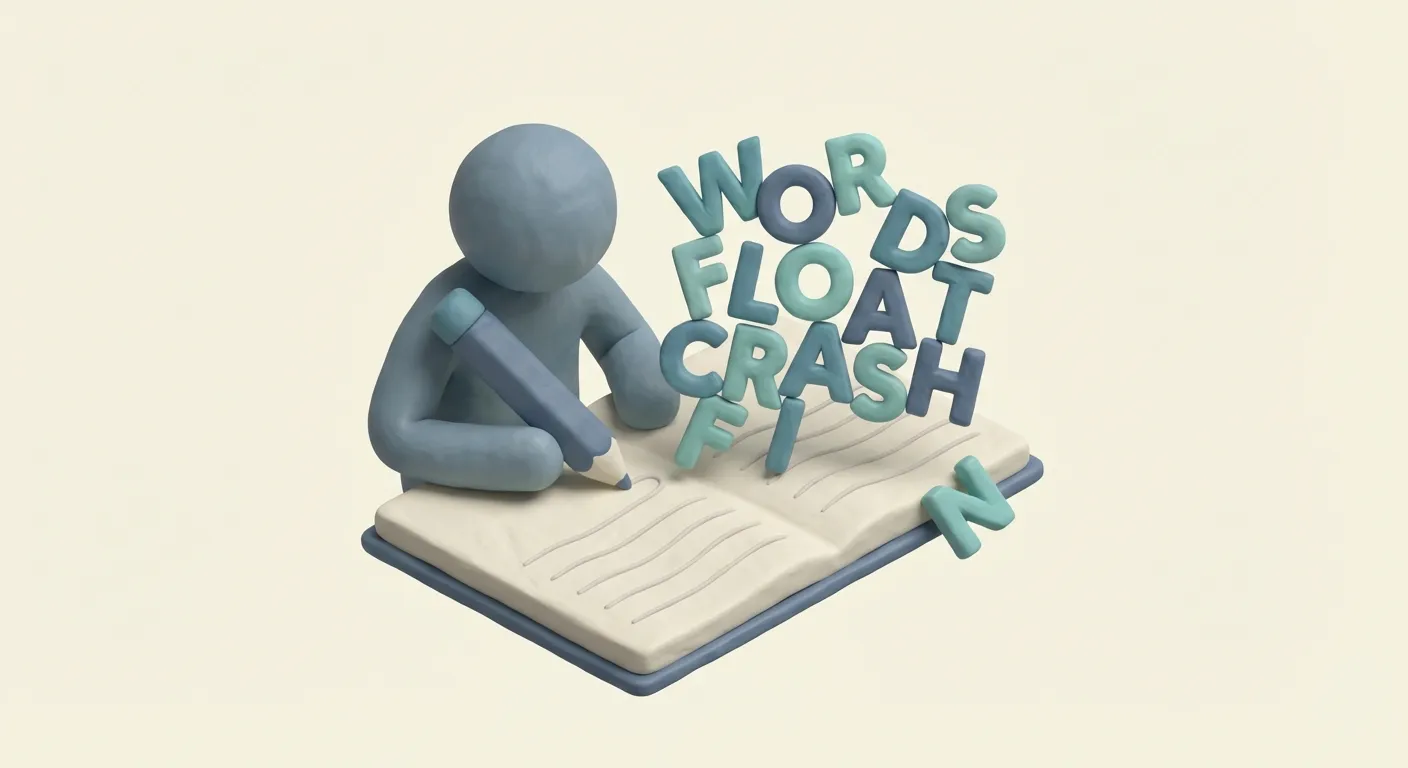
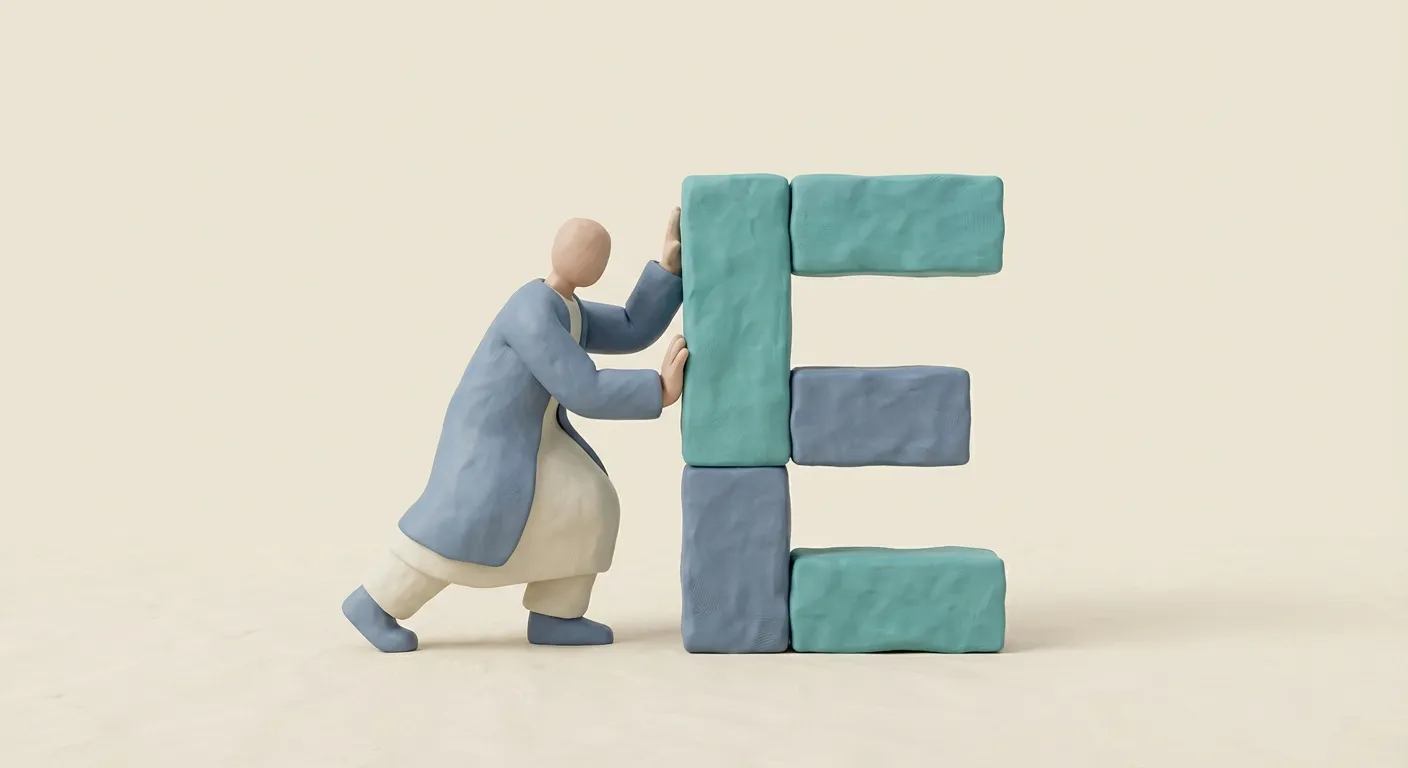
क्यों डिस्ग्राफिया हर अक्षर को एक निर्माण परियोजना बना देता है
ज़्यादातर लोगों के लिए, प्राथमिक विद्यालय के मध्य तक लिखावट स्वचालित हो जाती है। मस्तिष्क वह विकसित करता है जिसे शोधकर्ता ऑर्थोग्राफिक-मोटर एकीकरण कहते हैं — एक तेज़, अचेतन प्रक्रिया जो सचेत ध्यान की आवश्यकता के बिना एक संग्रहीत अक्षर-आकृति को एक समन्वित हाथ की गति में अनुवादित करती है। आप 'A' सोचते हैं, और आपका हाथ 'A' लिखता है। आप स्ट्रोक के बारे में नहीं सोच रहे हैं। आपने लगभग सात साल की उम्र में उनके बारे में सोचना बंद कर दिया था।
डिस्ग्राफिया वाले मस्तिष्क के लिए, वह स्वचालन कभी पूरी तरह से नहीं बनता है। अक्षर 'A' स्वचालित रूप से एक मोटर प्रोग्राम को ट्रिगर नहीं करता है। हर बार, इस प्रक्रिया में सचेत पुनर्निर्माण की आवश्यकता होती है: ऑर्थोग्राफिक मेमोरी से अक्षर-आकृति को पुनः प्राप्त करना (अविश्वसनीय रूप से), स्ट्रोक के अनुक्रम की योजना बनाना (किस क्रम में? कहाँ से शुरू करें?), सूक्ष्म मोटर आउटपुट का समन्वय करना (कितना दबाव? क्या कोण?), और परिणाम की निगरानी करना, साथ ही साथ यह सोचना जारी रखना कि आप वास्तव में क्या कहना चाहते हैं।
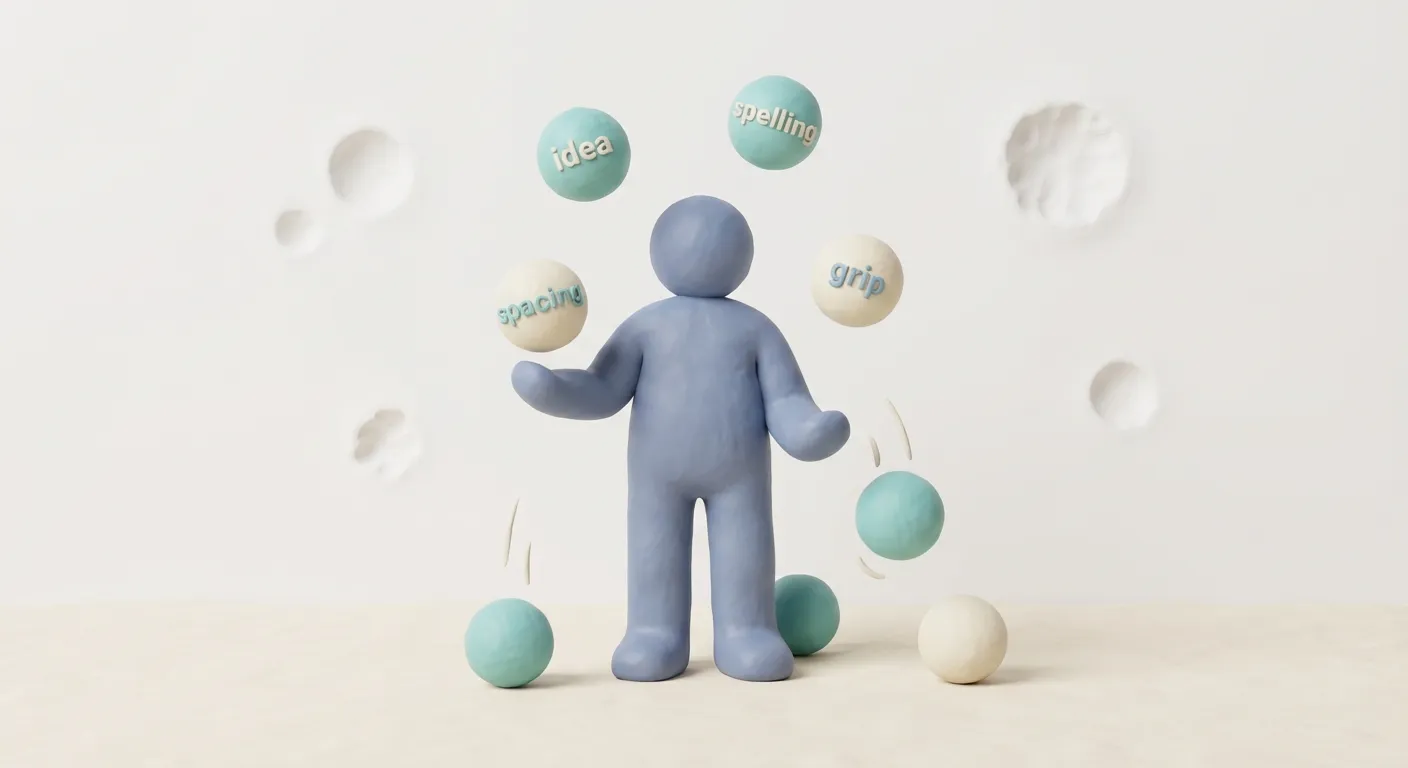
यह एक बहुत बड़ा संज्ञानात्मक भार है — और यह उन सभी अन्य चीज़ों के ऊपर आता है जिनकी लेखन को आवश्यकता होती है। वर्तनी। व्याकरण। शब्दावली का चयन। वह बात जिसे आप सबसे पहले संप्रेषित करने की कोशिश कर रहे थे।
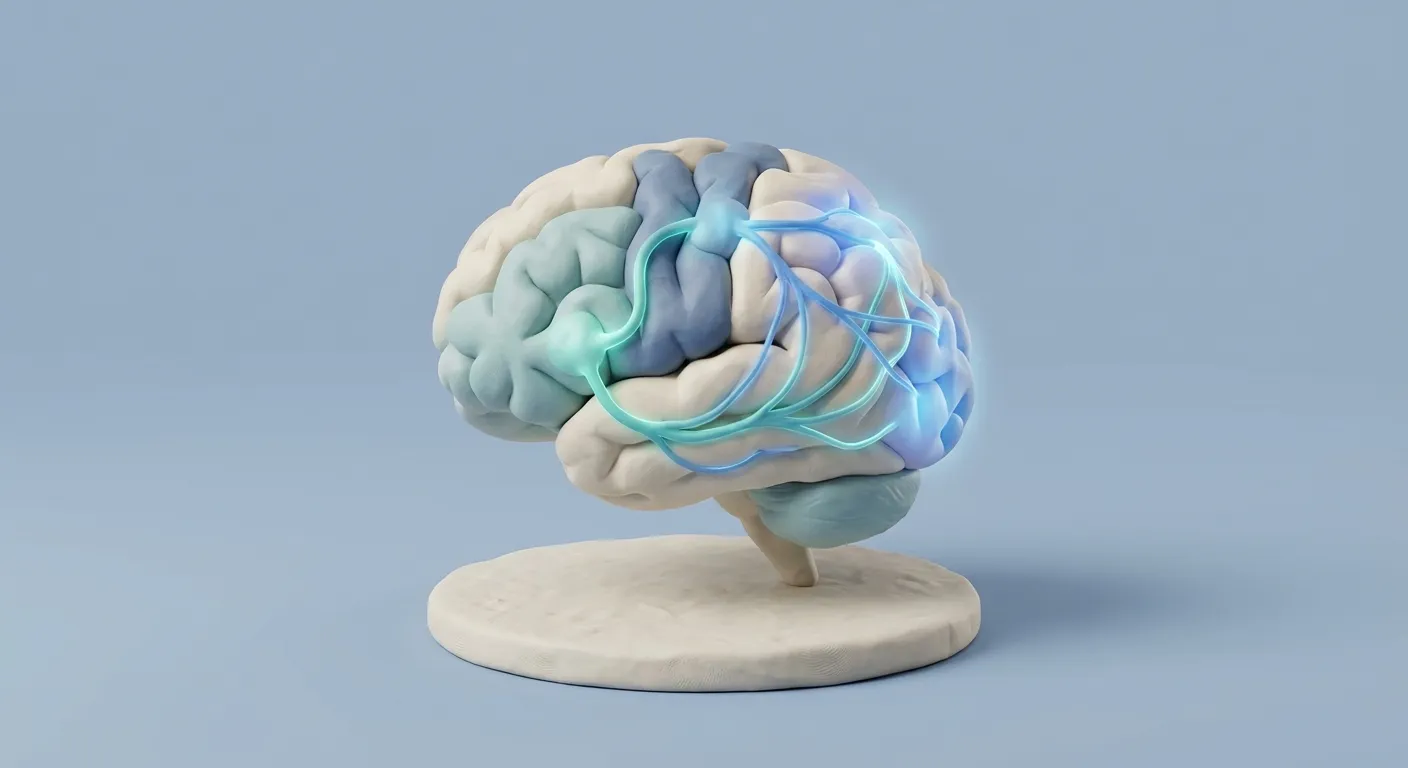
तंत्रिका संबंधी आधार अच्छी तरह से प्रलेखित है। fMRI अध्ययन डिस्ग्राफिया वाले लोगों में लेखन कार्यों के दौरान बाएं फ्यूसीफॉर्म गाइरस — मस्तिष्क का वह क्षेत्र जो दृश्य शब्द रूप पहचान और अक्षर भंडारण के लिए जिम्मेदार है — में कम सक्रियता दिखाते हैं। प्रीमोटर कॉर्टेक्स, जिसे सुचारू मोटर प्रोग्राम उत्पन्न करने चाहिए, कम कुशलता से उपयोग होता है। परिणाम यह है कि मस्तिष्क लापरवाह नहीं है। यह कुछ ऐसा करने के लिए असाधारण रूप से कड़ी मेहनत कर रहा है जो न्यूरोटिपिकल पर्यवेक्षकों को सहज लगता है।
पठनीयता प्रयास के लिए एक विश्वसनीय प्रतिनिधि नहीं है। डिस्ग्राफिया वाले कई लोग अपना सबसे अपठनीय काम ठीक तब करते हैं जब वे सबसे अधिक ध्यान केंद्रित कर रहे होते हैं — क्योंकि एकाग्रता बहुत सारी एक साथ चलने वाली प्रक्रियाओं में विभाजित हो रही होती है। जब केवल अक्षरों को साफ बनाने पर ध्यान केंद्रित करने के लिए कहा जाता है, तो सामग्री नाटकीय रूप से प्रभावित होती है। बाधा वास्तविक है, और यह स्थापत्य संबंधी है।
इसे समझना पूरे अनुभव को फिर से परिभाषित करता है। अक्षर मूर्तिकार खराब नहीं लिख रहा है। वे प्रत्येक अक्षर का निर्माण कच्चे माल से वास्तविक समय में, हर एक बार कर रहे हैं — एक ऐसी कार्यशाला में जहाँ बाकी सभी ने बीस साल पहले एक स्वचालित प्रेस स्थापित कर लिया था।
- ऑर्थोग्राफिक-मोटर एकीकरण — अक्षर के आकार से हाथ की गति तक की स्वचालित प्रक्रिया — डिस्ग्राफिया में पूरी तरह से विकसित नहीं होता है, जिससे हर बार सचेत प्रयास की आवश्यकता होती है।
- लेखन कार्यों के दौरान बायां फ्यूसीफॉर्म गाइरस की कम हुई सक्रियता को fMRI पर मापा जा सकता है — यह प्रेरणा की कमी नहीं है।
- अक्षर निर्माण और सामग्री के बीच संज्ञानात्मक भार को विभाजित करने का अर्थ है कि स्वच्छता पर ध्यान केंद्रित करने से अर्थ बिगड़ जाता है, और इसके विपरीत।
- एकाग्रता के दौरान अपठनीयता लापरवाही नहीं है — यह वास्तव में अतिभारित कार्यकारी स्मृति प्रणाली की एक दृश्य पहचान है।
तेज़ सोचने और धीरे लिखने के बीच का अंतर
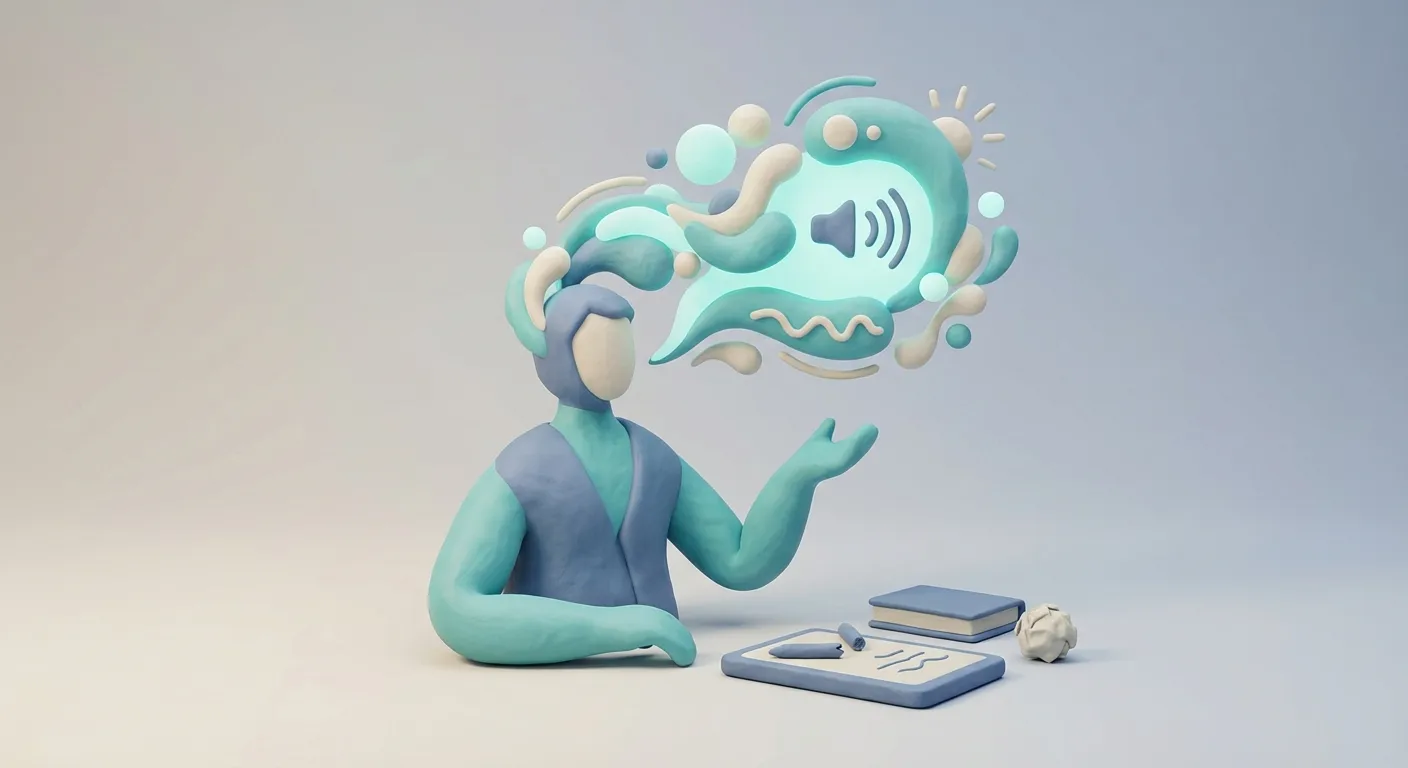
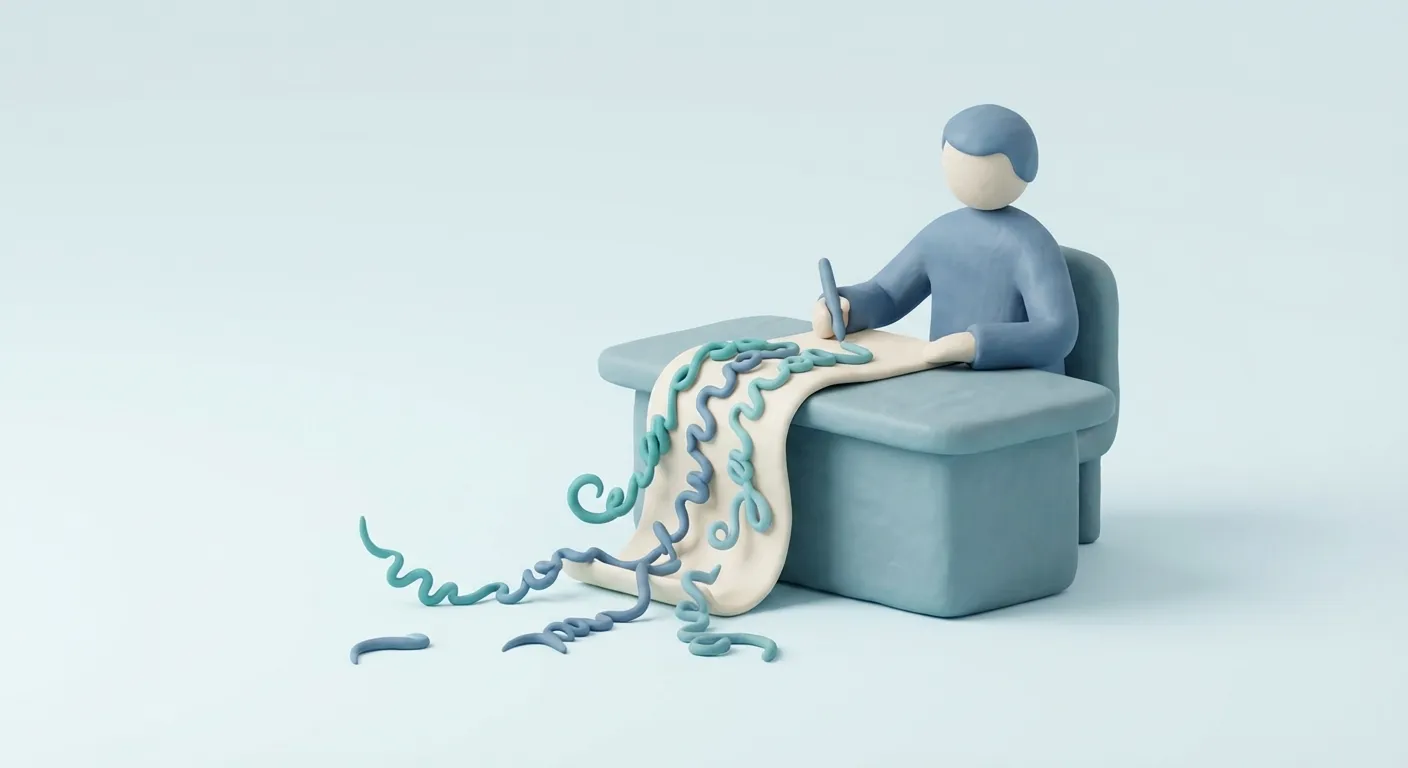
डिस्ग्राफिया के सबसे निराशाजनक पहलुओं में से एक — और बाहरी पर्यवेक्षकों को सबसे कम दिखाई देने वाला — संज्ञानात्मक गति और प्रतिलेखन गति के बीच की असंगति है। डिस्ग्राफिया से ग्रस्त मस्तिष्क सोचने में धीमा नहीं होता है। कई मामलों में, मौखिक तर्क और विचार निर्माण वास्तव में मजबूत होते हैं। समस्या स्थानांतरण में है: 'व्यक्त करने के लिए तैयार विचार' और 'सफलतापूर्वक कागज पर उतरा विचार' के बीच का हस्तांतरण।
संज्ञानात्मक मनोवैज्ञानिक लेखन को दो एक साथ चलने वाली प्रणालियों के रूप में वर्णित करते हैं: एक उत्पादक प्रणाली (विचार निर्माण, भाषा निर्माण, कथा संगठन) और एक प्रतिलेखन प्रणाली (भाषा को भौतिक चिह्नों में परिवर्तित करना)। धाराप्रवाह लेखकों में, प्रतिलेखन तेज और काफी हद तक स्वचालित होता है, जिसका अर्थ है कि उत्पादक प्रणाली स्वतंत्र रूप से चलती है। डिस्ग्राफिया में, प्रतिलेखन प्रणाली धीमी और प्रयासपूर्ण होती है, जो एक प्रसंस्करण बाधा उत्पन्न करती है जो उत्पादक प्रणाली पर दबाव डालती है।
इसका व्यावहारिक परिणाम यह है कि विचार बाधा पर इंतजार नहीं करते। वे विनम्रता से कतार में नहीं लगते। वे खराब हो जाते हैं, खंडित हो जाते हैं, या खो जाते हैं। वह शानदार वाक्य जो पंद्रह सेकंड पहले कार्यशील स्मृति में पूरी तरह से बना हुआ था, अक्सर आंशिक रूप से वाष्पित हो चुका होता है जब तक कलम पकड़ पाती है। जो निबंध आप लिखना चाहते थे और जो निबंध सामने आता है, वे अलग-अलग दस्तावेज़ होते हैं — इसलिए नहीं कि सोच खराब थी, बल्कि इसलिए कि प्रतिलेखन प्रक्रिया ने इतनी अधिक कार्यशील स्मृति का उपभोग किया कि मूल सामग्री बरकरार नहीं रह पाई।
यह विशेष रूप से समय-बद्ध मूल्यांकन में दिखाई देता है, जहाँ मौखिक और लिखित प्रदर्शन के बीच का अंतर अक्सर नाटकीय होता है। एक छात्र जो मौखिक रूप से परिष्कृत तर्क व्यक्त कर सकता है, वह विरल, खंडित लिखित कार्य उत्पन्न कर सकता है। यह विसंगति — चर्चा में आत्मविश्वासपूर्ण, कागज पर स्पष्ट रूप से संघर्षरत — को अक्सर असंगति, प्रयास की कमी, या रणनीतिक टालमटोल के रूप में गलत समझा जाता है। यह इनमें से कुछ भी नहीं है।
डिस्ग्राफिया में कार्यशील स्मृति पर शोध दर्शाता है कि अक्षर निर्माण उन्हीं सीमित क्षमता वाली प्रणालियों पर बहुत अधिक निर्भर करता है जो सामग्री निर्माण का समर्थन करती हैं। दोनों प्रक्रियाएँ एक ही संसाधनों के लिए प्रतिस्पर्धा करती हैं। यह कोई रूपक नहीं है। यह एक सीमित प्रणाली में एक प्रलेखित प्रतिस्पर्धा है।
आगे का रास्ता बाधा को दरकिनार करने में शामिल है, न कि उसमें से अधिक सामग्री को जबरदस्ती निकालने में: प्रारंभिक ड्राफ्ट के लिए वॉयस-टू-टेक्स्ट, सहायक तकनीक, विस्तारित समय की सुविधाएँ, और सोच के चरण को प्रतिलेखन चरण से पूरी तरह से अलग करना।
- डिस्ग्राफिया प्रतिलेखन को धीमा करता है, न कि संज्ञान को — मौखिक प्रवाह और विचार निर्माण आमतौर पर बरकरार या औसत से ऊपर होते हैं।
- उत्पादन और प्रतिलेखन प्रणालियाँ कार्यकारी स्मृति के लिए प्रतिस्पर्धा करती हैं — धीमी अक्षर रचना सीधे सामग्री की गुणवत्ता को कम करती है।
- धीमी प्रतिलेखन की प्रतीक्षा करते समय विचार कार्यकारी स्मृति में क्षीण हो जाते हैं — जो खो जाता है वह सोचने की क्षमता नहीं है, बल्कि दोहरे भार के तहत धारण क्षमता है।
- सोच-विचार और प्रतिलेखन को अलग करने के साथ-साथ, विस्तारित समय और वॉयस-टू-टेक्स्ट एक अतिभारित सिस्टम से अधिक की मांग करने के बजाय वास्तविक बाधा को दूर करते हैं।
लिखने में दर्द क्यों होता है: मोटर डिस्ग्राफिया की शारीरिक वास्तविकता
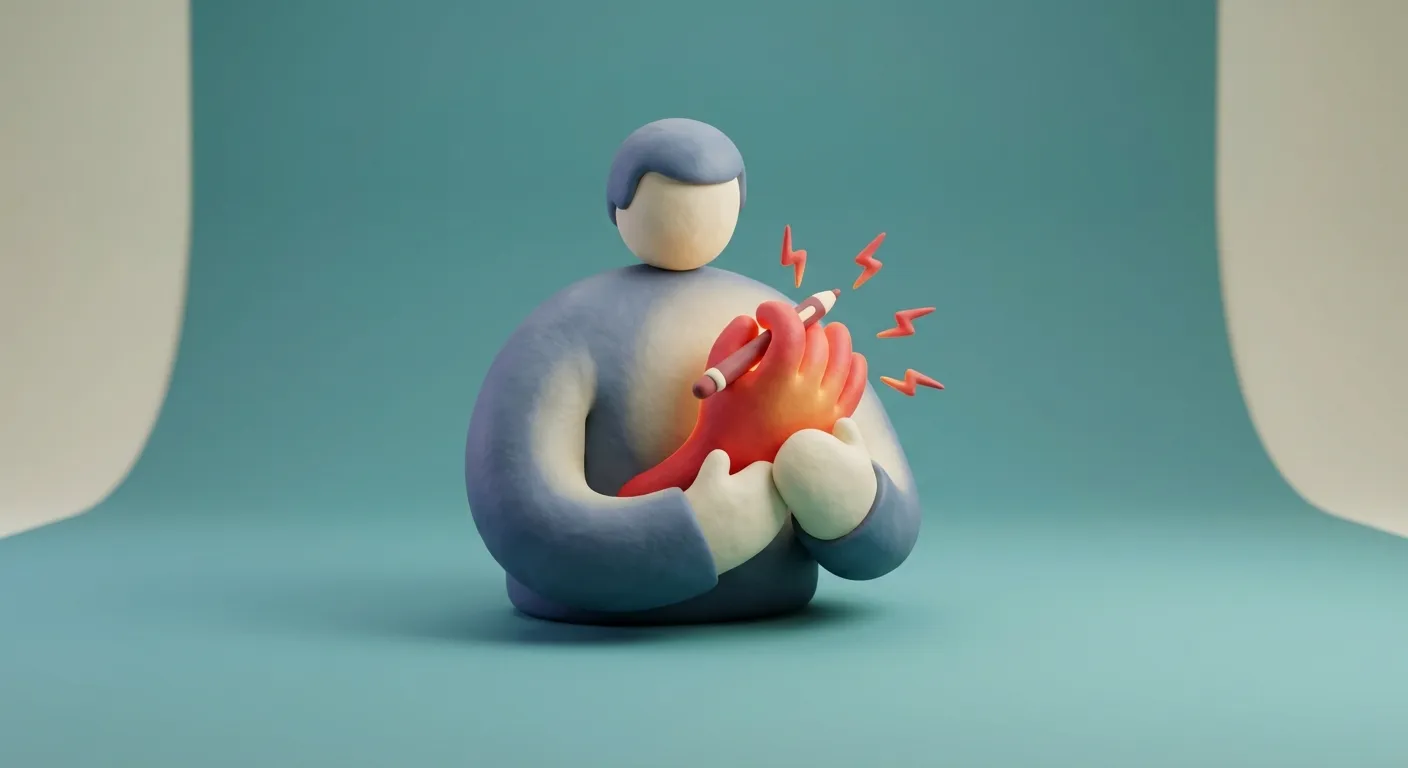
लिखने के दौरान होने वाला दर्द कोई नाटकीय अतिशयोक्ति नहीं है। मोटर डिस्ग्राफिया वाले कई लोगों के लिए, लगातार हाथ से लिखने की शारीरिक क्रिया से वास्तविक मांसपेशियों में थकान, ऐंठन और बेचैनी होती है — अक्सर शुरू करने के कुछ ही मिनटों के भीतर। यह एक शारीरिक परिणाम है कि कैसे मोटर प्रणाली स्वचालित सूक्ष्म मोटर समन्वय में कमी की भरपाई करने की कोशिश कर रही है।
सामान्य लिखावट में, सेरिबैलम और बेसल गैन्ग्लिया मिलकर सहज, कैलिब्रेटेड मोटर प्रोग्राम उत्पन्न करते हैं। ये प्रोग्राम स्वचालित रूप से पकड़ के दबाव, स्ट्रोक की गति और दिशात्मक सुधार को संभालते हैं — ठीक उसी तरह जैसे चलना सचेत ध्यान की आवश्यकता के बिना स्वचालित चाल समायोजन उत्पन्न करता है। जब यह स्वचालितता बिगड़ जाती है, जैसा कि मोटर डिस्ग्राफिया में होता है, तो मोटर प्रणाली हर गतिविधि के लिए जानबूझकर, प्रयासपूर्ण नियंत्रण पर निर्भर करती है। यह आपकी कार के पावर स्टीयरिंग को मैन्युअल रूप से ओवरराइड करने जैसा है: आप इसे कर सकते हैं, लेकिन यह शारीरिक रूप से थका देने वाला होता है, जबकि सामान्य स्टीयरिंग ऐसा नहीं होता।
अत्यधिक पकड़ का दबाव जो अक्सर डिस्ग्राफिया के साथ होता है — सफेद पोर, टूटी हुई पेंसिल की नोकें, पेन के बैरल में घिसे हुए खांचे — मोटर प्रणाली अविश्वसनीय स्वचालित नियंत्रण की भरपाई के लिए प्रोप्रियोसेप्टिव फीडबैक बढ़ाने की कोशिश कर रही है। यदि हाथ सामान्य फीडबैक के माध्यम से ठीक से महसूस नहीं कर पाता कि पेन कहाँ है, तो यह अधिक संवेदी जानकारी उत्पन्न करने के लिए कसकर पकड़ता है। यह अनुकूलनीय है। यह थका देने वाला और अंततः प्रतिकूल भी है, क्योंकि बढ़ी हुई पकड़ का तनाव सूक्ष्म मोटर नियंत्रण को बेहतर बनाने के बजाय कम करता है।
थकान वास्तविक और संचयी होती है। तीस मिनट की जबरन लिखावट डिस्ग्राफिया वाले व्यक्ति को हाथ और अग्रबाहु में ऐसी थकान दे सकती है जो एक न्यूरोटिपिकल व्यक्ति को एक घंटे के शारीरिक काम के बाद महसूस हो सकती है। परीक्षाओं में विस्तारित लेखन सत्र केवल असुविधाजनक नहीं होते — वे वास्तव में शारीरिक रूप से थका देने वाले होते हैं जो गुणवत्ता और सहनशक्ति दोनों को प्रभावित करते हैं।
एर्गोनोमिक पेन ग्रिप, अनुकूलित पेंसिल होल्डर और टाइपिंग विकल्प जैसी सुविधाएँ चीजों को आसान बनाने के बारे में नहीं हैं। वे एक क्षतिपूरक शारीरिक बोझ — 'डेथ-ग्रिप' — को हटाने के बारे में हैं ताकि मस्तिष्क उस ऊर्जा को विचारों को व्यक्त करने के वास्तविक कार्य की ओर पुनर्निर्देशित कर सके।
- मोटर डिस्ग्राफिया मोटर प्रणाली को हर स्ट्रोक के लिए प्रयासपूर्ण मैनुअल नियंत्रण में मजबूर करता है, जिससे जल्दी ही वास्तविक शारीरिक थकान पैदा होती है।
- अत्यधिक पकड़ का दबाव प्रोप्रियोसेप्टिव फीडबैक को बढ़ाने के लिए एक क्षतिपूरक रणनीति है — यह अनुकूलनीय है, लेकिन समय के साथ थकाऊ और प्रतिकूल हो जाती है।
- लिखते समय हाथ में दर्द और ऐंठन शारीरिक होते हैं, न कि रवैये से संबंधित — यह एक गैर-स्वचालित मोटर प्रणाली को चलाने की मापने योग्य लागत है।
- एर्गोनोमिक उपकरण और टाइपिंग के विकल्प क्षतिपूरक भार को कम करते हैं, जिससे संज्ञानात्मक संसाधन पकड़ प्रबंधन के बजाय सामग्री पर ध्यान केंद्रित कर सकें।
स्थानिक डिस्ग्राफिया और अवलोकन के तहत लिखने का अनुभव
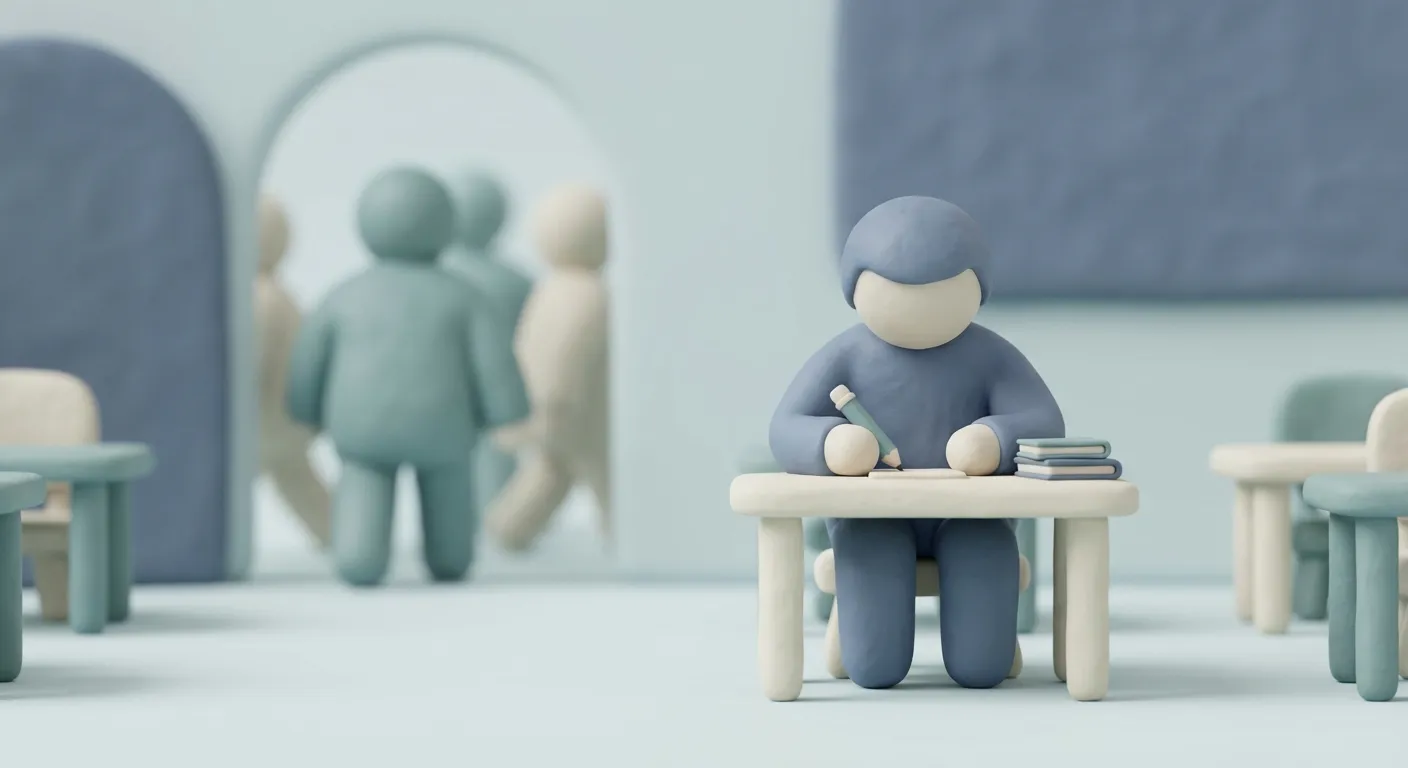
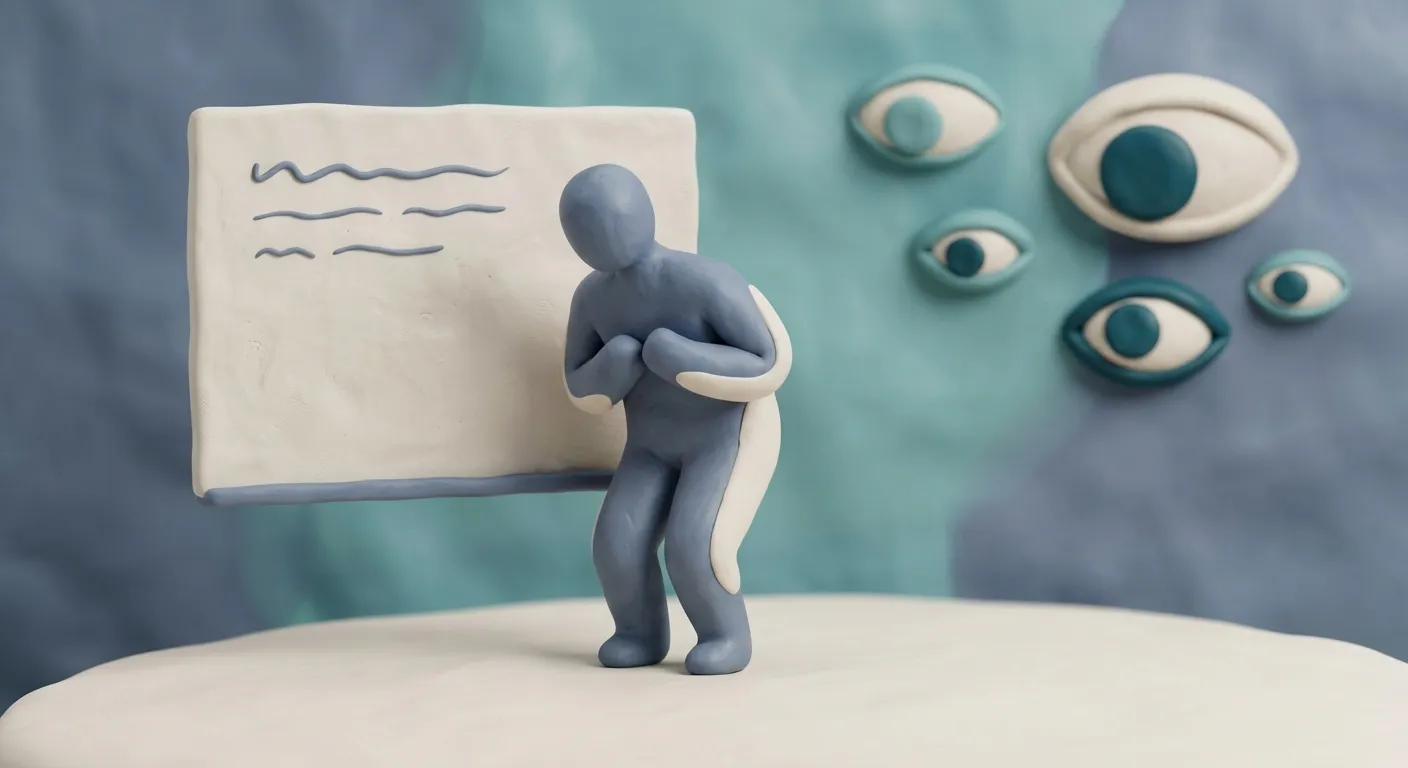
लेखन संबंधी कठिनाइयों के साथ एक विशेष प्रकार की दृश्यता आती है — जो अधिकांश शैक्षणिक संघर्षों से गुणात्मक रूप से भिन्न होती है। गणित संबंधी चिंता, पढ़ने में कठिनाई, स्मृति अंतराल — ये अक्सर निजी तौर पर अनुभव किए जाते हैं, या कम से कम दूसरों के ध्यान में आने से पहले कुछ देरी के साथ। हस्तलेखन संबंधी कठिनाइयाँ वास्तविक समय में दिखाई देती हैं, किसी भी दर्शक के लिए प्रदर्शित होती हैं जैसे ही कलम पृष्ठ पर चलती है या मार्कर व्हाइटबोर्ड पर चलता है।
स्थानिक डिस्ग्राफिया वाले लोगों के लिए — जिसमें पार्श्विका लोब में अंतर शामिल हैं जो लेखन के स्थानिक जागरूकता घटक को प्रभावित करते हैं — यह दृश्यता विशेष रूप से तीव्र होती है। पार्श्विका लोब स्थानिक मानचित्रों को बनाए रखने के लिए प्रोप्रियोसेप्टिव और दृश्य जानकारी को एकीकृत करता है: अंतरिक्ष में हाथ कहाँ है, कागज का किनारा कहाँ है, पृष्ठ पर शब्द एक-दूसरे से कैसे संबंधित हैं। जब यह एकीकरण बाधित होता है, तो लेखन का स्थानिक लेआउट अप्रत्याशित हो जाता है। शब्द दाहिने हाशिये की ओर और किनारे से बाहर निकल जाते हैं। रेखाएँ ऊपर या नीचे की ओर झुकती हैं। जो शब्द समान रूप से व्यवस्थित होने चाहिए वे गुच्छों में या फैले हुए होते हैं। पाठ कोनों में भर जाता है क्योंकि पंक्ति के अंत का अनुमान नहीं लगाया गया था।
इसका मतलब यह नहीं है कि वे प्रस्तुति की परवाह नहीं करते। डिस्ग्राफिया वाले लोग अक्सर बहुत परवाह करते हैं — वास्तव में, बहुत अधिक, क्योंकि वे जानते हैं कि परिणाम उसके पीछे के विचार को प्रतिबिंबित नहीं करता है। आंतरिक क्षमता और दृश्यमान परिणाम के बीच का अंतर गहरी निराशा और शर्म का स्रोत है।
एक समूह के सामने, व्हाइटबोर्ड पर लिखने के लिए कहा जाना डिस्ग्राफिया वाले कई लोगों के लिए एक अत्यधिक तनावपूर्ण अनुरोध है। यह लेखन के पहले से ही प्रयासपूर्ण कार्य को प्रदर्शन की चिंता, वास्तविक समय के अवलोकन और किसी के देखने से पहले मिटाने या संशोधित करने की असंभवता के साथ जोड़ता है। परिणाम अक्सर निजी लेखन से भी बदतर दिखता है, क्योंकि सामाजिक अवलोकन का अतिरिक्त संज्ञानात्मक भार उन संसाधनों का उपभोग करता है जो पहले से ही कम पड़ रहे थे।
इसे समझना महत्वपूर्ण है कि हम कार्यस्थलों और कक्षाओं को कैसे डिज़ाइन करते हैं। किसी से 'बस इसे बोर्ड पर लिख दें' कहने का अनुरोध कमरे में सभी के लिए एक तटस्थ अनुरोध नहीं है।
- स्थानिक डिस्ग्राफिया में पार्श्विका लोब में अंतर शामिल है जो पृष्ठ के मस्तिष्क के स्थानिक मानचित्र को बाधित करते हैं — बहती हुई रेखाएँ और सिकुड़ा हुआ पाठ इसका परिणाम होते हैं, न कि इरादा।
- लिखावट की कठिनाइयाँ वास्तविक समय में विशिष्ट रूप से दिखाई देती हैं, जिससे सार्वजनिक रूप से उजागर होने का एक ऐसा रूप बनता है जो अधिकांश अन्य सीखने की विभिन्नताओं में नहीं होता है।
- लिखने के दौरान सामाजिक अवलोकन एक पहले से ही तनावग्रस्त प्रणाली पर संज्ञानात्मक भार बढ़ाता है, जिससे आमतौर पर दबाव में परिणाम बेहतर होने के बजाय बदतर हो जाता है।
- आंतरिक क्षमता और दृश्य लिखित आउटपुट के बीच का अंतर डिस्ग्राफिया वाले कई लोगों के लिए शर्म का मुख्य स्रोत है — विचार की गुणवत्ता और पृष्ठ की गुणवत्ता अलग-अलग चीजें हैं।
जब लेखन आपकी सोच को खा जाता है: डिस्ग्राफिया में कार्यकारी स्मृति
कार्यकारी स्मृति मस्तिष्क का मानसिक व्हाइटबोर्ड है — सीमित क्षमता वाला कार्यक्षेत्र जहाँ जानकारी को सक्रिय रखा जाता है और उसी क्षण हेरफेर किया जाता है। यह वह जगह है जहाँ आप वाक्य की शुरुआत को तब तक बनाए रखते हैं जब तक आप उसका अंत नहीं बना लेते। यह वह जगह है जहाँ आप तर्क को तब तक पकड़े रहते हैं जब तक आप सही शब्द नहीं ढूंढ लेते। यह वह जगह है जहाँ विचार तब तक रहता है जब तक हाथ उसे आकार नहीं दे देता।
न्यूरोटिपिकल लेखकों में, प्रतिलेखन प्रक्रिया (विचारों को कागज पर चिह्नों में बदलना) काफी हद तक स्वचालित होती है और न्यूनतम कार्यकारी स्मृति का उपभोग करती है। यह व्हाइटबोर्ड का अधिकांश हिस्सा रचनात्मक कार्य के लिए उपलब्ध कराता है: विचार, संरचना, शब्दावली, कथात्मक तर्क। लेखक सोचता है और लगभग समानांतर रूप से लिखता है।
डिस्ग्राफिया में, अक्षर निर्माण स्वचालित नहीं होता है। प्रत्येक अक्षर को सक्रिय ध्यान की आवश्यकता होती है। इसका मतलब है कि कार्यकारी स्मृति व्हाइटबोर्ड का एक महत्वपूर्ण हिस्सा लगातार प्रतिलेखन द्वारा कब्जा कर लिया जाता है — स्ट्रोक अनुक्रमों, स्थानिक प्लेसमेंट, पकड़ के दबाव और अक्षर पुनर्प्राप्ति के सचेत प्रबंधन द्वारा। रचनात्मक सामग्री जो वाक्य की शुरुआत में तैयार थी, उसे प्रतीक्षा करनी पड़ती है, या संपीड़ित होना पड़ता है, या वाष्पित होना पड़ता है, जबकि प्रतिलेखन प्रणाली अपना धीमा, श्रमसाध्य कार्य पूरा करती है।
यही कारण है कि डिस्ग्राफिया में मौखिक और लिखित प्रदर्शन के बीच विसंगति इतनी विश्वसनीय रूप से चौंकाने वाली होती है। एक छात्र जो जटिल प्रश्नों का आत्मविश्वास से मौखिक उत्तर देता है, जो परिष्कार के साथ बहस करता है, जो संरचना और समृद्धि के साथ कहानियाँ सुनाता है, वह ऐसा लिखित कार्य प्रस्तुत कर सकता है जो विरल, सरल और कृत्रिम लगे। अंतर बुद्धिमत्ता नहीं है। यह कार्यकारी स्मृति का आवंटन है। बोली जाने वाली भाषा में, कुछ भी सोचने के साथ प्रतिस्पर्धा नहीं करता है। लिखित भाषा में, प्रतिलेखन डेस्क पर जगह घेर लेता है।
सीखने की अक्षमताओं में लेखन का अध्ययन करने वाले शोधकर्ताओं ने पाया है कि जब प्रतिलेखन का बोझ कम हो जाता है — अक्षर स्वचालितता का प्रशिक्षण देकर, वर्ड प्रोसेसर प्रदान करके, या स्पीच-टू-टेक्स्ट का उपयोग करके — तो लिखित सामग्री की गुणवत्ता में उल्लेखनीय वृद्धि होती है। विचार हमेशा मौजूद थे। बाधा कभी भी सोच नहीं थी।
यह समझ न केवल समायोजन के लिए बल्कि आत्म-अवधारणा के लिए भी महत्वपूर्ण है। जो व्यक्ति खराब लिखता है लेकिन शानदार बोलता है, वह असंगत प्रदर्शन नहीं कर रहा है। वे कार्यकारी स्मृति के अतिभार का एक अनुमानित परिणाम अनुभव कर रहे हैं — एक ऐसा परिणाम जो प्रतिलेखन का बोझ हटा दिए जाने पर लगभग पूरी तरह से गायब हो जाता है।
- कार्यकारी स्मृति की सीमित क्षमता होती है — डिस्ग्राफिया प्रतिलेखन को सामग्री निर्माण के साथ उसी सीमित स्थान के लिए प्रतिस्पर्धा करने पर मजबूर करता है।
- डिस्ग्राफिया में मौखिक-लिखित प्रदर्शन का अंतर असंगति नहीं है — यह अक्षर निर्माण द्वारा कार्यकारी स्मृति की खपत का एक अनुमानित परिणाम है।
- जब प्रतिलेखन का बोझ कम होता है (टाइपिंग, वॉयस-टू-टेक्स्ट जैसे माध्यमों से), तो लिखित सामग्री की गुणवत्ता अक्सर मौखिक प्रदर्शन के स्तर तक बढ़ जाती है।
- विचार कभी समस्या नहीं थे। व्हाइटबोर्ड विचारों और अक्षर-दर-अक्षर निर्माण प्रक्रिया दोनों को एक ही समय में समाने के लिए बहुत छोटा था।
ऑर्थोग्राफिक कोडिंग: डिस्ग्राफिया में अक्षर स्मृति किस प्रकार भिन्न रूप से कार्य करती है
जब एक धाराप्रवाह लेखक 'breakfast' शब्द लिखने का फैसला करता है, तो उनके मस्तिष्क में कुछ तेज़ और काफी हद तक अदृश्य होता है। बायां फ्यूसीफॉर्म गाइरस — टेम्पोरल लोब का एक क्षेत्र जिसे कभी-कभी विज़ुअल वर्ड फॉर्म एरिया कहा जाता है — लगभग तुरंत सक्रिय हो जाता है। यह प्रत्येक अक्षर के संग्रहीत ऑर्थोग्राफिक प्रतिनिधित्व को पुनः प्राप्त करता है: न केवल यह कि B, R, E, A, K, F, A, S, T दिखने में कैसे लगते हैं, बल्कि उन्हें उत्पन्न करने से जुड़े विशिष्ट मोटर प्रोग्राम भी। यह 300 मिलीसेकंड से भी कम समय में होता है। सचेत ध्यान निर्णय को पूरी तरह से दर्ज कर पाए, उससे पहले ही हाथ पहले ही हिल रहा होता है।
यह ऑर्थोग्राफिक-मोटर एकीकरण है — एक संग्रहीत दृश्य अक्षर रूप का उसके संबंधित मोटर अनुक्रम के साथ युग्मन — और यह वह न्यूरोलॉजिकल तंत्र है जो धाराप्रवाह लेखकों में लिखावट को स्वचालित महसूस कराता है।
डिस्ग्राफिया में, यह युग्मन बाधित होता है। fMRI का उपयोग करने वाले न्यूरोइमेजिंग अध्ययन डिस्ग्राफिया वाले व्यक्तियों में लेखन कार्यों के दौरान बाएं फ्यूसीफॉर्म गाइरस में लगातार कम सक्रियता पाते हैं। ऑर्थोग्राफिक प्रतिनिधित्व अक्सर मौजूद होते हैं — डिस्ग्राफिया वाले लोग आमतौर पर अक्षरों को पहचान सकते हैं और बिना कठिनाई के पढ़ सकते हैं — लेकिन संग्रहीत आकार से मोटर आउटपुट तक की कुशल पाइपलाइन कम विश्वसनीय होती है। शॉर्टकट या तो नहीं बना होता है, आंशिक रूप से बना होता है, या न्यूरोटिपिकल लेखकों की तुलना में अधिक प्रतिरोध के साथ बना होता है।
इसका एक परिणाम होता है जिसे अक्सर गलत समझा जाता है: डिस्ग्राफिया वाले लोग स्वतंत्र रूप से लिखने की तुलना में पाठ को अधिक सफलता के साथ कॉपी कर सकते हैं, क्योंकि कॉपी करने से एक निरंतर दृश्य संदर्भ मिलता है जो कमजोर आंतरिक पुनर्प्राप्ति पाइपलाइन के लिए आंशिक रूप से क्षतिपूर्ति करता है। इसके विपरीत, स्वतंत्र लेखन को पूरी तरह से ऑर्थोग्राफिक स्मृति पर निर्भर रहना पड़ता है — और यहीं पर यह प्रणाली अपनी सीमाएं दिखाती है।
भाषाई डिस्ग्राफिया उपप्रकार एक वर्तनी आयाम जोड़ता है: जब ऑर्थोग्राफिक कोडिंग विशेष रूप से बिगड़ी हुई होती है, तो शब्द अक्षरों को छोड़ कर, स्थानांतरित करके, या ध्वन्यात्मक रूप से समान विकल्पों से बदलकर लिखे जा सकते हैं। यह एक ध्वन्यात्मक कमी नहीं है (जैसा कि डिस्लेक्सिया में होता है) बल्कि एक शब्द के लिए पूर्ण अक्षर अनुक्रम को मज़बूती से संग्रहीत और पुनः प्राप्त करने में एक विशिष्ट विफलता है। ध्वनि ज्ञात है। अनुक्रम अस्थिर है।
चिकित्सीय दृष्टिकोण जो ऑर्थोग्राफिक स्मृति को लक्षित करते हैं — जिसमें स्पष्ट बहुसंवेदी अक्षर-रूप प्रशिक्षण, ग्राफिक-मोटर अभ्यास, और सहायक तकनीक शामिल है जो पुनर्प्राप्ति को पूरी तरह से बायपास करती है — इस न्यूरोसाइंस पर आधारित हैं।
- बायां फ्यूसीफॉर्म गाइरस मस्तिष्क का अक्षर पुस्तकालय है - डिस्ग्राफिया में, यह क्षेत्र लेखन के दौरान कम सक्रियता दिखाता है, जिससे ऑर्थोग्राफिक-टू-मोटर पाइपलाइन बाधित होती है।
- ऑर्थोग्राफिक कोडिंग न केवल यह संग्रहीत करती है कि अक्षर कैसे दिखते हैं, बल्कि उन्हें उत्पन्न करने के लिए आवश्यक मोटर प्रोग्राम भी संग्रहीत करती है - ये दोनों ही डिस्ग्राफिया में आंशिक रूप से बाधित हो सकते हैं।
- नकल करना अक्सर मुक्त लेखन से आसान होता है क्योंकि यह बाहरी दृश्य संदर्भ प्रदान करता है, जो कमजोर आंतरिक पुनर्प्राप्ति की भरपाई करता है।
- भाषाई डिस्ग्राफिया में वर्तनी की त्रुटियां ध्वन्यात्मक भ्रम को नहीं बल्कि ऑर्थोग्राफिक स्टोरेज अस्थिरता को दर्शाती हैं - ध्वनियां तो ज्ञात होती हैं, लेकिन अक्षर अनुक्रम ज्ञात नहीं होते हैं।
ग्राफोमोटर लूप: मोटर डिस्ग्राफिया ग्रिप की समस्या क्यों नहीं है?
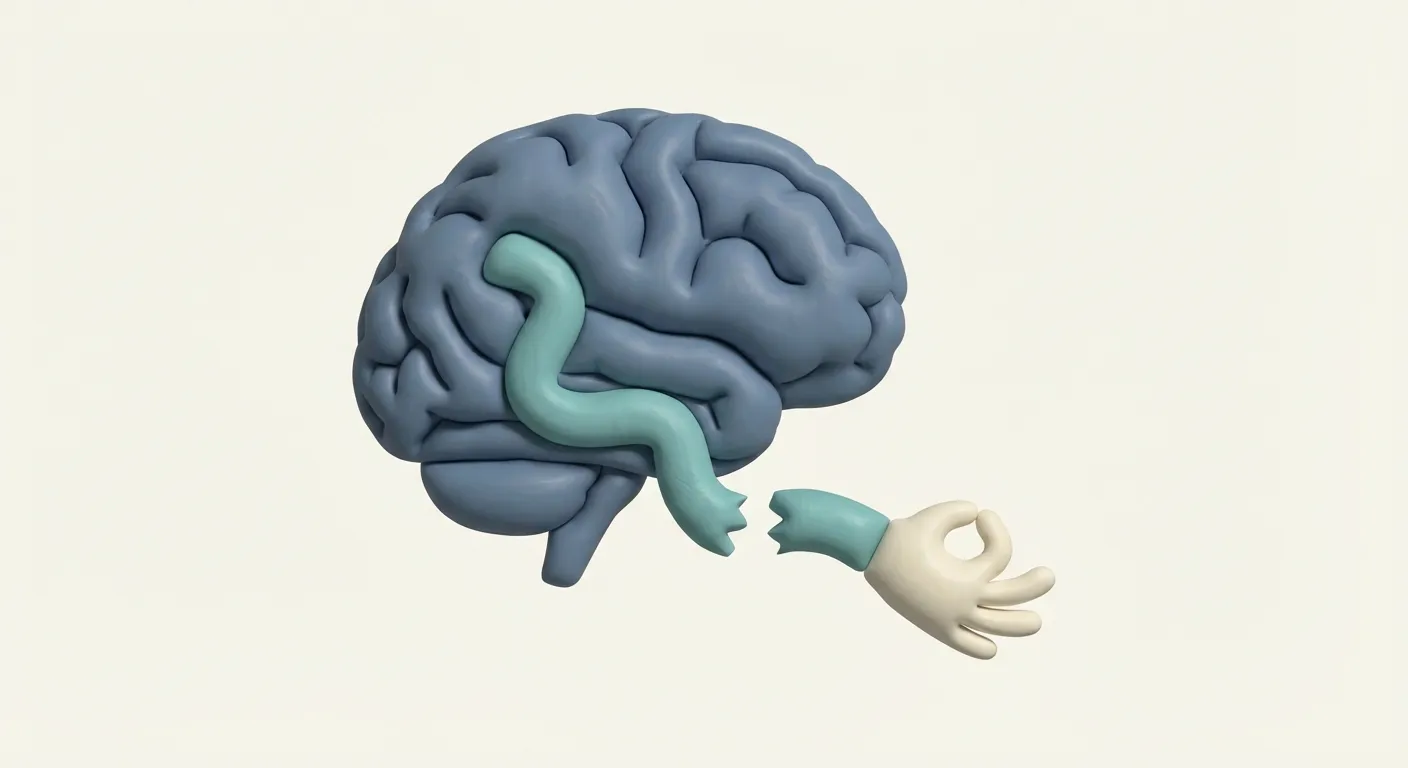
ग्राफोमोटर लूप वह तंत्रिका सर्किट है जो लिखने के इरादे को समन्वित हाथ की गति में बदल देता है। इसमें कम से कम तीन सहयोगी प्रणालियाँ शामिल हैं: प्रीमोटर कॉर्टेक्स, जो मोटर योजनाओं को उत्पन्न और अनुक्रमित करता है; सेरिबैलम, जो फीडबैक के विरुद्ध उन योजनाओं को कैलिब्रेट करता है और वास्तविक समय में त्रुटियों को समायोजित करता है; और बेसल गैन्ग्लिया, जो संग्रहीत मोटर कार्यक्रमों को अनुक्रमित और आरंभ करता है। ये प्रणालियाँ लिखने के दौरान लगातार संवाद करती हैं, प्रत्येक स्ट्रोक के साथ योजना को अपडेट करती हैं, आउटपुट की इरादे से तुलना करती हैं, और तुरंत सुधार करती हैं।
मोटर डिस्ग्राफिया में, यह लूप इसके एक या अधिक नोड्स पर बाधित हो जाता है। न्यूरोइमेजिंग अध्ययनों ने सेरिबैलम और सुपीरियर पैराइटल लोब्यूल — एक ऐसा क्षेत्र जो प्रोप्रियोसेप्टिव जानकारी (मेरा हाथ कहाँ है?) को स्थानिक जानकारी (अक्षर कहाँ होना चाहिए?) के साथ एकीकृत करता है — में मोटर डिस्ग्राफिया वाले व्यक्तियों में संरचनात्मक अंतरों की पहचान की है। प्रीमोटर कॉर्टेक्स नियंत्रणों की तुलना में लिखने के दौरान कम सक्रियता दिखाता है।
इसका व्यावहारिक परिणाम एक ग्राफोमोटर लूप है जो गति से सुचारू रूप से काम नहीं कर सकता। क्षतिपूर्ति करने के लिए, मस्तिष्क धीमा हो जाता है। लेकिन धीमा करने से आउटपुट में विश्वसनीय रूप से सुधार नहीं होता है — क्योंकि समस्या गति नहीं है, यह कैलिब्रेशन ही है। जो स्ट्रोक नियोजित किया गया था और जो स्ट्रोक कागज पर आता है, वे एक ही स्ट्रोक नहीं हैं। फीडबैक लूप जिसे इसे ठीक करना चाहिए, वह देर से चल रहा है या शोर के साथ चल रहा है।
और यहाँ वह है जो मोटर डिस्ग्राफिया को विशेष रूप से क्रूर बनाता है: व्यक्ति अक्सर स्पष्ट रूप से देख सकता है कि अक्षर गलत दिख रहा है। दृश्य प्रणाली अक्षुण्ण है। समस्या पहचान नहीं है; यह सुधार है। सुधार लूप वही लूप है जो बिगड़ा हुआ है, इसलिए यह जानना कि एक अक्षर गलत दिखता है, स्वचालित रूप से एक बेहतर संस्करण उत्पन्न नहीं करता है। यह एक अधिक चिंतित, अत्यधिक नियंत्रित प्रयास उत्पन्न करता है — जो अक्सर बदतर दिखता है।
यही कारण है कि अधिक प्रयास करने से मोटर डिस्ग्राफिया का आउटपुट अधिक श्रमसाध्य, अधिक संकुचित, अधिक असंगत हो जाता है — बेहतर नहीं। प्रयास स्वयं एक पहले से ही शोरगुल वाले सिस्टम में अधिक शोर पैदा करता है। उचित प्रतिक्रिया अधिक नियंत्रण नहीं बल्कि एक अलग मार्ग है: टाइपिंग, वॉयस डिक्टेशन, या टेक्स्ट-टू-स्पीच, जो ग्राफोमोटर लूप को पूरी तरह से बायपास करते हैं और मस्तिष्क की बाकी क्षमताओं को उस घर्षण के बिना प्रदर्शन करने की अनुमति देते हैं।
- ग्राफोमोटर लूप में प्रीमोटर कॉर्टेक्स, सेरिबेलम और बेसल गैन्ग्लिया वास्तविक समय में सहयोग करते हैं - मोटर डिस्ग्राफिया संरचनात्मक स्तर पर इस सहयोग को बाधित करता है।
- सुपीरियर पैराइटल लोब्यूल लेखन के दौरान प्रोप्रियोसेप्टिव और स्थानिक जानकारी को एकीकृत करता है - यहां अंतर खराब स्थानिक लेआउट और अक्षर आकार को स्पष्ट करते हैं।
- किसी अक्षर के गलत दिखने का पता चलने से वह अपने आप ठीक नहीं हो जाता - सुधार उसी त्रुटिपूर्ण चक्र पर निर्भर करता है, जिससे नियंत्रण के बिना जागरूकता का निराशाजनक अनुभव होता है।
- अधिक प्रयास करने से अक्सर मोटर डिस्ग्राफिया बेहतर होने के बजाय और बिगड़ जाता है - उचित प्रतिक्रिया टाइपिंग या आवाज के माध्यम से इस चक्र को तोड़ना है, न कि इसके माध्यम से प्रयास बढ़ाना।
भाषाई विकृति: जब भाषा नेटवर्क अलग तरह से लिखते हैं
मस्तिष्क में भाषा एक एकल प्रणाली नहीं है। बोलना, सुनना, पढ़ना और लिखना, प्रत्येक अतिव्यापी लेकिन विशिष्ट तंत्रिका नेटवर्क को सक्रिय करते हैं — और लिखने के नेटवर्क में ऐसे घटक होते हैं जो बोलने के नेटवर्क में नहीं होते।
भाषाई डिस्ग्राफिया में भाषा प्रसंस्करण नेटवर्क में व्यवधान शामिल होता है जो विशेष रूप से लिखित आउटपुट में शामिल होते हैं। इनमें वर्निके का क्षेत्र (जो भाषा की समझ और शब्द पुनर्प्राप्ति में शामिल है), एंगुलर जाइरस (ध्वन्यात्मक और वर्तनी संबंधी जानकारी को एकीकृत करने के लिए एक महत्वपूर्ण केंद्र), और इन क्षेत्रों तथा ललाट मोटर क्षेत्रों के बीच के कनेक्शन शामिल हैं। जब ये सर्किट अलग तरह से कार्य करते हैं, तो लेखन शब्द चयन, वर्तनी और वाक्य निर्माण के स्तर पर प्रभावित होता है — भले ही बोली जाने वाली भाषा धाराप्रवाह और समृद्ध हो।
मुख्य तंत्र ध्वन्यात्मक-से-वर्तनी रूपांतरण मार्ग है। लिखते समय, मस्तिष्क को न केवल एक शब्द को पुनः प्राप्त करना होता है, बल्कि उसके ध्वन्यात्मक रूप (उसकी ध्वनियाँ) को उसके वर्तनी संबंधी रूप (उसके अक्षर अनुक्रम) पर भी मैप करना होता है। यह मैपिंग अंग्रेजी में तुच्छ नहीं है, जहाँ ध्वन्यात्मकता और वर्तनी अक्सर भिन्न होती हैं। एंगुलर जाइरस इस क्रॉस-मॉडल मैपिंग में एक केंद्रीय भूमिका निभाता है — और वर्तनी-आधारित लेखन कठिनाइयों वाले व्यक्तियों के न्यूरोइमेजिंग अध्ययनों में एंगुलर जाइरस कनेक्टिविटी में अंतर दिखाई देते हैं।
इसका परिणाम एक विशिष्ट पैटर्न होता है: शब्द वैसे ही लिखे जाते हैं जैसे वे सुनाई देते हैं (जैसे though को thot; because को becuz), शब्दों के भीतर अक्षर छोड़े या बदले जाते हैं, फंक्शन शब्द (पूर्वसर्ग, लेख, संयोजक) पूरी तरह से छोड़ दिए जाते हैं, और बोलने की तुलना में लिखते समय वाक्य-विन्यास सरल हो जाता है। विचार मौजूद होते हैं। लिखित रूप में भाषाई वाहन में खामियाँ होती हैं।
इसे कभी-कभी डिस्लेक्सिया के साथ भ्रमित किया जाता है, जिसमें ध्वन्यात्मक प्रसंस्करण संबंधी कठिनाइयाँ शामिल होती हैं जो पढ़ने और वर्तनी दोनों को प्रभावित करती हैं। भाषाई डिस्ग्राफिया वर्तनी को गंभीर रूप से प्रभावित कर सकता है जबकि पढ़ने को काफी हद तक अक्षुण्ण छोड़ सकता है — क्योंकि पढ़ना उसी ध्वन्यात्मक-वर्तनी मार्ग के साथ प्रसंस्करण की एक अलग दिशा है। हस्तक्षेप के लिए यह अंतर मायने रखता है: ध्वन्यात्मक जागरूकता को लक्षित करना (जैसा कि डिस्लेक्सिया थेरेपी में होता है) भाषाई डिस्ग्राफिया के लिए वर्तनी संबंधी स्मृति प्रशिक्षण और बाईपास रणनीतियों की तुलना में कम प्रभावी हो सकता है।
वॉयस-टू-टेक्स्ट तकनीक यहाँ विशेष रूप से मूल्यवान है, क्योंकि यह ध्वन्यात्मक-वर्तनी रूपांतरण को पूरी तरह से बाईपास कर देती है। मस्तिष्क की मौखिक शक्ति सीधे कैप्चर की जाती है। त्रुटियाँ पैदा करने वाला रूपांतरण चरण समीकरण से हटा दिया जाता है।
- भाषाई डिस्ग्राफिया में एंगुलर गाइरस और टेम्पोरल भाषा नेटवर्क शामिल होते हैं - ध्वन्यात्मक से वर्तनी रूपांतरण मार्ग कम विश्वसनीयता के साथ चलता है।
- वर्तनी की गलतियाँ, छूटे हुए क्रियात्मक शब्द और सरलीकृत वाक्य संरचना मजबूत मौखिक तर्क के साथ सह-अस्तित्व में हो सकते हैं - ये अलग-अलग तंत्रिका तंत्र हैं।
- भाषाई विकृति वर्तनी को प्रभावित कर सकती है जबकि पढ़ने की क्षमता अपेक्षाकृत बरकरार रहती है - यही कारण है कि यह डिस्लेक्सिया से अलग है, जो मुख्य रूप से ध्वन्यात्मक है।
- वॉइस-टू-टेक्स्ट तकनीक रूपांतरण की बाधित प्रक्रिया को दरकिनार करते हुए मौखिक शक्ति को सीधे कैप्चर करती है - यह इस उपप्रकार के लिए सबसे प्रभावी समाधानों में से एक है।

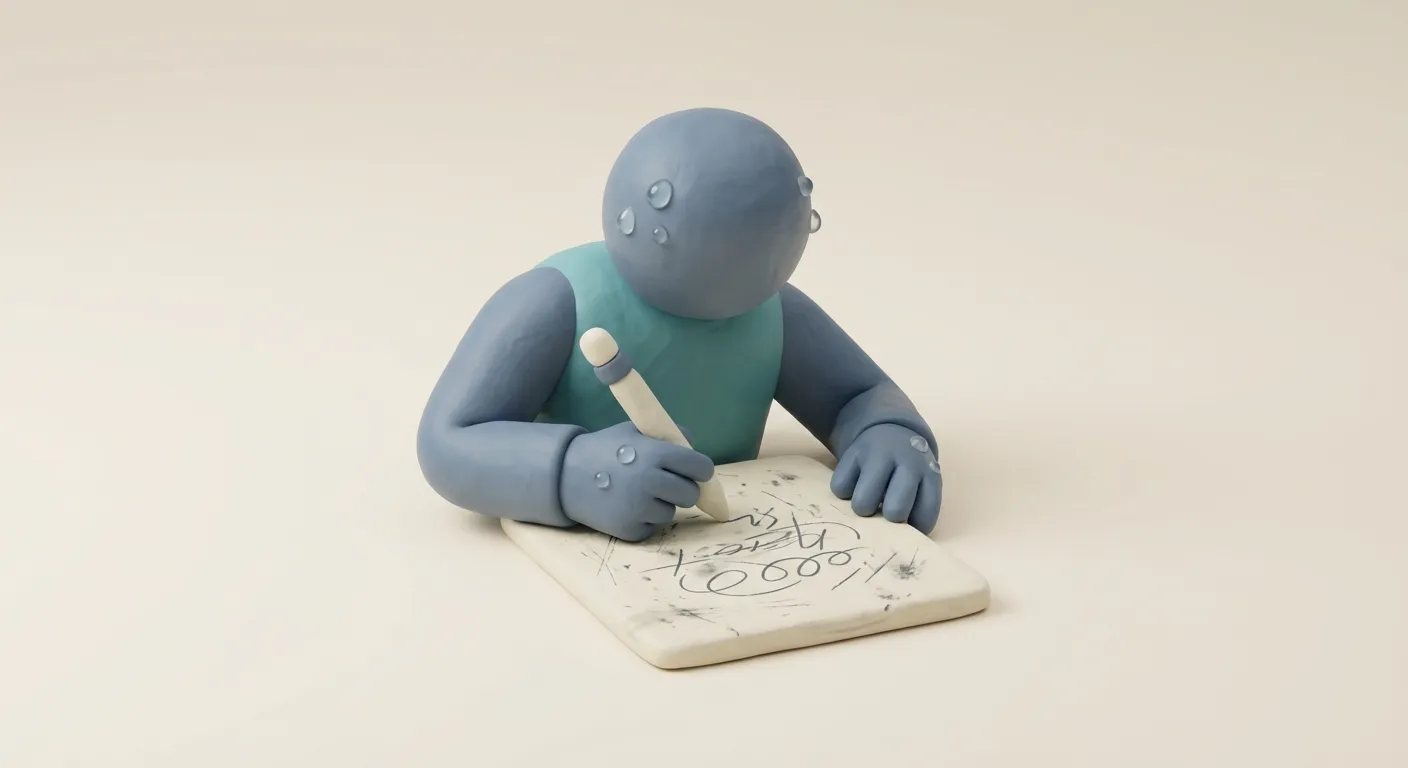

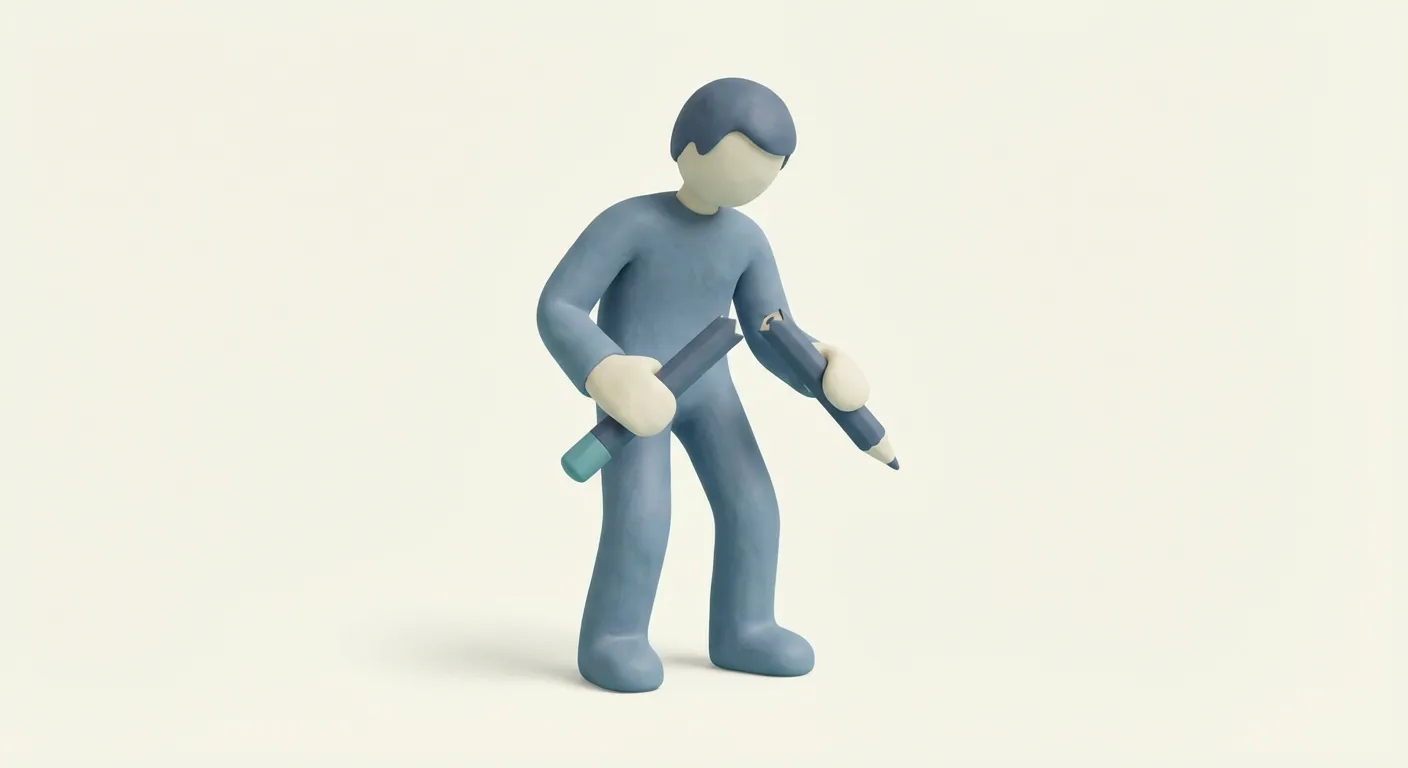

![मोटर डिस्ग्राफिया: सेरिबैलम और बेसल गैन्ग्लिया में अंतर से जुड़ा हुआ है जो सूक्ष्म मोटर नियंत्रण को प्रभावित करता है [9]। इसकी विशेषता अक्षरों का अनियमित आकार, धीमी लेखन गति और हाथ की थकान है। जबकि वर्तनी सही हो सकती है, लिखने का शारीरिक कार्य अत्यधिक प्रयासपूर्ण होता है। यह अक्सर विकासात्मक समन्वय विकार के साथ सह-घटित होता है।](/images/neurotypes/clay/dysgraphia/type-dysgraphia-1.webp)