Rejection Sensitive Dysphoria (RSD): Why ADHD Brains Feel Criticism Like a Wound
RSD is the part of adult ADHD that most people never hear about until they are deep in it, the extreme emotional pain triggered by perceived rejection, criticism, or failure that can flood your entire nervous system in seconds and take hours or days to clear.
This article is for information only and does not constitute medical advice. If you recognise yourself in what follows, please speak with a qualified clinician.
The 11-second collapse after one critical Slack message

You get a message from your manager. It says something like: “Can we quickly revisit the approach on this?” Nothing aggressive. No capitals. A question mark, not a knife. And yet within 11 seconds your chest is tight, your face is flushing, and you are already drafting resignation letters in your head.
Or a friend leaves your message on read for four hours. Or your partner sighs slightly before answering a question you asked. Or a colleague says “noted” instead of “great idea”. In each case, your nervous system registers the event as catastrophic, as proof of something you have always feared about yourself, and it takes the rest of the day, sometimes longer, to claw back to baseline.
The hardest part is not the episode itself. It is the shame that follows: the voice that says you are too sensitive, that normal people do not collapse over a Slack notification, that there is something fundamentally wrong with you that no amount of therapy or self-improvement seems to fix. You start building quiet avoidance strategies. You stop pitching ideas in meetings. You do not apply for the job because the rejection email would be unbearable. You pull back from relationships before they can pull back from you.
This pattern has a name. Understanding it does not make the pain stop immediately, but it does stop you from adding a layer of self-blame on top of an already painful experience. And that, as it turns out, is where most of the suffering actually lives.
The name is Rejection Sensitive Dysphoria, or RSD. And it is one of the most common, and most under-discussed, features of ADHD in adults.
What RSD actually is
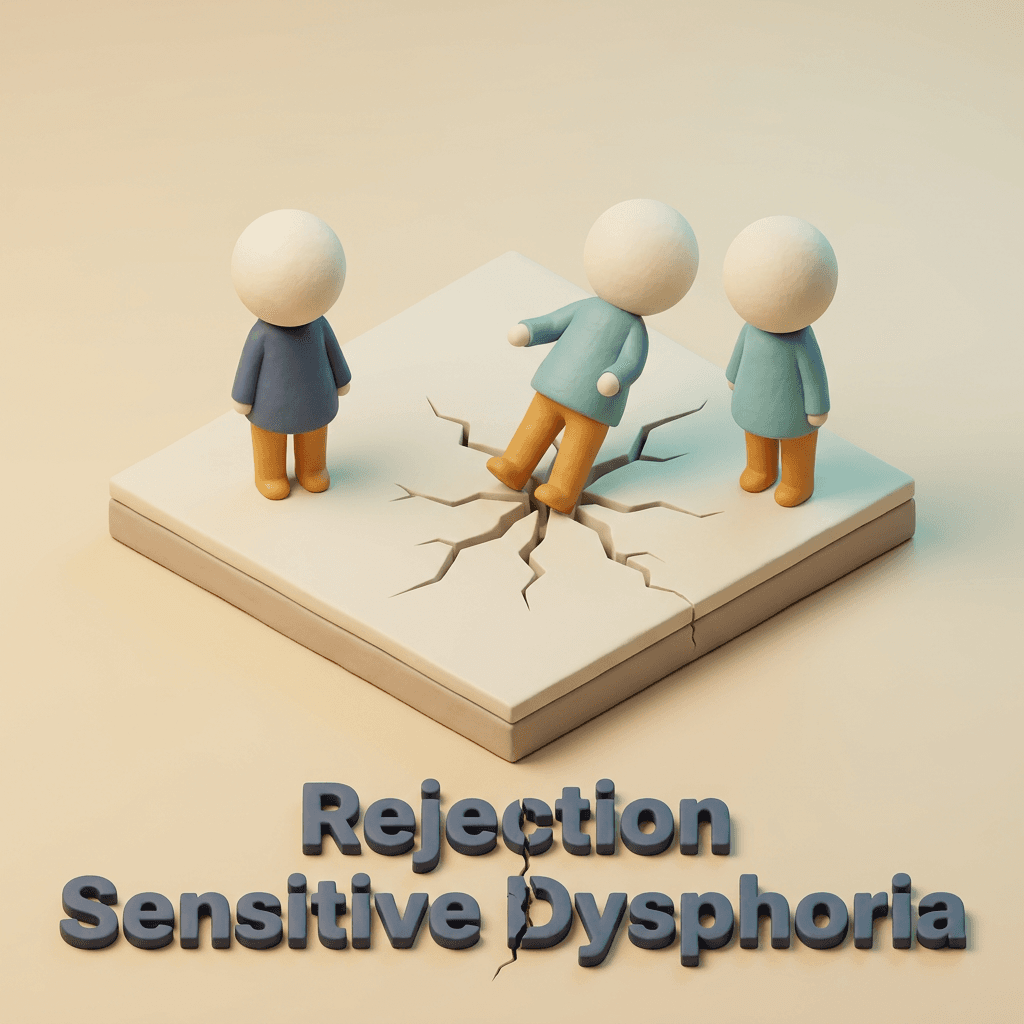
The term Rejection Sensitive Dysphoria was coined by Dr William Dodson, a psychiatrist who has specialised in ADHD for over three decades (Dodson, 2015). The word “dysphoria” comes from the Greek for “difficult to bear”, which is accurate. RSD describes the extreme, often sudden emotional pain that many ADHD adults experience in response to perceived rejection, criticism, teasing, or failure. The word “perceived” matters: the rejection does not have to be real or intended. Your brain registers it as real, and the pain that follows is just as intense.
RSD is not currently listed as a separate diagnosis in the DSM-5-TR or ICD-11. It is better understood as a dimensional feature, a pattern of emotional response, that sits within the broader ADHD picture. Importantly, emotional dysregulation was formally incorporated as a recognised feature of ADHD in the DSM-5-TR update in 2022, which reflects decades of clinical observation and research confirming that the emotional difficulties in ADHD are not incidental. They are part of the condition.
Dodson (2015) estimated that up to 99% of ADHD adults report severe emotional sensitivity to perceived rejection. Yet many of those same adults were never told this was related to their ADHD. Instead, they spent years believing they were uniquely, inexplicably fragile, or accumulating diagnoses (depression, anxiety, borderline traits) that were actually downstream effects of an unaddressed core symptom.
Getting the right name changes what you can do about it. It shifts the frame from “I am broken” to “my brain is doing something specific and understandable, and there are tools for this.”
Why ADHD brains feel rejection so much harder
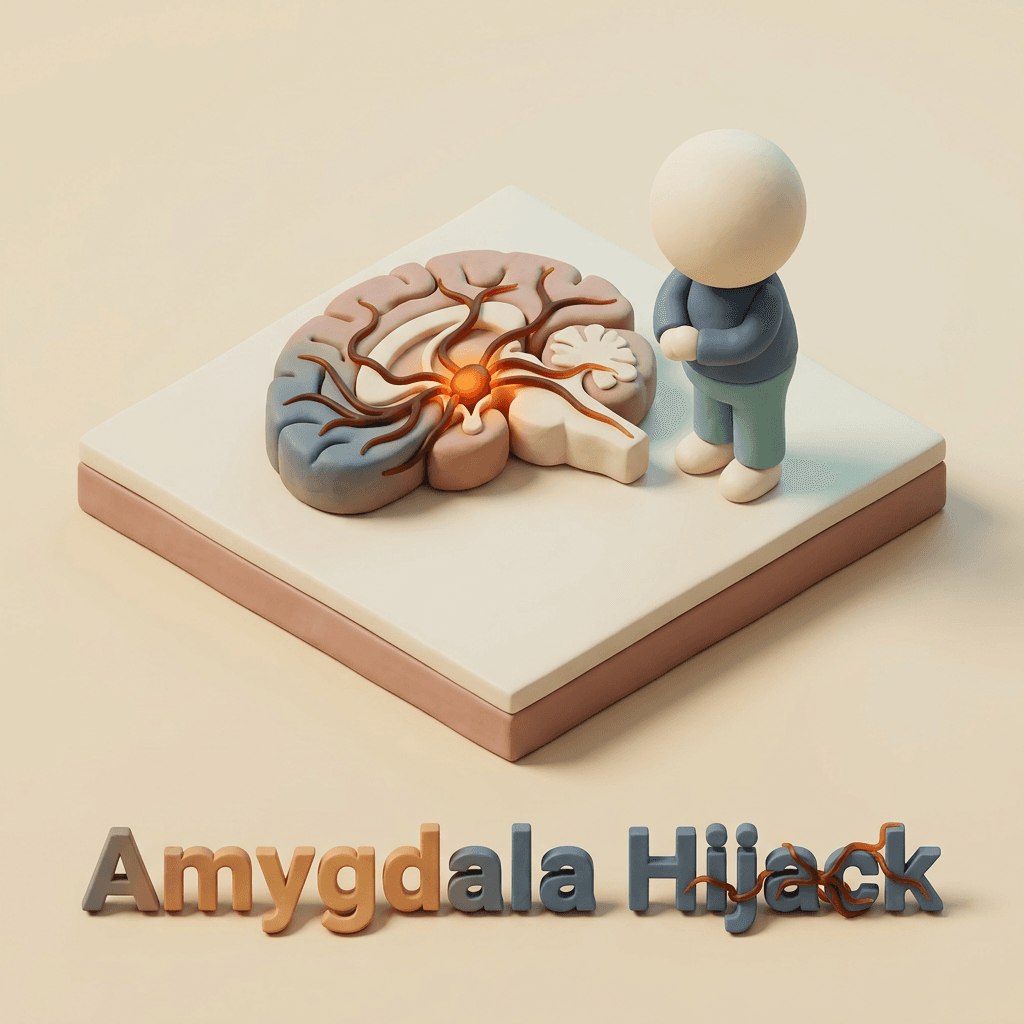
Emotional regulation difficulties are not a side effect of ADHD, they are a core feature of it. Research by Shaw et al (2014) found structural differences in the fronto-limbic circuits responsible for emotional regulation in people with ADHD. Faraone et al (2019), in a large meta-analysis, confirmed that emotional dysregulation is among the most impairing dimensions of ADHD across the lifespan, yet remains systematically under-recognised in diagnostic frameworks.
The mechanism matters for understanding RSD. In a typical emotional-regulation sequence, the prefrontal cortex (the brain's “managing director”) receives a threat signal from the amygdala (the brain's alarm system), evaluates it in context, and modulates the response: “yes this is upsetting, but it is not catastrophic, let's calibrate.” In ADHD, this frontal-limbic loop is weaker. The alarm goes off at full volume. The managing director is understaffed. The modulation step is delayed or absent.
Dopamine adds another layer. ADHD involves dysregulation of the dopamine system, including the reward-prediction machinery. When perceived rejection arrives, the brain's reward-prediction error system does not say “minor social setback”. It can register the event as a catastrophic loss, the emotional equivalent of a fire alarm for a lit candle. The pain is proportionate to the signal the brain receives, not to the external event that triggered it.
The executive function system, which supports working memory, flexible thinking, and emotional braking, is also implicated. When executive load is high (tired, stressed, overstimulated), RSD episodes become more intense and more frequent.
The AskSheldon framing: RSD is not oversensitivity. It is an under-modulated emotional response in a brain wired for high stakes. The sensitivity itself is not the problem. The problem is the absence of a reliable volume dial.
What RSD looks like in real life

RSD does not always look like crying in the bathroom after a hard conversation. It is often far quieter, and far more structurally damaging to a person's life.
- Reading a “noted” as angerA colleague sends a one-word reply to your proposal. Your brain starts running threat-detection at full speed: are they annoyed? Did you overstep? Should you apologise? You cannot focus on anything else for the rest of the afternoon.
- Avoiding job applicationsYou are qualified. You know you are qualified. But the thought of receiving a rejection email is so viscerally painful that you do not apply at all. The career consequence is real; the cause is invisible.
- Ending relationships preemptivelyIf you leave first, you cannot be left. This logic is completely understandable from the inside. From the outside it looks like sabotage. It is often neither, it is a self-protection strategy built on a history of unbearable emotional pain.
- The rage spikeRSD does not always present as sadness or withdrawal, particularly in men. It often comes out as a sudden, disproportionate flash of anger. The fight response rather than the flight response. The anger passes, the shame about the anger stays.
- Perfectionism as rejection-avoidanceYears of never submitting work unless it is flawless, never speaking in meetings unless certain, never sharing creative work at all. This is not high standards, it is the exhausting effort of preventing the moment where someone finds fault.
- Imposter syndrome that ignores the evidenceYou have the qualifications, the reviews, the track record. It does not matter. The RSD filter on incoming information is not calibrated to evidence, it is calibrated to threat. Good feedback bounces off; any hint of criticism lands like a verdict.
Ready to explore further?
Take a free screening, chat with Sheldon, or explore 30+ neurotypes in depth.
RSD vs BPD vs trauma, why this matters
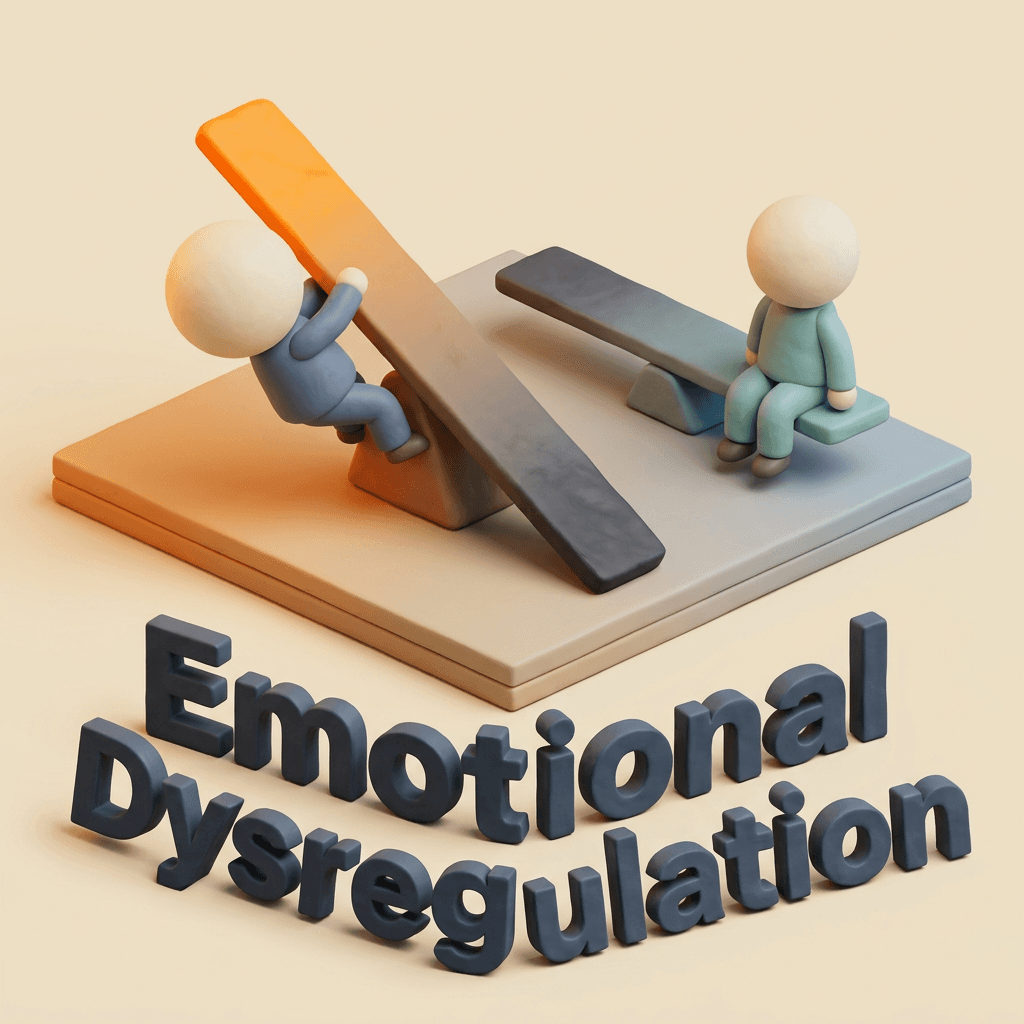
Getting this distinction right is clinically important, because the treatments are meaningfully different. RSD, Borderline Personality Disorder (BPD), and complex trauma can look remarkably similar on the surface, all three involve intense emotional responses to perceived rejection. But the underlying structure is different.
RSD in ADHD is episodic and contextually anchored. It is triggered by a specific perceived rejection event, the ambiguous message, the missed call, the critical comment, and it typically resolves once the perception clears. Within hours to days, the person is usually back to baseline. There is no chronic disturbance of identity between episodes. People with RSD often describe knowing, intellectually, that the perceived rejection is probably not as bad as it feels. The knowledge does not help in the moment. But it is there.
Borderline Personality Disorder involves a pervasive and persistent pattern: chronic fear of abandonment, unstable sense of identity across contexts (not just in RSD episodes), intense and rapidly shifting moods, and a wider history of unstable relationships and self-image. The fear of abandonment in BPD is not episodic, it is a near-constant organising theme. The two conditions can co-occur, and research suggests that undiagnosed ADHD is common in people presenting with BPD traits.
Complex trauma (C-PTSD) can mimic both. If a person grew up in an environment where rejection, criticism, or abandonment were genuinely dangerous or unpredictable, the nervous system adapts accordingly, and those adaptations can look like BPD, like RSD, or like both. Trauma-informed assessment is essential before any of these labels are applied.
Misdiagnosis goes both ways. People with ADHD and RSD sometimes receive a BPD diagnosis when their emotional dysregulation is actually downstream of untreated ADHD. People with BPD sometimes have their very real condition minimised as “just RSD”. Both errors cause harm.
This is genuinely complex differential territory. The point of naming these distinctions is not to self-diagnose, it is to know that they exist, and to seek an assessment with a clinician who knows what questions to ask. If you are experiencing intense emotional pain around rejection and it is affecting your life, you deserve a proper formulation, not just a label applied at a single appointment. See our screening tests as a first step, they are not diagnostic but they can help you articulate your experience before a clinical conversation.
What actually helps
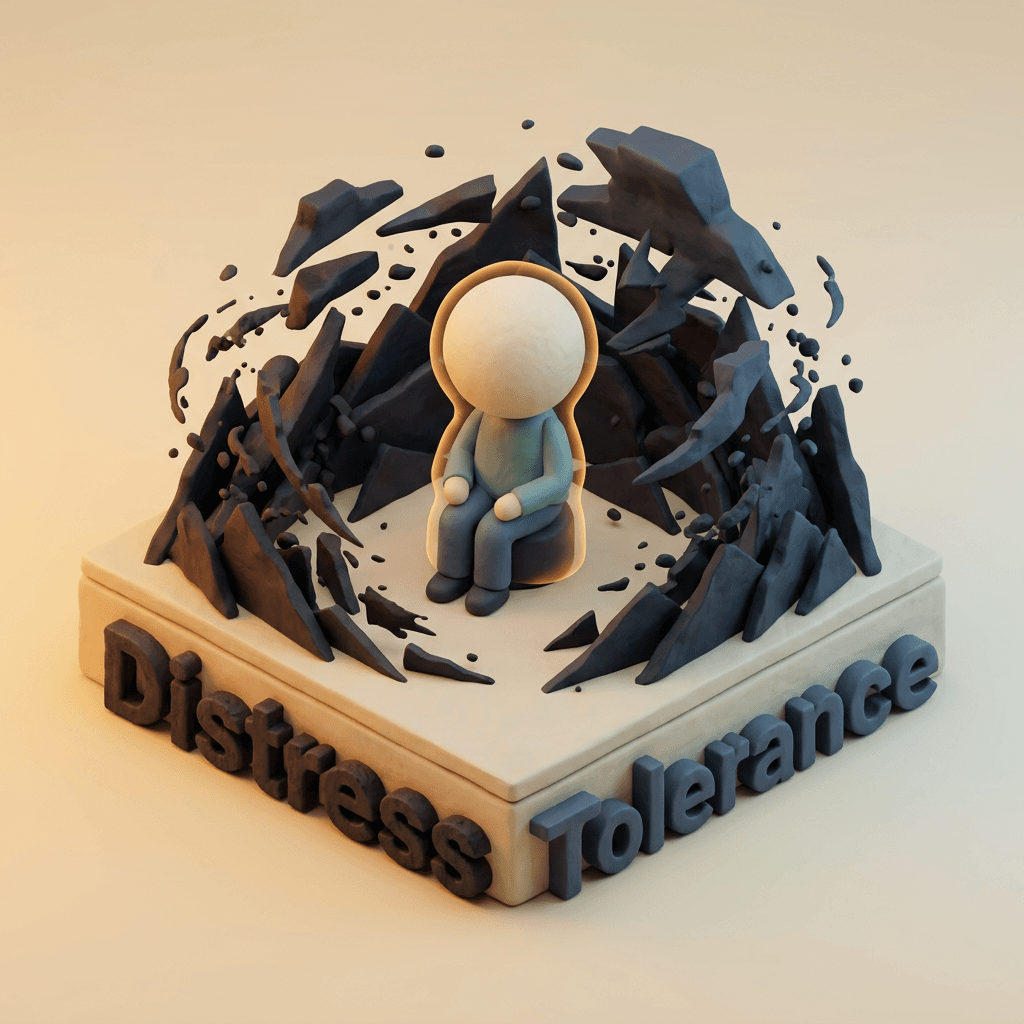
RSD is one of the symptoms most likely to improve with the right combination of tools, but the tools need to operate at three different levels: in the moment, through therapy over time, and sometimes with medication. Here is what the evidence and clinical experience actually support.
In the moment
The first and most underrated intervention is naming: saying to yourself, out loud if possible, “this is RSD, not reality.” It does not stop the pain. But it creates a small gap between the experience and the interpretation. That gap is where behaviour change lives.
The 90-second physiological reset works because the peak of a stress hormone surge lasts roughly 90 seconds (LeDoux, 2015). Cold water on the wrists or face, 4-7-8 breathing (inhale 4 counts, hold 7, exhale 8), or a brisk walk changes the body state faster than trying to think your way out of it. You are not arguing with the emotion, you are changing the physiological context it is running in.
Do not send the message. The response you draft during an RSD episode, whether it is a furious reply, a grovelling apology, or a resignation letter, is almost never what you would write once the wave has passed. Give yourself a hard rule: nothing with emotional weight gets sent for at least two hours after an RSD trigger.
Therapy
Acceptance and Commitment Therapy (ACT)is particularly well-suited to RSD because it does not try to eliminate difficult emotions, it works on reducing the behaviours those emotions drive (avoidance, preemptive ending of relationships, perfectionism paralysis). ACT teaches defusion: creating distance between the thought “I am worthless” and the belief that it is literally true.
DBT skills (Dialectical Behaviour Therapy, originally developed for BPD but now widely adapted) offer highly practical tools for distress tolerance and mindfulness that translate well to RSD. The TIPP skill (Temperature, Intense exercise, Paced breathing, Paired muscle relaxation) maps almost exactly onto the physiological reset described above.
CBT adapted for ADHD targets the specific cognitive distortions common in RSD: mind-reading (assuming you know what the critical Slack message means), catastrophising (one piece of feedback = career over), and emotional reasoning (I feel rejected therefore I am rejected).
Medication
Stimulant medication, the primary treatment for ADHD, often reduces RSD intensity by improving overall emotional regulation, not just attention. When the frontal-limbic loop works better, the modulation of rejection pain improves alongside it. Many adults who begin stimulant treatment report that RSD is one of the first things they notice improving.
Some clinicians prescribe alpha-2 agonists (clonidine or guanfacine) specifically for RSD-driven emotional intensity, particularly in adults for whom stimulants alone do not fully address the emotional dysregulation. The evidence base for this specific use is still developing, and it is not a universal recommendation, but it is a legitimate option to discuss with a prescribing clinician who knows the ADHD literature.
Relationship scaffolding
This is often the most overlooked layer, and frequently the one with the most immediate quality-of-life impact. Pre-agreed scripts with partners and close friends reduce the damage RSD does to relationships. A simple example: “When I say I'm in a spiral, I need 30 minutes of space before we talk about it.” This gives your nervous system the deactivation time it needs without the other person reading the withdrawal as coldness or anger.
Avoid text and email for emotionally loaded conversations wherever possible. The absence of tone, facial expression, and real-time feedback makes text-based communication an almost guaranteed RSD amplifier. When something matters, say it on a call or in person. The information your brain needs to calibrate the interaction is simply not available in a typed message.
Frequently Asked Questions
Is RSD a real diagnosis?
RSD is not a separate diagnosis in DSM-5-TR or ICD-11. It is a clinical descriptor used by leading ADHD specialists (Dodson 2015) for the severe emotional pain in response to rejection that many ADHD adults experience. Emotional dysregulation IS now recognised as a core feature of ADHD in DSM-5-TR (2022).
Is RSD the same as BPD?
No. RSD is triggered by a specific perceived rejection event and lifts once the perception clears, often within hours to days. Borderline Personality Disorder involves chronic identity disturbance, persistent fear of abandonment, and a wider pattern of unstable relationships and self-image. The two can co-occur, and they are sometimes confused. Only a qualified clinician can disambiguate them.
Can you have RSD without ADHD?
RSD is most commonly described in the context of ADHD, but rejection-sensitivity also appears in atypical depression, autism, complex trauma, and some personality presentations. If you experience extreme emotional pain around perceived rejection, an assessment with a qualified clinician is the right next step, RSD-like symptoms can have several underlying causes.
Why does criticism feel physically painful with RSD?
Brain imaging shows that social rejection activates many of the same neural circuits as physical pain (Eisenberger et al 2003). In ADHD adults, the prefrontal modulation of these circuits is weaker, meaning the pain signal arrives full force without the usual cognitive dampening. The pain is real, the wound just is not visible.
Does medication help RSD?
Stimulant medication often reduces RSD intensity by improving overall emotional regulation. Some clinicians prescribe alpha-2 agonists like clonidine or guanfacine specifically for RSD-driven emotional dysregulation, though the evidence base is still developing. Medication is one tool, therapy (ACT, DBT skills, CBT for ADHD) is another. Both decisions belong with you and a prescriber, not the internet.
Why does RSD often present as anger?
RSD is the brain's protective response to feeling exposed or rejected. Anger is one of the fastest ways to push away the threat. In men especially, anger is socialised as more acceptable than tears, so RSD often shows up as a rage spike followed by guilt. Underneath, the wound is usually shame, not aggression.
Will RSD ever go away?
The underlying neurological wiring is part of ADHD and stays put. The intensity and frequency of RSD episodes drop significantly with three things over time: a name for the experience (so you stop attacking yourself), regulation skills (so you can ride the wave without acting on it), and treatment of the underlying ADHD. Many adults describe RSD as the symptom that improves most after diagnosis.
Start your journey with AskSheldon
Free tools to explore, screen, and understand your neurodivergent mind.
Built by neurodivergent minds. 30+ conditions explored. Always free.
Sources
- Dodson, W. (2015). Rejection sensitive dysphoria. ADDitude Magazine.
- Shaw, P., Stringaris, A., Nigg, J., & Leibenluft, E. (2014). Emotion dysregulation in attention deficit hyperactivity disorder. American Journal of Psychiatry, 171(3), 276–293.
- Faraone, S. V., et al. (2019). Attention-deficit/hyperactivity disorder. Nature Reviews Disease Primers, 5(1), 88.
- Eisenberger, N. I., Lieberman, M. D., & Williams, K. D. (2003). Does rejection hurt? An fMRI study of social exclusion. Science, 302(5643), 290–292.
- LeDoux, J. (2015). Anxious: Using the Brain to Understand and Treat Fear and Anxiety. Viking.
- American Psychiatric Association. (2022). Diagnostic and Statistical Manual of Mental Disorders (DSM-5-TR). APA Publishing.