ADHD in Women — Signs Often Missed
ADHD in women is one of the most underdiagnosed conditions in medicine. Diagnostic criteria were built around hyperactive boys, leaving millions of women with inattentive ADHD unidentified for decades. Women are more likely to internalise their symptoms, develop compensatory strategies, and receive diagnoses of anxiety or depression before anyone considers ADHD.
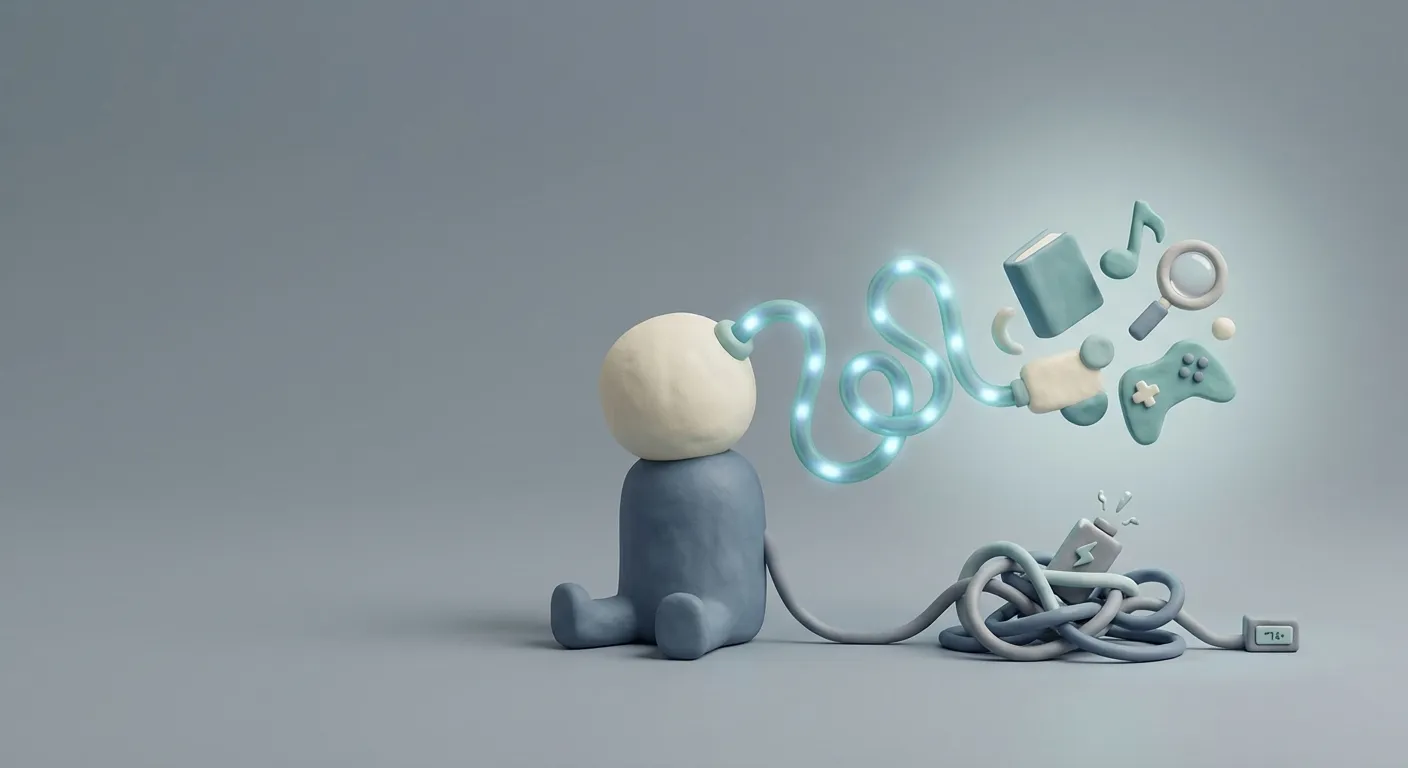
For our full guide to ADHD — including lived experiences, the neuroscience, and how ADHD intersects with other conditions — visit our comprehensive ADHD page.
How ADHD Presents Differently in Women

While hyperactive ADHD in boys often leads to classroom disruption and prompt referral, inattentive ADHD in girls tends to be invisible. A girl who stares out of the window, loses her belongings, and forgets assignments may be labelled "scatterbrained" or "dreamy" — rarely does the word ADHD come up. Over time, she learns to compensate: spending twice as long on tasks, writing elaborate reminder systems, and masking the internal chaos behind a capable exterior.
Research by Hinshaw et al. (2012) and Quinn & Madhoo (2014) has documented that women with ADHD experience significantly higher rates of anxiety, depression, eating disorders, and self-harm compared to men with ADHD — largely because they receive diagnosis and support so much later.
Emotional dysregulation is one of the most underrecognised features of ADHD in women. Rejection-sensitive dysphoria (RSD) — intense emotional pain triggered by perceived criticism or failure — is experienced acutely by many women with ADHD and is frequently misdiagnosed as borderline personality disorder or cyclothymia.
Start your journey with AskSheldon
Free tools to explore, screen, and understand your neurodivergent mind.
Signs of ADHD in Women and Girls
Losing items, missing deadlines, forgetting appointments despite genuine effort. Often misread as laziness or lack of motivation.
Intense, quickly shifting emotions. Disproportionate reactions to perceived rejection or criticism. Feeling emotions "too much" compared to peers.
Intense absorption in topics of interest to the exclusion of everything else. Hyperfocus can look like high achievement — masking the ADHD underneath.
A constant sense of being driven by a motor internally — racing thoughts, difficulty switching off — without the visible hyperactivity of the stereotypical presentation.
Colour-coded planners, excessive lists, spending twice as long on tasks as peers. The strategies work — until they don't, typically at points of life transition.
Task initiation paralysis, time blindness, difficulty sequencing multi-step tasks. The gap between intention and action that feels inexplicable even to the person experiencing it.
Why Women Are Underdiagnosed
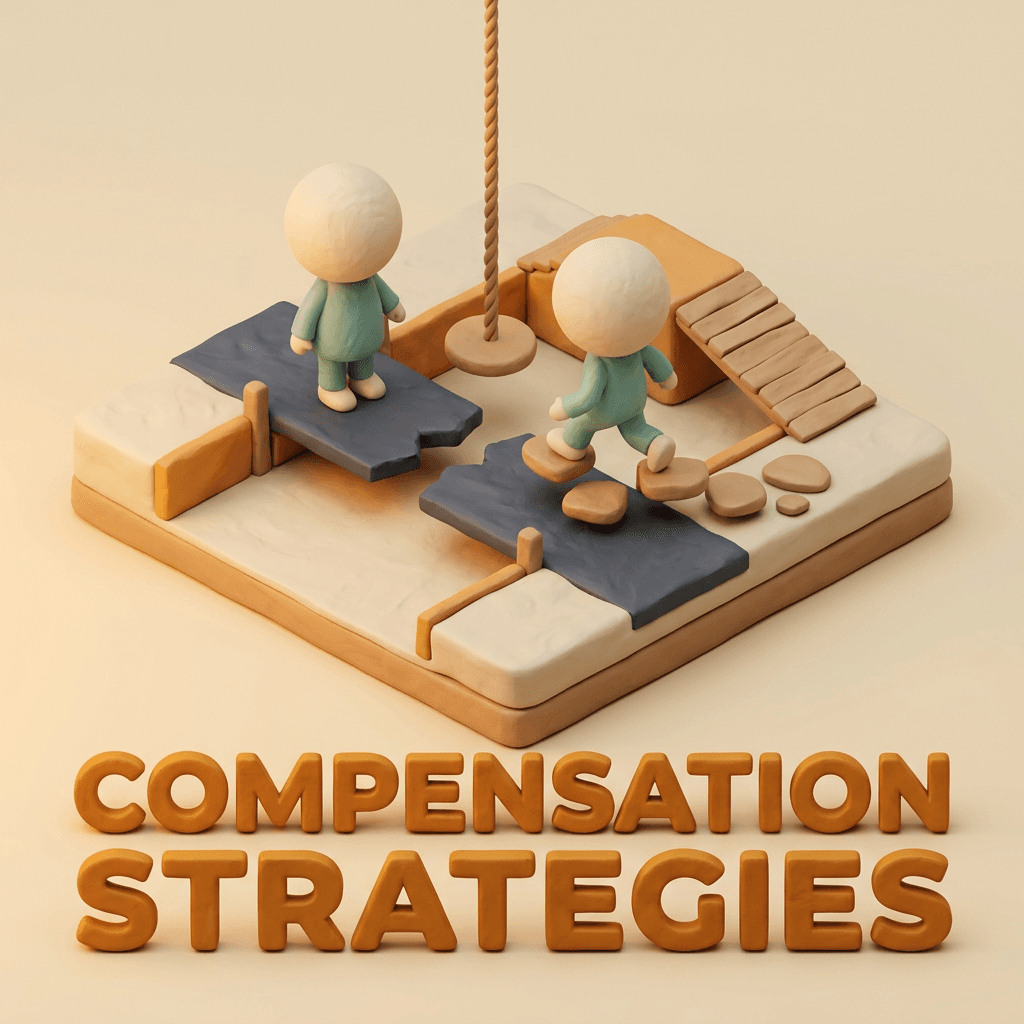
The DSM criteria for ADHD were developed primarily from studies of school-age boys in the 1970s and 1980s. Hyperactivity — running, climbing, inability to stay seated — was the defining feature. Girls who sat quietly but could not focus were not in the research, and their presentations were not captured in the criteria.
Girls are also socialised to be more compliant and self-regulated in school settings. A girl who is disorganised or dreamy may be gently redirected by a teacher; a boy who is disruptive will be referred. By the time a woman reaches adulthood, she may have developed such effective compensatory strategies that her ADHD is functionally invisible — to clinicians, employers, and herself.
Common misdiagnoses for women with ADHD include generalised anxiety disorder, depression, borderline personality disorder, and bipolar disorder. If this resonates, our guide to recognising ADHD in adults may help you explore further.
What You Can Do Right Now
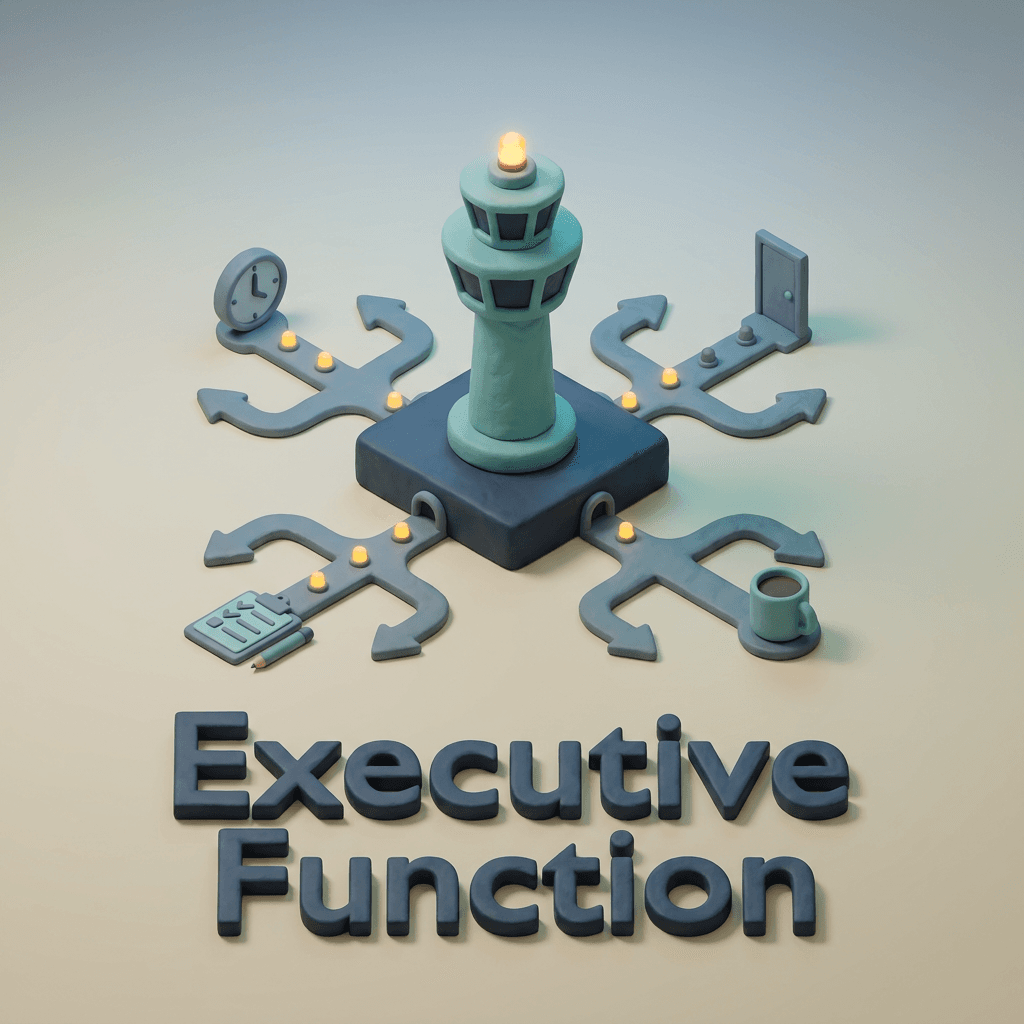
If this page resonates with you, here are practical next steps:
- Talk to your GP. Ask for a referral to a psychiatrist or ADHD specialist. Mention specifically that you believe you may have inattentive ADHD — and that ADHD in women often looks different from the hyperactive stereotype.
- Document your difficulties. Keep a two-week log of specific moments where ADHD symptoms affected you — missed deadlines, forgotten tasks, emotional dysregulation episodes. Concrete examples are far more convincing for assessors than general descriptions.
- Connect with communities. ADHD UK, CHADD, and online communities for women with ADHD offer peer support and practical strategies from people who understand the inattentive, emotional, and hormonal dimensions of ADHD that clinical resources often miss.
AskSheldon provides free ADHD screening tools that look beyond hyperactivity to capture inattentive and emotional dysregulation symptoms. You can chat with Sheldon to explore your experiences in a safe space, or learn more about the ADHD in adults.
Hormonal Impacts on Women with ADHD
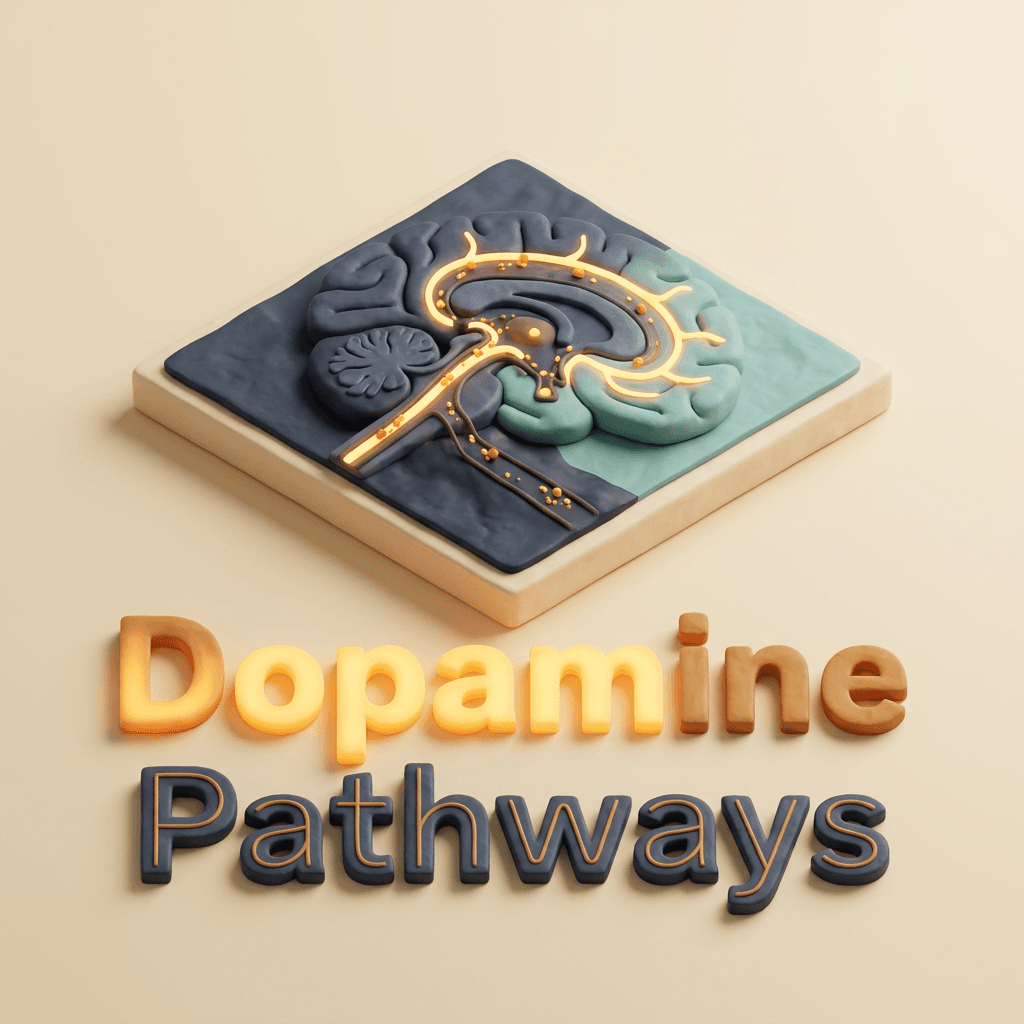
Oestrogen amplifies the effects of dopamine — the neurotransmitter most implicated in ADHD. When oestrogen drops, dopamine availability falls too, and ADHD symptoms intensify. This hormonal–ADHD interaction is poorly understood by most GPs and even many ADHD specialists.
ADHD symptoms frequently worsen in the luteal phase (days 14–28), when oestrogen falls before menstruation. Many women find their medication becomes less effective during this window and require dose adjustments or cyclical titration.
Pregnancy raises oestrogen to its highest levels, sometimes temporarily improving ADHD symptoms. The postpartum crash in oestrogen can trigger significant ADHD exacerbation — often mistaken for postpartum depression.
The sustained oestrogen decline of perimenopause can dramatically worsen ADHD in women who previously managed well. Many women are first diagnosed with ADHD in their 40s and 50s as their compensatory strategies collapse under the hormonal shift.
The Intersection of ADHD and Eating Disorders

Research by Nazar et al. (2016) found that binge eating disorder is significantly more prevalent in people with ADHD — and the association is especially strong in women. Understanding this overlap changes the treatment approach entirely.
ADHD impulsivity can drive binge eating episodes that have nothing to do with body image. The dopamine-seeking pattern that underlies ADHD makes food — particularly hyperpalatable food — a powerful short-term regulator of mood and focus.
Some women with ADHD use rigid dietary rules as an executive function scaffold — eating the same foods daily reduces decision fatigue. This can tip into restrictive eating or ARFID-like patterns when combined with sensory sensitivities.
ADHD medication can suppress appetite significantly, which can be problematic for women already struggling with restriction. Effective treatment requires understanding the ADHD roots of eating difficulties, not just the eating disorder in isolation.
Frequently Asked Questions
Why is ADHD underdiagnosed in women?+
ADHD research has historically focused on hyperactive boys. Girls and women with ADHD more commonly present with inattentive symptoms — daydreaming, disorganisation, and emotional dysregulation — which are less disruptive in classroom settings and therefore less likely to prompt referral.
What does ADHD look like in women?+
ADHD in women commonly shows as chronic disorganisation, difficulty meeting deadlines, emotional sensitivity and rejection-sensitive dysphoria (RSD), overwhelm from daily tasks, hyperfocus on topics of interest, and internal restlessness rather than visible hyperactivity.
Can ADHD get worse with hormones?+
Yes. Oestrogen modulates dopamine pathways, so ADHD symptoms often worsen during the premenstrual phase, postpartum, and perimenopause when oestrogen drops. Many women find their ADHD medication becomes less effective or their symptoms escalate during these hormonal shifts.
How do I get assessed for ADHD as a woman in the UK?+
Ask your GP for a referral to a psychiatrist or ADHD specialist. You can also use the Right to Choose pathway to access a private provider at NHS cost. Be specific about inattentive symptoms — clinicians may not screen for ADHD if you don't appear hyperactive.
Is ADHD more common in men than women?+
Diagnostic data suggests roughly 3:1 male to female, but researchers believe the true ratio is much closer to 1:1. The gap is almost entirely attributable to diagnostic bias — girls' inattentive presentations are routinely missed, while boys' hyperactive presentations prompt referrals.
Última actualización: marzo 2026
Start your journey with AskSheldon
Free tools to explore, screen, and understand your neurodivergent mind.
Built by neurodivergent minds. 30+ conditions explored. Always free.