Autism and ADHD Together: Understanding AuDHD, What Gets Missed, and What Helps
Around 50-70% of autistic people also have ADHD. AuDHD is not two conditions sitting side by side. It is a third thing, a unique neurological signature with its own texture, strengths, and challenges. This guide explains what that combination looks like, why it so often goes unrecognised, and what assessment and support actually involve.
This guide is written for adults exploring whether they might have both autism and ADHD, recently diagnosed with one or both, or supporting someone in that process. It is not medical advice. Talk to a qualified clinician for a personal assessment.
The diagnosis that explained everything, and still left something unexplained
You were diagnosed with ADHD. The stimulants helped with some things. Focus sharpened. The paralysis before tasks lifted a little. But other things did not shift. The social exhaustion after ordinary conversations. The way sensory input, particular textures, overlapping sounds, bright overhead lights, felt unbearable rather than merely annoying. The need for routines that felt essential, not optional, more like identity than preference. The way a change of plans hit differently from everyone else around you, triggering something that felt disproportionate and was hard to explain.
For many people, this is the AuDHD experience: two neurological differences that interact in ways neither explains alone. The ADHD explains the attention dysregulation, the impulsivity, the time blindness. But it does not explain everything. And the gap between what it explains and what it does not is, for many people, exactly the shape of autism.
AuDHD is not a formal diagnostic category. The term comes from the community, used by people who have both autism spectrum disorder and ADHD to describe the combined experience. Clinically, a person receives two separate diagnoses. But the community shorthand captures something real: the two conditions interact and shape each other in ways that produce a profile distinct from either alone.
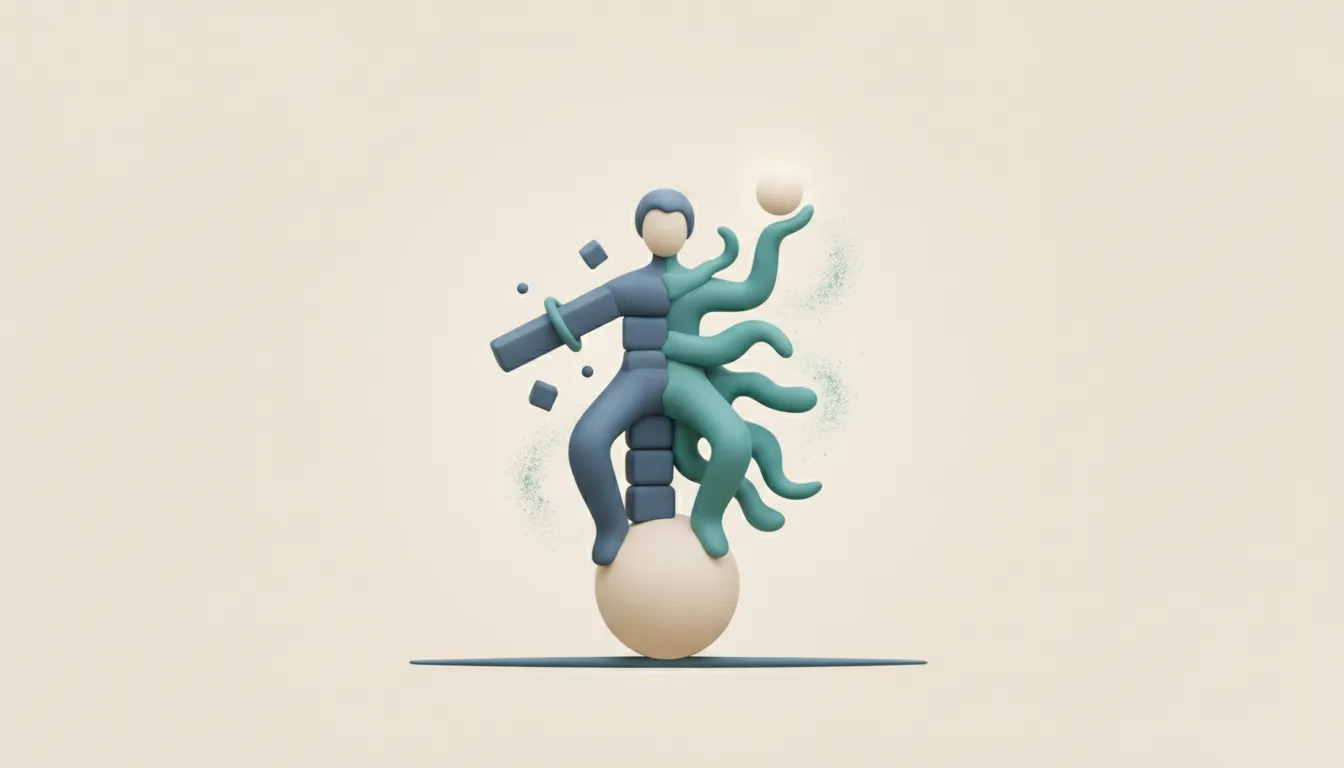
AuDHD is not two conditions stacked on top of each other. It is a third thing, a unique neurological signature with its own texture, strengths, and challenges.
Why autism and ADHD were wrongly thought to be mutually exclusive

Until 2013, clinicians were trained to choose. The DSM-III and DSM-IV contained an explicit exclusion rule: if a person met criteria for autism, ADHD could not be diagnosed alongside it. The reasoning was that attention difficulties and hyperactivity were expected features of autism, so they should not attract a second diagnosis. The rule was tidy. It was also wrong.
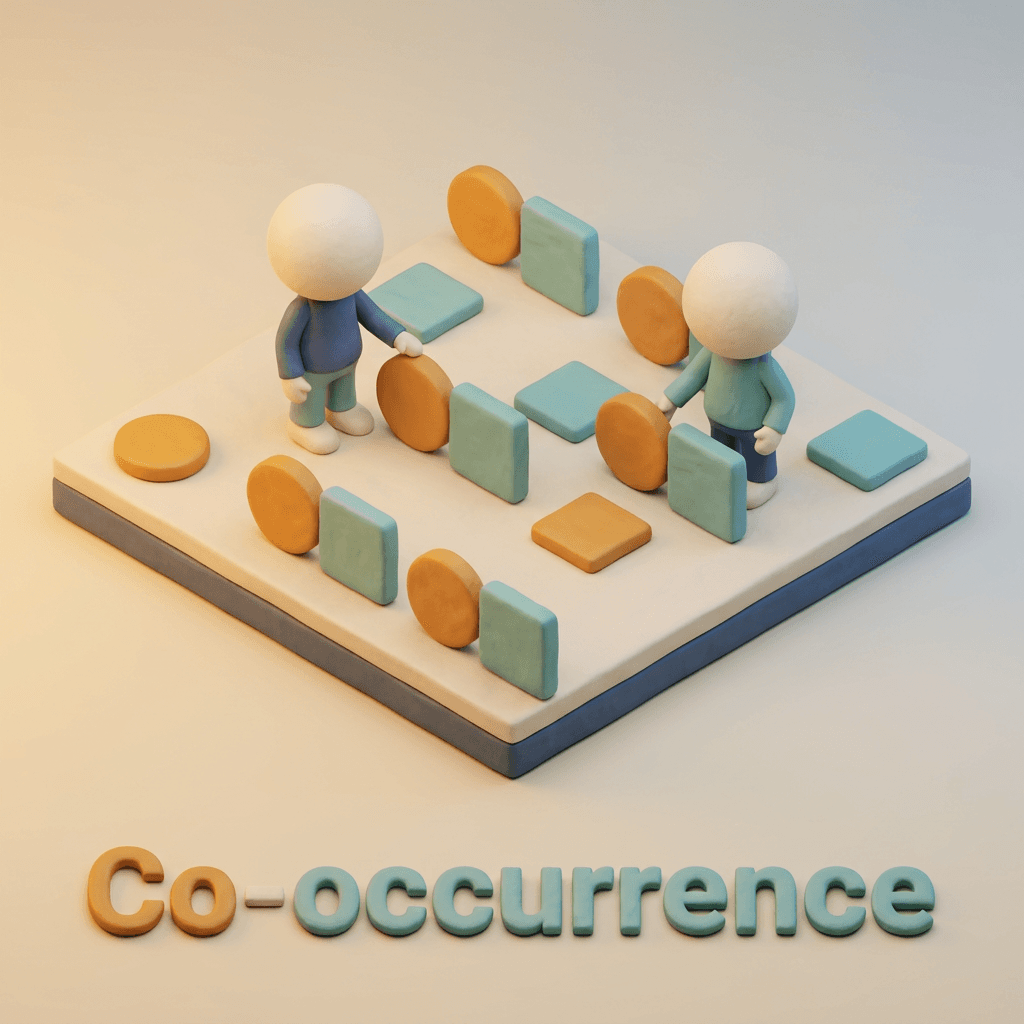
DSM-5, published in 2013, removed the exclusion. For the first time, clinicians could formally diagnose both conditions in the same person. What followed was not a sudden surge of over-diagnosis. It was the recognition of a reality that had always been there: the co-occurrence of autism and ADHD is common. Leitner (2014) estimated co-occurrence at 50-70% in the autistic population. Antshel and Russo (2019) found similar figures and noted that 30-50% of people with ADHD also meet criteria for autism spectrum disorder. The research base through the 2010s and beyond consistently confirmed what many autistic and ADHD adults had long suspected about themselves.
The practical consequence of the exclusion era is significant. Many adults in their 30s, 40s, and 50s carry misdiagnoses, or single diagnoses where two apply, because their assessors were trained under the old rule. They were diagnosed with ADHD in childhood or adulthood, and that was the end of the clinical story. The autism piece was never looked for.
Where autism and ADHD look the same, and where they diverge

Part of why the exclusion rule persisted for so long is that autism and ADHD share a great deal of surface-level presentation. Executive function difficulties appear in both. Emotional dysregulation, intense responses to frustration or disappointment, is a documented feature of both. Social challenges appear in both. Sensory sensitivity, though more characteristic of autism, is not absent in ADHD. A clinician looking at the surface could reasonably see either, or neither, clearly.
The divergence is in the why, not just the what.
Executive function: same difficulty, different origin
In ADHD, executive challenges come from dopamine dysregulation in prefrontal circuits. Initiation, task-switching, and working memory are affected primarily through the attention-regulation system. The ADHD person can often follow a clear, well-supported external structure even if they cannot easily generate that structure themselves.
In autism, executive difficulties come from a different cognitive profile: cognitive inflexibility, demand avoidance, and difficulty with transitions that feel unpredictable. The autistic person may be able to sustain internal structure but becomes significantly dysregulated when external demands are uncertain or shifting. Both produce difficulties with task initiation, planning, and completion. But the route in, and the route out, are different.
Social difficulties: impulsivity versus processing
ADHD social difficulties come primarily from impulsivity and inattention: interrupting, missing conversational cues because attention drifted, saying things before thinking through impact, struggling to listen through longer conversations. The ADHD person typically understands social norms; the difficulty is in consistently applying them in real time.
Autism social differences come from neurological differences in social information processing: the implicit, automatic pickup of social meaning that neurotypical people do without effort is not automatic in the same way. This produces a different texture of social difficulty, often more effortful rather than impulsive, and more associated with post-interaction exhaustion, which many autistic people describe as masking.
Routines: scaffold versus identity
This is one of the clearest clinical discriminators. Routines in ADHD are coping scaffolds. They help. They reduce cognitive load. But they feel optional, negotiable. If the routine breaks down, the ADHD person manages. Routines in autism are often identity-constituting. They are not just helpful, they feel necessary. Their disruption is not merely inconvenient. It is destabilising in a way that can trigger significant anxiety, meltdown, or shutdown.
In AuDHD, both of these mechanisms are often present: the ADHD need for external scaffolding to function, and the autistic need for predictability to feel safe. They can pull against each other in complex ways.
Why getting both diagnoses right is genuinely hard

Each condition can mask the other, which is why dual diagnosis requires a clinician experienced with both. High-structure autistic compensations, rigid timetables, meticulous planning, can make ADHD look less severe than it is. The ADHD impulsivity and energy that are visible early in life can occupy clinical attention so thoroughly that the quieter autistic profile beneath never gets examined.
The clinical picture in AuDHD is also genuinely unusual. The ADHD novelty-drive presses outward, toward new things and new experiences, while the autistic predictability-need presses inward, toward the familiar and safe. The result is a person who can look inconsistent: seeking novelty in some domains, rigidly resistant to change in others. This inconsistency is real, not fabricated, and it is one of the features a well-trained assessor should be looking for rather than treating as diagnostic noise.
If you are pursuing assessment and suspect AuDHD, ask assessors directly about their experience with dual presentations. Ask whether they assess autism and ADHD in the same process or whether they would refer on after a first diagnosis. Ask whether their autism screening tools are validated for adults, including adults who present without the features associated with childhood male presentations.
A thorough assessment for AuDHD will include: developmental history from childhood, including early social patterns and sensory sensitivities; standardised screening for both autism (such as AQ-50, RAADS-R) and ADHD (such as DIVA-5, ASRS); collateral information from a person who knew you as a child if available; and time for the clinician to form a picture of the full profile rather than stopping at the first diagnosis that fits.
Ready to explore further?
Take a free screening, chat with Sheldon, or explore 30+ neurotypes in depth.
Why AuDHD gets missed even longer in women and AFAB people
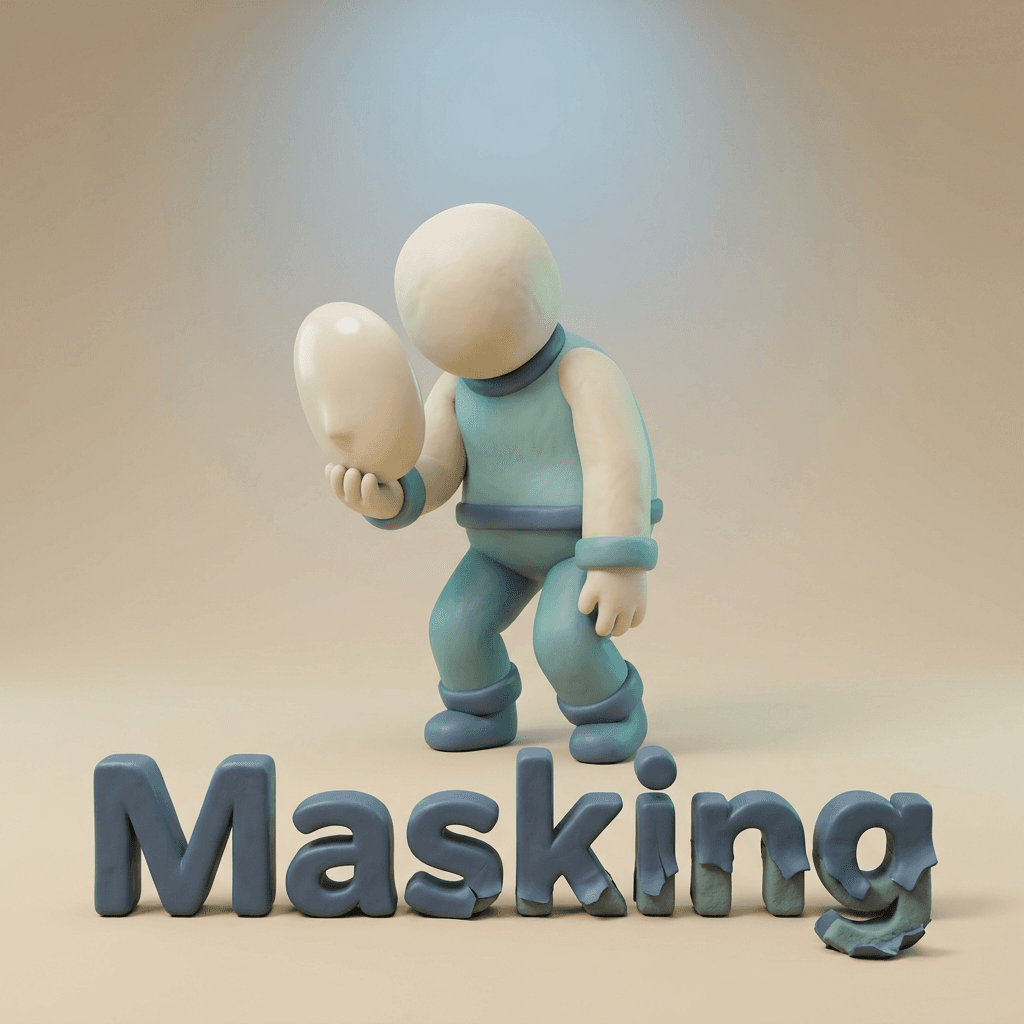
The same masking that delays autism diagnosis in women and AFAB people also delays AuDHD recognition. Autistic women are more likely to develop sophisticated social camouflage, mirroring others, rehearsing conversations, suppressing unusual responses, which can make the autism profile look like social anxiety, shyness, or simply a quiet personality. When ADHD is also present, the ADHD traits of impulsivity and emotional intensity are more likely to be interpreted through a gendered lens as mood instability or personality difficulties than as neurodevelopmental features.
The result is that women with AuDHD often carry years of ADHD treatment before the autism piece surfaces. Young et al (2020) documented the diagnostic gaps affecting women with ADHD, including higher rates of co-occurring conditions, longer pathways to diagnosis, and more frequent prior misdiagnosis with depression or anxiety. When autism is also present, these patterns intensify.
For many women who receive an AuDHD diagnosis in midlife, the sequencing has been: anxiety or depression in adolescence, ADHD in early-to-mid adulthood, autism later still. Each diagnosis explains more. The full picture often only becomes visible with an assessor experienced enough to look for all of it.
For more on how autism specifically presents in women and AFAB people, see the guide to autism in women.
What changes when you know you have both
The confusion in AuDHD assessment is not about which condition is real. Both are. It is about which symptoms belong to which, and the answer is often: both. Knowing this shapes how support is planned.
Medication
Stimulant medications remain the first-line treatment for ADHD symptoms regardless of whether autism is also present. The autism diagnosis does not block or contraindicate stimulant use. Some autistic people report greater sensitivity to side effects, including increased anxiety or sensory intensification, which may lead prescribers to start at lower doses and titrate more slowly. Non-stimulant options, including atomoxetine and guanfacine, are available when stimulants are not well tolerated and may also offer benefits for some aspects of the autistic profile.
Therapy and psychological support
CBT adapted for ADHD can be helpful for AuDHD, particularly for executive function strategies, but it works best when the clinician understands autistic cognition and does not expect the typical CBT model to apply without modification. Rigid thought-monitoring and behavioural activation work differently for autistic people. Acceptance and Commitment Therapy (ACT) is often reported as particularly useful for AuDHD adults doing identity work post-diagnosis: making sense of a self that has spent years being described in terms of deficits rather than differences.
Environmental accommodations
Effective environmental support for AuDHD combines two sets of adjustments that are usually treated separately. Sensory accommodations that reduce overload, appropriate lighting, reduced auditory noise, predictable physical environments, address the autistic sensory profile. ADHD environmental scaffolds, body doubling, external timers, visual task structures, reduce executive demand. Neither alone is sufficient. Together, they can significantly reduce the daily effort of functioning.
Community
The AuDHD community online has grown rapidly since the 2010s and is now one of the most active spaces in the neurodivergent community. Many people who receive an AuDHD diagnosis in adulthood describe the experience of finding this community as the first time they have encountered people whose interior experience matches their own. That recognition, after years of not quite fitting in either the autism community or the ADHD community, has its own form of value.
Frequently asked questions about AuDHD
Can you really have both autism and ADHD?
Yes. The DSM-5 (2013) removed the previous exclusion rule that banned dual diagnosis. Research now consistently estimates that 50-70% of autistic people also meet criteria for ADHD, and around 30-50% of people with ADHD meet criteria for autism spectrum disorder (Antshel and Russo, 2019). The two frequently co-occur.
Is AuDHD an official diagnosis?
AuDHD is not a formal diagnostic term in DSM-5-TR or ICD-11. It is a community shorthand used by many neurodivergent people with both conditions. Clinically, a person receives two diagnoses: autism spectrum disorder plus ADHD. The term AuDHD is useful for describing the combined experience.
How do clinicians tell autism and ADHD apart during assessment?
The most important discriminators: ADHD involves dopamine-driven attention dysregulation; autism involves social communication differences present from early development. Routines in ADHD are coping scaffolds that feel optional; routines in autism are often identity-constituting and feel essential. Sensory processing differences, especially hypersensitivity, are more characteristic of autism. A thorough assessment explores both axes.
Why does AuDHD get missed so often?
Historically, autism and ADHD were considered mutually exclusive and clinicians were trained to choose one. ADHD hyperactivity can mask the presentations some clinicians look for in autism. Autistic routine and predictability-seeking looks unlike ADHD impulsivity, so each can make the other harder to spot. Many autistic adults are first diagnosed with ADHD, and the autism is only identified later.
Is medication different for AuDHD?
Not categorically. Stimulant medications prescribed for ADHD work similarly whether or not autism is also present. Some autistic people report more sensitivity to side effects. Non-stimulant options (atomoxetine, guanfacine) are used when stimulants are not tolerated. The prescribing approach should account for the full profile.
Does AuDHD mean more severe symptoms?
Not necessarily more severe, but more complex. Some symptoms interact in ways that require specific management: ADHD impulsivity clashing with autistic need for predictability; ADHD novelty-seeking pulling against autistic resistance to change; ADHD executive dysfunction compounding autistic demand avoidance. The combination requires individualised support planning.
How do I know if I have both?
A thorough assessment by a clinician experienced in both autism and ADHD is the only valid route. Self-screening tools (AQ-10 for autism, ASRS for ADHD) can indicate likelihood, but cannot diagnose. Many AuDHD adults find that an autism assessment is the missing piece they had when they thought they only had ADHD.
Ready to explore further?
Take a free screening, chat with Sheldon, or explore 30+ neurotypes in depth.
Built by neurodivergent minds. 30+ conditions explored. Always free.
Sources
- Leitner, Y. (2014). The co-occurrence of autism and attention deficit hyperactivity disorder in children. Frontiers in Human Neuroscience, 8, 268.
- Antshel, K. M., and Russo, N. (2019). Autism spectrum disorders and ADHD: overlapping phenomenology, diagnostic issues, and treatment considerations. Current Psychiatry Reports, 21(5), 34.
- Young, S., et al. (2020). Females with ADHD: an expert consensus statement taking a lifespan approach. BMC Psychiatry, 20(1), 404.