Free Autism Screening Test for Children
AskSheldon provides a free autism screening for children that helps parents identify traits associated with autism spectrum disorder. Based on validated instruments including the M-CHAT-R framework, the screening covers social communication, sensory processing, and behavioural patterns. Results can help you prepare for a conversation with your GP.

For our full guide to autism — including lived experiences, the neuroscience, and interactive empathy simulations — visit our comprehensive autism page.
Start the Screening
Designed for parents concerned about their child's development. Takes approximately 10–15 minutes.
Start Child Screening →Completed by parents or carers, not the child directly.
Ready to explore further?
Take a free screening, chat with Sheldon, or explore 30+ neurotypes in depth.
What Does the Screening Assess?

The screening asks you to reflect on your child's behaviour across six key developmental domains. You do not need any clinical training to answer — the questions are written in plain language and based on everyday situations.
Social interaction
How your child engages with other children and adults, including eye contact, shared attention, and social reciprocity.
Communication
Both verbal and non-verbal communication, including speech development, gestures, and understanding of language.
Repetitive behaviours
Patterns such as lining up objects, repeating phrases, or needing things done in a specific order.
Sensory responses
Reactions to sounds, textures, lights, or tastes that seem unusually strong or unusually muted.
Play and imagination
How your child plays with toys, whether they engage in pretend play, and how flexible their play patterns are.
Daily routines
Your child’s response to changes in routine, transitions between activities, and need for predictability.
How This Differs from M-CHAT and Other Tools
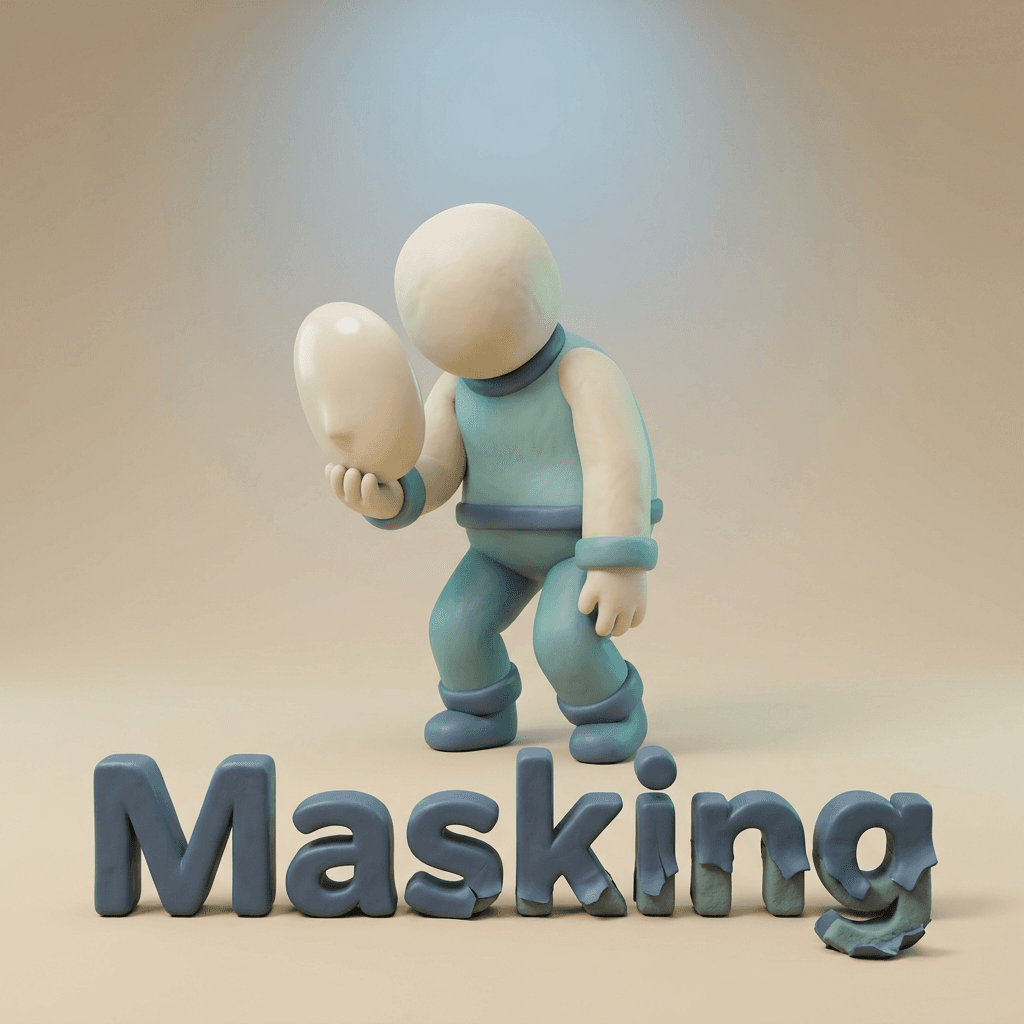
The M-CHAT (Modified Checklist for Autism in Toddlers) is the most widely used screening tool for young children, but it was designed for ages 16–30 months and focuses primarily on observable behaviours visible to parents. It can miss children who mask well, who are verbal, or who are older than the target age range. Many autistic traits — particularly in girls and children who are intellectually able — do not present in ways the M-CHAT is designed to capture.
AskSheldon's screening goes beyond binary yes/no questions to explore patterns across social communication, sensory processing, play, and emotional regulation. It accounts for the fact that many children — especially girls and those who are intellectually able — learn to mask autistic traits early, leading to missed or delayed diagnosis. This adaptive approach helps identify children who would score “not at risk” on the M-CHAT but who may still benefit from evaluation.
When Should You Screen Your Child?

There is no single “right” age to screen, but certain signs tend to become more noticeable at different stages. Many parents first notice differences around 18 months to 3 years, when social and communication milestones become more apparent. Older children — particularly girls and those who mask well — may not raise concerns until school age or later.
If your child seems to struggle with social situations, has intense interests, finds change distressing, or responds unusually to sensory input, screening is a reasonable next step. Trust your instincts — you know your child better than anyone.
For a detailed breakdown of signs by age group, see our guide on autism signs in children.
What Do the Results Mean?

The screening produces a likelihood score across the six domains listed above. A higher score in a domain means your child's behaviour in that area is more consistent with autistic traits. This is not a diagnosis — it is a structured snapshot of your observations.
Low likelihood means the screening did not identify many traits in that area, but does not rule anything out. Some children present differently in familiar vs unfamiliar environments, and a screening completed at home may not capture what a teacher sees at school.
High likelihood means several traits were identified and a conversation with your GP or paediatrician is recommended. Many families find it helpful to bring the downloadable report to that appointment.
Next Steps After Screening
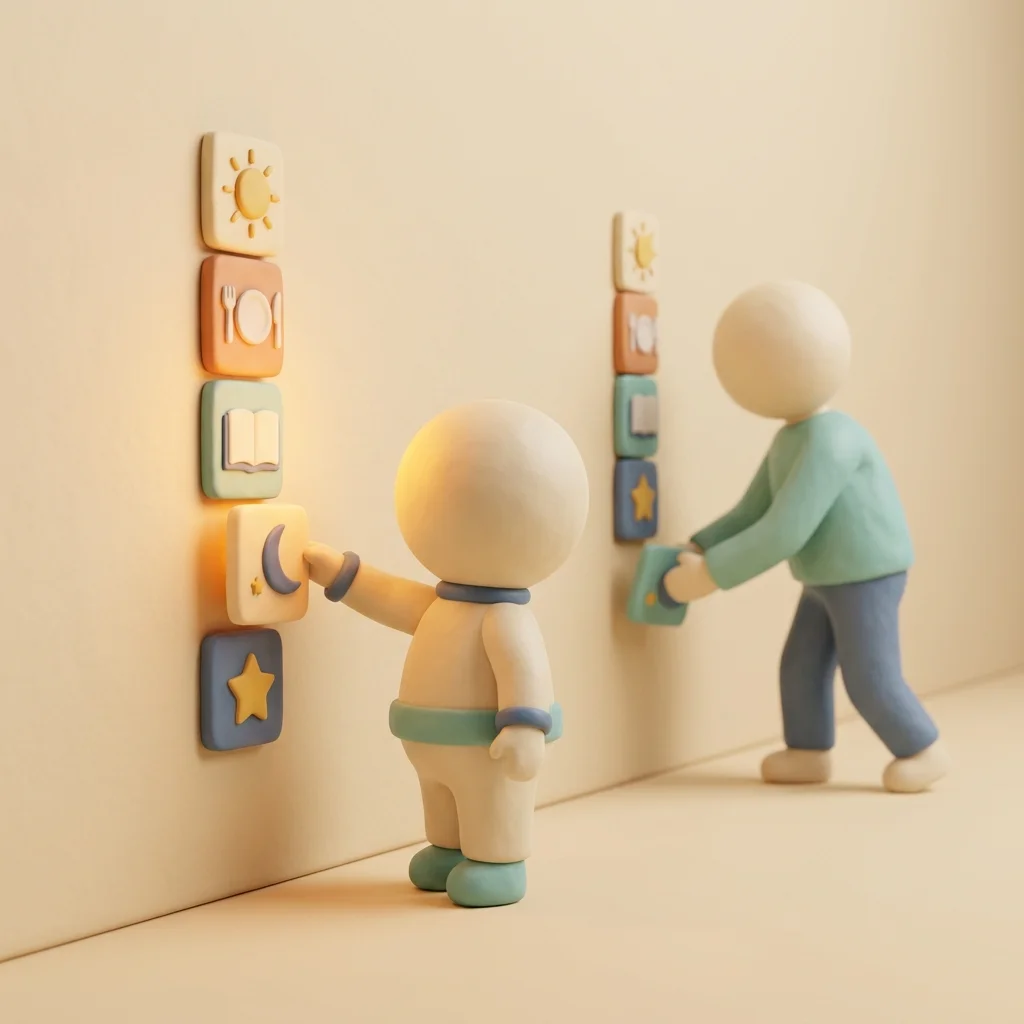
If the screening suggests your child may benefit from further evaluation, here are the most common next steps in the UK:
- Speak to your GP — share the screening results and ask for a referral to your local autism assessment pathway. NHS waiting times vary, so getting on the list early matters.
- Contact your health visitor — for children under 5, health visitors can initiate developmental reviews and referrals directly.
- Talk to the SENCO at school — the Special Educational Needs Coordinator can arrange in-school observations and support while you wait for a formal assessment.
- For a complete walkthrough of the diagnostic process, read our parent's guide to diagnosis.
Frequently Asked Questions
At what age can I screen my child for autism?
The M-CHAT-R framework is designed for children aged 16 to 30 months, but broader autism screening can be helpful at any age. If your child is older than 30 months and you have concerns, the screening can still highlight areas worth discussing with a professional. There is no upper age limit for seeking an assessment.
Is this screening tool accurate?
Our screening is based on validated frameworks including the M-CHAT-R, which has strong sensitivity for identifying children who may benefit from further evaluation. However, no screening tool is a substitute for a formal clinical assessment. Think of it as a structured way to gather your observations before speaking to a professional.
What if the screening shows a high likelihood?
A high-likelihood result means the screening has identified several traits consistent with autism. It does not mean your child is autistic — only a qualified clinician can make that determination. The next step is to share your results with your GP or health visitor, who can refer you for a formal assessment.
Can I share the results with my GP?
Yes, and we encourage it. After completing the screening, you can download a summary report designed to be shared with healthcare professionals. Many parents find that having structured observations makes the GP conversation more productive and can speed up the referral process.
Is the screening free?
Yes, completely free. AskSheldon provides autism screening at no cost, with no hidden fees and no paywall. We believe that understanding your child should not depend on your ability to pay.
AskSheldon provides screening and educational support, not formal diagnoses. Always consult a qualified healthcare professional for clinical evaluation. Last updated: March 2026.
Ready to explore further?
Take a free screening, chat with Sheldon, or explore 30+ neurotypes in depth.
Built by neurodivergent minds. 30+ conditions explored. Always free.
Related guides
- Autism diagnosis in the UKNHS, Right to Choose and private routes
- Autism test for adultsWhat a real screen involves
- When to get testedKnowing if assessment is worth it
- Right to ChooseThe NHS referral pathway
- Autism waiting listsWhat to do while you wait
- A parent's guide to diagnosisNavigating your child’s assessment