ADHD vs Anxiety: How to Tell Them Apart (and Why So Many Adults Have Both)
Restlessness, racing thoughts, missed appointments, snapping at the people you love. Your GP says anxiety. The SSRI does not help. Your partner says ADHD. Your friends say burnout. A neuroaffirming guide to untangling two conditions that look almost identical on the surface, but run on different engines underneath.
This page draws on DSM-5-TR (APA, 2022), Kessler et al (2006), and Faraone et al (2019). It is written for informational purposes and does not constitute a clinical diagnosis or medical advice. Please speak with a qualified clinician for a formal assessment.
You cannot tell them apart from the symptoms alone

Picture this: you are sitting at your desk. There is a deadline in two hours. You cannot start. Your mind is everywhere and nowhere at once, skipping between the deadline, a conversation from three days ago, the sound of someone coughing in the next room, and a vague sense that something terrible is about to happen. Your leg will not stop moving. Your chest is tight. You feel simultaneously wired and exhausted.
Is that ADHD? Is that anxiety? Is it both? From the outside, and often from the inside, the two conditions are nearly indistinguishable. Both produce restlessness. Both produce a racing mind. Both produce difficulty concentrating, irritability, sleep problems, and a persistent sense of failing to keep up with life.
This is not a quirk of individual experience. It is a well-documented clinical challenge. Studies consistently show that ADHD is underdiagnosed in adults, and that anxiety is often the presenting complaint when the real picture is more complicated. Many adults spend years cycling through therapists and SSRIs before anyone thinks to ask: "Have you always been like this? Since you were a child?"
The central insight of this page is simple but important: ADHD and anxiety often share the same surface presentation, but the engine underneath is different. One is a problem of attention regulation rooted in neurodevelopment. The other is a problem of threat-response regulation rooted in the nervous system's alarm circuitry. Understanding which engine is running, and whether both are running at once, is the key to getting the right support.
The good news: this distinction can be made, with the right questions and the right clinician. The sections below walk you through exactly how.
What ADHD actually is
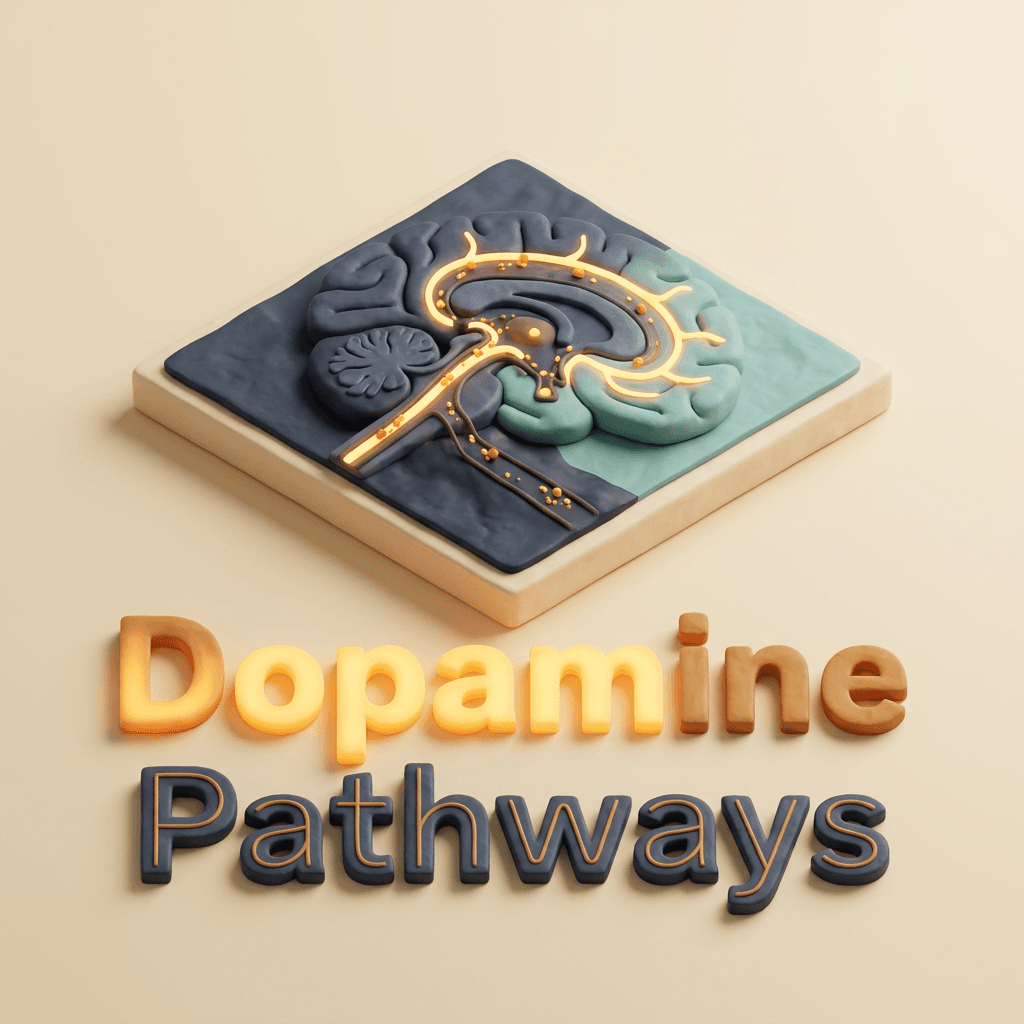
Attention Deficit Hyperactivity Disorder (ADHD) is a neurodevelopmental condition, meaning it is present from birth and shapes how the brain regulates attention, impulse control, and activity levels throughout life. It is not a failure of effort or character. It reflects genuine differences in dopamine and noradrenaline signalling in the prefrontal cortex, the part of the brain responsible for planning, inhibiting impulses, and holding information in working memory.
DSM-5-TR (APA, 2022) recognises three presentations: predominantly inattentive, predominantly hyperactive-impulsive, and combined. In adults, inattentive symptoms, difficulty sustaining focus, losing things, forgetting appointments, leaving tasks unfinished, often dominate, while hyperactivity may have shifted inward into a feeling of internal restlessness rather than visible physical movement.
For a fuller picture of how ADHD presents in adults, including late diagnosis and the role of masking, see our guide to adult ADHD.
What anxiety actually is
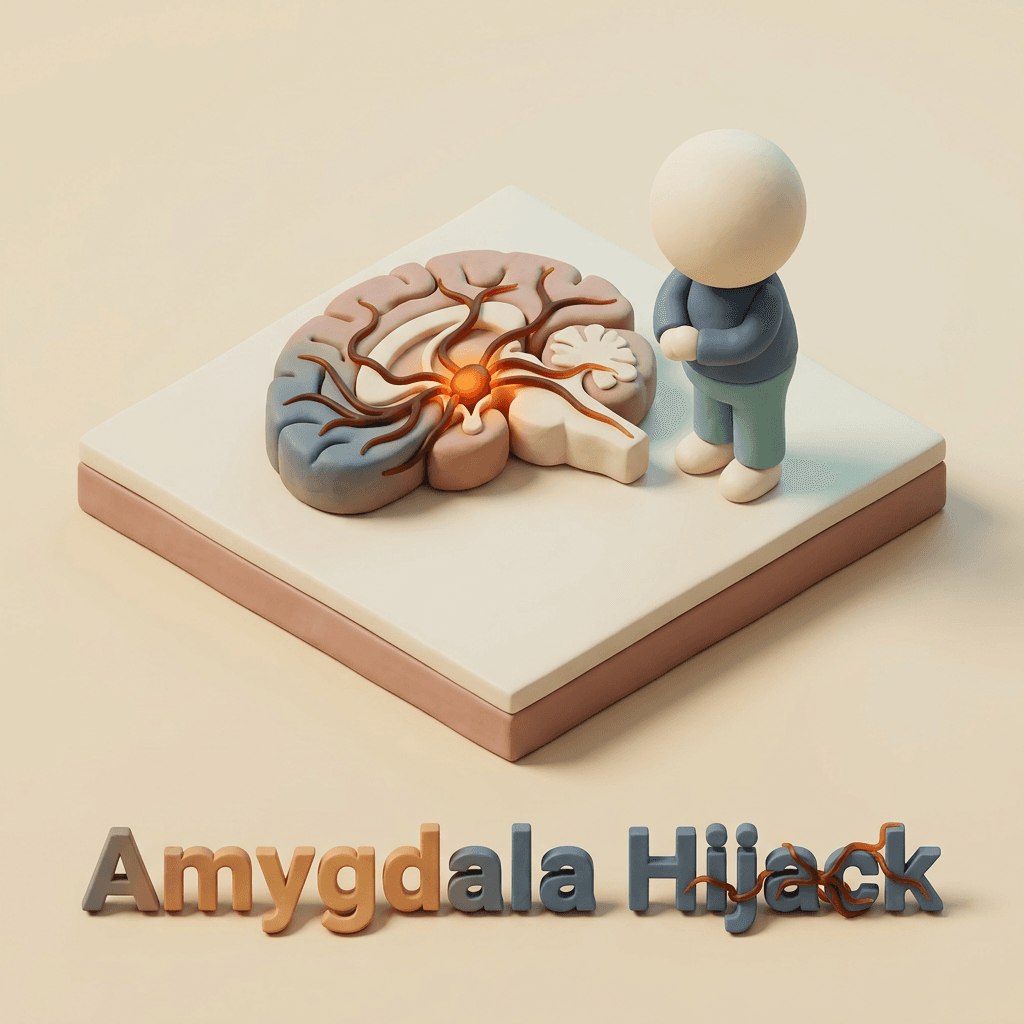
Anxiety disorders are a family of conditions characterised by excessive, persistent fear or worry that is disproportionate to the actual threat, and that interferes significantly with daily life. The major types include Generalised Anxiety Disorder (GAD), Panic Disorder, Social Anxiety Disorder, and specific phobias. DSM-5-TR (APA, 2022) requires that symptoms cause clinically significant distress or functional impairment and are not better explained by another condition.
At its core, anxiety is the body's threat-response system (the hypothalamic-pituitary-adrenal axis, the amygdala, and the sympathetic nervous system) operating on a hair trigger. In the presence of a real threat, this system is lifesaving. In anxiety disorders, it activates in response to threats that are imagined, exaggerated, or already past. The body is flooded with adrenaline, the heart races, muscles tense, and the mind fixates on the source of danger. The problem is not the alarm. The problem is that the alarm will not switch off.
This is the key phenomenological difference from ADHD: anxiety is directed. It is stuck on something. The restless, scattered quality of ADHD attention is the opposite, not fixed on one threat but pulled in every direction at once, unable to settle anywhere.
The shared symptoms (and why this is so confusing)
The following symptoms appear on the diagnostic criteria for both ADHD and anxiety disorders, or are common secondary features of both:
Restlessness
In ADHD: Internal motor quality, often constant and not triggered by anything specific. In adults, often felt as an inner buzz or inability to sit still.In anxiety: Tension-driven, often associated with a specific worry or anticipation. Can feel like the body is braced for impact.Racing thoughts
In ADHD: Rapid shifting between unrelated topics, often experienced as channel-surfing. Hard to follow one train of thought to completion.In anxiety: Rumination on a specific concern, often circular. The same worry replayed with slight variations.Sleep problems
In ADHD: Difficulty settling at bedtime (the brain "switches on" at night), delayed sleep phase, forgetting to go to bed.In anxiety: Difficulty falling asleep due to worry, or waking in the early hours with a racing mind and sense of dread.Difficulty concentrating
In ADHD: Consistent across contexts (except during hyperfocus). Worse for tasks perceived as low-interest or low-urgency.In anxiety: Often worse when anxiety is elevated. May have normal concentration at baseline.Irritability
In ADHD: Related to frustration tolerance, sensory overload, and rejection sensitive dysphoria.In anxiety: Related to chronic physiological arousal and the effort of sustained hypervigilance.Procrastination
In ADHD: Task initiation difficulty, often independent of the difficulty or importance of the task. A neurological starting problem.In anxiety: Avoidance of tasks perceived as threatening, evaluative, or likely to result in failure or judgement.Tension and overwhelm
In ADHD: Often worst when faced with too many demands simultaneously (demand avoidance, cognitive overload).In anxiety: Chronic background tension with spikes around perceived threats or anticipated negative outcomes.
The overlap is not coincidental. ADHD often generates anxiety as a secondary consequence (see section 7 below), and anxiety can mimic attentional symptoms. A clinician who sees only the surface symptoms without asking about developmental history, triggers, and treatment response will frequently reach the wrong conclusion.
How clinicians actually tell them apart

Because symptom checklists overlap so heavily, experienced clinicians rely on a set of discriminating questions that probe the underlying mechanism rather than the surface presentation. These are the six most reliable:
1. Onset: when did it start?
ADHD is a neurodevelopmental condition. By definition (DSM-5-TR), several inattentive or hyperactive-impulsive symptoms must have been present before age 12, even if the person was never diagnosed at the time. An adult who has always been distractible, always lost things, always struggled to finish tasks, is pointing toward ADHD. Anxiety can develop at any age and is often triggered by life events: a demanding job, a difficult relationship, illness, loss. If the concentration difficulties began in adulthood after a period of acute stress, anxiety or depression is the more likely driver.
2. Trigger: what sets it off?
Anxiety, by definition, has content. There is something being worried about: a health concern, a social interaction, a looming deadline, a catastrophic possibility. Even in GAD where worry feels generalised, there are identifiable themes. ADHD restlessness and distraction are typically non-contingent. They are not triggered by a specific stimulus. They are simply the default state of the brain in low-stimulation, low-urgency conditions. If someone can point to a specific worry driving their restlessness, anxiety is the more likely explanation.
3. Quality of distraction: where does the mind go?
Anxious distraction is sticky. The mind keeps returning to the same worry, the same feared outcome, the same loop. It feels like being stuck. ADHD distraction is restless and lateral. The mind does not get stuck on one thing; it bounces between unrelated stimuli, notifications, sounds, half-formed thoughts, memories, impulses to check the phone. If a person describes their mind as "always going to the same dark place," anxiety is more likely. If they describe it as "going everywhere and nowhere," ADHD is more likely.
4. Response to interest: what happens with an engaging task?
Hyperfocus, the capacity to become so absorbed in a genuinely interesting task that hours pass unnoticed, is a hallmark feature of ADHD and one of its most diagnostically useful markers (Faraone et al, 2019). Anxiety typically disrupts focus on everything, including enjoyable activities. The person is too keyed up, too preoccupied with the worry, to lose themselves in anything. If someone reports that they can focus perfectly on the things they find interesting but cannot summon focus on-demand for anything else, this asymmetry is highly suggestive of ADHD.
5. Response to stimulants: what does medication do?
In ADHD, stimulant medication (methylphenidate, lisdexamfetamine) typically produces a calming, focusing effect: the internal noise settles, tasks feel more approachable, and restlessness reduces. In anxiety without ADHD, stimulants tend to worsen symptoms, increasing heart rate, tension, and worry. This differential response is a useful clinical data point, though it is not a diagnostic test. The calming response to stimulants is not unique to ADHD, and stimulants should never be self-administered or used as a diagnostic trial outside of clinical supervision.
6. Childhood collateral: what do others remember?
Because ADHD must have been present in childhood, reports from parents, older siblings, or teachers, or the person's own memories of being told off for daydreaming, losing homework, or being unable to sit still, are important corroborating evidence. School reports describing inattention, impulsivity, or underachievement despite apparent ability are particularly useful. Anxiety, by contrast, is more likely to show in childhood as excessive worry, school refusal, physical symptoms (stomach aches, headaches), or avoidance, rather than the scattered inattention characteristic of ADHD.
Ready to explore further?
Take a free screening, chat with Sheldon, or explore 30+ neurotypes in depth.
What it looks like when you have both
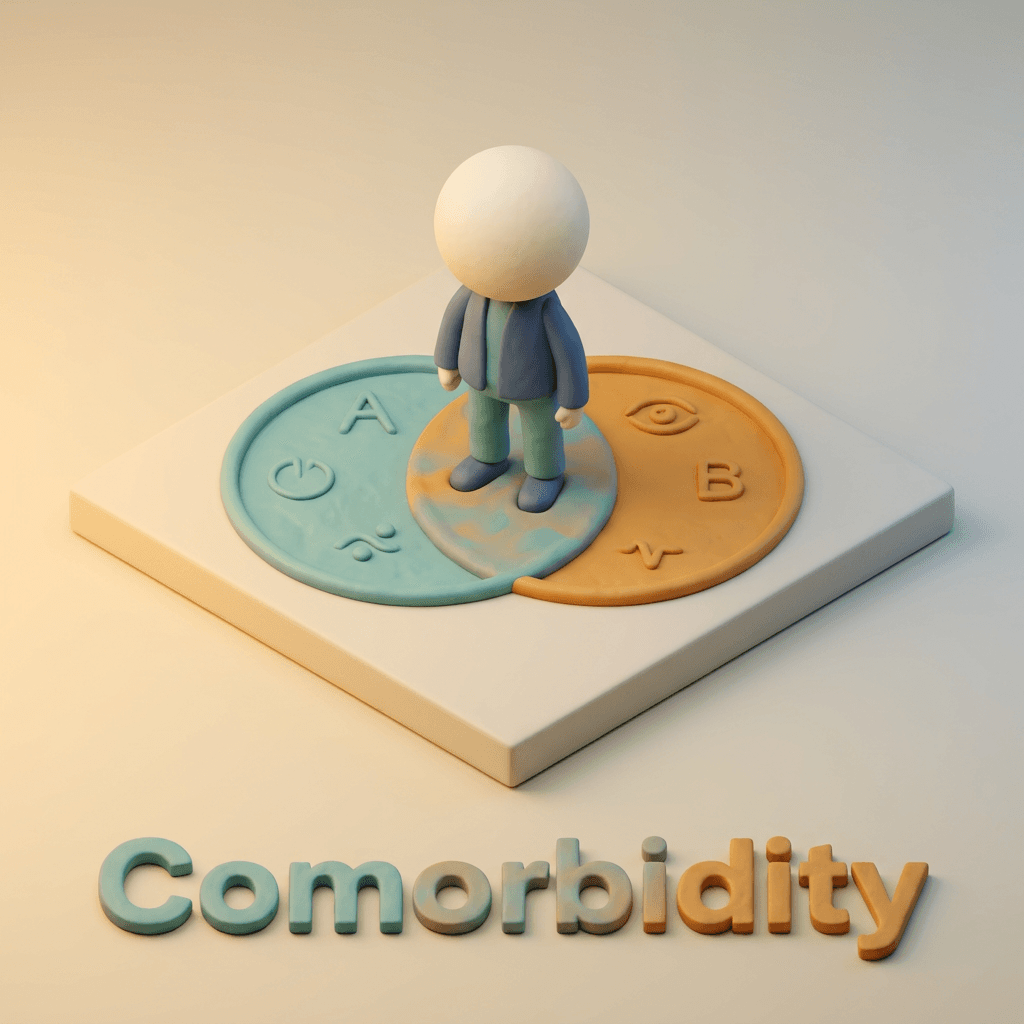
Comorbid ADHD and anxiety is not the exception, it is closer to the rule. Approximately 50% of adults with ADHD also meet criteria for at least one anxiety disorder (Kessler et al, 2006). Understanding why requires understanding the relationship between the two conditions, because they do not simply co-occur randomly. They amplify each other in a well-documented cycle.
ADHD generates anxiety. When the ADHD brain repeatedly misses deadlines, forgets important commitments, loses things, says the wrong thing impulsively, and watches other people seem to manage life with apparent ease, the result is chronic, low-level stress punctuated by acute crises. Each missed commitment and each humiliating oversight is an anxiety trigger. Over time, the person becomes hypervigilant about failure, dreading the next thing they will forget, the next relationship they will damage. This is secondary anxiety, caused by the lived experience of ADHD rather than by an independent anxiety disorder, but it is real and disabling.
Anxiety then makes ADHD worse. Catastrophising, the tendency to imagine the worst possible outcome of any situation, consumes working memory. Cognitive capacity that could be used for planning, task completion, and attention regulation is instead occupied by a running worst-case scenario. The ADHD brain, already operating on reduced executive bandwidth, is now further depleted by anxious rumination. Concentration deteriorates further. More things get missed. The cycle continues.
When both conditions are present, it also becomes easier to understand why the experience of rejection sensitive dysphoria is so common in ADHD adults: years of anxiety-amplified failure experiences produce an acute fear of criticism, judgement, and perceived rejection that feels neurologically immediate and overwhelming.
Treatment must address both. Treating only the anxiety without identifying and treating the ADHD leaves the underlying anxiety generator running. Treating only the ADHD without addressing the established anxiety patterns leaves a layer of suffering intact. Most clinicians who specialise in adult ADHD approach the comorbid picture with a parallel or staged treatment plan.
Treatment differences and overlaps
Treatment decisions belong with you and a prescriber who knows your full history. The following is a general orientation to how the two conditions are typically approached, separately and together.
For ADHD alone
- Stimulants (methylphenidate, lisdexamfetamine) or non-stimulants (atomoxetine, guanfacine)
- ADHD-specific CBT (task initiation, time blindness, working memory scaffolding)
- Body doubling and external accountability structures
- Environmental modifications (reducing clutter, visual timers, notification management)
- ADHD coaching (practical strategies for daily life)
For anxiety alone
- Cognitive Behavioural Therapy (CBT) targeting worry and avoidance cycles
- Exposure and Response Prevention for anxiety and panic
- SSRIs and SNRIs (first-line pharmacotherapy for most anxiety disorders)
- Mindfulness-based approaches for reducing chronic physiological arousal
- Interoceptive awareness training for panic disorder
For both together
- Most clinicians treat ADHD first, because reducing the number of ADHD-generated failure events removes a major anxiety trigger
- SSRIs alongside stimulants is a common and well-tolerated combination when both diagnoses are confirmed
- Integrated CBT addresses both ADHD task initiation deficits and anxiety avoidance patterns
- Regular monitoring because medication effects interact; dosing often requires adjustment
None of these decisions should be made on the basis of a web page alone. A clinician who knows your history, your symptom profile across multiple domains, and your treatment response history is the right person to guide this process. Use our screening tests as a starting point for that conversation, not an endpoint.
Frequently asked questions
Can ADHD be misdiagnosed as anxiety?
Very commonly, yes. Especially in women, AFAB people, and inattentive presentations, ADHD is often diagnosed first as anxiety or depression. The SSRI does not help (because the underlying ADHD remains untreated), the person blames themselves, and the right diagnosis comes years later. ADHD-aware clinicians screen for both.
Can anxiety alone cause ADHD-like symptoms?
Yes. Severe anxiety can present with concentration difficulties, restlessness, and disorganised thinking that look like ADHD. The discriminator is childhood history. ADHD requires symptoms in childhood (even if missed at the time). Anxiety-driven concentration problems usually develop later.
Why don't SSRIs help my 'anxiety'?
If you have undiagnosed ADHD with secondary anxiety, an SSRI may reduce the worry component but leave the underlying ADHD unaddressed. The chronic experience of missed deadlines, lost keys, and unfinished tasks keeps generating new anxiety. Many adults discover this pattern and seek ADHD assessment, often finding that stimulant treatment plus ADHD coaching reduces anxiety more than the SSRI did.
If stimulants calm me down, does that mean I have ADHD?
It is suggestive, but not diagnostic. Stimulants typically reduce restlessness and improve focus in ADHD adults, the so-called paradoxical effect (which is not actually paradoxical given the dopaminergic profile). However, the calming effect is not an ADHD-only finding, and stimulants should never be self-prescribed. A formal assessment is the only valid route.
Can you have ADHD and anxiety at the same time?
Yes, very commonly. Around 50% of ADHD adults also meet criteria for at least one anxiety disorder (Kessler et al, 2006). Treating both, often with parallel approaches (medication for both, or CBT alongside ADHD coaching), tends to produce better outcomes than treating one in isolation.
Should I get assessed for both?
If your anxiety treatment is not producing the expected response, or you have always wondered whether your concentration difficulties pre-date the anxiety, an ADHD assessment is worth pursuing. A thorough clinician will screen for anxiety, depression, sleep disorders, trauma, and ADHD before reaching a diagnosis.
What about anxiety in the partner of an ADHD adult?
Anxiety in the non-ADHD partner is common and under-discussed. Living with the unpredictability of an undiagnosed or unmanaged ADHD partner (forgotten commitments, scattered planning, intense bursts of energy) is genuinely anxiogenic. Diagnosis and treatment of the ADHD partner often reduces anxiety in the relationship.
Start your journey with AskSheldon
Free tools to explore, screen, and understand your neurodivergent mind.
Built by neurodivergent minds. 30+ conditions explored. Always free.
Related guides
Sources
- American Psychiatric Association. (2022). Diagnostic and Statistical Manual of Mental Disorders, Fifth Edition, Text Revision (DSM-5-TR). American Psychiatric Publishing.
- Faraone, S. V., Asherson, P., Banaschewski, T., Biederman, J., Buitelaar, J. K., Ramos-Quiroga, J. A., Rohde, L. A., Sonuga-Barke, E. J. S., Tannock, R., and Franke, B. (2019). Attention-deficit/hyperactivity disorder. Nature Reviews Disease Primers, 5(1), 1-23.
- Kessler, R. C., Adler, L., Barkley, R., Biederman, J., Conners, C. K., Demler, O., Faraone, S. V., Greenhill, L. L., Howes, M. J., Secnik, K., Spencer, T., Ustun, T. B., Walters, E. E., and Zaslavsky, A. M. (2006). The prevalence and correlates of adult ADHD in the United States: Results from the National Comorbidity Survey Replication. American Journal of Psychiatry, 163(4), 716-723.