عسر التنسيق الحركي (Dyspraxia) | AskSheldon
عسر التنسيق الحركي (Dyspraxia)

ما هو عسر الأداء الحركي / اضطراب التنسيق النمائي؟

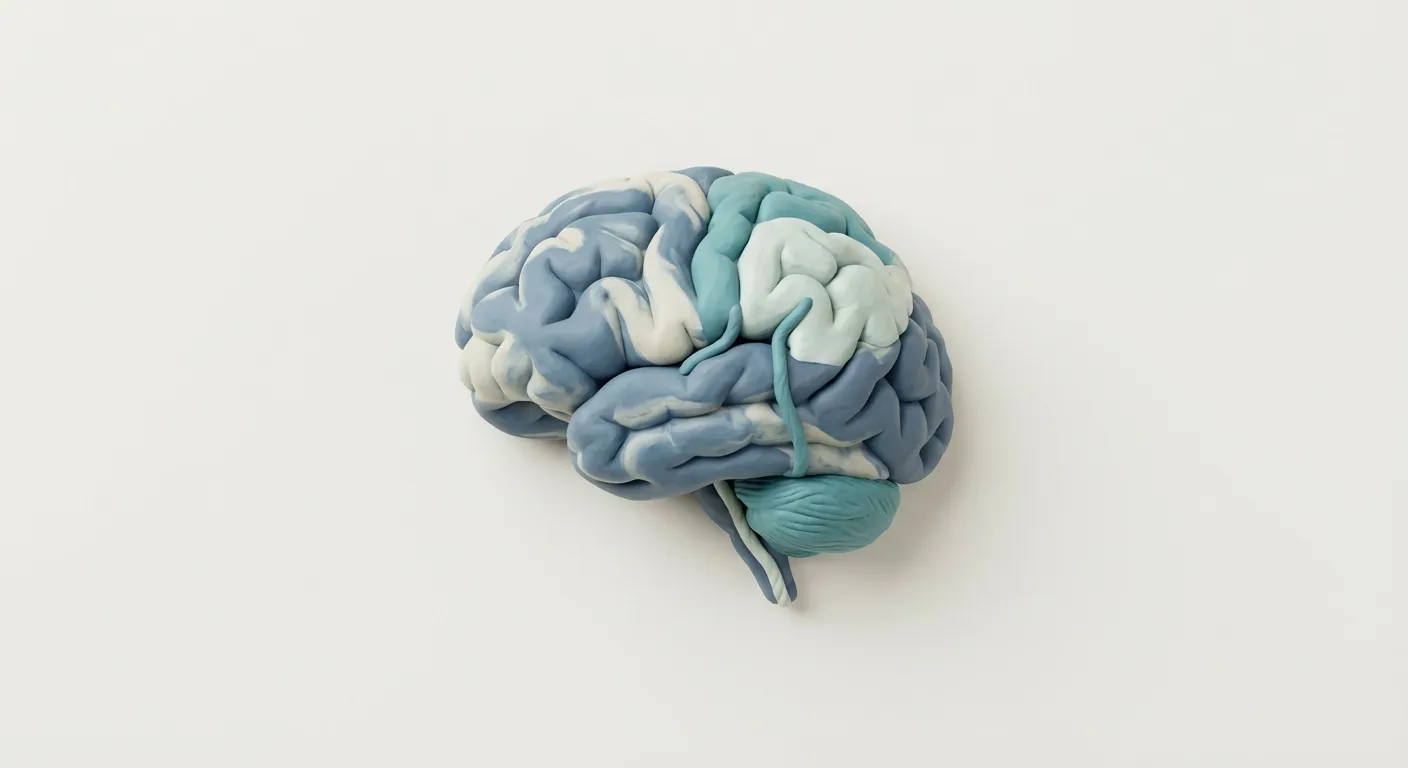
Developmental Coordination Disorder (DCD/Dyspraxia) is a lifelong neurodifference affecting 5-6% of people. It arises from unique brain connectivity patterns in regions controlling movement planning, particularly the cerebellum and parietal cortex.

1 in 18أشخاص متأثرون
5.5%الانتشار
نطاق ذكاء طبيعي

كيف يظهر عسر الأداء الحركي / اضطراب التنسيق النمائي؟

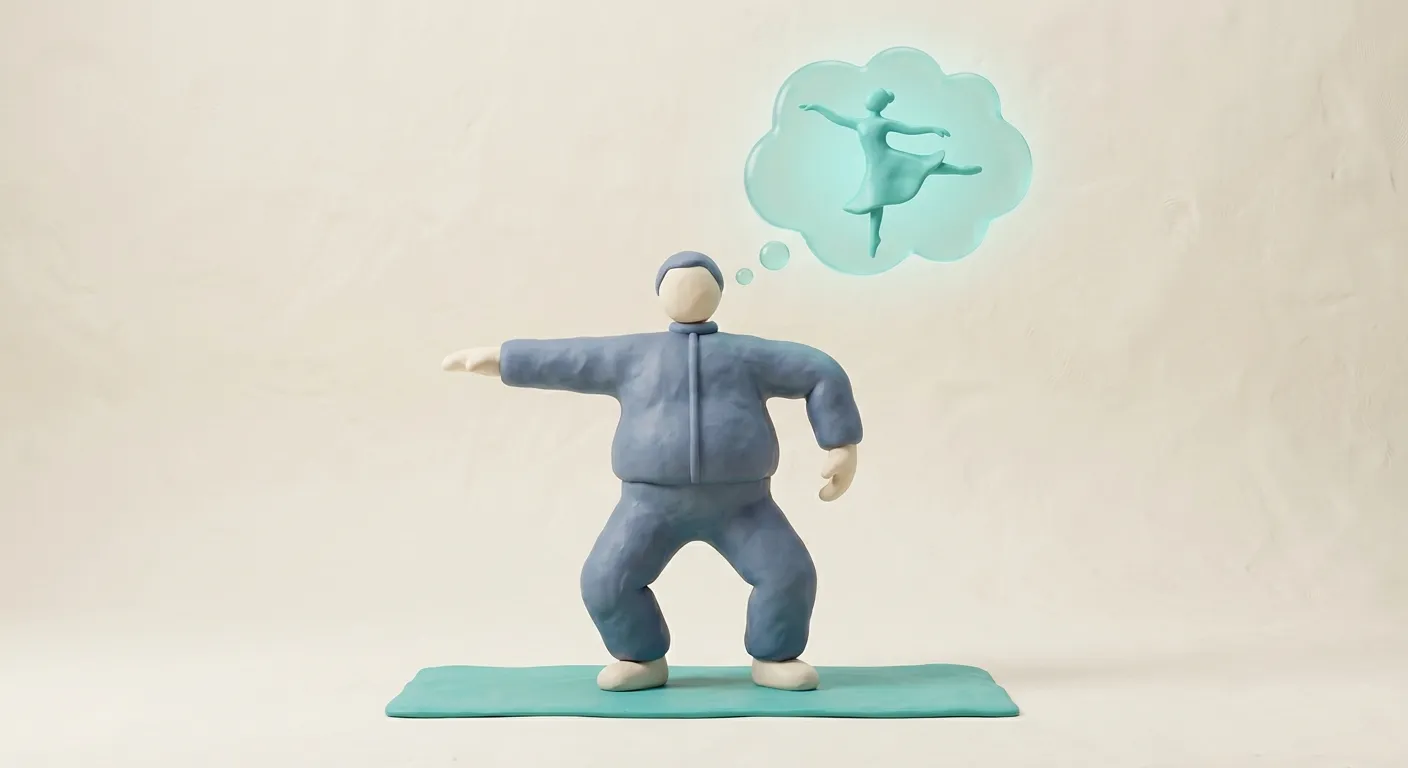
  • Mastering complex dance moves but tripping on stairs
  • Handwriting that looks rushed despite slow effort
  • Frequent collisions with doorframes and furniture
  • Taking years to learn to ride a bike
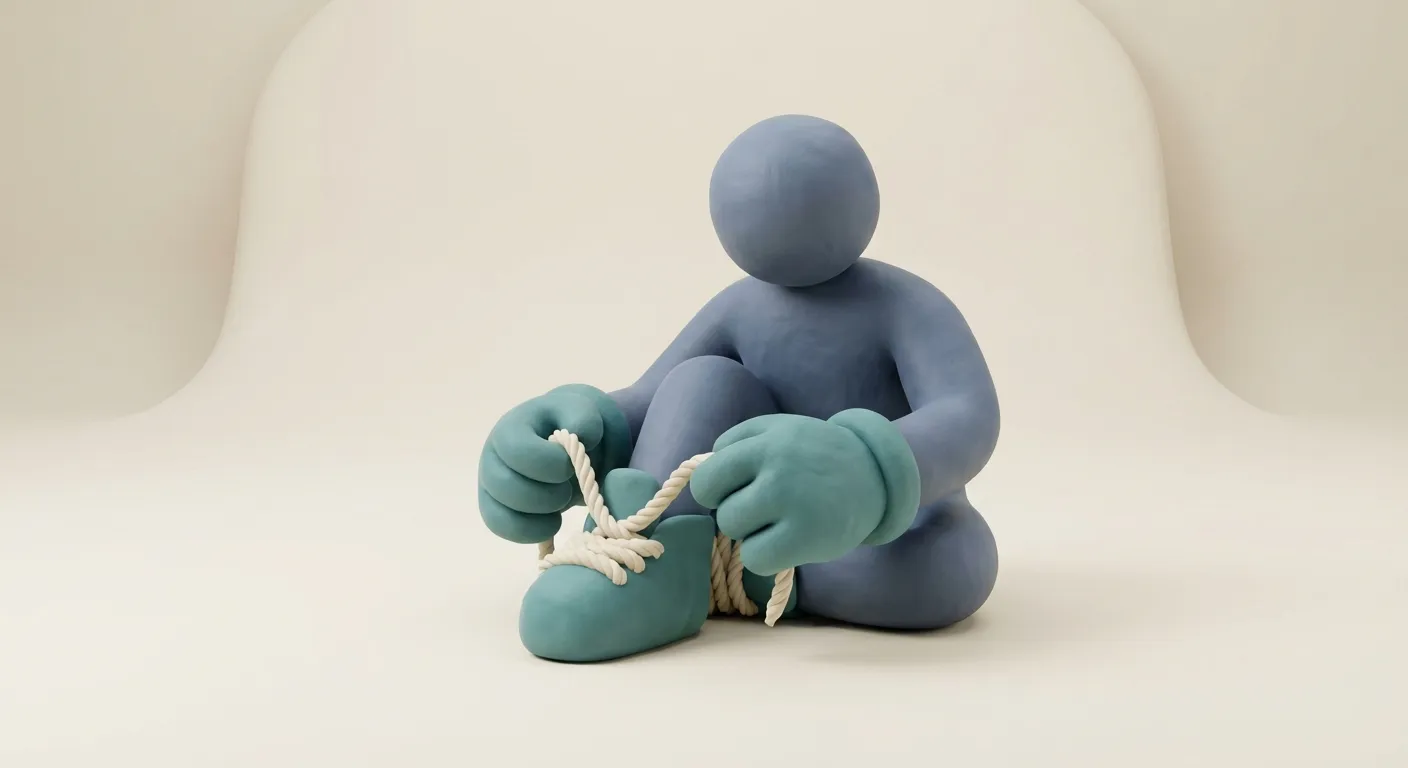
  • Creative clothing solutions: velcro, elastic waists

أنواع عسر الأداء الحركي / اضطراب التنسيق النمائي

  • Ideomotor Dyspraxia(~30%)
  • Ideational Dyspraxia(~25%)
  • Constructional Dyspraxia(~25%)
  • Oromotor Dyspraxia(~20%)

أسئلة شائعة عن عسر الأداء الحركي / اضطراب التنسيق النمائي

لماذا السعي وراء التشخيص إذا كان هناك

يُتيح التشخيص إمكانية الحصول على التسهيلات اللازمة (وقت إضافي، أدوات مريحة) ويُقلل من الشعور باللوم الذاتي. تُشير الدراسات إلى أن الأفراد الذين تم تشخيصهم يتمتعون بثقة بالنفس أعلى بنسبة 60% من أقرانهم غير المُشخصين[7][10]. كما يُتيح التشخيص المُبكر التدخلات المُوجهة - حيث يُظهر الأطفال الذين يتلقون العلاج الوظيفي قبل سن الثامنة تحسناً في التنسيق الحركي بمقدار ثلاثة أضعاف[9].

هل يمكن أن يؤثر عسر الأداء الحركي على القيادة؟

نعم، ولكن مع بعض التعديلات. تشير الأبحاث إلى أن 70% من السائقين المصابين بعسر الأداء الحركي يجتازون اختبارات معدلة باستخدام ناقل الحركة الأوتوماتيكي ونظام تحديد المواقع العالمي (GPS) للتوجيه المكاني. وتُعد الدروس المتخصصة التي تركز على توقع المسار أساسية [8][10].

تمت مراجعة المحتوى وفق معايير DSM-5 والأدبيات السريرية الحالية. هذه الصفحة للأغراض التثقيفية ولا تُشكّل مشورة طبية. استشر مختصاً صحياً مؤهلاً للتشخيص أو العلاج.

عسر التنسيق الحركي (Dyspraxia)

عسر التنسيق الحركي

هل يمكن أن يكون هذا أنا؟

عسر التنسيق الحركي (Dyspraxia)الصوت قريباً

نحن نُعِدّ دليلاً صوتياً لهذه الحالة. أخبرنا عند إطلاقه.

ما هي فعلاً؟

Developmental Coordination Disorder (DCD/Dyspraxia) is a lifelong neurodifference affecting 5-6% of people. It arises from unique brain connectivity patterns in regions controlling movement planning, particularly the cerebellum and parietal cortex. While primarily impacting motor coordination, many individuals develop exceptional creative problem-solving skills as they adapt to physical challenges.

إنها اختلاف في طريقة تركيب الدماغ، وليست عيباً في الشخصية.

تخمين سريع

كم شخصاً من بين 18 تظن أن لديه هذا؟

انقر على الأيقونات لتقديم تقديرك.

يُعد اضطراب التناسق الحركي النمائي (DCD) حالةً عصبيةً نمائيةً تتسم باختلافاتٍ واضحةٍ في بنية ووظيفة الشبكة الجدارية المخيخية. وتُظهر دراسات التصوير بالرنين المغناطيسي الوظيفي (fMRI) والتصوير بالرنين المغناطيسي الانتشار (DTI) سلامةً غير نمطيةٍ للمادة البيضاء في مسارات التخطيط الحركي.

مجلة اضطرابات النمو العصبي
Tap to Start Myth Busting

كيف تبدو من الخارج مقابل كيف تُحسّ من الداخل

التجربة المعاشة خلف السلوك الملاحَظ

Mastering complex dance moves but tripping on stairs — The Conscious Mover
اضغط للرؤية من الداخل

ما يراه الآخرون

Mastering complex dance moves but tripping on stairs

The Conscious Mover
اضغط للعودة

من الداخل

The Conscious Mover

Every step others take automatically, I'm calculating. Walking isn't passive — it's a planning exercise that never goes on autopilot.

Handwriting that looks rushed despite slow effort — The Translation Error
اضغط للرؤية من الداخل

ما يراه الآخرون

Handwriting that looks rushed despite slow effort

The Translation Error
اضغط للعودة

من الداخل

The Translation Error

I know exactly what I want my body to do. The translation to actual movement gets scrambled somewhere between intention and execution.

Frequent collisions with doorframes and furniture — The Spatial Miscalculation
اضغط للرؤية من الداخل

ما يراه الآخرون

Frequent collisions with doorframes and furniture

The Spatial Miscalculation
اضغط للعودة

من الداخل

The Spatial Miscalculation

I'm constantly mapping hazards because my spatial processing will surprise me. Where my body ends and the world begins is always an estimate.

Taking years to learn to ride a bike — The Background Tax
اضغط للرؤية من الداخل

ما يراه الآخرون

Taking years to learn to ride a bike

The Background Tax
اضغط للعودة

من الداخل

The Background Tax

I've been consciously monitoring my movements all day. By 3pm, I'm depleted — not lazy, just out of the processing power that others never had to spend.

Creative clothing solutions: velcro, elastic waists — محرك الابتكار
اضغط للرؤية من الداخل

ما يراه الآخرون

Creative clothing solutions: velcro, elastic waists

محرك الابتكار
اضغط للعودة

من الداخل

محرك الابتكار

When standard methods don't work for your body, you invent alternatives. Necessity didn't just make me creative — it made me an engineer of workarounds.

يتطلب اكتساب المهارات الحركية لدى المصابين باضطراب التنسيق الحركي النمائي (DCD) تكرارات تدريبية أكثر بثلاث مرات تقريبًا مقارنةً بالمتعلمين ذوي النمو العصبي الطبيعي. ويعكس هذا اختلافات في التعلم الإجرائي المخيخي، وليس نقصًا في الدافعية.

علم الحركة البشرية
Tap to Start Myth Busting

Types of عسر التنسيق الحركي (Dyspraxia)

Ideomotor Dyspraxia: You know what to do. Your body heard the instructions. And then it does something vaguely related but not quite right. Like a game of telephone between your brain and your muscles where the message arrives garbled.
النوع 1~30%

Ideomotor Dyspraxia

You know what to do. Your body heard the instructions. And then it does something vaguely related but not quite right. Like a game of telephone between your brain and your muscles where the message arrives garbled.

Difficulty executing learned movements on command
Parietal lobe connectivity differences
Actions don't match mental plan
Responds well to CO-OP therapy
Ideational Dyspraxia: Multi-step actions are the enemy. Not because you can't do each step, but because sequencing them into a coherent plan overwhelms your prefrontal planning circuits. Meal prep is a boss fight.
النوع 2~25%

Ideational Dyspraxia

Multi-step actions are the enemy. Not because you can't do each step, but because sequencing them into a coherent plan overwhelms your prefrontal planning circuits. Meal prep is a boss fight.

Challenge conceptualizing multi-step actions
Prefrontal cortex planning differences
Meal prep/complex tasks most affected
Benefits from visual step-by-step guides
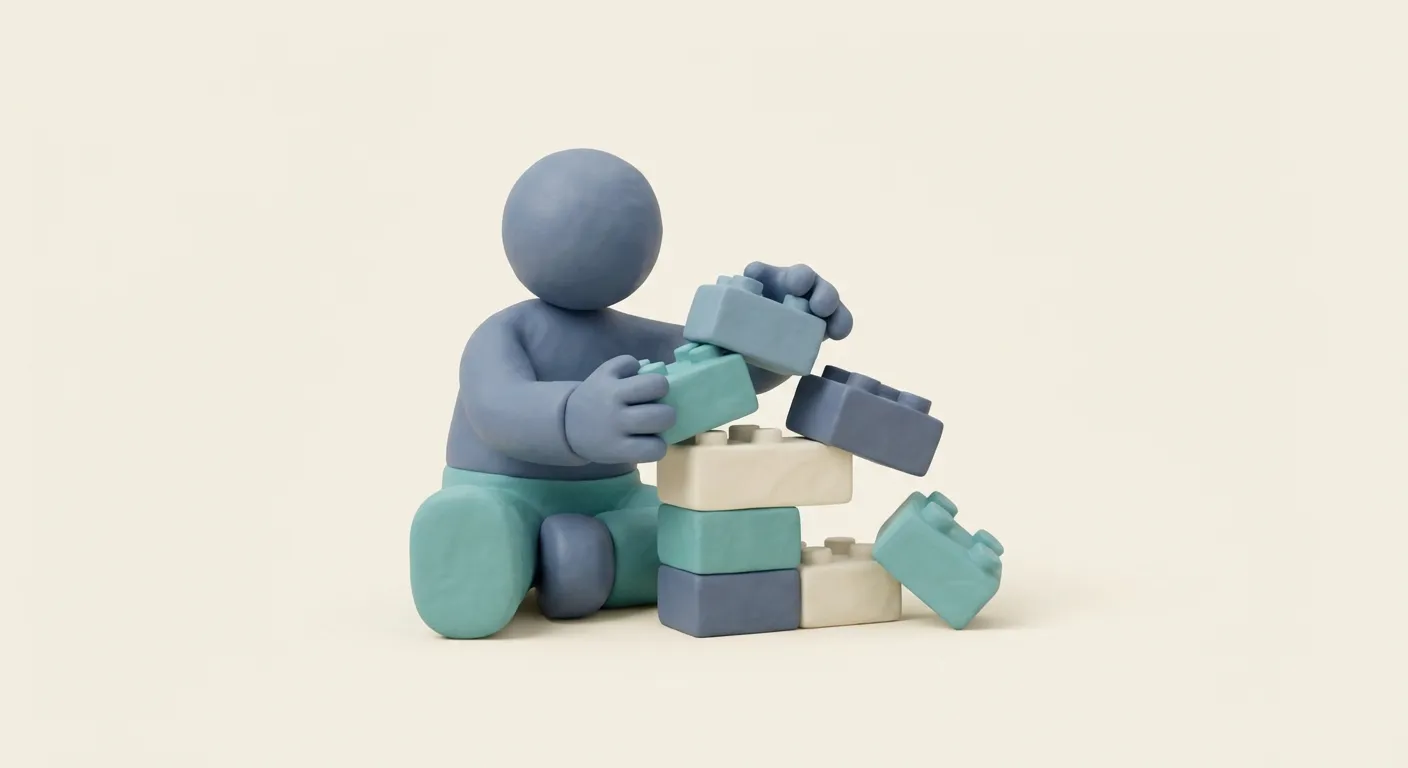
Constructional Dyspraxia: Spatial assembly — Lego, flat-pack furniture, parking between lines. Your right hemisphere processes spatial relationships differently, so 'just put it together' is never 'just.'
النوع 3~25%

Constructional Dyspraxia

Spatial assembly — Lego, flat-pack furniture, parking between lines. Your right hemisphere processes spatial relationships differently, so 'just put it together' is never 'just.'

Spatial assembly difficulties
Right hemisphere processing differences
Judging distances/angles
Benefits from 3D digital tools
Oromotor Dyspraxia: Speech coordination challenges. Your Broca's area and cerebellar connections process the motor sequences of speech differently. The words are there — the mouth just doesn't cooperate.
النوع 4~20%

Oromotor Dyspraxia

Speech coordination challenges. Your Broca's area and cerebellar connections process the motor sequences of speech differently. The words are there — the mouth just doesn't cooperate.

Speech coordination challenges
Broca's area-cerebellar differences
Words available but articulation difficult
PROMPT technique effective

يُظهر البالغون المصابون باضطراب التناسق الحركي النمائي (DCD) تباطؤًا في أوقات الحركة بنسبة 70% في التقييمات المعيارية مقارنةً بالبالغين ذوي النمو العصبي الطبيعي. ولا يزول هذا الاضطراب مع التقدم في السن، بل هو اختلاف عصبي يستمر مدى الحياة.

طب النمو وعلم الأعصاب لدى الأطفال
Tap to Start Myth Busting

علم DYSPRAXIA

The "Why" Behind the "What"

الأمر لا يتعلق بالكسل، بل بعلم الأعصاب الحركي.

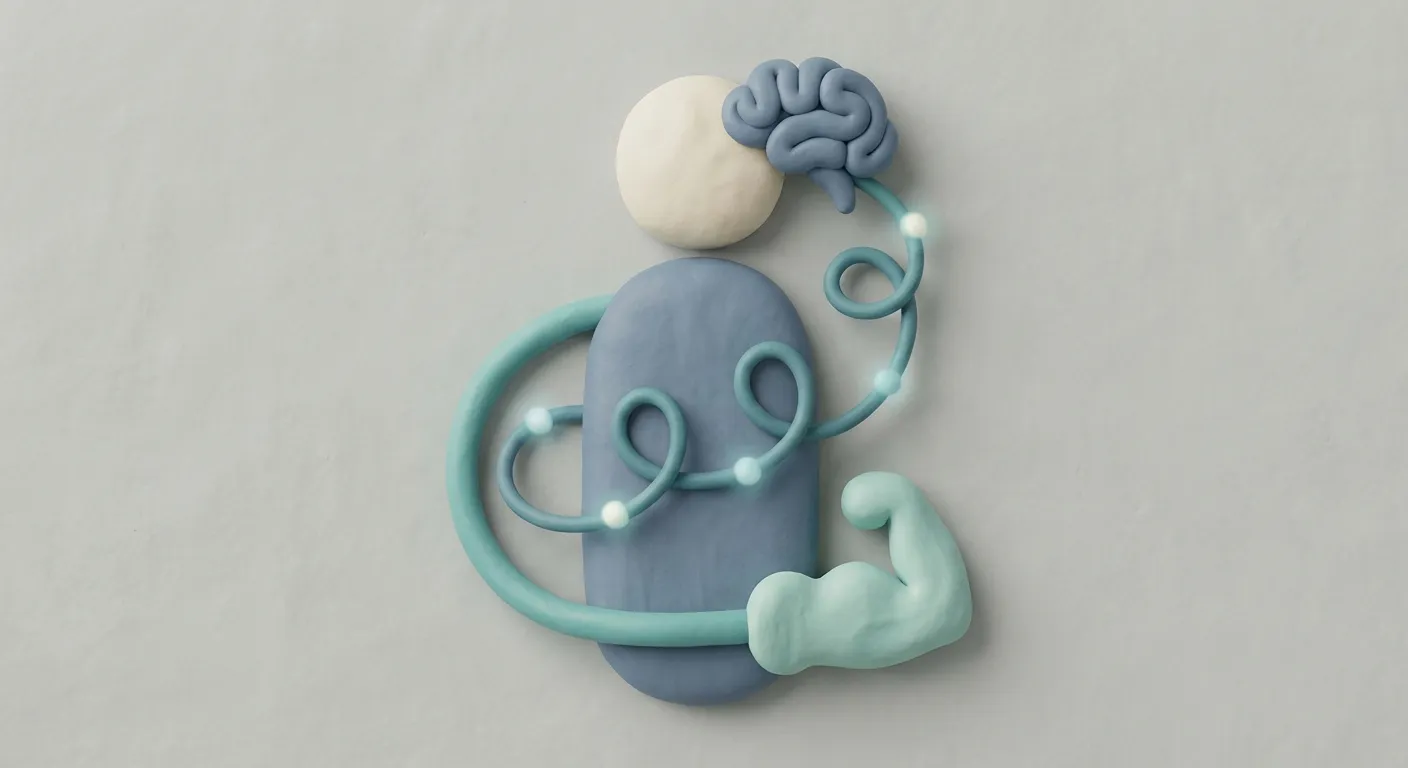
الإشارة المشوشة: البراكسيس هي عملية ثلاثية المراحل تتضمن تصور الحركة، وتخطيط تسلسلها، وتنفيذها. في حالة عسر الأداء الحركي، يعمل المسار الجداري المخيخي المسؤول عن ترجمة النية إلى فعل دقيق وفق بنية مختلفة، ولا تتطابق النتيجة دائمًا مع الخطة.
تخطيط الحركة

الإشارة المشوشة

البراكسيس هي عملية ثلاثية المراحل تتضمن تصور الحركة، وتخطيط تسلسلها، وتنفيذها. في حالة عسر الأداء الحركي، يعمل المسار الجداري المخيخي المسؤول عن ترجمة النية إلى فعل دقيق وفق بنية مختلفة، ولا تتطابق النتيجة دائمًا مع الخطة.

ضبابية خريطة الجسم: يحتفظ دماغك بخريطة آنية لموقع جسمك في الفراغ. في حالة عسر الأداء الحركي، تكون هذه الخريطة أقل وضوحًا من المعتاد - وعندما تشير خريطتك إلى وجود مساحة كافية بينما يشير إطار الباب إلى خلاف ذلك، فإن إطار الباب هو الذي ينتصر دائمًا.
الإحساس بالوضع المكاني

ضبابية خريطة الجسم

يحتفظ دماغك بخريطة آنية لموقع جسمك في الفراغ. في حالة عسر الأداء الحركي، تكون هذه الخريطة أقل وضوحًا من المعتاد - وعندما تشير خريطتك إلى وجود مساحة كافية بينما يشير إطار الباب إلى خلاف ذلك، فإن إطار الباب هو الذي ينتصر دائمًا.

الطيار الآلي المفقود: يتعلم معظم الناس المهارات مرة واحدة ثم يمارسونها بشكل تلقائي إلى الأبد. أما في حالة عسر الأداء الحركي، فإن المهارات التي من المفترض أن تصبح تلقائية تبقى عالقة في المقدمة، مما يتطلب جهداً واعياً إلى أجل غير مسمى، بتكلفة معرفية حقيقية.
التلقائية

الطيار الآلي المفقود

يتعلم معظم الناس المهارات مرة واحدة ثم يمارسونها بشكل تلقائي إلى الأبد. أما في حالة عسر الأداء الحركي، فإن المهارات التي من المفترض أن تصبح تلقائية تبقى عالقة في المقدمة، مما يتطلب جهداً واعياً إلى أجل غير مسمى، بتكلفة معرفية حقيقية.

دماغ ناقل الحركة اليدوي: تخيّل أن الجميع يقودون سيارات أوتوماتيكية - تغييرات التروس تتم بسلاسة تامة، ويمكنهم التركيز على الطريق. أما أنت فتقود سيارة يدوية، وليست من النوع الممتع. كل حركة تتطلب تغييرات واعية في التروس لا يدركها الآخرون. يمكنك بالتأكيد الوصول إلى وجهتك، لكنك لا تستطيع فعل ذلك دون وعي، وفي نهاية الرحلة، ستشعر بالإرهاق الشديد الذي لا يلاحظه أحد من حولك.
الآليات

دماغ ناقل الحركة اليدوي

تخيّل أن الجميع يقودون سيارات أوتوماتيكية - تغييرات التروس تتم بسلاسة تامة، ويمكنهم التركيز على الطريق. أما أنت فتقود سيارة يدوية، وليست من النوع الممتع. كل حركة تتطلب تغييرات واعية في التروس لا يدركها الآخرون. يمكنك بالتأكيد الوصول إلى وجهتك، لكنك لا تستطيع فعل ذلك دون وعي، وفي نهاية الرحلة، ستشعر بالإرهاق الشديد الذي لا يلاحظه أحد من حولك.

يرتبط ذلك بالاتصال غير النمطي في شبكات التخطيط الحركي الجدارية المخيخية والاختلافات في المعالجة الحسية الذاتية.

لا يتأثر الذكاء في اضطراب التنسيق الحركي النمائي (DCD) وفقًا للتعريف التشخيصي. ويعكس توزيع معدل الذكاء التوزيع في عموم السكان. وتعكس صعوبات الكتابة قصورًا في الأداء الحركي، وليس القدرة المعرفية.

DSM-5 / APA
Tap to Start Myth Busting
Restricted Access

Scientific Deep Dive

Explore Myths to Unlock

Earn 5 Insight Points

Illustration for Deep Dive fact 1
1 / 15

لماذا أنا بارع في كتابة القصص؟

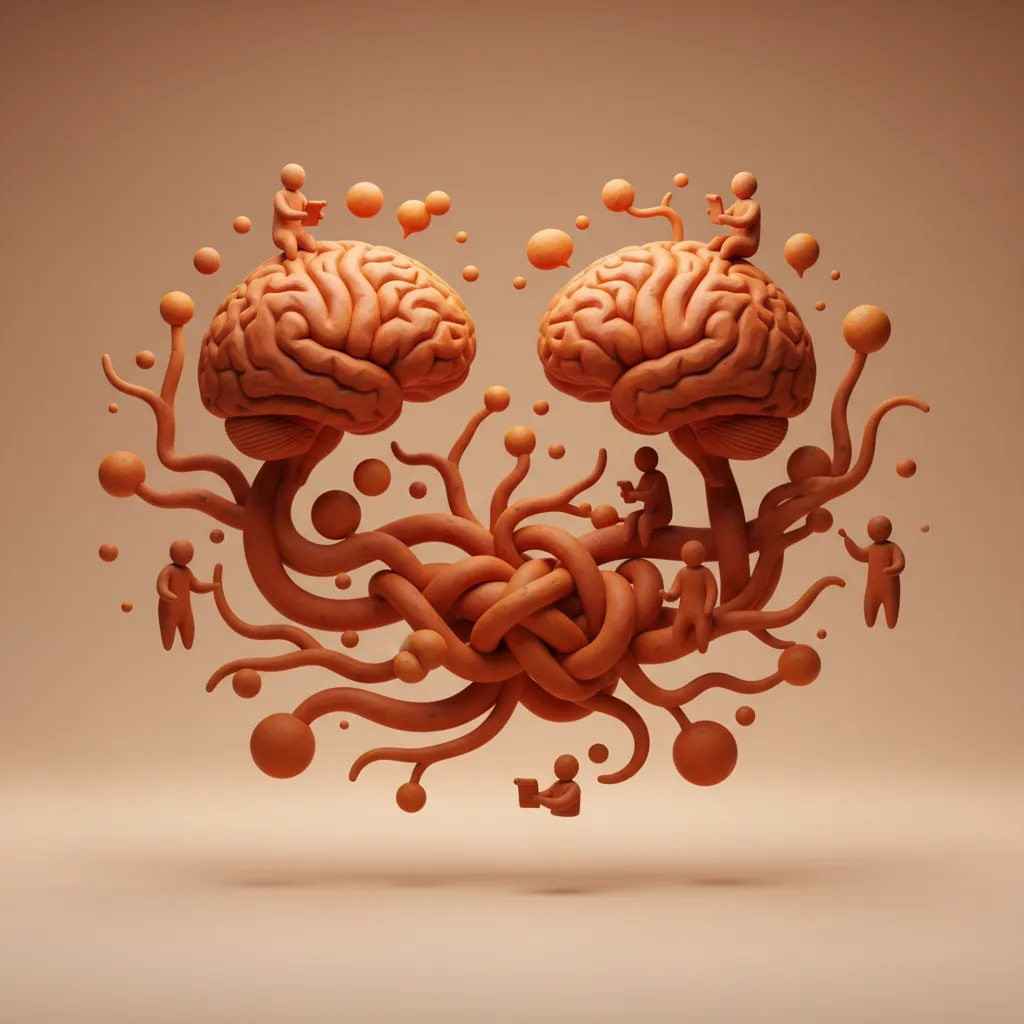
يتحدث دماغك مع نفسه أكثر.

Unlock Answer
Two Sides of the Coin

وجها العملة

كل اختلاف عصبي يأتي مع نقاط ضعف. السمة نفسها التي تسبب الكفاح في سياق واحد تخلق براعة في سياق آخر.

فجوة التلقائية

المهارات التي يتعلمها الآخرون مرة واحدة ثم يمارسونها بشكل تلقائي مدى الحياة - مثل ربط الأحذية، أو التقاط الكرة، أو الكتابة اليدوية - لا تتوقف أنت عن طلب الجهد الواعي منها. الأمر أشبه بقيادة سيارة ذات ناقل حركة يدوي طوال حياتك.

الروليت المكاني

تحتوي خريطة الجسم في دماغك على تفسيرات مثيرة للاهتمام حول أين تنتهي أنت وأين يبدأ العالم. إطارات الأبواب وزوايا الطاولات والسلالم لها آراء قوية حول هذا الخلاف.

ضريبة الطاقة

إن التحكم الحركي الواعي يستهلك طاقة معرفية حقيقية. فبحلول فترة ما بعد الظهر، تكون قد استهلكت طاقة معالجة أكبر في "مجرد الحركة" مما يستهلكه معظم الناس في كامل عبء عملهم.

يعاني 80% من الأشخاص المصابين باضطراب التنسيق النمائي من حالة عصبية نمائية واحدة على الأقل مصاحبة. ويُلاحظ وجود اضطراب فرط الحركة ونقص الانتباه لدى 50% منهم، وعسر القراءة لدى 30%، واختلافات في المعالجة الحسية لدى 45%، وعسر الكتابة لدى 60%.

البحوث في مجال الإعاقات النمائية
Tap to Start Myth Busting

أصوات المجتمع

تجارب حقيقية

I

عضو في المجتمع
22

استغرق تعلم القيادة مني ثلاثة أضعاف المدة التي استغرقها أصدقائي. لكنني

عضو في المجتمع
39

على الصعيد الاجتماعي، أفتقد...

عضو في المجتمع
16

الكتابة هي شريان حياتي. خط يدي يبدو كمسرح جريمة، لكن صوتي الرقمي واضح.

عضو في المجتمع
33

كنت أشعر بالخجل من الاصطدام بإطارات الأبواب. الآن أسميها ببساطة

عضو في المجتمع
50

النجاح ليس

عضو في المجتمع
27

تظن أن لديك عسر التنسيق الحركي (Dyspraxia)؟

خذ تقييم الفحص بالجودة السريرية. يستغرق أقل من 5 دقائق ويمنحك رؤى فورية.

إعادة البرمجة للنجاح

توقف عن محاولة إصلاح نفسك. ابدأ في بناء نظام دعم يتوافق مع دماغك لا يعارضه.

مُعَالَجَة

  • العلاج التعاوني
    التوجه المعرفي للأداء المهني اليومي - تدريب استراتيجي ما وراء معرفي ذو معيار ذهبي يستهدف الأهداف التي يختارها العميل.
  • التدريب الحركي الخاص بالمهام
    إن ممارسة الأنشطة المحددة التي تهم في الحياة اليومية تُظهر نتائج أفضل من تمارين الحركة العامة.
  • العلاج بالتكامل الحسي
    يعمل على إثراء المدخلات الحسية العميقة والدهليزية لتحسين دقة مخطط الجسم بمرور الوقت - وهو أمر مفيد بشكل خاص لأولئك الذين يعانون من اختلافات كبيرة في المعالجة الحسية.

تكنولوجيا

  • برنامج تحويل الصوت إلى نص
    يتجاوز تمامًا عنق الزجاجة الحركي للكتابة - يتيح كل من Dragon و Apple Dictation و Google Voice إخراجًا كتابيًا كاملاً دون الحاجة إلى الكتابة اليدوية.
  • لوحات المفاتيح والفأرات التكيفية
    تُقلل التصاميم المريحة وكرات التتبع من متطلبات المهارات الحركية الدقيقة اللازمة للعمل على الكمبيوتر.
  • تطبيقات التقويم والتسلسل
    تدعم تطبيقات المهام المرئية خطوة بخطوة (مثل Brili أو Structured) التخطيط التصوري والتسلسل متعدد الخطوات.
  • التسجيلات الصوتية
    تسجيل الملاحظات بدلاً من كتابتها بخط اليد - يزيل المهمة المزدوجة المتمثلة في الاستماع أثناء إدارة مخرجات الكتابة اليدوية في نفس الوقت.

نمط الحياة

  • ملابس مناسبة للدراجات النارية
    تُعدّ الفيلكرو، والأحزمة المطاطية، والأزرار المغناطيسية، وسحابات السحاب حلولاً هندسية، وليست حلولاً وسطية.
  • الحركة الحسية الذاتية
    توفر أنشطة العمل الشاقة - الحمل والدفع والسحب - مدخلات حسية قوية وتساعد على معايرة مخطط الجسم للمهام اللاحقة.
  • إدارة الطاقة
    يؤدي جدولة المهام التي تتطلب جهدًا بدنيًا كبيرًا خلال فترات الطاقة العالية، وبناء وقت للتعافي بعد أيام الحركة المكثفة، إلى تقليل التكلفة المعرفية للجهد الأساسي.
  • عوائق التدريب المتعمد
    إن الممارسة القصيرة والمركزة والمتكررة لمهارات حركية محددة - مع الانتباه المعرفي الصريح - تميل إلى بناء ترميز أكثر موثوقية من الممارسة العرضية.

بيئة

  • تصميم الحد من المخاطر
    تساهم الممرات الواضحة والإضاءة الجيدة والأسطح غير القابلة للانزلاق ووضع الأثاث بشكل متسق في تقليل عبء المسح البيئي.
  • مساحات عمل مريحة
    يساهم ارتفاع الكرسي وزاوية المكتب وموضع الشاشة وأدوات الإمساك في تقليل الطلب الحركي التراكمي في بيئات العمل.
  • أدلة الخطوات المرئية
    تُقلل التعليمات المرئية المغلفة خطوة بخطوة للمهام المعقدة متعددة المراحل من عبء التخطيط الفكري في اللحظة الراهنة.
  • مخازن الانتقال
    إن توفير وقت إضافي بين الأنشطة للانتقالات البدنية يقلل من التكلفة المعرفية لإدارة الحركة المتسرعة.

المكملات الغذائية

  • أوميغا 3 (EPA/DHA)
    قد يدعم وظيفة غشاء الخلايا العصبية والترابط العصبي - استشر مقدم الرعاية الصحية قبل البدء.
  • المغنيسيوم
    يدعم الوظيفة العصبية العضلية؛ ويرتبط نقص المغنيسيوم بزيادة صعوبة التنسيق الحركي.
  • فيتامين د3
    يدعم الوظائف العصبية على نطاق واسع؛ ونقصه شائع ويمكن أن يؤدي إلى تفاقم تحديات النمو العصبي.
  • Iron
    يرتبط نقص الحديد باختلافات في النمو الحركي؛ لذا فإن فحص مستويات الحديد أمر مفيد إذا كان التعب واضحًا.

Body

  • سباحة
    توفر البيئات المائية تغذية راجعة حسية مستمرة وتقلل من عواقب الأخطاء المكانية - يجد العديد من البالغين المصابين باضطراب التناسق الحركي النمائي أن السباحة سهلة بشكل خاص.
  • اليوغا والتاي تشي
    إن ممارسة الحركة البطيئة والمتأنية مع إيلاء اهتمام واضح لوضعية الجسم تبني دقة الإحساس العميق بمرور الوقت.
  • بطانيات وسترات ثقيلة
    يوفر إدخال الضغط العميق ردود فعل قوية للإحساس بالوضع ويمكن أن يساعد في تنظيم الجهاز العصبي، وهو أمر مفيد بشكل خاص قبل أداء المهام البدنية الشاقة.
  • حركة إيقاعية
    تدعم أنشطة القرع على الطبول أو التأرجح أو المشي الإيقاعي وظيفة التوقيت المخيخي ويمكن أن توفر مدخلات حسية مهدئة.
FAQ

الأسئلة الشائعة

مسرد المصطلحات

المراجع العلمية

  1. الجمعية الأمريكية للطب النفسي. (2022). الدليل التشخيصي والإحصائي للاضطرابات النفسية (الطبعة الخامسة، مراجعة النص).
  2. بلانك، ر.، وآخرون (2019). الأكاديمية الأوروبية لإعاقة الطفولة (EACD): توصيات بشأن تعريف وتشخيص وعلاج اضطراب التناسق الحركي النمائي. طب النمو وعلم الأعصاب لدى الأطفال، 61(3)، 242-285.
  3. بيوتو، م.، وآخرون (2016). التغيرات العصبية المرتبطة بالتعلم الإجرائي في اضطراب التنسيق النمائي. فرونتيرز في علم الأعصاب البشري، 10.
  4. كاكولا، ب. (2016). الصحة البدنية والنفسية للأطفال المصابين باضطراب التناسق الحركي النمائي. مجلة فرونتيرز في الصحة العامة، 4، 224.
  5. جيوز، ر. هـ. (2005). ضعف الحركة في اضطراب التناسق الحركي النمائي والأنشطة في الحياة اليومية. في د. سوجدين وم. تشامبرز (محرران)، الأطفال المصابون باضطراب التناسق الحركي النمائي.
  6. ميسيونا، سي، وآخرون (2008). فهم الصعوبات الحركية لدى الأطفال المصابين باضطراب التنسيق النمائي: نظرة متكاملة. العلاج الطبيعي والوظيفي في طب الأطفال، 28(2).
  7. بولاتاجكو، هـ. ج.، وكانتين، ن. (2005). اضطراب التنسيق النمائي (عسر الأداء الحركي): نظرة عامة على أحدث ما توصل إليه العلم. ندوات في طب أعصاب الأطفال، 12(4)، 250-258.
  8. سميتس-إنجلسمان، ب.، وآخرون (2018). فعالية التدخلات لتحسين الأداء الحركي لدى الأطفال المصابين باضطراب التنسيق النمائي الحركي. العلاج الطبيعي، 98(7)، 574-585.
  9. ويلسون، ب. هـ.، وآخرون (2017). النتائج المعرفية والتصوير العصبي في اضطراب التنسيق النمائي. مجلة علم نفس الطفل والطب النفسي، 58(3)، 274-292.
  10. زويكر، ج. ج.، وآخرون (2012). يختلف تنشيط الدماغ لدى الأطفال المصابين باضطراب التنسيق النمائي عن أقرانهم. مجلة نيوروإيميج، 59(1)، 931-942.

إيقاعك فريد، وليس معيباً. لقد نجوت حتى الآن. تخيل ما يمكنك فعله عندما تتوقف عن محاربة عقلك.

Why Dyspraxic Brains Calculate Every Movement

Here is a paradox that people with dyspraxia often notice and can't quite explain: complex choreography, once consciously learned, can feel manageable — while something as basic as walking through a door without catching your shoulder feels like rolling dice every time.

The reason is praxis — the neurological process of conceiving, planning, and executing motor actions. In dyspraxia (formally called Developmental Coordination Disorder), the pathway between intention and action is structurally different. Specifically, the parietal cortex and cerebellum — the brain regions responsible for translating intention into sequenced motor output — show atypical connectivity patterns. This isn't a failure of effort or intelligence. It's a different wiring in the motor planning circuit.

For neurotypical people, most physical movements gradually migrate from conscious control into automaticity. A child learning to walk spends years consciously placing each foot — and then, one day, walking is automatic. It happens without thought. The cerebellum stores the routine and runs it in the background. This is called procedural learning, and it frees up the conscious mind for higher-order tasks.

In dyspraxia, this migration to automaticity is significantly impaired. The cerebellum doesn't reliably store and replay motor routines the way it does in neurotypical brains. This means movements that should be automatic — walking on uneven ground, catching something thrown at you, navigating a crowded room — remain partially or fully in conscious awareness. You're not walking. You're deciding to walk, over and over, with every step.

And here's the paradox: when you consciously learn a complex routine — a dance sequence, a swimming stroke, a martial arts kata — you're already using the conscious, cortical pathway. You practise it deliberately and deliberately you execute it. But when stairs are 'just stairs,' your brain doesn't recruit the same deliberate attention. It expects automaticity to take over — and it doesn't.

This explains why many people with dyspraxia can achieve impressive things in deliberately practised domains while tripping over the 'easy' stuff. Deliberate attention is something dyspraxic brains can do. Automatic pilot is something they do less reliably. Once you understand this, you can stop being confused by the mismatch — and start designing your environment and habits to reduce the reliance on automaticity that your brain doesn't deliver.

  • Praxis — the process of conceiving, planning, and executing movement — involves parietal-cerebellar pathways that work differently in dyspraxia.
  • Procedural learning (migrating movements to autopilot) is impaired — familiar movements remain in conscious awareness longer or permanently.
  • Complex deliberately-learned movements can sometimes feel easier than routine ones, because dyspraxic brains are already using the deliberate pathway.
  • Designing for conscious control (deliberate practice, environmental cues) works better than expecting automaticity to develop.

The Ideomotor Pathway: When Intention and Action Diverge

You know exactly what you want your handwriting to look like. You've seen it in your head, clear as a photograph. And then your hand produces something that looks like it was drawn during turbulence. What's happening in between?

This is the ideomotor gap — the space between forming a clear motor intention and executing a movement that matches it. For many people with dyspraxia, the intention is fine. The mental image of the desired action is completely intact. The problem lives in the pathway between that image and the body's execution of it.

Neurologically, this involves the ideomotor pathway — the circuit connecting the prefrontal cortex (where you form intentions), the supplementary motor area (where movements are sequenced), and the primary motor cortex (where the signal goes to your muscles). In dyspraxia, connectivity differences in this pathway mean the movement signal that reaches your muscles is a slightly garbled version of the original plan. Not random. Not careless. Just... translated imperfectly.

Handwriting is one of the most obvious places this shows up because it demands so much simultaneous motor precision: grip pressure, letter formation, letter spacing, line tracking, speed regulation — all at once. For a dyspraxic brain running the ideomotor pathway at lower bandwidth, the output can look rushed or carelessly done even when the person is working harder than anyone around them can see.

Here's what matters practically: the bottleneck is almost always in the execution pathway, not the conceptual one. This is why switching to typing often unlocks a dramatic jump in output quality — the motor translation required to type is fundamentally different and, for many dyspraxic people, significantly less glitchy. Speech-to-text can bypass the bottleneck almost entirely. The idea is never the problem. Getting the idea out of your head and into the world is where the friction lives.

Knowing this reframes the question from 'why can't they just be more careful?' to 'what output format lets their competence actually reach the page?' These are completely different questions with completely different solutions.

  • The ideomotor pathway — connecting intention to execution — shows connectivity differences in dyspraxia, creating a translation gap between plan and result.
  • Poor handwriting in dyspraxia reflects a motor execution bottleneck, not a lack of effort or care — the mental image of the target is often clear.
  • Typing and speech-to-text bypass the graphomotor bottleneck and often dramatically improve output quality.
  • Reframing from 'be more careful' to 'find the right output format' opens up practical solutions that actually work.

Proprioception and the Fuzzy Body Map

You know the doorframe is there. You have walked through it a hundred times. And you still catch your shoulder on the way through, with such regularity that your shoulder has basically accepted its fate. What is going on?

The answer involves proprioception — the sensory system that tells your brain where your body is in space. Proprioception runs through specialized receptors in your muscles, joints, and tendons, feeding continuous positional data to your parietal cortex. Your parietal cortex then maintains a real-time body schema — essentially a spatial map of yourself — that it uses to calibrate movement.

In dyspraxia, proprioceptive processing in the parietal cortex shows measurable differences. The body schema is less precise. The margins are fuzzier. Your brain's estimate of where your shoulder is, relative to the doorframe, is slightly off — and slightly off is enough to catch it.

This isn't about not paying attention. It's about the precision of the underlying sensory map. A neurotypical brain is working with high-resolution proprioceptive data; a dyspraxic brain is often working with something closer to standard definition. Both can navigate the world — but the margins for error are different.

The right hemisphere is particularly involved in spatial processing, and right hemisphere connectivity differences appear in many people with dyspraxia. This affects not just body-in-space awareness but also the ability to judge distances and spatial relationships in the environment — which is why spatial tasks (parallel parking, estimating whether a gap is wide enough, catching a thrown object) can be so reliably difficult.

One important point: the constant environmental scanning many people with dyspraxia describe — the habit of pre-mapping hazards, noting obstacles, choosing the wider path — is not anxiety, though it can look like it. It's a rational, adaptive response to having a less reliable proprioceptive system. If your body map isn't fully trustworthy, you recruit more visual information to compensate. That takes attention and energy, but it's intelligent adaptation, not paranoia.

  • Proprioception — the sense of body position in space — involves parietal cortex processing that works differently in dyspraxia, creating a less precise body schema.
  • Frequent collisions reflect imprecise spatial margins, not inattention — the brain's body map has lower resolution than the environment requires.
  • Right hemisphere connectivity differences affect spatial judgement, distance estimation, and coordination in three-dimensional environments.
  • Constant environmental pre-scanning is a rational adaptive strategy for a less reliable proprioceptive system, not anxiety.

The Cognitive Load of Conscious Motor Control

If you have dyspraxia, you may have noticed that you're often more tired at the end of a physical day than the people around you — even when you've objectively done less. You may have come home from a walk and needed to sit down in a way that seemed disproportionate. Or noticed that after a day of navigating unfamiliar environments, you can barely string a sentence together.

This is the background tax — and it's real, measurable, and chronically underappreciated.

Movement that is automatic carries almost no conscious cognitive load. When a neurotypical person walks down a street, their cerebellum handles most of the motor execution in the background, leaving their prefrontal cortex free to think about dinner plans, process a conversation, or notice a shop window. Conscious attention is reserved for unusual demands — a pothole, a sudden change of direction.

For someone with dyspraxia, the same walk involves continuous, active motor monitoring. Every step on an uneven surface requires conscious recalibration. Navigating pedestrian traffic involves real-time spatial computation. Carrying a bag while walking involves managing competing motor tasks that should run in parallel but don't. The prefrontal cortex — your working memory and executive function hardware — is doing double duty as both a thinker and a movement supervisor.

Working memory has a finite capacity. Using it for movement supervision leaves less available for everything else. This is why many people with dyspraxia find unfamiliar physical environments cognitively exhausting in ways that feel out of proportion, and why tasks that require both motor coordination and cognitive engagement simultaneously (taking notes by hand while listening, walking and holding a conversation) are disproportionately draining.

Cognitive load theory in occupational therapy research supports this model: the more cognitive bandwidth is consumed by motor regulation, the less remains for higher-order tasks. This isn't tiredness from weakness. It's tiredness from running two expensive cognitive processes simultaneously when most people are only running one.

Acknowledging the background tax doesn't require lowering expectations. It requires planning around it — managing physical demands strategically, building in recovery time, and not punishing yourself for the depletion that comes from working harder than it looks.

  • Automatic motor control is nearly free cognitively — conscious motor control consumes significant working memory and prefrontal resources.
  • Dyspraxic brains run continuous motor monitoring in parallel with cognitive tasks, creating real dual-task cognitive load.
  • Depletion after physical activity or unfamiliar environments reflects genuine cognitive exhaustion from sustained motor management.
  • Planning around the background tax — strategic physical demands, recovery time — works better than trying to push through the depletion.

The Adaptive Intelligence of Dyspraxic Problem-Solving

When the standard solution doesn't work for your body, you don't get the option to not solve the problem. You just have to find a different path to the same outcome. And doing this, repeatedly, from childhood, for things as basic as getting dressed, carrying things, and navigating space — it builds a particular kind of intelligence that people who've never needed it simply don't develop.

This is what some researchers call distributed intelligence — the capacity to solve problems by distributing the challenge across tools, environments, and creative reconfigurations, rather than trying to solve them with brute-force skill execution. People with dyspraxia often become remarkable practitioners of this approach without ever naming it.

The velcro shoes story is one of the most cited examples. Button cuffs replaced by elasticated cuffs. Backpacks preferred over handbags. Cut-to-size grip handles. Meal prep strategies that reduce simultaneous motor demands. These are not lazy workarounds. They are elegant engineering solutions to real physical interface problems. And the thinking that produces them — identifying where the friction is, redesigning the interface rather than blaming the user — is exactly the thinking that drives good product design, systems engineering, and accessibility innovation.

Research on default mode network activity in conditions with motor planning differences shows heightened internal narrative processing — the brain talks to itself more. This rich internal monologue supports verbal reasoning, scenario simulation, and problem reframing. People with dyspraxia often process experiences deeply and thoroughly precisely because they've had to, from an early age, think carefully about physical actions that others perform without reflection.

There is also the resilience dimension. Growing up navigating physical challenges that no-one around you shares, that teachers often don't recognise, and that you yourself may not have had words for — that is genuinely hard. And getting through it without the tools you now know you needed builds a kind of adaptive capacity that is real and transferable. Not inspirational-poster resilience. Actual, earned, tested resilience.

  • Distributed intelligence — solving problems via tools, environment, and creative reframing rather than direct execution — is a genuine cognitive strength in dyspraxia.
  • Adaptive workarounds (velcro, elasticated clothing, ergonomic tools) are engineering solutions, not signs of giving up.
  • Heightened internal narrative processing supports rich verbal reasoning and scenario simulation.
  • Lifelong navigation of unrecognised physical challenges builds transferable adaptive capacity and genuine resilience.

الممارسة العملية ودائرة تخطيط الحركة

Motor planning — praxis — involves three stages that most people perform so seamlessly they aren't aware of any of them: ideation (forming the idea of what movement to make), planning (sequencing the required motor components), and execution (sending the right signals to the right muscles at the right time). In dyspraxia, one or more of these stages runs differently, and the downstream effect is movements that don't match the original intention.

The parietal cortex sits at the centre of motor planning. It integrates information from multiple sensory sources — proprioception, vision, vestibular signals — to build a real-time spatial model of the body and its relationship to objects in the environment. This model is what the motor cortex uses to plan precise movements. In DCD, neuroimaging consistently shows differences in parietal cortex structure, function, and connectivity. The model it produces is less precise, which means the movements the motor cortex plans from it are less precise.

The cerebellum's role is equally critical. Classically associated with motor coordination, the cerebellum functions as a forward model: it predicts the sensory consequences of a planned movement, compares them to the actual sensory feedback during execution, and adjusts the motor output in real time. This predictive comparison — the cerebellar internal model — is what allows skilled movements to be smooth and accurate. In DCD, the cerebellar internal models are less refined, leading to timing errors, force regulation errors, and movements that overshoot or undershoot their targets.

DTI (diffusion tensor imaging) studies in children and adults with DCD show reduced white matter integrity in the tracts connecting the parietal cortex, cerebellum, and motor cortex — the actual neural cables carrying the movement plan. The signal travels, but it arrives with some noise added.

Critically, none of this is about intelligence or effort. The ideation stage — knowing what you want to do — is typically intact. The motor knowledge is there. The translation is where the signal degrades.

  • تتضمن الممارسة ثلاث مراحل - التفكير والتخطيط والتنفيذ - ويمكن أن يؤثر اضطراب التنسيق النمائي على أي منها أو جميعها على مستوى الفص الجداري المخيخي.
  • تقوم القشرة الجدارية ببناء نموذج الجسم المكاني الذي يحرك تخطيط الحركة؛ الاختلافات الهيكلية والوظيفية هنا تقلل من دقة الحركة.
  • يتنبأ النموذج الأمامي للمخيخ بالحركة ويصححها في الوقت الحقيقي؛ وتتسبب الاختلافات في النماذج الداخلية للمخيخ في أخطاء التوقيت والقوة.
  • تُظهر دراسات التصوير بالرنين المغناطيسي الانتشارية انخفاض سلامة المادة البيضاء في مسارات التخطيط الحركي - فالبنية التحتية المادية تحمل الإشارة بشكل غير كامل، وليس الذكاء.

الإحساس بالوضع: الحاسة الخفية وراء التنسيق

Proprioception is one of the most underappreciated senses. Unlike vision or hearing, it has no dedicated organ you can point to — it runs through specialized receptors (muscle spindles, Golgi tendon organs, joint capsule receptors) distributed throughout your entire body. These receptors continuously feed positional and movement data to the brain, which uses it to maintain what is called the body schema: a real-time, three-dimensional model of where every part of your body is, how fast it's moving, and how much force it's exerting.

This body schema is not a passive map. It's a dynamic, predictive model that the motor cortex consults continuously during movement planning and execution. When you reach for a glass, your motor cortex uses the body schema to calculate how far your arm needs to extend, where your fingers need to land, and how much grip force to apply — all before you consciously think about any of it.

In DCD, proprioceptive processing in the parietal cortex shows measurable differences. Studies using joint position sense tests (asking participants to match the position of one limb to the other with vision blocked) consistently find greater errors in DCD populations compared to neurotypical controls. The signal from the proprioceptive receptors arrives, but it's processed with less precision — producing a body schema with fuzzier margins.

Fuzzy margins have downstream consequences. If your brain's estimate of where your shoulder is contains a few degrees of uncertainty, that uncertainty propagates into every movement that involves your shoulder — and a doorframe is not fuzzy at all. The mismatch between the body schema's imprecision and the environment's precision is where collisions, misjudgements, and spatial errors consistently emerge.

Sensory integration therapy — approaches that specifically target proprioceptive and vestibular input — address this directly. By enriching the sensory feedback environment, these approaches help the parietal cortex build a more refined body schema over time. It doesn't fix the underlying wiring, but it gives the brain better data to work with.

  • تنتقل حاسة الحس العميق من خلال مستقبلات موزعة وتغذي القشرة الجدارية، التي تحافظ على مخطط الجسم في الوقت الحقيقي لتخطيط الحركة.
  • تُظهر أدمغة مرضى اضطراب التناسق الحركي النمائي اختلافات قابلة للقياس في دقة التمييز الحسي العميق - إذ تحمل خريطة الجسم عدم دقة جوهرية.
  • يؤدي مخطط الجسم الأكثر ضبابية إلى أخطاء في الحسابات المكانية تتسلسل إلى تصادمات، ومسافات غير دقيقة، وأخطاء في التنسيق.
  • تعمل أساليب التكامل الحسي على إثراء المدخلات الحسية الذاتية لمساعدة القشرة الجدارية على بناء نموذج مكاني أكثر دقة بمرور الوقت.

لماذا لا تعمل المهارات الحركية تلقائيًا في عسر الأداء الحركي؟

Motor learning happens in stages. In the cognitive stage, a new skill requires deliberate attention — you think about each component, you make frequent errors, you correct consciously. In the associative stage, performance improves and errors decrease, but attention is still partly engaged. In the autonomous stage, the skill runs automatically — the cerebellum has stored a motor program that executes without conscious supervision, freeing the cortex for other things entirely.

For most people, repeated practice reliably drives skills from stage one to stage three. It takes different amounts of time for different skills, but the trajectory is consistent. You practise enough, and one day you're doing it without thinking.

In dyspraxia, this trajectory is impaired. Specifically, the cerebellar and basal ganglia circuits responsible for procedural learning — the system that converts practised motor sequences into automatic programs — show structural and functional differences in DCD. The progression from effortful to automatic is significantly slower, more variable, and in some cases may not complete at all for certain skills.

The research numbers here are stark. Adults with DCD show 70% slower movement times on standardised motor tasks compared to controls — this gap does not close with age. Acquisition of new motor skills requires approximately three times more practice repetitions. And even overlearned skills — things practised thousands of times — often retain a degree of conscious oversight that should, in theory, have been fully automated.

The cognitive cost of this persistent conscious supervision is what drives the chronic fatigue described by many adults with DCD. Every time a neurotypical person walks, types, drives, or cooks using fully automated motor programs, they are doing it for free, cognitively speaking. Every time a person with dyspraxia does the same task, they pay some cognitive cost — small on a good day, but real, and it accumulates.

This framing matters because it changes how effort is understood. When someone with dyspraxia seems to 'not be trying' at a physical task, it may in fact be that they have run out of the cognitive resources that keeping that task conscious requires — not that they've stopped caring.

  • تتطلب الحركة التلقائية دوائر التعلم الإجرائي في المخيخ والعقد القاعدية التي تعمل بشكل مختلف في اضطراب التنسيق النمائي - حيث يكون الانتقال من الإدراكي إلى التلقائي معطلاً.
  • يُظهر البالغون المصابون باضطراب التنسيق النمائي أوقات حركة أبطأ بنسبة 70% ويحتاجون إلى 3 أضعاف عدد مرات التكرار - وهذا يعكس اختلافات بيولوجية في التعلم الإجرائي، وليس عدم بذل جهد كافٍ.
  • تستمر المهارات التي ينبغي أن تعمل تلقائيًا في الوعي، مما يخلق عبئًا معرفيًا مزمنًا مزدوج المهام.
  • قد يعكس عدم بذل الجهد الظاهر في المهام البدنية استنزاف الموارد المعرفية الناتج عن الإشراف الحركي المستمر، وليس اللامبالاة.


Why Dyspraxic Brains Calculate Every Movement

Here is a paradox that people with dyspraxia often notice and can't quite explain: complex choreography, once consciously learned, can feel manageable — while something as basic as walking through a door without catching your shoulder feels like rolling dice every time.

The reason is praxis — the neurological process of conceiving, planning, and executing motor actions. In dyspraxia (formally called Developmental Coordination Disorder), the pathway between intention and action is structurally different. Specifically, the parietal cortex and cerebellum — the brain regions responsible for translating intention into sequenced motor output — show atypical connectivity patterns. This isn't a failure of effort or intelligence. It's a different wiring in the motor planning circuit.

For neurotypical people, most physical movements gradually migrate from conscious control into automaticity. A child learning to walk spends years consciously placing each foot — and then, one day, walking is automatic. It happens without thought. The cerebellum stores the routine and runs it in the background. This is called procedural learning, and it frees up the conscious mind for higher-order tasks.

In dyspraxia, this migration to automaticity is significantly impaired. The cerebellum doesn't reliably store and replay motor routines the way it does in neurotypical brains. This means movements that should be automatic — walking on uneven ground, catching something thrown at you, navigating a crowded room — remain partially or fully in conscious awareness. You're not walking. You're deciding to walk, over and over, with every step.

And here's the paradox: when you consciously learn a complex routine — a dance sequence, a swimming stroke, a martial arts kata — you're already using the conscious, cortical pathway. You practise it deliberately and deliberately you execute it. But when stairs are 'just stairs,' your brain doesn't recruit the same deliberate attention. It expects automaticity to take over — and it doesn't.

This explains why many people with dyspraxia can achieve impressive things in deliberately practised domains while tripping over the 'easy' stuff. Deliberate attention is something dyspraxic brains can do. Automatic pilot is something they do less reliably. Once you understand this, you can stop being confused by the mismatch — and start designing your environment and habits to reduce the reliance on automaticity that your brain doesn't deliver.

The Ideomotor Pathway: When Intention and Action Diverge

You know exactly what you want your handwriting to look like. You've seen it in your head, clear as a photograph. And then your hand produces something that looks like it was drawn during turbulence. What's happening in between?

This is the ideomotor gap — the space between forming a clear motor intention and executing a movement that matches it. For many people with dyspraxia, the intention is fine. The mental image of the desired action is completely intact. The problem lives in the pathway between that image and the body's execution of it.

Neurologically, this involves the ideomotor pathway — the circuit connecting the prefrontal cortex (where you form intentions), the supplementary motor area (where movements are sequenced), and the primary motor cortex (where the signal goes to your muscles). In dyspraxia, connectivity differences in this pathway mean the movement signal that reaches your muscles is a slightly garbled version of the original plan. Not random. Not careless. Just... translated imperfectly.

Handwriting is one of the most obvious places this shows up because it demands so much simultaneous motor precision: grip pressure, letter formation, letter spacing, line tracking, speed regulation — all at once. For a dyspraxic brain running the ideomotor pathway at lower bandwidth, the output can look rushed or carelessly done even when the person is working harder than anyone around them can see.

Here's what matters practically: the bottleneck is almost always in the execution pathway, not the conceptual one. This is why switching to typing often unlocks a dramatic jump in output quality — the motor translation required to type is fundamentally different and, for many dyspraxic people, significantly less glitchy. Speech-to-text can bypass the bottleneck almost entirely. The idea is never the problem. Getting the idea out of your head and into the world is where the friction lives.

Knowing this reframes the question from 'why can't they just be more careful?' to 'what output format lets their competence actually reach the page?' These are completely different questions with completely different solutions.

Proprioception and the Fuzzy Body Map

You know the doorframe is there. You have walked through it a hundred times. And you still catch your shoulder on the way through, with such regularity that your shoulder has basically accepted its fate. What is going on?

The answer involves proprioception — the sensory system that tells your brain where your body is in space. Proprioception runs through specialized receptors in your muscles, joints, and tendons, feeding continuous positional data to your parietal cortex. Your parietal cortex then maintains a real-time body schema — essentially a spatial map of yourself — that it uses to calibrate movement.

In dyspraxia, proprioceptive processing in the parietal cortex shows measurable differences. The body schema is less precise. The margins are fuzzier. Your brain's estimate of where your shoulder is, relative to the doorframe, is slightly off — and slightly off is enough to catch it.

This isn't about not paying attention. It's about the precision of the underlying sensory map. A neurotypical brain is working with high-resolution proprioceptive data; a dyspraxic brain is often working with something closer to standard definition. Both can navigate the world — but the margins for error are different.

The right hemisphere is particularly involved in spatial processing, and right hemisphere connectivity differences appear in many people with dyspraxia. This affects not just body-in-space awareness but also the ability to judge distances and spatial relationships in the environment — which is why spatial tasks (parallel parking, estimating whether a gap is wide enough, catching a thrown object) can be so reliably difficult.

One important point: the constant environmental scanning many people with dyspraxia describe — the habit of pre-mapping hazards, noting obstacles, choosing the wider path — is not anxiety, though it can look like it. It's a rational, adaptive response to having a less reliable proprioceptive system. If your body map isn't fully trustworthy, you recruit more visual information to compensate. That takes attention and energy, but it's intelligent adaptation, not paranoia.

The Cognitive Load of Conscious Motor Control

If you have dyspraxia, you may have noticed that you're often more tired at the end of a physical day than the people around you — even when you've objectively done less. You may have come home from a walk and needed to sit down in a way that seemed disproportionate. Or noticed that after a day of navigating unfamiliar environments, you can barely string a sentence together.

This is the background tax — and it's real, measurable, and chronically underappreciated.

Movement that is automatic carries almost no conscious cognitive load. When a neurotypical person walks down a street, their cerebellum handles most of the motor execution in the background, leaving their prefrontal cortex free to think about dinner plans, process a conversation, or notice a shop window. Conscious attention is reserved for unusual demands — a pothole, a sudden change of direction.

For someone with dyspraxia, the same walk involves continuous, active motor monitoring. Every step on an uneven surface requires conscious recalibration. Navigating pedestrian traffic involves real-time spatial computation. Carrying a bag while walking involves managing competing motor tasks that should run in parallel but don't. The prefrontal cortex — your working memory and executive function hardware — is doing double duty as both a thinker and a movement supervisor.

Working memory has a finite capacity. Using it for movement supervision leaves less available for everything else. This is why many people with dyspraxia find unfamiliar physical environments cognitively exhausting in ways that feel out of proportion, and why tasks that require both motor coordination and cognitive engagement simultaneously (taking notes by hand while listening, walking and holding a conversation) are disproportionately draining.

Cognitive load theory in occupational therapy research supports this model: the more cognitive bandwidth is consumed by motor regulation, the less remains for higher-order tasks. This isn't tiredness from weakness. It's tiredness from running two expensive cognitive processes simultaneously when most people are only running one.

Acknowledging the background tax doesn't require lowering expectations. It requires planning around it — managing physical demands strategically, building in recovery time, and not punishing yourself for the depletion that comes from working harder than it looks.

The Adaptive Intelligence of Dyspraxic Problem-Solving

When the standard solution doesn't work for your body, you don't get the option to not solve the problem. You just have to find a different path to the same outcome. And doing this, repeatedly, from childhood, for things as basic as getting dressed, carrying things, and navigating space — it builds a particular kind of intelligence that people who've never needed it simply don't develop.

This is what some researchers call distributed intelligence — the capacity to solve problems by distributing the challenge across tools, environments, and creative reconfigurations, rather than trying to solve them with brute-force skill execution. People with dyspraxia often become remarkable practitioners of this approach without ever naming it.

The velcro shoes story is one of the most cited examples. Button cuffs replaced by elasticated cuffs. Backpacks preferred over handbags. Cut-to-size grip handles. Meal prep strategies that reduce simultaneous motor demands. These are not lazy workarounds. They are elegant engineering solutions to real physical interface problems. And the thinking that produces them — identifying where the friction is, redesigning the interface rather than blaming the user — is exactly the thinking that drives good product design, systems engineering, and accessibility innovation.

Research on default mode network activity in conditions with motor planning differences shows heightened internal narrative processing — the brain talks to itself more. This rich internal monologue supports verbal reasoning, scenario simulation, and problem reframing. People with dyspraxia often process experiences deeply and thoroughly precisely because they've had to, from an early age, think carefully about physical actions that others perform without reflection.

There is also the resilience dimension. Growing up navigating physical challenges that no-one around you shares, that teachers often don't recognise, and that you yourself may not have had words for — that is genuinely hard. And getting through it without the tools you now know you needed builds a kind of adaptive capacity that is real and transferable. Not inspirational-poster resilience. Actual, earned, tested resilience.

الممارسة العملية ودائرة تخطيط الحركة

Motor planning — praxis — involves three stages that most people perform so seamlessly they aren't aware of any of them: ideation (forming the idea of what movement to make), planning (sequencing the required motor components), and execution (sending the right signals to the right muscles at the right time). In dyspraxia, one or more of these stages runs differently, and the downstream effect is movements that don't match the original intention.

The parietal cortex sits at the centre of motor planning. It integrates information from multiple sensory sources — proprioception, vision, vestibular signals — to build a real-time spatial model of the body and its relationship to objects in the environment. This model is what the motor cortex uses to plan precise movements. In DCD, neuroimaging consistently shows differences in parietal cortex structure, function, and connectivity. The model it produces is less precise, which means the movements the motor cortex plans from it are less precise.

The cerebellum's role is equally critical. Classically associated with motor coordination, the cerebellum functions as a forward model: it predicts the sensory consequences of a planned movement, compares them to the actual sensory feedback during execution, and adjusts the motor output in real time. This predictive comparison — the cerebellar internal model — is what allows skilled movements to be smooth and accurate. In DCD, the cerebellar internal models are less refined, leading to timing errors, force regulation errors, and movements that overshoot or undershoot their targets.

DTI (diffusion tensor imaging) studies in children and adults with DCD show reduced white matter integrity in the tracts connecting the parietal cortex, cerebellum, and motor cortex — the actual neural cables carrying the movement plan. The signal travels, but it arrives with some noise added.

Critically, none of this is about intelligence or effort. The ideation stage — knowing what you want to do — is typically intact. The motor knowledge is there. The translation is where the signal degrades.

الإحساس بالوضع: الحاسة الخفية وراء التنسيق

Proprioception is one of the most underappreciated senses. Unlike vision or hearing, it has no dedicated organ you can point to — it runs through specialized receptors (muscle spindles, Golgi tendon organs, joint capsule receptors) distributed throughout your entire body. These receptors continuously feed positional and movement data to the brain, which uses it to maintain what is called the body schema: a real-time, three-dimensional model of where every part of your body is, how fast it's moving, and how much force it's exerting.

This body schema is not a passive map. It's a dynamic, predictive model that the motor cortex consults continuously during movement planning and execution. When you reach for a glass, your motor cortex uses the body schema to calculate how far your arm needs to extend, where your fingers need to land, and how much grip force to apply — all before you consciously think about any of it.

In DCD, proprioceptive processing in the parietal cortex shows measurable differences. Studies using joint position sense tests (asking participants to match the position of one limb to the other with vision blocked) consistently find greater errors in DCD populations compared to neurotypical controls. The signal from the proprioceptive receptors arrives, but it's processed with less precision — producing a body schema with fuzzier margins.

Fuzzy margins have downstream consequences. If your brain's estimate of where your shoulder is contains a few degrees of uncertainty, that uncertainty propagates into every movement that involves your shoulder — and a doorframe is not fuzzy at all. The mismatch between the body schema's imprecision and the environment's precision is where collisions, misjudgements, and spatial errors consistently emerge.

Sensory integration therapy — approaches that specifically target proprioceptive and vestibular input — address this directly. By enriching the sensory feedback environment, these approaches help the parietal cortex build a more refined body schema over time. It doesn't fix the underlying wiring, but it gives the brain better data to work with.

لماذا لا تعمل المهارات الحركية تلقائيًا في عسر الأداء الحركي؟

Motor learning happens in stages. In the cognitive stage, a new skill requires deliberate attention — you think about each component, you make frequent errors, you correct consciously. In the associative stage, performance improves and errors decrease, but attention is still partly engaged. In the autonomous stage, the skill runs automatically — the cerebellum has stored a motor program that executes without conscious supervision, freeing the cortex for other things entirely.

For most people, repeated practice reliably drives skills from stage one to stage three. It takes different amounts of time for different skills, but the trajectory is consistent. You practise enough, and one day you're doing it without thinking.

In dyspraxia, this trajectory is impaired. Specifically, the cerebellar and basal ganglia circuits responsible for procedural learning — the system that converts practised motor sequences into automatic programs — show structural and functional differences in DCD. The progression from effortful to automatic is significantly slower, more variable, and in some cases may not complete at all for certain skills.

The research numbers here are stark. Adults with DCD show 70% slower movement times on standardised motor tasks compared to controls — this gap does not close with age. Acquisition of new motor skills requires approximately three times more practice repetitions. And even overlearned skills — things practised thousands of times — often retain a degree of conscious oversight that should, in theory, have been fully automated.

The cognitive cost of this persistent conscious supervision is what drives the chronic fatigue described by many adults with DCD. Every time a neurotypical person walks, types, drives, or cooks using fully automated motor programs, they are doing it for free, cognitively speaking. Every time a person with dyspraxia does the same task, they pay some cognitive cost — small on a good day, but real, and it accumulates.

This framing matters because it changes how effort is understood. When someone with dyspraxia seems to 'not be trying' at a physical task, it may in fact be that they have run out of the cognitive resources that keeping that task conscious requires — not that they've stopped caring.