Is ADHD Just Laziness?
No. ADHD is not laziness. Brain imaging shows real differences in the prefrontal cortex and dopamine systems that affect task initiation, focus, and follow-through. People with ADHD often work harder than others to do basic tasks because their brain's executive function system works differently — it is neurology, not willpower.

For our full guide to ADHD — including lived experiences, the neuroscience, and interactive simulations — visit our comprehensive ADHD page.
Why It Looks Like Laziness From the Outside

ADHD shows up as procrastination, inconsistent effort, unfinished projects, and repeatedly failing to do things you said you'd do. From the outside, it looks like laziness. From the inside, it feels like your brain is broken.
The visible symptoms
You avoid starting tasks. You leave things half-finished. You're inconsistent — you can do something one day but cannot the next. You procrastinate until the deadline panic gives you just enough dopamine to function. You promise you'll do better, then you don't. These are the observable facts.
The invisible cause
Beneath these symptoms is executive dysfunction— a neurological problem with task initiation and sustained attention. Your prefrontal cortex (which says “start the task”) is not communicating properly with your dopamine system (which provides the motivation to start). Your brain literally cannot initiate the action sequence, no matter how badly you want to.
What Brain Scans Actually Show
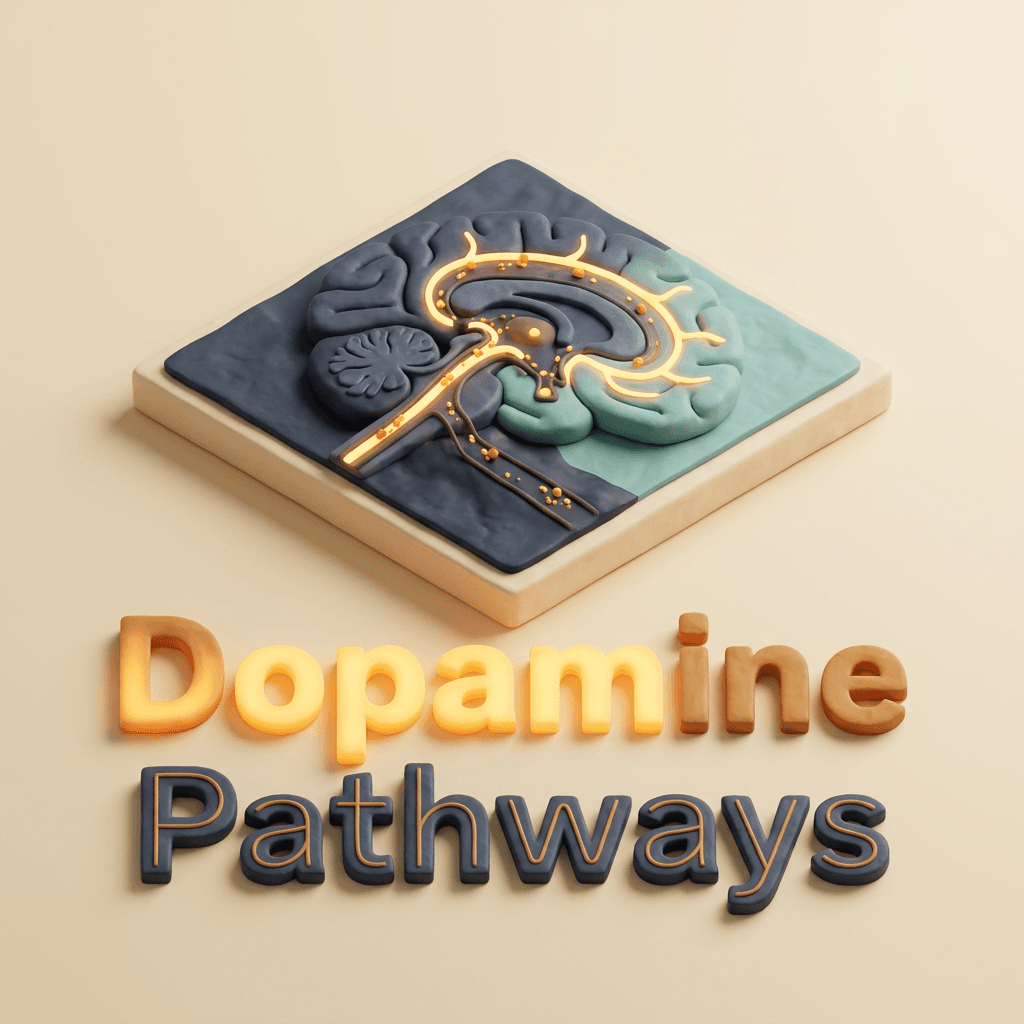
Brain imaging research has consistently found measurable neurological differences in ADHD that explain task initiation problems. These are not character flaws — they are structural and functional differences in how the brain is wired.
Prefrontal cortex hypoactivation
fMRI studies show that people with ADHD have lower activation in the prefrontal cortex during executive function tasks — planning, decision-making, and task initiation. This area is the “CEO” of your brain. If it is not fully online, nothing gets started.
Dopamine transporter differences
PET scan research has found elevated dopamine transporters in the striatum (the reward centre) in people with ADHD. This means dopamine is being cleared faster — you need more stimulation or reward to feel motivated. Standard tasks feel dopamine-starved. Interesting or urgent tasks flood your system and suddenly you can function.
Frontostriatal circuit dysfunction
The prefrontal cortex needs to “talk to” the striatum (which generates motivation and effort). In ADHD, this communication is delayed or weak. Your brain knows what to do, but the motivation signal is not arriving. This is why you can want to do something desperately and still be unable to start.
Recent neuroimaging evidence (2024–2025)
Ongoing research continues to refine our understanding of ADHD neurobiology. Studies using high-resolution neuroimaging and functional connectivity analysis have strengthened the evidence for distributed network dysfunction in attention, motivation, and timing circuits — further confirming that ADHD is a neurodevelopmental condition, not a motivational one.
Start your journey with AskSheldon
Free tools to explore, screen, and understand your neurodivergent mind.
Executive Dysfunction vs. Laziness
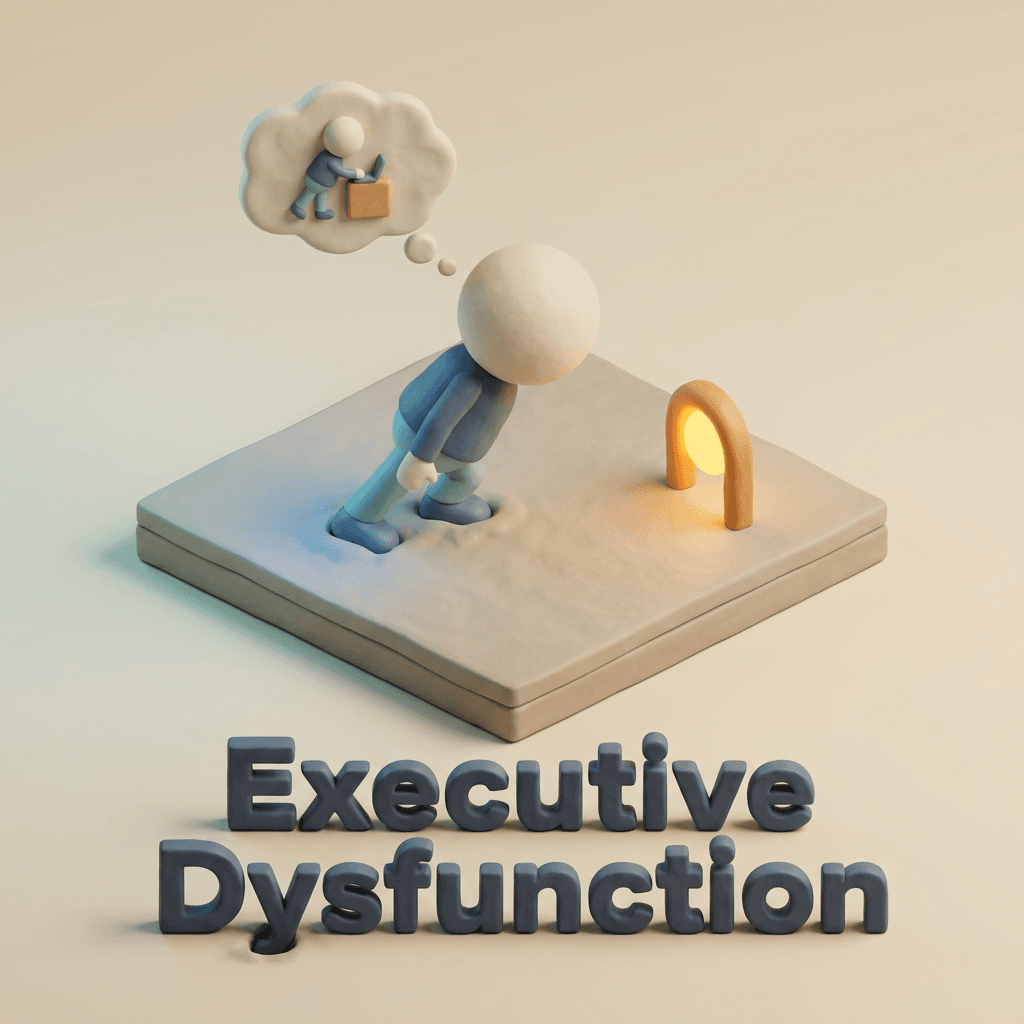
Here's how to tell the difference. Laziness is a choice. ADHD executive dysfunction is not.
| Aspect | Laziness | ADHD Executive Dysfunction |
|---|---|---|
| Does the person care? | Doesn’t care about the outcome | Cares deeply but cannot bridge intention to action |
| Effort level | Avoids effort whenever possible | Works much harder than others just to do basic tasks |
| Starts on easy tasks? | Yes — starts anything if it’s interesting enough | Struggles even with enjoyable things (inconsistent energy) |
| Energy from interest? | No — avoids all work equally | Yes — can hyperfocus on passions but not on obligations |
| Consistency | Intentionally skips tasks based on effort-benefit calculation | Randomly cannot start things they’ve done a hundred times |
| Shame and guilt? | Low — not motivated by shame | Intense — desperate to do the thing, haunted by repeated failure |
The Shame Spiral

When people repeatedly tell you that your ADHD is laziness, something breaks inside. You start to believe them. This belief becomes the biggest obstacle to getting help.
Rejection sensitive dysphoria
Many people with ADHD experience rejection sensitive dysphoria (RSD) — an intense emotional sensitivity to perceived criticism and rejection. Being called lazy does not feel like feedback; it feels like deep personal rejection. This triggers shame, anxiety, and avoidance, which makes executive dysfunction worse.
Internalised belief
Over time, repeated messages that you are lazy become part of your identity. You stop seeking help because you believe the problem is character, not neurology. You stop advocating for yourself. You accept that you are broken and unmotivated.
Mental health consequences
Chronic shame contributes to depression, anxiety, and a sense of hopelessness. Your cortisol levels stay high, which directly impairs prefrontal cortex function — making executive dysfunction worse. You are now in a vicious cycle: shame worsens the executive dysfunction, which looks like more laziness, which deepens the shame.
Breaking the cycle
Understanding your ADHD as neurology, not laziness, is the first step to breaking this cycle. You are not broken. Your brain works differently. And there are evidence-based strategies that actually help — because they address the root cause (dopamine regulation and task initiation), not the symptom (procrastination).
What Actually Helps
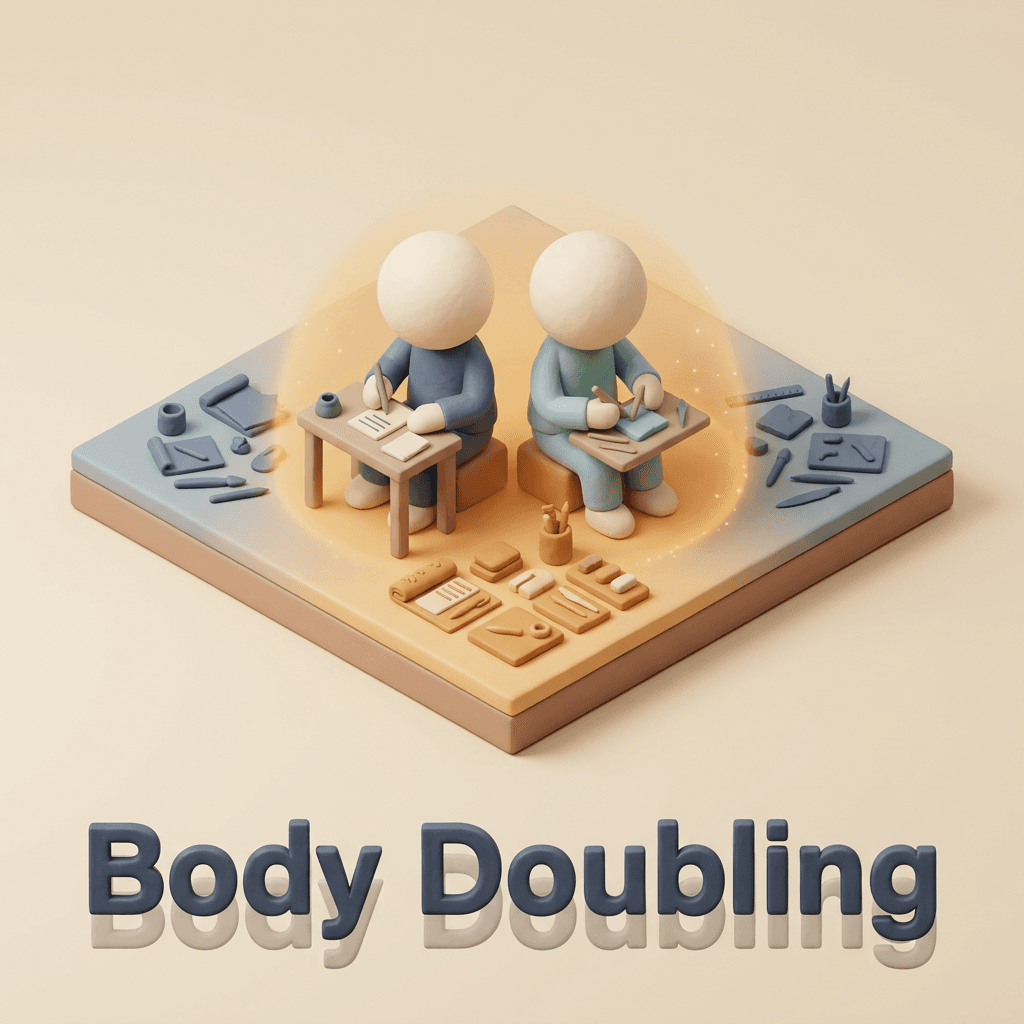
ADHD is not cured by willpower, discipline, or motivation. It is managed by building dopamine-positive systems and reducing friction.
Body doubling
Working with someone else (or even an AI navigator) in the same room provides external structure and accountability. It floods your dopamine system just enough to help you start and sustain effort. This is not a hack — it is compensation for a neurobiology that needs ambient external motivation.
External structure
Timers, alarms, checklists, and deadlines provide external executive function — replacing what your brain struggles to generate internally. These are not training wheels. They are lifelong accommodations, like glasses for poor eyesight. See also: time blindness in ADHD.
Medication normalises prefrontal activation
ADHD medications (stimulants, non-stimulants, and other agents) increase dopamine and norepinephrine availability in the prefrontal cortex. They do not fix the underlying neurobiology, but they allow your brain to function closer to typical. Many people describe it as the fog lifting — their brain finally works the way they have always wanted it to.
Breaking tasks into dopamine-sized chunks
Instead of trying to do a huge project, break it into small steps that each deliver visible progress and quick wins. Your ADHD brain needs frequent feedback and reward to stay engaged. This is not laziness — this is working with your neurology, not against it.
Interest-driven activation
If a task aligns with your interests or values, your dopamine system activates. When possible, reframe obligatory tasks in ways that connect to your interests, or find ways to make the task itself more interesting. This is not bypassing the problem — it is using the one thing that does work for your brain.
Tools and Resources

Understanding that ADHD is neurology is the first step. Practical tools are the second.
Focus Timer
Flexible Pomodoro with visual time and if-stuck plans. Makes time tangible and provides the dopamine hits your brain needs.
Executive Function Tools
Complete guide to body doubling, task breakdown, sensory management, and external structure. Read why ADHD is not laziness here too.
Time Blindness Tools
Visual timers and time anchors that make time tangible. Essential for ADHD time management.
Body Doubling
Diagnostic guide who sits with you while you work. Ambient accountability that actually works for ADHD brains.
Executive Function in Adults
How executive dysfunction shows up in adult life, and the strategies that help with planning, initiation, and follow-through.
Explore More ADHD Myths
“ADHD is just laziness” is one of many myths that keep people from getting the support they need. Our interactive myth explorer tests your knowledge of ADHD facts and shows you where common misconceptions come from.
Explore more myths in our interactive myth explorer →Frequently Asked Questions
Why can I do fun things but not work ADHD?+
Interest floods your prefrontal cortex with dopamine, which temporarily fixes the executive function problem. A video game activates the reward system immediately — you see the goal, the progress, the feedback loop. Work is the opposite: the reward is abstract, delayed, or invisible. Your ADHD brain needs either immediate reward, novelty, or high stakes (deadline panic) to function. The inability to start "boring" work is not laziness — it's dopamine regulation, not motivation.
Is ADHD laziness real or just neurology?+
ADHD is neurology. Brain imaging studies using fMRI and PET scans show reduced activation in the prefrontal cortex (the planning and initiation centre) and lower dopamine availability in the striatum during executive tasks. This is measurable, structural difference, not willpower or character. Laziness is a choice to avoid effort. ADHD is an involuntary neurological difference in how your brain initiates and sustains action.
Why does calling me lazy make things worse?+
When someone calls you lazy, you internalise it as a character flaw — “I'm broken.” You then feel shame and guilt, which release cortisol and reduce executive function further. You spiral: shame makes it harder to start, which looks like laziness, which reinforces the shame. Rejection sensitive dysphoria (common in ADHD) makes you hypersensitive to this criticism. Understanding your ADHD as neurology, not laziness, breaks the shame spiral and opens up actual problem-solving.
What if I have both ADHD and genuinely lazy tendencies?+
Many people with ADHD notice they have low motivation around certain tasks — tasks that don't align with their interests or values. This is not laziness, it's a mismatch. Humans (neurodivergent and neurotypical) are naturally less motivated by tasks that feel pointless. The difference is that neurotypical people can push through low motivation through sheer willpower. ADHD brains cannot bypass the motivation requirement — even with willpower. If you find yourself consistently avoiding something, the solution is not "be less lazy." It's "find a way to make this task dopamine-positive" or "accept that this task is not compatible with how your brain works."
How do I explain ADHD procrastination to others?+
Use a neurological metaphor: "My brain doesn't produce enough dopamine for task initiation. I'm not avoiding the task because I don't care — I'm avoiding it because my brain can't start without the right chemical balance. It's like asking someone without enough serotonin to just cheer up." Or: "My intention and action systems are not connected the same way they are for you. I genuinely want to do this, but my brain isn't bridging the gap." Most people understand neurology better than they understand neurodiversity — frame it as a neurological fact, not an excuse.
This page is for informational purposes only and does not constitute medical advice. If you suspect you have ADHD, speak to your GP or a healthcare provider who can arrange a formal assessment. ADHD diagnosis and treatment should be managed by qualified professionals.
Last updated: March 2026
Start your journey with AskSheldon
Free tools to explore, screen, and understand your neurodivergent mind.
Built by neurodivergent minds. 30+ conditions explored. Always free.